Booking a Visit
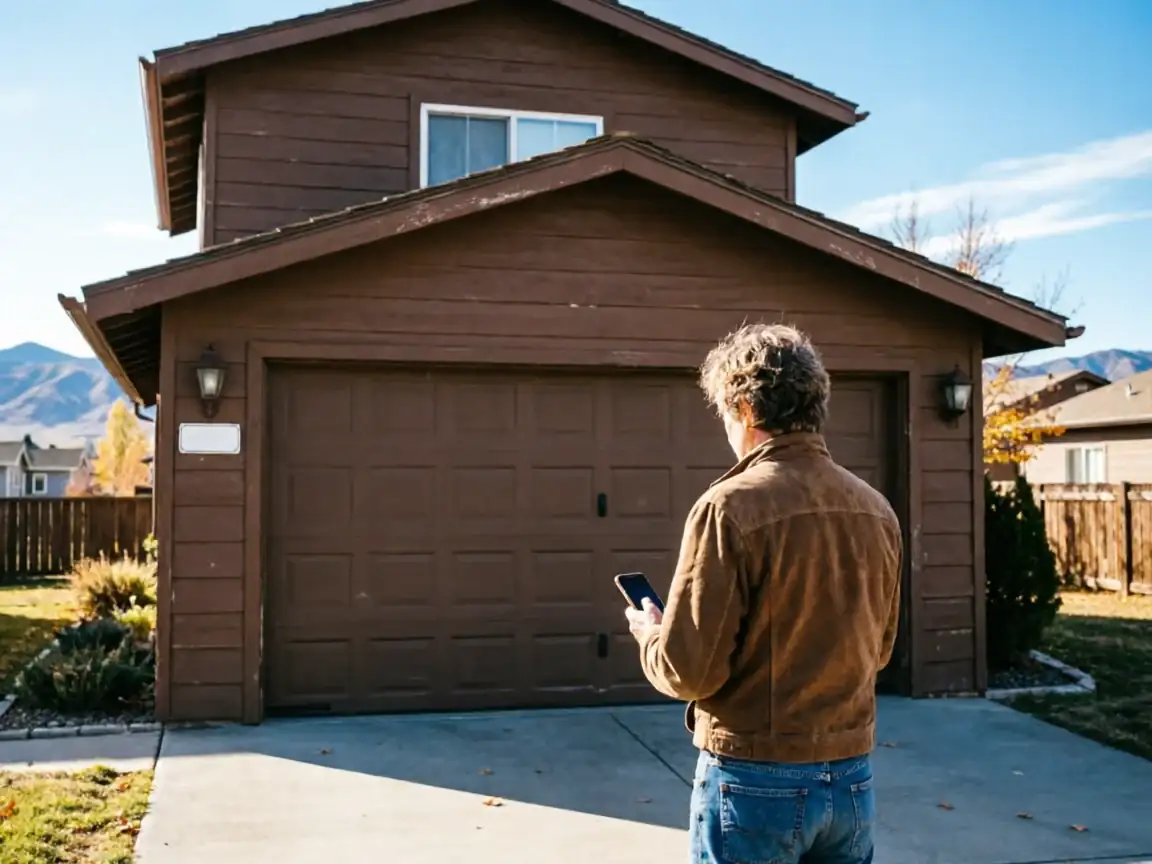
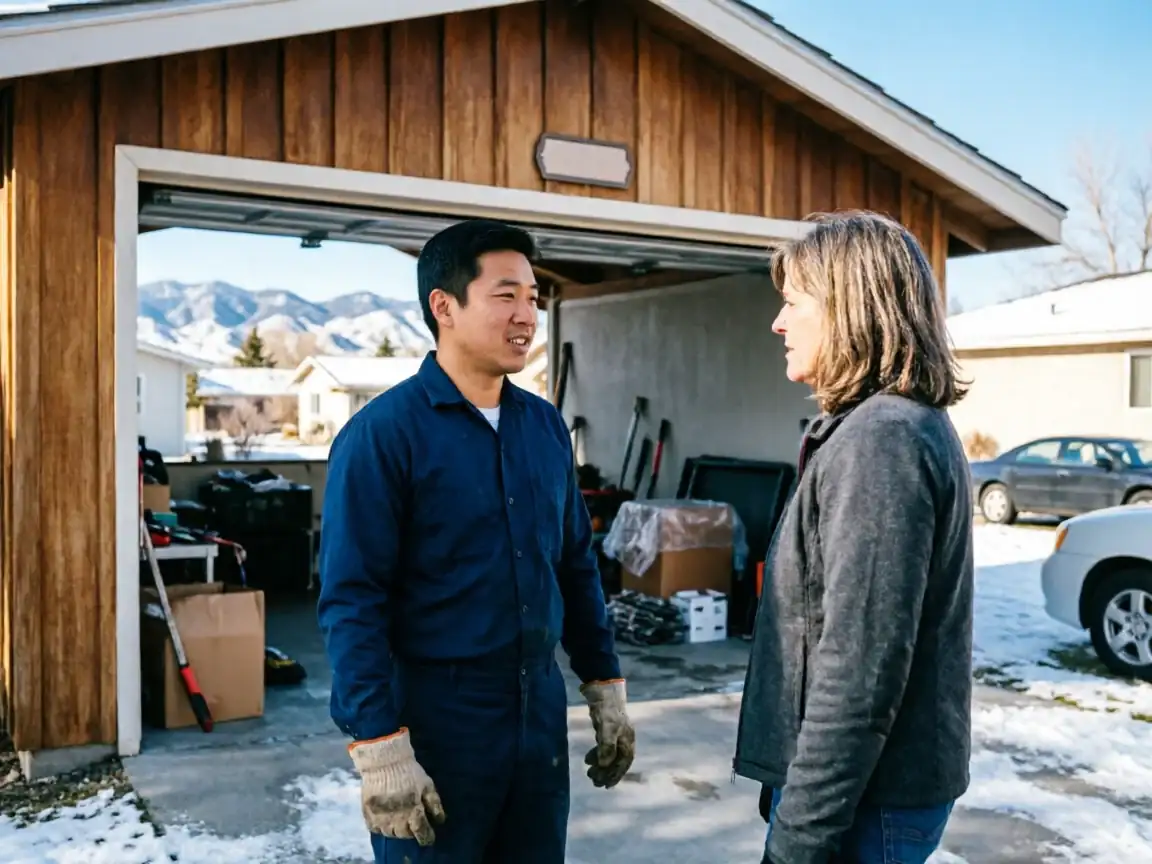
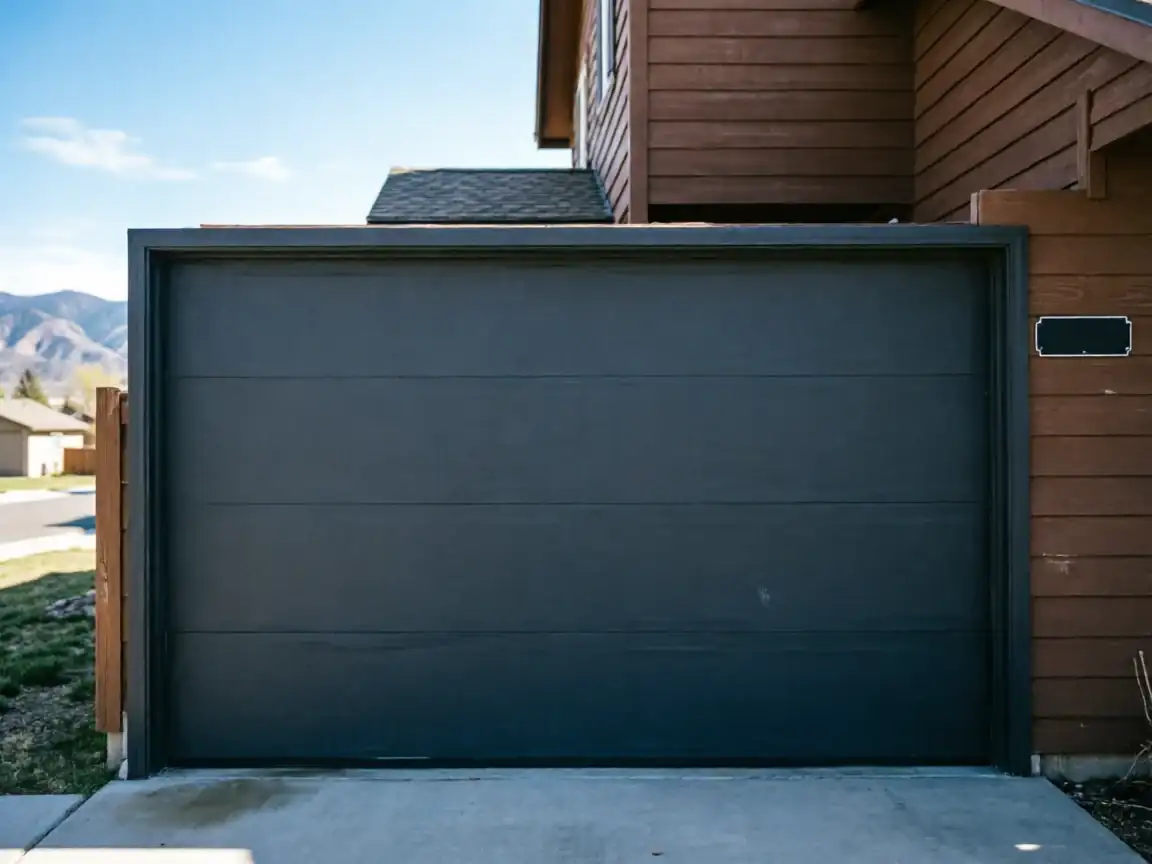
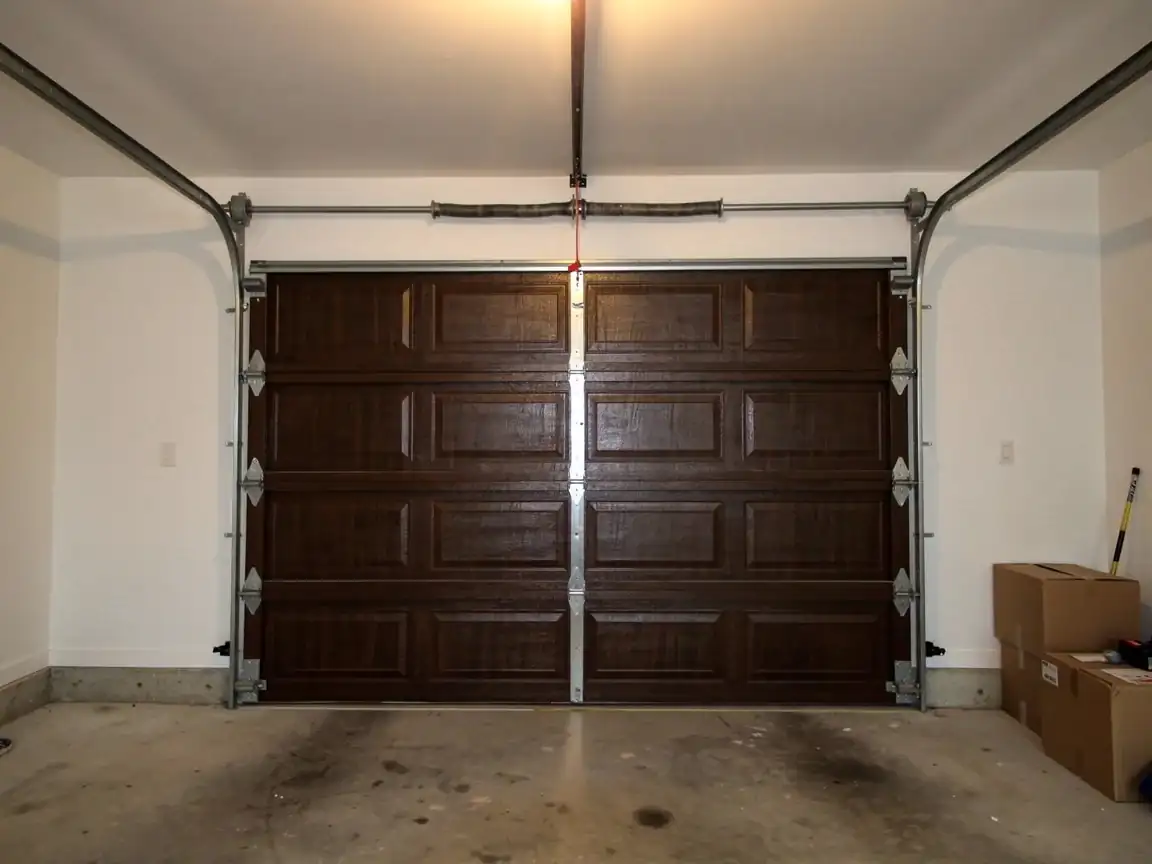
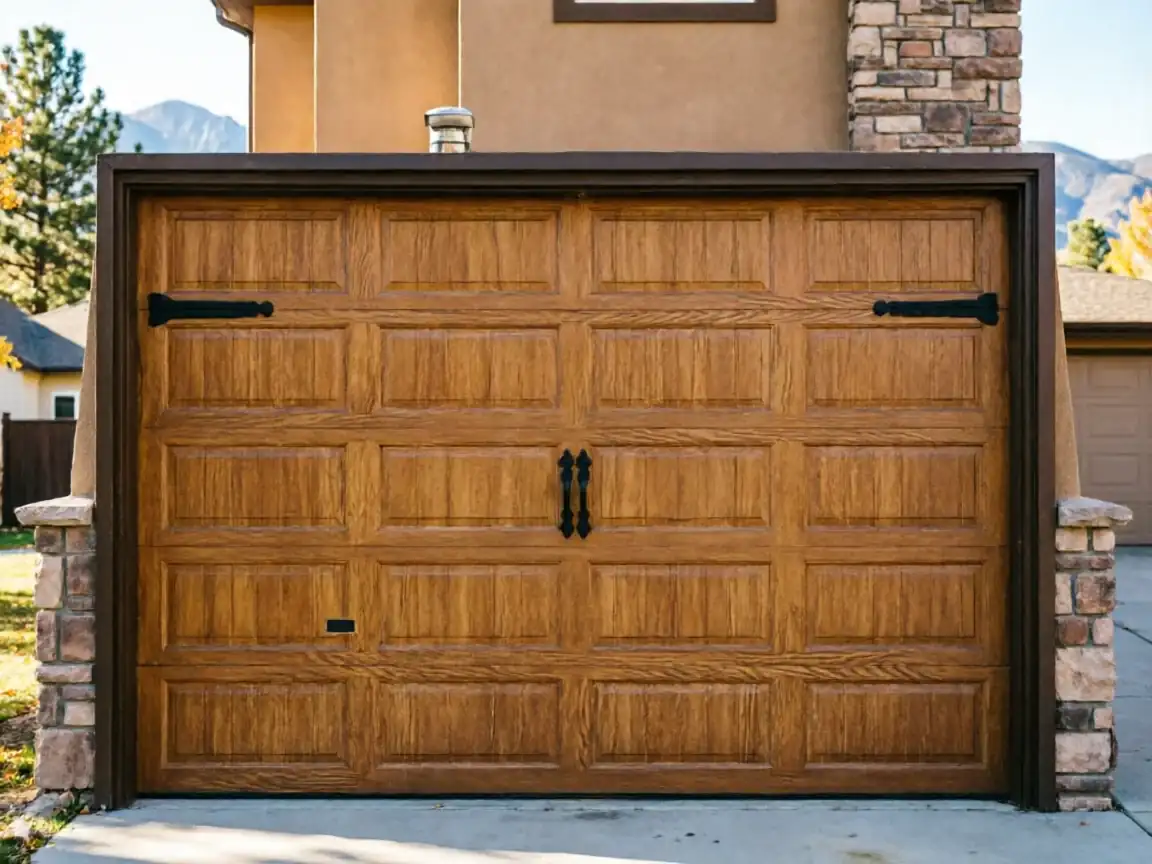
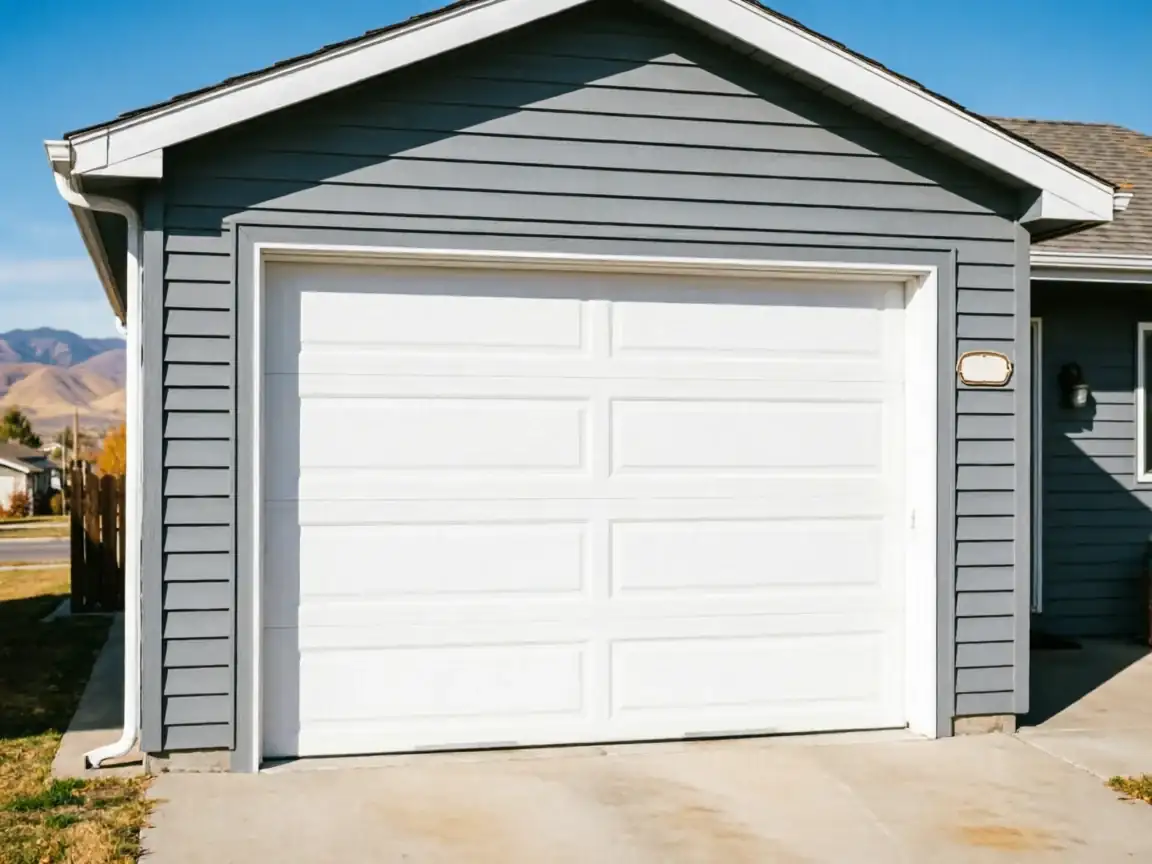
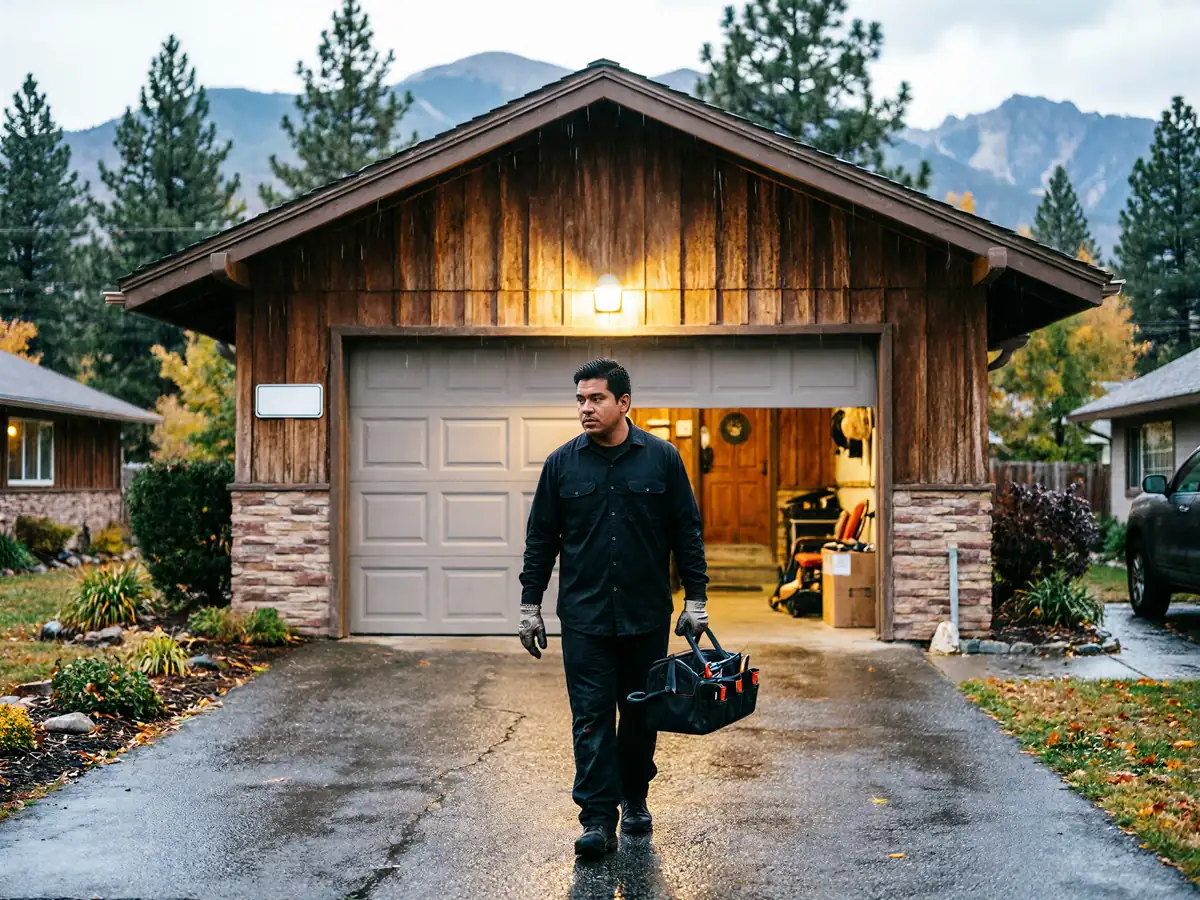
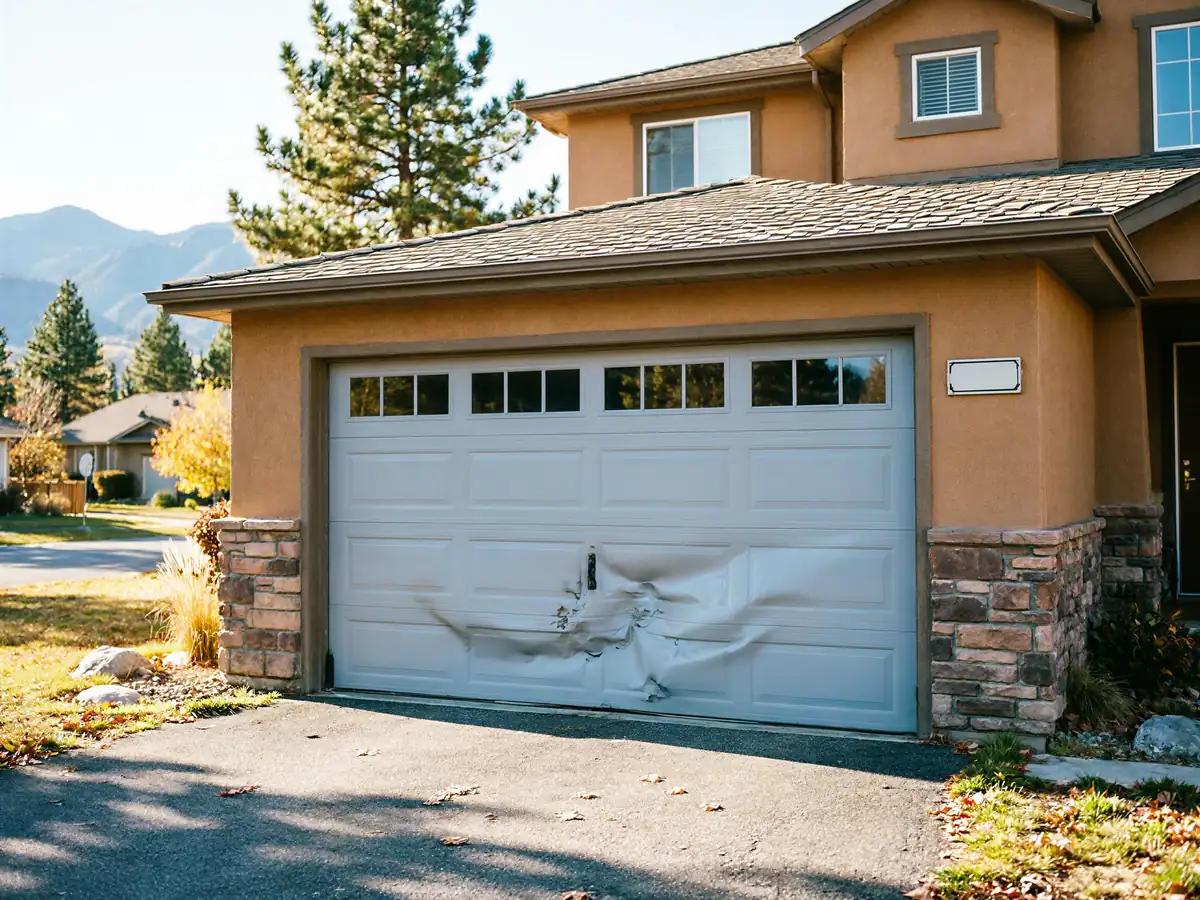
We work out of Highlands Ranch, six miles from Columbine, so there's no local branch to swing by - the truck comes to you. When you call about a dented or cracked panel, tell us the door's approximate age and, if you can see it, whether the panels are flat steel or have the embossed wood-grain look. That's usually enough for us to pull the right stock panel before we leave the shop, instead of showing up, measuring, and driving back for parts. Columbine went up mostly around 1976, which narrows things down more than you'd think - it puts most doors in a fairly tight band of sectional styles rather than the mix of eras you'd find on a street with houses from the 1940s through the 2000s. We'll ask for the door's width and panel count on the phone, and if you know the brand stamped on the end stile, that helps too. We don't keep a depot in Columbine itself, so same-day isn't something we promise sight unseen - we'll give you a real window once we know what we're matching.
What the Fix Involves
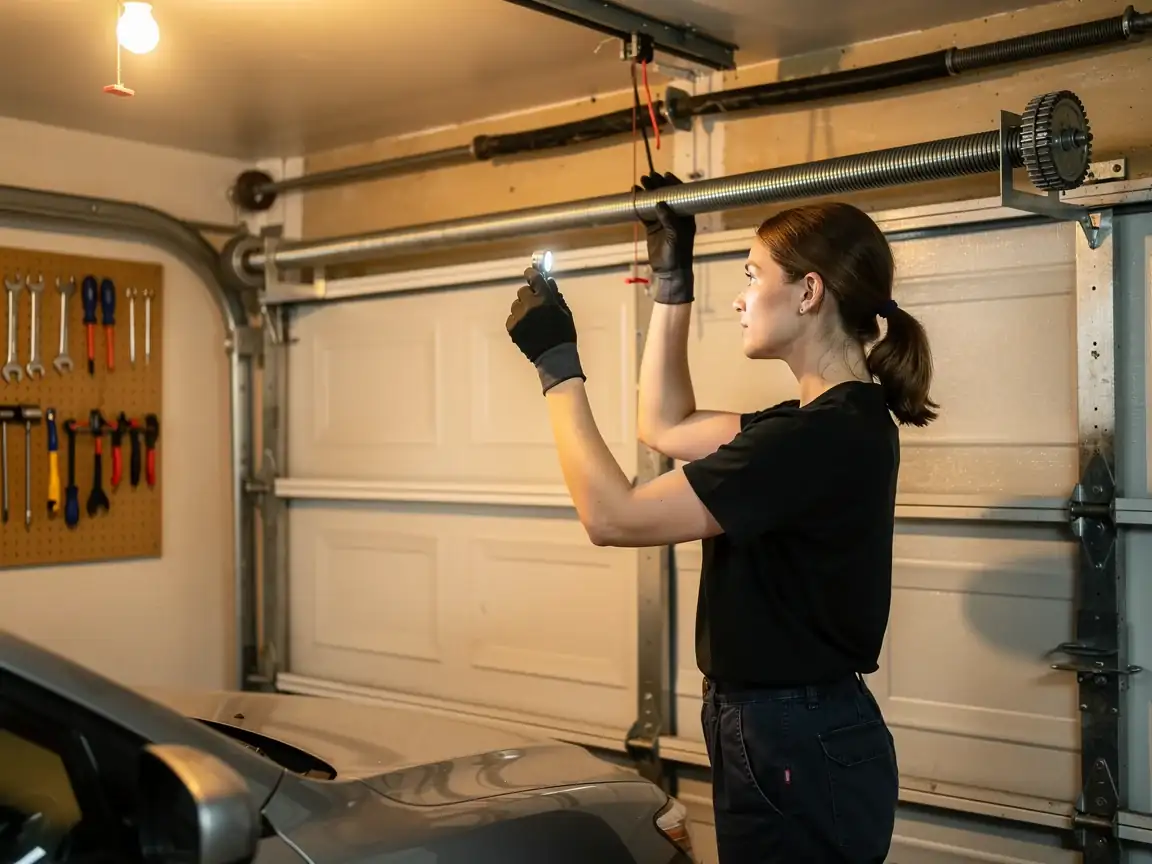
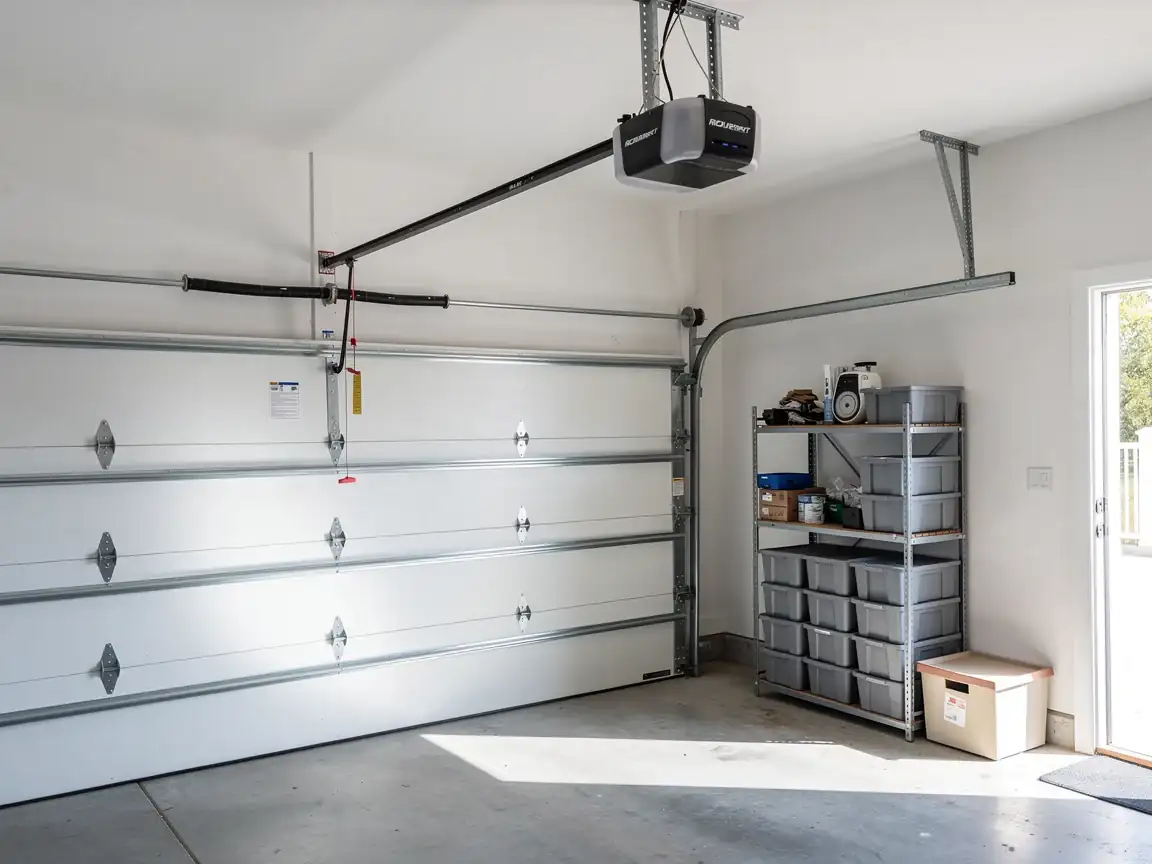
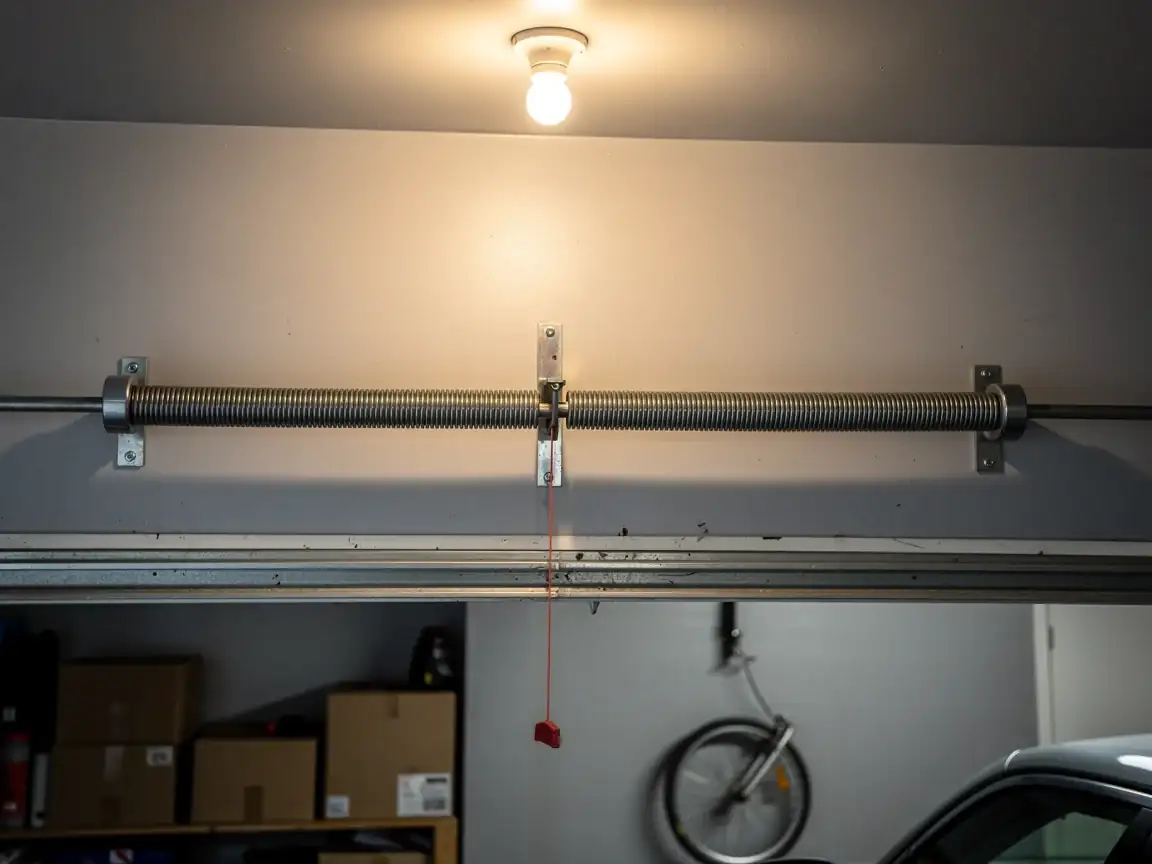
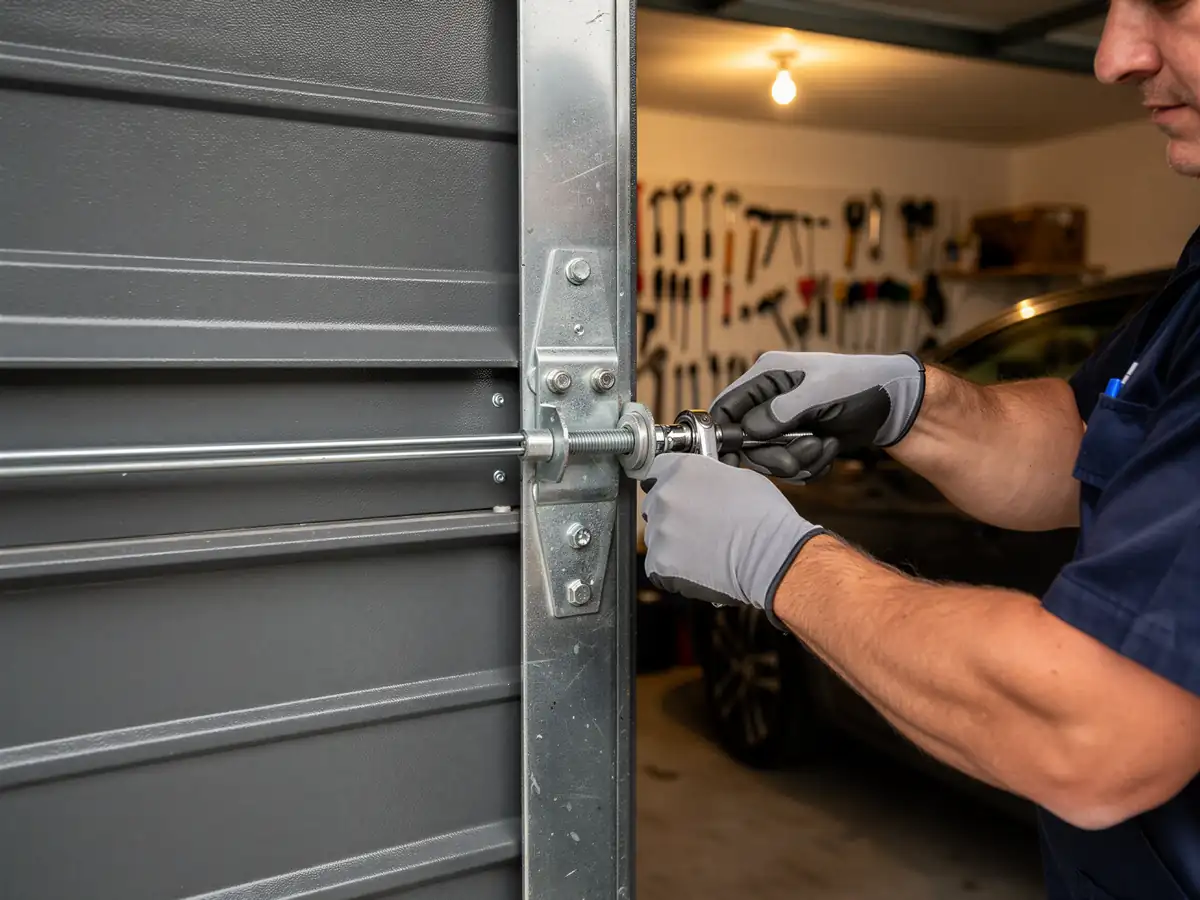
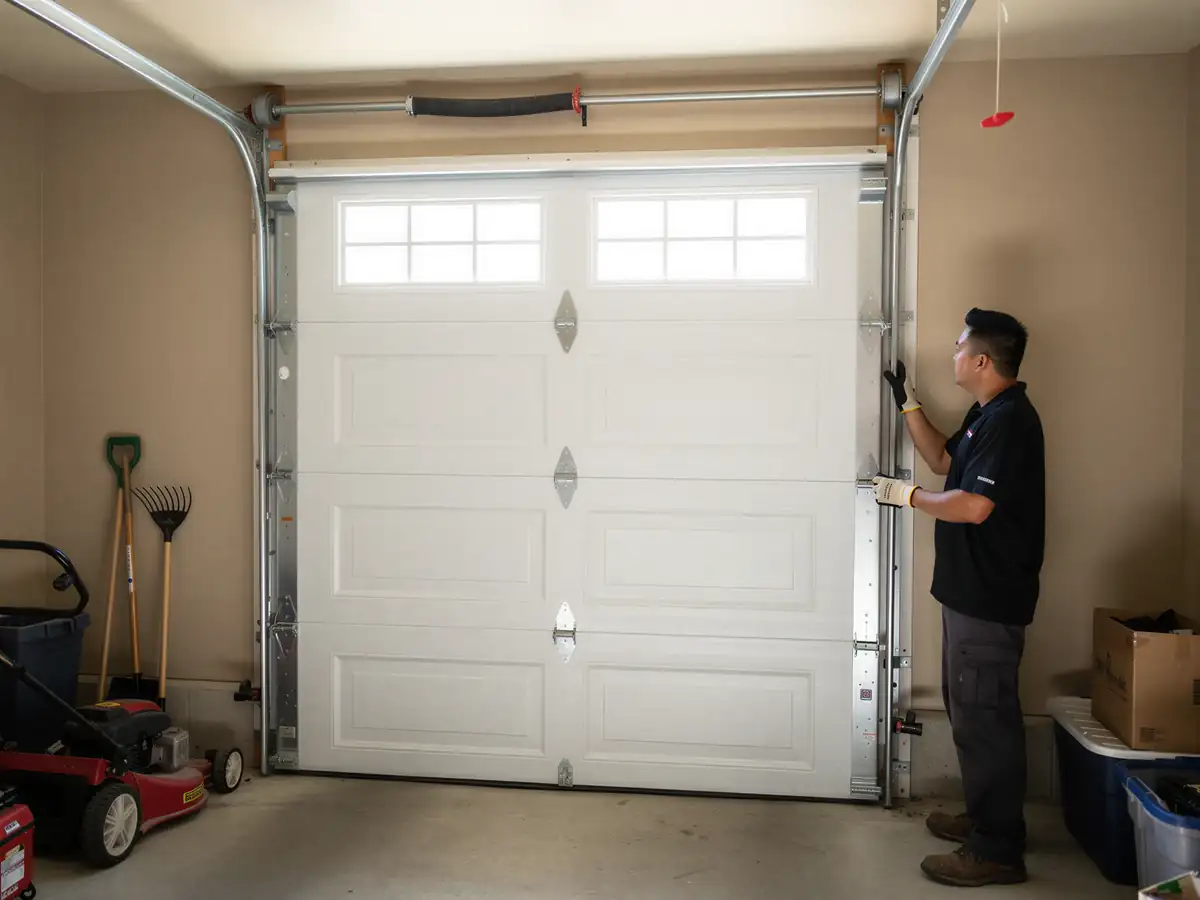
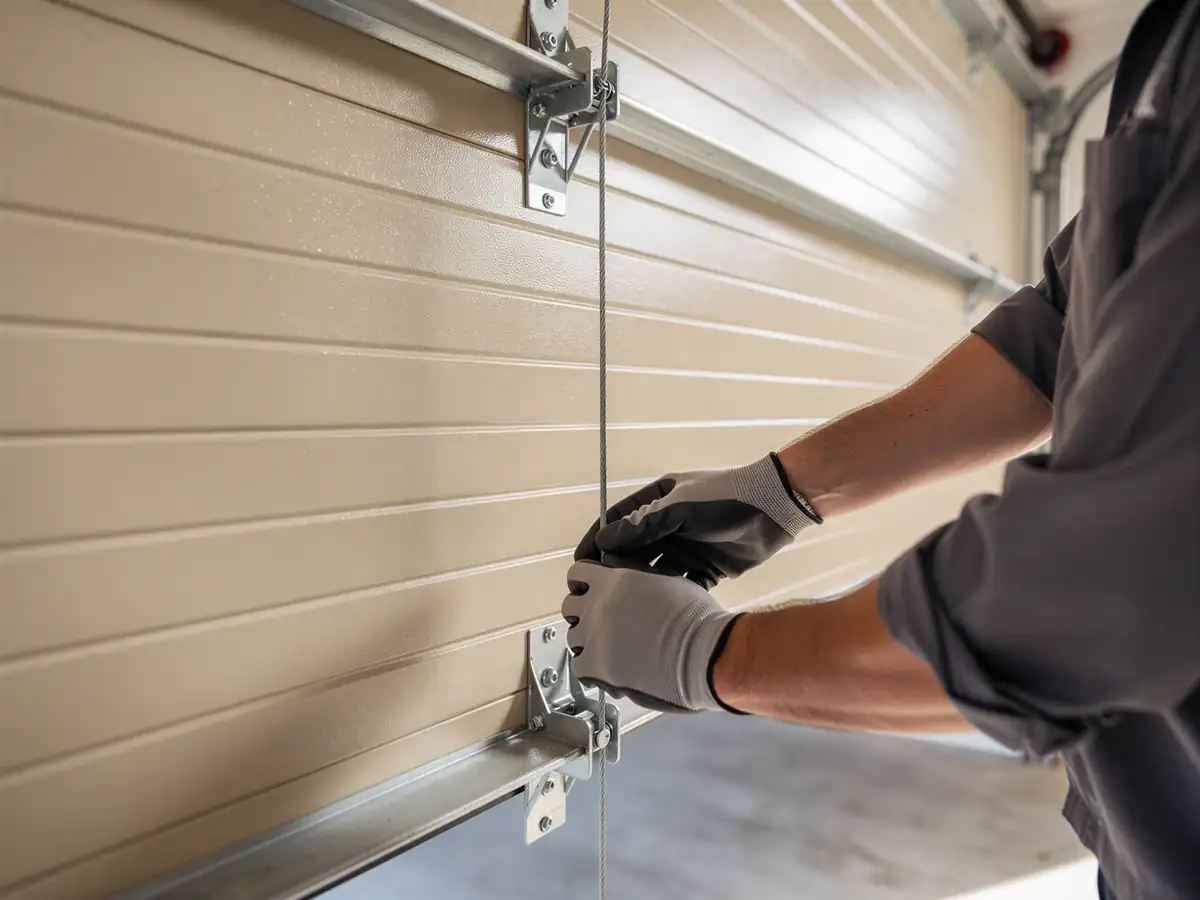
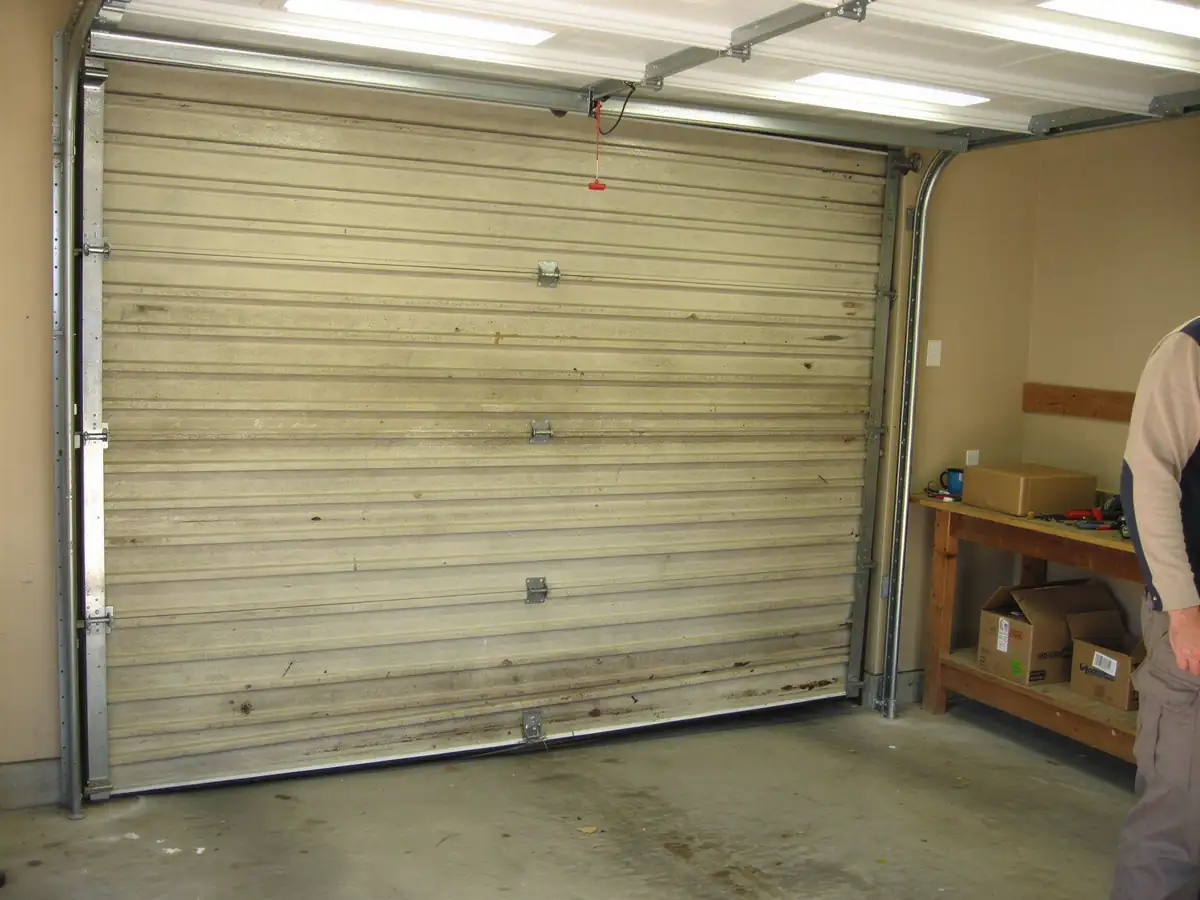
On a door from the mid-1970s, you're almost always looking at a steel sectional door - three or four horizontal panels joined by hinges, running on a track with a torsion or extension spring overhead. Replacing one damaged panel means unbolting the hinges above and below it, backing off the roller brackets, sliding the panel out of the track, and fitting the new one in its place. The tricky part isn't the mechanics, it's the match: a panel made in 1976 doesn't look like what ships today, so we're usually sourcing a compatible steel panel in a similar rib pattern and finish rather than an exact factory duplicate. If the door has aged unevenly - one section sun-faded, the rest not - we'll tell you honestly before we start, because a perfect color match across 45-plus years isn't something we can promise. Sometimes the better call is repainting all the panels once the new one's in, so the mismatch isn't staring back at you every time you pull in.
What Is on the Truck
We stock panel sections and end caps sized to the common sectional widths that match what went up in Columbine and nearby areas in the 1970s and 80s, along with the hinges, roller brackets, and fasteners those doors typically use. What we don't carry is a shelf of panels for every door ever made - if your door is an unusual width, a custom color, or an import brand, we'll need to order that specific panel rather than pull it off the truck. We also carry basic torsion spring and cable stock, since pulling a panel sometimes means dealing with spring tension first, and we're not going to leave that half-done. If your track or rollers are worn enough that the real fix is more than the panel, we'll say so on site rather than bolt a new panel onto hardware that's going to fight it from day one.
Doing It Yourself
Panel swaps look simple from a video, and on a newer door with a current catalog number, they can be. On a 1970s door, the harder part is finding a panel that fits a profile that hasn't been made in decades - guessing at a close-enough match from a home center can leave you with a seam that doesn't sit flush or hinges that don't line up. If the door uses a torsion spring and you haven't worked with one under tension before, that's the one part of this job we'd tell you to skip; a spring that lets go while you're holding a panel is a genuine way to get hurt. If you're comfortable with hand tools and the panel is a common width, pulling the hinges and swapping a bottom section isn't out of reach - just don't force a panel that's close but not quite right, because it'll bind the whole door on the track.