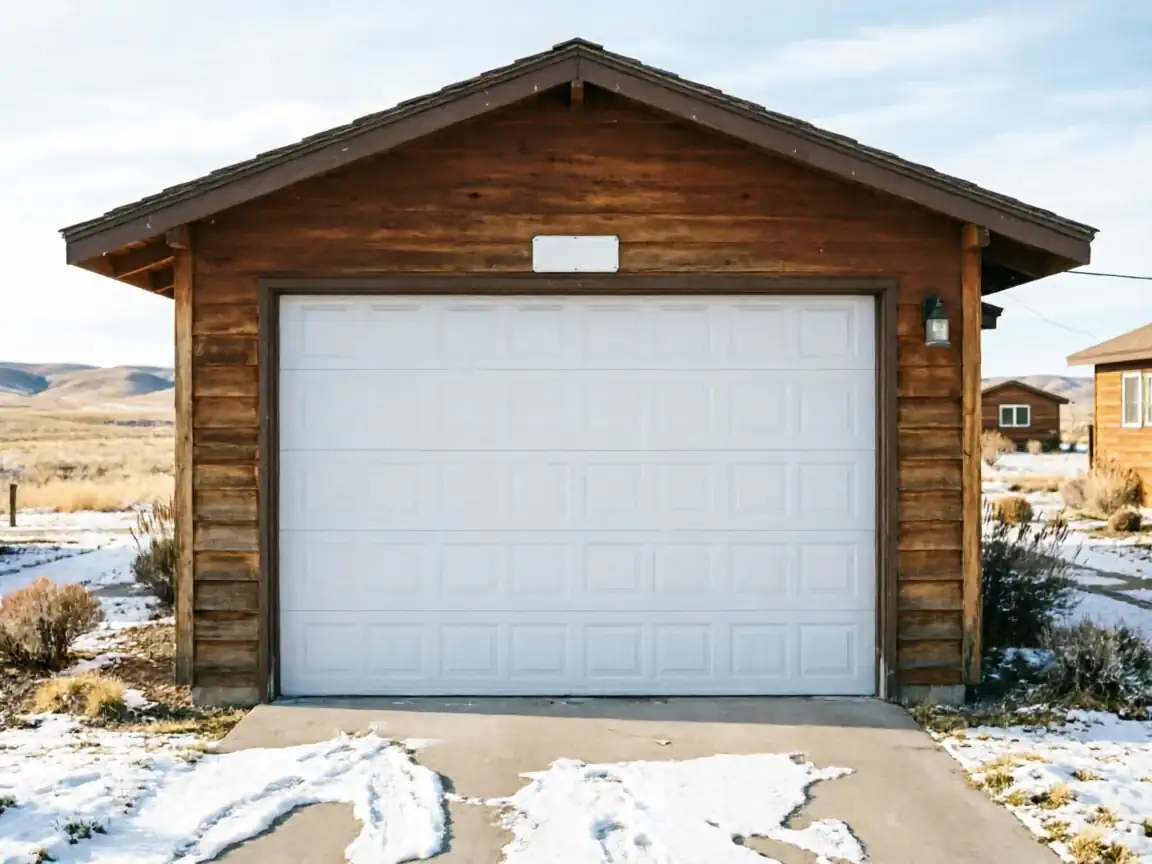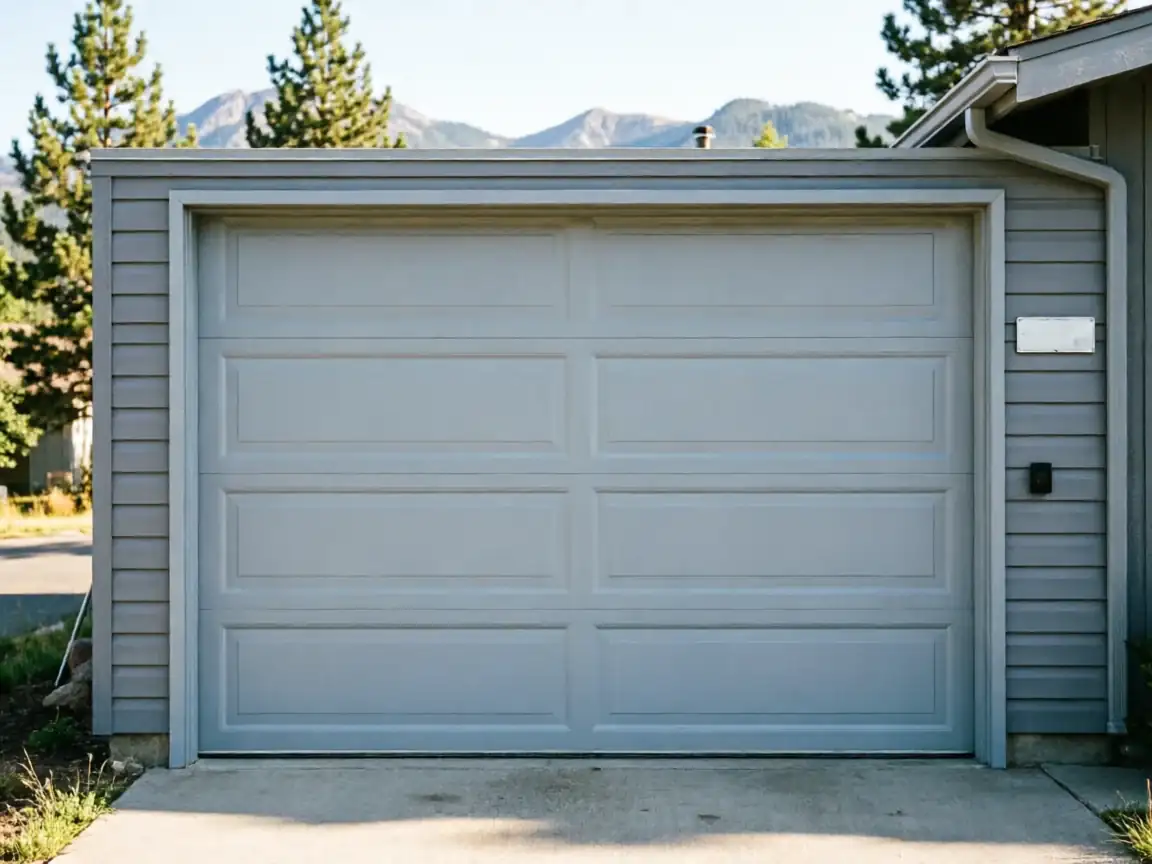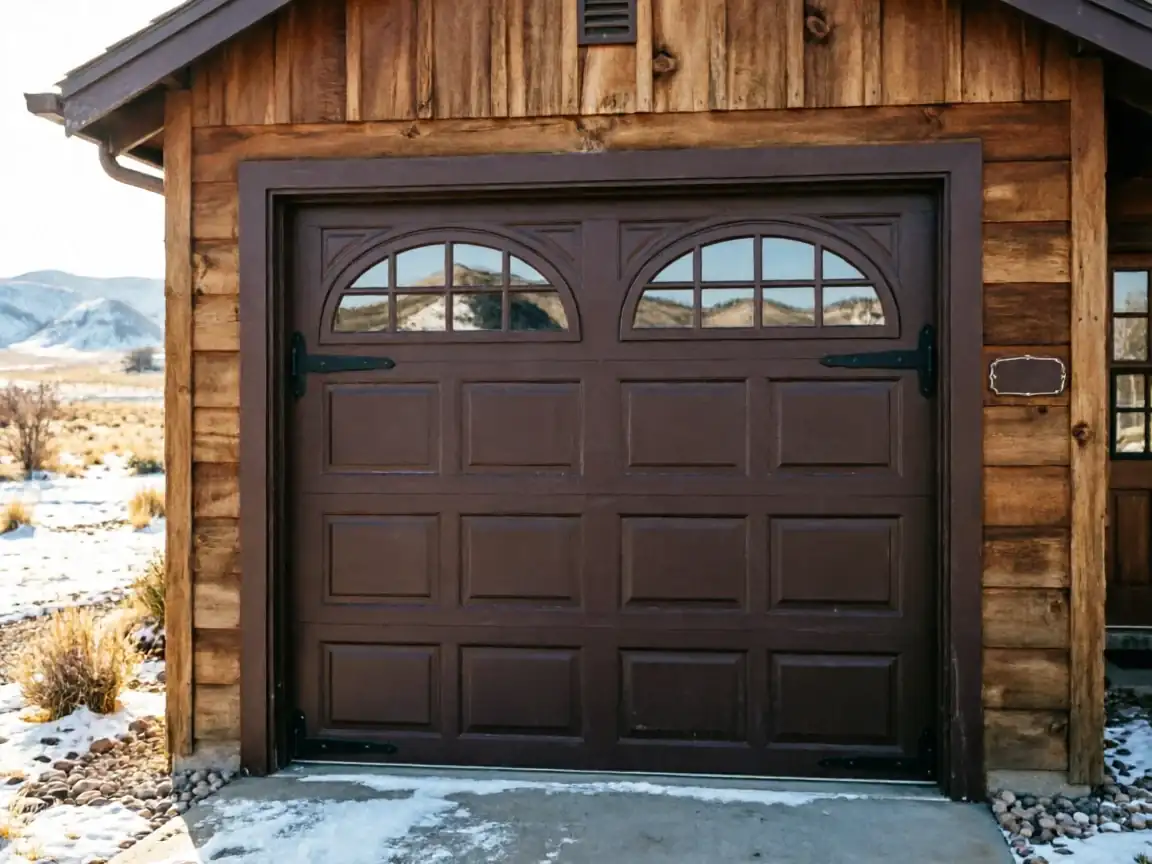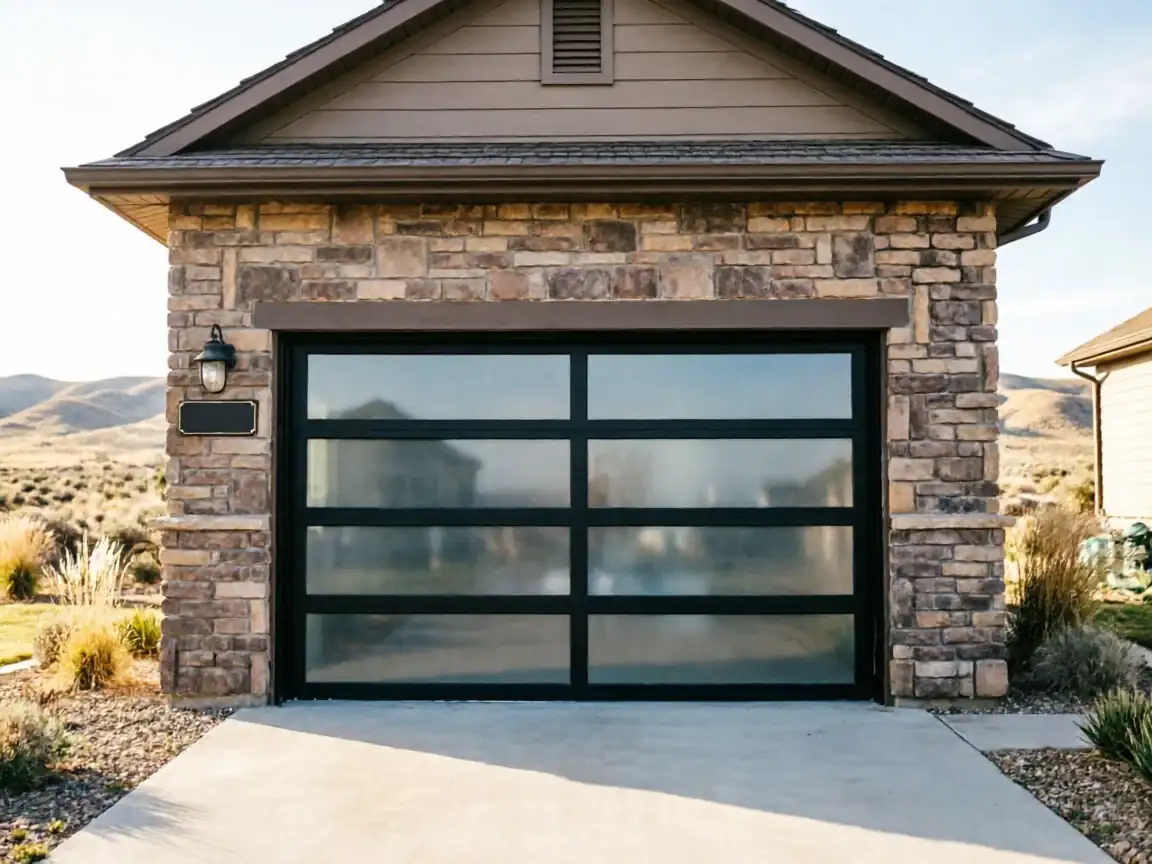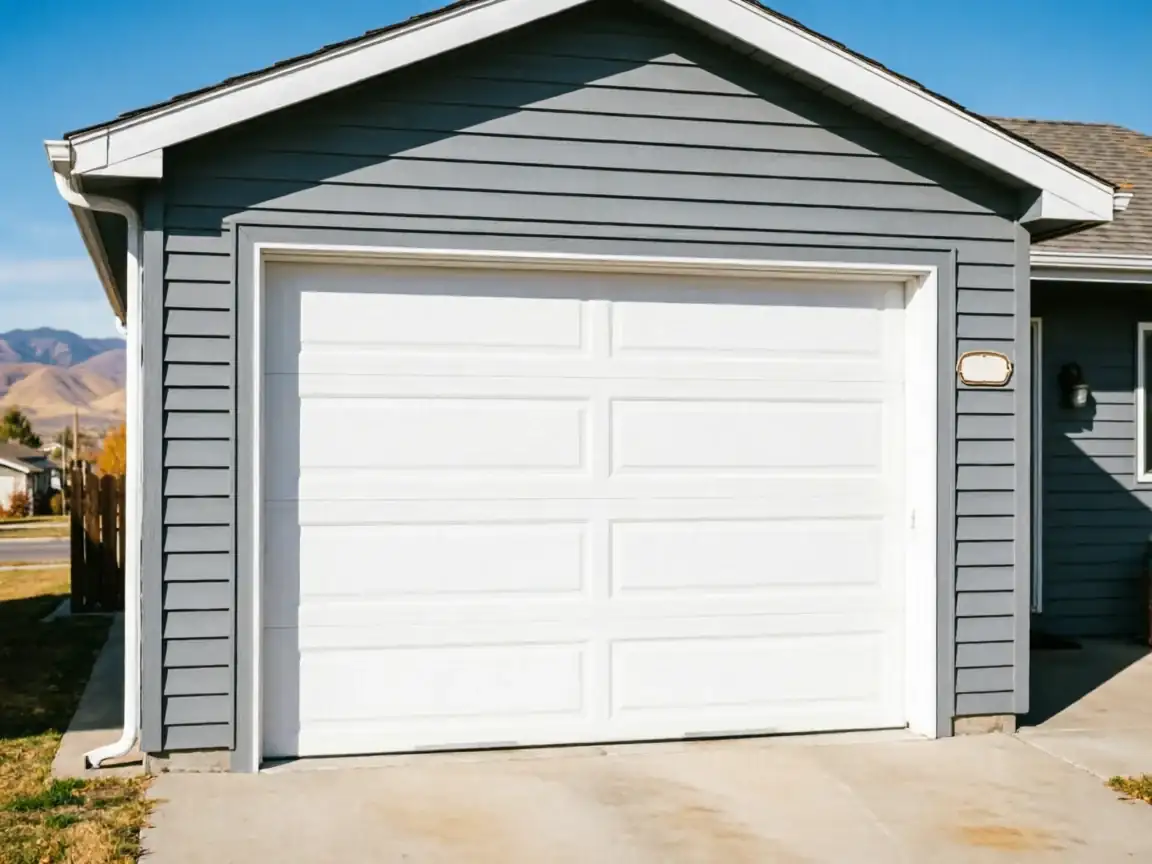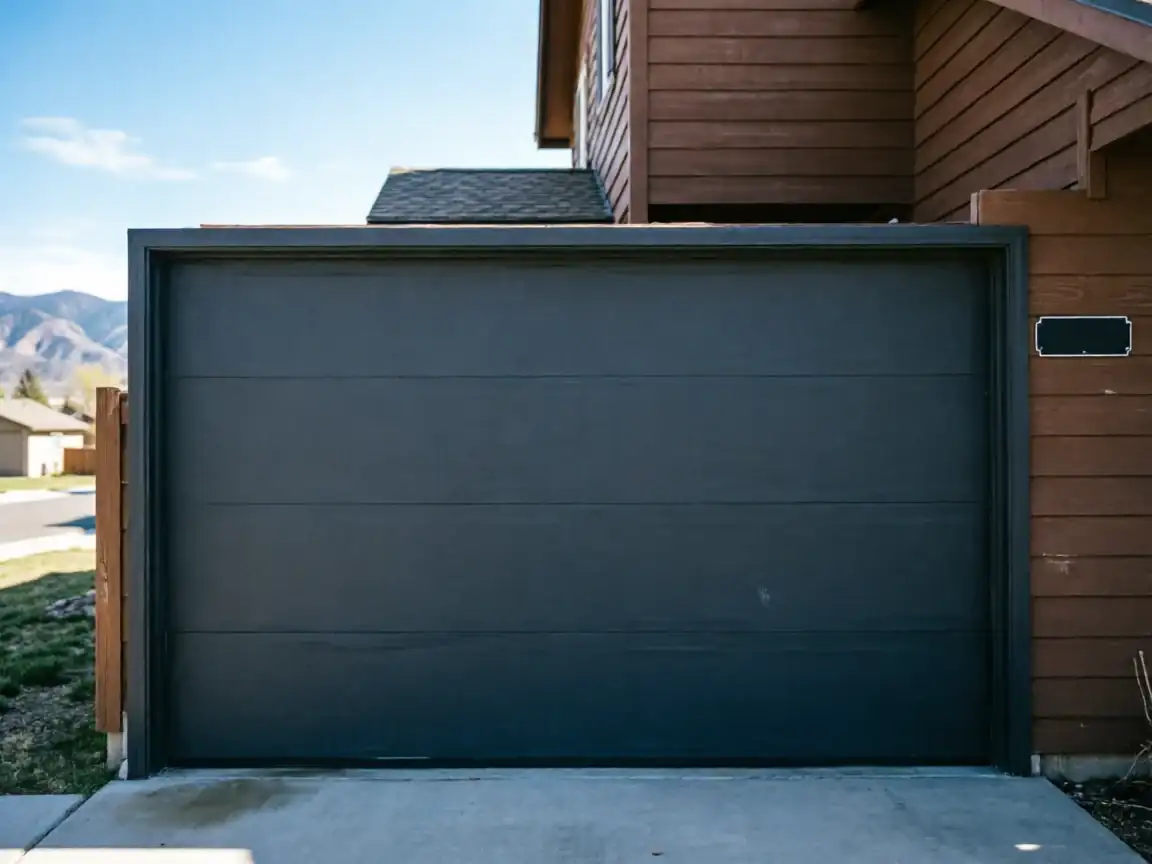
The Symptom
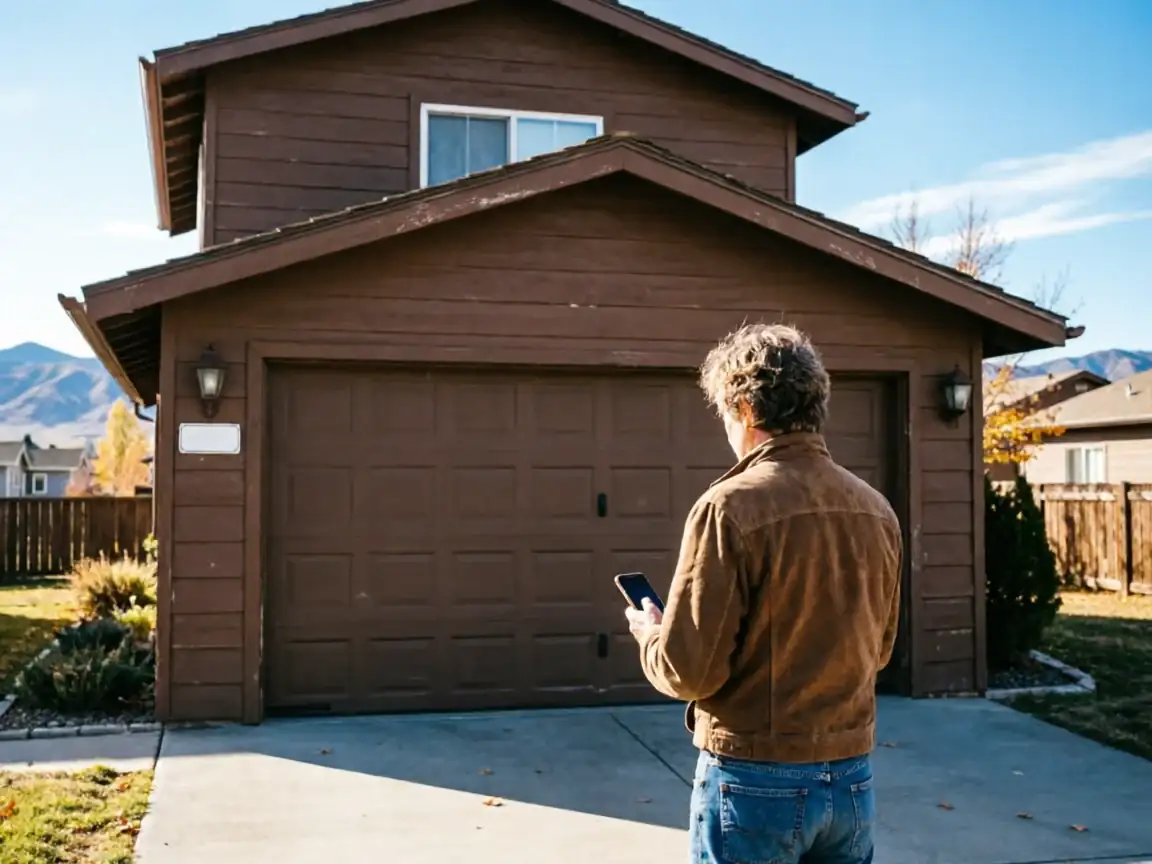
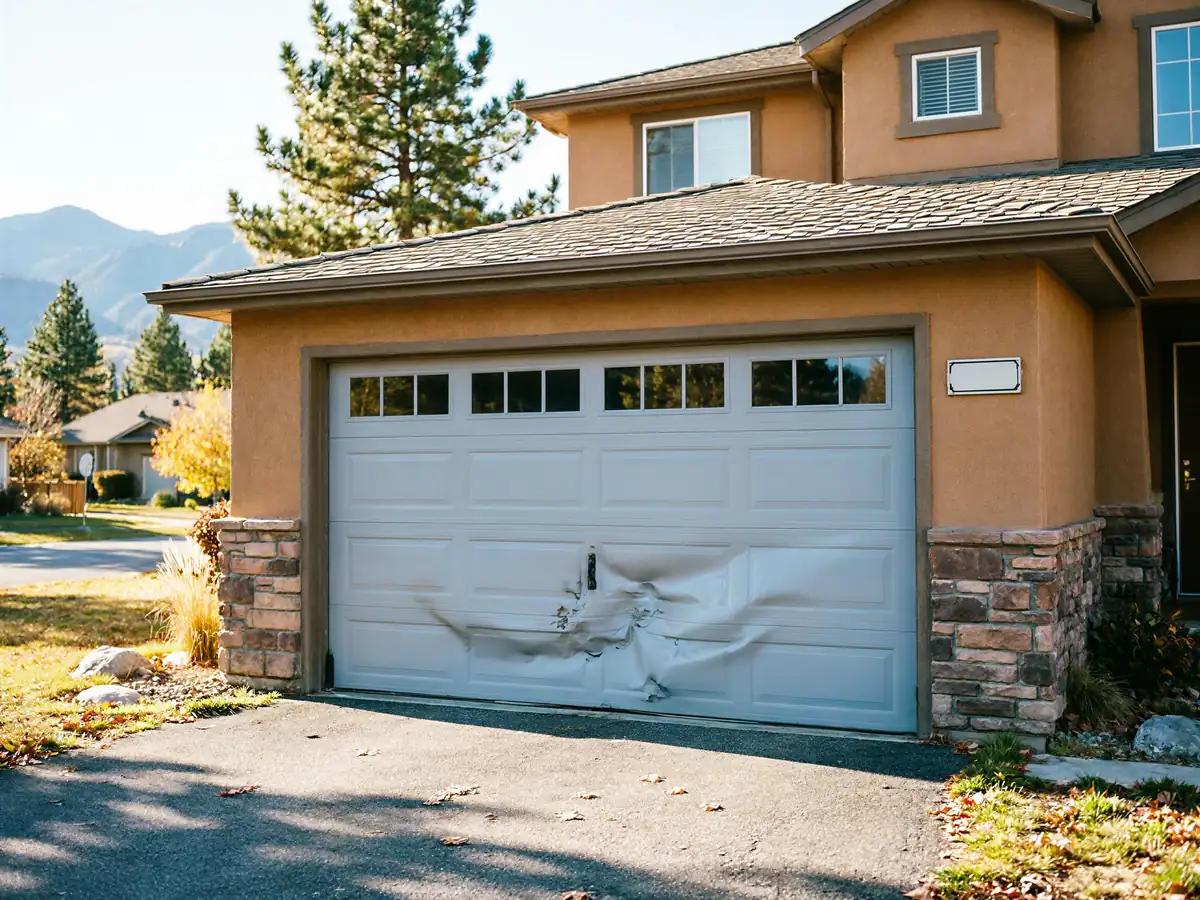
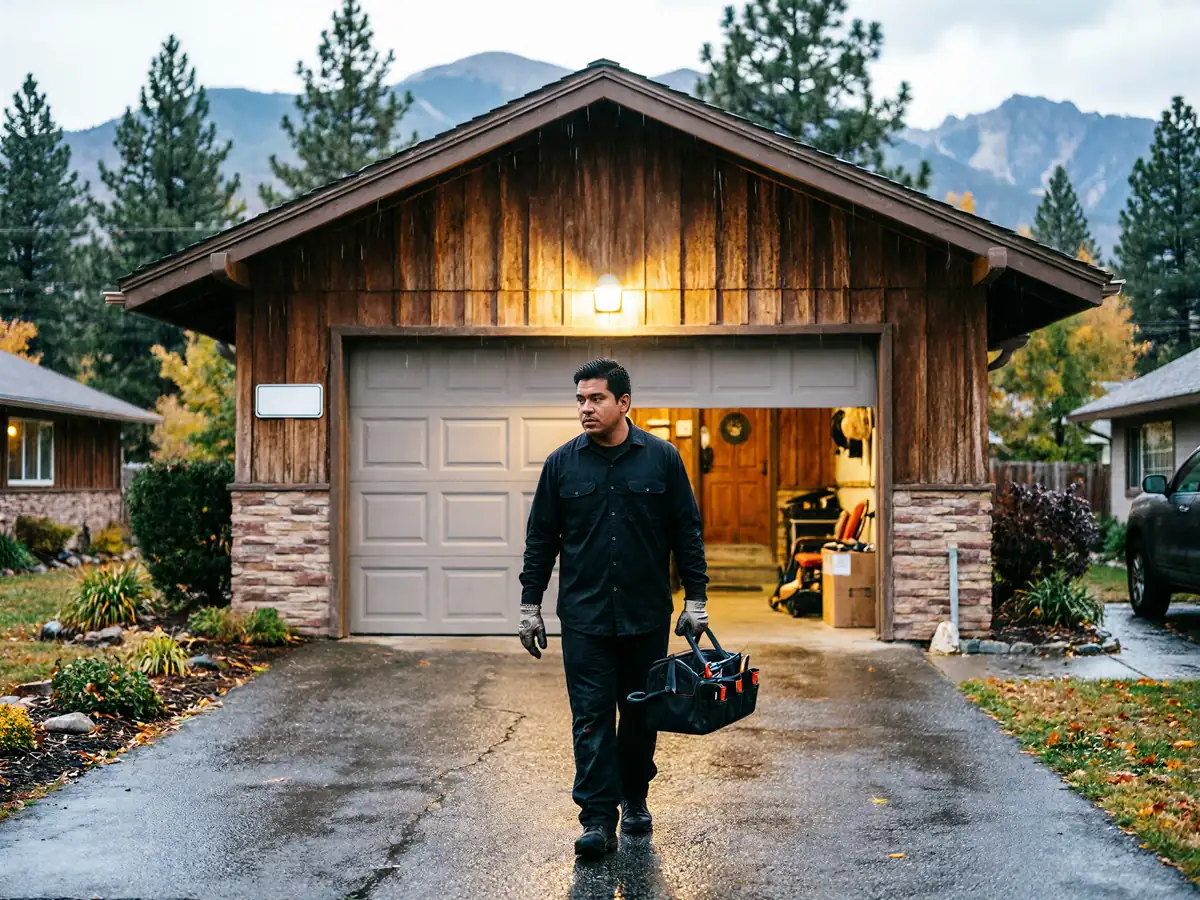
The call usually comes in one of three forms: a loud bang followed by a door that won't budge, an opener that hums but goes nowhere, or a door that lurches halfway up and stops. Sometimes it's a cable that's jumped the drum, sometimes the door comes off track on one side only. In a severe-cold climate band like this one, the symptom often shows up first thing in the morning, when overnight temperatures have stiffened the lubricant on hardware that was already due for service. A door that worked fine at 6pm and won't lift at 6am is the single most common emergency call we get. If the door is sitting crooked in the opening, or a spring has visibly separated, that's not a DIY afternoon project - it's a same-day call, because a loaded spring or a cable under tension can hurt someone who doesn't know what they're looking at. We'd rather you leave it shut and call than try to force it.
What Can Go Wrong
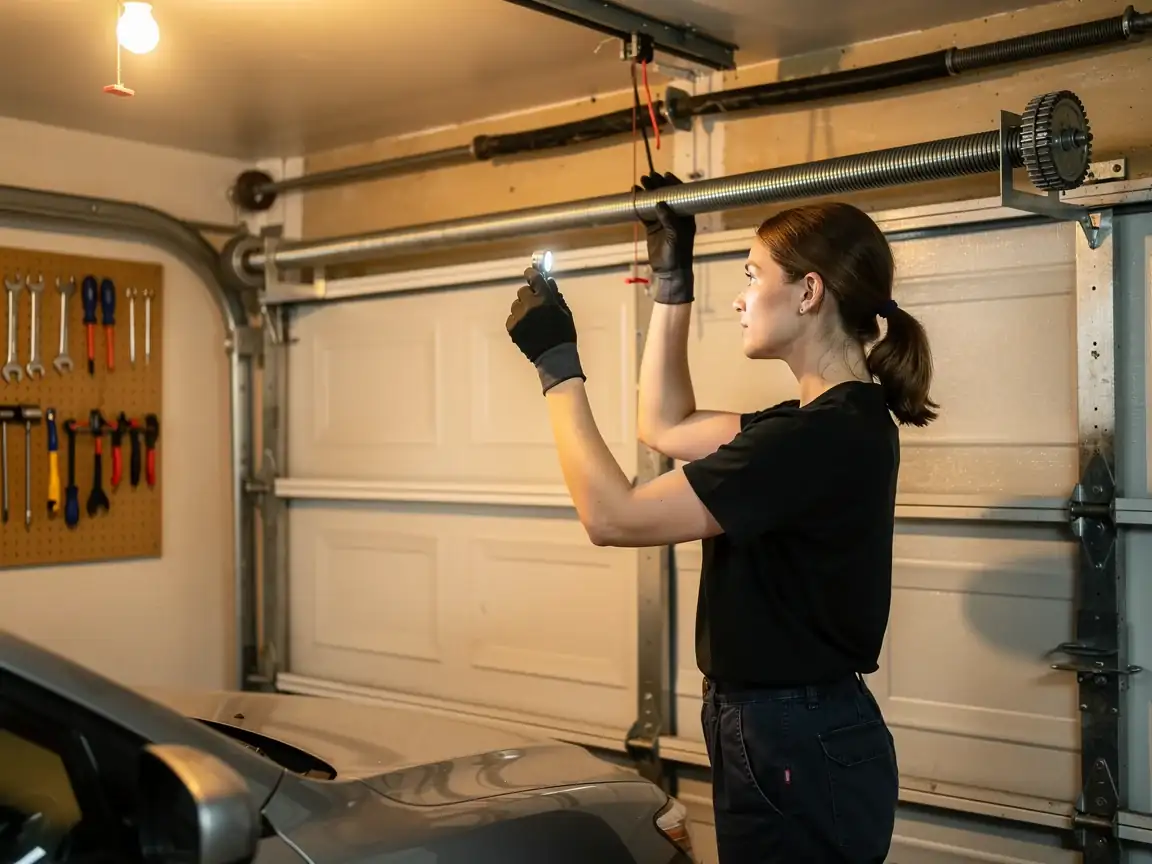
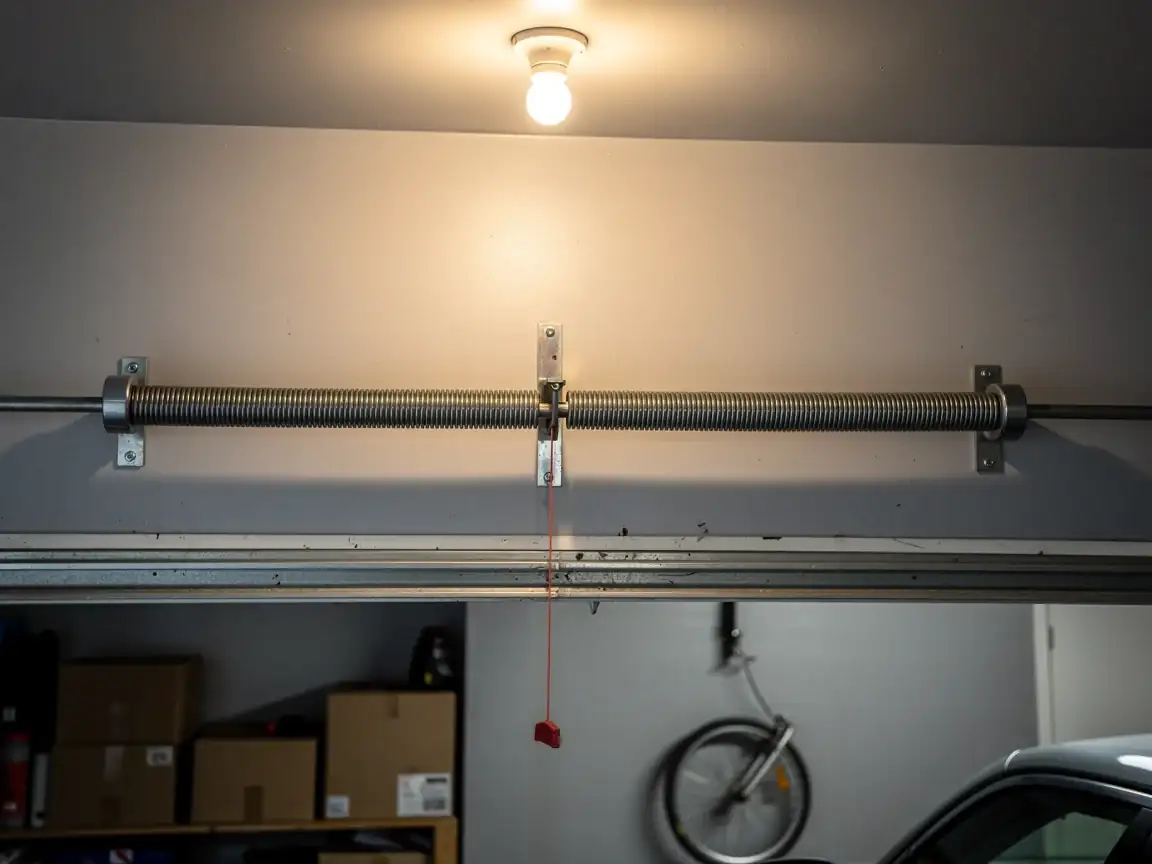
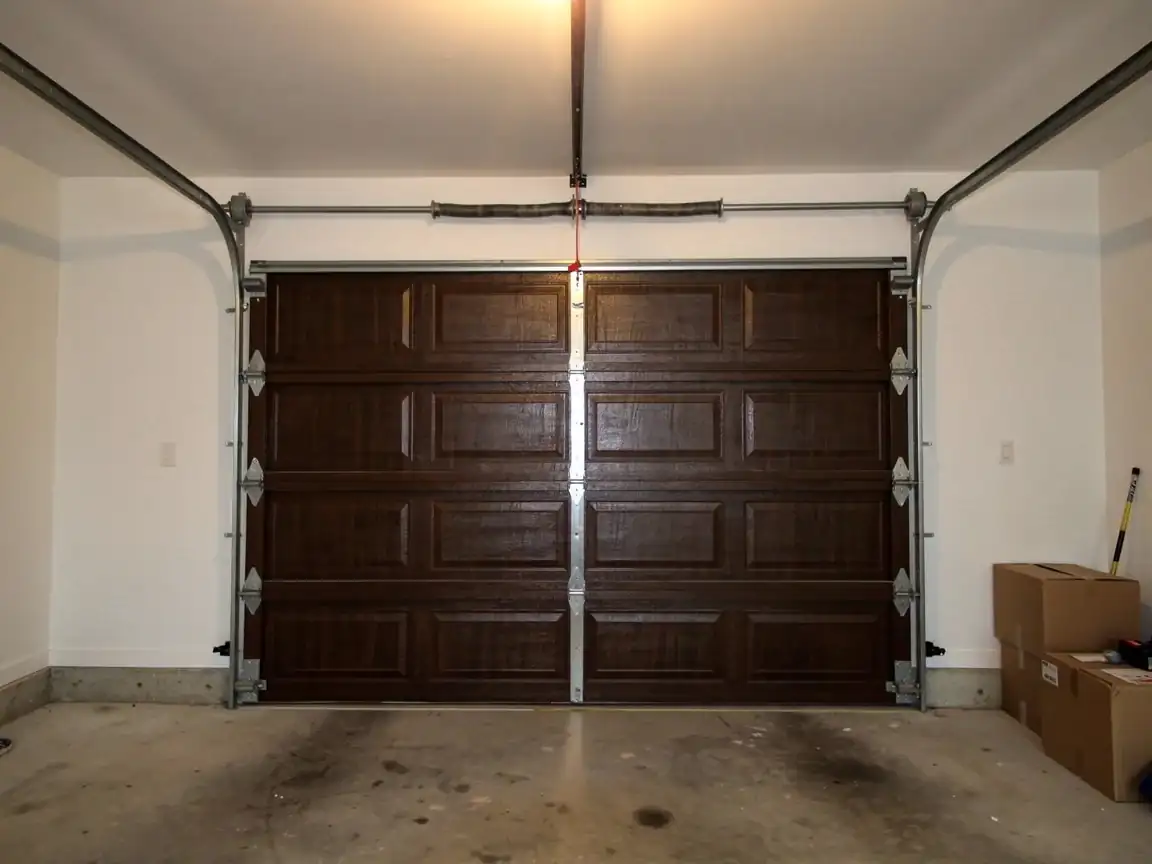
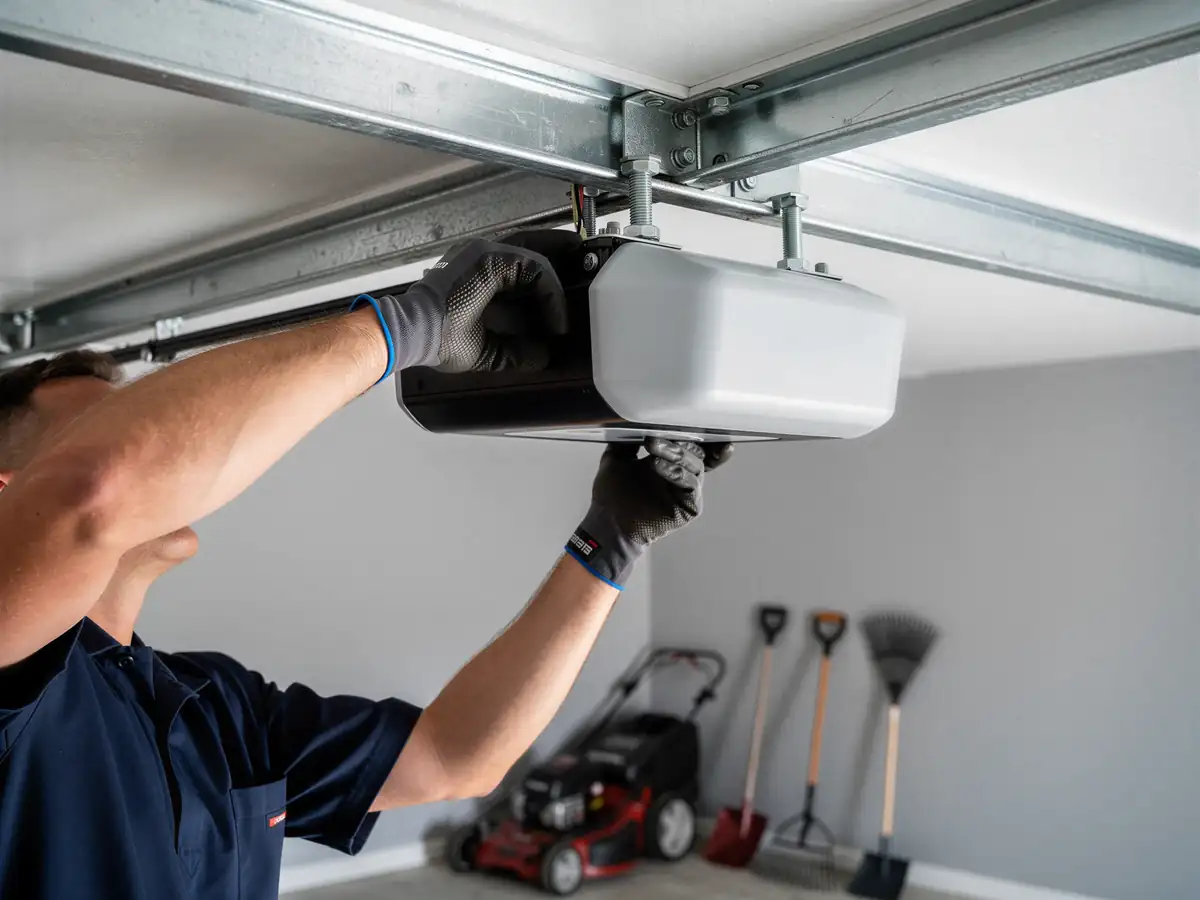
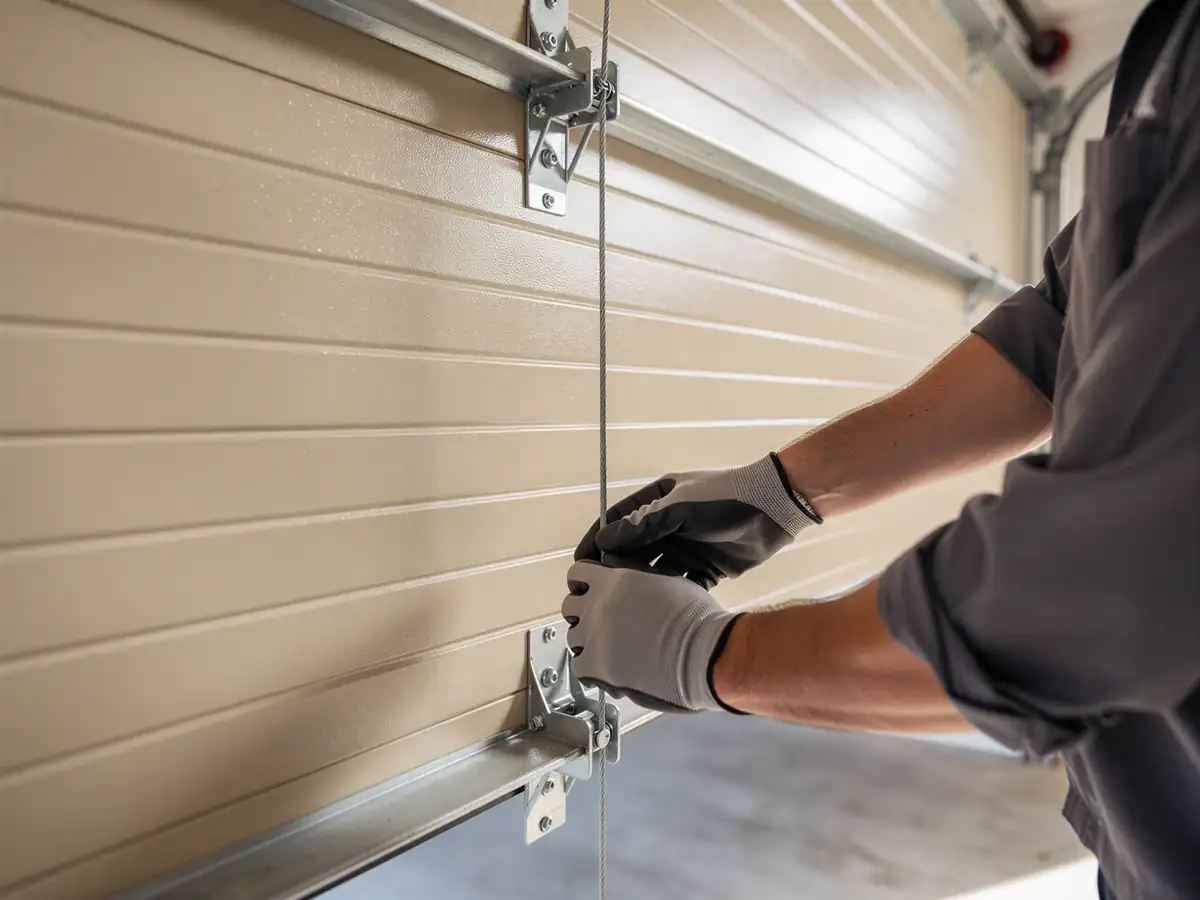
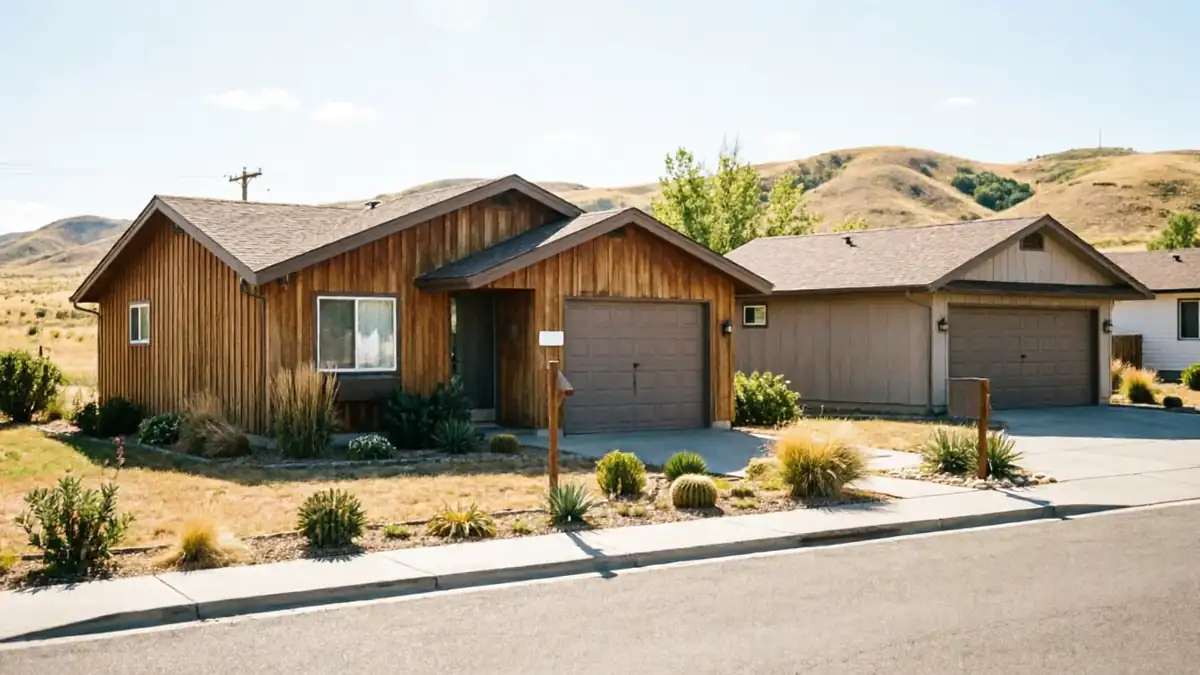
Housing in this service area was built mostly between 1938 and 2005, with most of the stock dating to the 1960s and '70s across the 31 named areas we cover. That spread matters because spring and hardware technology changed a lot over those decades, and what fails depends on when the house - and often the door itself - went in. Older torsion springs lose temper with age and snap without much warning, usually after a cold night tightens the coil. Opener gear-and-sprocket assemblies from certain eras strip their nylon gear well before the motor itself quits, which is why a 'dead' opener is often a $20 part and not a $400 one. Cables fray at the drum end from years of up-and-down cycling. Rollers seize in their brackets if they've never been lubricated. None of this is damage from one bad day - it's wear that's been building for years and finally picks the coldest morning of the season to show itself.
Why It Happens Here
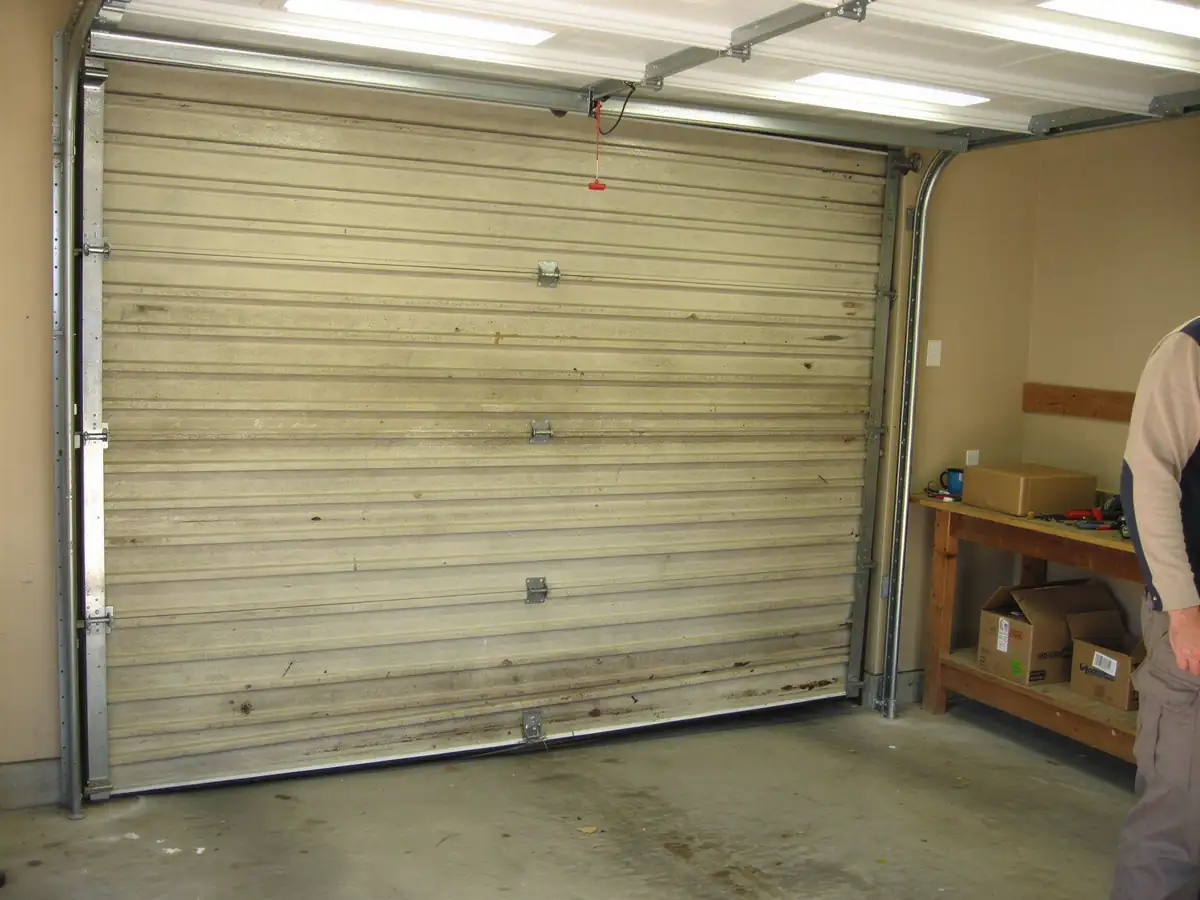
Three things stack up across this service area. First, the climate band is classed as severe cold, and steel springs, cables, and lubricants all behave differently at 10°F than at 60°F - metal fatigue accelerates, grease thickens, and a marginal part that would've limped along another season fails outright. Second, the housing stock spans 1938 to 2005 with a median build year of 1979, so a large share of doors and openers in use now are original or first-replacement units well past the point where failure is a surprise. Third, this is a higher-income service area - median household income runs $129,480 across roughly 102,758 households, with about 52,452 of those owner-occupied houses - and that tends to mean larger, insulated, double-wide doors that put more load on springs and openers than a single lightweight door would. Put a heavy door on aging hardware in a cold climate and the failure pattern we see every week starts to make sense.