What Most People Get Wrong
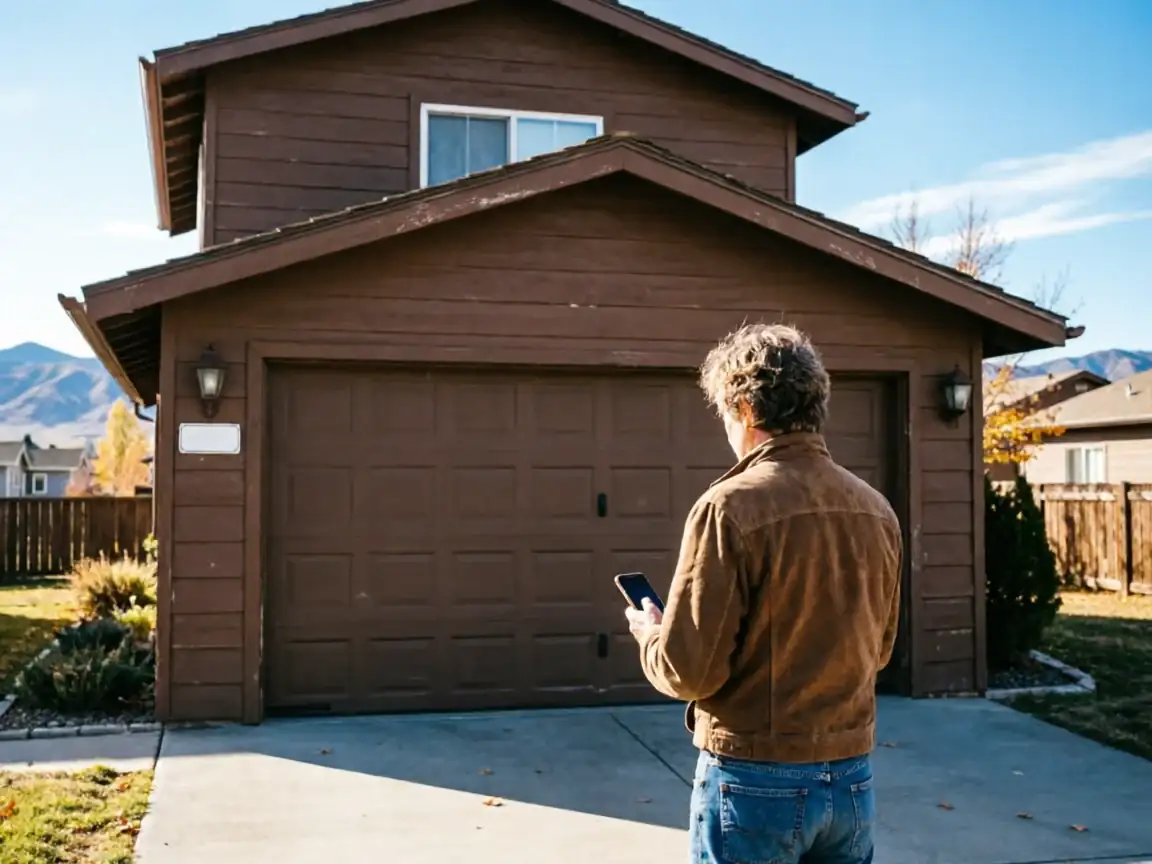
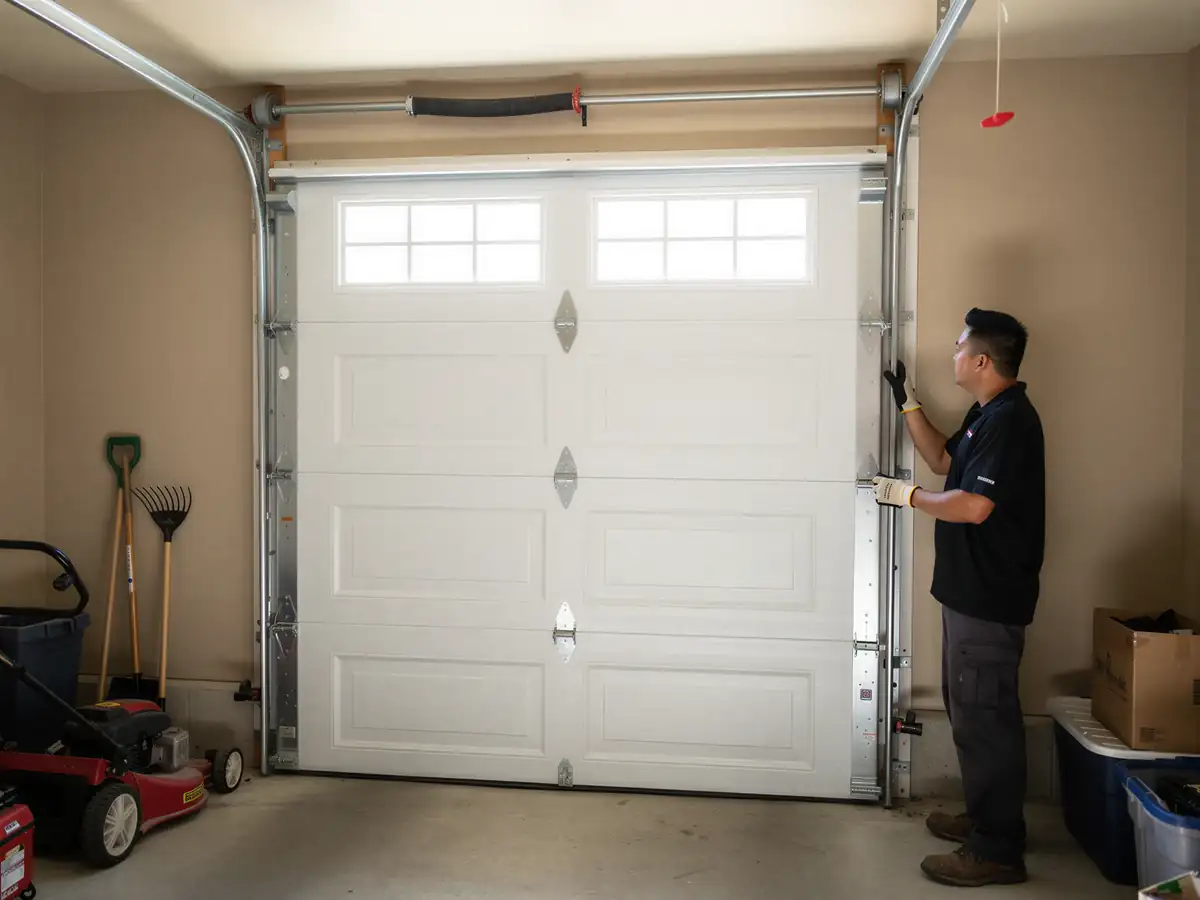
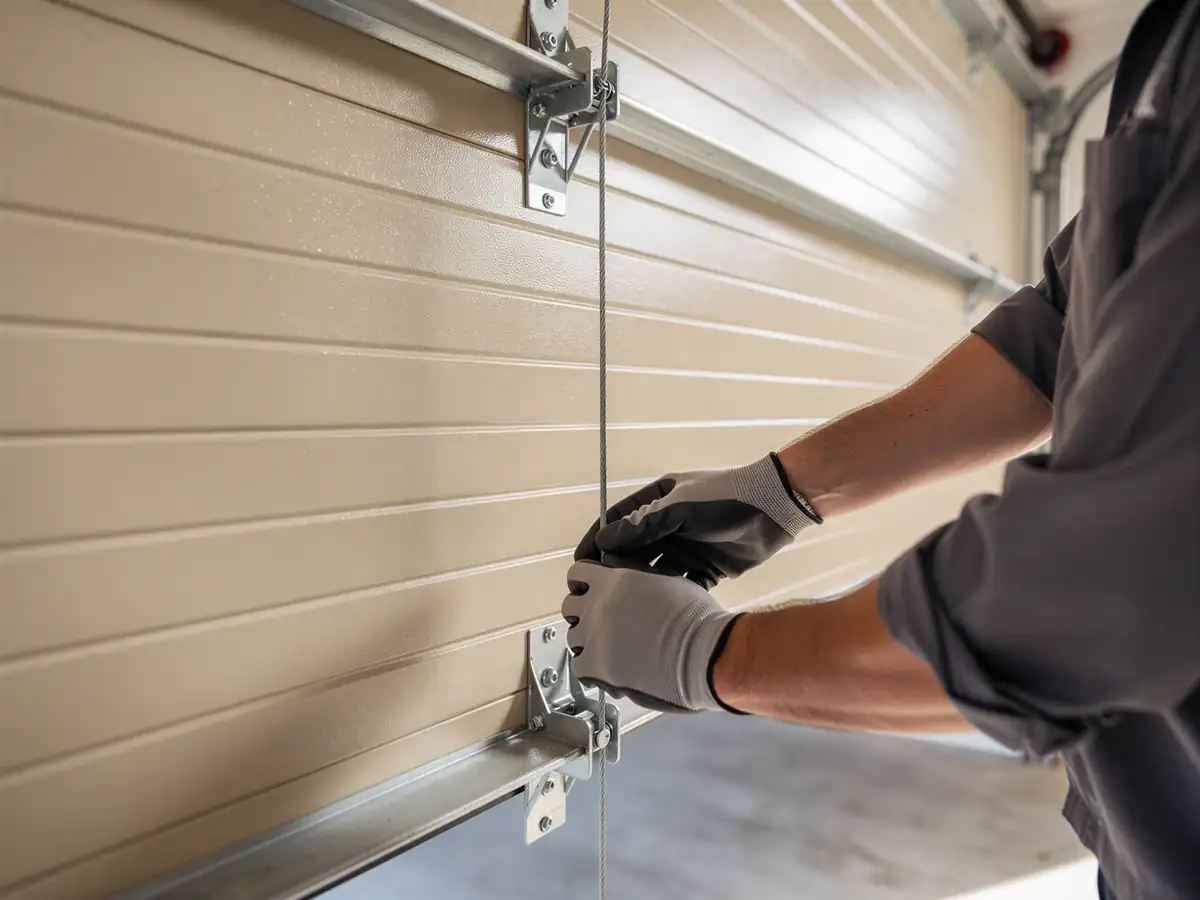
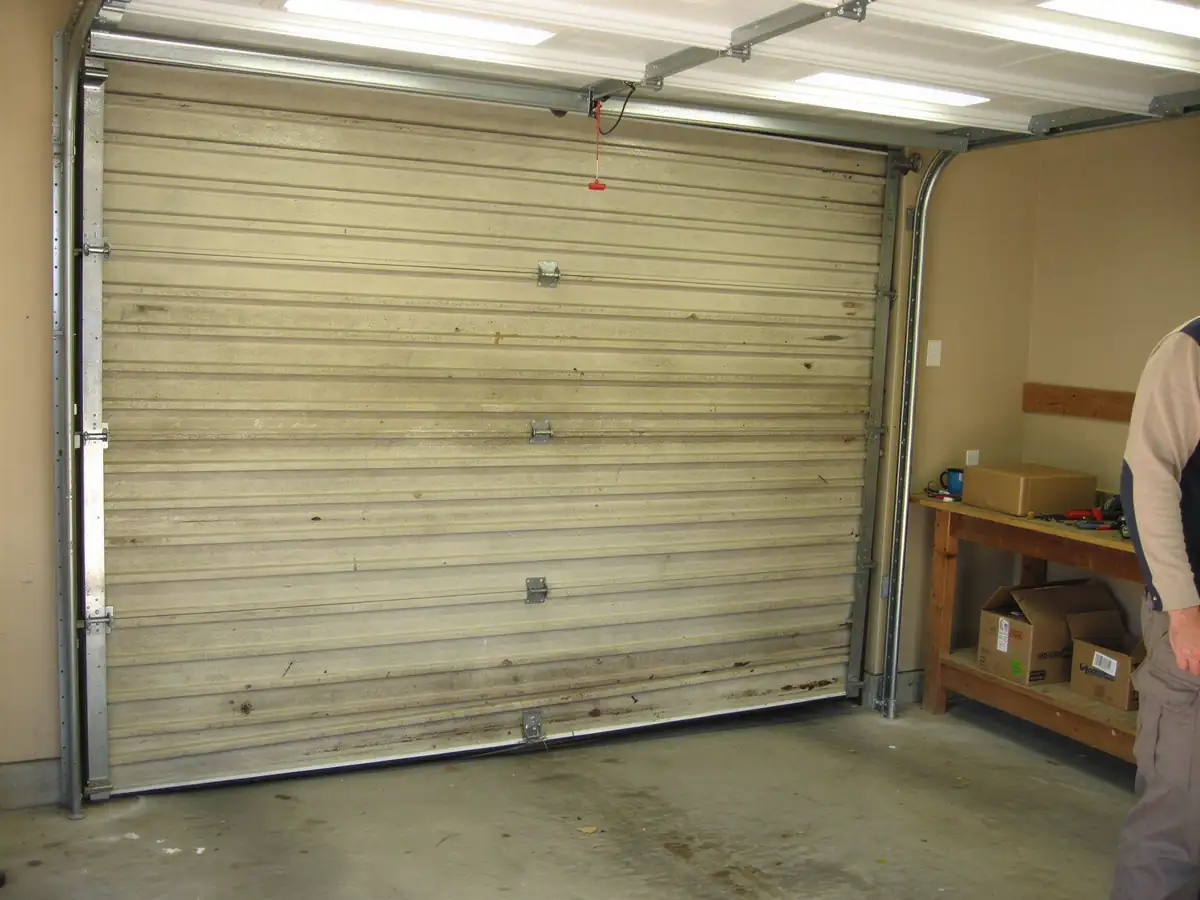
The biggest mistake we see is treating every garage door problem the same way, no matter how old the door is. A slipped cable on a door from 1998 and a slipped cable on a door from 1962 are not the same job, even though they look identical from the driveway. This area's housing runs from 1938 to 2005, with a median build year of 1979, so there's a real split between doors with modern galvanized hardware and doors carrying original springs and track that have been in service for decades.
If you live near odds are good your section of the neighborhood went up in that 1960s-70s wave that makes up most of the local stock. People in those blocks tend to assume a repair will always be cheaper than replacement. Sometimes it is. But a torsion spring rated for a door that's forty-plus years old is working with sagging panels, worn hinges, and a track that's been nudged out of plumb by decades of temperature swings. You can fix the spring and still have a door that binds every winter. Knowing which decade your hardware is from matters more than knowing the symptom.
Doing Nothing For Now
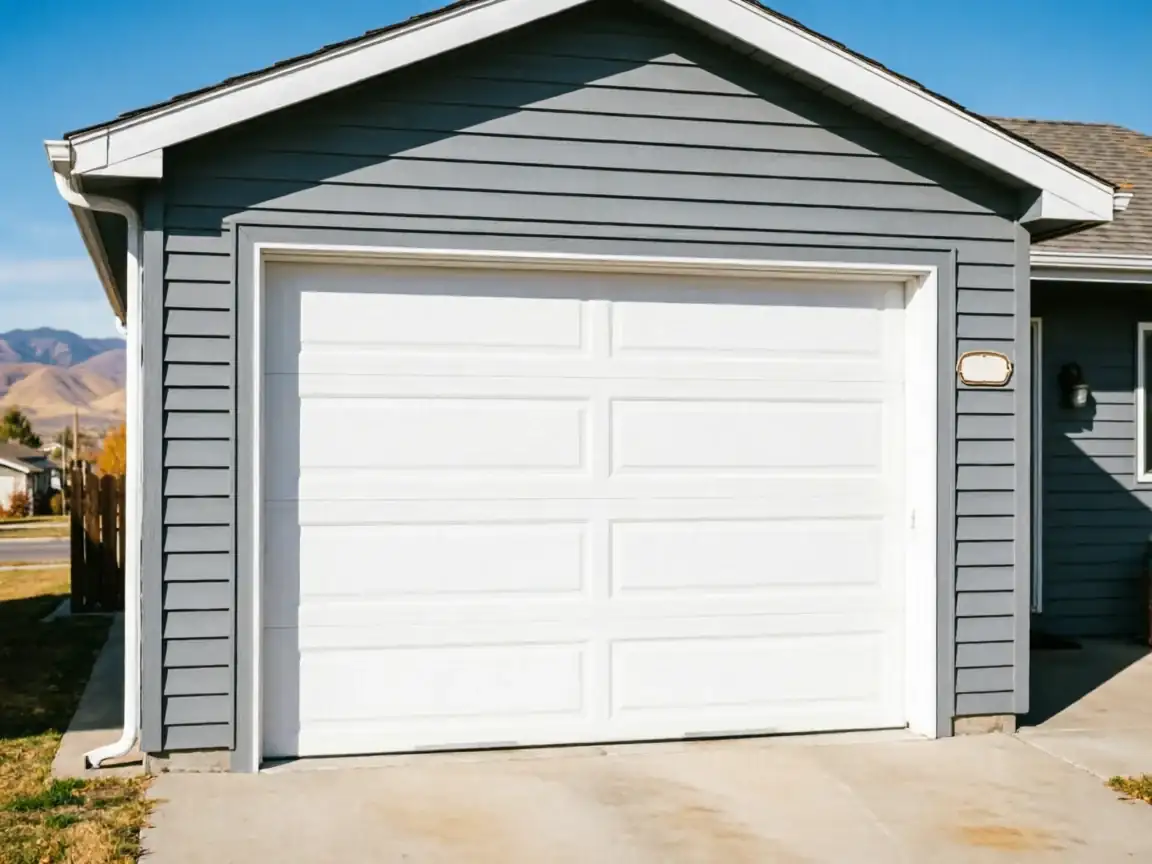
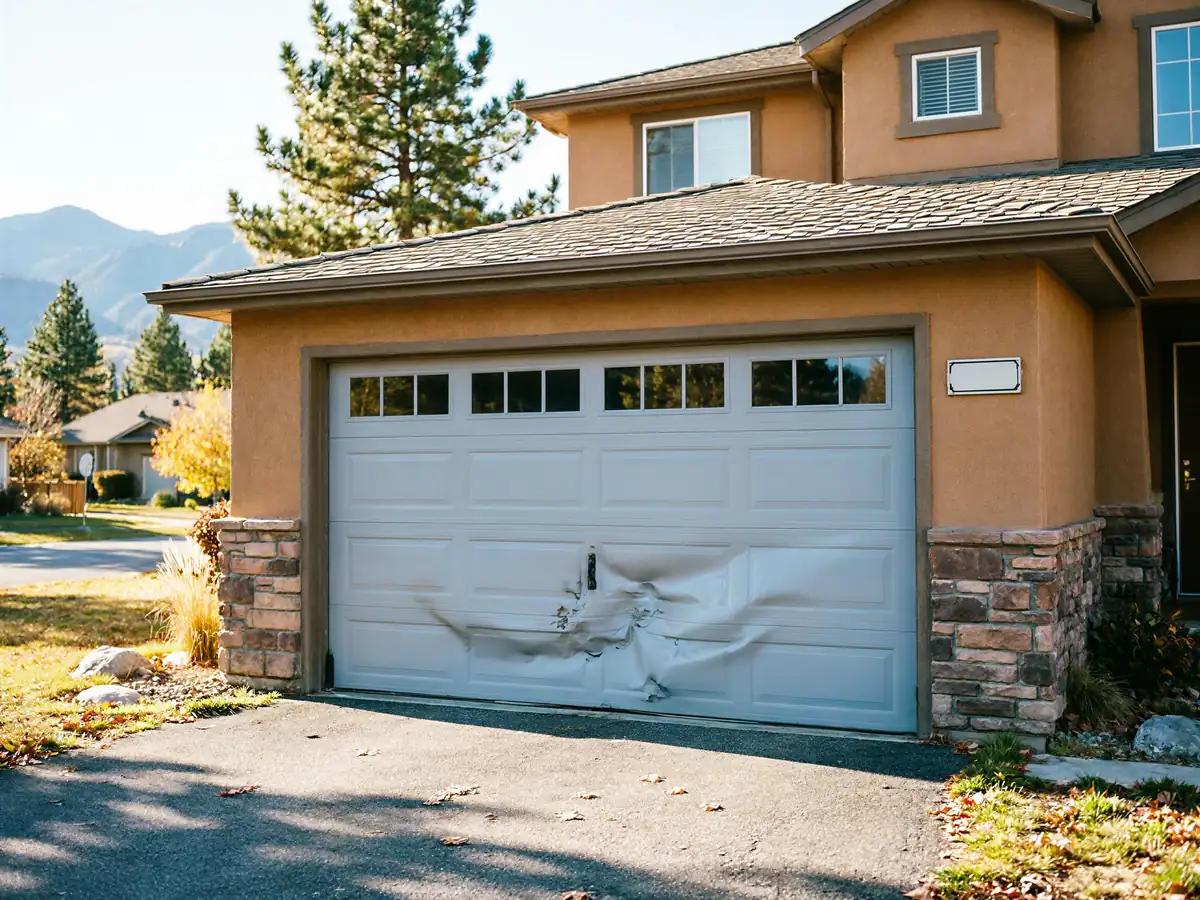
Waiting is sometimes the right call. If your door is operating smoothly, closes flush, and the only issue is cosmetic - faded paint, a dented bottom panel from a stray basketball - there's no reason to replace it just because it's old. A door from the 1970s with sound hardware can keep running for years with basic lubrication and the occasional roller swap.
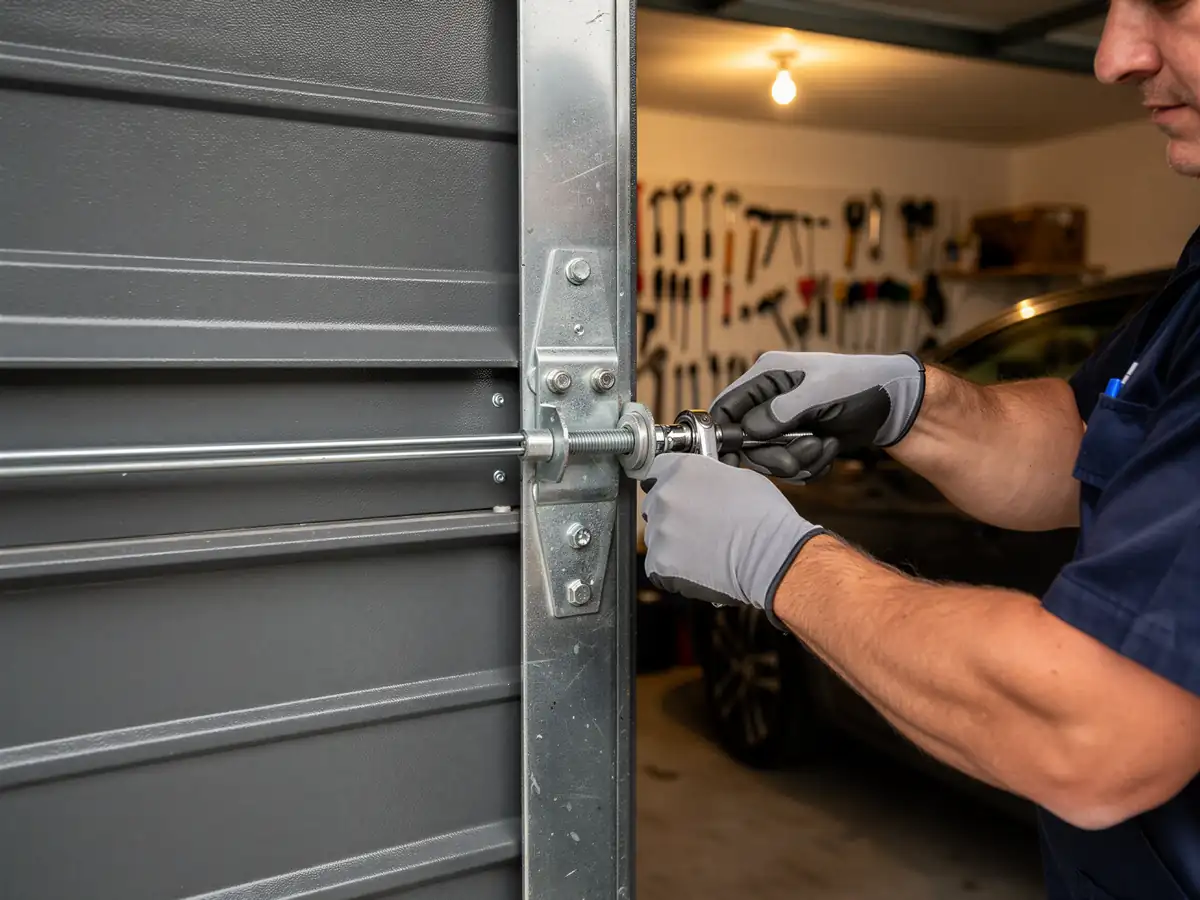
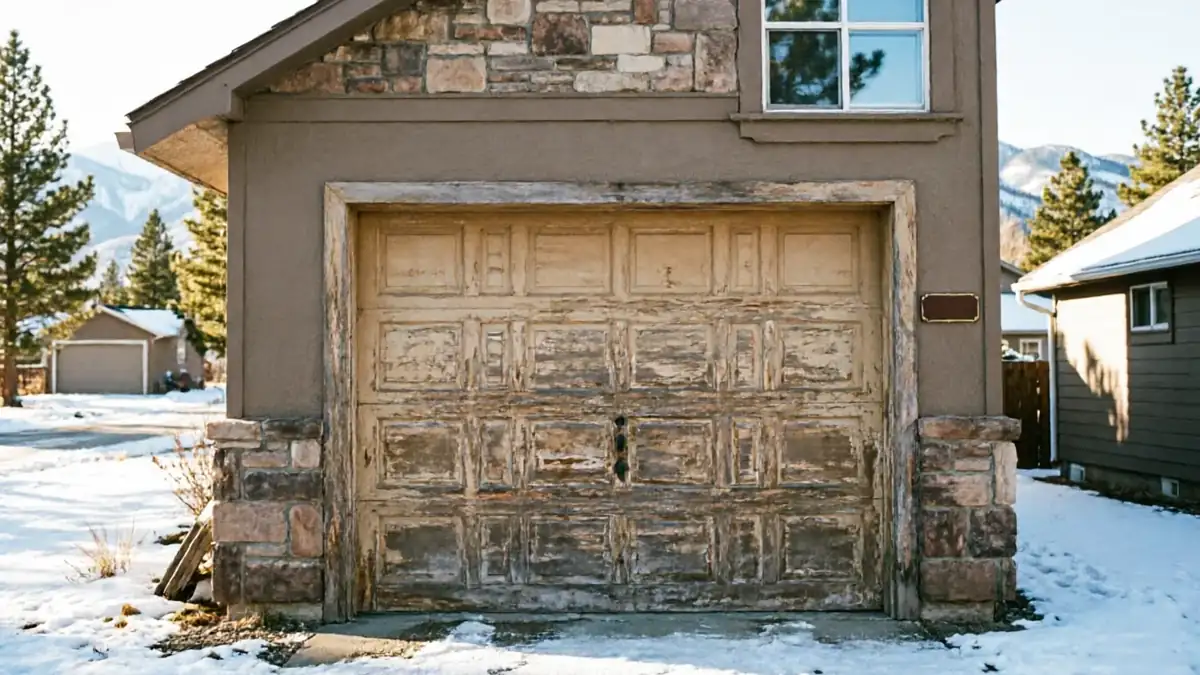
Here's the honest limitation: we don't keep every obsolete panel style in stock, and original hardware from houses built in that 1938-1979 window sometimes isn't manufactured anymore. If a single panel cracks on a door that old, we may not be able to match it, and a full section replacement or new door becomes the real option rather than a quick patch. That's worth knowing before you decide to wait on a repair that might not stay a small repair. If the door still works and nothing is binding, there's no urgency. If a panel's already damaged, don't assume we can just order the matching piece.
The Situation
Across this service area, housing was built between 1938 and 2005
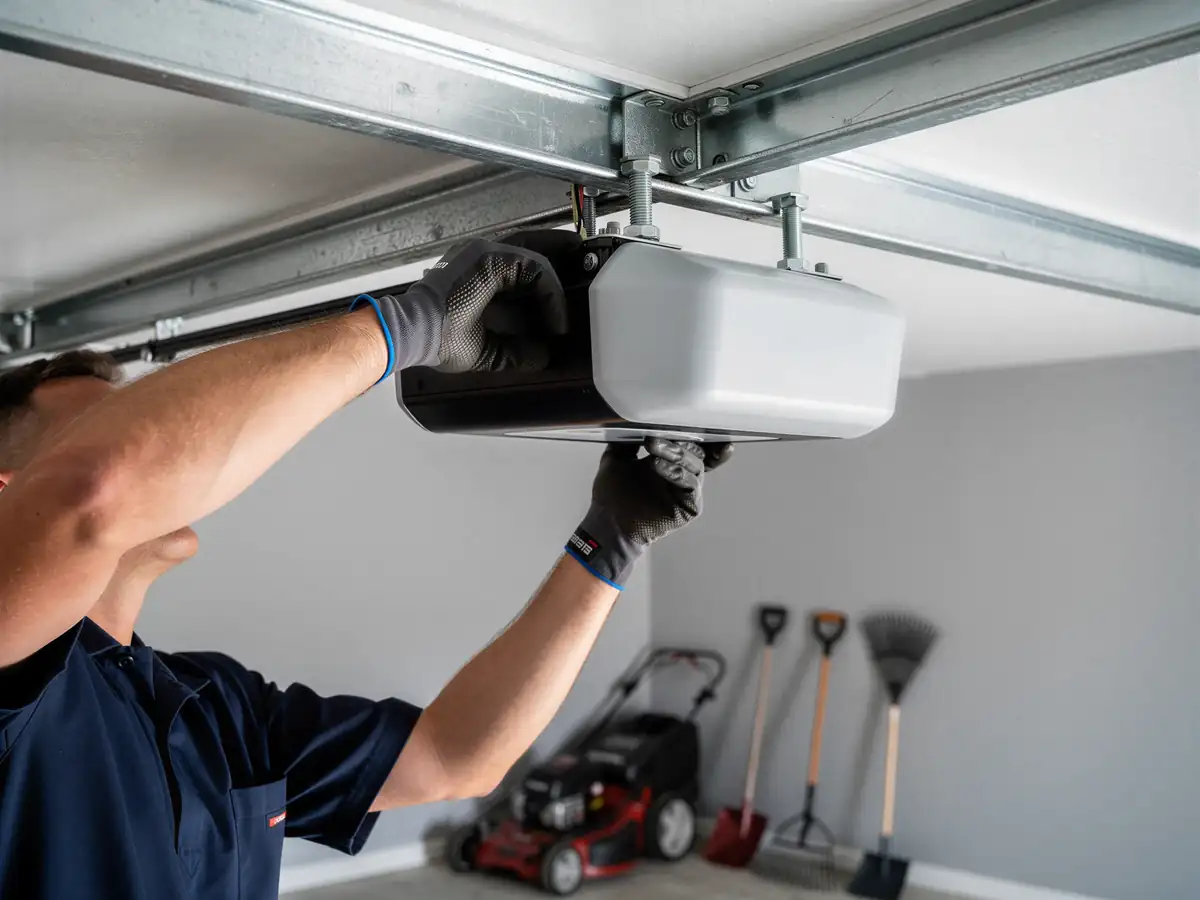
But the median sits at 1979, and most of the stock dates to the 1960s and 70s spread across more than thirty named sections of the area. That matters for garage doors specifically because door and opener technology changed a lot over that stretch. A house built near the early end of that range is more likely to have a one-piece or early sectional door on hardware that predates modern safety reversal systems entirely.
With 52,452 owner-occupied houses in the broader service area
That's a large number of doors sitting right at the point where original springs, cables, and rollers are reaching the end of a normal service life at roughly the same time. It's not a crisis, but it does mean that when a neighbor's door fails, yours might not be far behind if the house went up in the same building wave. Median household income here runs $129,480, which is part of why we see more owners opting for full replacement with insulated steel rather than stretching an old door along panel by panel.
- 52,452 owner-occupied
How Local Conditions Play In
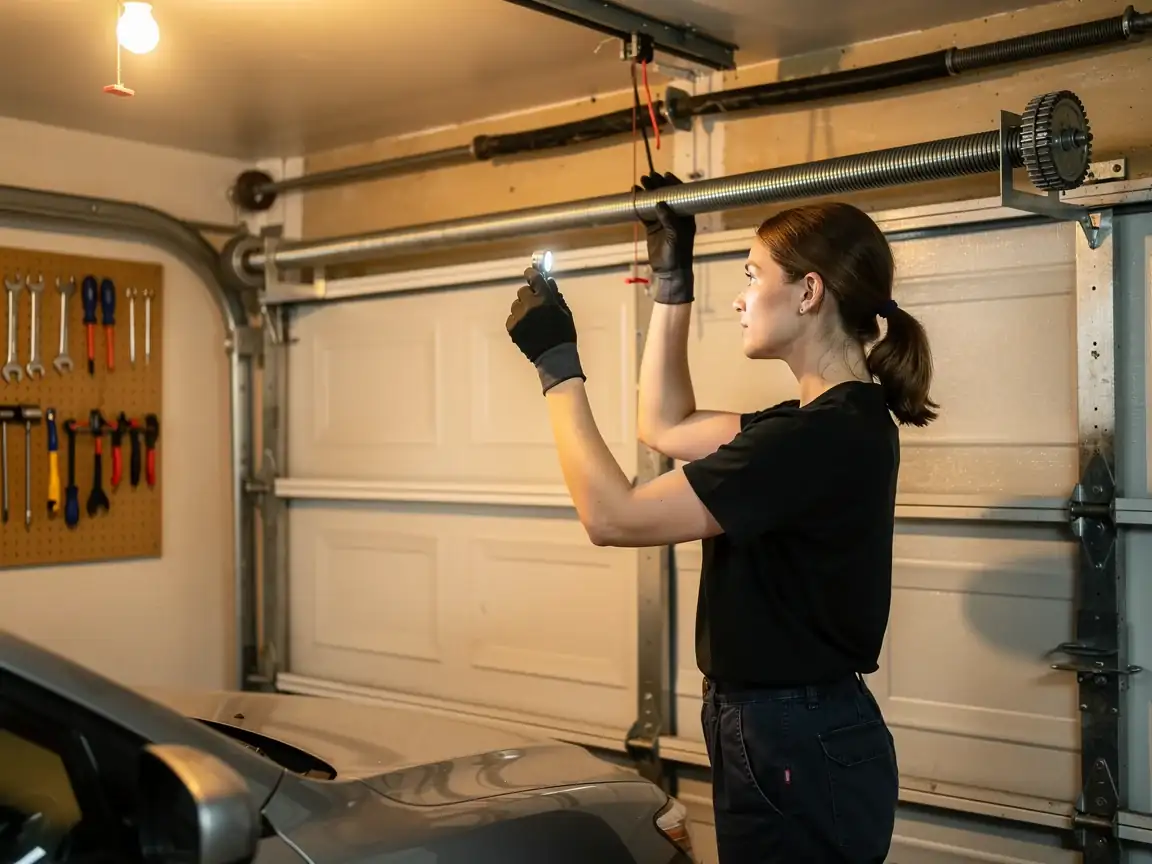
This area sits in a severe cold climate band, and that changes how garage door hardware ages compared to milder regions. Steel contracts in cold weather, which tightens tolerances on tracks and puts extra load on torsion springs during the coldest stretches of winter. A spring that's already fatigued from age fails faster under that kind of repeated freeze-thaw cycling than one working in a steady, moderate climate.
For a house built in that 1938-1979 median window, the original hardware was never engineered with today's cold-weather spring coatings or insulated panel cores. If your door is from that era and you're noticing it's harder to lift on the coldest mornings, that's not your imagination - it's steel behaving the way steel behaves in a severe cold band. This is one of the clearest signals that it's time to weigh replacement: a door that struggles specifically in winter, year after year, is telling you the hardware wasn't built for the conditions it's now facing, and no amount of lubrication fixes that permanently.