Booking a Visit
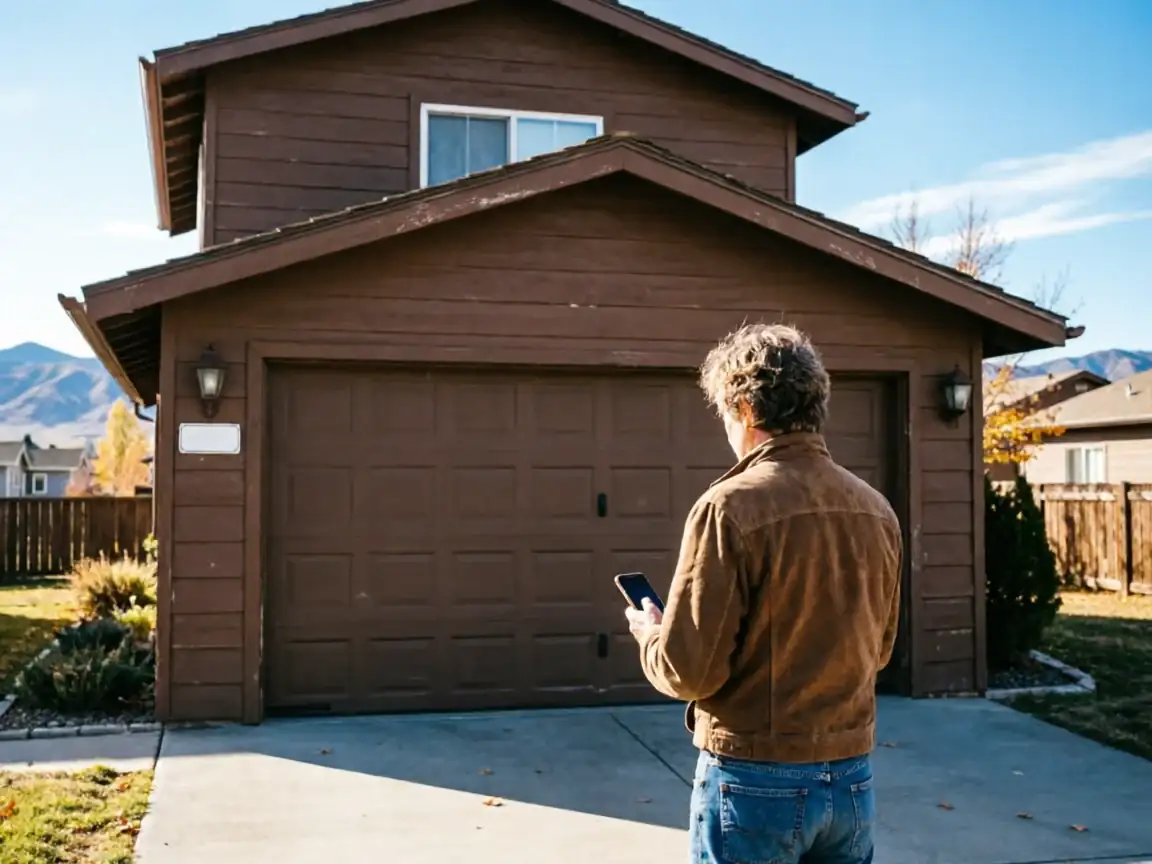
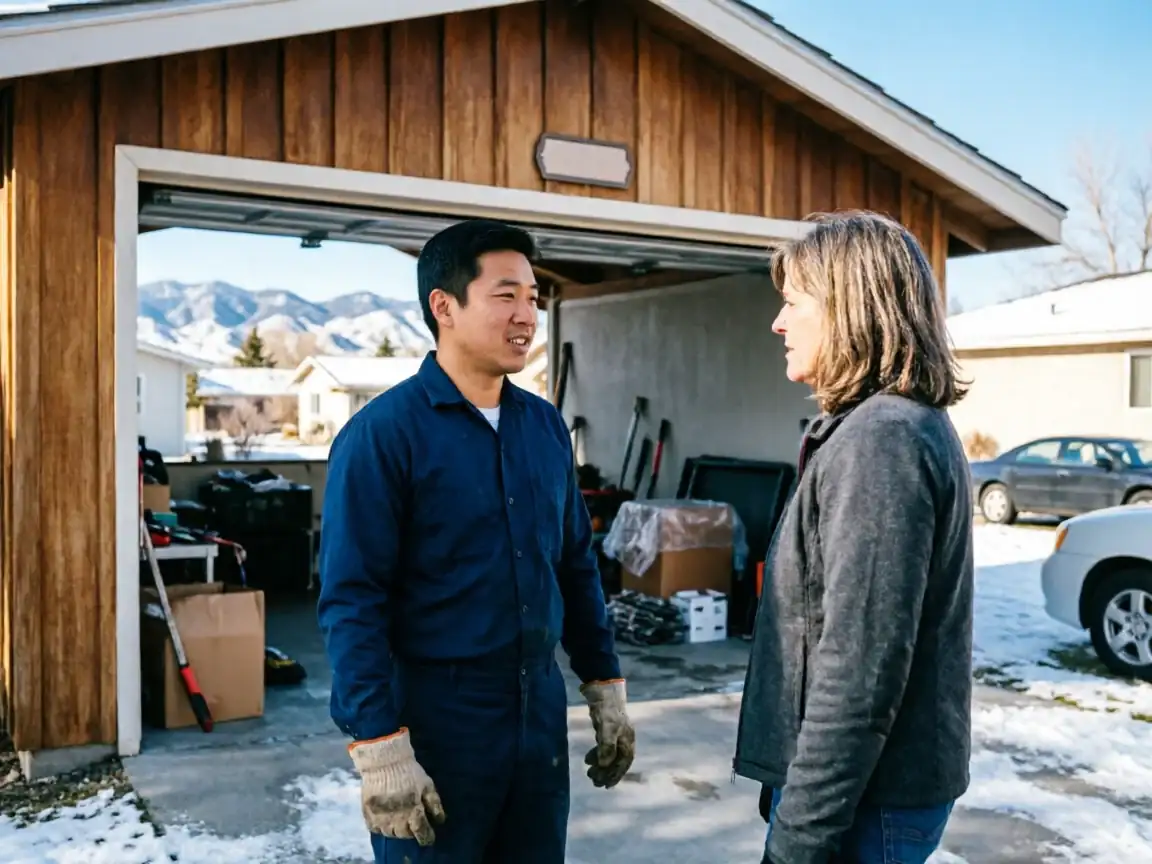
Columbine sits six miles from our Highlands Ranch base, close enough that a cable call doesn't sit on the schedule long. We don't run a branch or a drop box in Columbine itself - every truck comes from Highlands Ranch, so when you call, tell us the door size and whether it's one cable or both, and we load the right drum and cable length before we leave rather than guessing on site.
Columbine's housing stock runs a touch older than the service area median. Most of the roughly 9,559 households here sit in homes built around 1976, a few years ahead of the broader area's 1979 median. That matters for cable work specifically: doors from that era were set up with galvanized aircraft cable and steel drums that were standard then but aren't always what's stocked on a generic parts truck now.
We ask for the door's age and whether it's ever had the springs or cables replaced before, because a door that's original back to 1976 needs a different cable gauge than one that got a torsion conversion in the 2000s.
What the Fix Involves
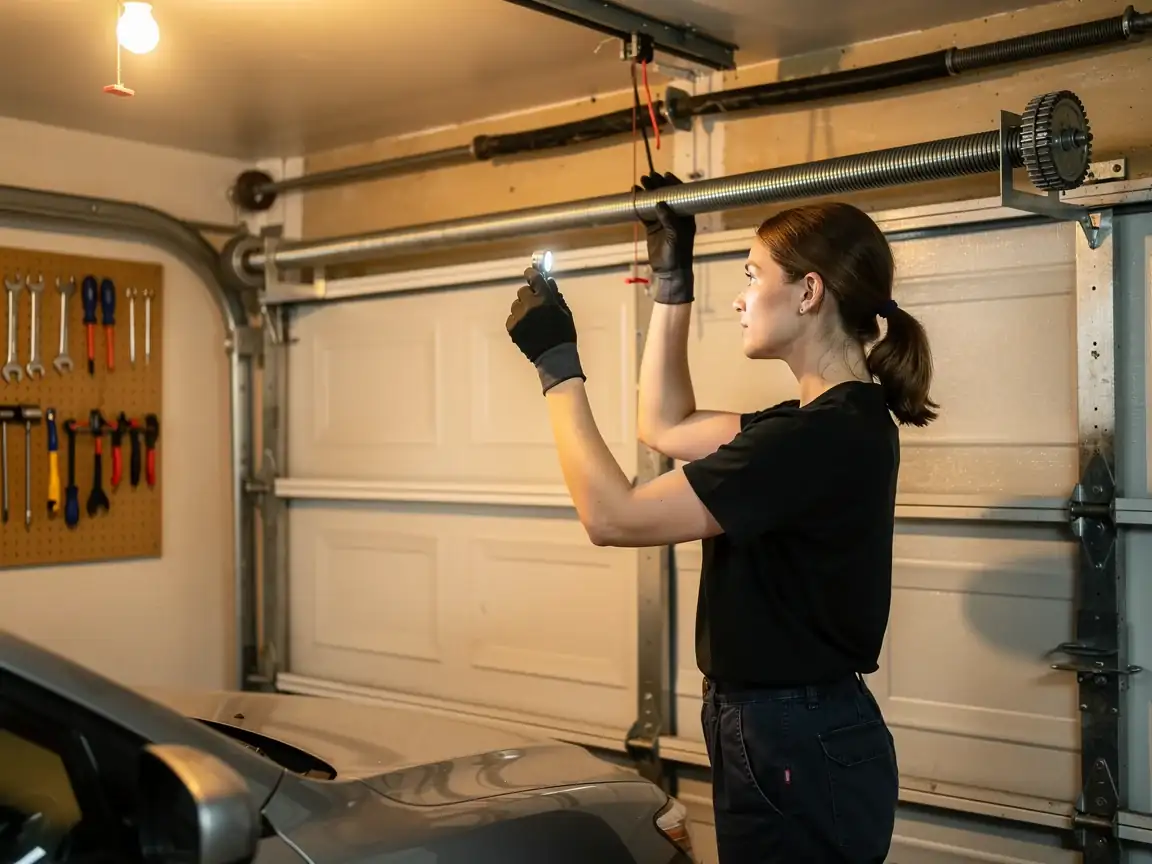
A broken cable almost never means just the cable. On the older end of Columbine's housing stock, we're usually looking at drums that have worn grooves from decades of the same cable seating in the same spot, and that wear is what frayed the cable in the first place. Replacing the cable without checking the drum just buys you another failure in a year or two.
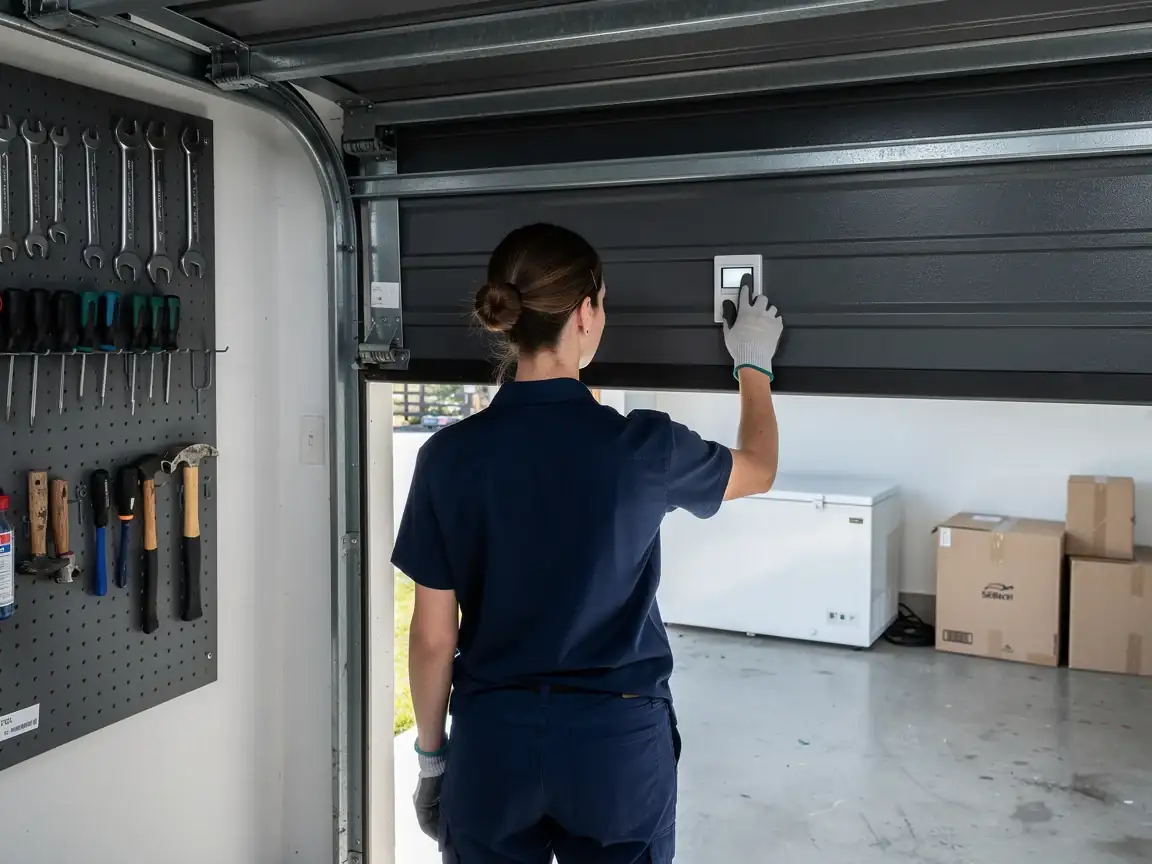
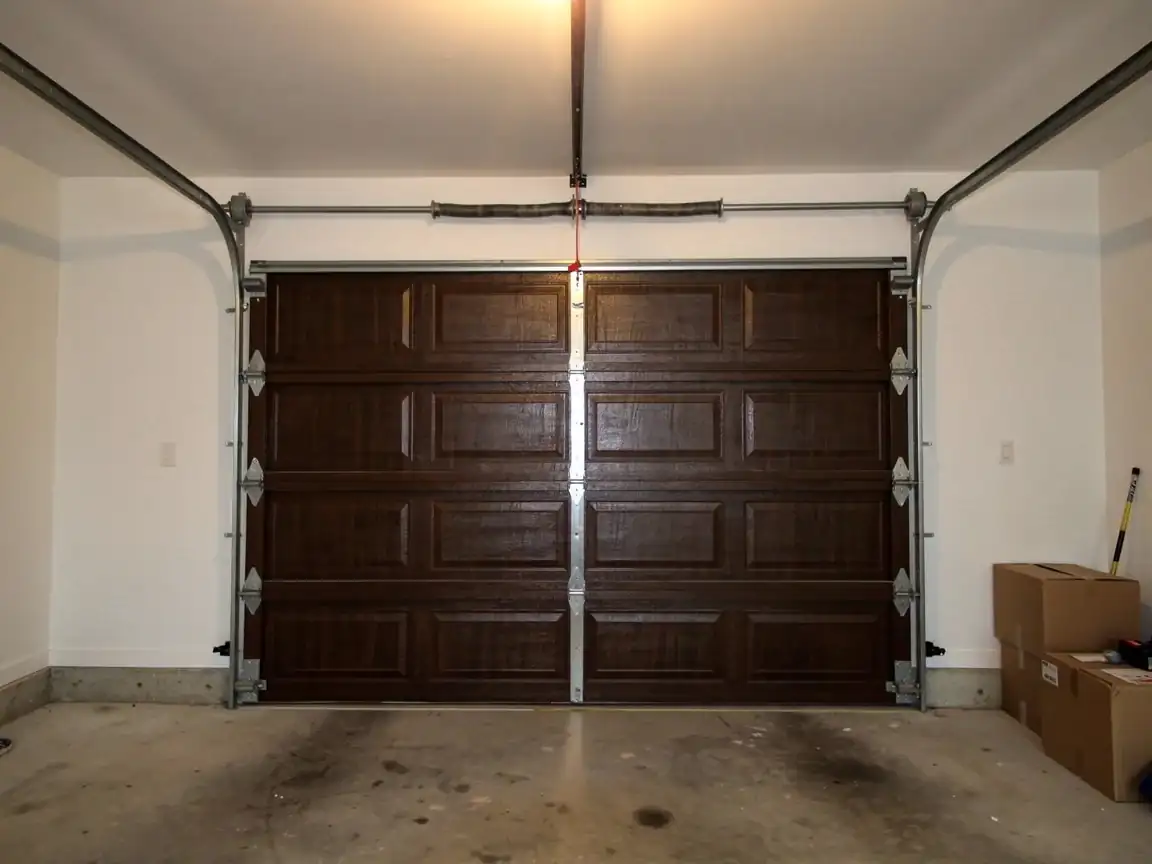
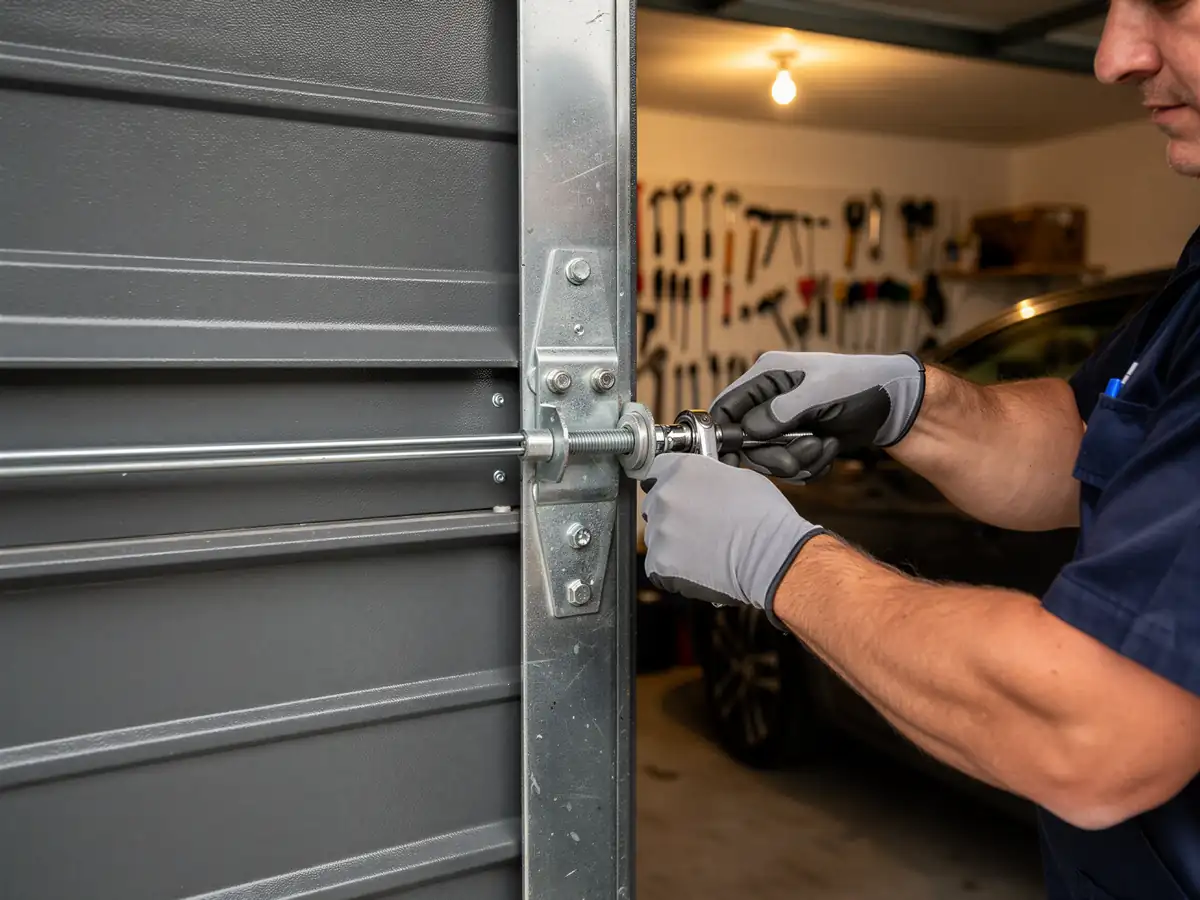
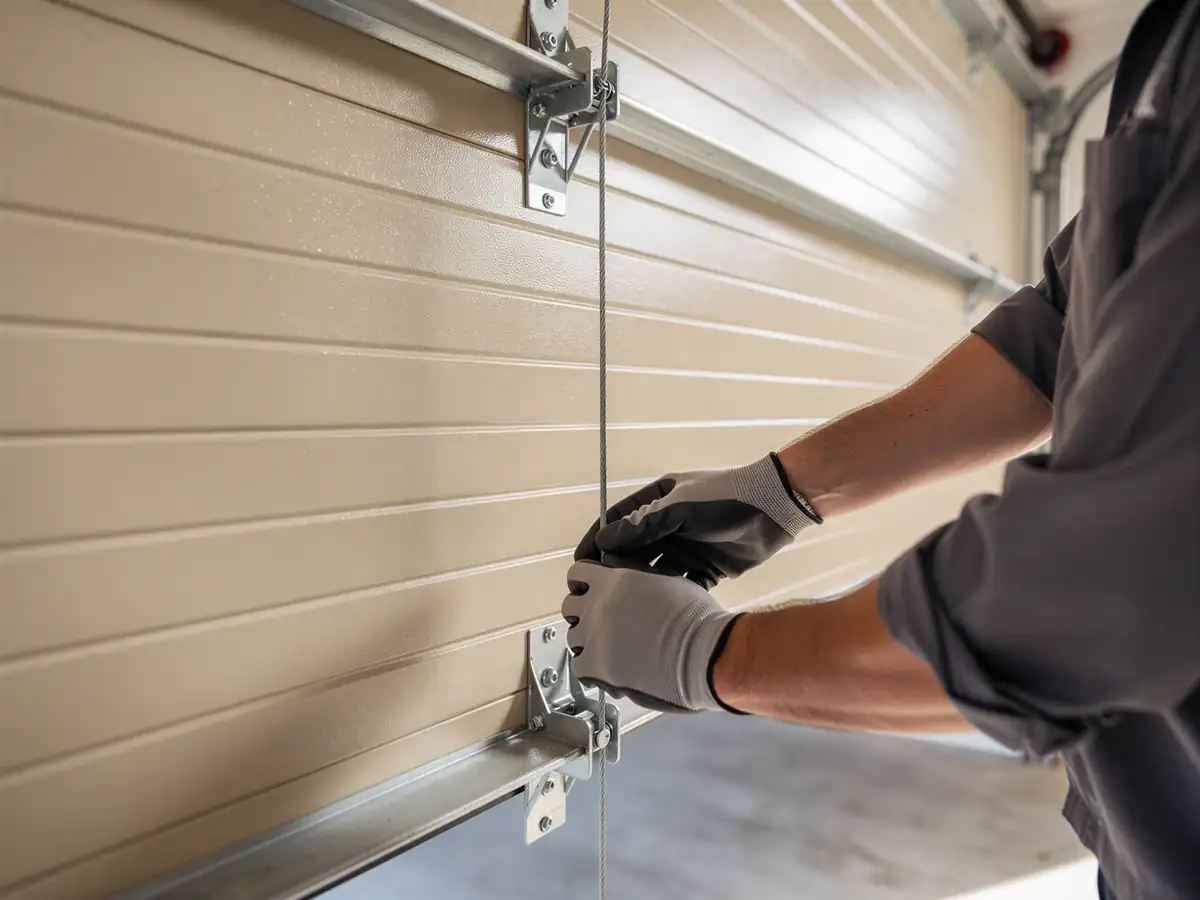
The job itself: release tension safely, pull the old cable and inspect the drum and the bottom bracket it anchors to, replace both cables as a pair even if only one broke - uneven cable age on a double door throws the panel off level - and re-tension before testing travel top to bottom a few times.
On a door that's never had a cable replaced since the house was built, we also check the track alignment, since decades of a slightly worn cable can pull a panel sideways over time without anyone noticing until the cable finally lets go.
How Long You Are Without the Door
A straightforward two-cable swap on a standard double door, once the truck is on site
Runs well under a couple of hours including the tension work and travel test. What stretches that out in Columbine is almost always the drum. If the groove is worn enough that the new cable won't seat evenly, we're replacing drums too, and if your door still has the original 1976-era hardware, matching that drum bore to the shaft on hand sometimes takes an extra trip.
We'd rather tell you that upfront than have you wait around for a part we don't have on the truck
Most of our stock covers the common drum sizes from that build era, but not every variant.
What Is on the Truck
For Columbine calls we load aircraft cable in the common gauges used on doors from the 1960s through the 2000s, since that covers the bulk of what's actually on the street here, plus standard steel drums, bottom brackets, and the fasteners that usually corrode faster than the cable itself.
We also carry torsion and extension spring stock, because a cable failure on an older door often reveals a spring that's near the end of its own life - not every call needs it, but a lot do. What we don't carry is custom-length cable for oversized or unusually tall doors; those get measured on site and ordered, which is the one real limitation on same-visit work here.
Doing It Yourself
A snapped cable on a torsion-spring door is not a DIY repair, period - the drum you'd be working next to is holding the full tension of a wound spring, and releasing or re-tensioning that wrong has put people in the hospital. That's true whether the door was built in 1976 or last year.
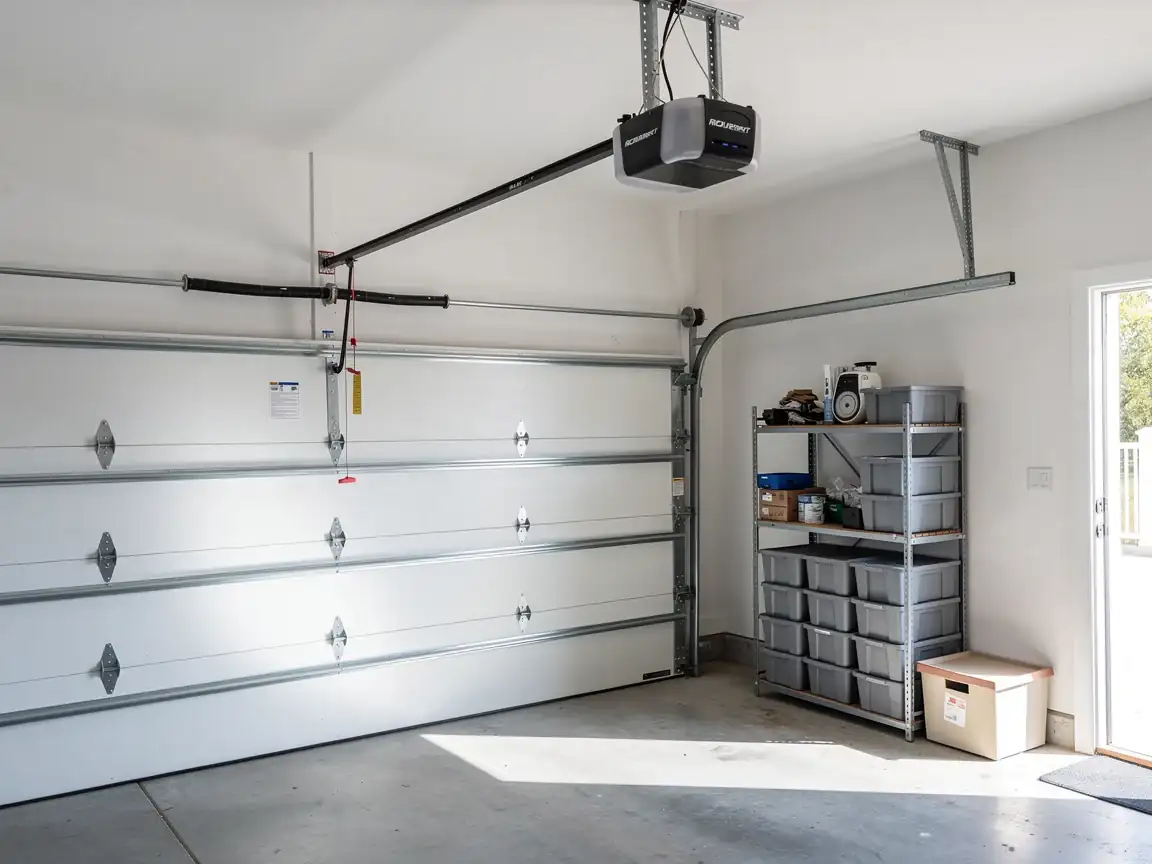
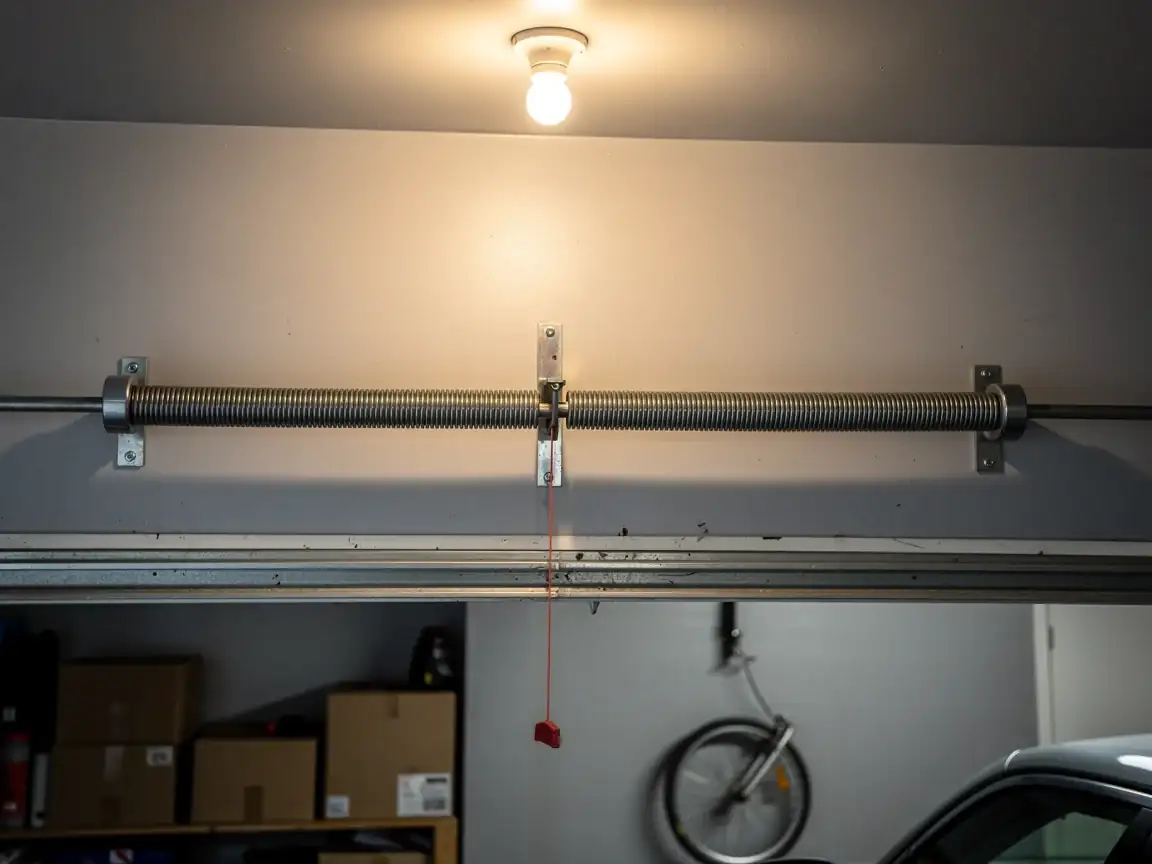
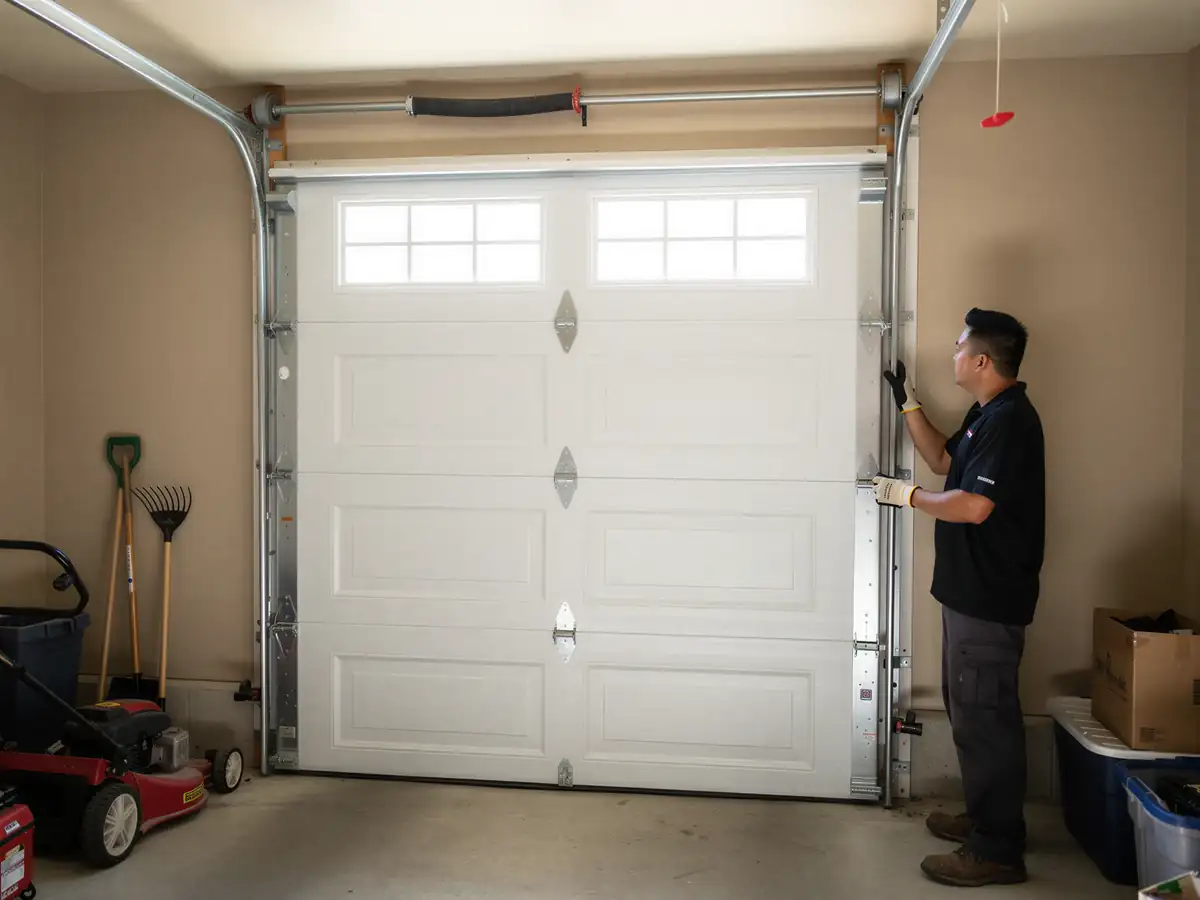
What you can safely check yourself: whether the cable is frayed versus fully snapped, whether it's come off the drum but is still intact, and whether the door is a torsion or extension system (torsion springs sit on a bar above the door, extension springs run alongside the horizontal track). That information helps us bring the right parts the first time, which matters more here than in newer subdivisions, since Columbine's older doors run a wider mix of hardware generations than a block built all at once in the 2000s.
What Can Go Wrong
The most common mistake on a cable call is replacing only the broken side
On a double door, mismatched cable tension from an old cable paired with a new one pulls the panel crooked, and that crooked travel wears the rollers and track unevenly within months. We replace both as a pair as a rule.
The other issue specific to older stock like Columbine's
A cable that snapped because the opener's travel limits were never adjusted after a past repair, so the door was slamming the last inch of travel every cycle. Fixing the cable without fixing that just sets up the next failure. If a door's drums are worn past where a new cable will seat cleanly, replacing the drums costs less in the long run than cables that keep slipping - we'll tell you when that's the smarter call rather than charging you twice.