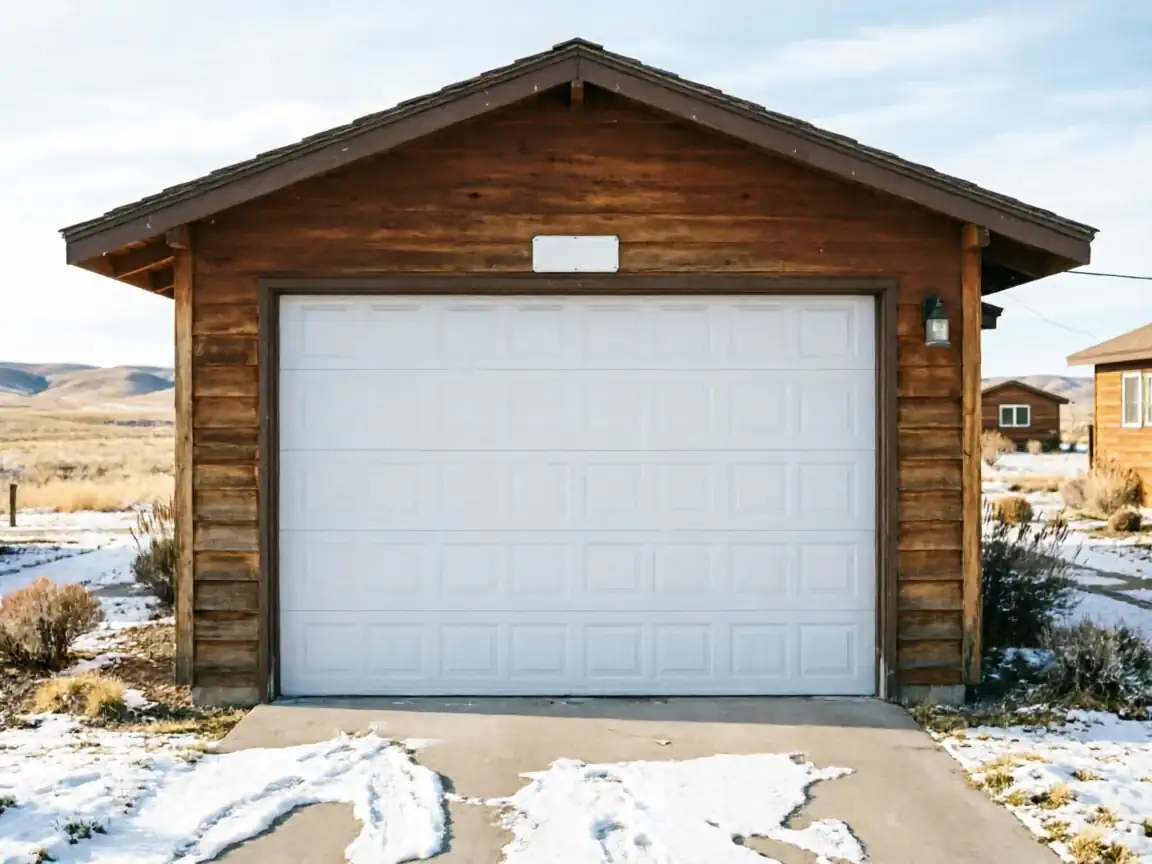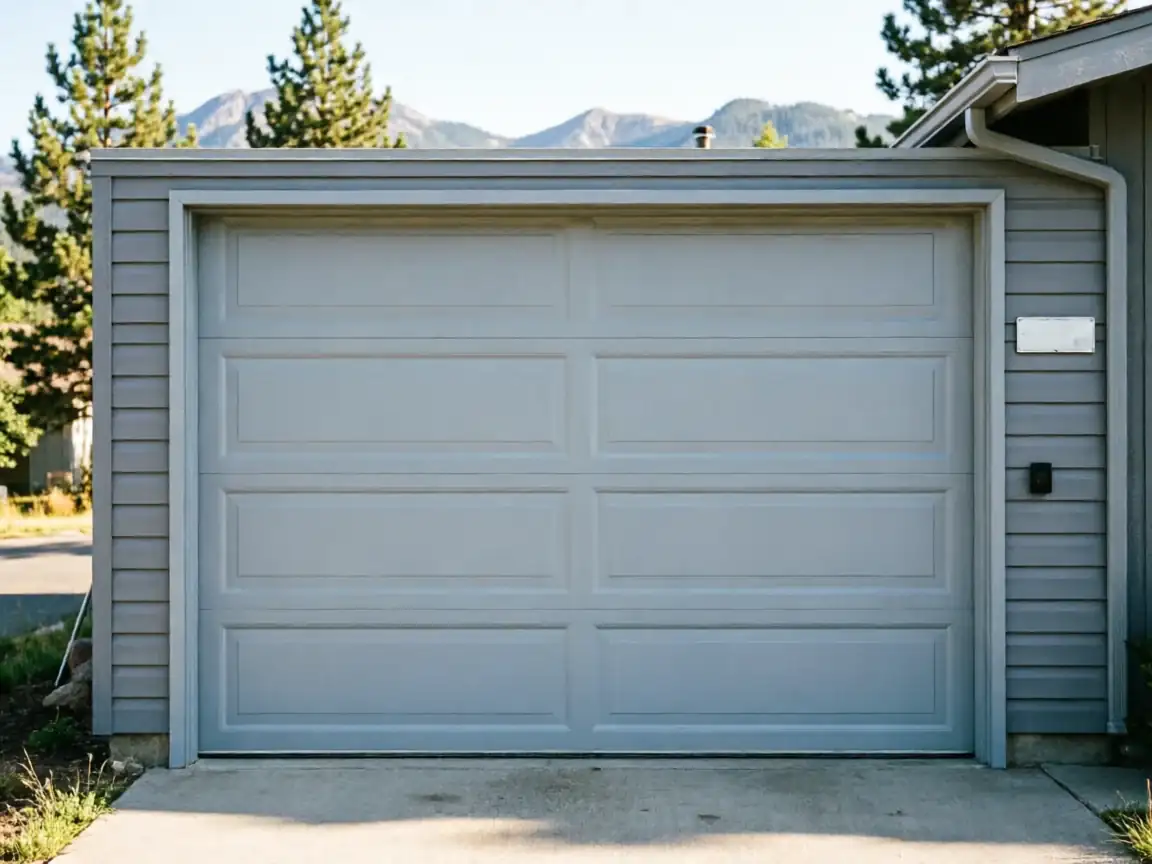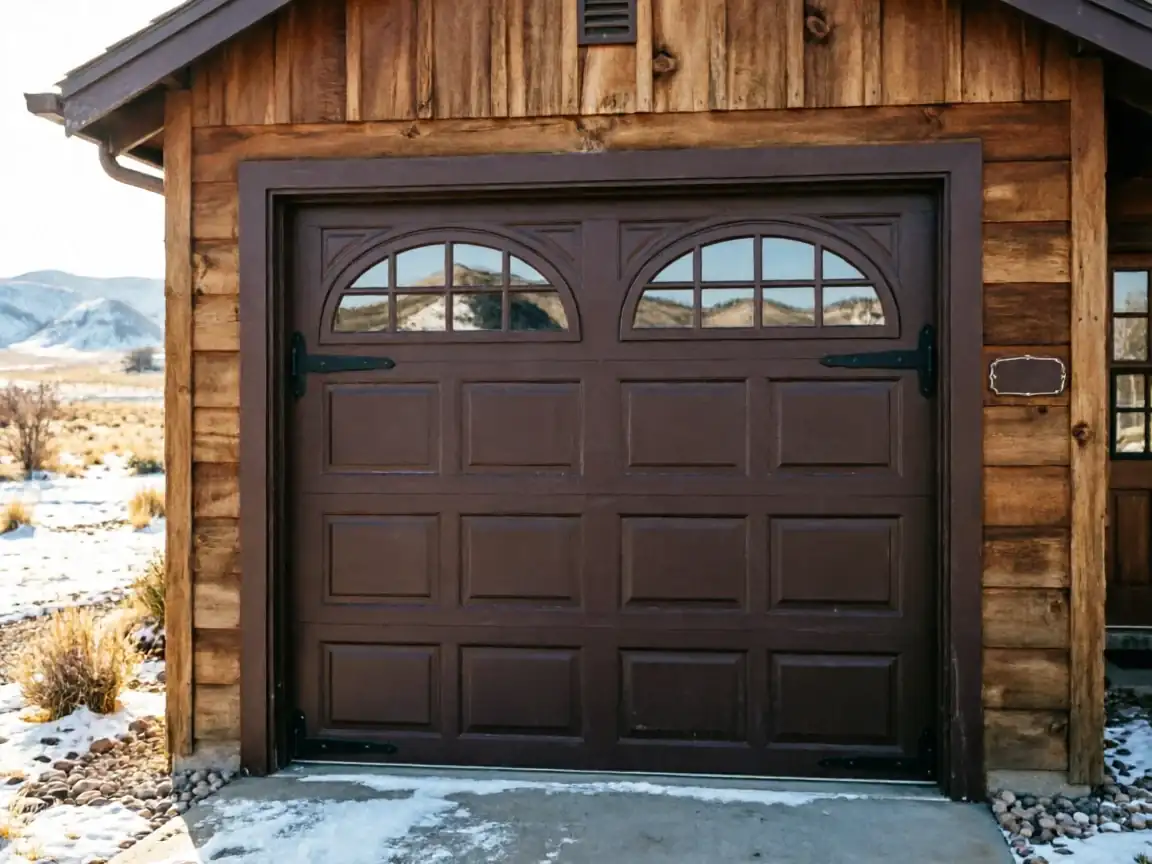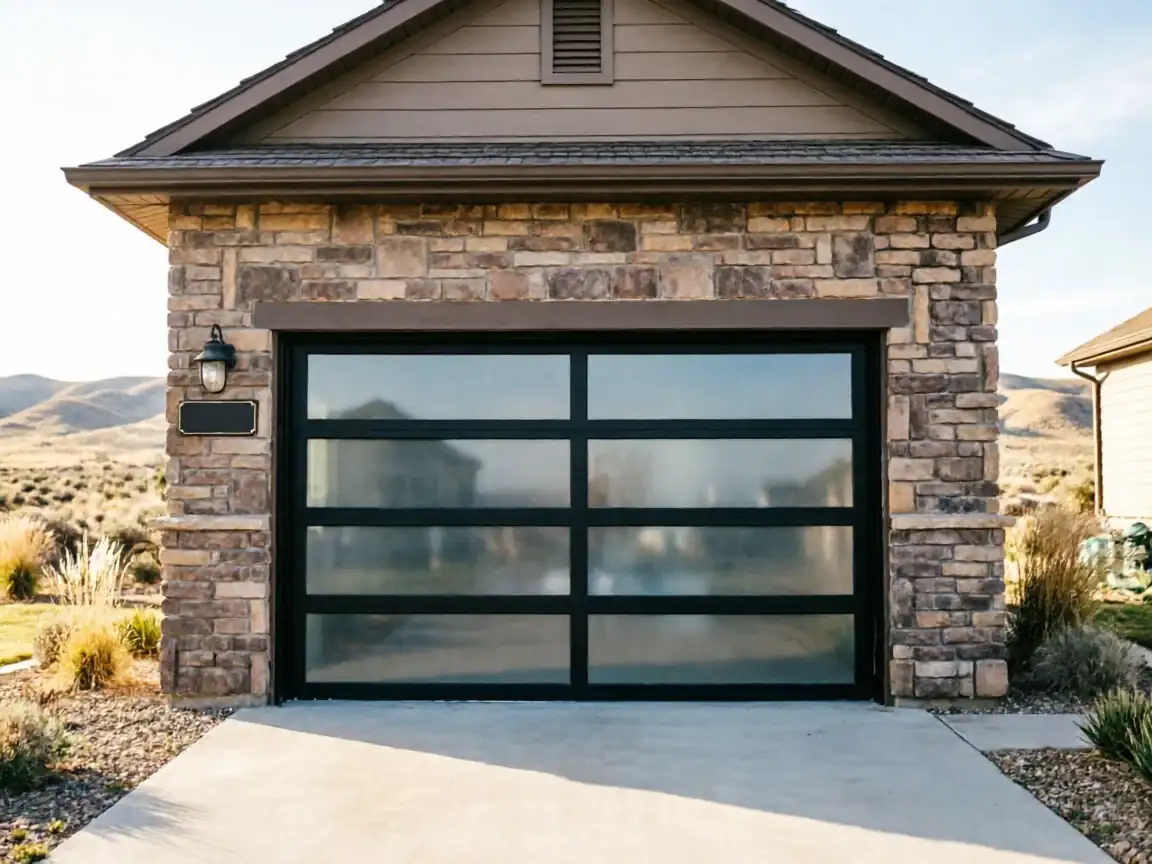
The Symptom
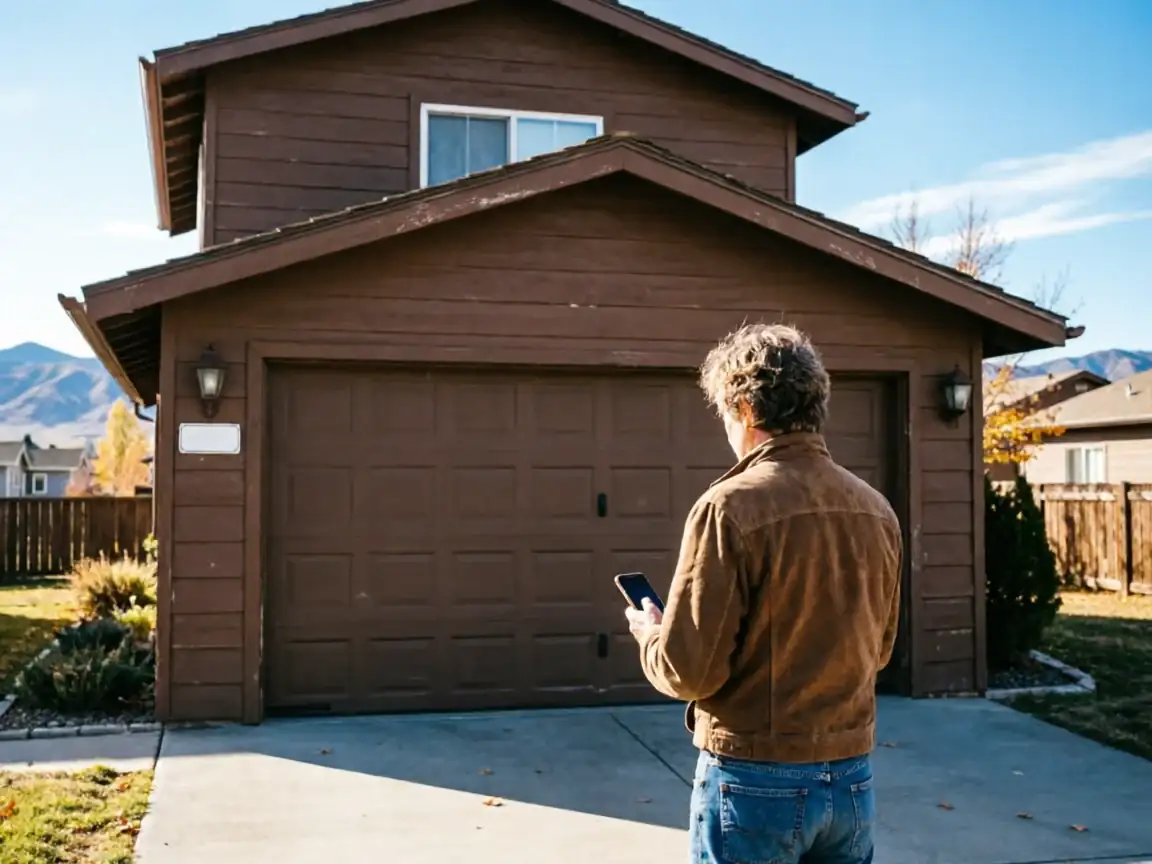
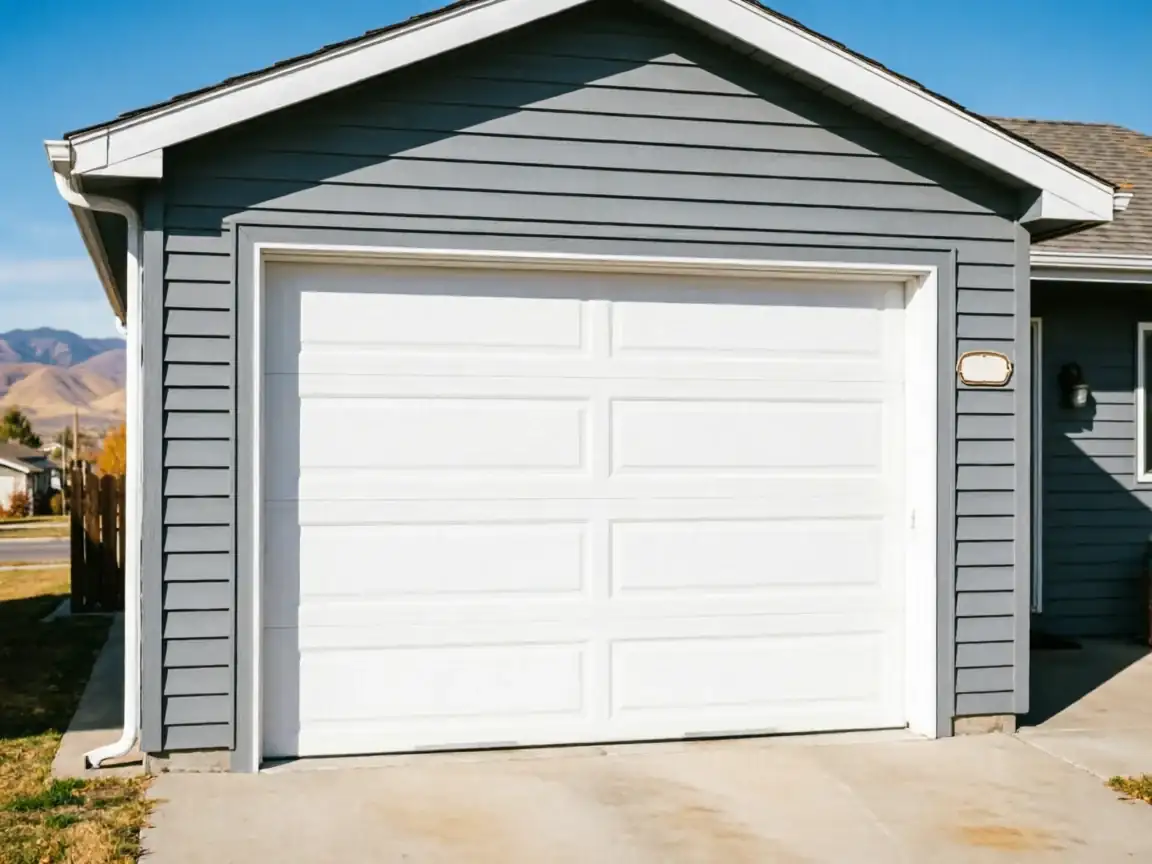
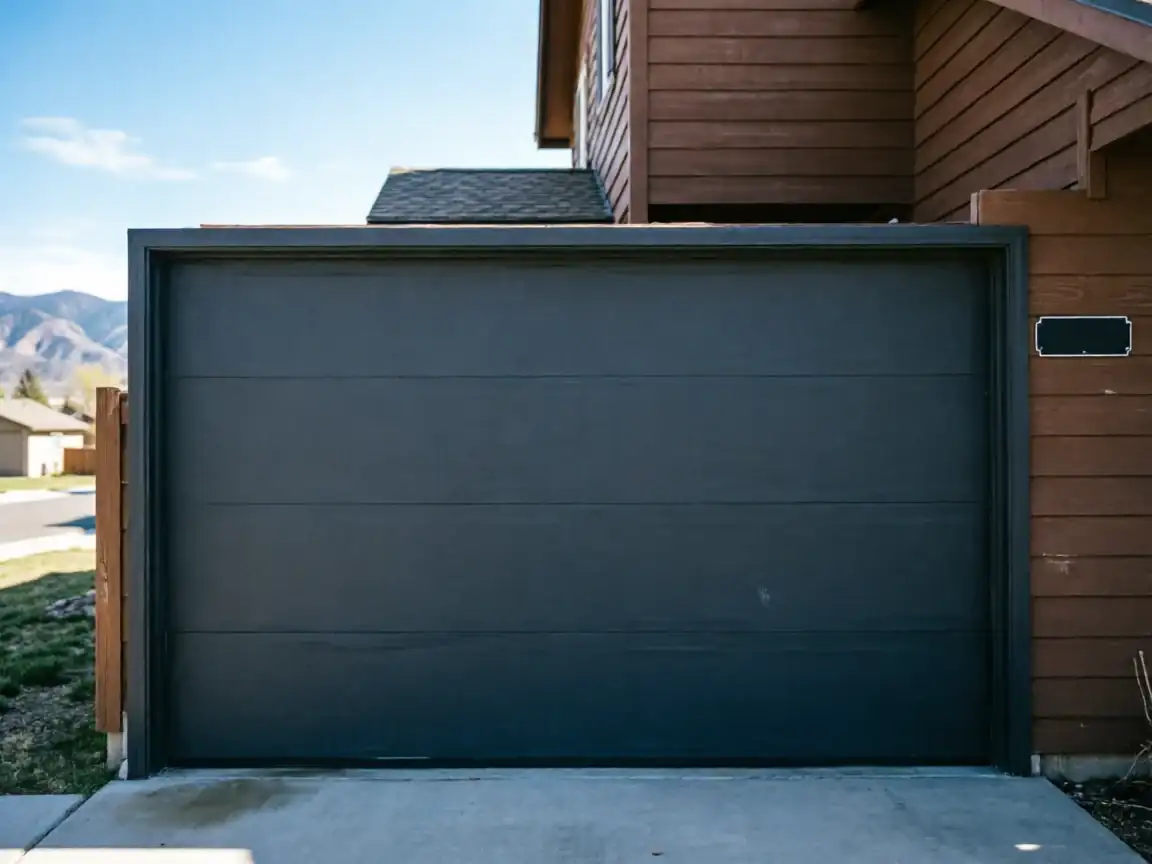
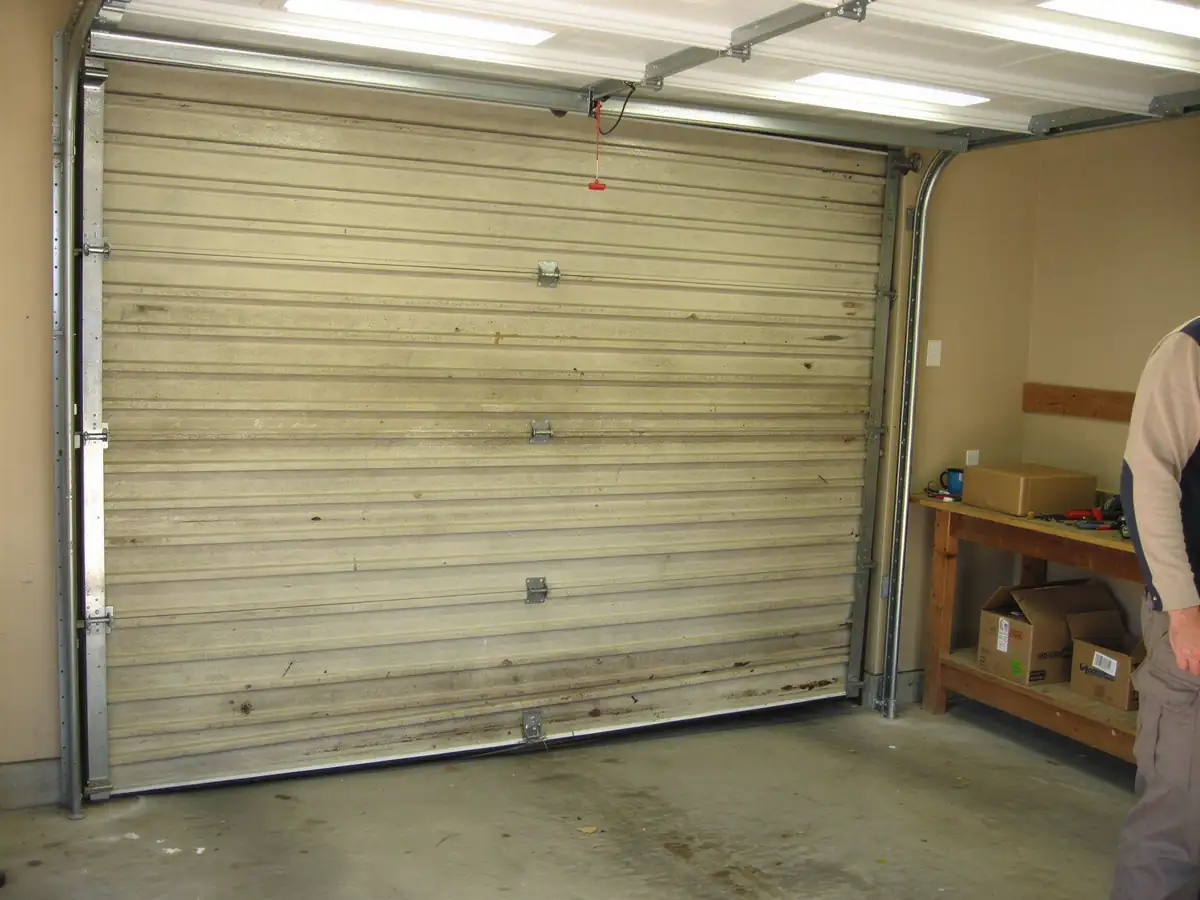
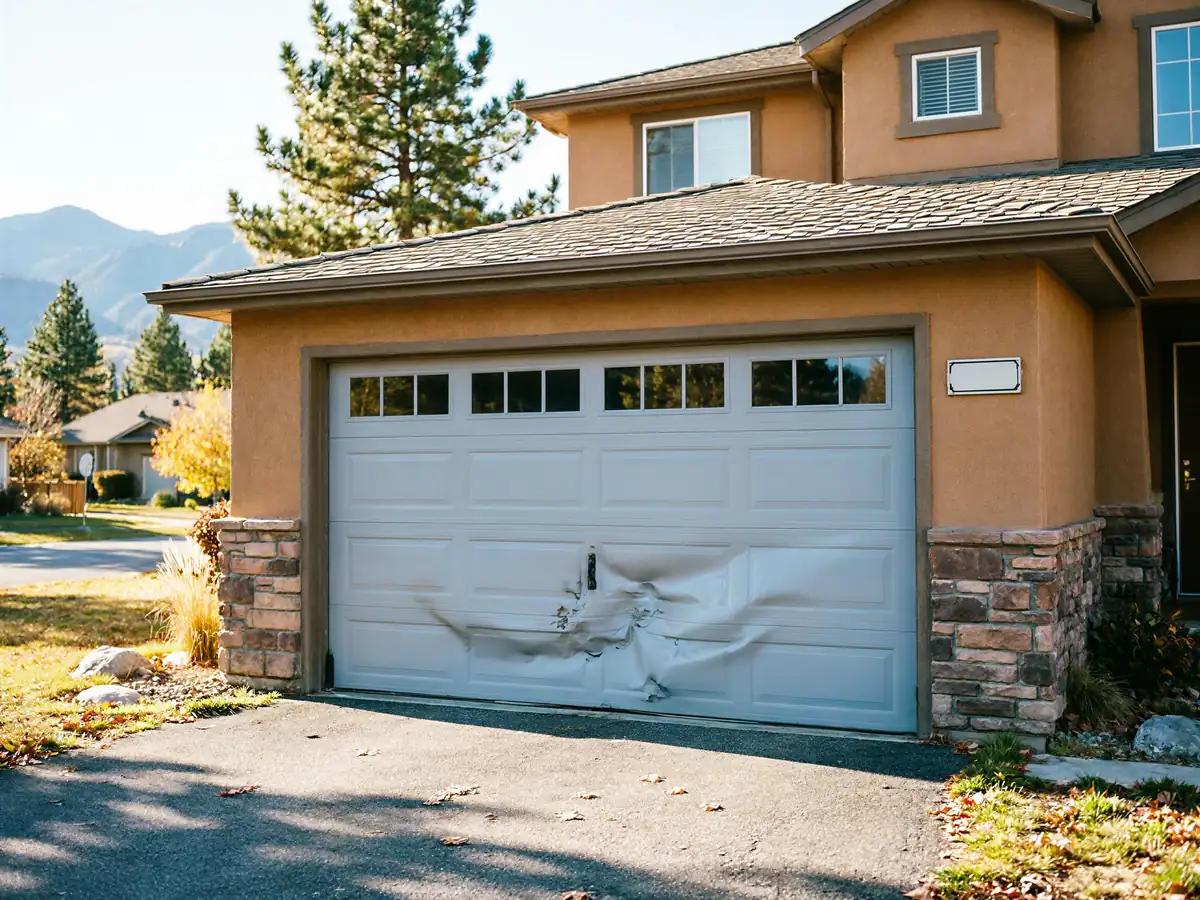
You notice it before you can name it. The door sags a half-inch at one corner. Cold air pools along the bottom seal even with the weatherstrip new. The opener strains on the way up, then slams on the way down because the springs were never sized for the door that's hanging on them now. Sometimes it's simpler than that: the panels are dented and delaminating, the finish has chalked, and you're tired of fighting a door that's outlived the house it came with.
Most of these signs don't mean broken - they mean worn out. A repair can true up a track or swap a cable, but it can't put insulation back into a steel skin that never had any, and it can't fix a door that's the wrong size for the opening it was jammed into decades ago. If you're patching the same door twice a year, that's the symptom that matters, not the specific part that failed this time. Highlands Ranch homes built in the housing boom decades carry a lot of these original doors, and a lot of owners are past the point of another patch.
What Can Go Wrong
Homes in Highlands Ranch run from 1938 to 2005, with the bulk of the stock dating to the 1960s and '70s. A door from that window is almost always a single layer of steel with no insulation and a torsion spring sized for a lighter, non-insulated panel. Swap in a heavier door without resizing the spring and the opener burns out trying to compensate - that's a callback waiting to happen, not a install done right.
Foundations in that older stock have also had decades to settle. Tracks that were plumb in 1975 are often out of square now, which means a straight replacement door can still bind on a crooked opening if nobody checks the frame first. And in a severe-cold climate, a door that isn't rated for it will warp at the bottom panel every winter regardless of how well it was hung, because the steel contracts and the weak point - usually a seam near the bottom roller - gives first. None of this is exotic. It's just what 50-plus-year-old openings do when a door goes in without someone measuring for the actual conditions.
What the Fix Involves
A proper install starts with the opening, not the door
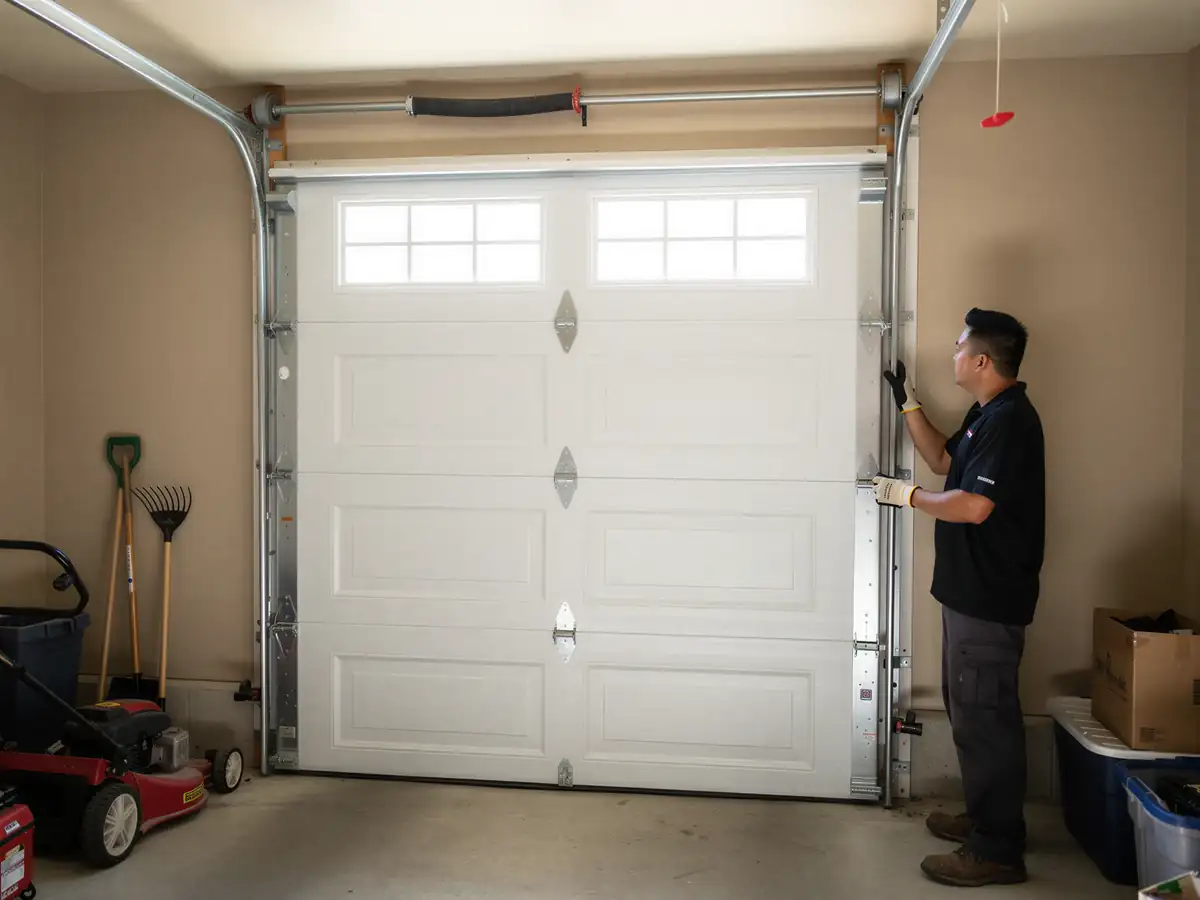
We measure width, height, and headroom, and we check the frame for square before anything gets ordered - on an older house that square check matters more than the door spec sheet. For Highlands Ranch's severe-cold winters, that usually means a door with a foam core rather than a hollow steel skin, sized and insulated for the climate band the house sits in rather than whatever was standard when the house was built.
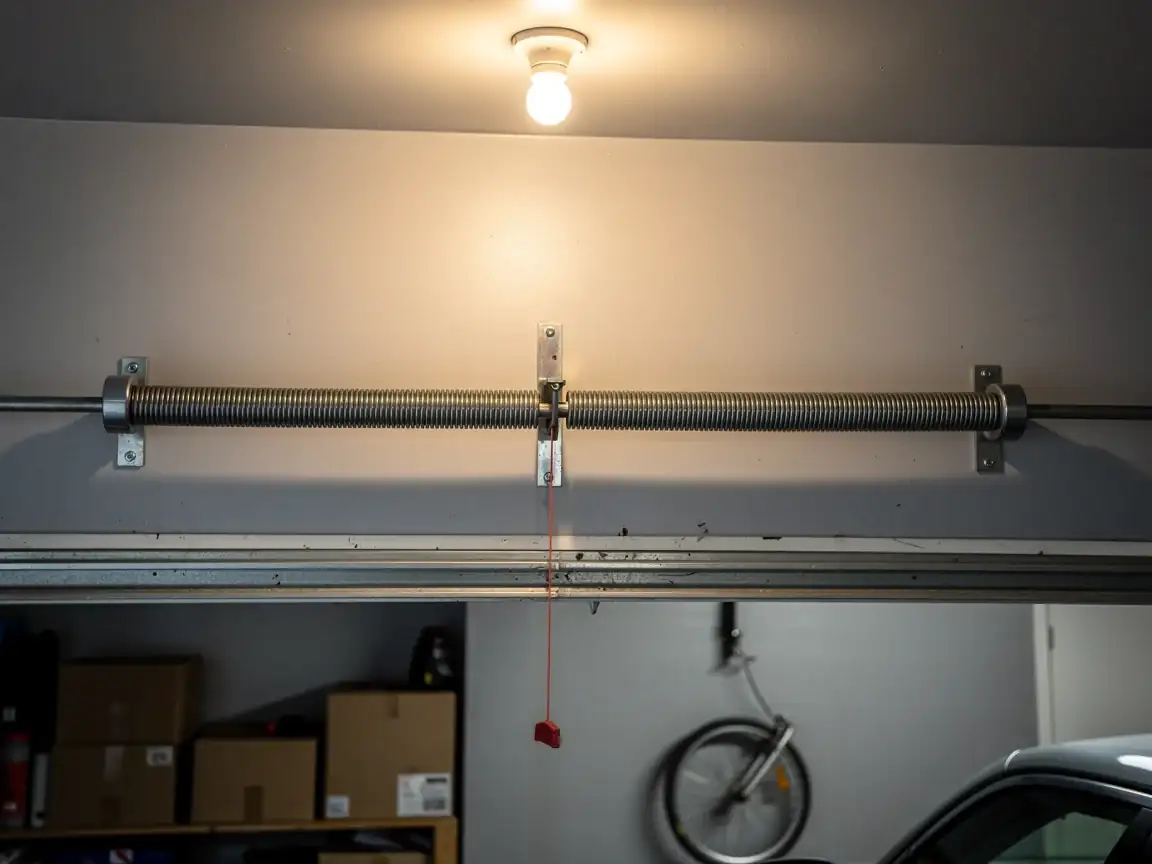
Springs get matched to the actual door weight, not guessed at
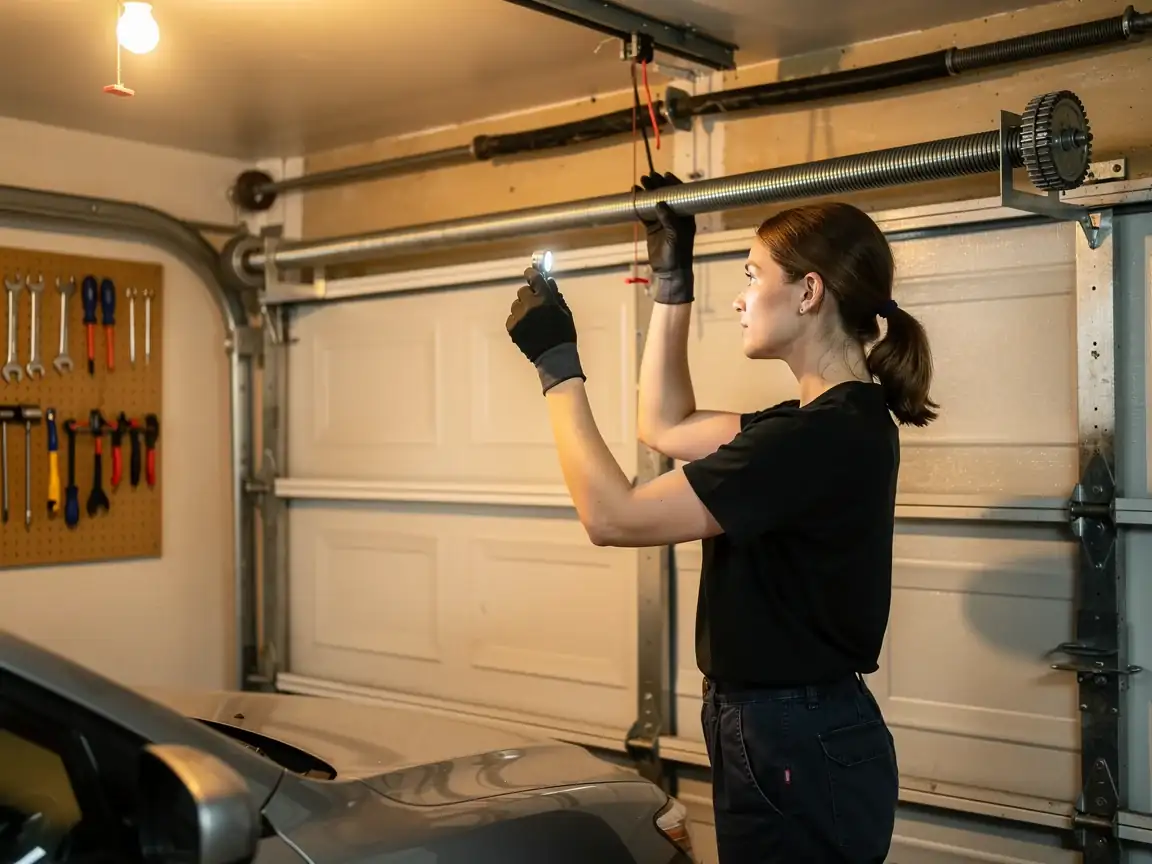
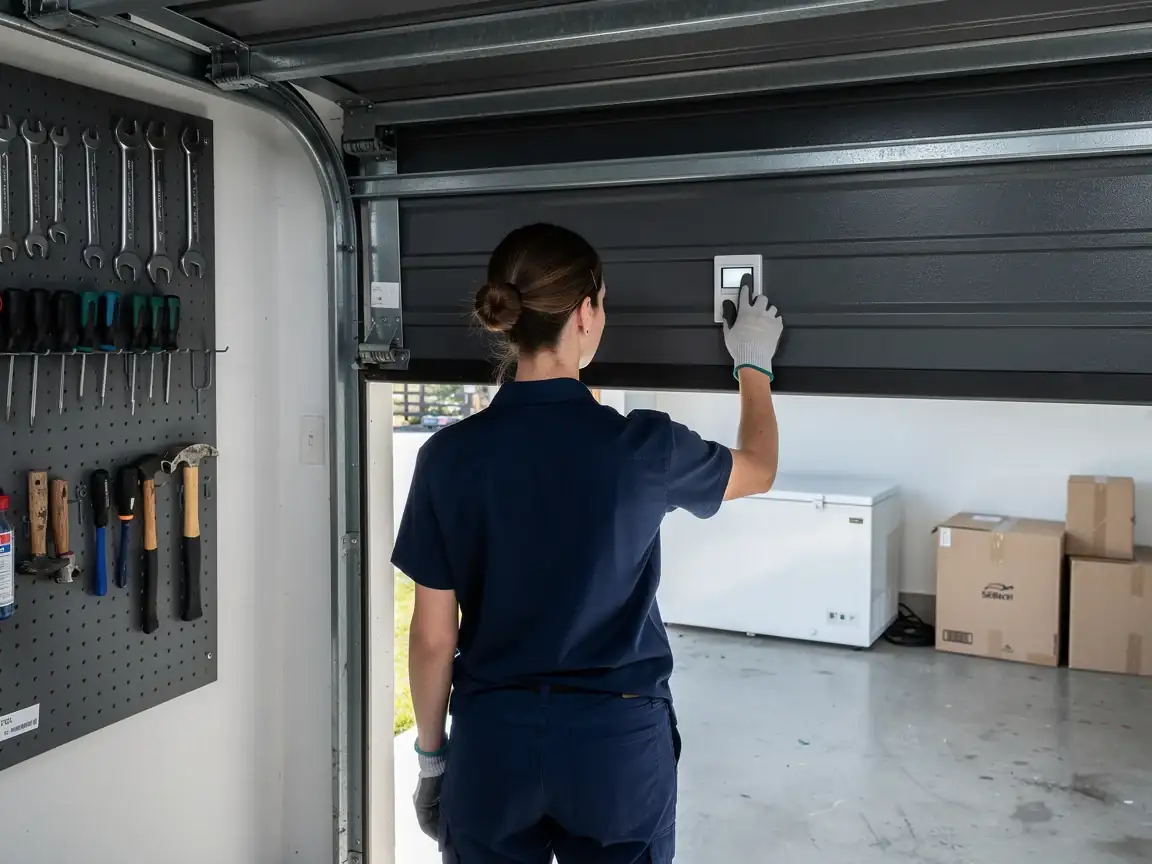
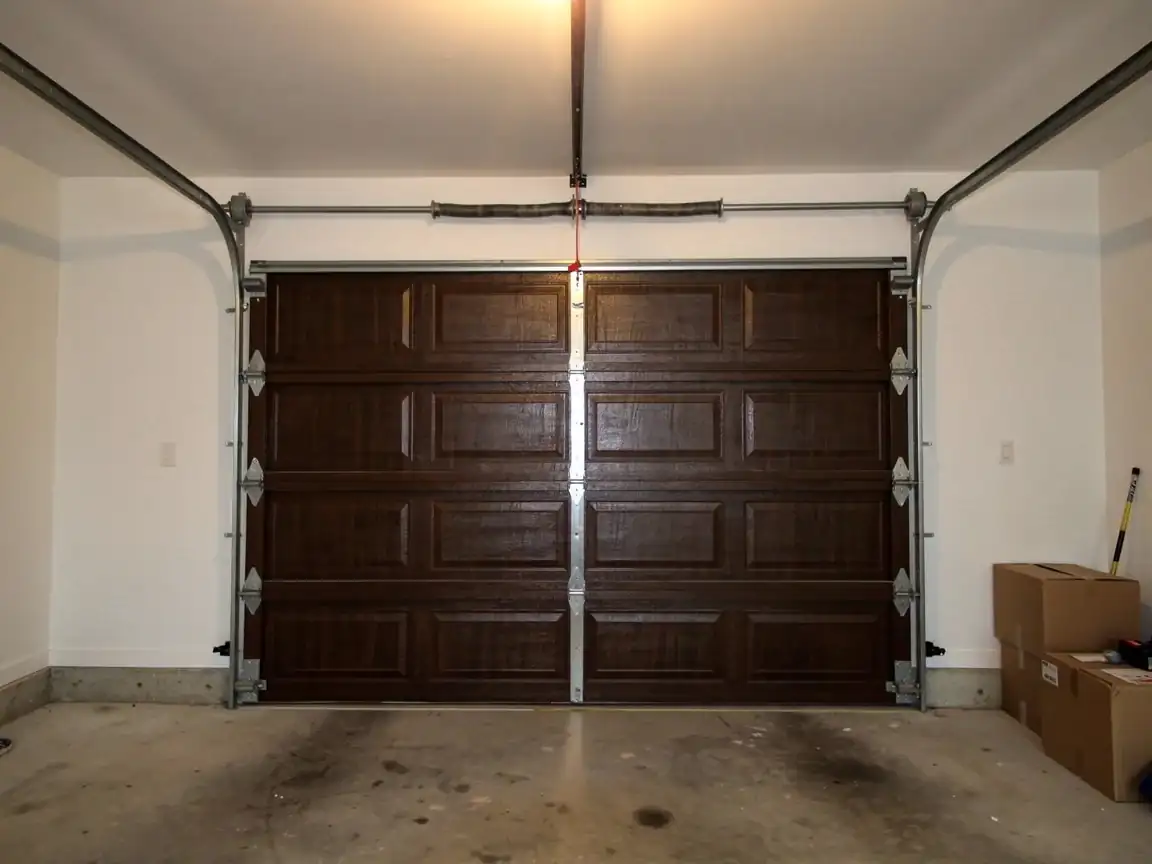
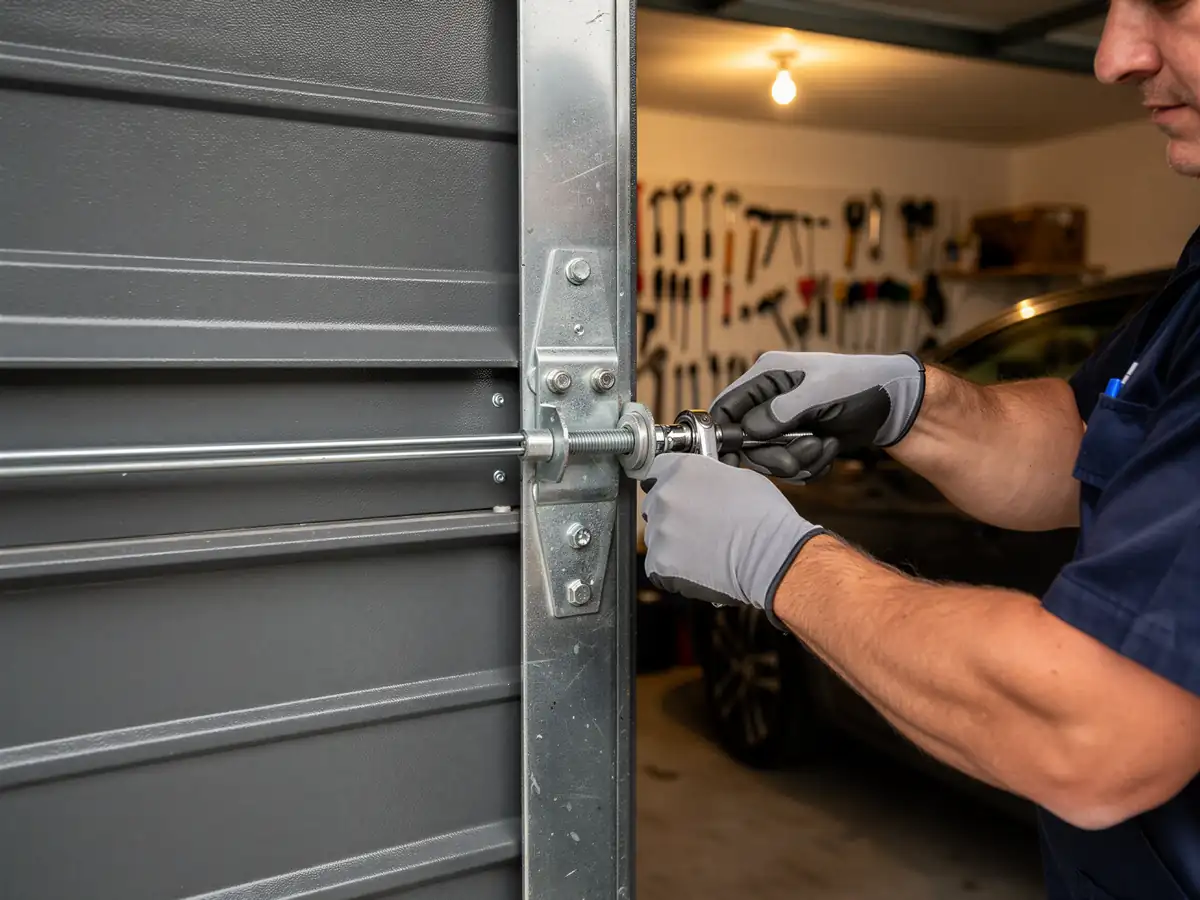
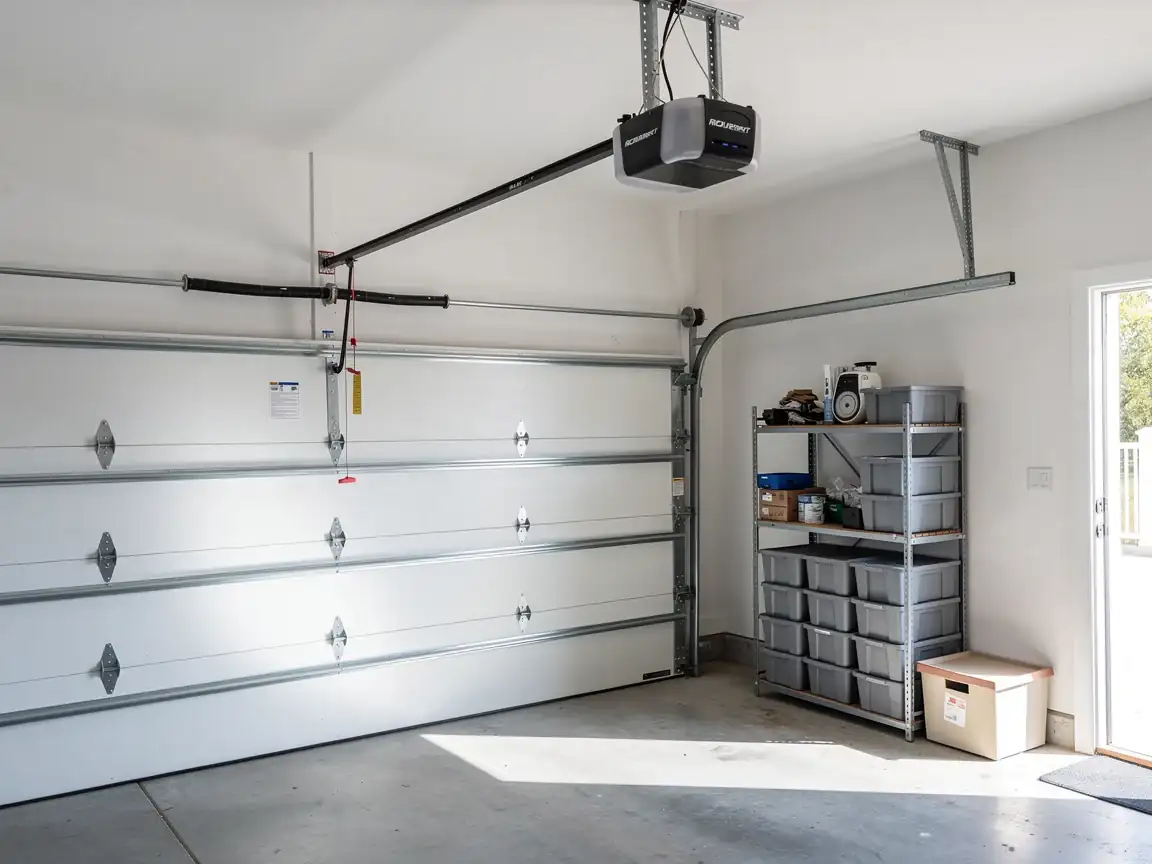
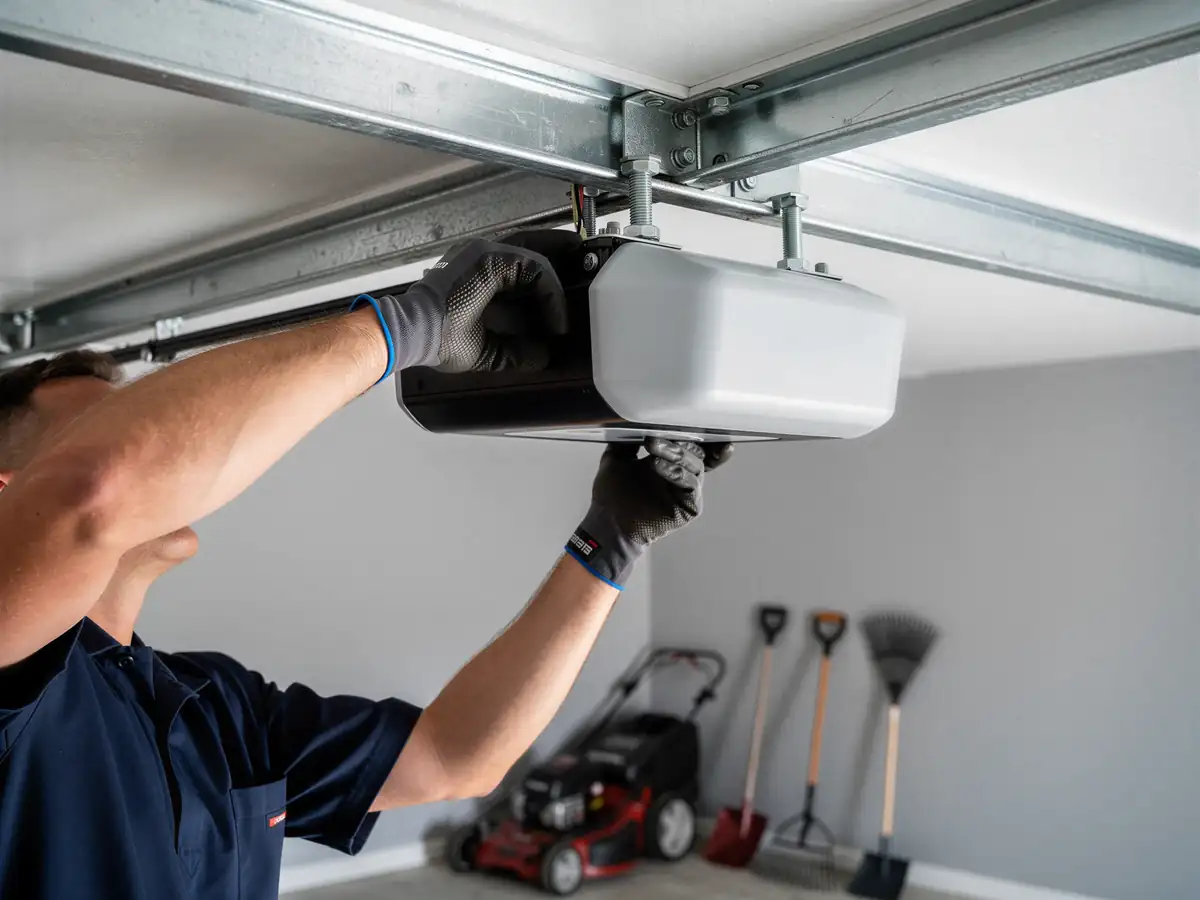
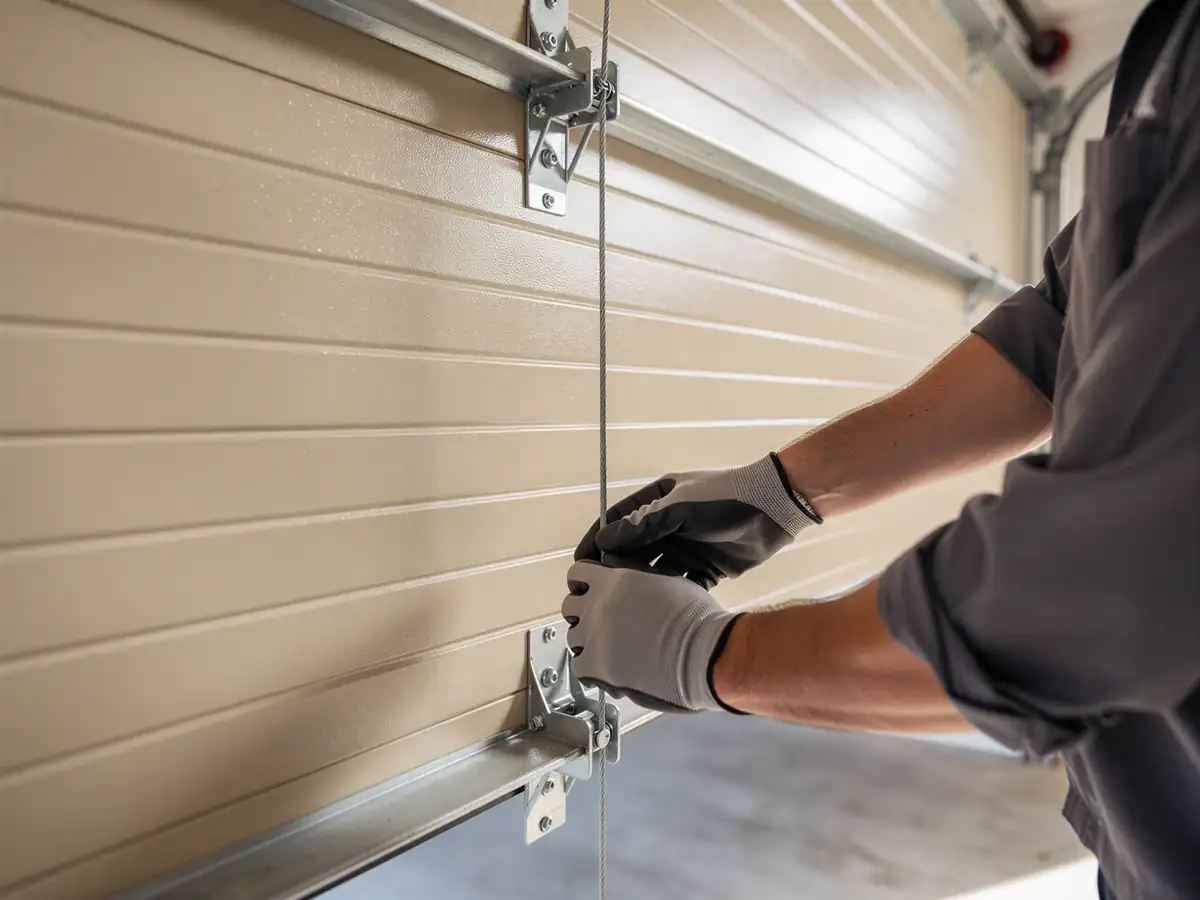
An insulated door weighs more than the single-layer original, and the torsion spring has to be recalculated or it'll either strain the opener or snap early. Track and rollers get set to the corrected opening, not just bolted to match the old hardware. If the opener is original to the house, we'll tell you straight if it's worth keeping or if it's going to fight a heavier door - that's the honest call more than the easy sale. Old door and track come out, new one goes in, and we test the balance by hand before the opener ever touches it.
Why It Happens Here
Highlands Ranch's housing stock runs 1938 through 2005, with a median build year of 1979 and the heaviest concentration in the 1960s and '70s across the area's 31 named pockets - a mile north two miles southeast two miles west, and the rest spread out from there. That means a large share of the area's 52,452 owner-occupied houses are still running doors and hardware sized for a lighter construction era, in a climate band rated severe cold.
That combination - older single-layer doors, settled foundations, and winters that stress a bottom seal hard - is exactly why installation calls here skew toward full replacement rather than repair. At a median household income of $129,480, most owners in this area choose to replace once a door's insulation and hardware are both out of date, rather than keep sinking money into parts built for a house that no longer matches the door. It's not a judgment call so much as arithmetic: an insulated door rated for the climate costs less over time than repeated patch work on a 50-year-old single-layer panel.