What Most People Get Wrong
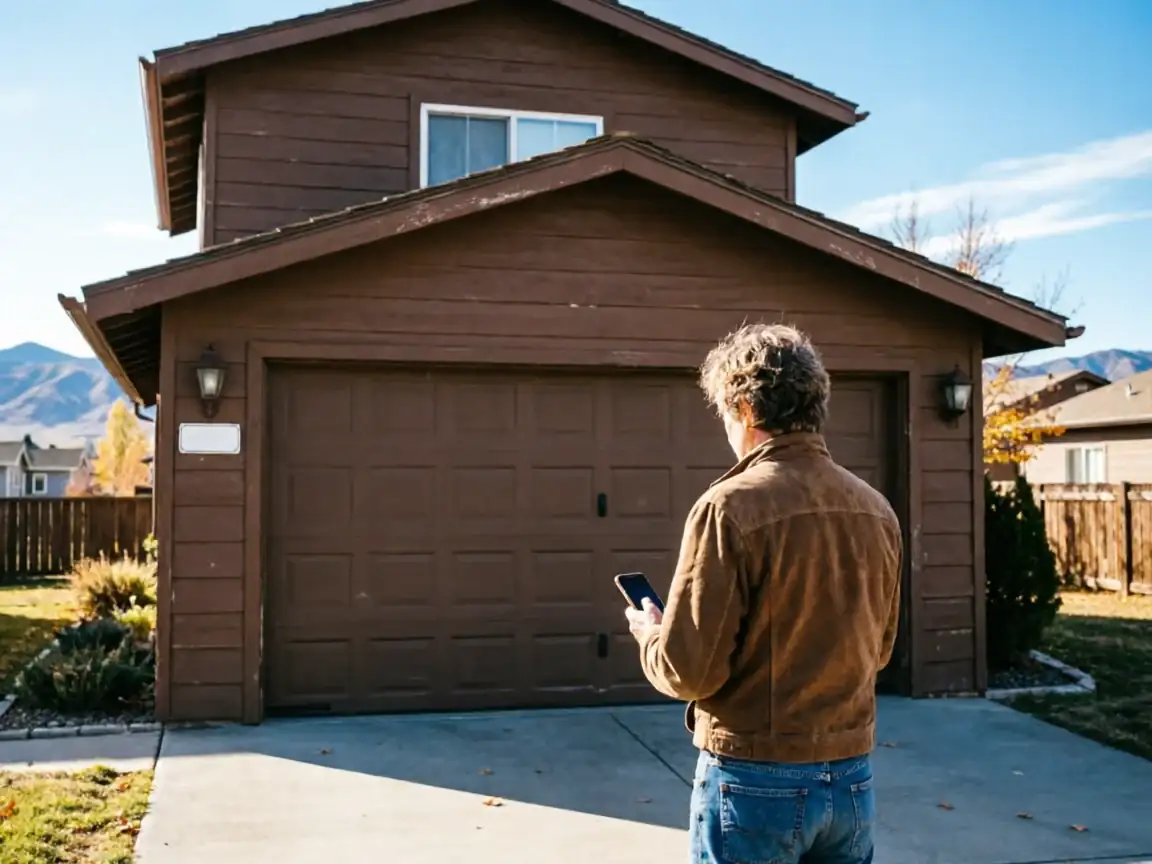
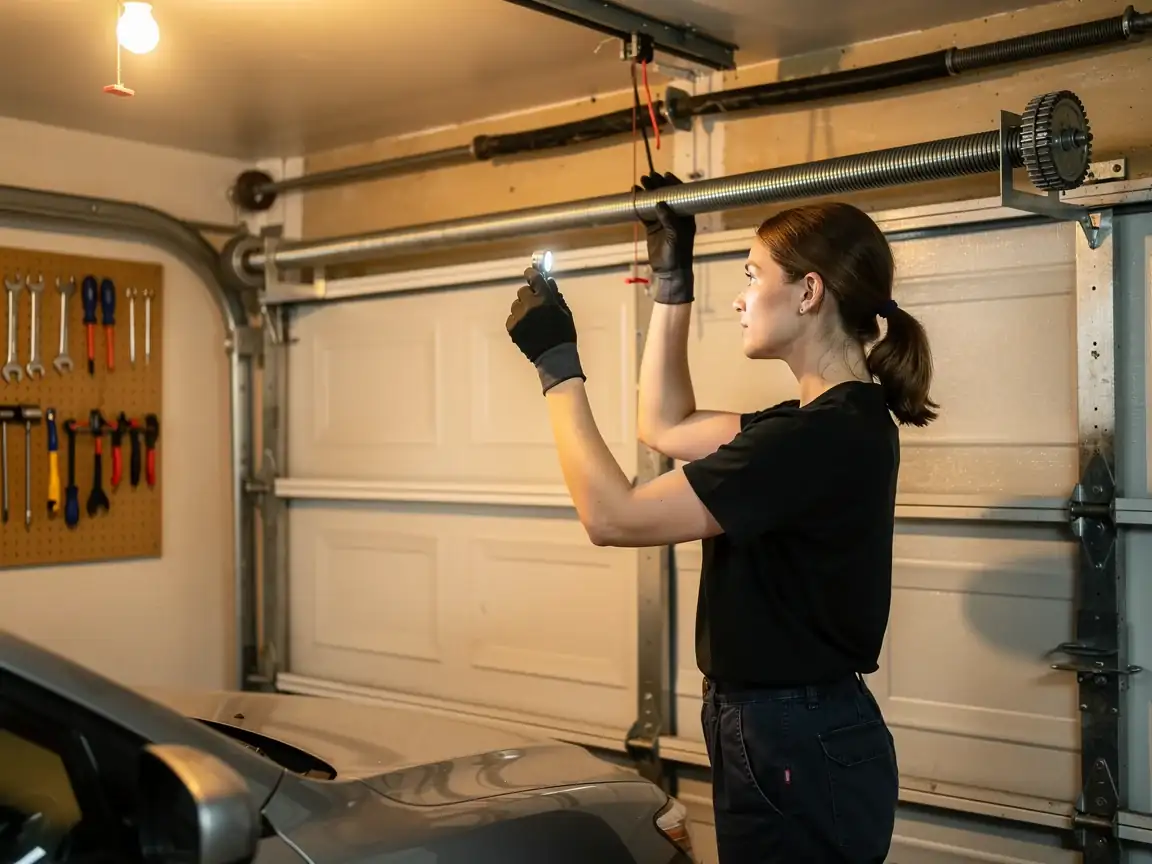
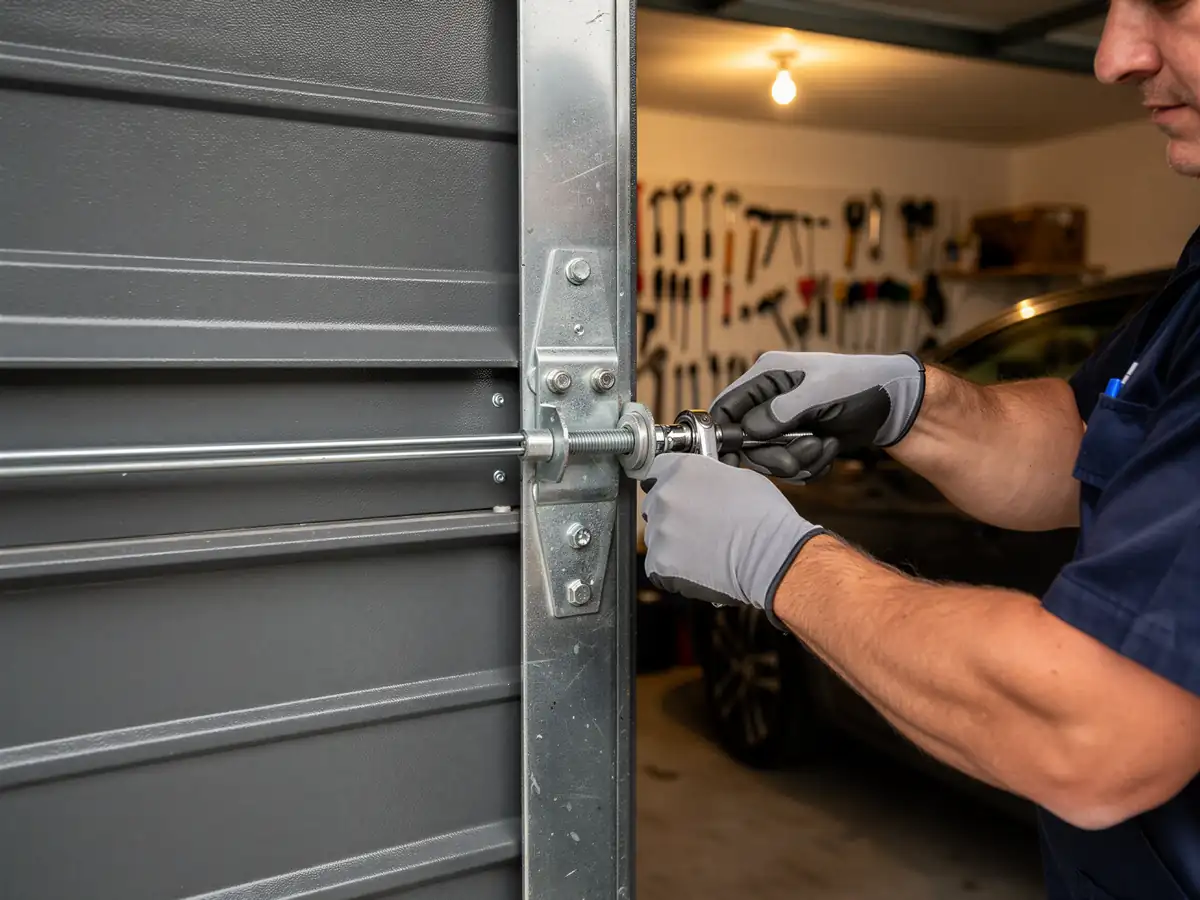
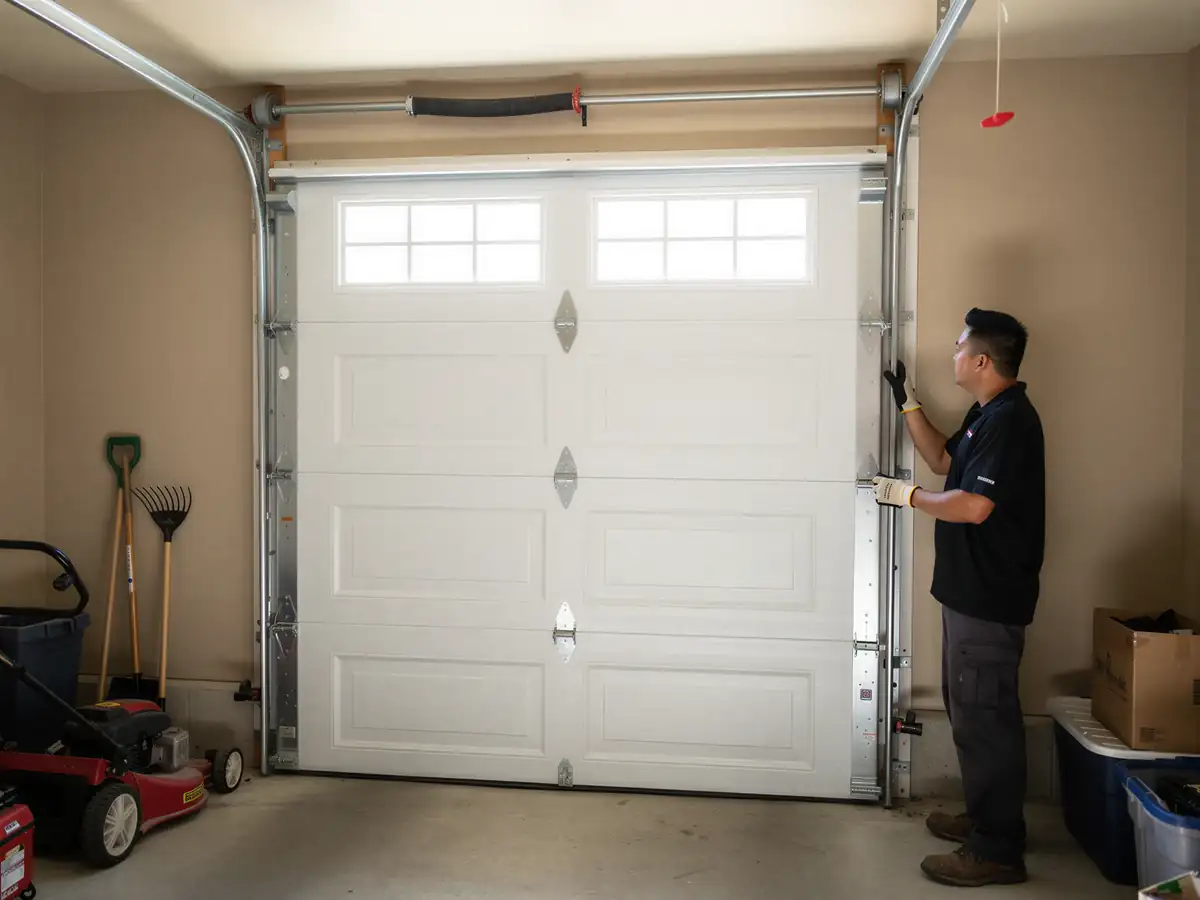
Most callers think a service call is one thing: the tech shows up, looks at the spring or the opener, and either fixes it or doesn't. That's not how it works here. Highlands Ranch housing spans 1938 to 2005, with a median build year around 1979, which means two trucks going to two addresses a mile apart can be looking at completely different hardware generations. A house from the late 70s stock that makes up a lot of this area often still has its original torsion spring sized for a lighter panel than what's on the door now, because someone replaced a wood door with an insulated steel one decades back and never touched the spring. A real service call checks the door against the hardware it's actually carrying, not just the symptom you called about. Skipping that step is how a "quick fix" turns into a second call three weeks later. We won't quote a spring swap without opening the panel first to see what's actually bearing the load, and that extra ten minutes is part of the call, not an upsell.
Doing Nothing For Now
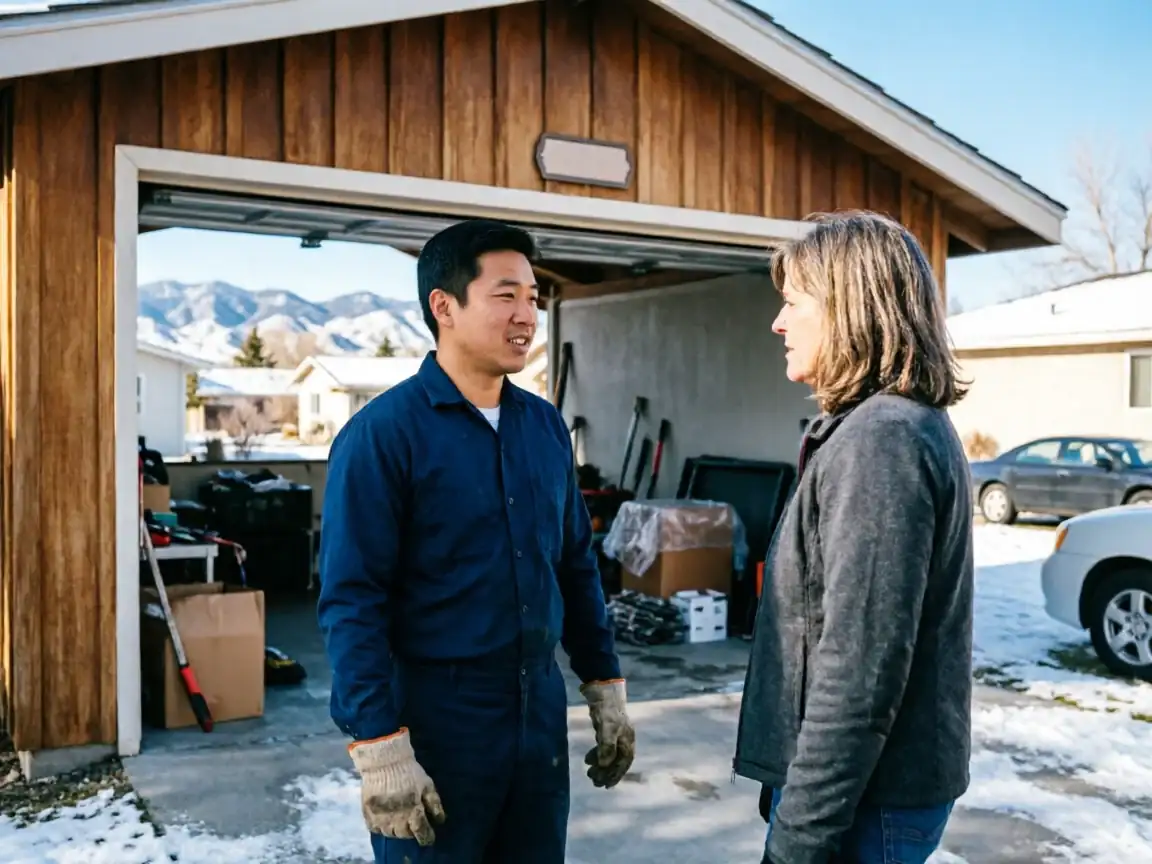
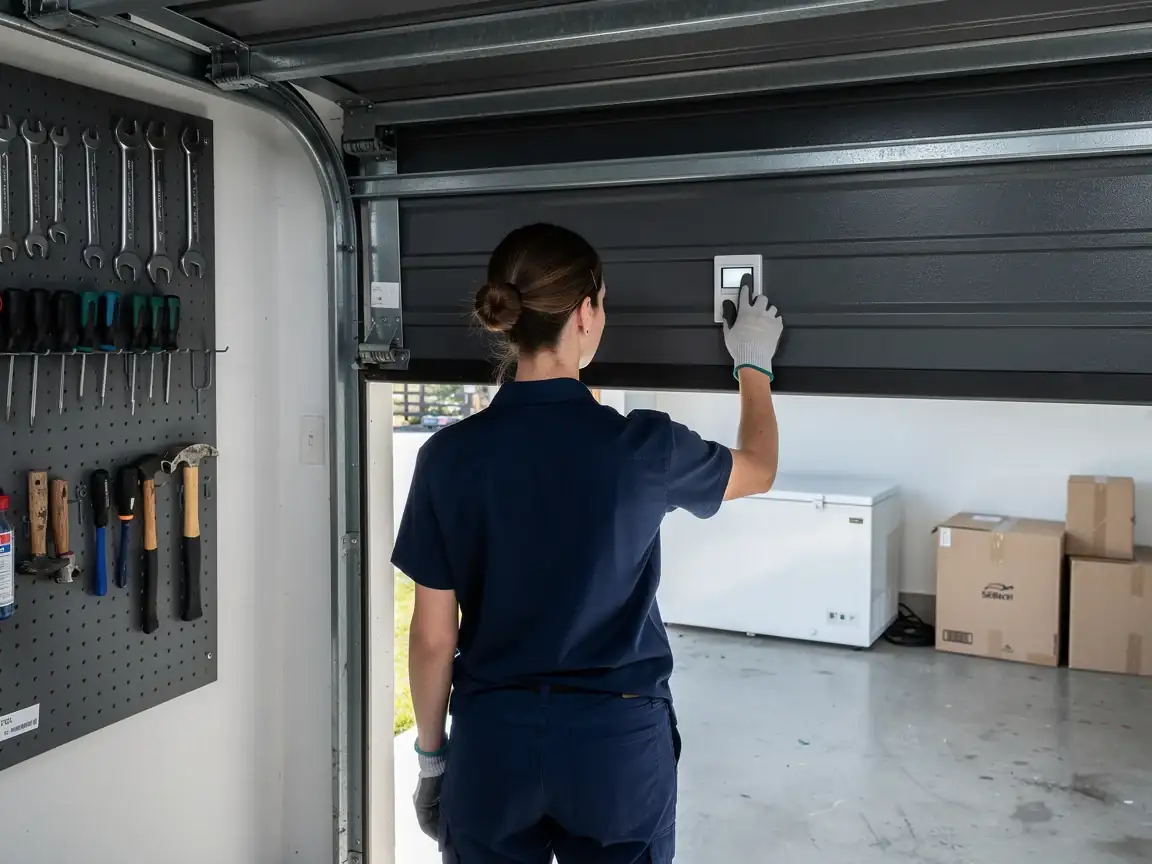
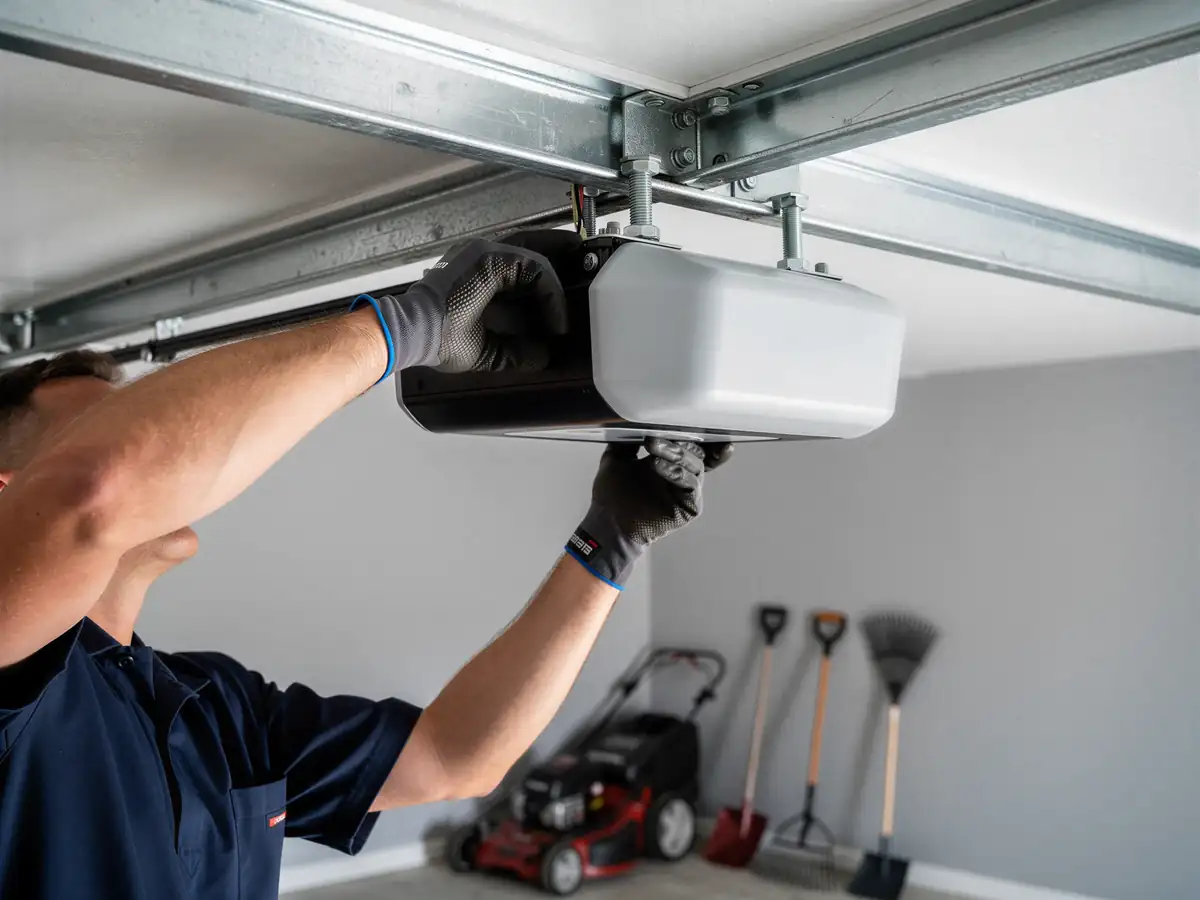
Sometimes the honest answer is to wait. If your opener is old but the gears and chain are still quiet and the door balances properly when disconnected from the opener by hand, replacing it now is spending money on a part that isn't the problem. We'll tell you that instead of selling you one. Where we won't wait: a cable that's starting to fray, or a spring that's visibly stretched past its coil gap, because those don't degrade on a schedule you can predict and they're the parts that hurt people. One real limit on our end - some opener circuit boards and older steel panel profiles aren't something we keep on the truck, and if yours is one of them, the part has to be ordered before we can finish the job. We'd rather tell you that up front than pretend otherwise.
How Local Conditions Play In
This area sits in a severe cold climate band, and that matters more to a garage door than people expect. Steel torsion springs lose tension capacity and get brittle faster through repeated hard freezes than they do in milder regions, which shortens the real-world cycle life below what the spring's rated for on paper. Nylon rollers and standard lubricant also stiffen up in sustained cold snaps, which is why a door that worked fine in October can start binding or making a new noise once winter sets in. On a service call here, we check spring wind tension and lubricant condition even when that's not what you called about, because the cold is working on those parts whether you notice or not. It's also why we don't recommend the cheapest lubricant option for this area - it gums up and loses effectiveness faster in cold cycling than a proper lithium-based grease does.