The Symptom
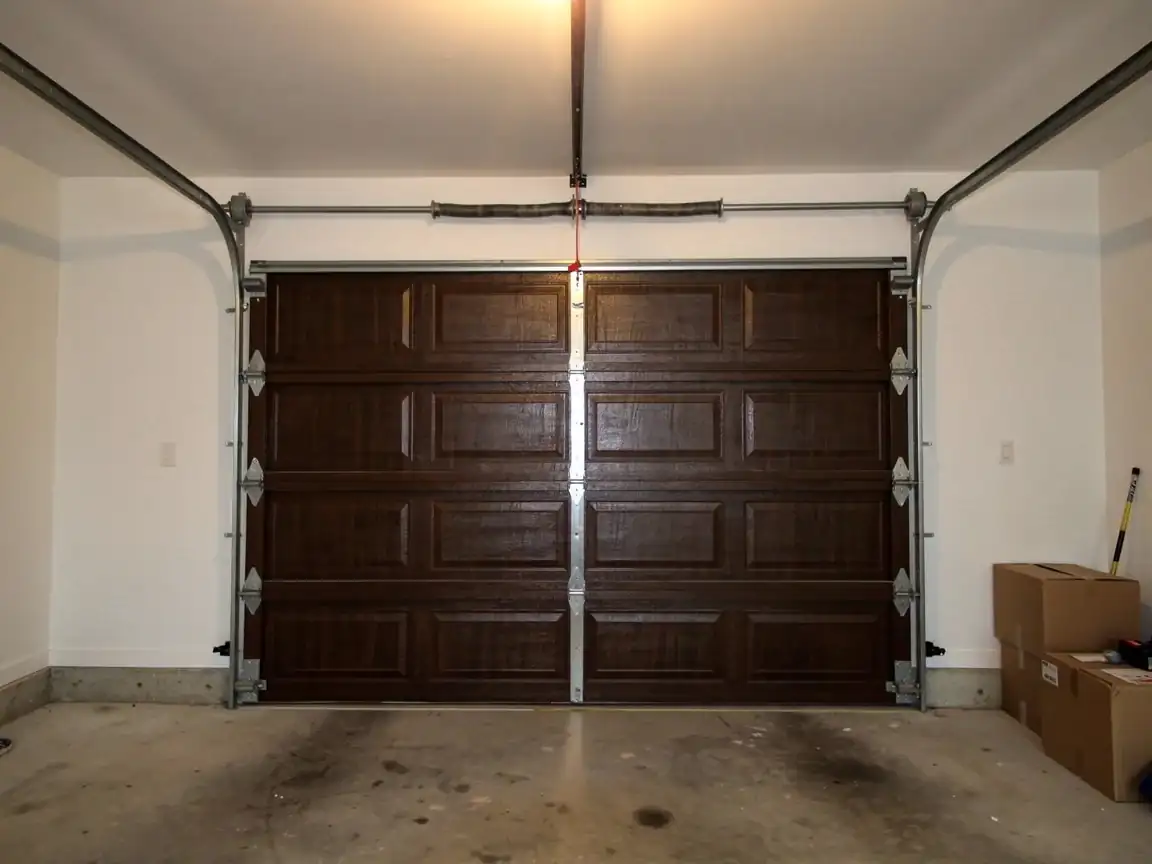
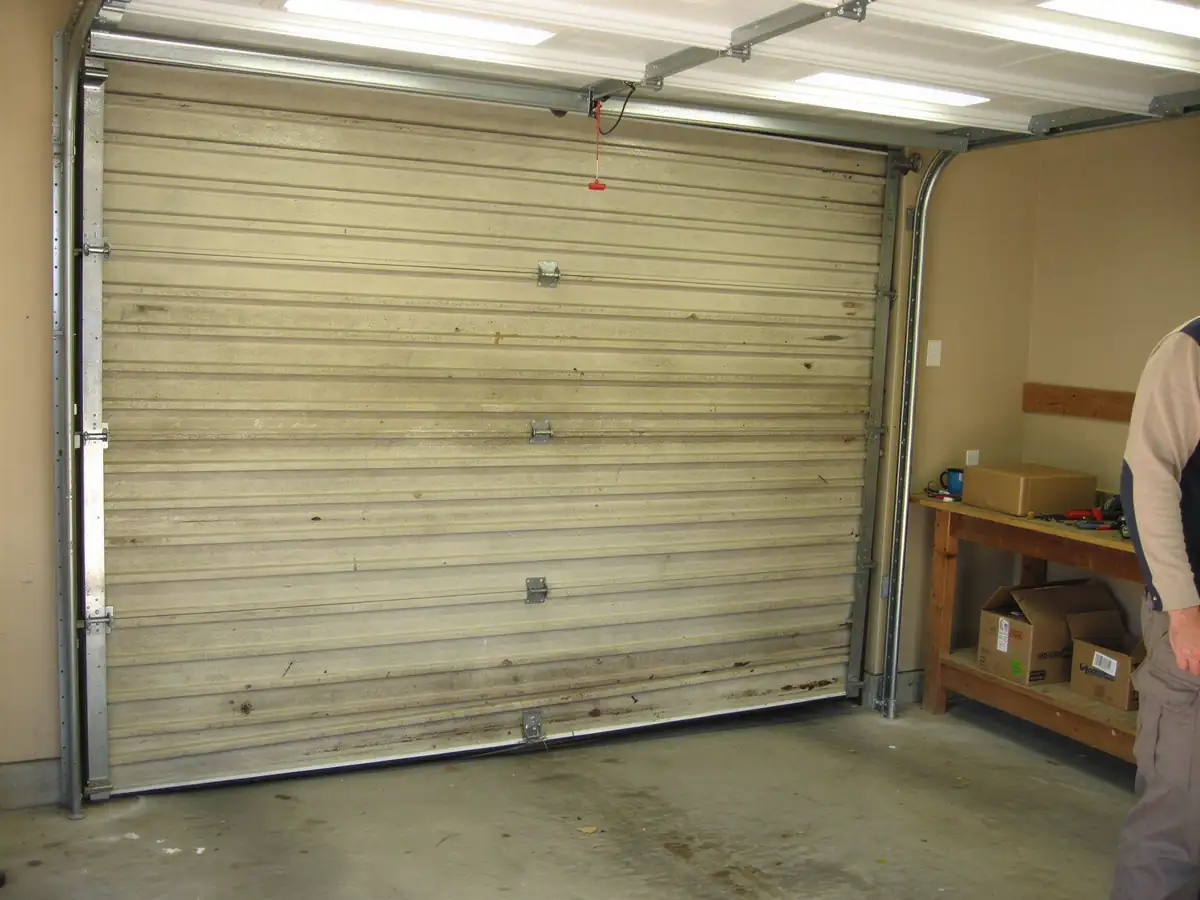
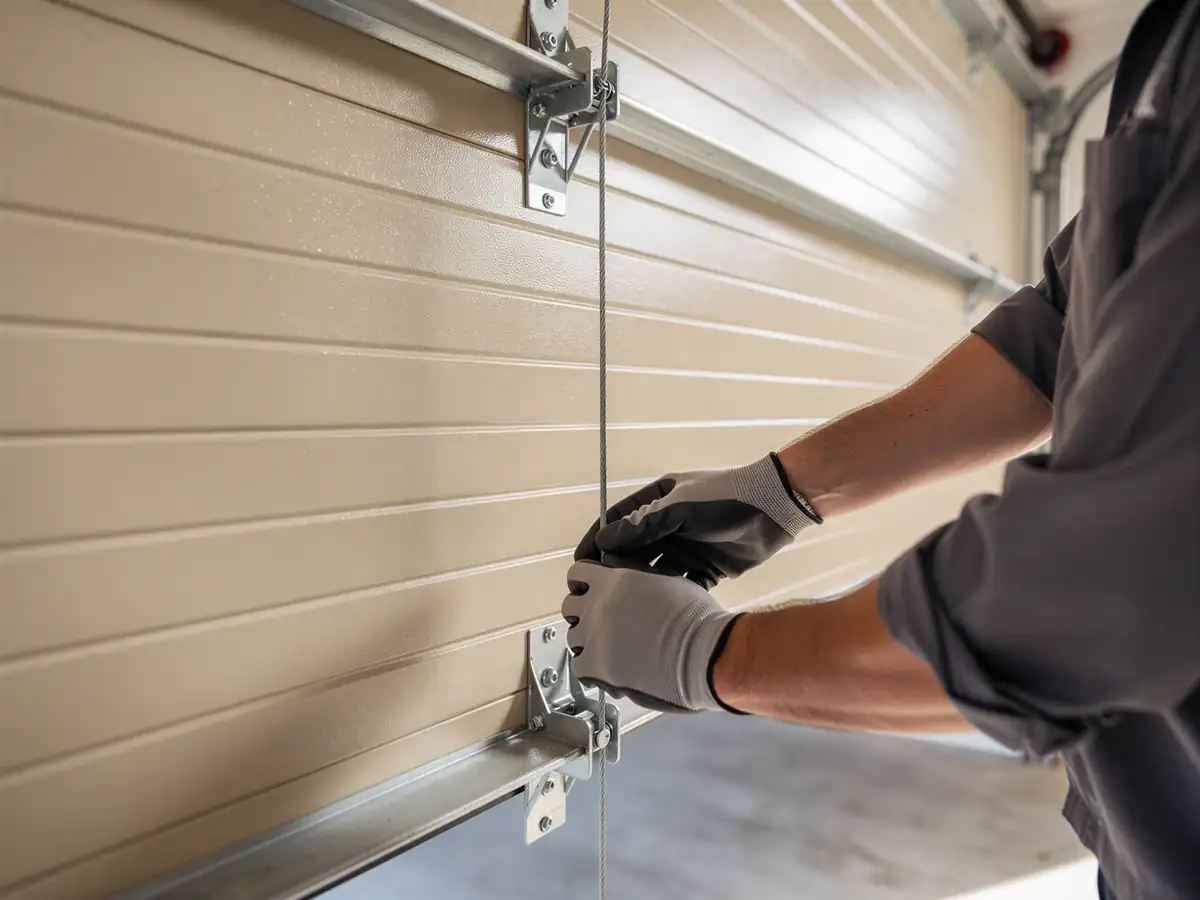
You notice it before you can name it. The door hangs crooked at the bottom, one corner lower than the other, or it jerks and stops partway up. Sometimes there's a loud snap and the door drops fast, caught only by the safety cable or whatever's left holding tension on one side. Look at the bottom corners near the rollers and you might see a cable that's come off its drum, or one with frayed strands sticking out like a broken guitar string. A cable that's slipped off the drum but hasn't snapped yet will often make a grinding or clicking noise as the door moves, because it's rubbing somewhere it shouldn't be. None of this is a problem to open-and-close-it-anyway. A door running on one working cable puts all the load on the opposite side, which stresses that cable, the drum, and the track fasteners a lot faster than normal use. If the opener keeps trying to drive a door that's hung up on a loose or broken cable, you risk bending the track or burning out the opener's drive gear. Catch it at the fraying stage and it's a contained job. Catch it after the cable lets go and you're often dealing with a dented panel or a door that's come off the track entirely.
What Can Go Wrong
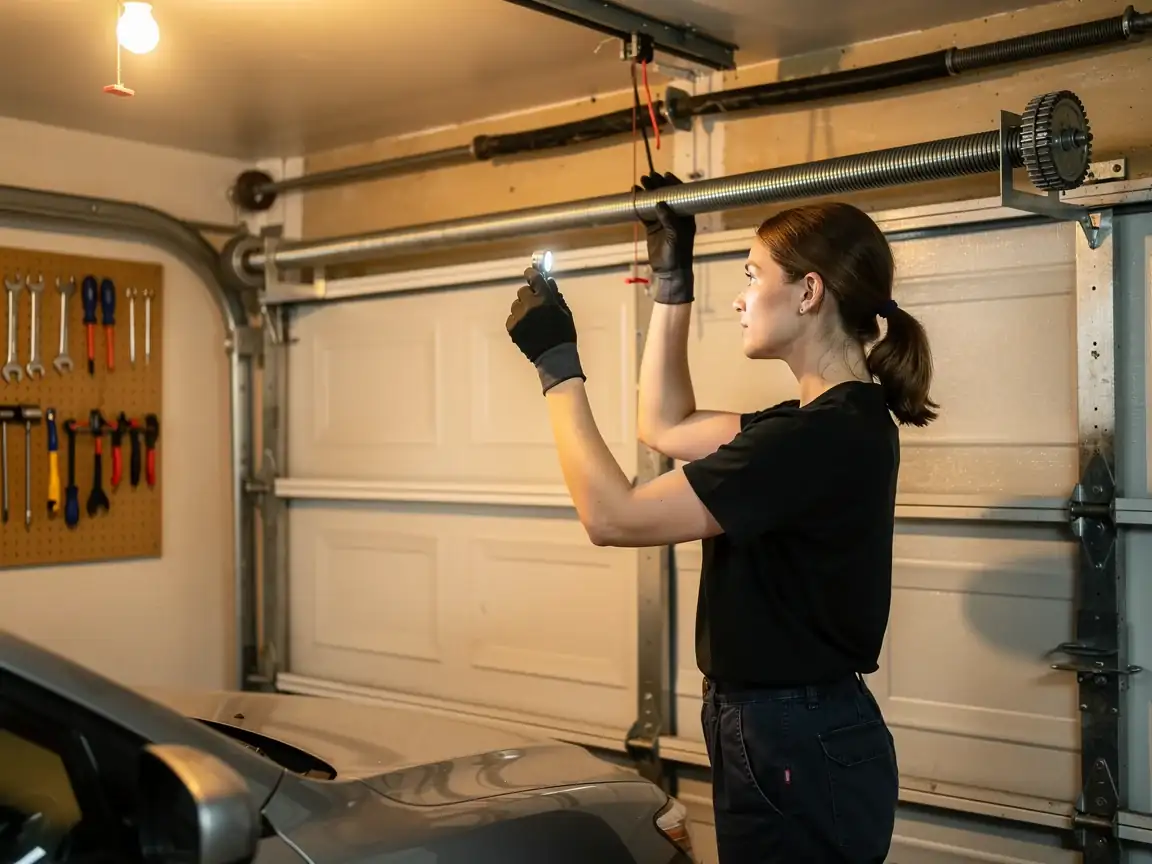
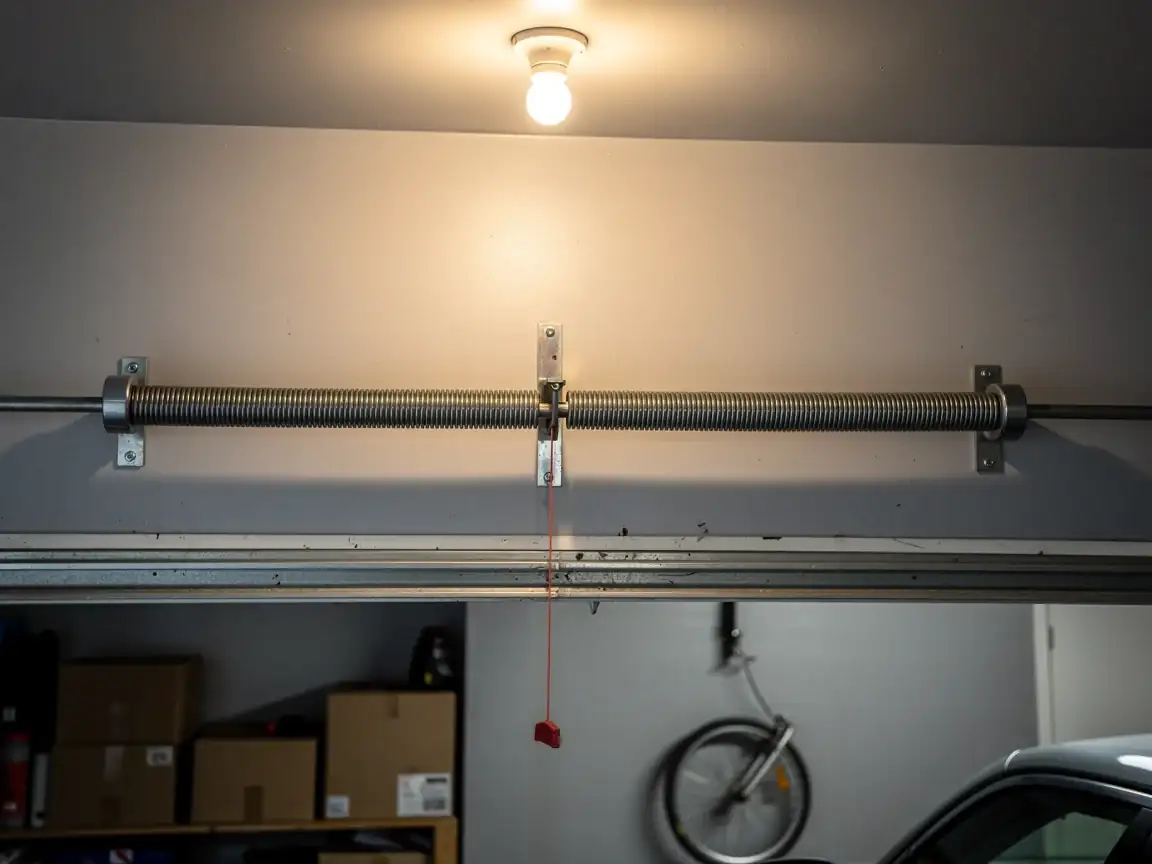
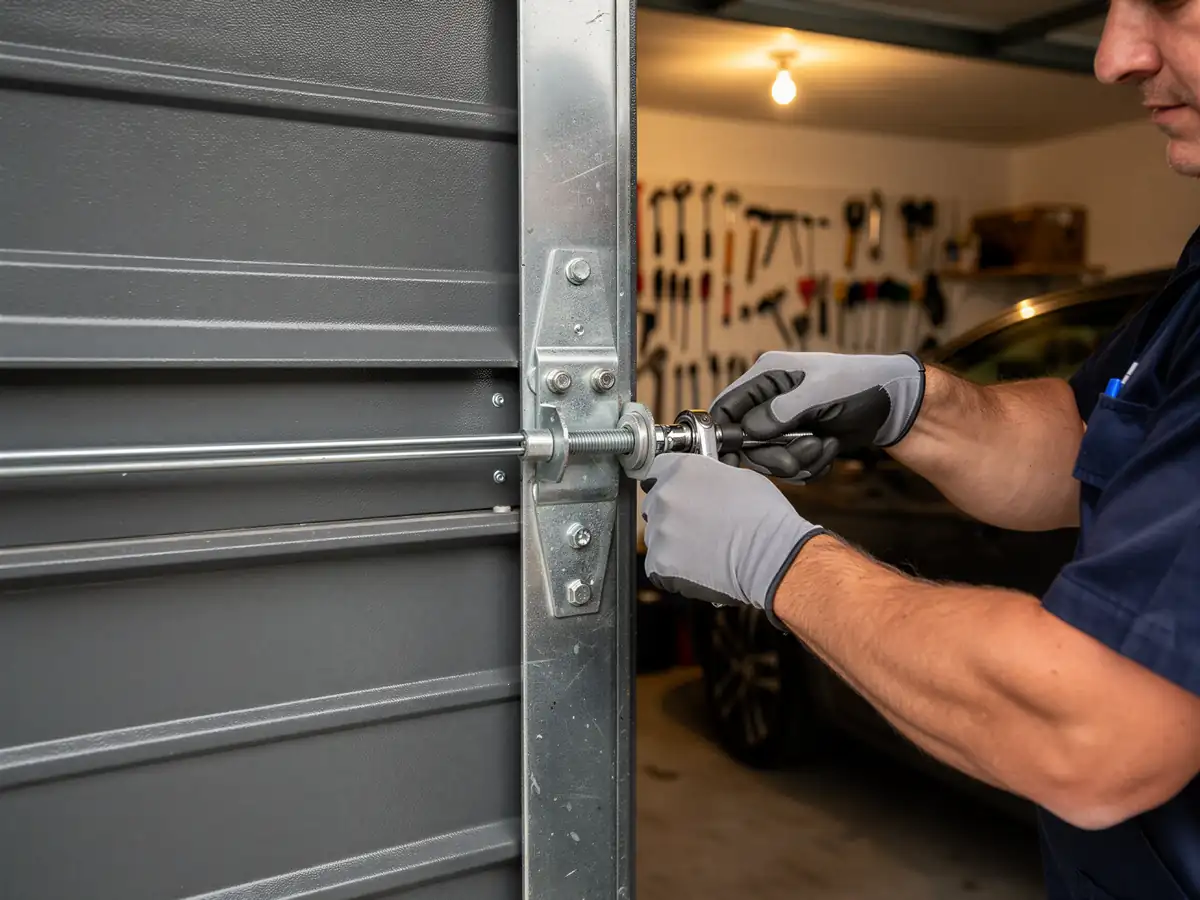
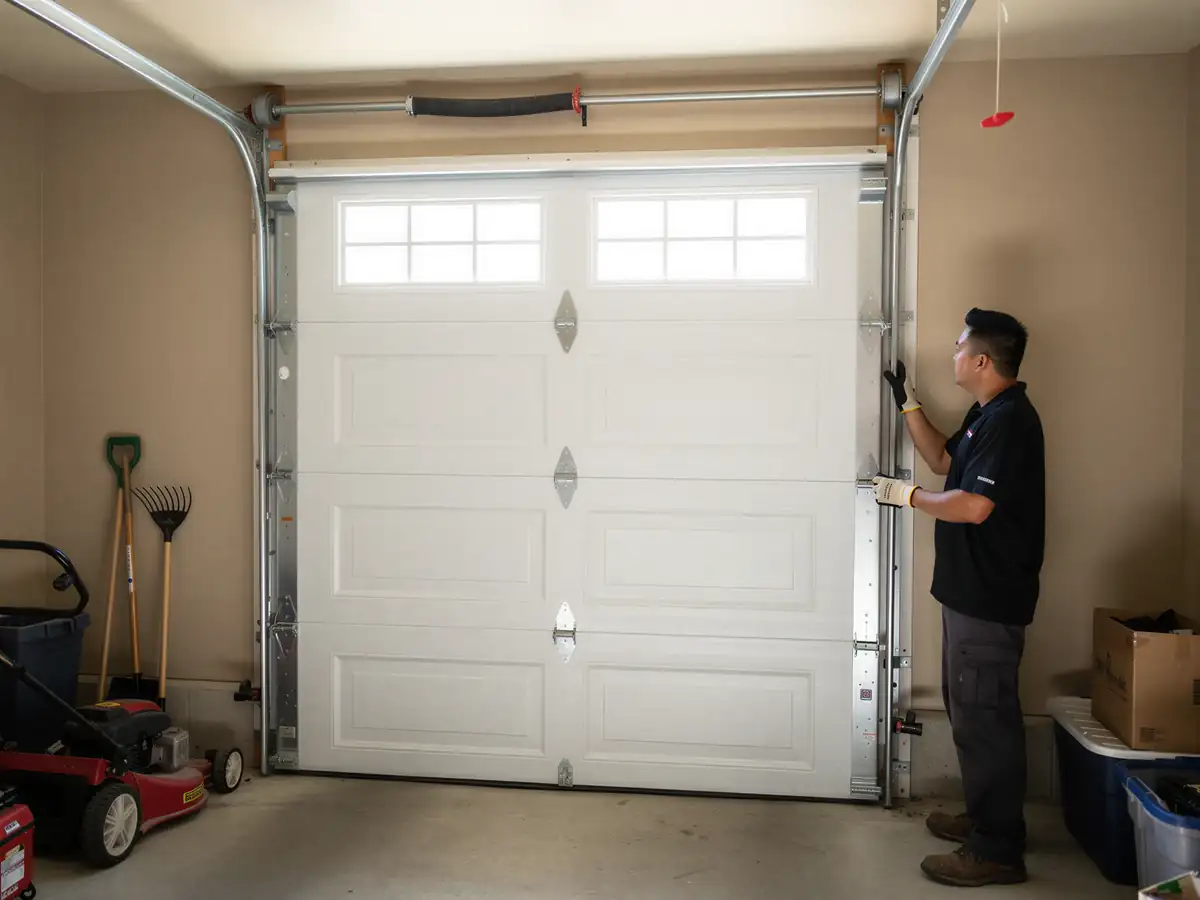
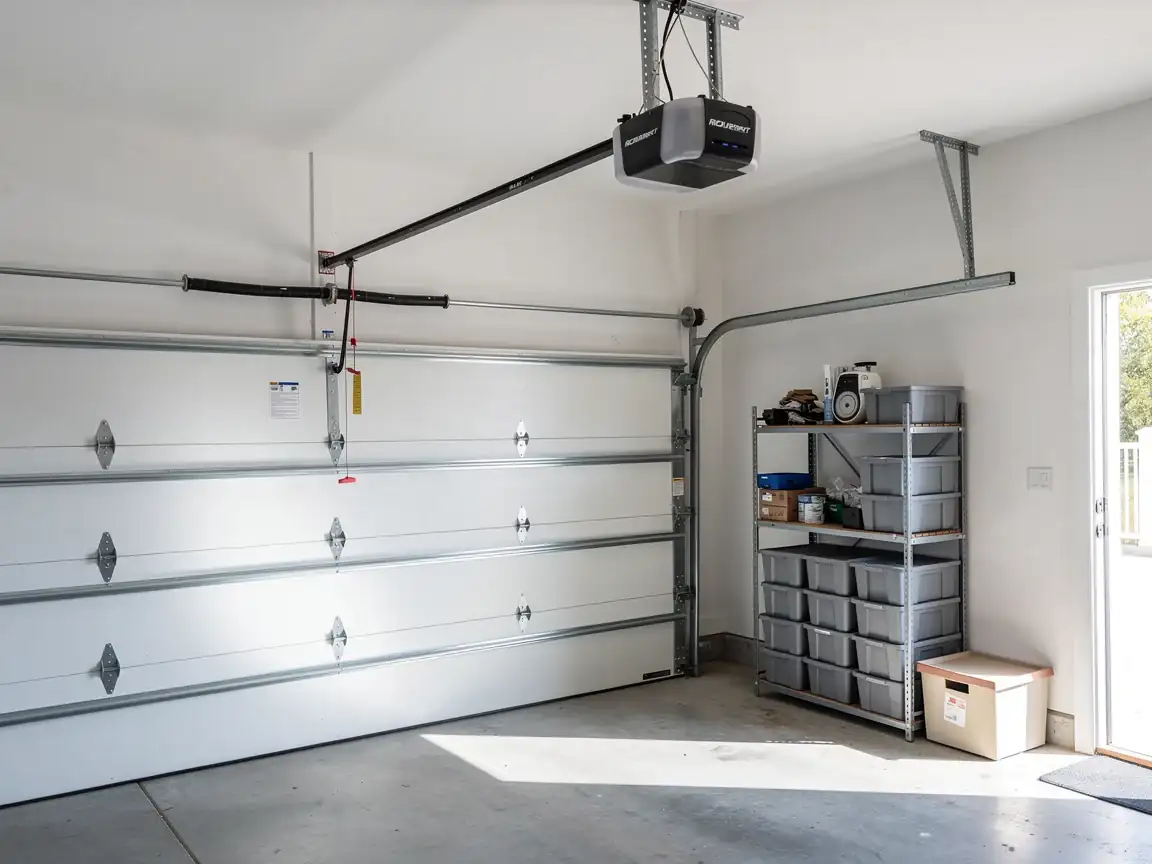
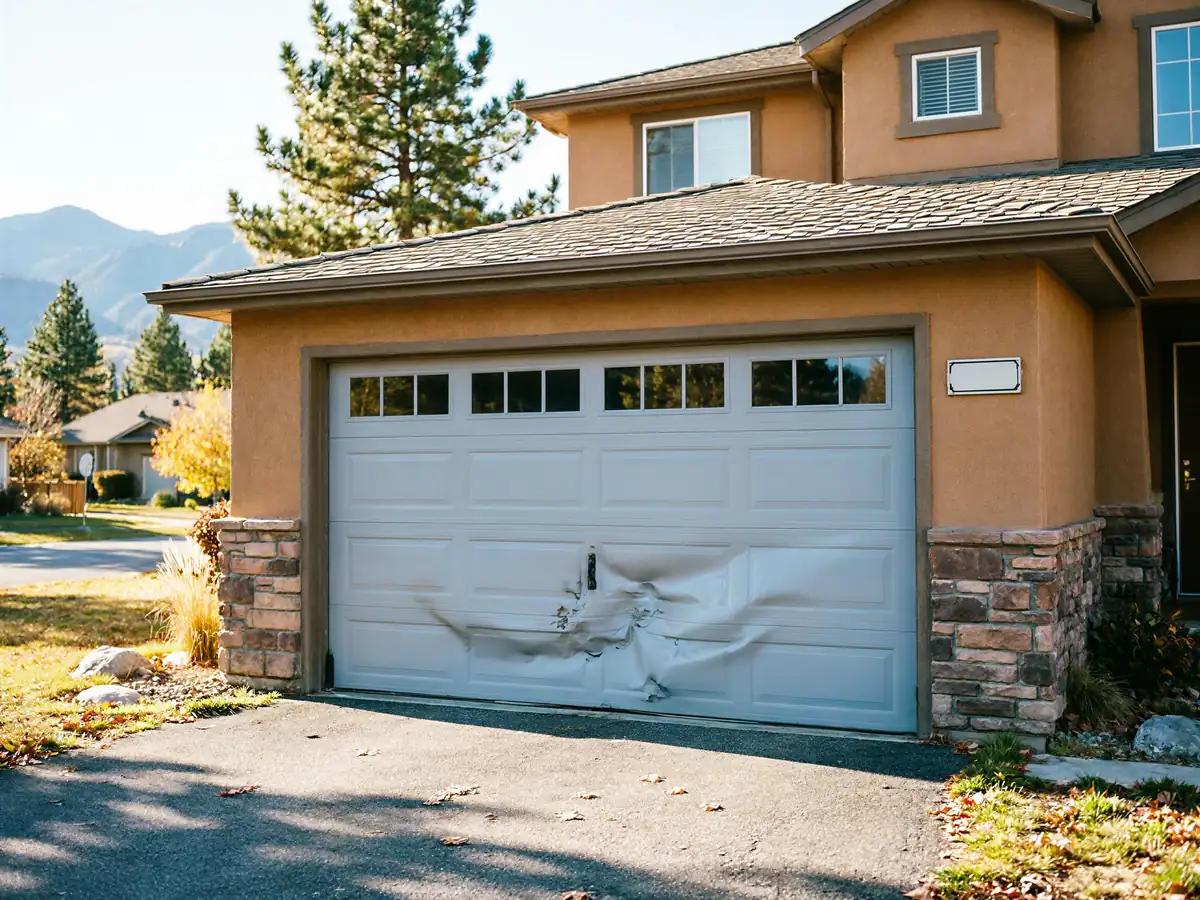
A broken lift cable rarely stays a one-part problem for long. The cable runs from the bottom bracket up to the drum at the top of the torsion shaft, and when it breaks, that side of the door loses support instantly. If the door was partway up when it happened, the sudden drop can bend the bottom bracket, crack a panel, or pull the section off its rollers. If the spring on that side is still wound tight with no cable to control it, the drum can spin loose and the shaft can walk sideways, which throws off the whole track alignment, not just one side. We also see cables that look fine but are actually one bad cold snap away from failing, because the fraying started at the drum where you can't see it without pulling the cable off. A worn cable on a door with a weak or mismatched spring is a worse combination than either problem alone, since the spring is already not carrying its share of the weight. The honest limitation here: once a cable breaks on a torsion-spring door, we don't patch just that side. Cables wear as a pair, and replacing one without checking the other usually means a second service call within the year.
Why It Happens Here
Houses here went up mostly between 1938 and 2005, with the median build year landing in 1979, so a lot of garage doors still carry the original lift cables and drums from that era, or a replacement door hung on hardware that was never upgraded to match. Across the 31 named areas that make up this community, most of the stock dates to the 1960s and '70s, which means steel cable gauges and drum sizes that don't always match what's on the shelf today, and a repair tech has to actually check before ordering parts rather than assume. Highlands Ranch sits in a cold-climate zone classified as severe, and that kind of temperature swing is hard on galvanized cable strands, which stiffen in the cold and are more prone to snapping at the drum where the bend radius is tightest. With 102,758 households in the service area and 52,452 of those owner-occupied houses, a good share of the garage doors out there are original equipment nobody's touched since installation. Median household income here runs $129,480, which is part of why most owners choose full cable-and-spring replacement over a patch job that'll fail again in a year, rather than stretching a worn system as far as it'll go.