What Most People Get Wrong
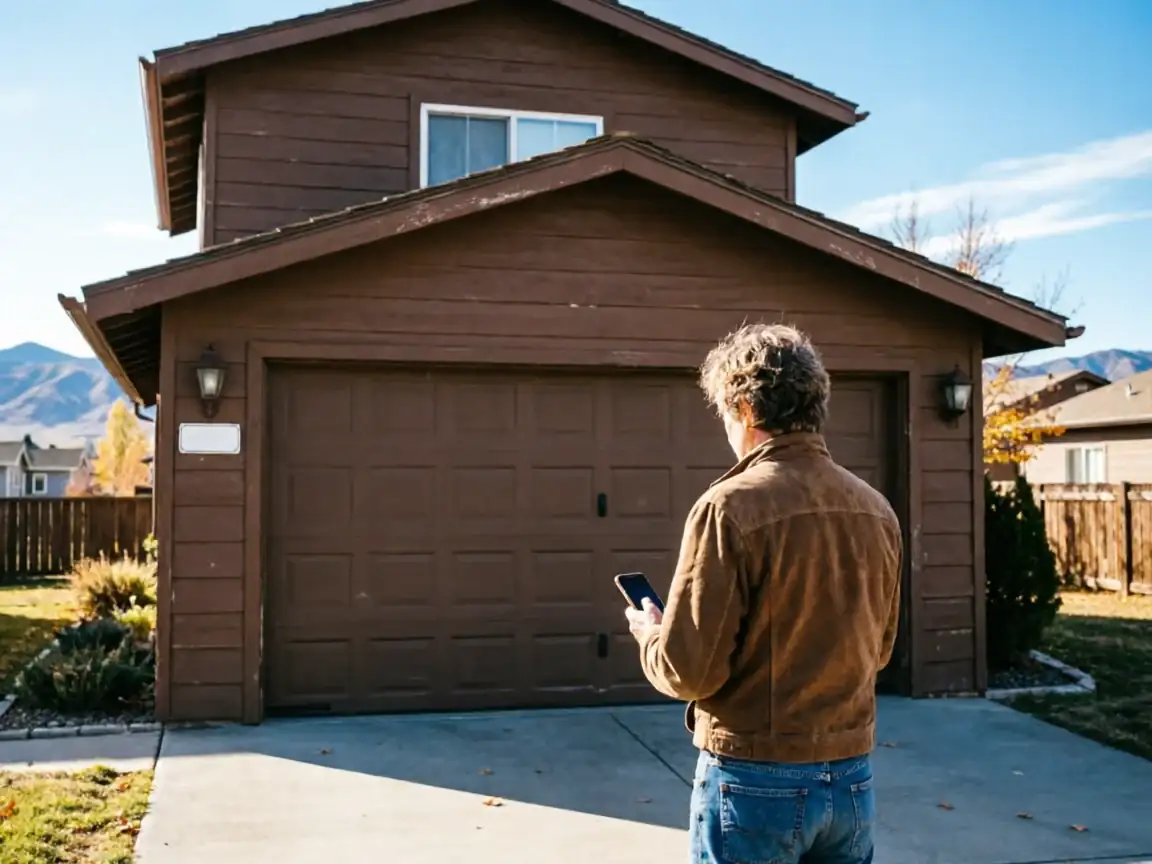
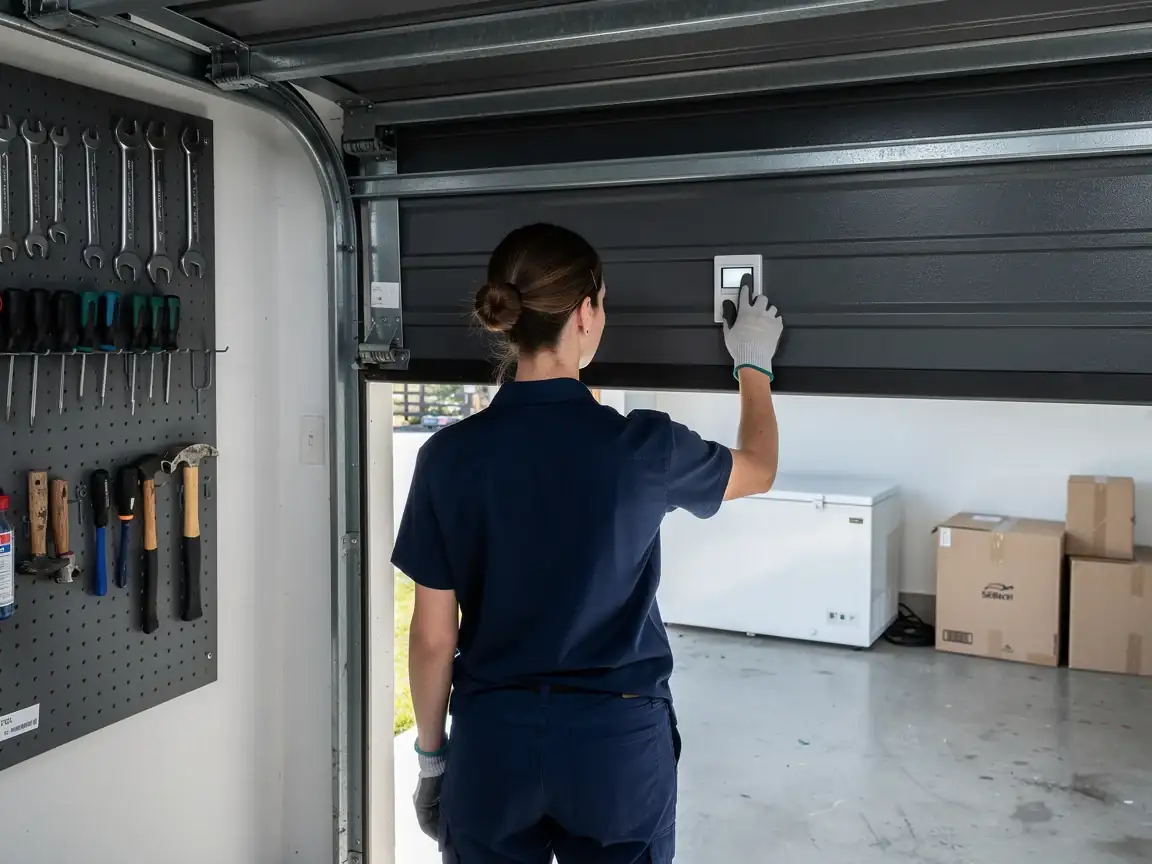
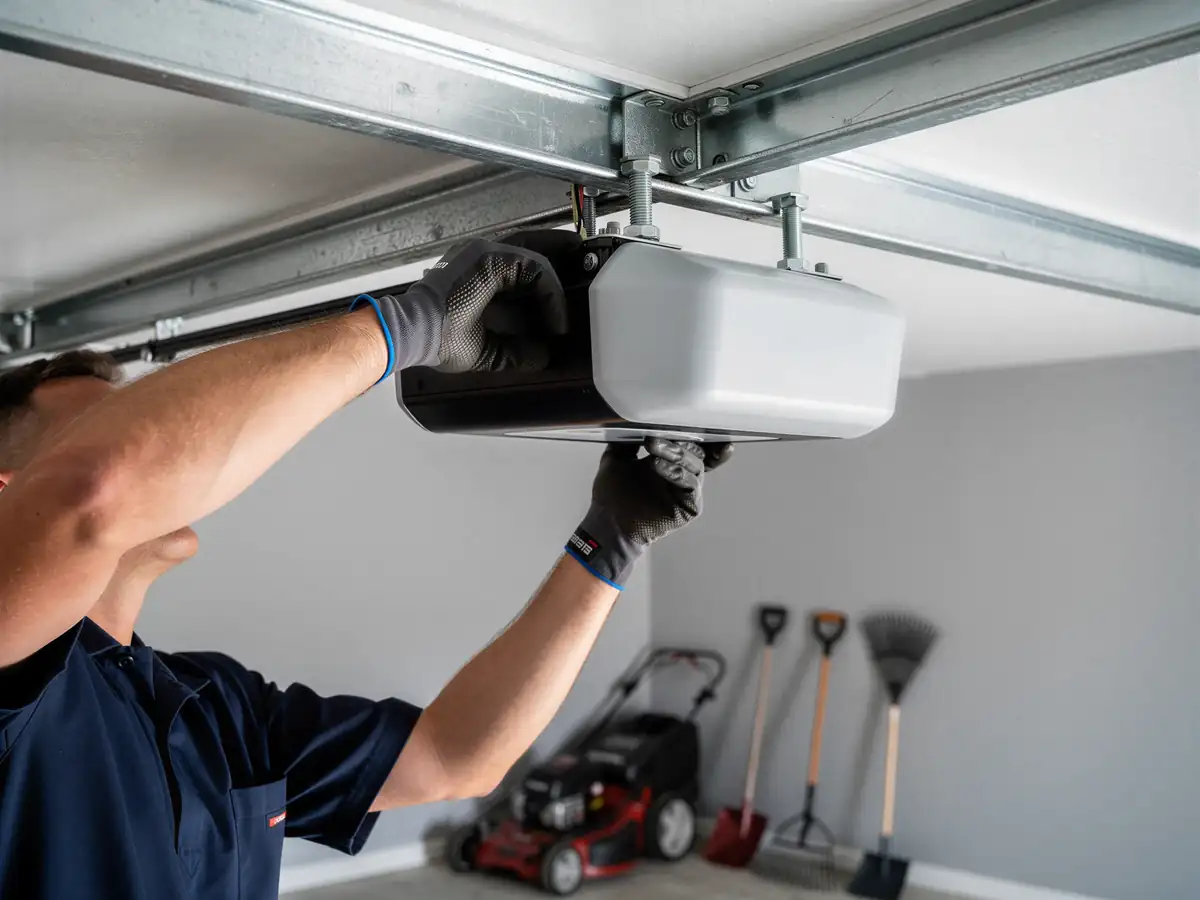
Most homeowners assume every opener has a battery backup that kicks in the second the power drops. That's a newer feature, not a given one. Housing in this area went up mostly between 1938 and 2005, with the median build year at 1979, which means a huge share of openers were installed - or replaced once already - before battery backup was standard equipment on anything but the premium models. If your opener dates to that first replacement cycle, odds are good it's a plain chain or belt unit with no backup at all. People also assume a dead opener means a dead motor. Just as often it's the wall switch, a tripped breaker, or a loose wire nut at the light fixture pulling power off the same circuit. Before you call anyone, check the breaker panel. It sounds obvious, but in houses from the 1960s-70s stock that makes up most of this area, garage circuits were often wired as an afterthought, shared with the exterior outlets or the freezer in the corner. One tripped breaker out there looks exactly like a dead opener from inside.
Doing Nothing For Now
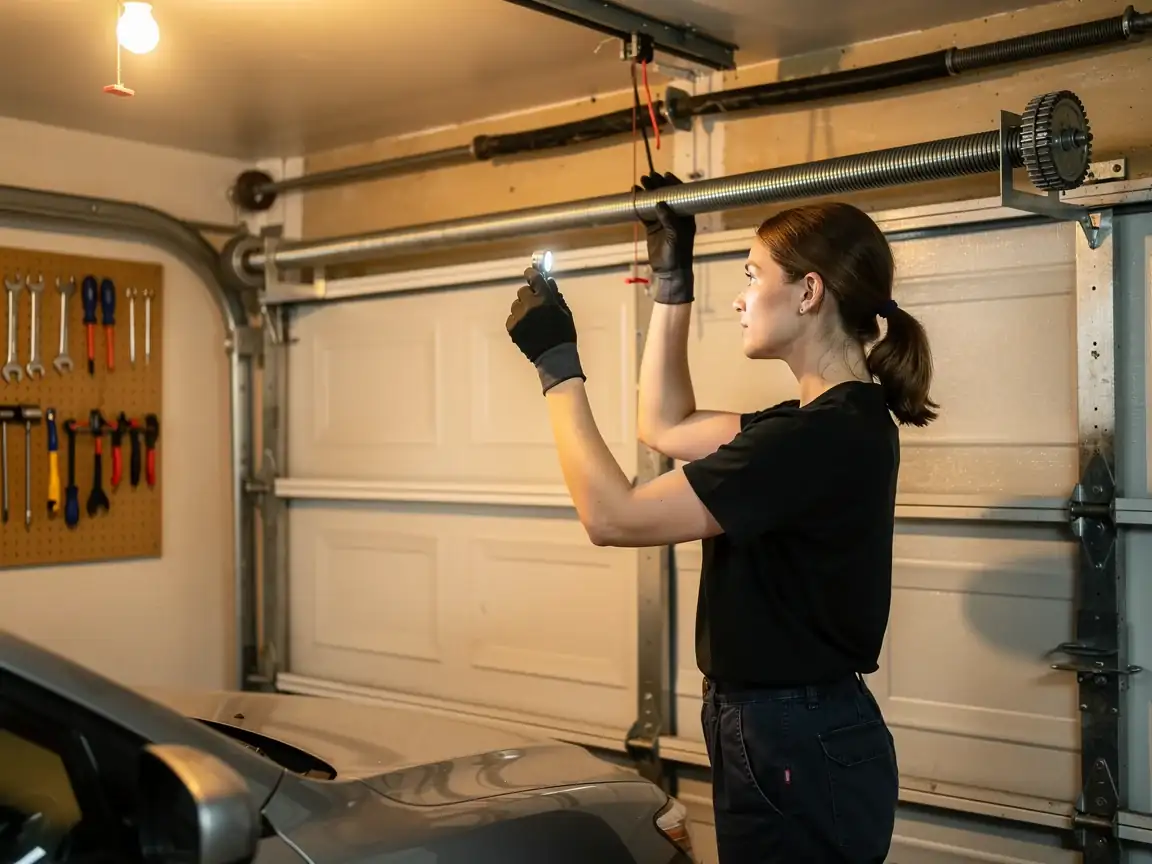
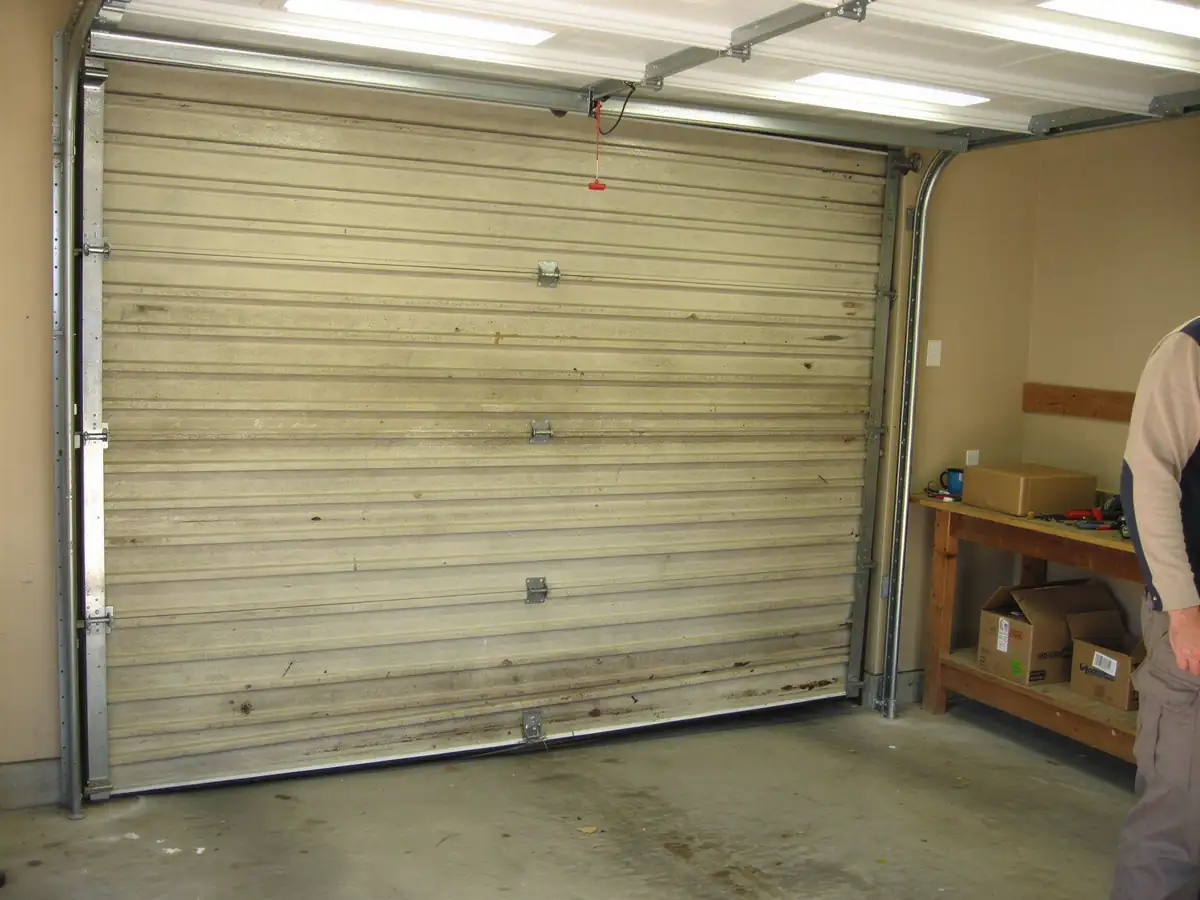
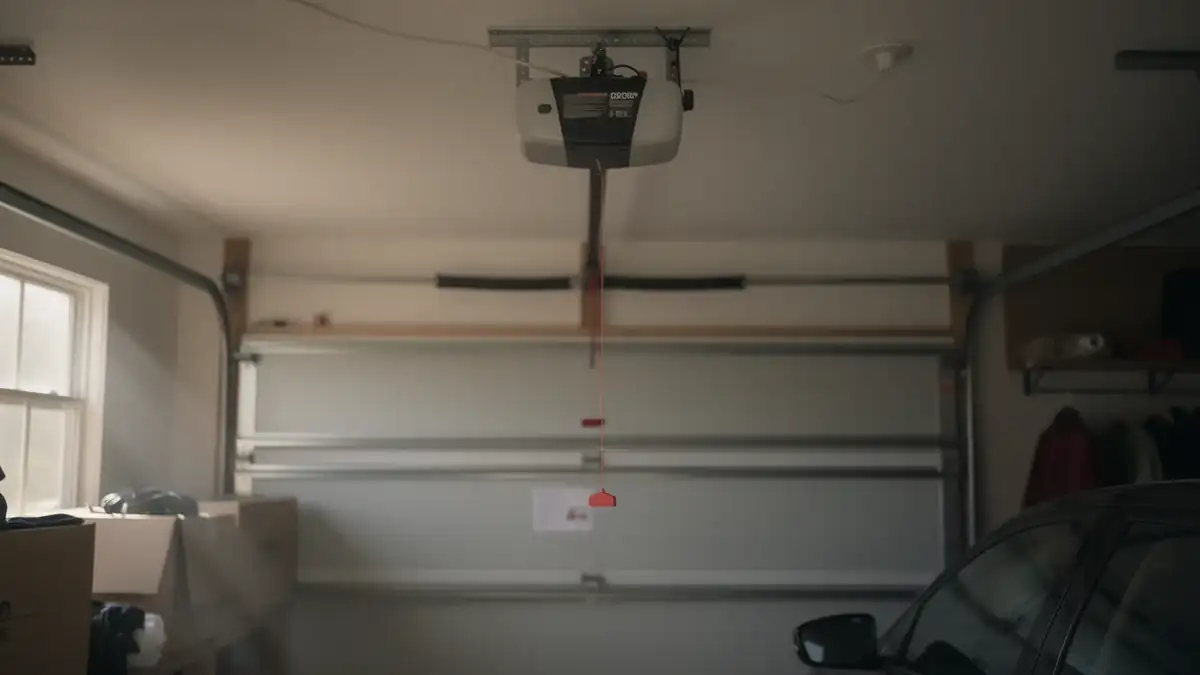
If the power is out and you need the car, use the manual release - the red cord hanging from the trolley. Pull it, lift the door by hand, and reset it once power is back by pulling the cord again and letting the trolley re-engage on the next cycle. That part hasn't changed in fifty years and doesn't depend on battery backup, Wi-Fi, or anything else breaking. What we don't do is sell or install home generators or transfer switches - that's an electrician's job, and we'll say so if you ask. What we can speak to is the opener itself: whether it's worth adding a battery backup unit to an existing chain-drive opener, or whether the opener is old enough that the backup costs more than it's worth bolting onto a motor nearing the end of its life. If your opener is original to a house built in the 1970s or earlier, that's usually the second question, not the first.
How Local Conditions Play In
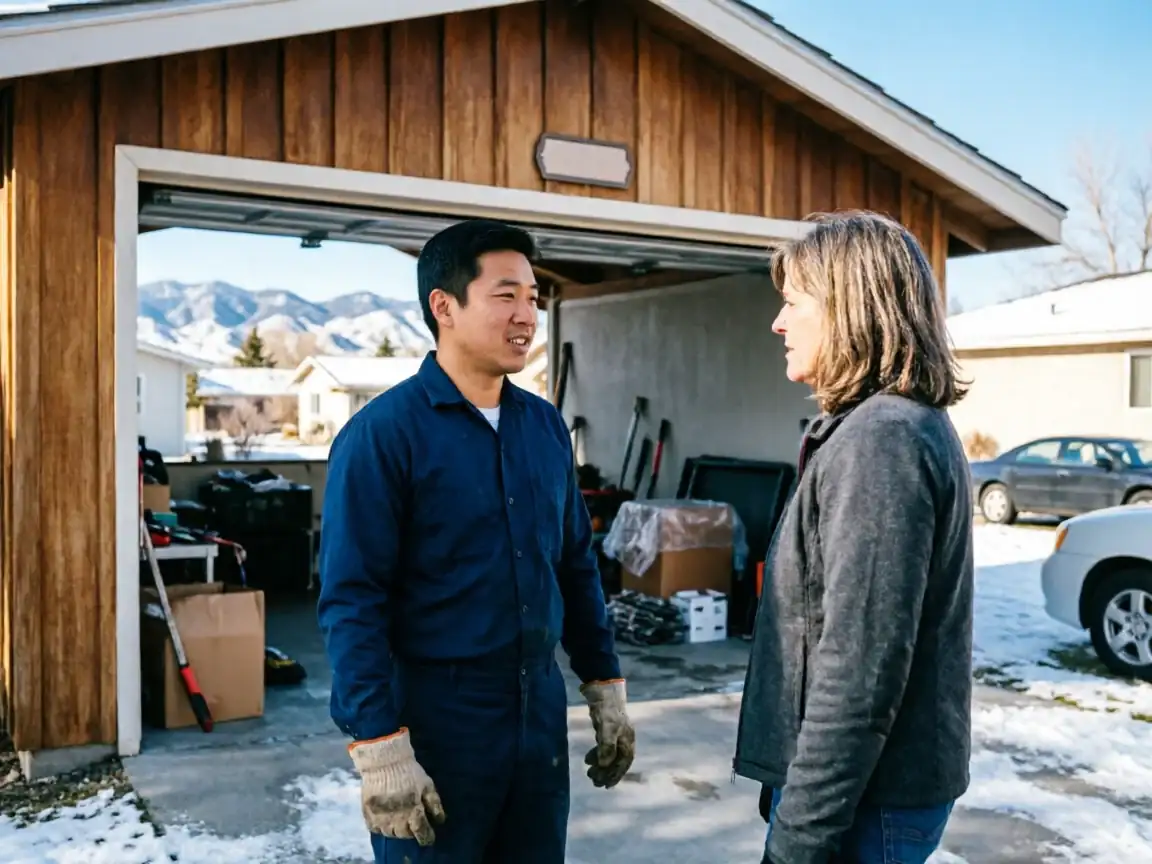
This is a cold-severe climate, and cold is hard on batteries specifically. A backup battery that held the door through a mild outage in October can fail to lift the same door in January, because lithium and lead-acid cells both lose usable capacity as the temperature drops - it's chemistry, not a defect. If your opener's battery backup seems to work fine most of the year and then quits in winter, that's the expected pattern, not bad luck. Cold also thickens grease in the opener's gears and slows the motor down, so a unit that's already working harder to lift a door in freezing temperatures draws more current right when its backup battery has the least to give. In the older 1960s-70s housing stock that makes up most of this area, opener wiring often runs along an unheated garage ceiling with minimal insulation, which is usually the first connection to loosen or corrode when a winter storm knocks out power and brings a temperature swing with it. None of that means you need to replace a working opener. It means a battery backup bought for this climate should be sized and tested for cold, not just installed and forgotten.