Booking a Visit
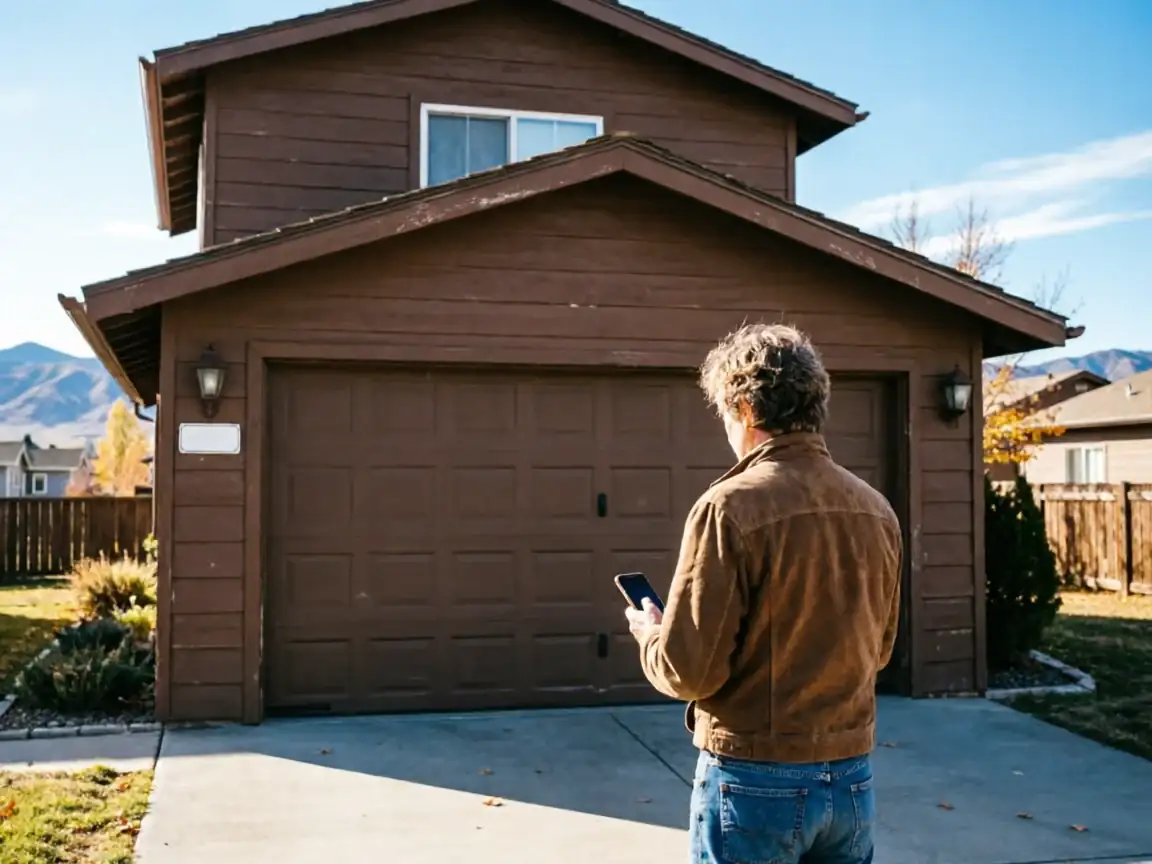
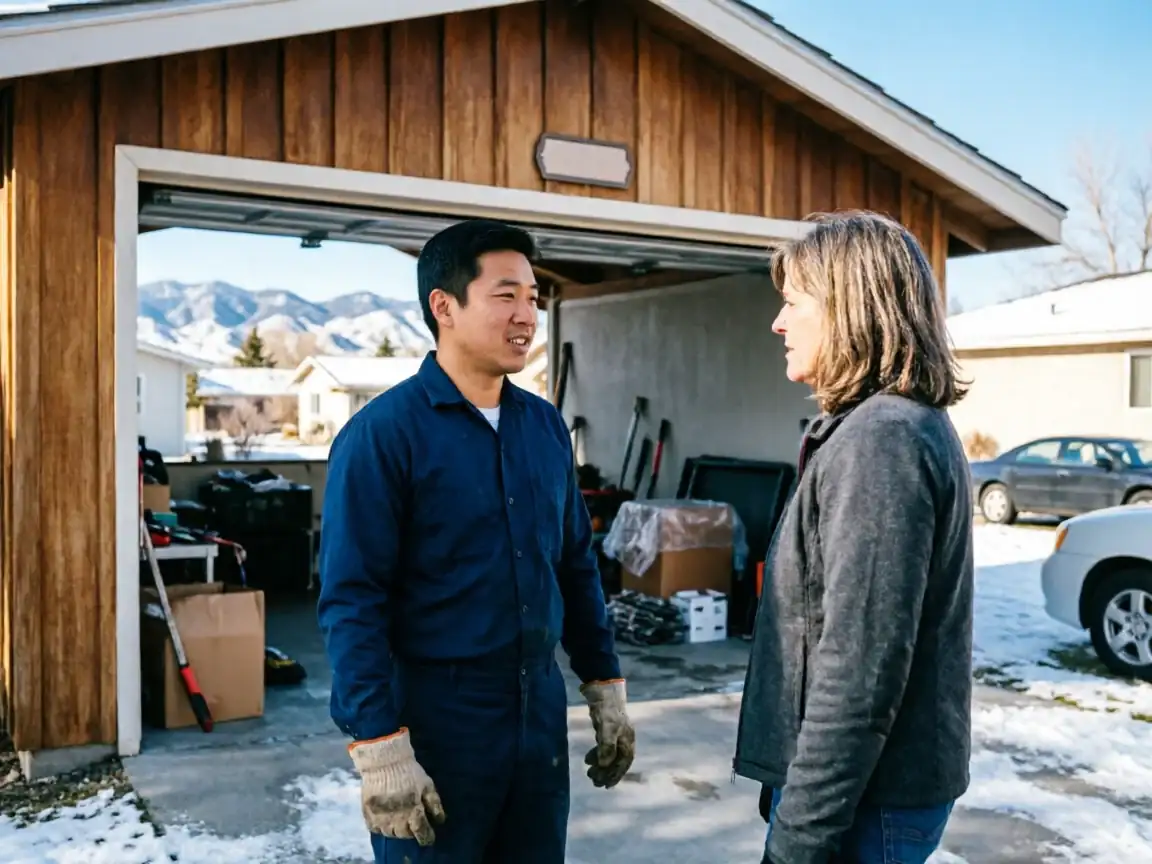
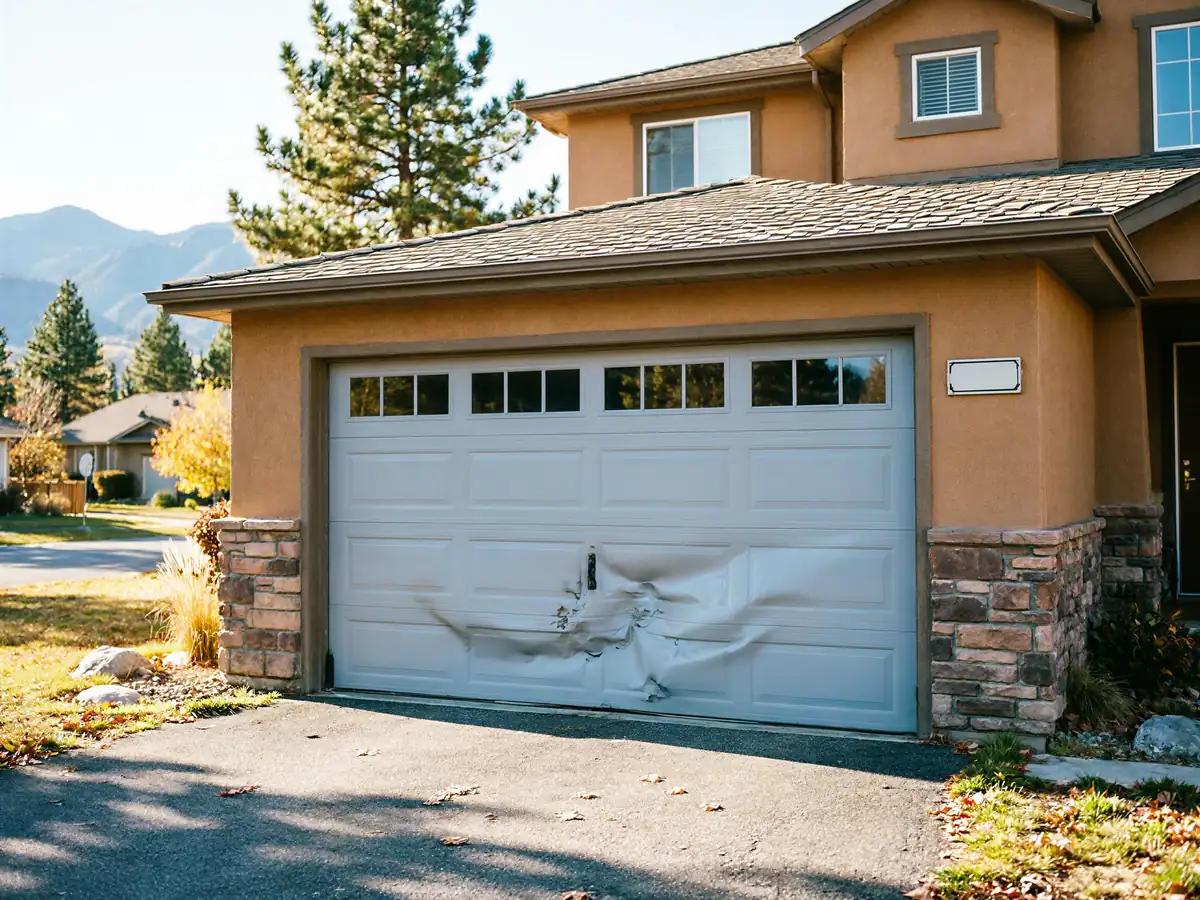
Columbine sits about 6 miles from our Highlands Ranch base, so when you call about a door that's jumped the track, we're not guessing at what we'll find before we get there. With a median build year of 1976, most of the roughly 9,559 households in the area still have at least some original track hardware, even if the opener or springs got swapped out somewhere along the way. We ask a few questions up front: did the door come off on one side or both, is it a double or single, and can you still see daylight under the bottom panel. That tells us which roller sizes and track sections to load before we leave the shop. We travel out from Highlands Ranch for these calls; there's no branch in Columbine itself, so the drive is part of the job, not a delay you're imagining. If the door is jammed halfway and blocking a car inside, say so when you call - we'll bring come-alongs and extra hands to clear it instead of discovering that on site.
What the Fix Involves
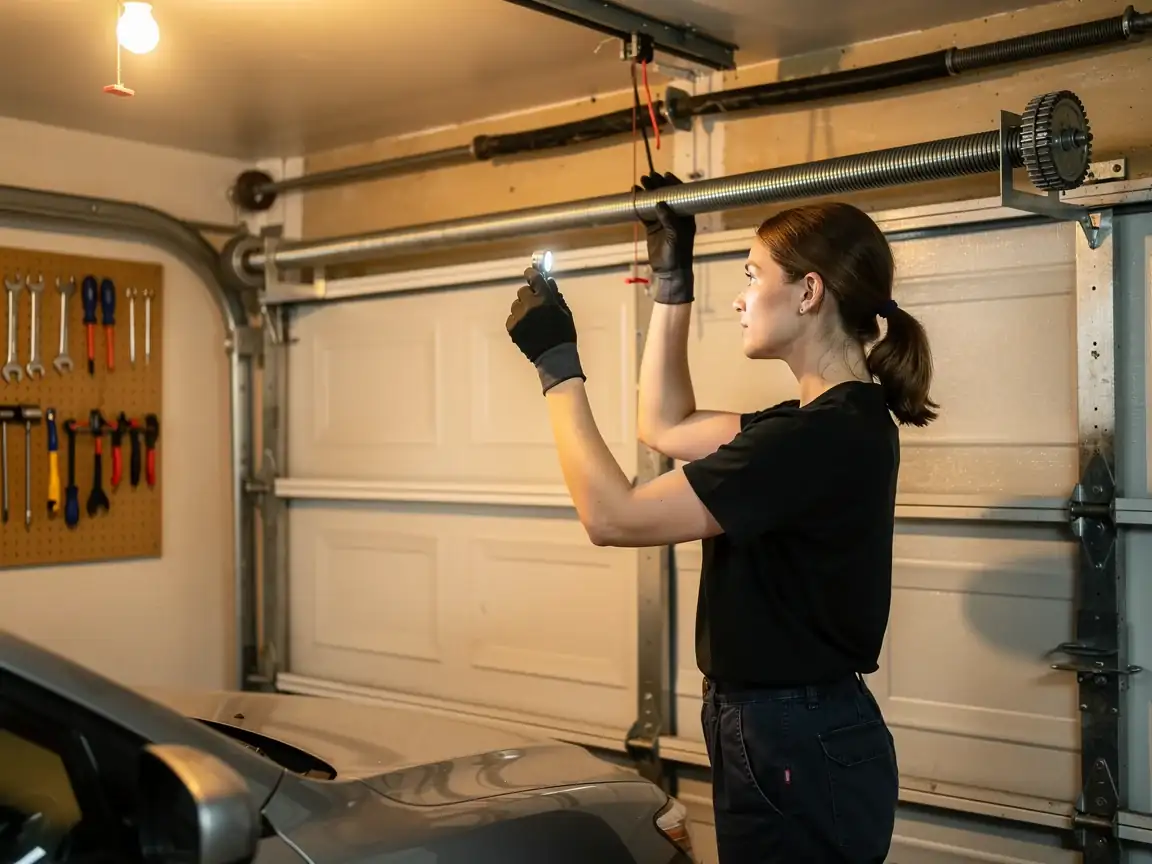
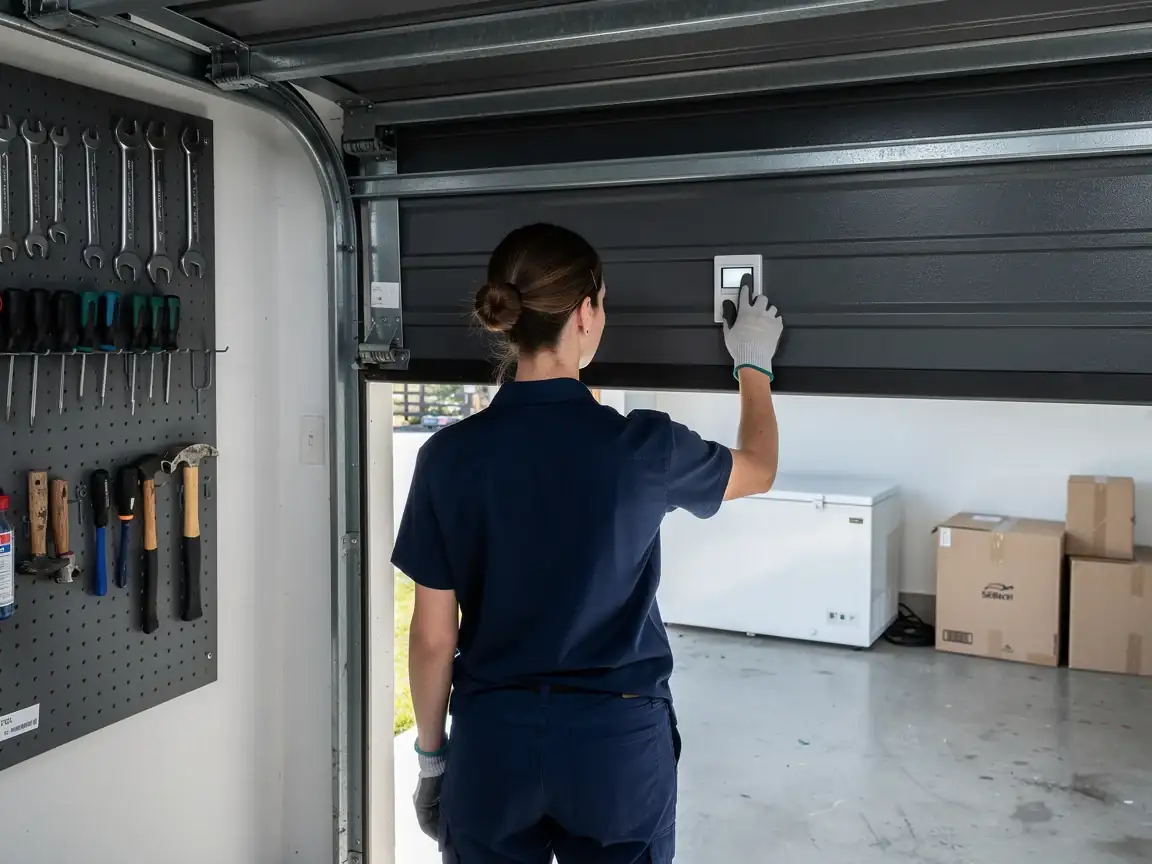
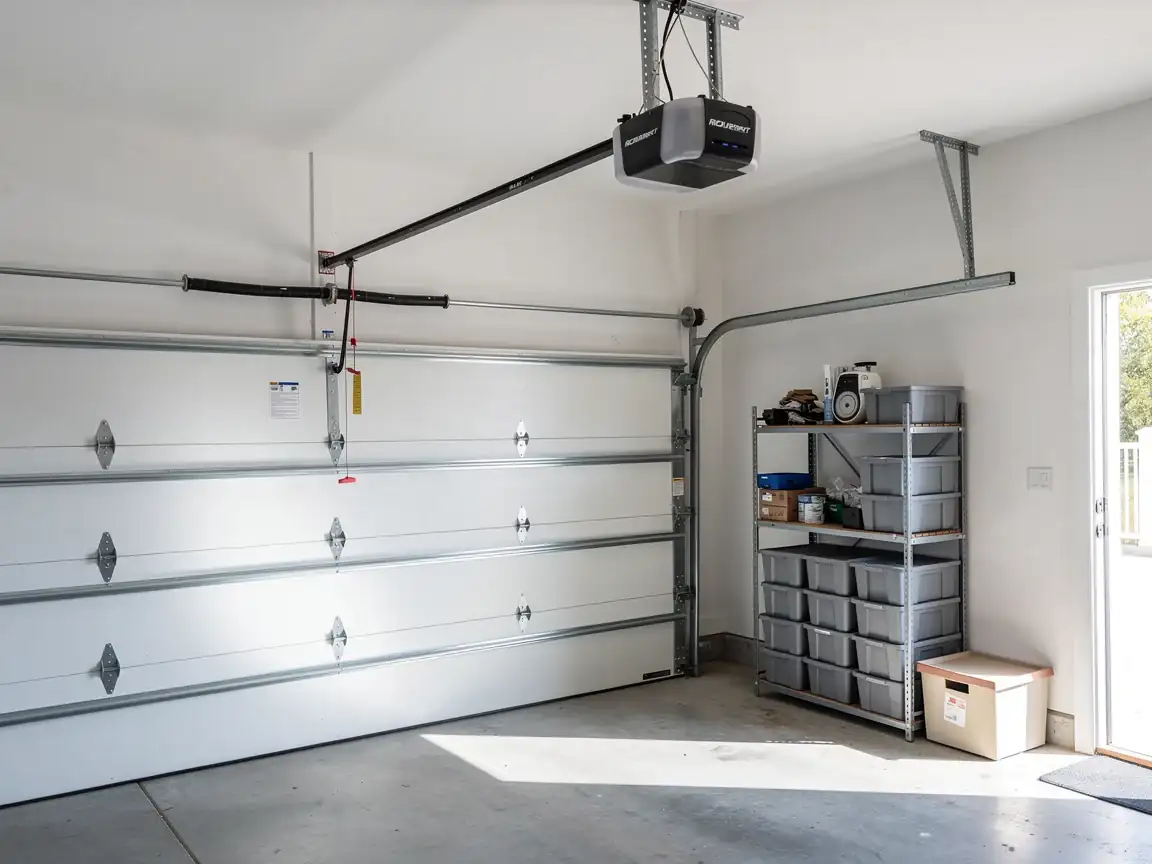
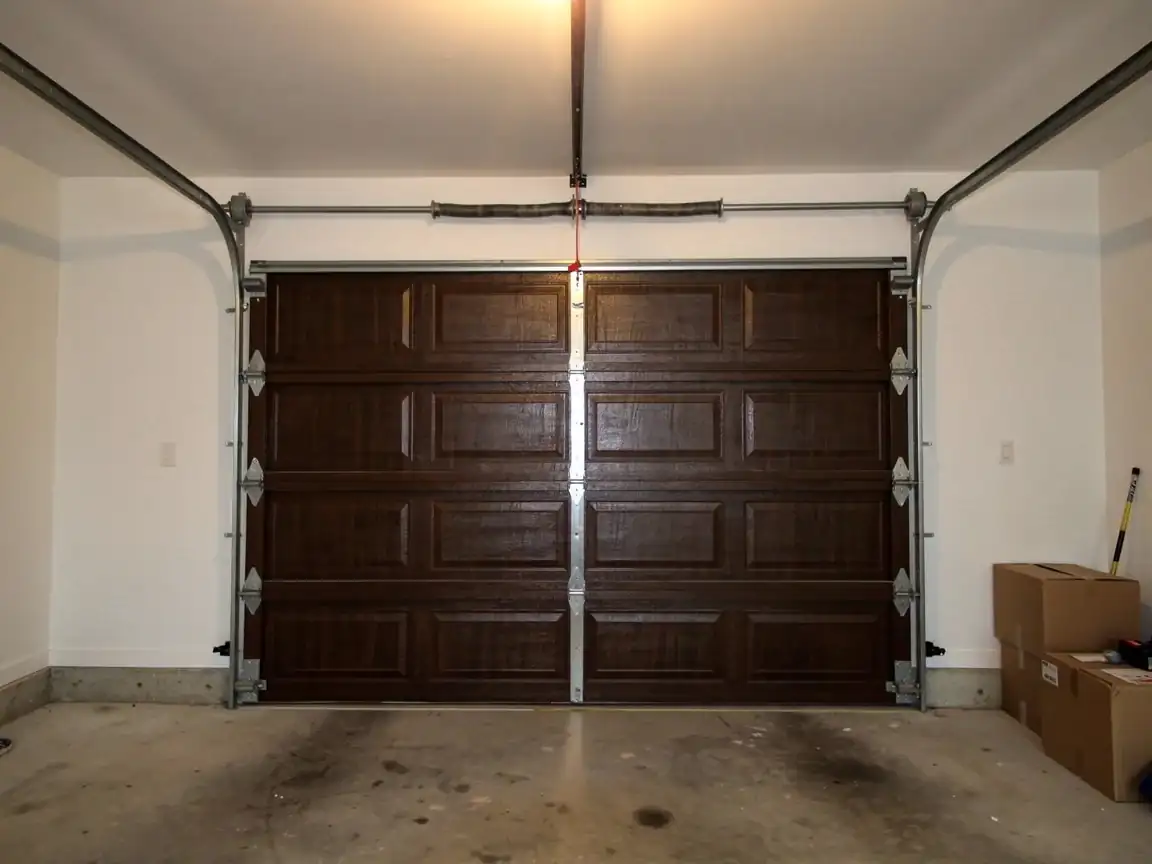
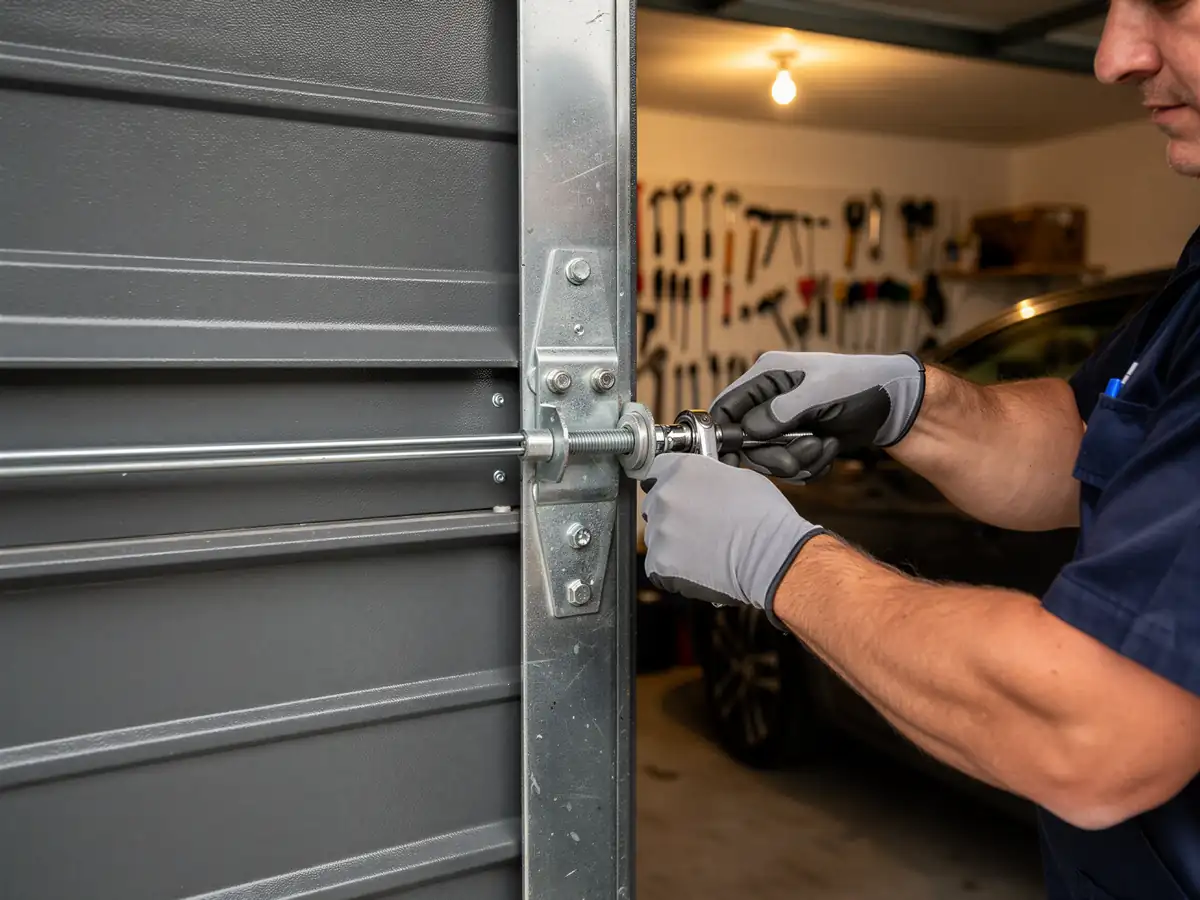
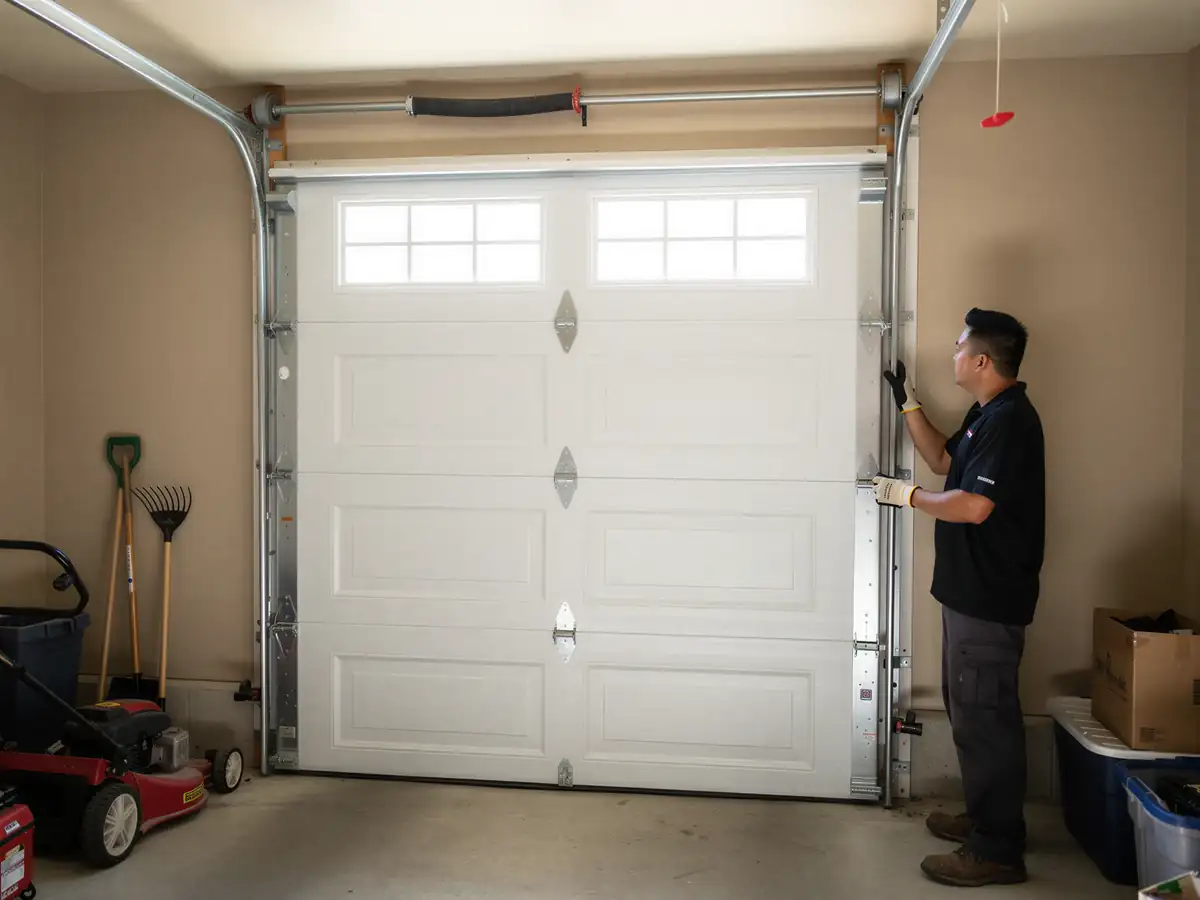
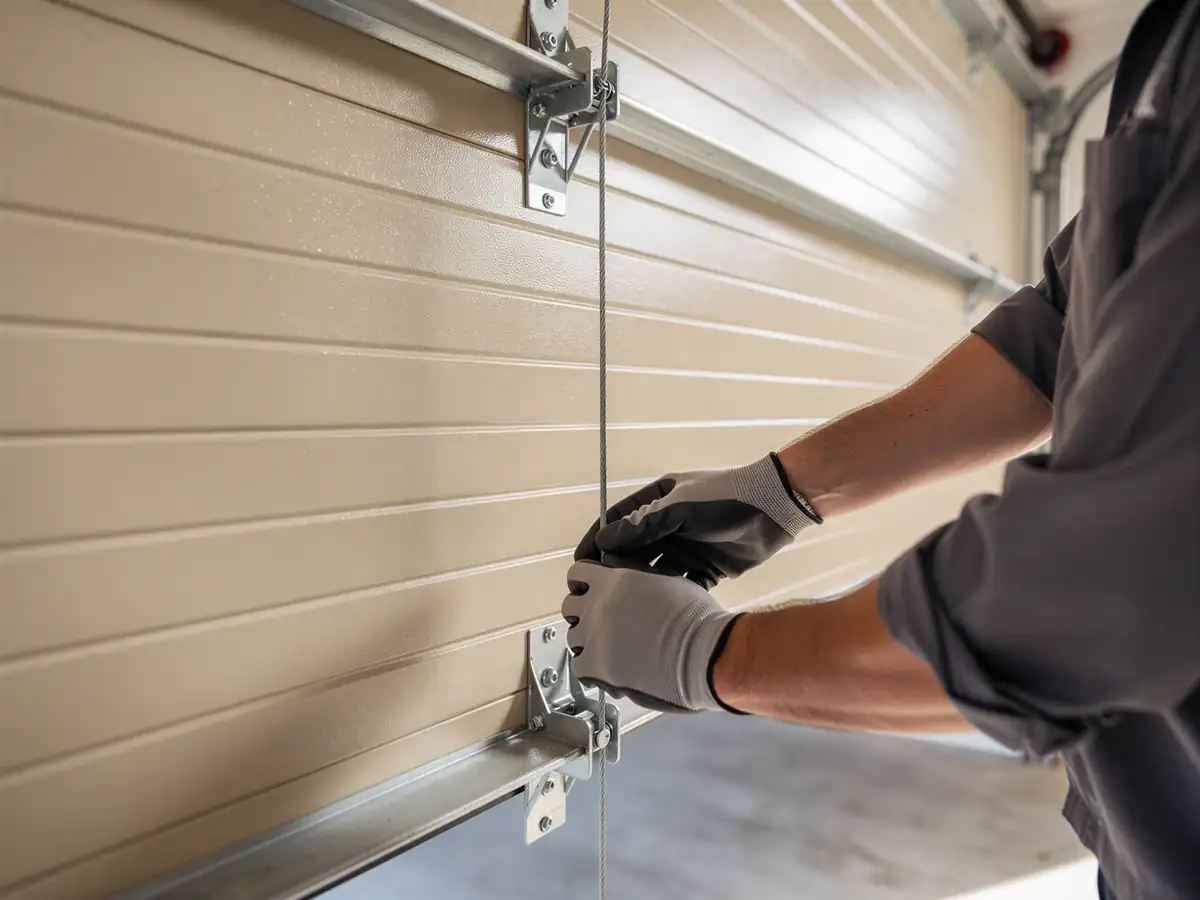
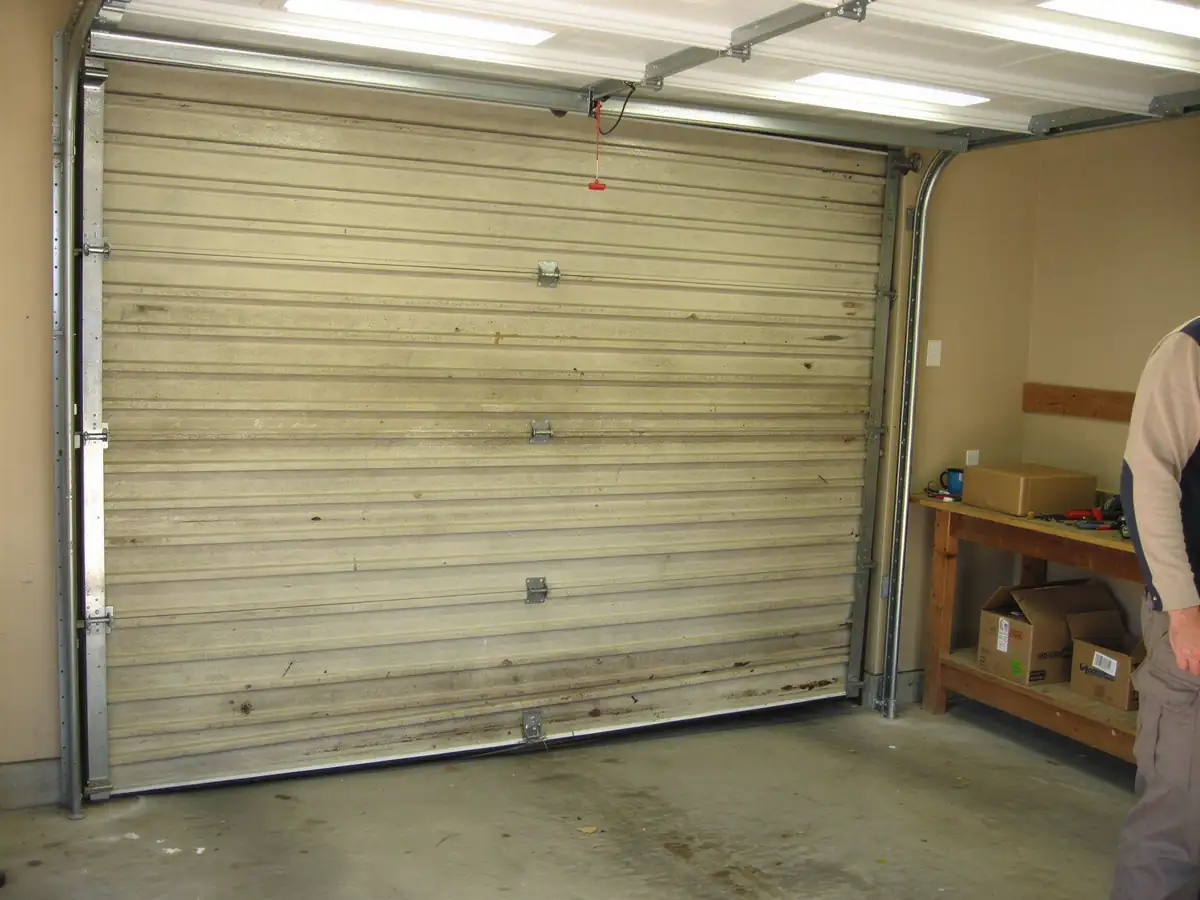
An off-track door almost always means a bent track section, a roller that's worn through its nylon or seized in its bracket, or a bracket itself pulled loose from the jamb. On a house built in the mid-70s, the track is usually galvanized steel on a wood jamb that's taken decades of seasonal movement, so the fasteners are often the real problem even when the track looks fine. We re-square the track, replace any roller that's cracked or flat-spotted, and check the cable drums on both sides - because if one side dropped, the other side's cable is usually stretched or frayed and about to do the same thing. We don't just push the door back onto the track and call it done; we run it up and down a few times under power to make sure it's not going to walk off again in a week.
What Is on the Truck
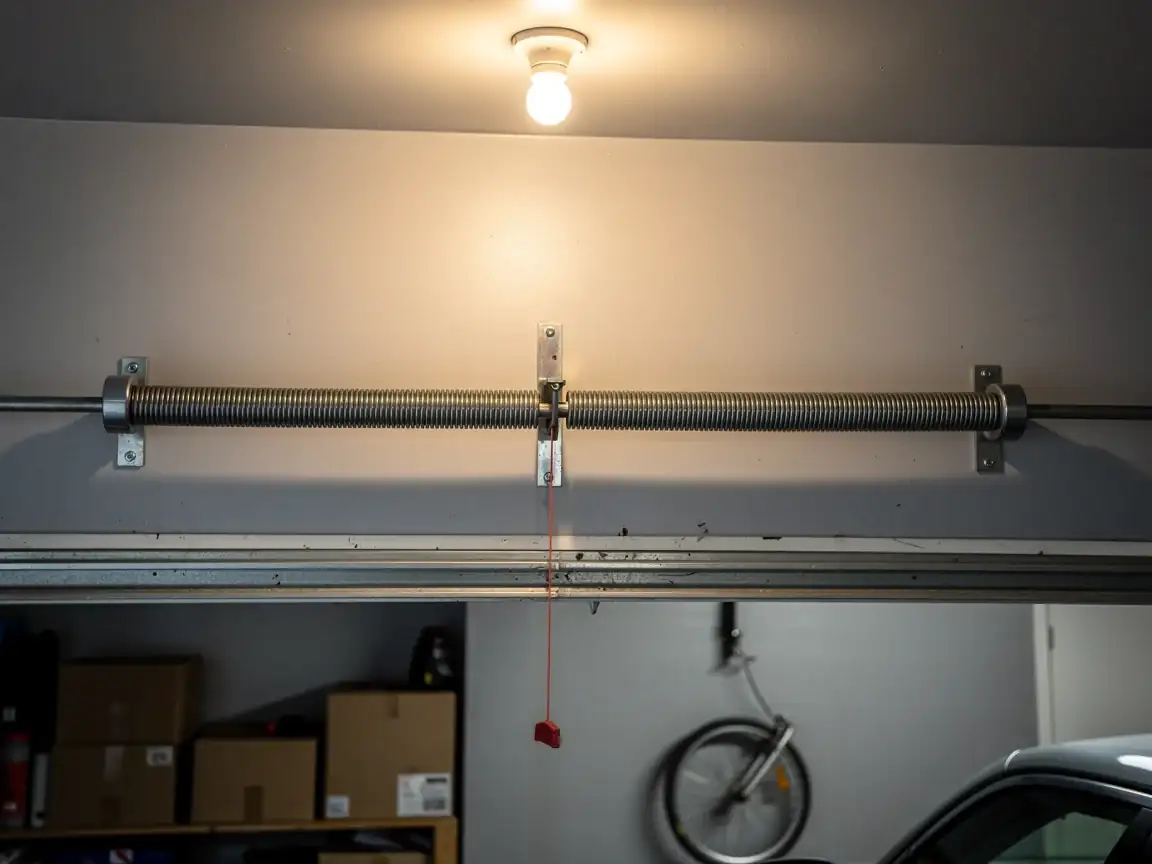
For Columbine calls we carry rollers in both the common 2-inch and 2-inch-plus sizes, since houses from the 1976 era mix both depending on who serviced them last, plus straight and curved track sections to splice in rather than replace the whole run. We bring lag bolts and bracket reinforcement plates for jambs that have softened with age, along with cable and drum stock sized for standard torsion setups common to houses built before garage doors came standard with extension-spring safety cables. Given the cold winters this area sees, we also carry lithium-based grease rather than standard white lithium, since it stays workable at low temperatures instead of stiffening up on a January morning.
Doing It Yourself
If the door is only off the track on one side and still sitting level, some homeowners manage to get it back on the rail themselves with a couple of C-clamps on the track below the bottom roller to keep it from dropping further. That's about where we'd stop recommending it. If the door is off on both sides, or if a cable has come off a drum, the door is under spring tension that can snap a cable or drop the door suddenly - that's not a DIY repair, full stop. We'd rather talk you through making it safe over the phone until we get there than have you find out the hard way what a loaded torsion spring does when it lets go.