


Timing on This Area
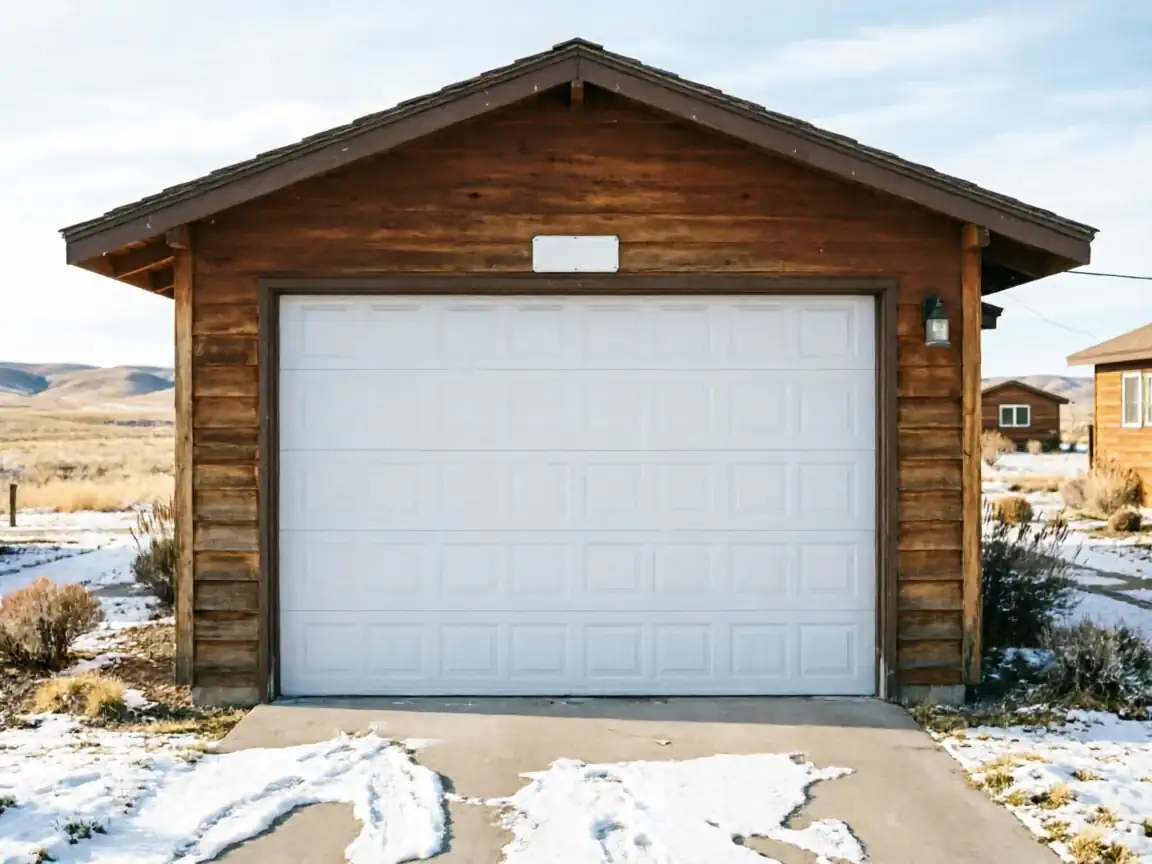
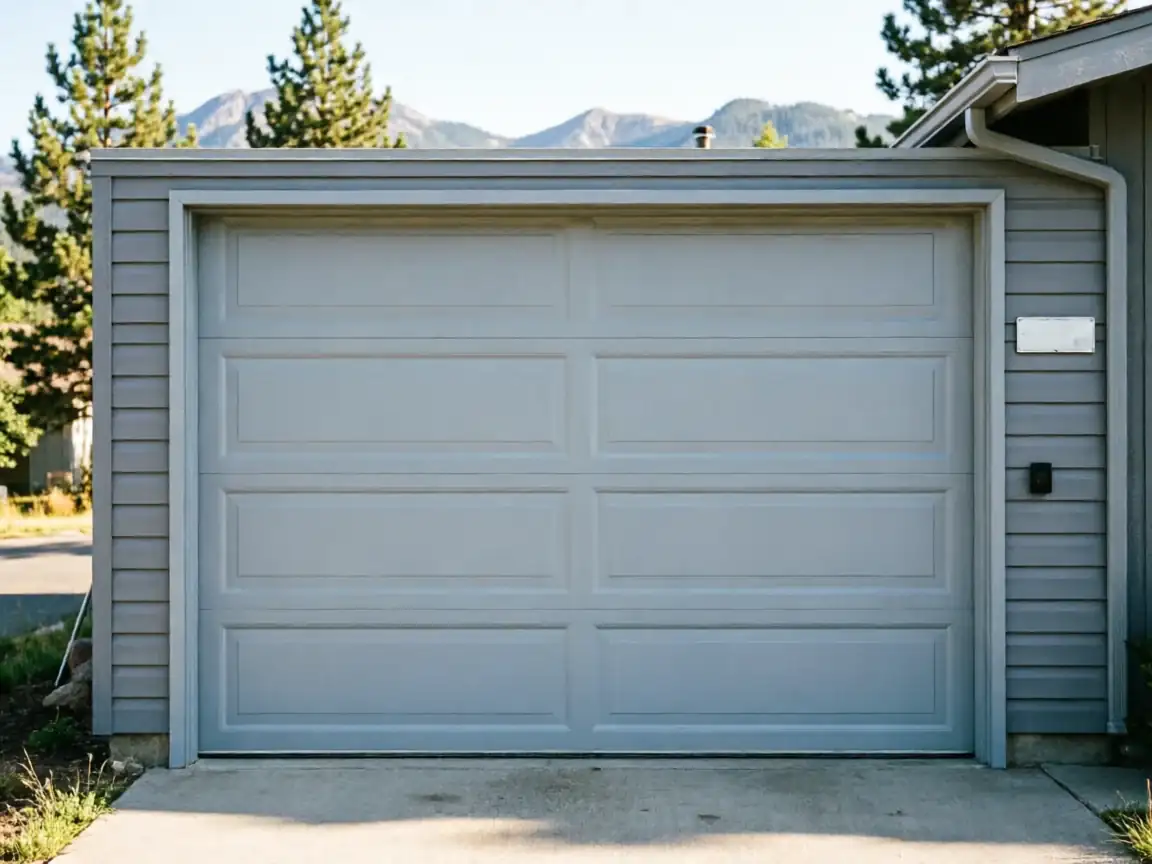
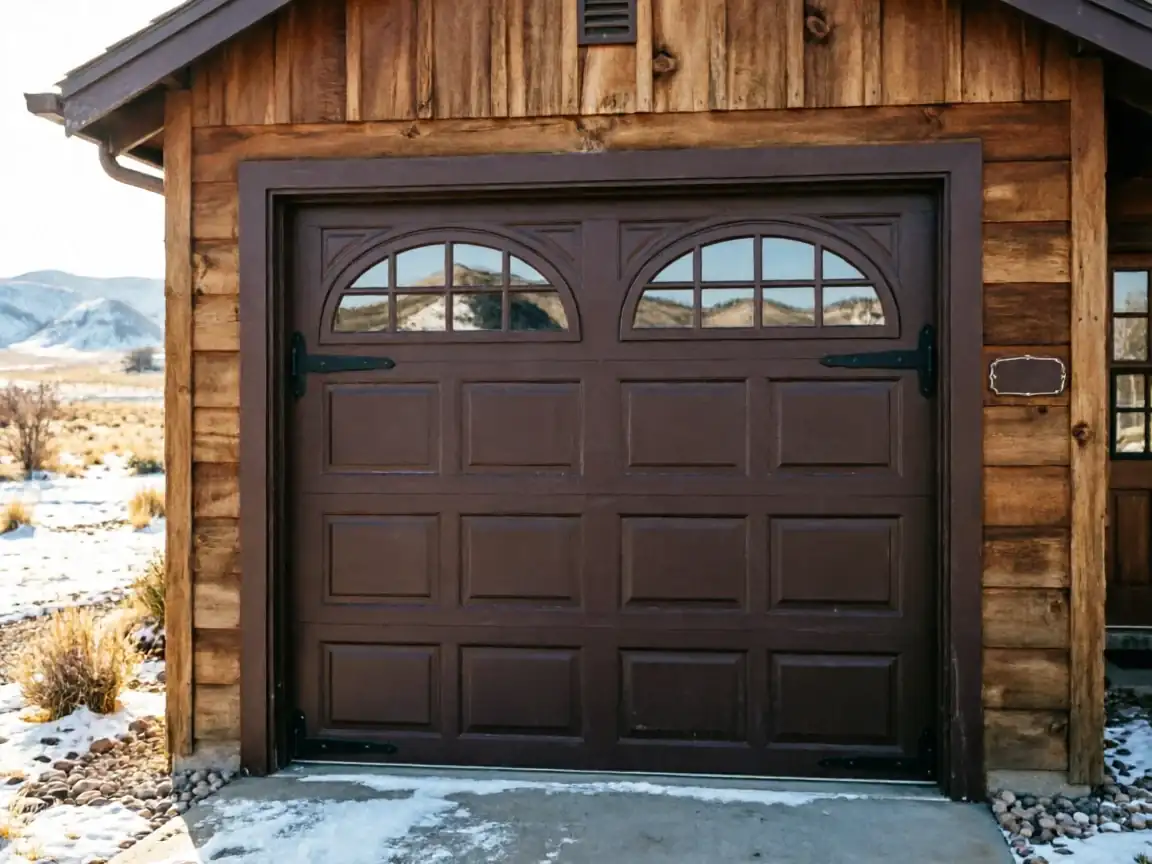
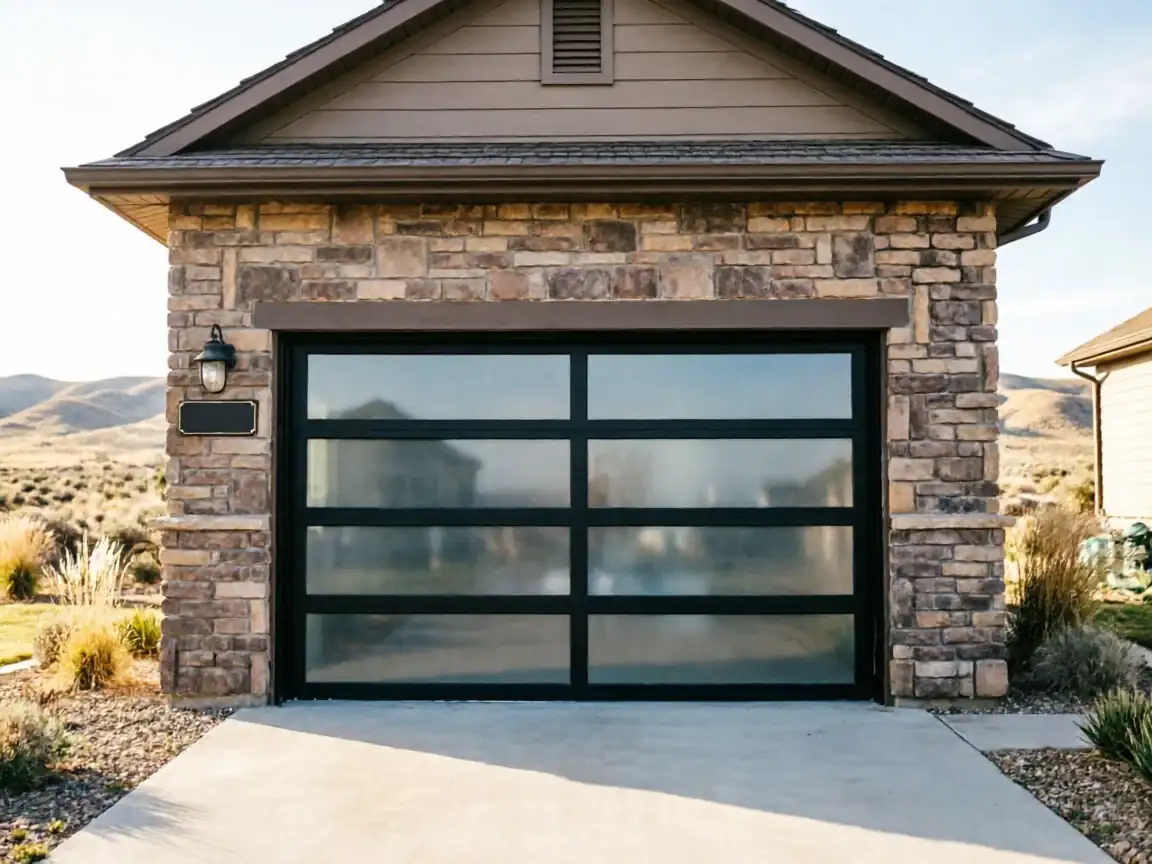
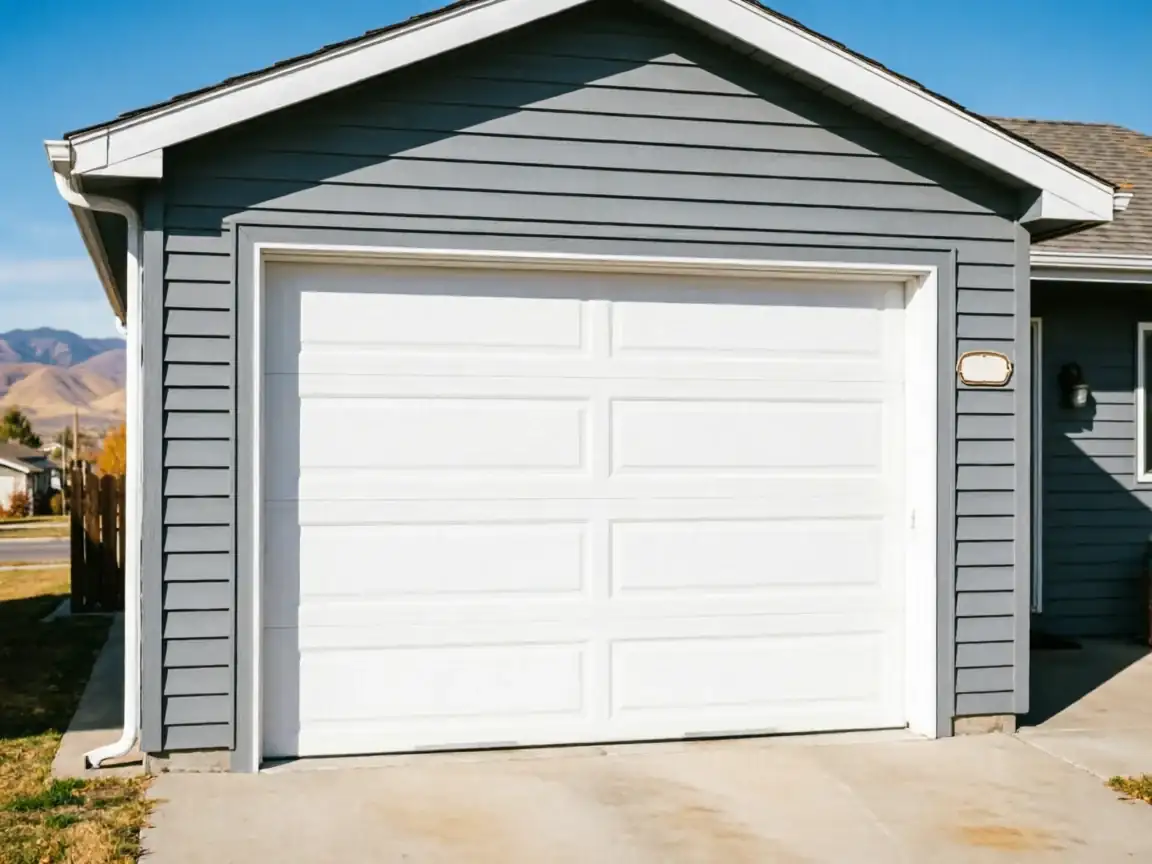
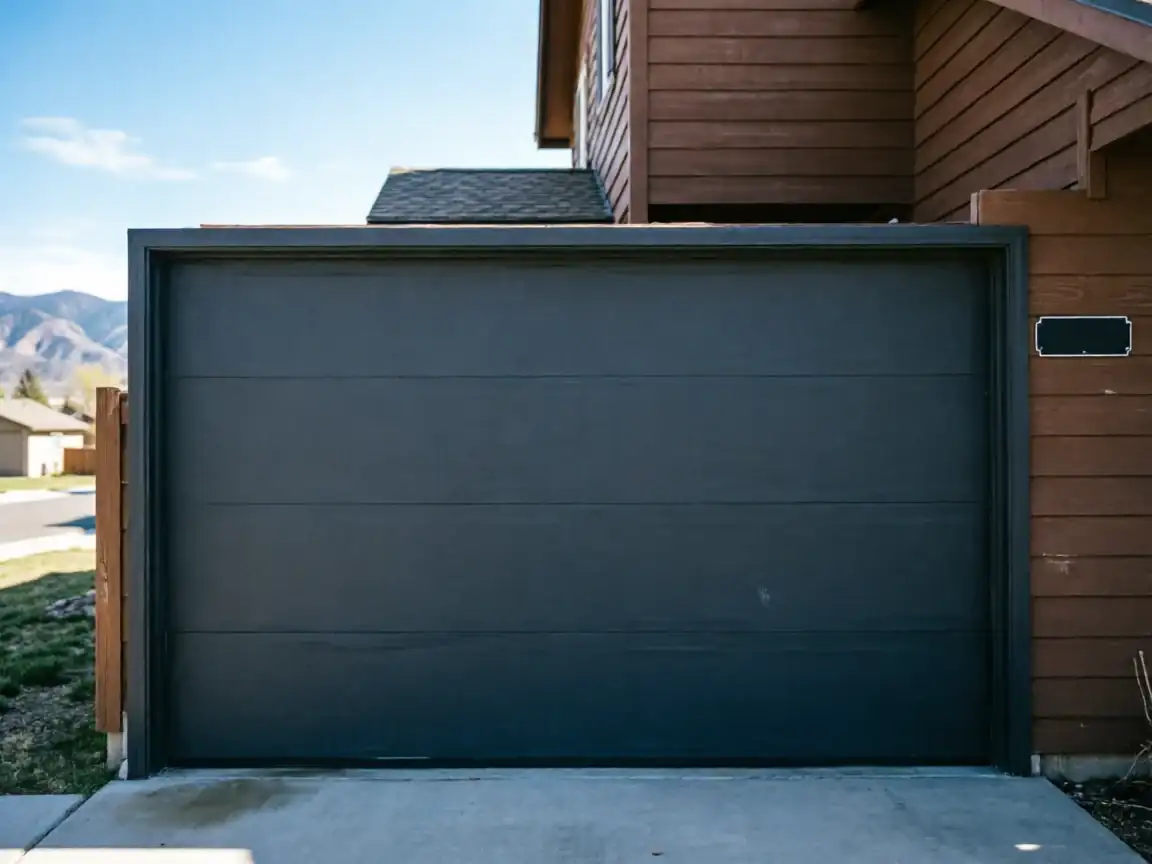
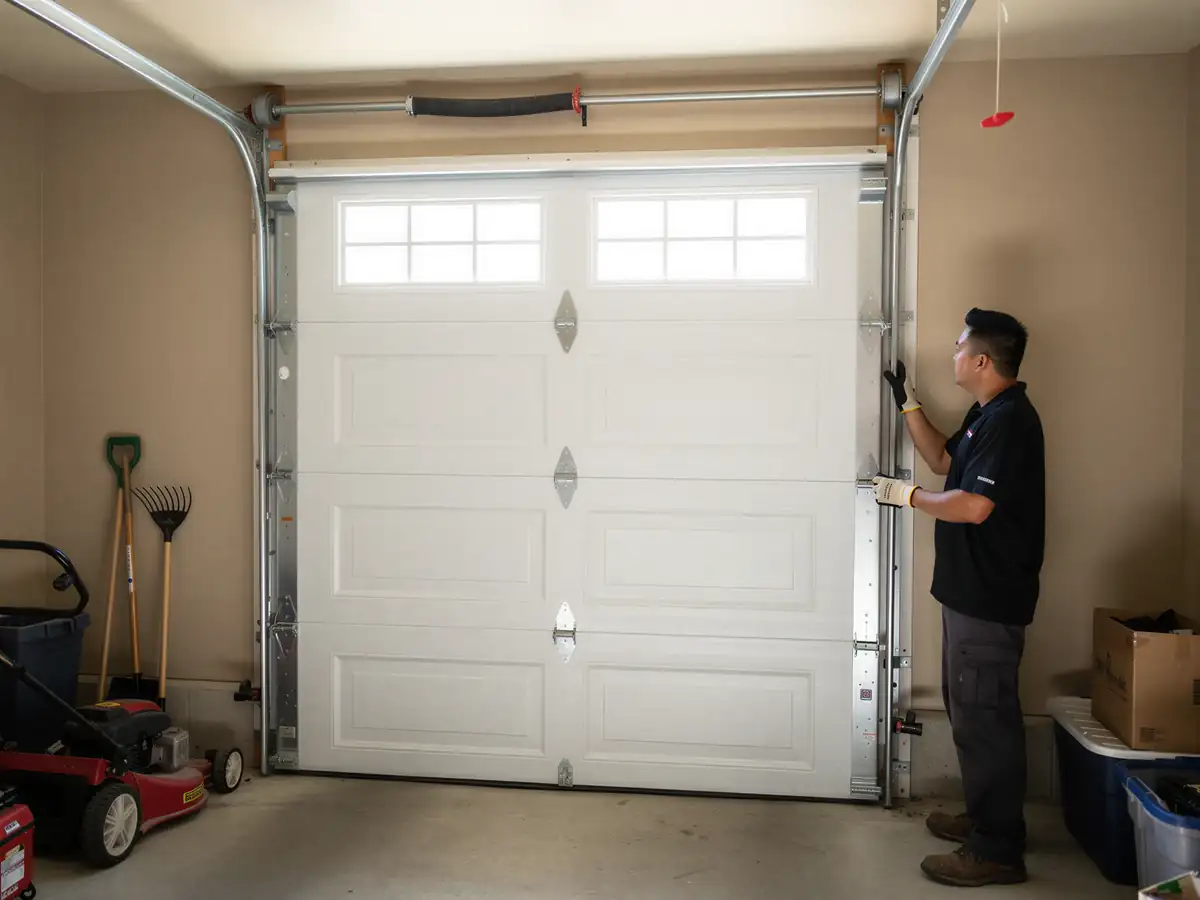
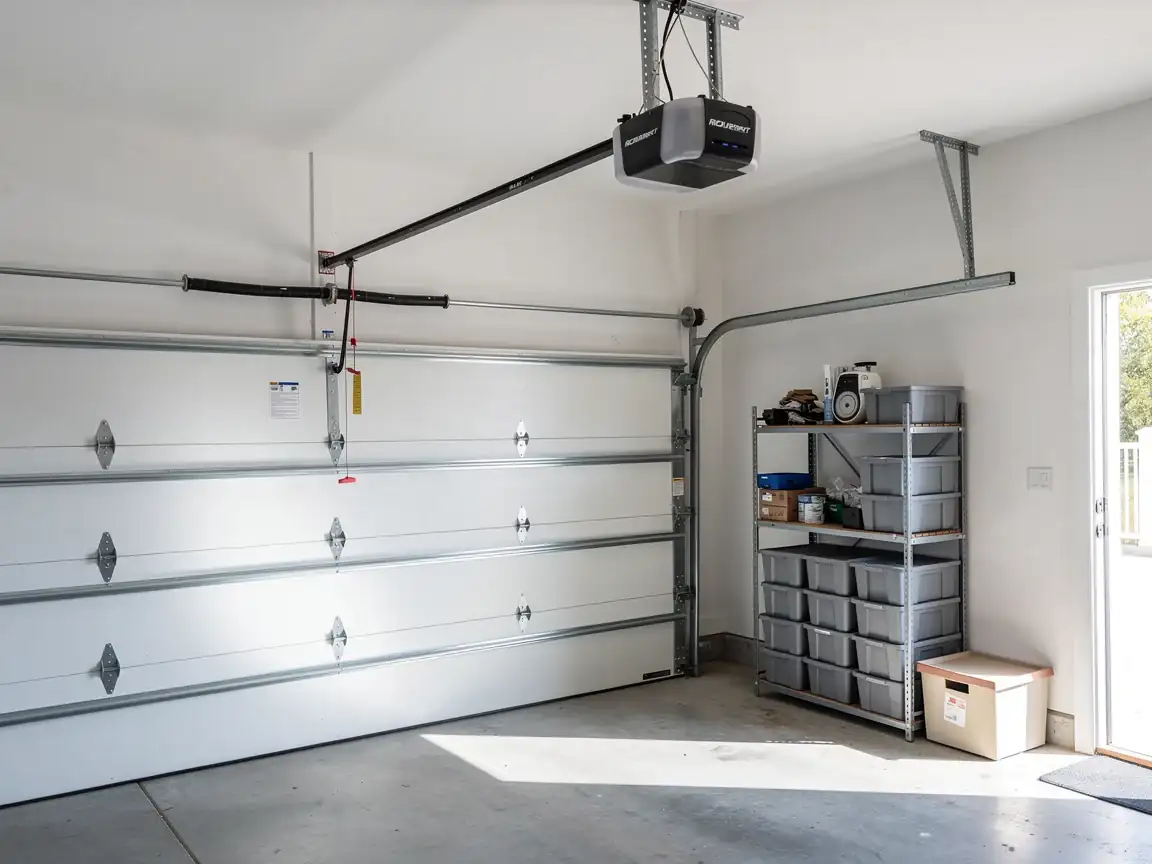
Stonegate sits about 9 miles from our shop in Highlands Ranch, and the houses out here tell a different story than a lot of the rest of our service area. Median build year in Stonegate is 1997, which puts most garages a full generation newer than the 1960s-70s stock that makes up a lot of the wider territory, where the overall median build year lands closer to 1979. That twenty-year gap matters more than it sounds like. A door and opener installed in a Stonegate garage in the late 90s or early 2000s was built to a different set of standards than the one-piece doors and older torsion setups common in the older pockets we also cover. Stonegate's roughly 3,272 households are mostly working with factory-standard steel sectional doors, chain or belt-drive openers from that era, and extension or torsion spring setups that were factory-matched rather than retrofitted. We don't guess at what's behind your garage wall before we get there, but knowing the build era narrows down what we bring on the truck.
What That Means for Doors
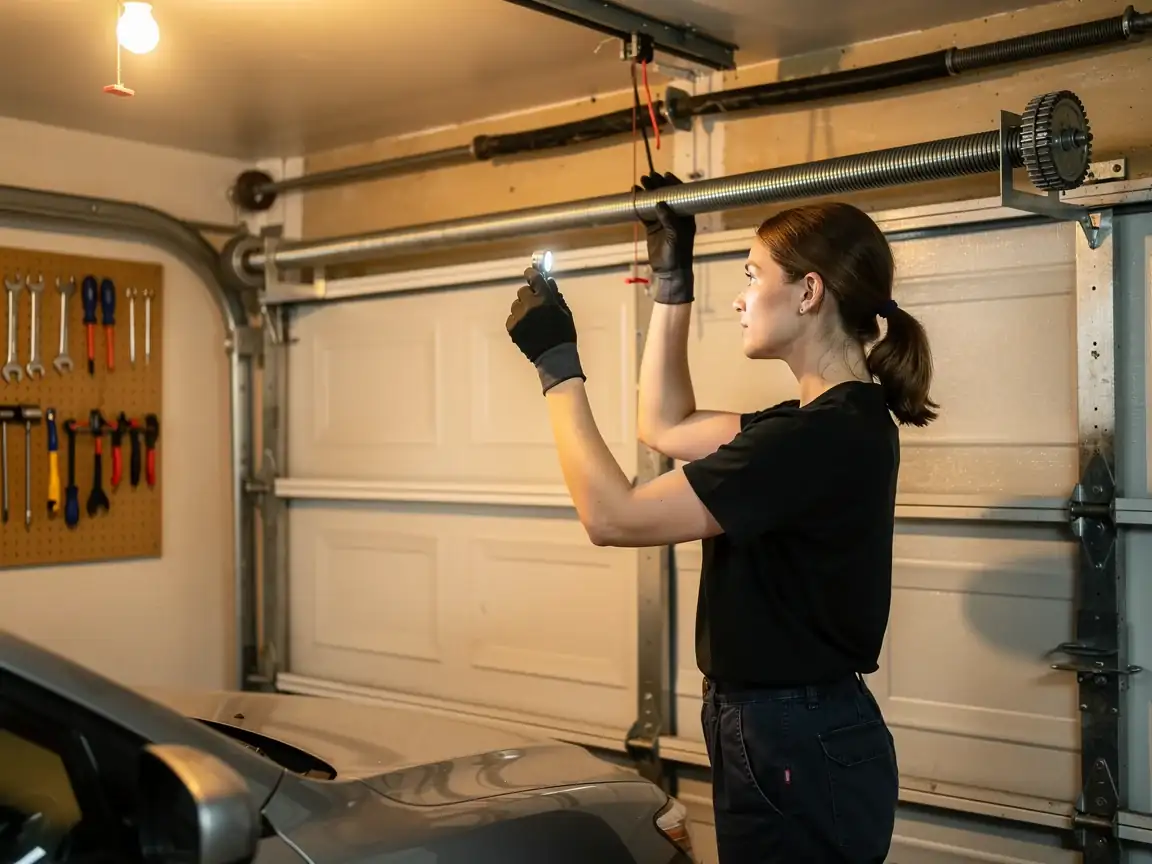
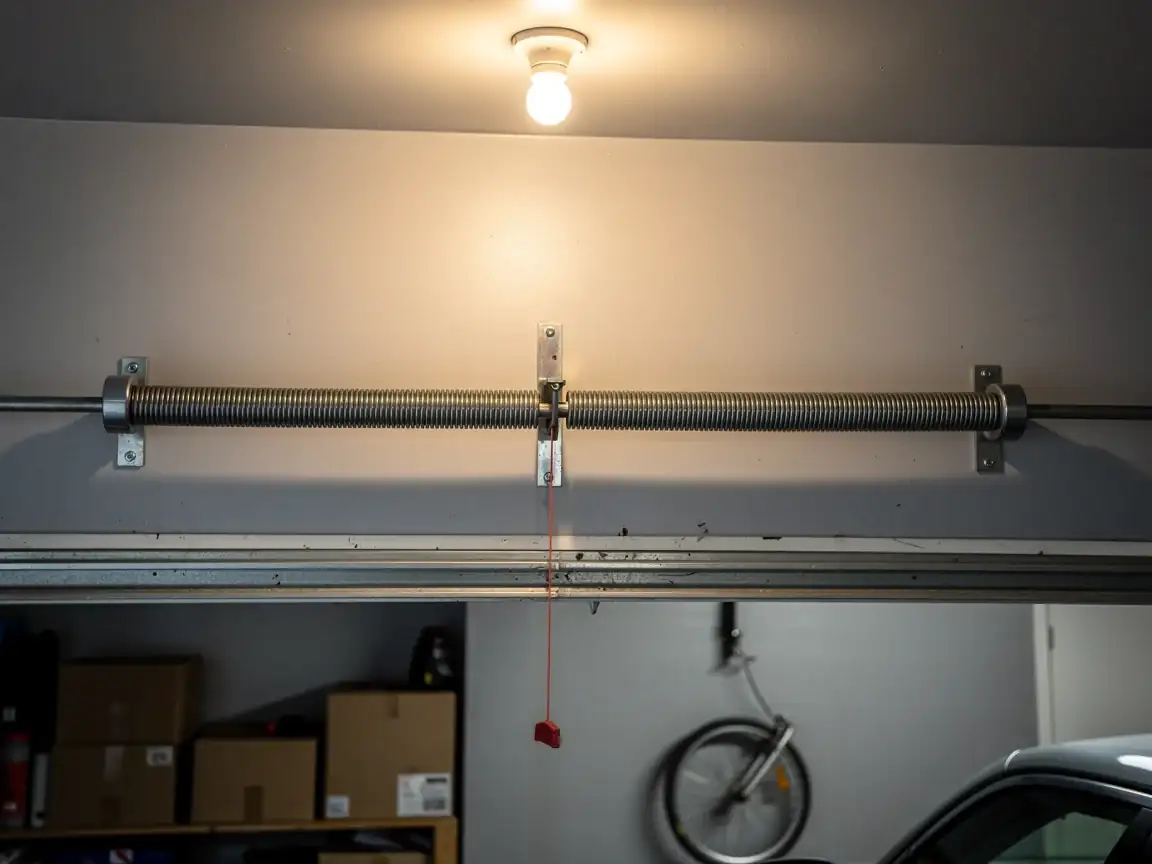
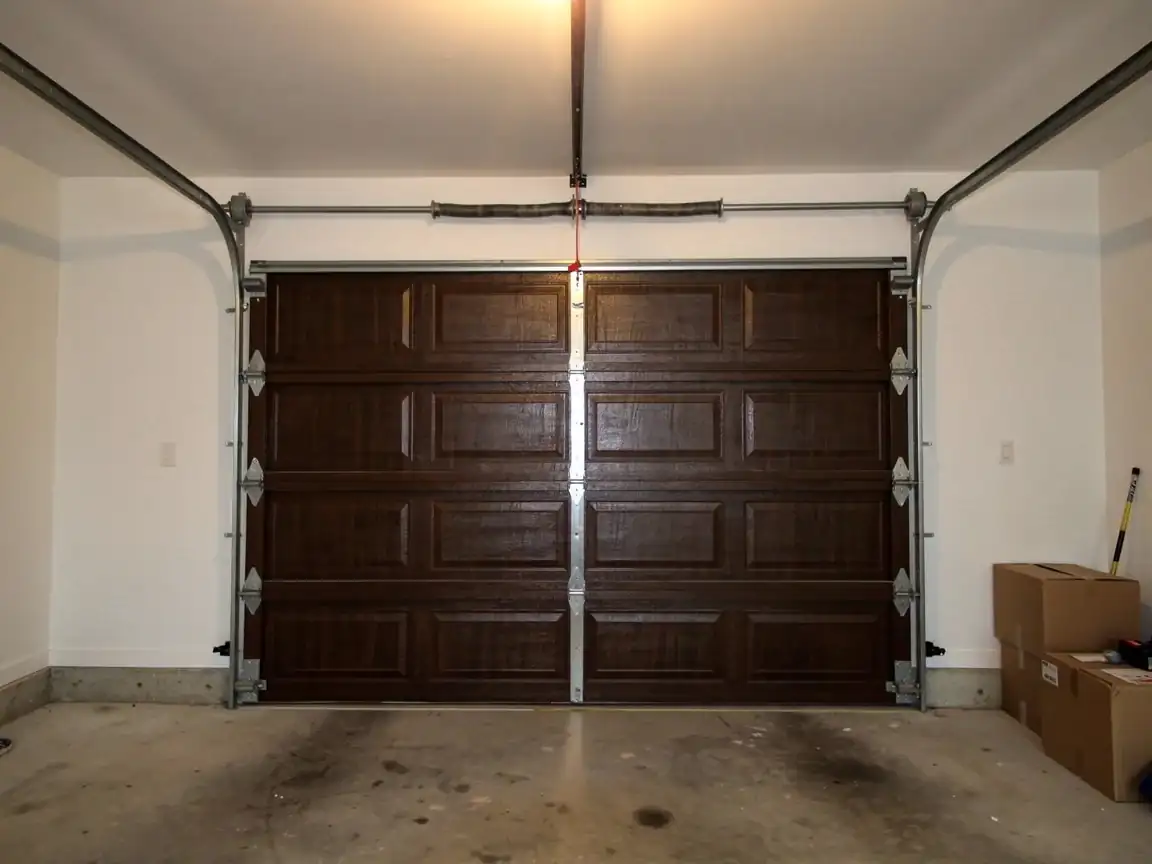
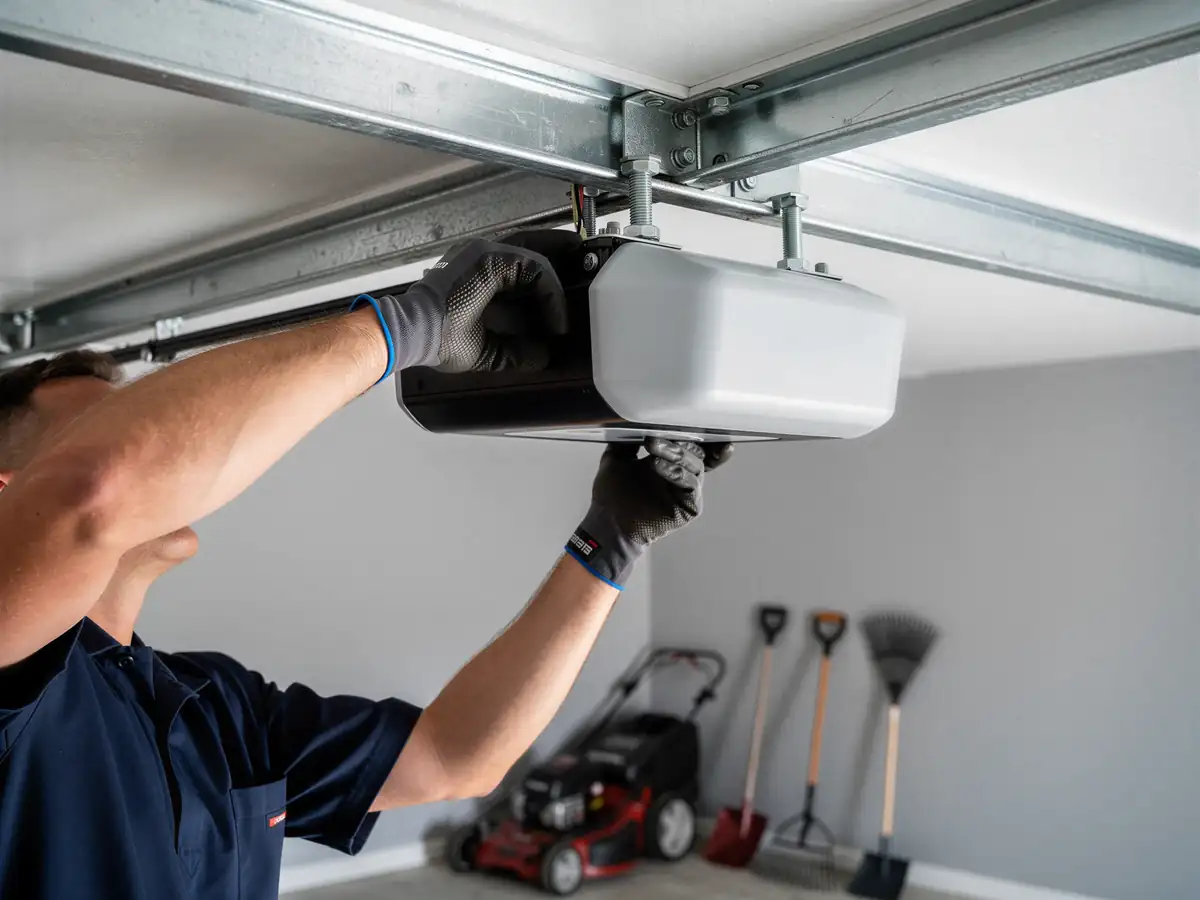
A door from 1997 is old enough now to be hitting predictable failure points, but young enough that most of it is still standard hardware, not obsolete parts. Springs on a door this age are past their rated cycle count if they haven't been replaced yet. Openers from that build window are also reaching the end of a normal service life - circuit boards and gear sets wear out whether or not the door itself still looks fine. The region sits in a cold-climate band with severe winter swings, and a 25-plus-year-old opener doesn't handle cold-weather torque the way a newer unit does; that's a common reason doors from this era bind up or stall on the coldest mornings. Median household income in Stonegate runs around $157,021, well above the wider area average, and at this build age the practical choice is usually full opener replacement rather than patching a circuit board that's already near end of life - not every repair is worth doing twice.
The Houses Here
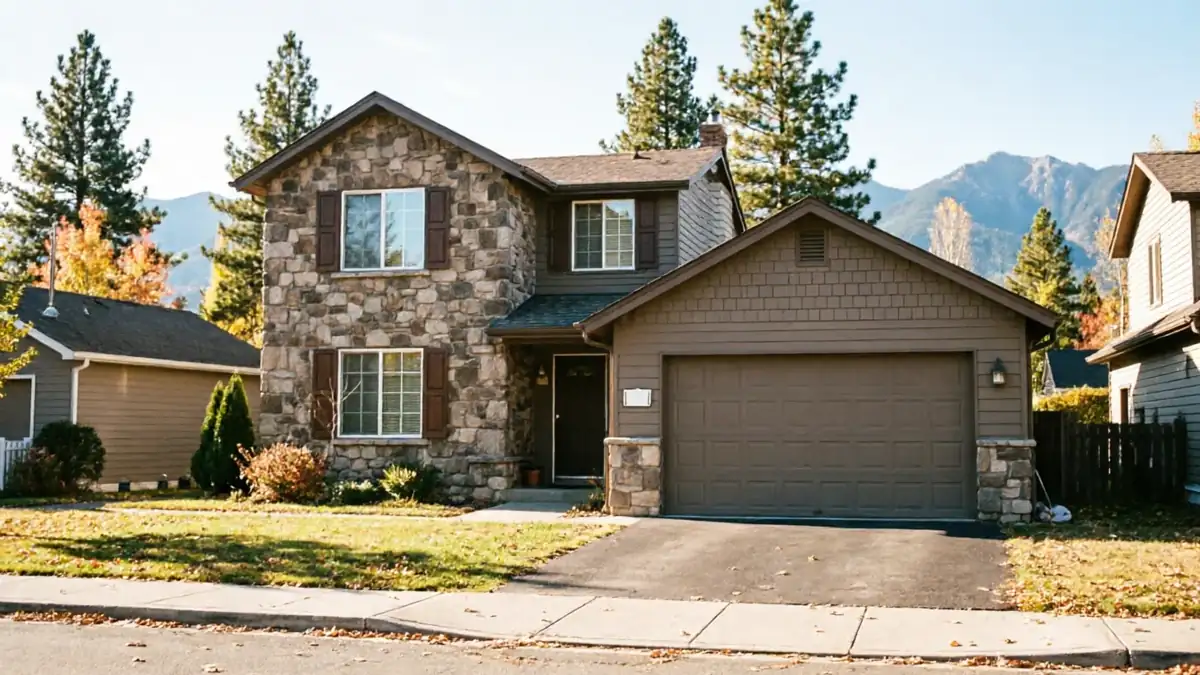
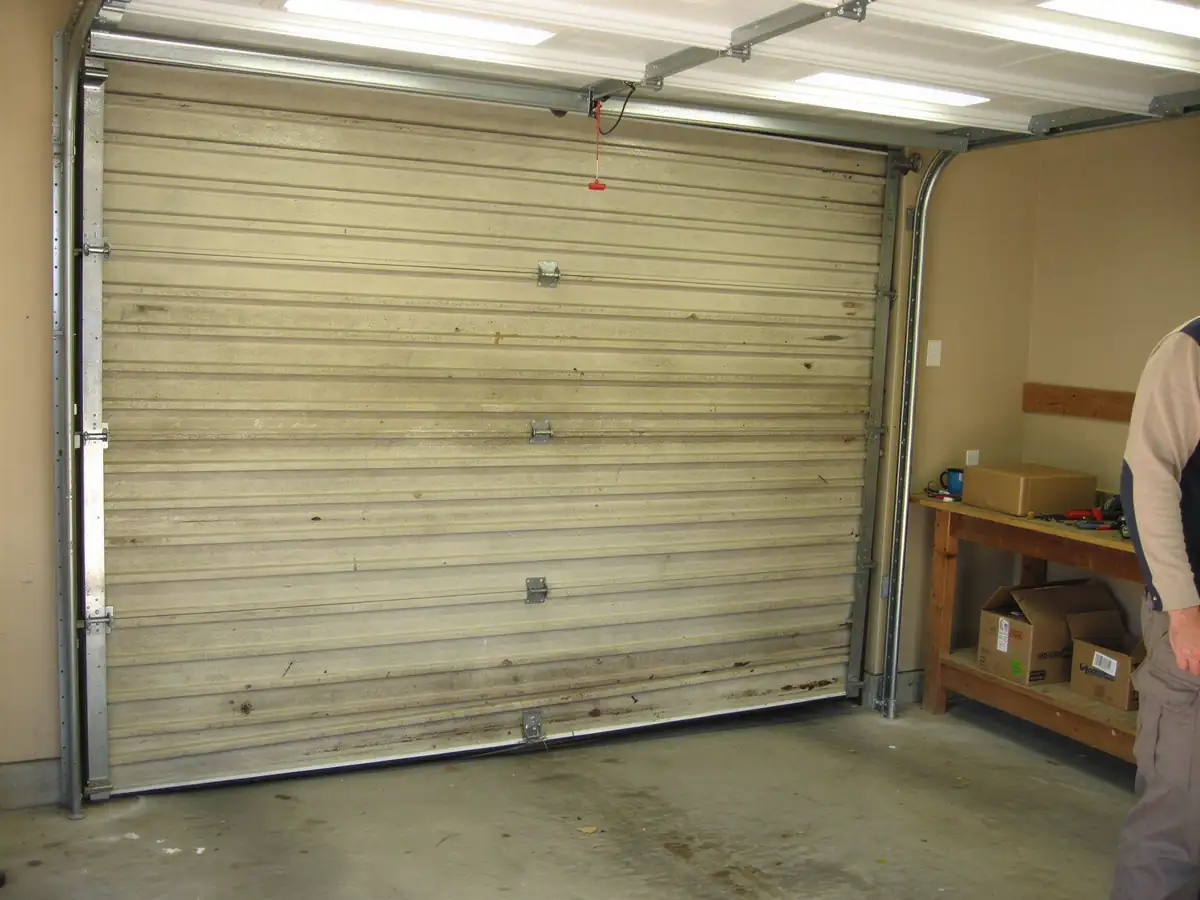
Stonegate's housing is fairly uniform for its age, which actually makes diagnosis faster. Garages built in the late 90s mostly share the same door widths, the same bracket spacing, and the same generation of torsion spring wind - none of the mismatched retrofits you find in older construction where a door's been swapped once or twice over 40 years. That consistency is useful when something breaks: a broken cable or a worn roller on a Stonegate door usually behaves like every other Stonegate door its age, not like a one-off. The tradeoff is that when one part fails, several of its neighbors on the same door are usually close behind it on wear, since they went in at the same time and have logged the same number of open-close cycles. We still check job to job - nobody's garage runs on the same schedule - but the build year gives us a real starting point before we ever open the panel.