The Symptom
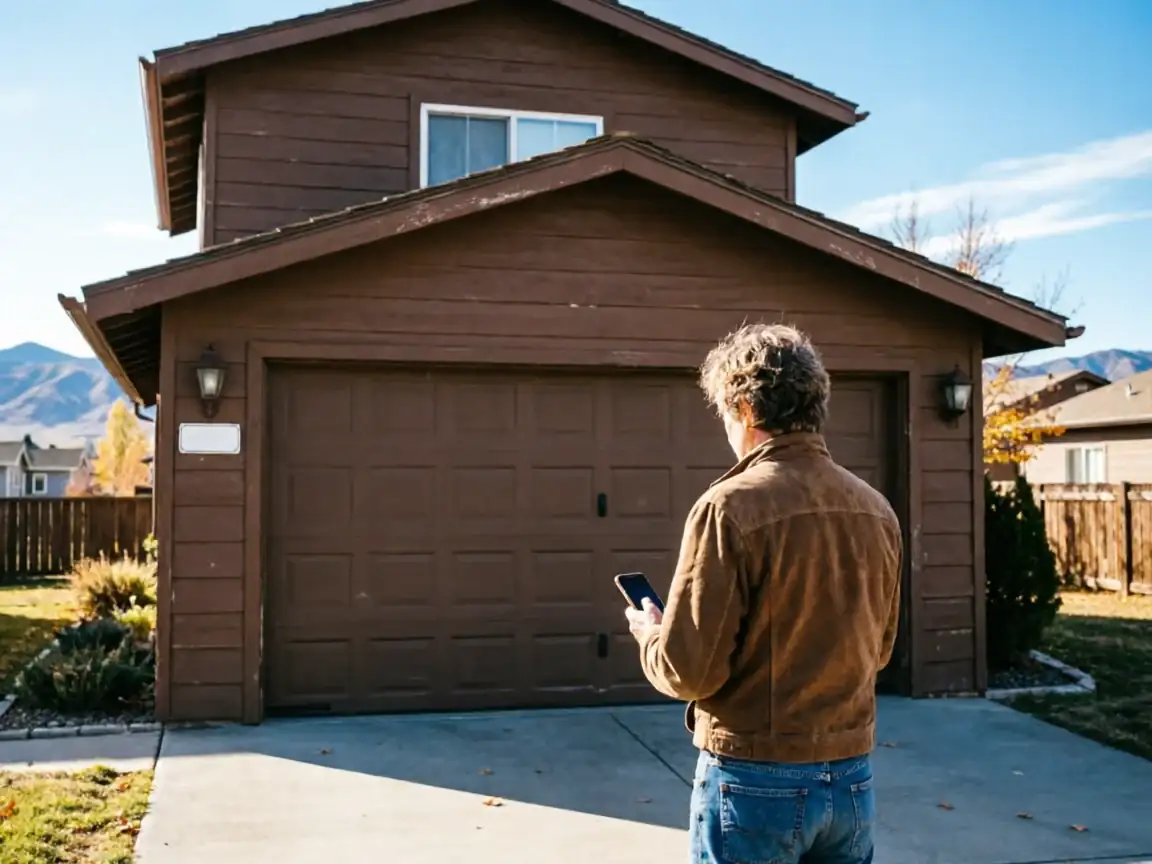
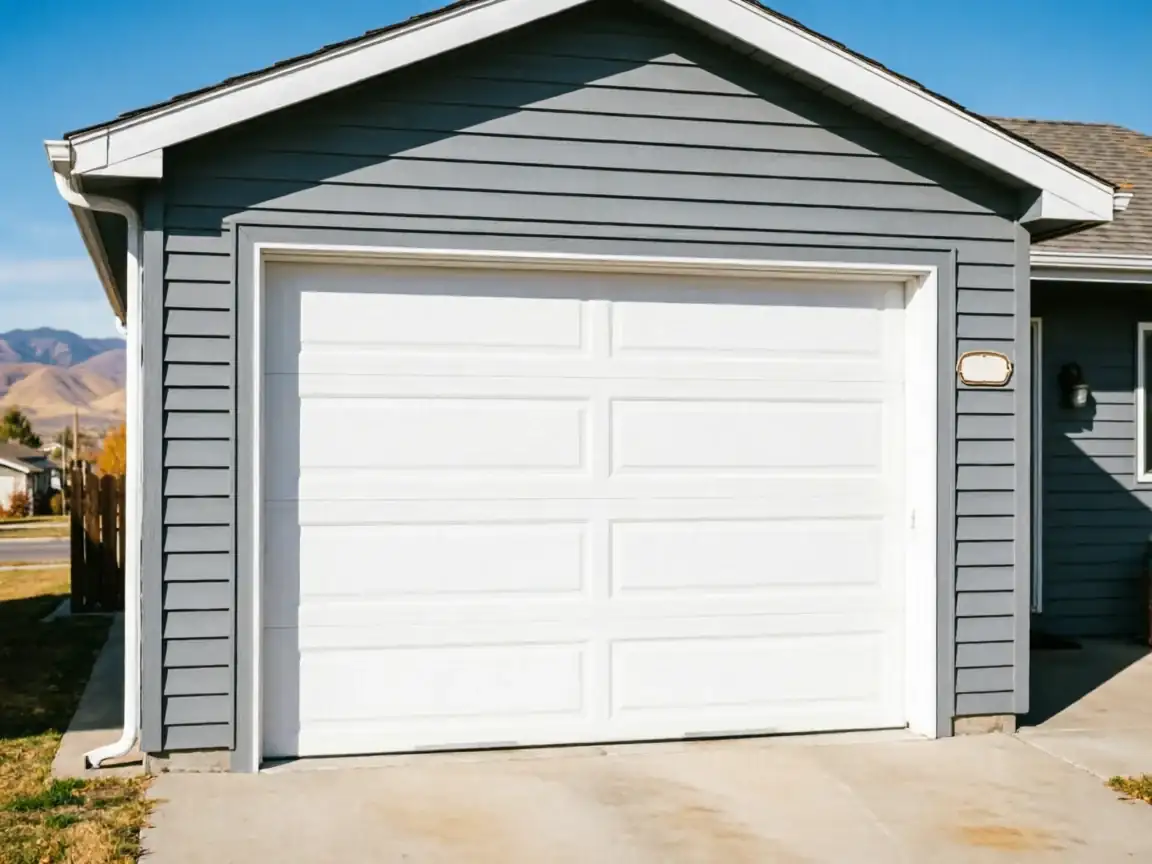
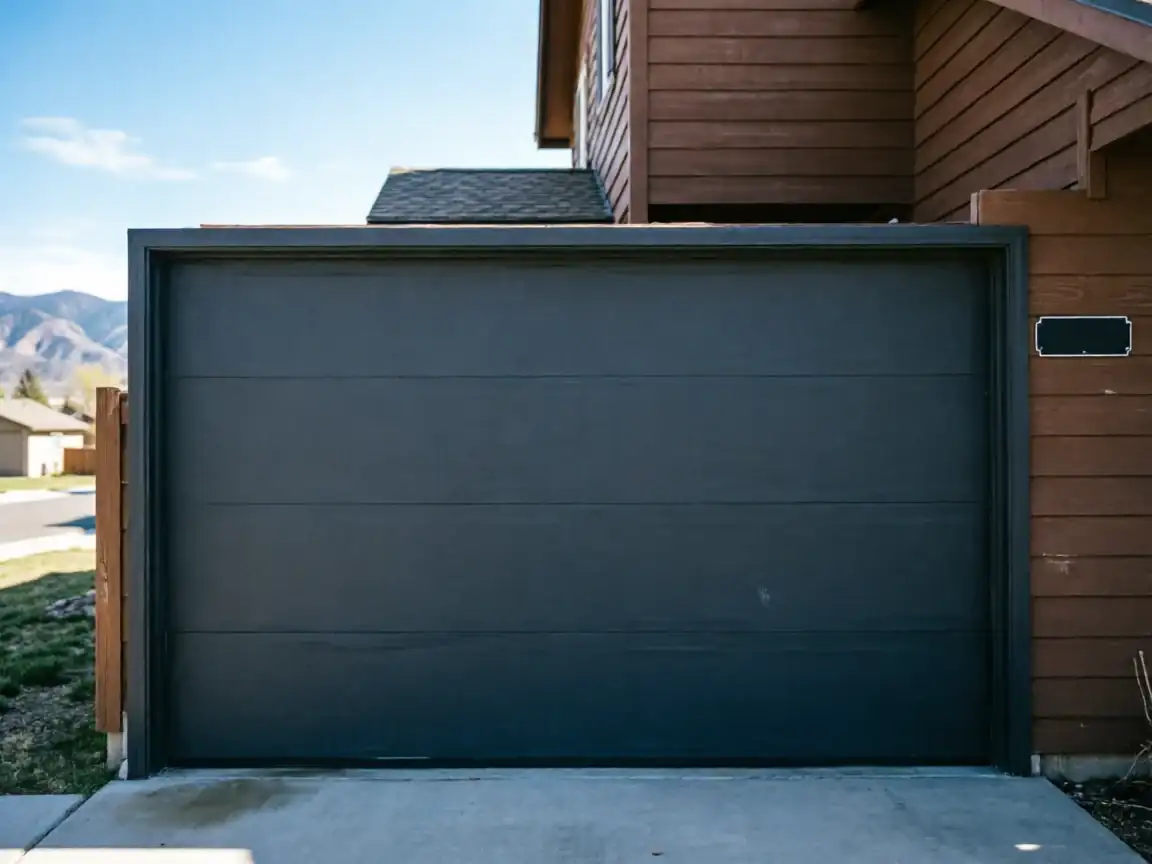
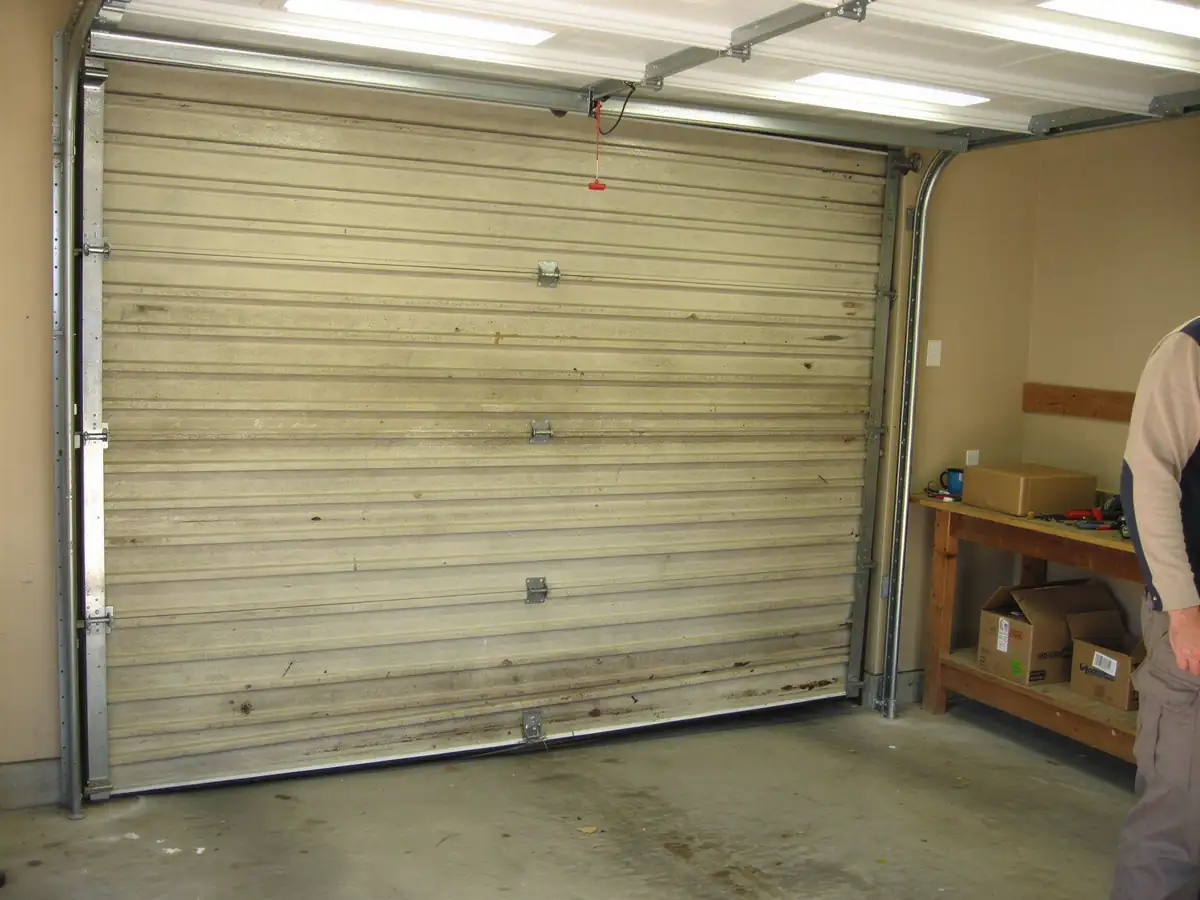
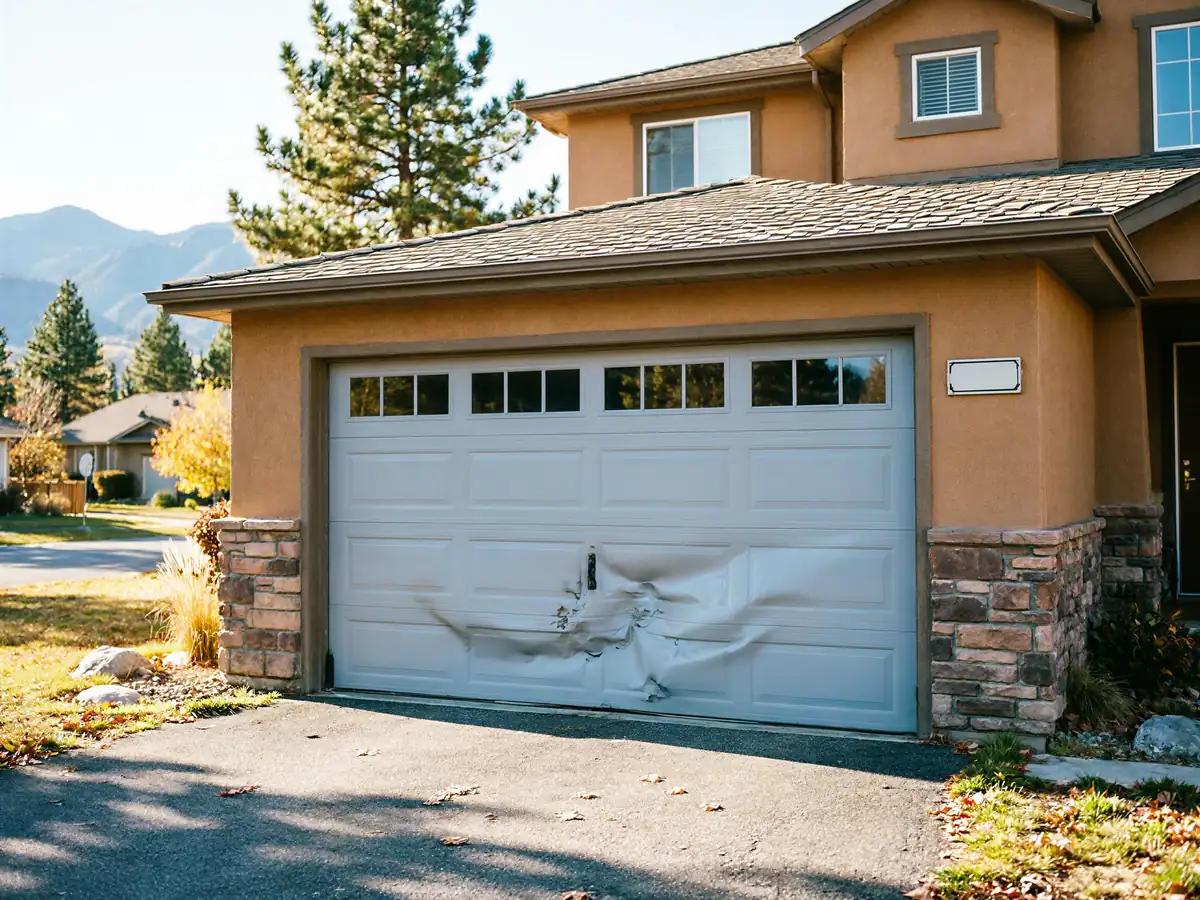
You notice it from the driveway before you notice it up close: a panel that's bowed inward, a seam that's split, or a bottom section caved in where a bumper or a snow blade caught it. Sometimes it's rust working through from the inside out, showing up as bubbling paint or a soft spot you can press a thumb into. The door still runs, mostly, but it shudders going up, or the track rattles where the bent section rubs metal it shouldn't touch.
On a steel sectional door, damage to one panel rarely stays contained to that panel. A dent changes how the section sits in the track, which puts load on the rollers and hinges next to it. Leave it long enough and you're not replacing one panel anymore, you're replacing the panel plus the hardware it chewed up getting there.
Across Highlands Ranch and the subdivisions around it - - this shows up most on doors facing west or north, the sides that catch the wind-driven hail and the heaviest snow load through a Front Range winter.
What Can Go Wrong
A single impact dent is the simple version. The harder version is a door built before manufacturers standardized panel sizing - common in houses from the 1960s and 1970s stock that makes up a lot of this area - where the exact section height or steel gauge isn't something you can order off a shelf. You either match it close enough to live with a visible seam, or you're looking at replacing more sections than the one that's damaged just to keep the door square.
Rust is the other failure mode, and it's sneakier. Highlands Ranch sits in a severe cold climate zone, which means freeze-thaw cycling all winter - moisture gets into a scratch or a ding, freezes, expands the gap, and thaws again the next week. By the time you see surface rust, the steel underneath the paint is often already thinner than it looks.
We won't try to sell you a full door replacement when one or two sections will do the job. But if the track, springs, or opener are also compromised from the same impact, fixing the panel alone just means the next failure happens somewhere else on the same door.
What the Fix Involves
First step is matching the section
Width, height, insulation type, and often the exact finish, since a mismatched panel on an otherwise clean door looks worse than the dent did. For newer builds this is usually a straightforward manufacturer match. For doors dating back toward the older end of the 1938-2005 build range common here, we sometimes have to source a close match rather than identical stock, and we'll tell you that up front before any work starts.
Once the panel's in hand, the job is mechanical
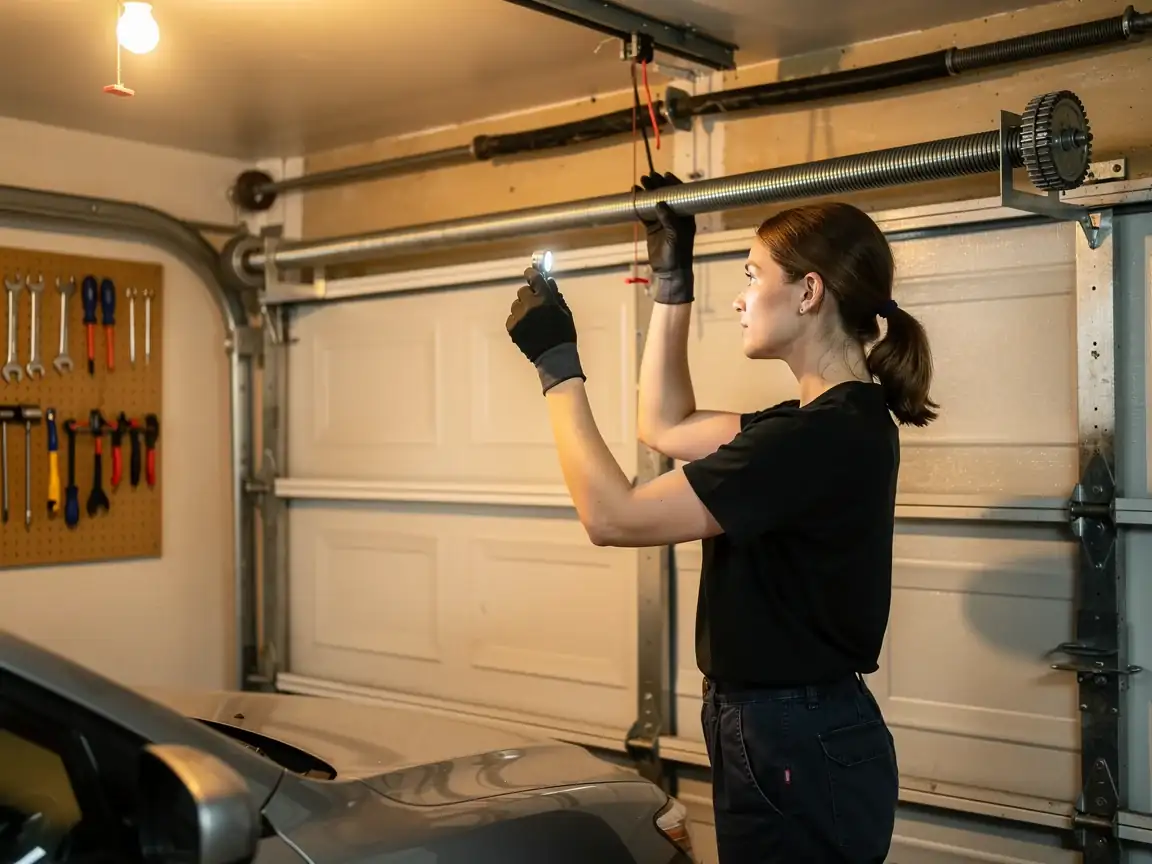
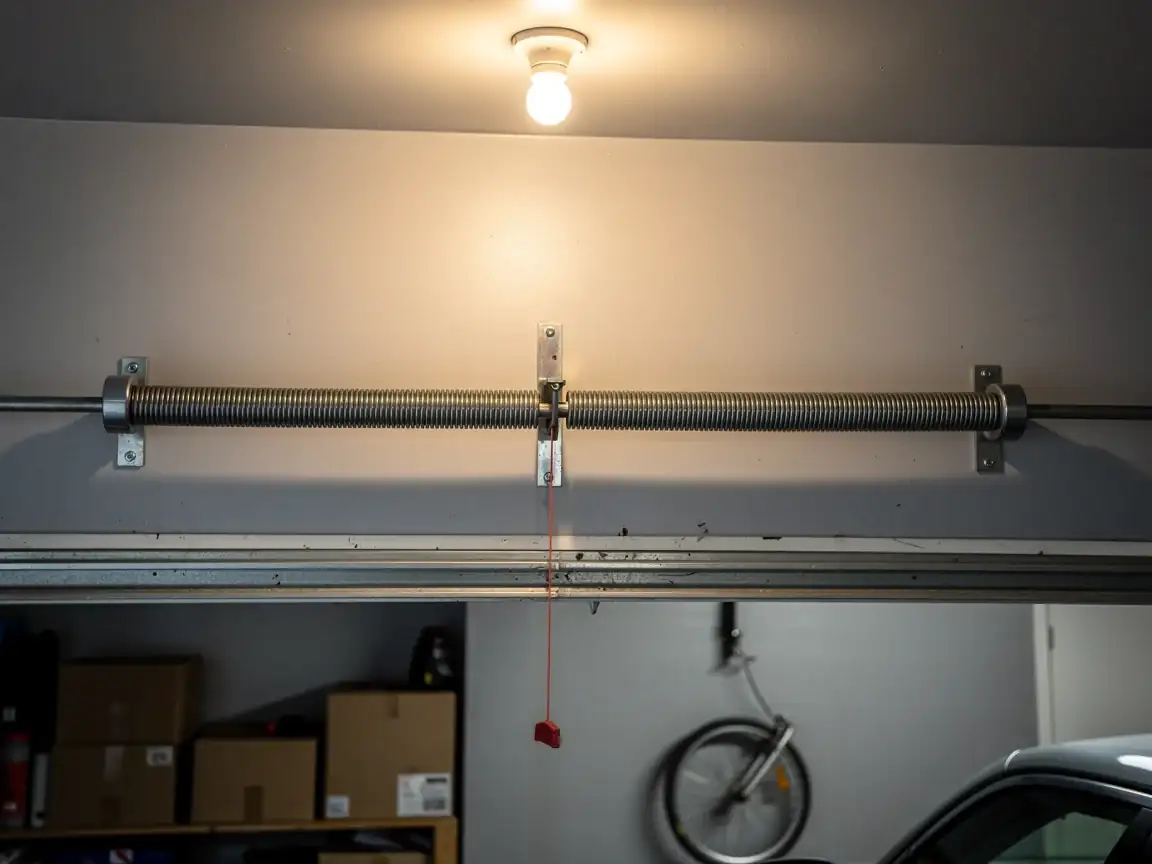
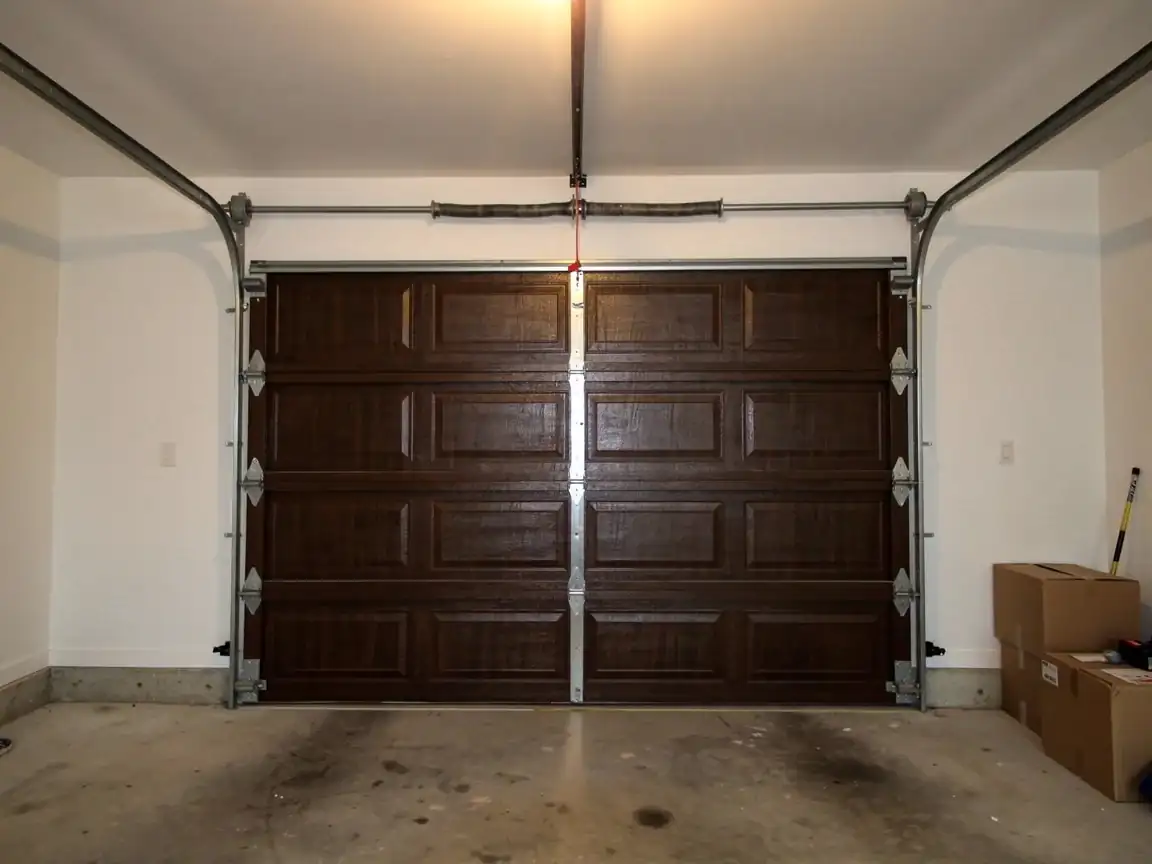
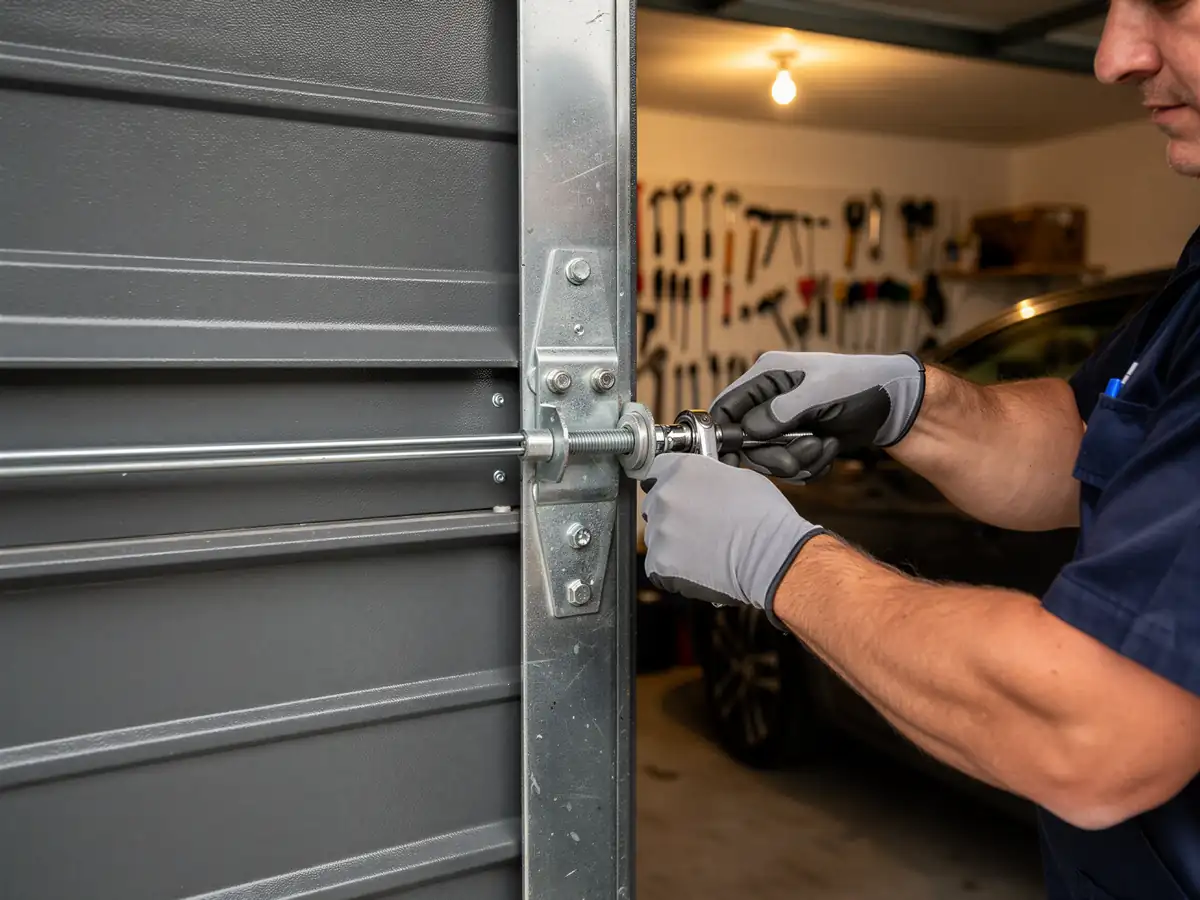
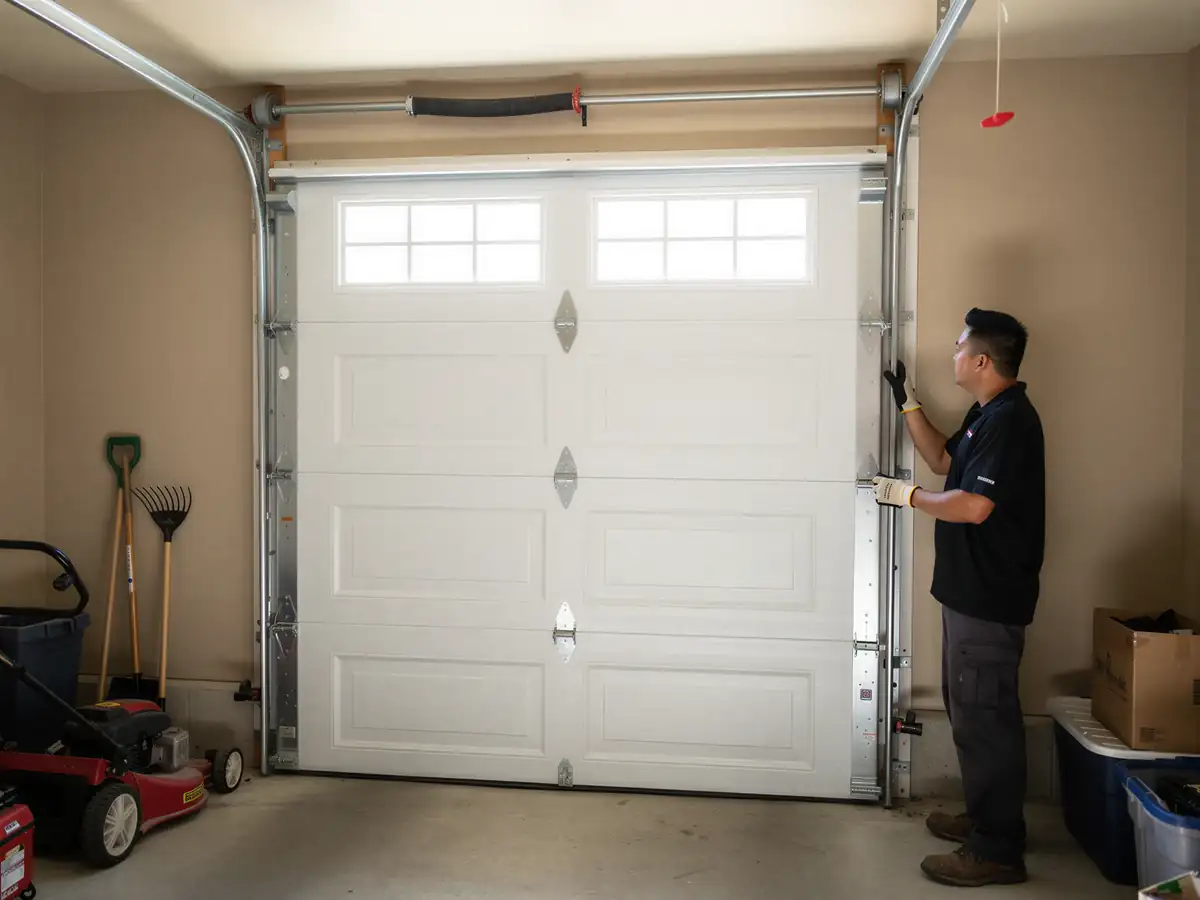
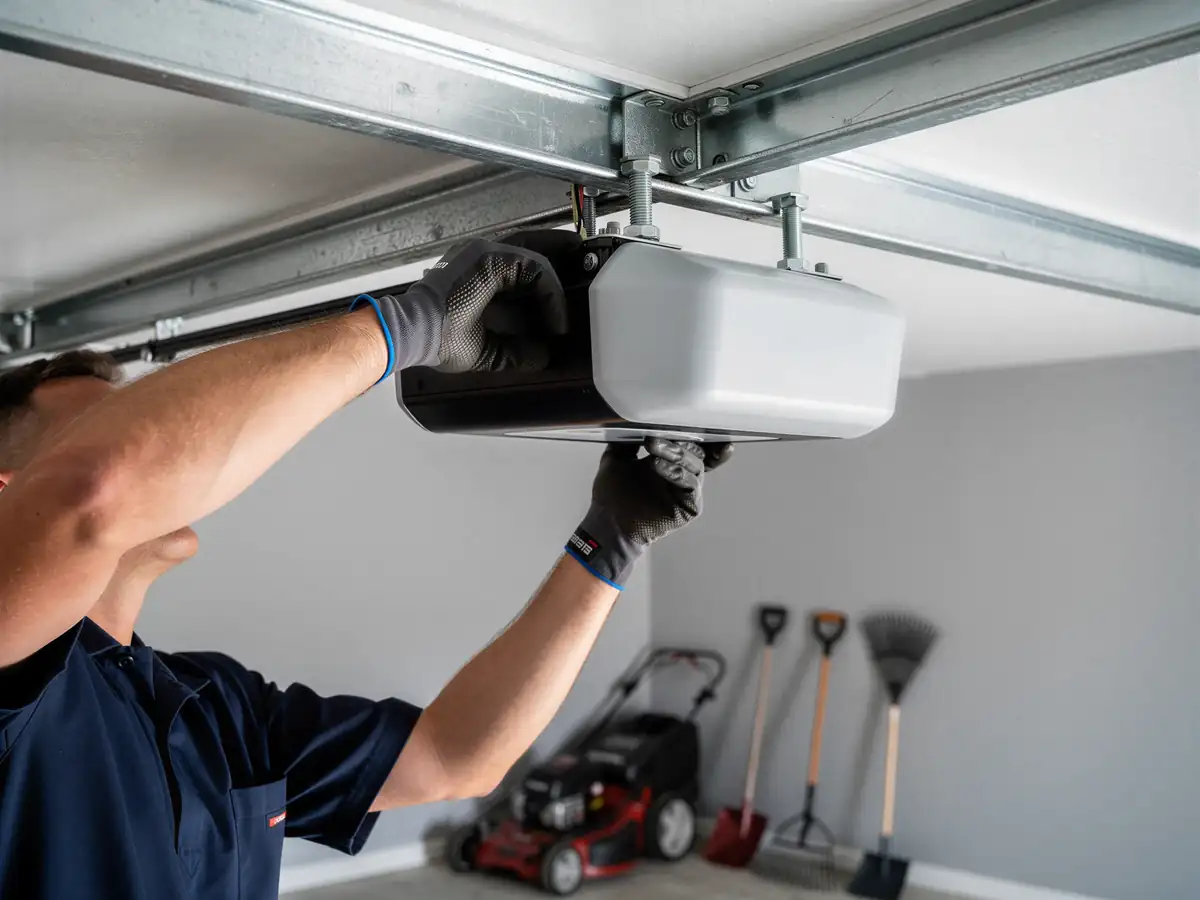
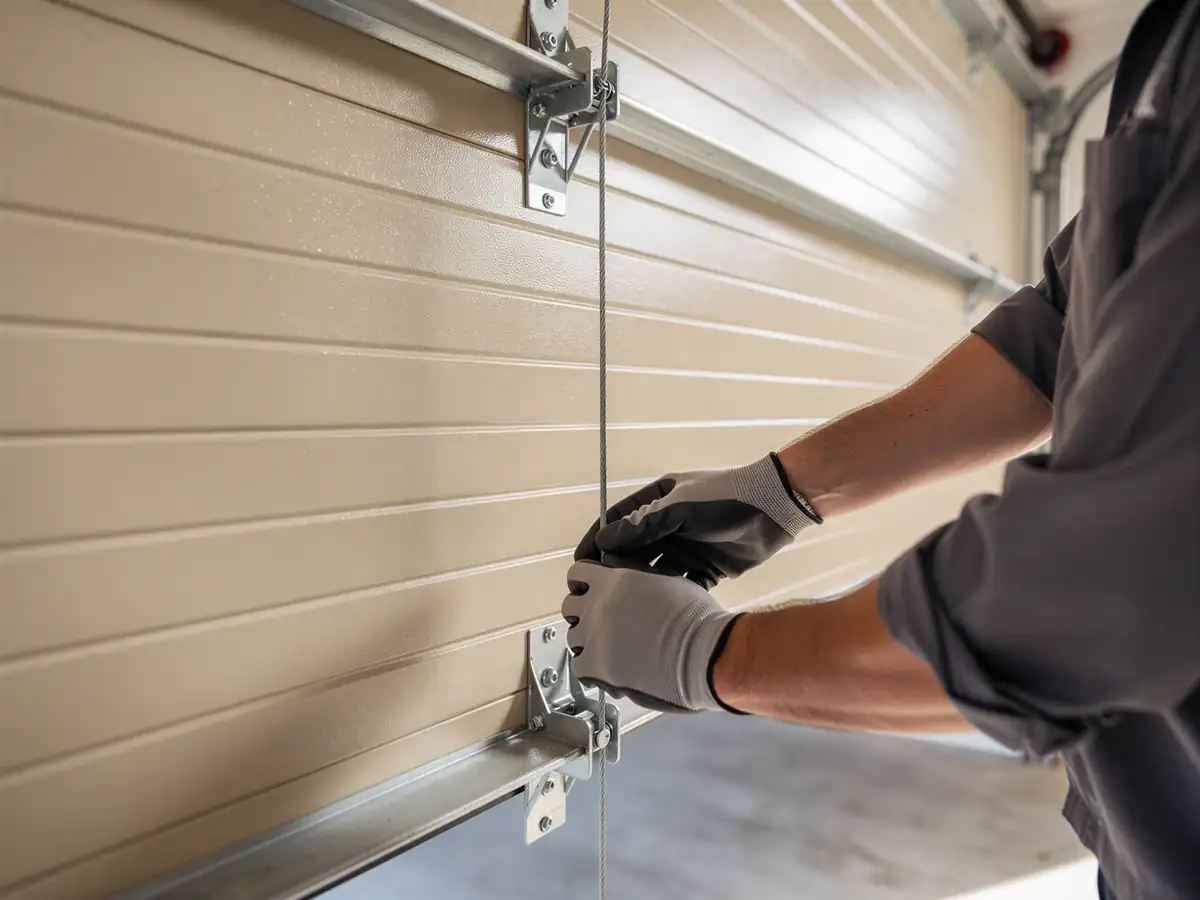
Disconnect the opener arm, release spring tension, pull the hinges and rollers off the damaged section, swap the panel, and reset everything to the same tension and travel it had before. We check the track alignment on both sides while the door's apart, since a panel strong enough to dent usually knocked something else slightly out of true at the same time.
This isn't a same-day parts-off-the-truck job in every case
Section availability depends on the door's age and manufacturer, and that's the honest limitation here. A common width in stock is a quick turn. A discontinued profile from an older build can take longer to source.
Why It Happens Here
Highlands Ranch's housing stock spans 1938 to 2005 with a median build year of 1979, and most of the surrounding named areas carry that same 1960s-70s-era sectional door hardware - steel panels that were standard for their time but aren't backed by the deep parts inventory a newer composite door gets. That alone explains why panel replacement, not full door swaps, is the more common call here.
Layer the climate on top: this is a severe cold zone, with the freeze-thaw cycling that works rust through a scratched panel faster than in a milder climate, plus the hail and wind-driven debris that come with Front Range storm systems. A dent that would just be cosmetic somewhere warmer and drier becomes a rust point here within a season or two if it's not addressed.
With median household income in the area around $129,480 and the bulk of homes owner-occupied, most of what we see is homeowners catching the damage early and wanting it fixed right rather than living with it - which is the right call, since a small dent is a cheap fix and a rusted-through panel usually isn't.