Booking a Visit
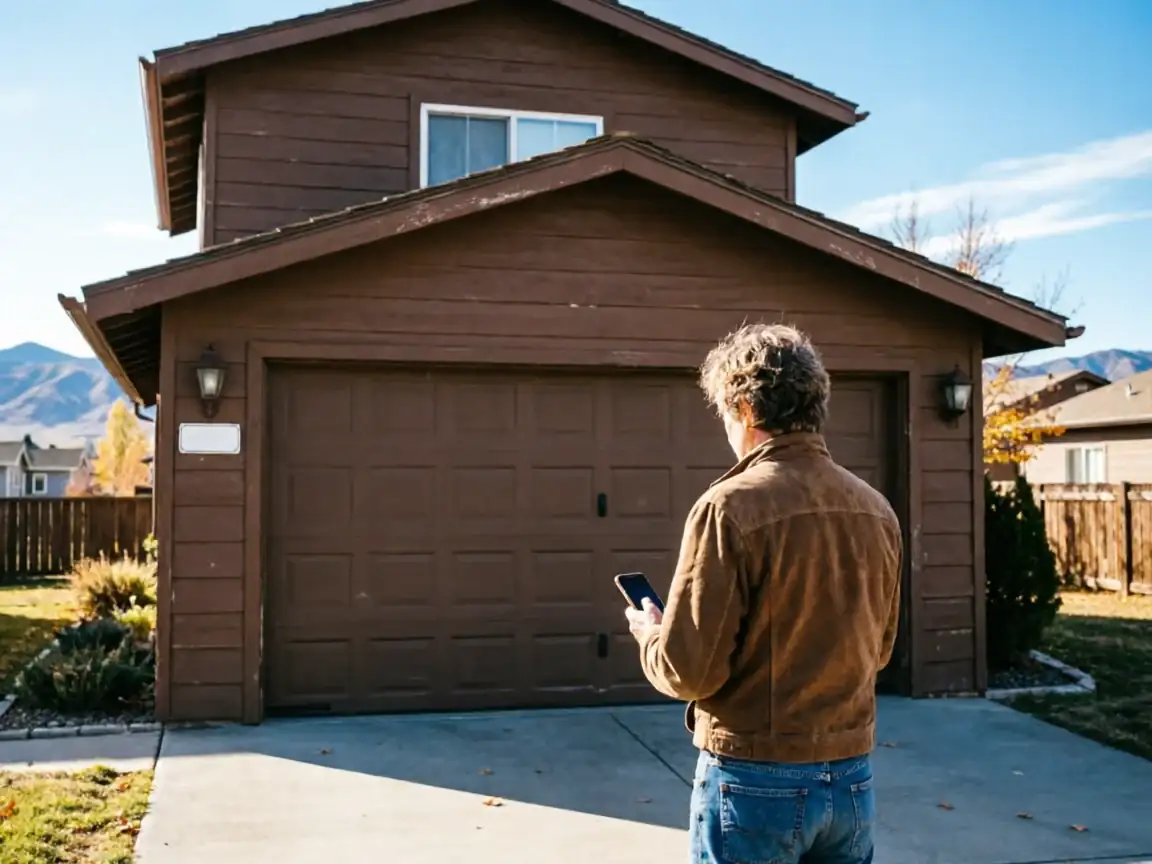
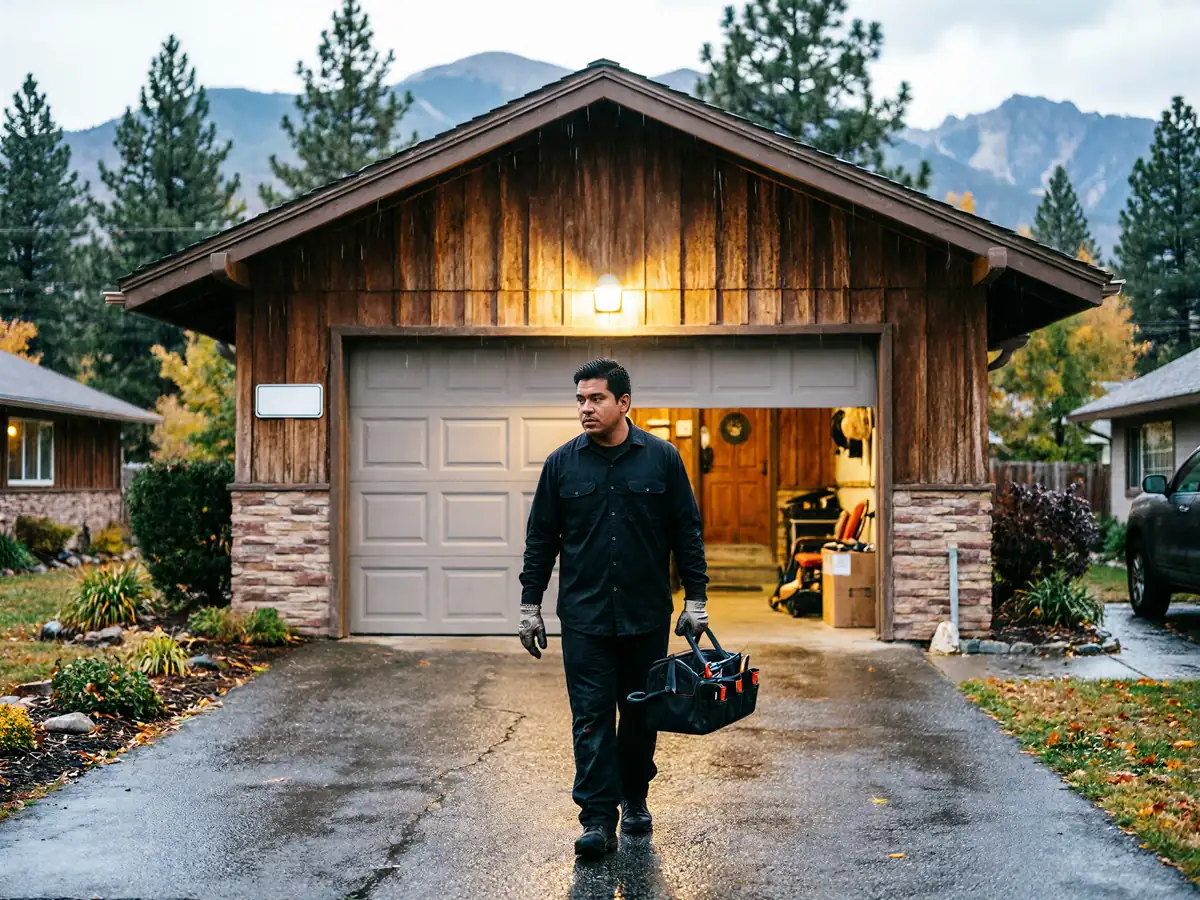
We run this job out of Highlands Ranch, six miles from most Columbine addresses, so there's no separate branch here and no local same-day guarantee tied to this town specifically. When you call, tell us the door width (single or double bay) and whether the opener you have now is chain, belt, or screw drive - most houses in this part of the service area were built around 1976, and a lot of those garages still carry the original drive type, which changes what we load before we leave the shop. We schedule the Columbine run the same way we schedule the rest of the territory: one visit, one opener, done in that window unless the mounting hardware turns out to be nonstandard. See our page on garage doors in Columbine for the broader picture of what we handle here.
What the Fix Involves
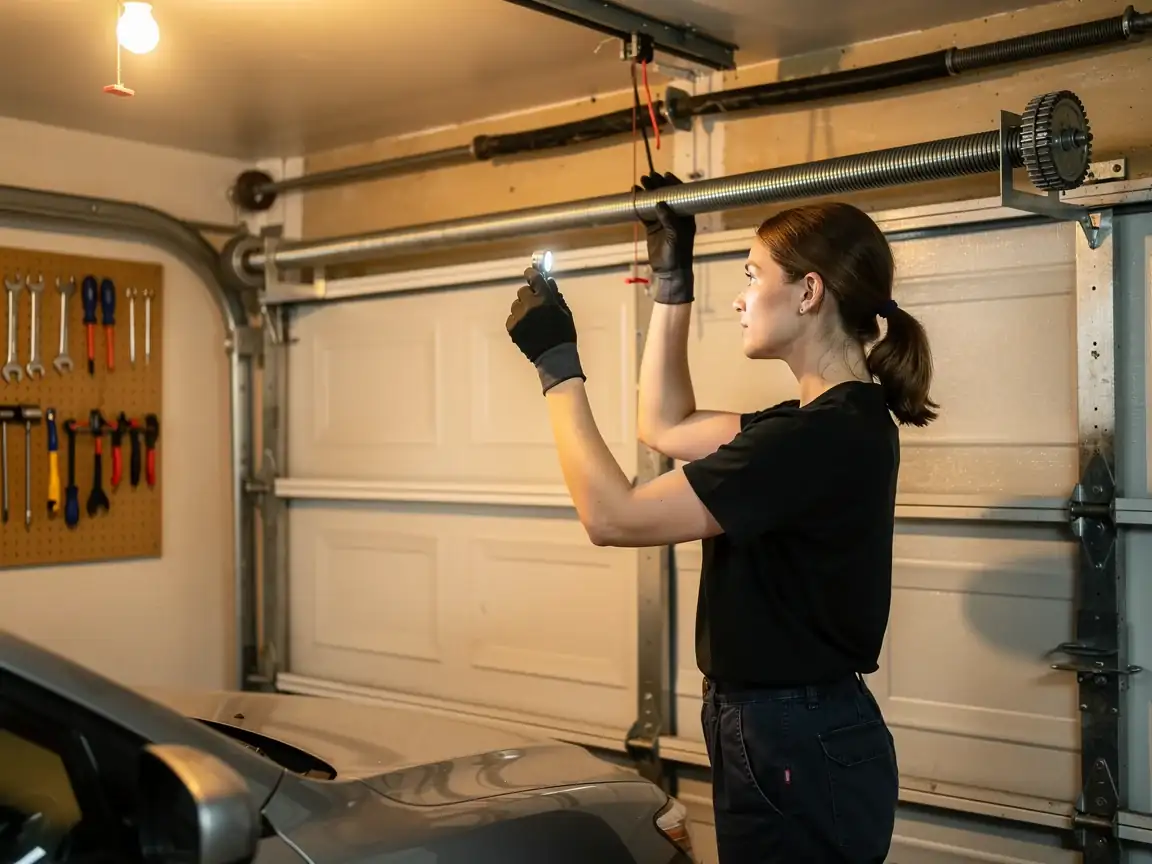
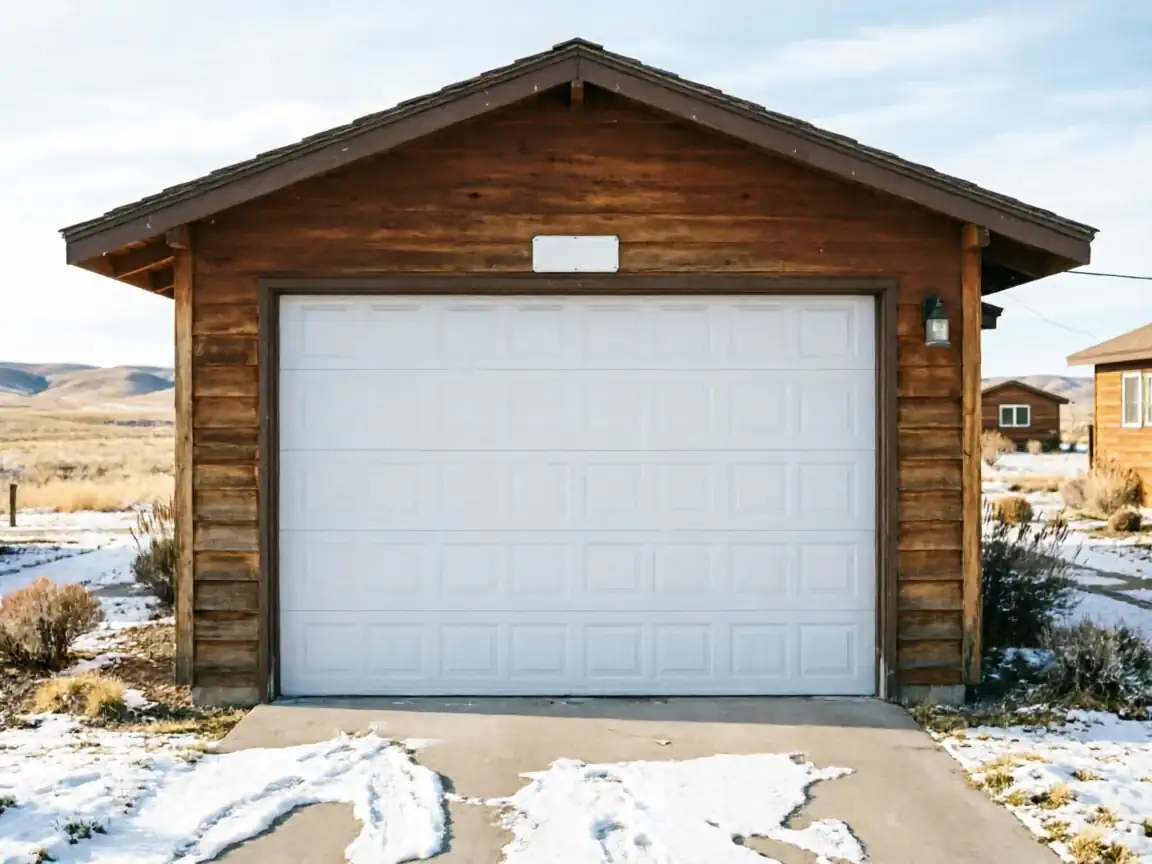
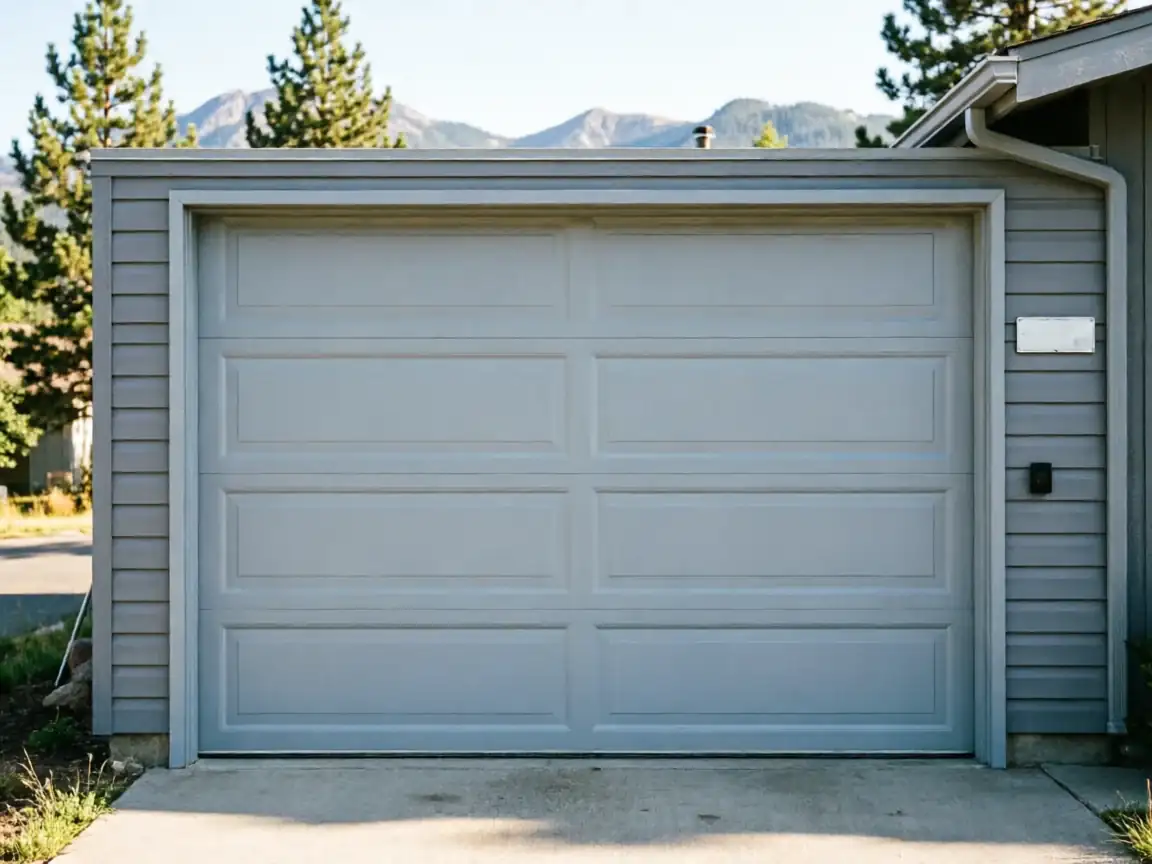
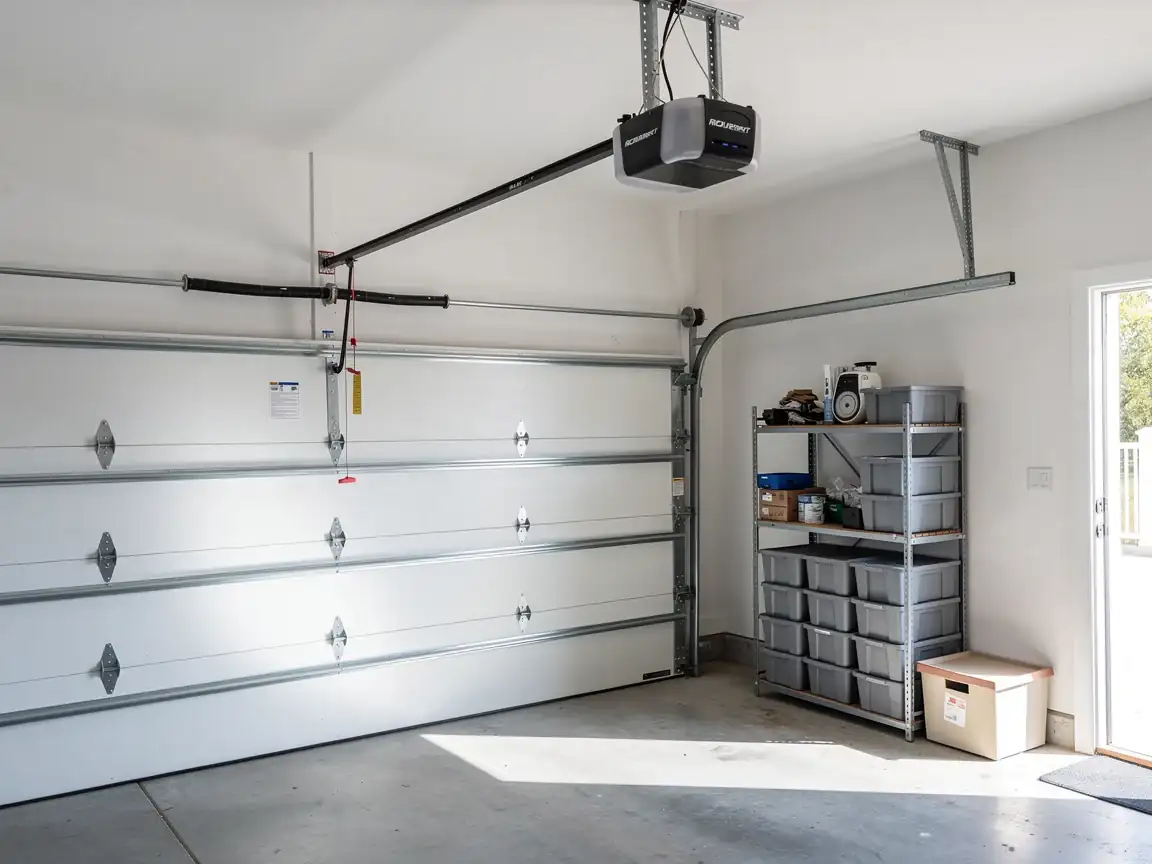
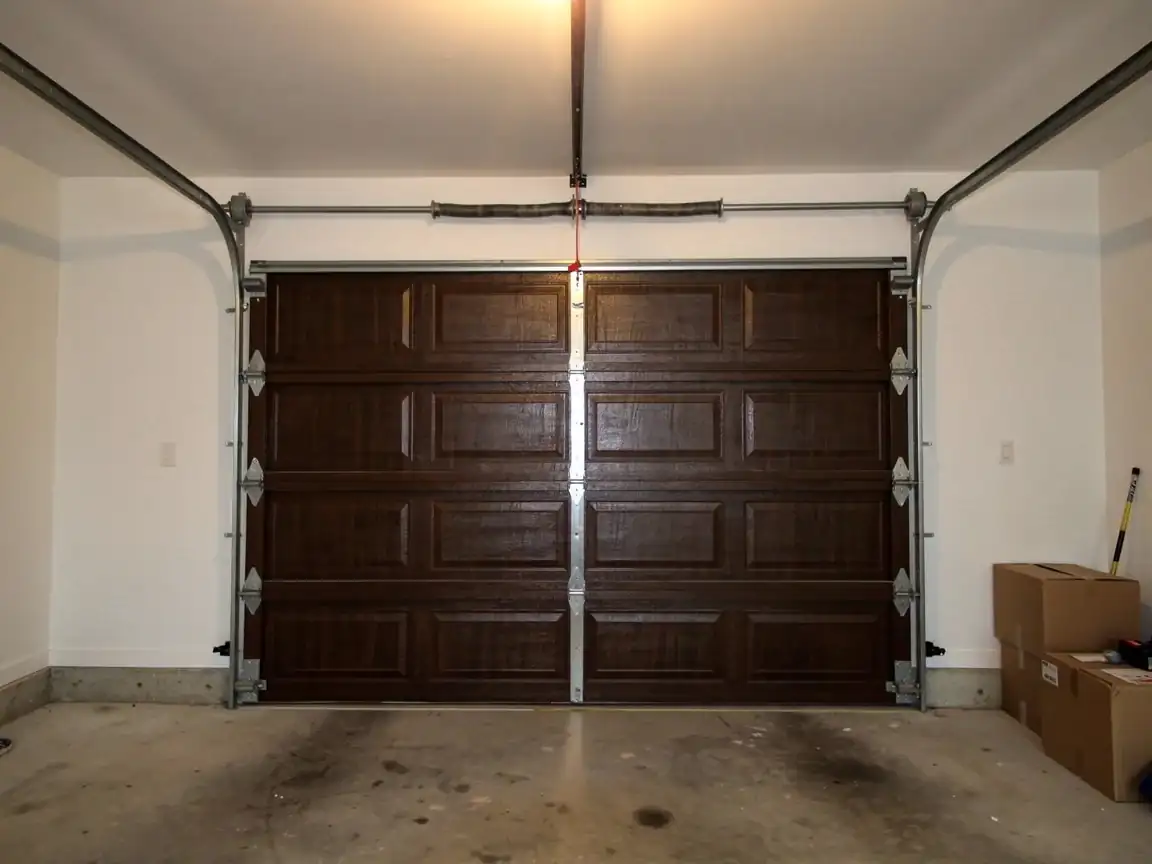
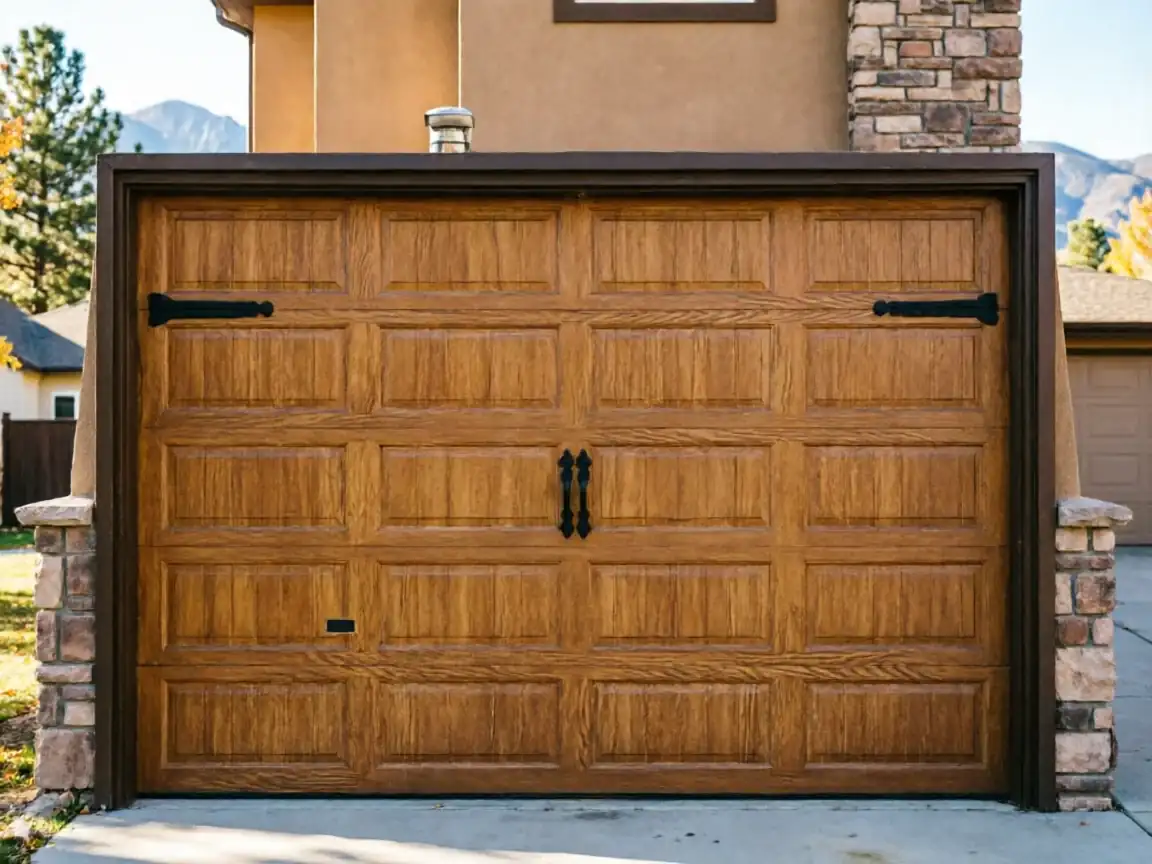
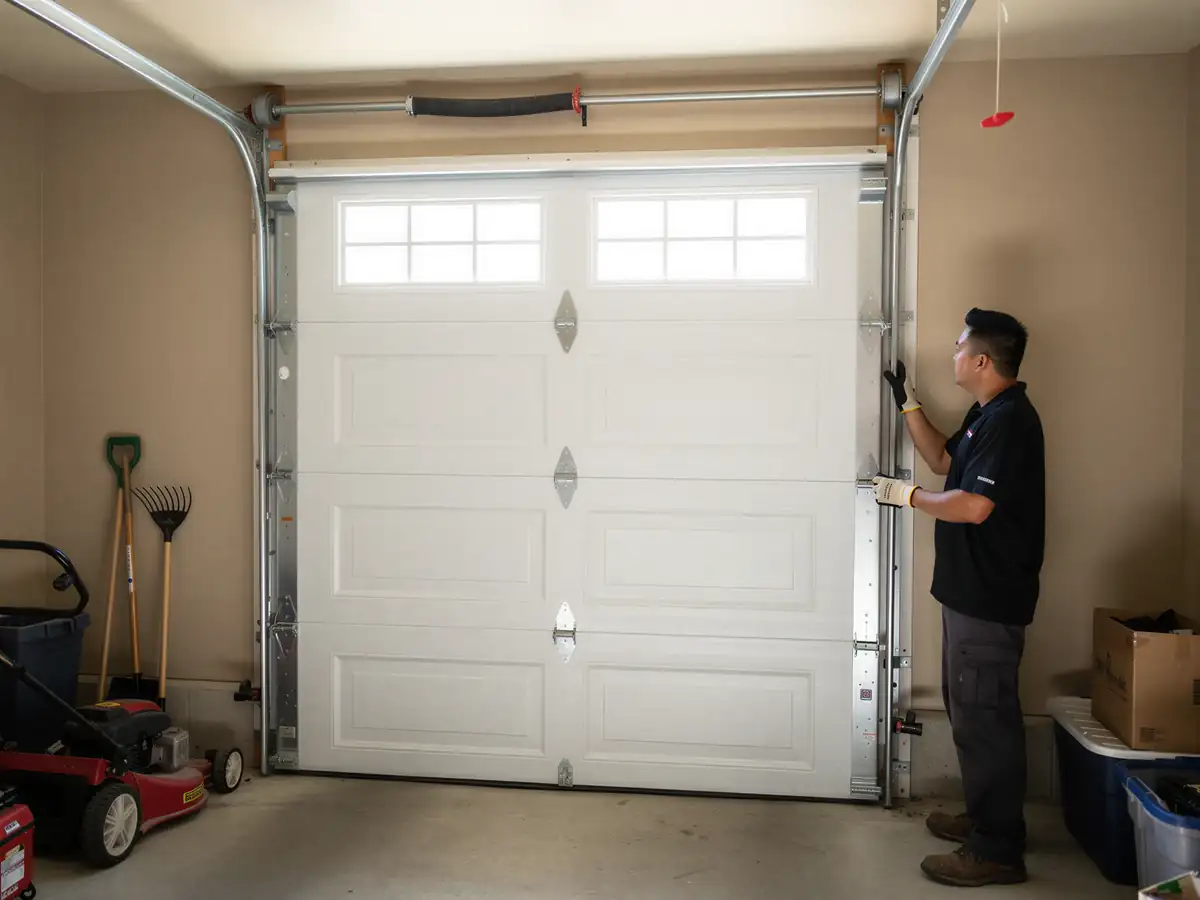
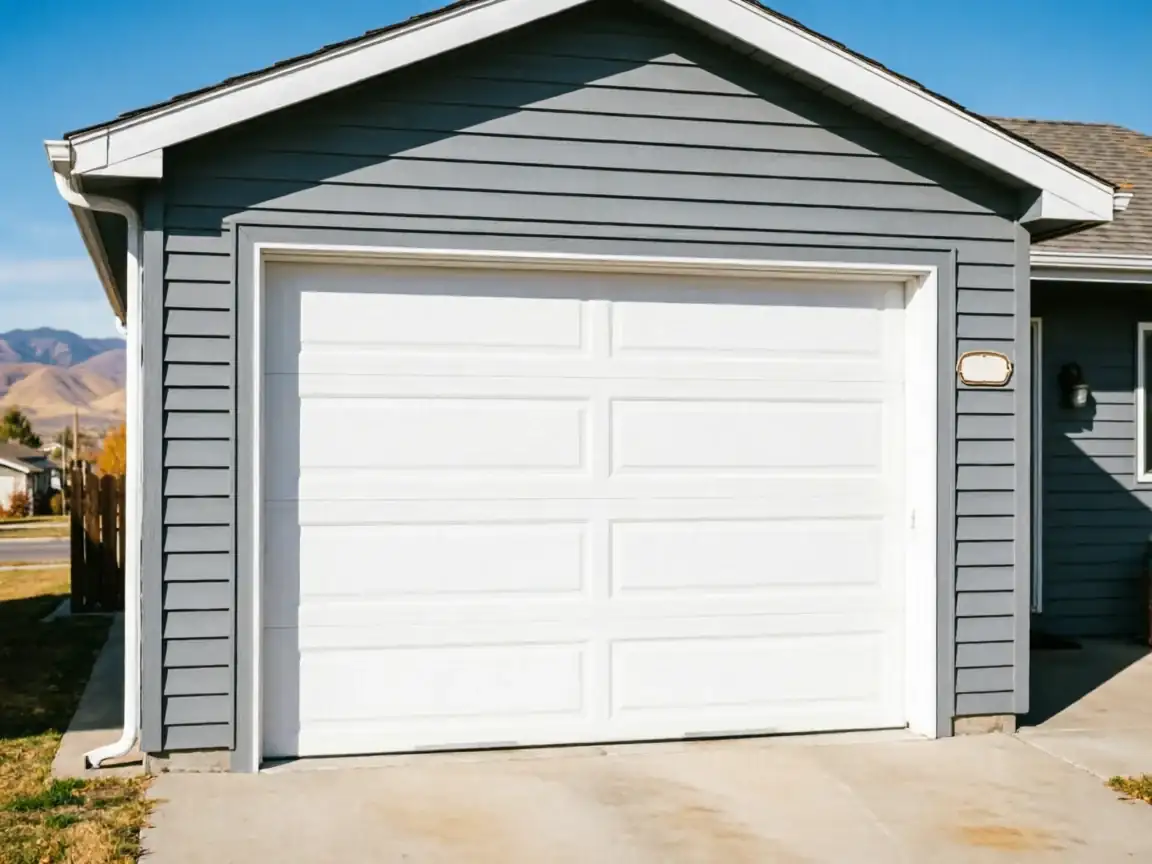
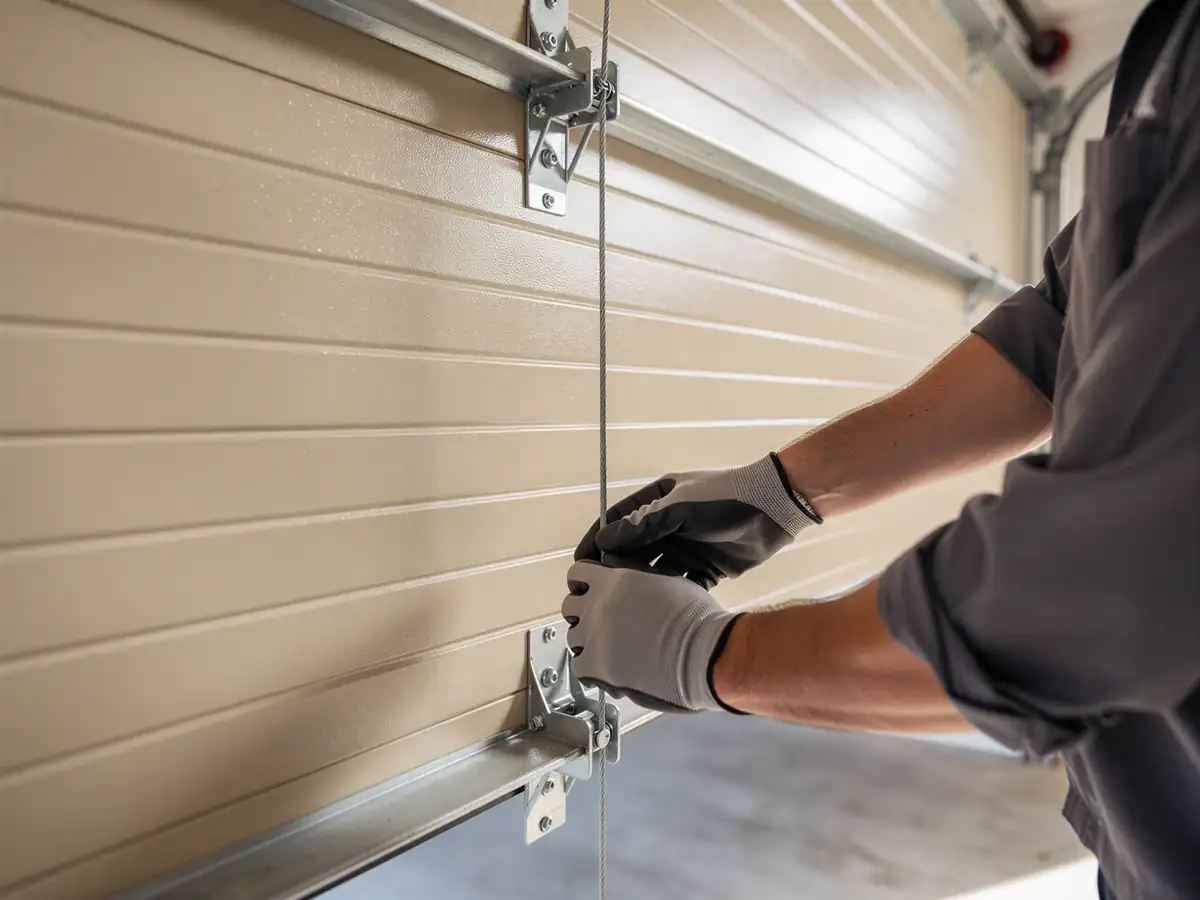
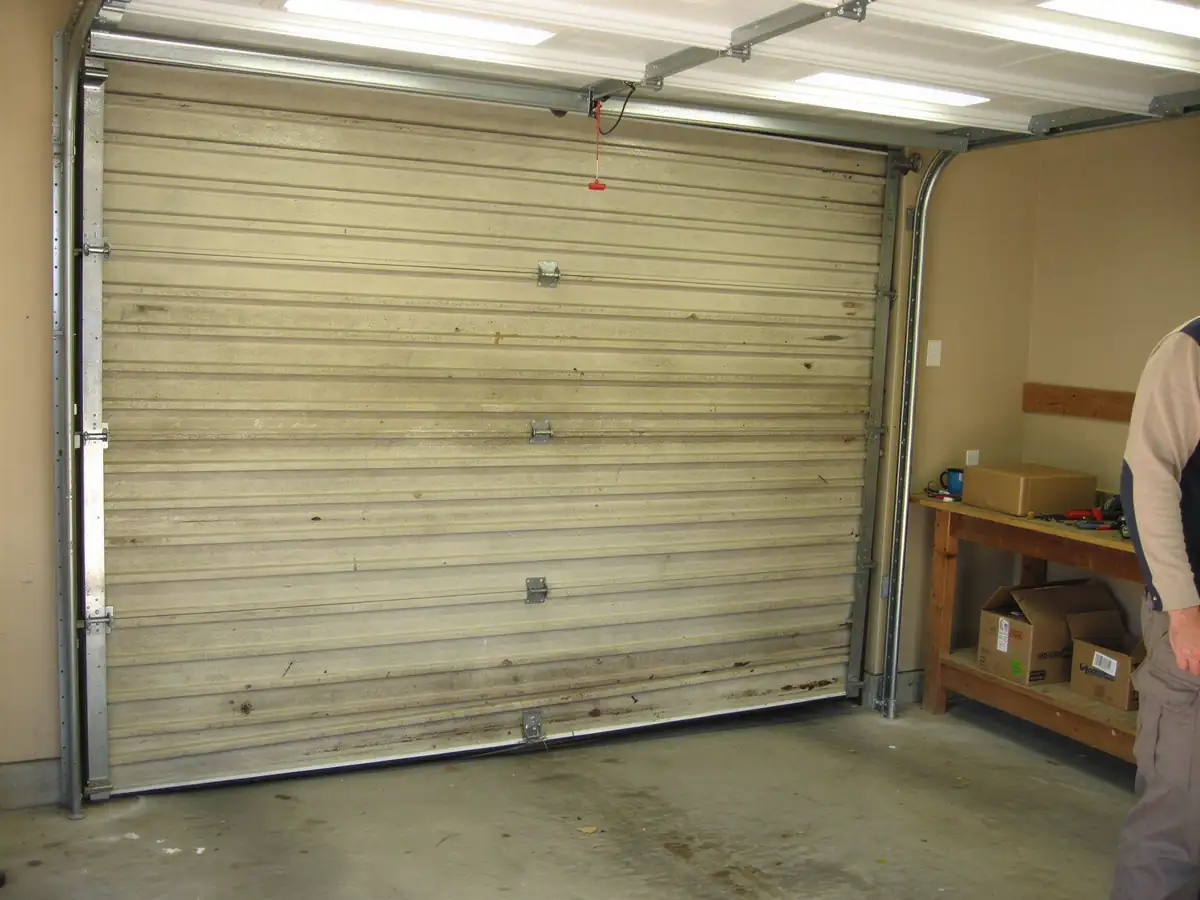
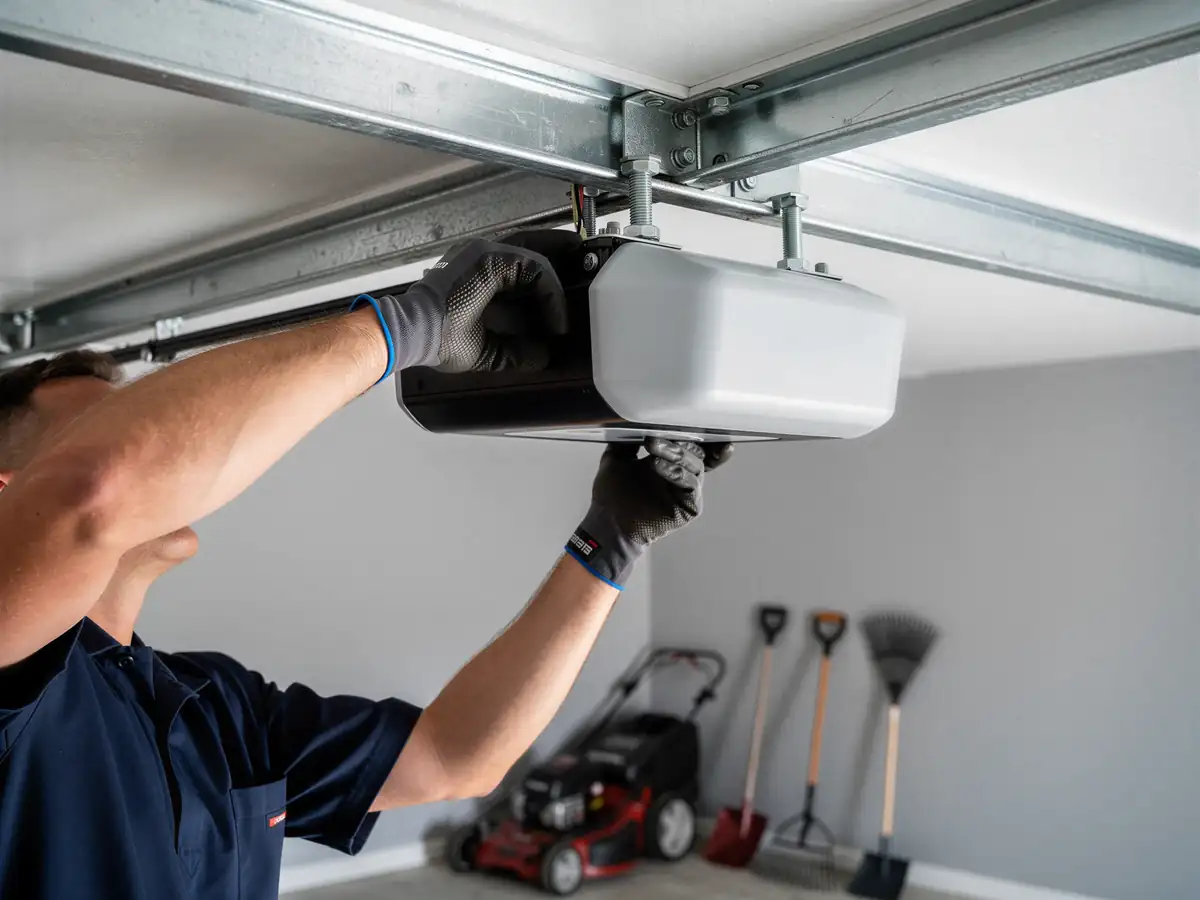
A house built in 1976 usually has a steel panel door on a standard 7-foot header, hung on extension or early torsion springs, with a header bracket pattern that's older than what current openers ship with. Installing a new opener on that door means matching the horsepower and rail length to the door's actual weight - a non-insulated steel panel from that era is lighter than today's insulated doors, so an oversized opener is wasted money and a undersized one burns out early. We measure the door, check the header clearance, and confirm the spring balance before the opener goes up, because an opener fighting an out-of-balance door is the single most common comeback call in houses of this age.
What Is on the Truck
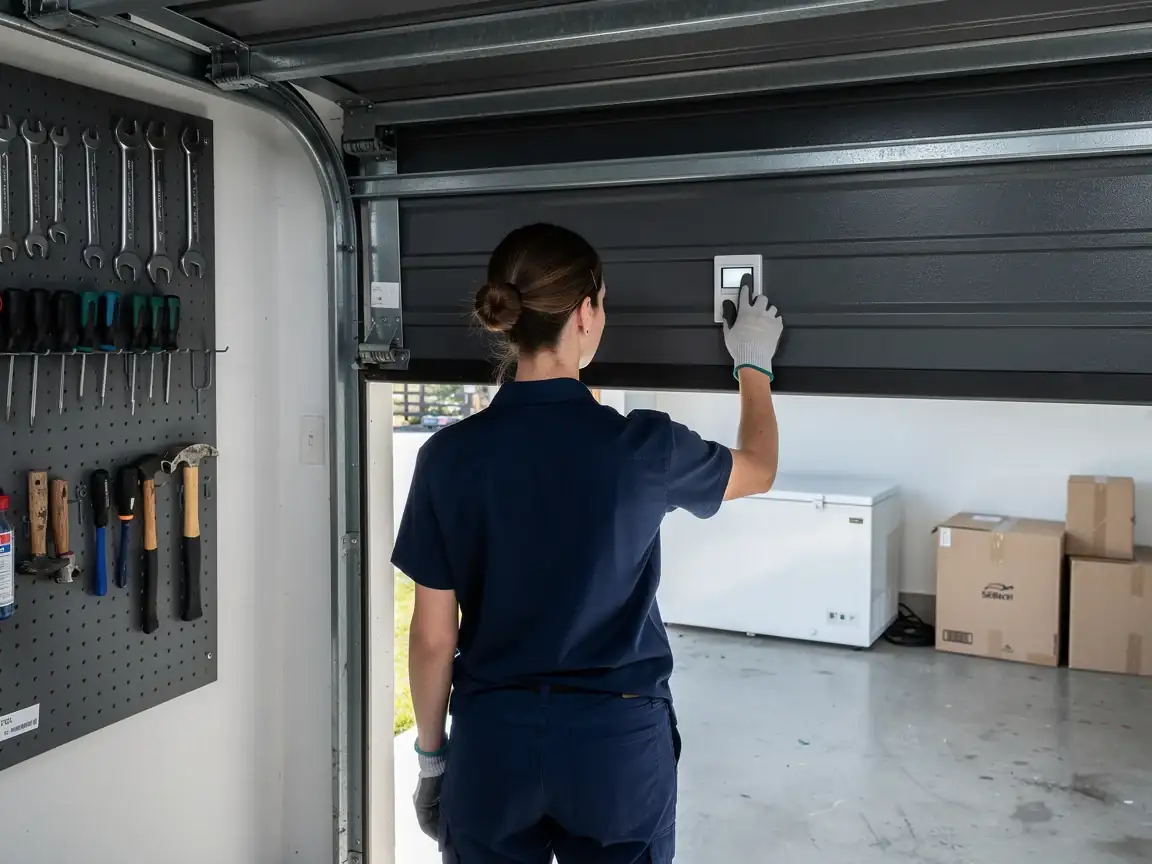
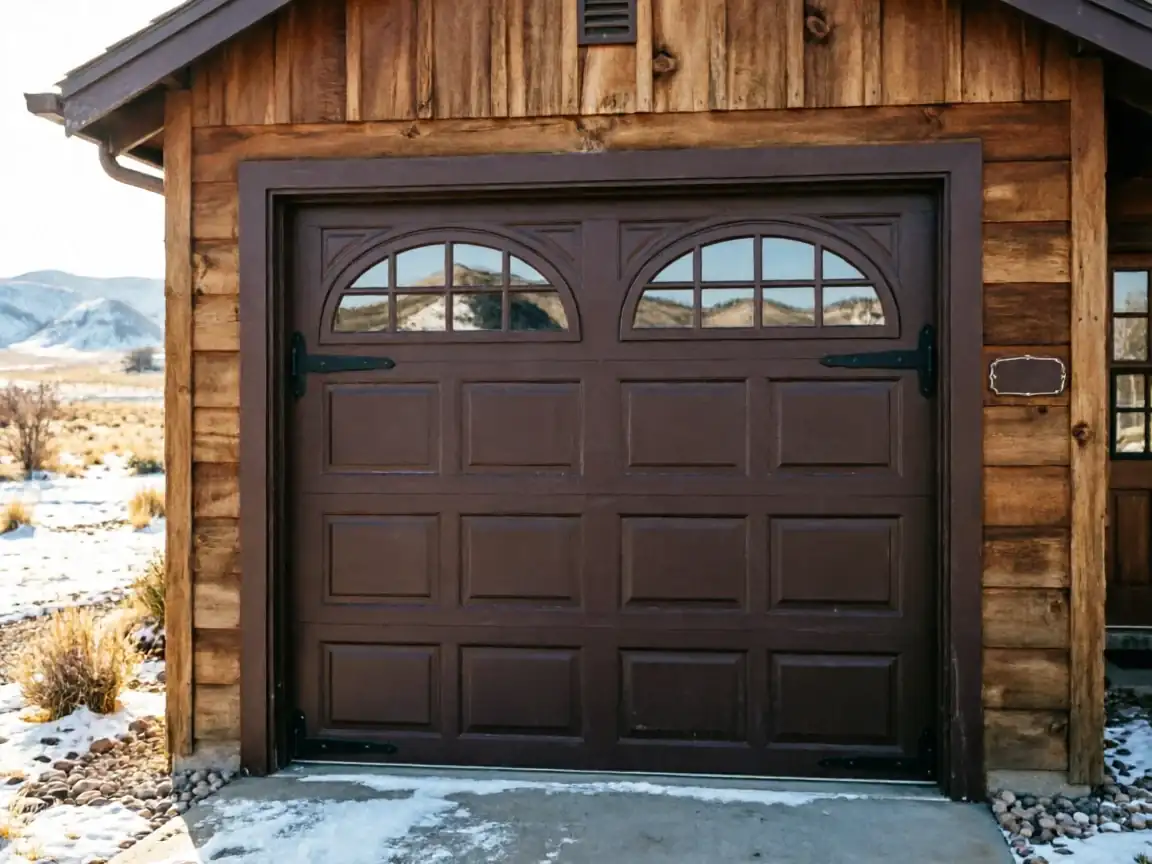
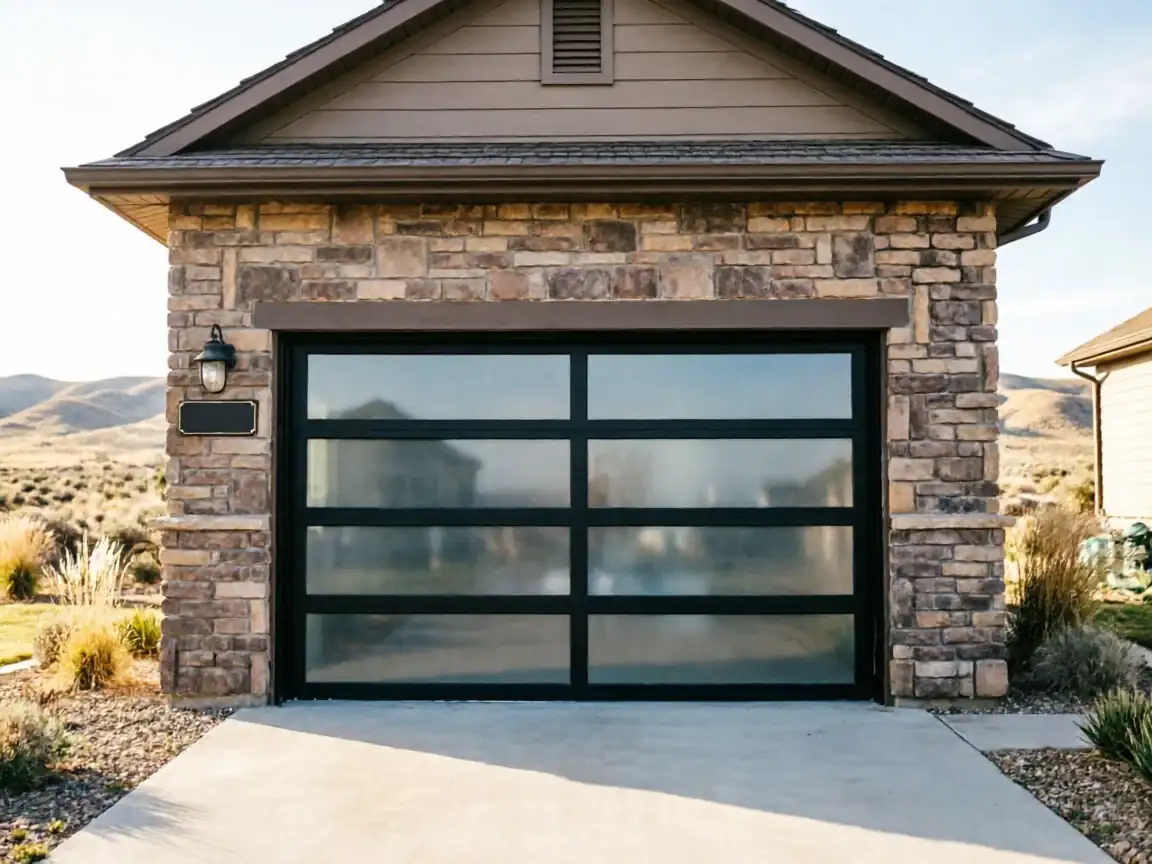
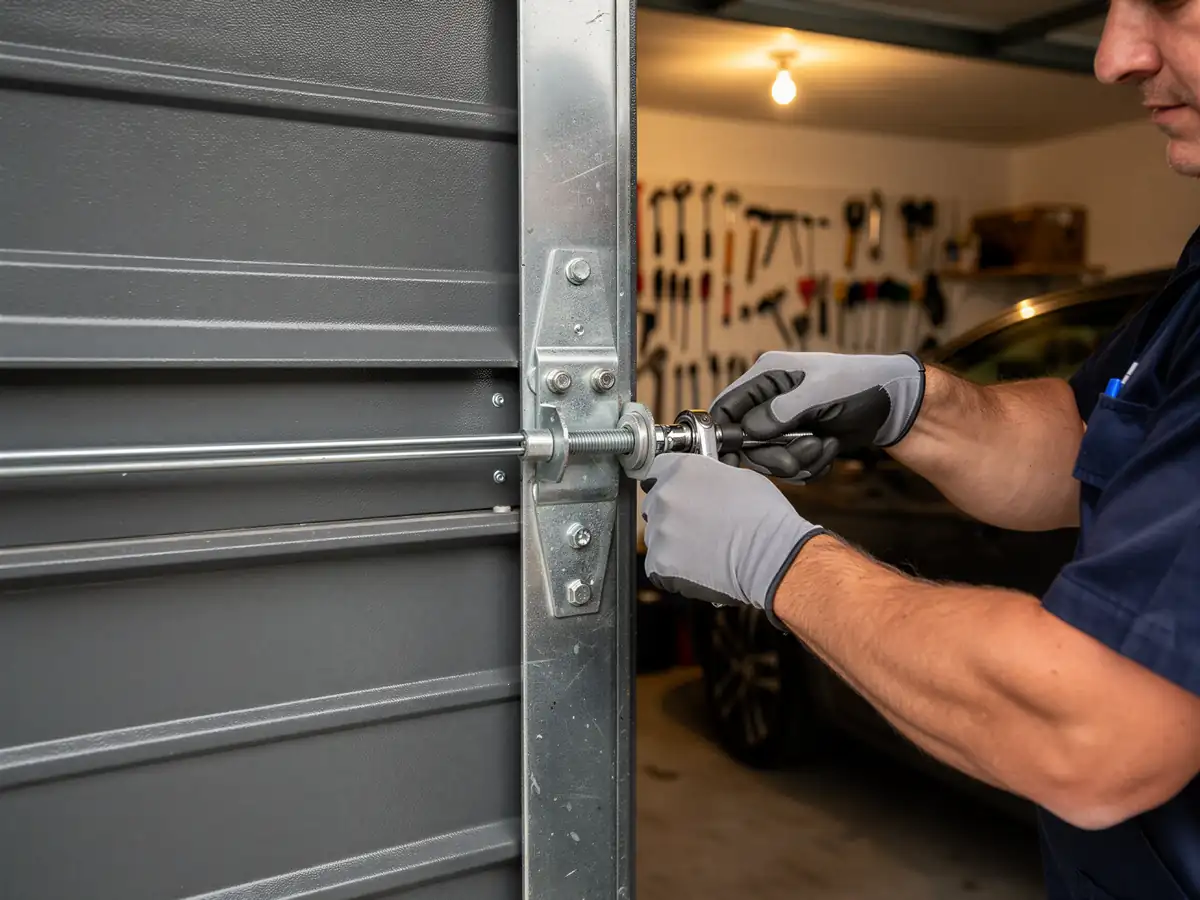
We carry belt and chain drive openers in the rail lengths that fit standard single and double bays from the 1960s-70s building stock common across this part of the service area, plus the cold-rated circuit boards this climate band calls for - Colorado's severe cold cycle is hard on cheap control boards, and we don't stock the kind that quit at zero degrees. We also carry adapter brackets for older header mounts, battery backup units, and the wall controls and keypads that go with each opener line. What we don't carry on every run is custom rail for oversized or carriage-style doors; those get special-ordered after we see the door in person.
Doing It Yourself
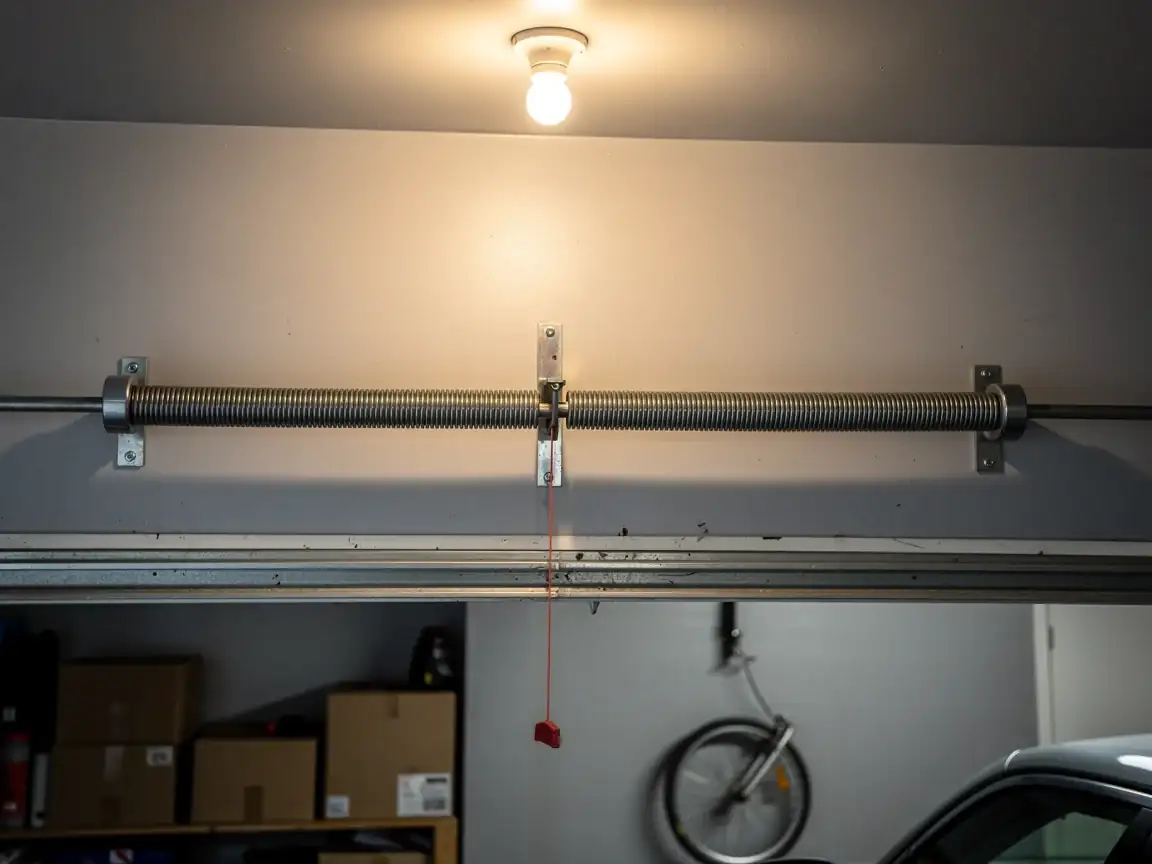
Swapping an opener yourself on a newer door is mostly wiring and bolting. On a 1976-era Columbine garage, the risk is the stuff you can't see from the box the opener came in - header brackets drilled for a different bolt pattern, a spring that's already near the end of its cycle life, or wiring not grounded to current code. If your door still has its original extension springs, treat them as a two-person, properly-restrained job or call someone; they store enough energy to break a hand. Where we'd tell you to skip the DIY route entirely is any door where the springs haven't been serviced in years - pairing a new opener with tired springs just moves the failure point from the opener to the spring, on your schedule, not ours.