What Most People Get Wrong
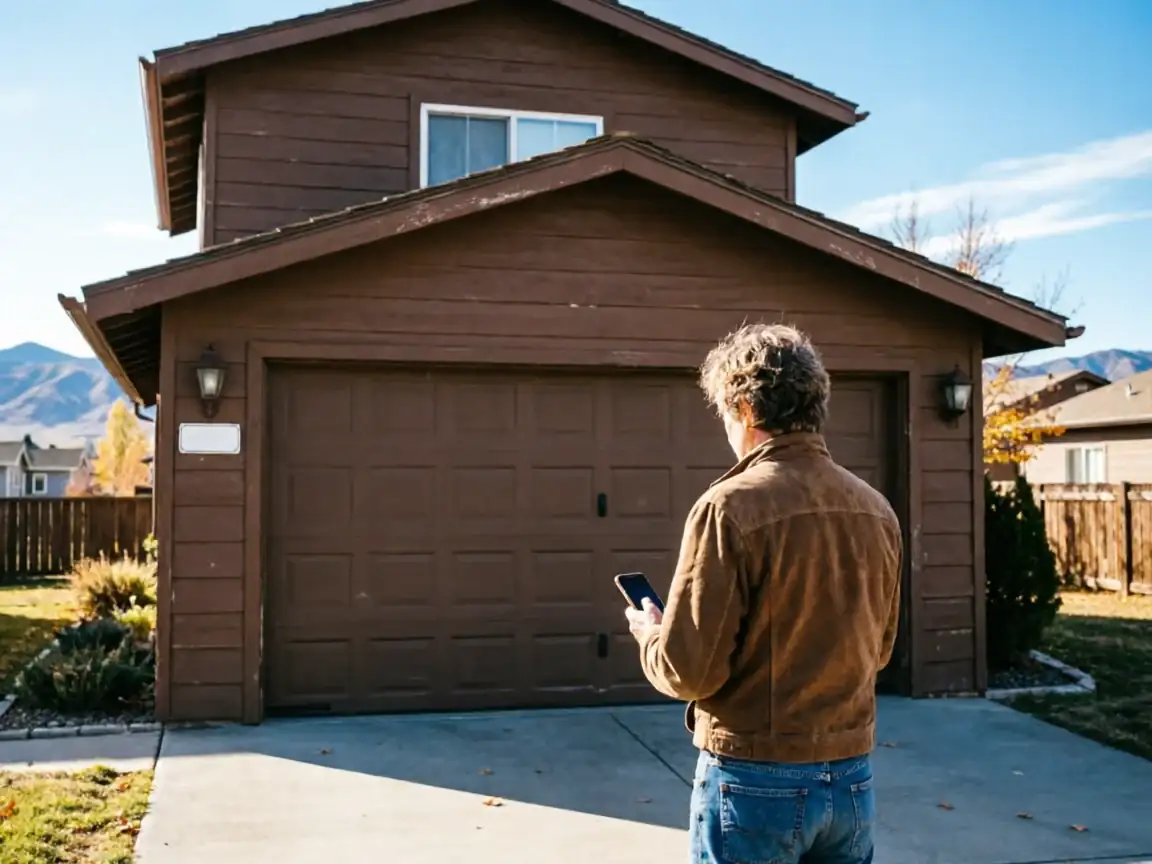
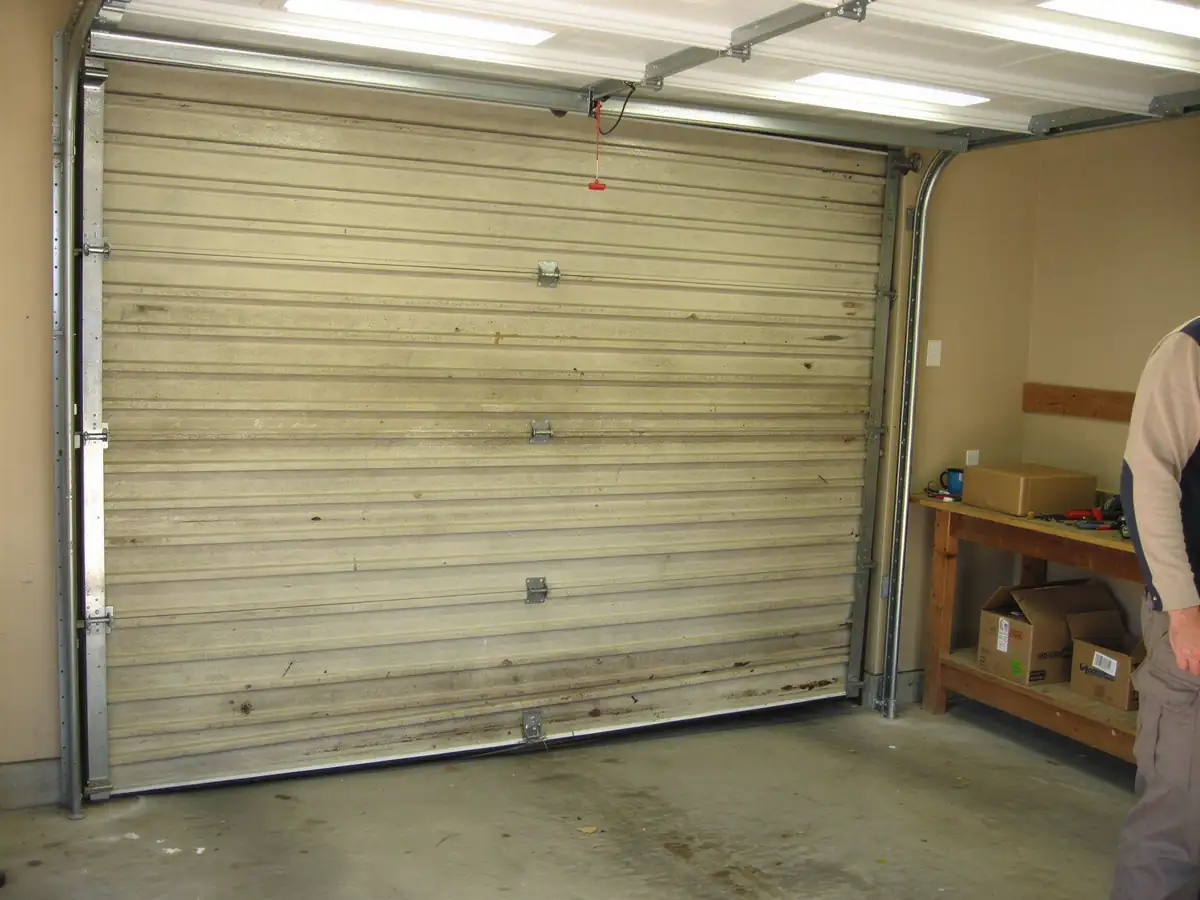
Most homeowners here treat the garage door like any other part of the house exterior, something that just needs to open and close. But a lot of Highlands Ranch housing dates back to a build window of 1938 through 2005, with the bulk of it going up in the 1960s and 70s across the area's 31 named subdivisions. That matters because for a long stretch of that window, insulation requirements for garage doors simply didn't exist the way they do now. You end up with doors on houses built before insulation rules, thin steel skins or old wood panel doors with nothing behind them but air. People assume a door that still opens fine is a door that's doing its job. It isn't, not fully, not if the garage shares a wall with living space or sits under a bonus room. The door looks original, closes square, and seems healthy, but there's no barrier between the garage and whatever Colorado throws at it outside. That's the part people miss: age and insulation are two different problems, and a door can fail on the second one while looking fine on the first.
Doing Nothing For Now
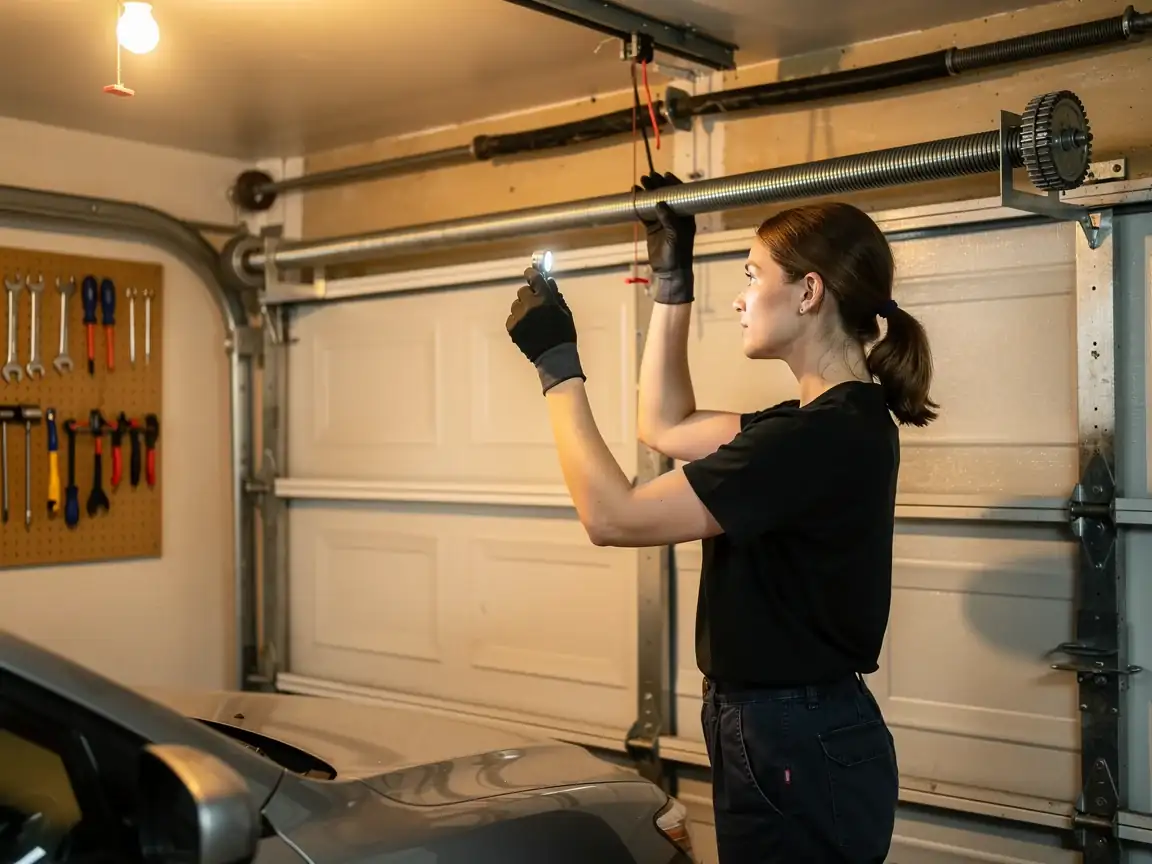
Not every uninsulated door needs to come out this year. If your garage is detached, or isn't adjacent to a bedroom or living area, the insulation gap matters less; you're mostly losing heat into an unheated space, which is a minor cost rather than a comfort problem. We'll say plainly: we don't recommend replacing a door just because it's old if the panels are sound, the hardware is in good shape, and the garage isn't driving your heating bill. Waiting makes sense in those cases. Where it stops making sense is when the garage backs onto a room you actually use, or when the door itself is warping, rusting at the bottom panel, or no longer sealing tight against the weatherstrip. On a lot of the original doors still standing from that 1938-2005 build era, the steel has thinned enough that even a basic foam-board retrofit kit won't hold its shape against wind load the way a built-for-it insulated panel will. That's the honest limit of a patch job. If the door's structure is still good, add insulation. If the structure's going, don't throw insulation money at it first.
How Local Conditions Play In
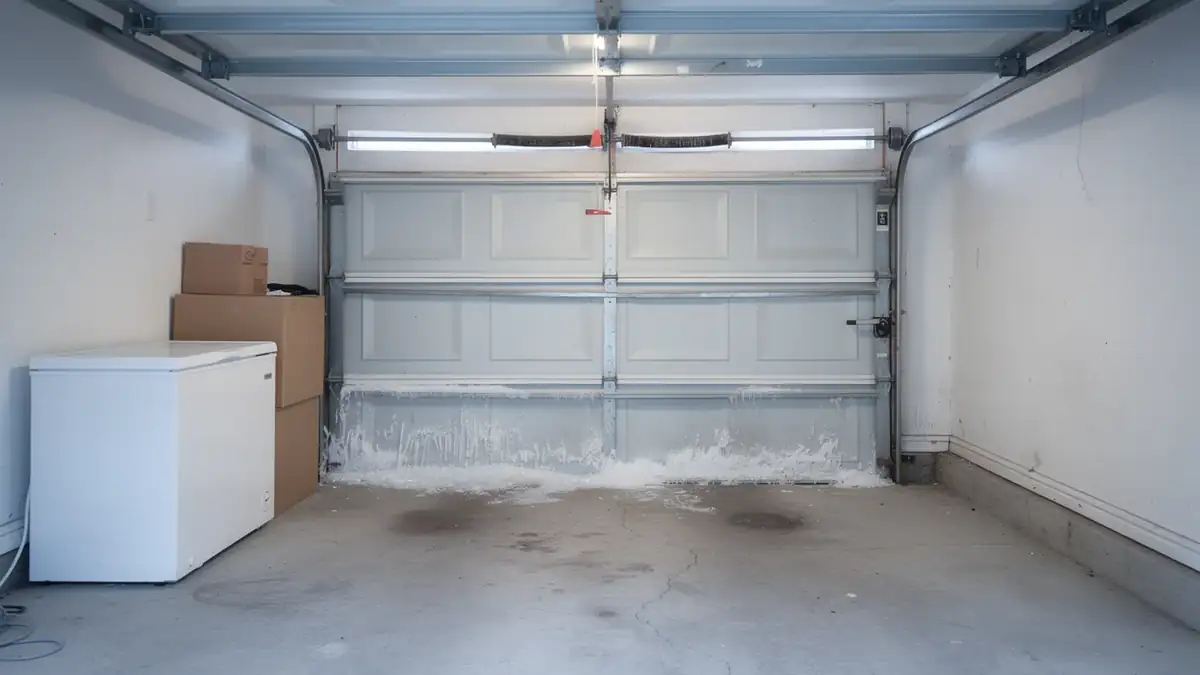
Severe cold isn't an abstract label here, it's the reason an uninsulated door is a bigger deal in Highlands Ranch than it would be somewhere mild. Steel contracts in cold temperatures, and a thin, uninsulated panel flexes more than a layered one, which stresses hinges and rollers faster over a winter season. Condensation is the other piece: a cold, uninsulated door skin meeting warmer garage air builds moisture on the inside face, and over years that moisture finds the bottom panel seam first, which is usually where we find rust starting on the oldest doors in this area. None of that happens overnight. It's a slow accumulation that tracks with how many severe-cold winters a given door has sat through uninsulated. A door installed in the 1970s has been through a lot more of those cycles than one installed ten years ago, which is part of why age and insulation status tend to go together here even though they're not technically the same thing.