Booking a Visit
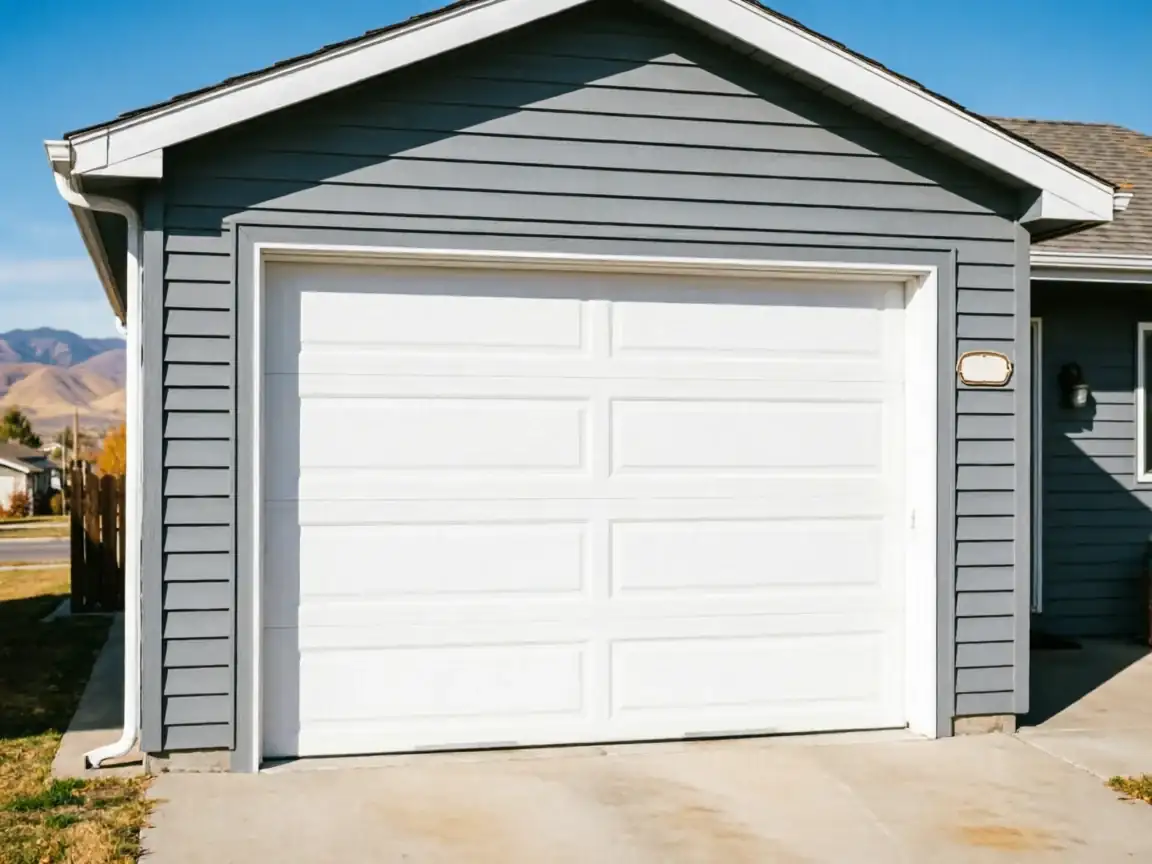
Columbine sits six miles from our Highlands Ranch base, which is close enough that a call here doesn't turn into a half-day round trip. That matters for scheduling - six miles is a short enough hop that we can usually slot a Columbine job between two Highlands Ranch calls without either homeowner waiting around. We don't run a branch in Columbine itself; every truck comes from Highlands Ranch, so when you call, ask where in the route the day currently stands. We book by what's wrong with the door, not by zip code, but the short drive means we're not guessing at arrival windows the way we would be for a town twenty miles out.
When you call, tell us the age of the house if you know it - a lot of Columbine was built in the mid-1970s, and that one detail tells us more about what's likely broken than almost anything else you could say over the phone.
What the Fix Involves
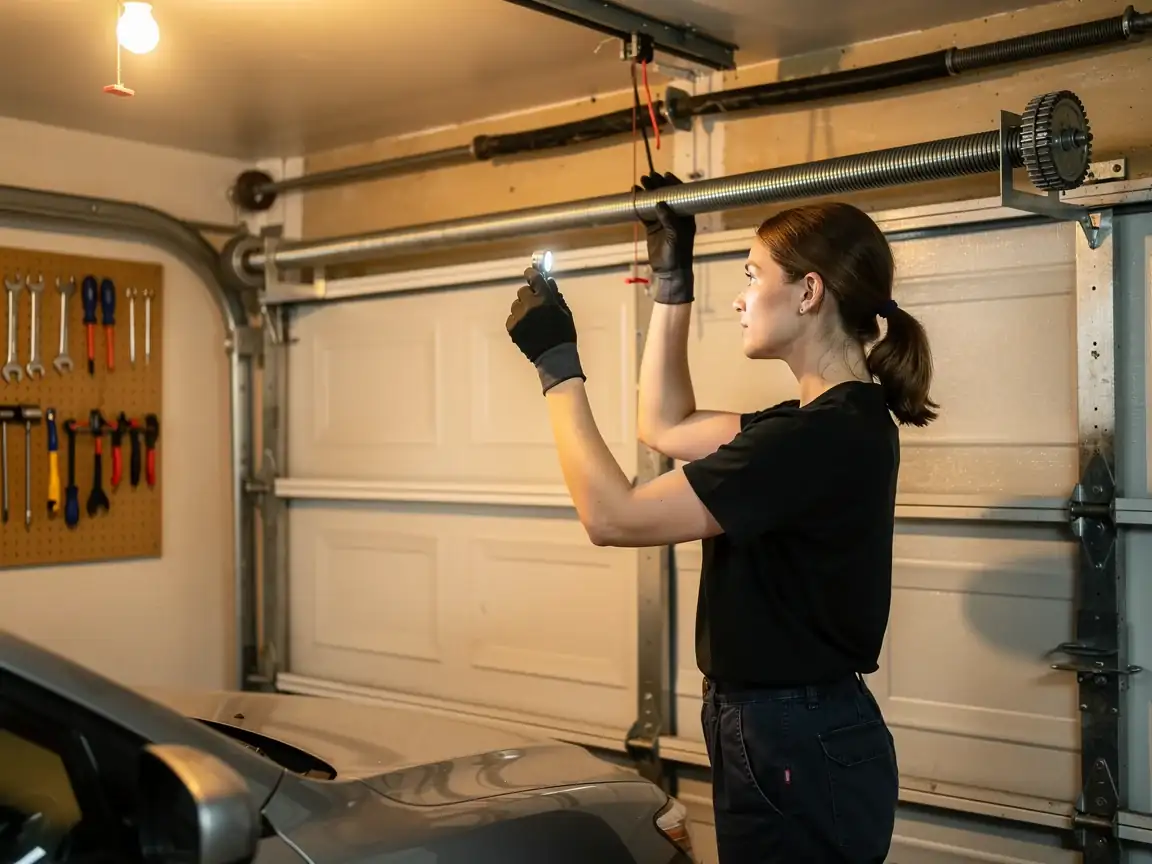
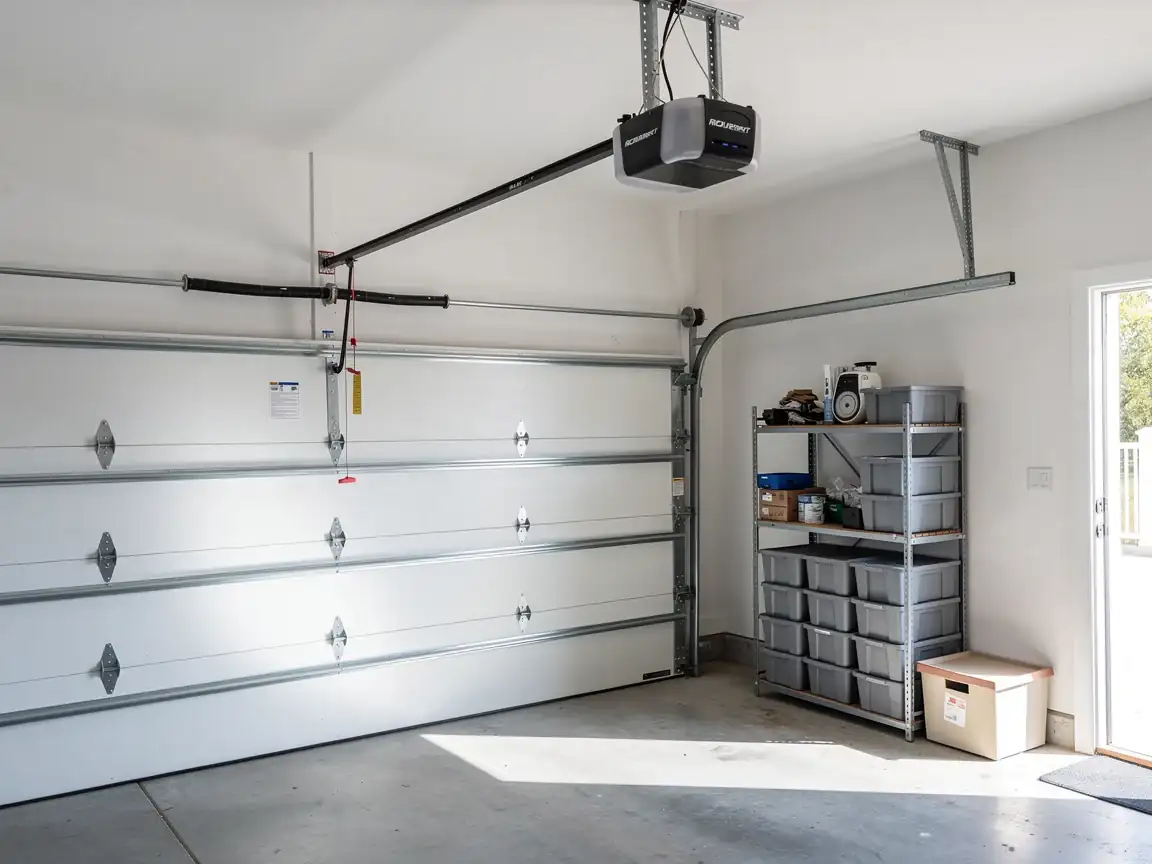
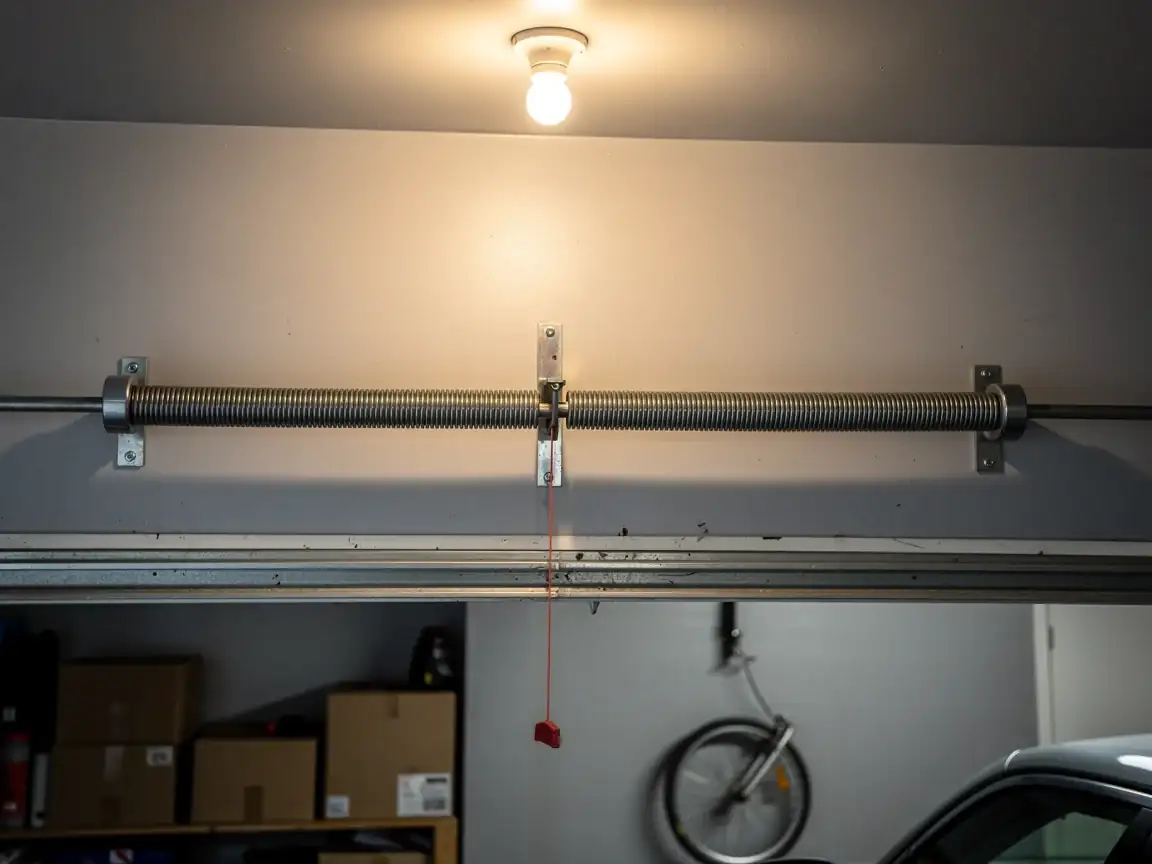
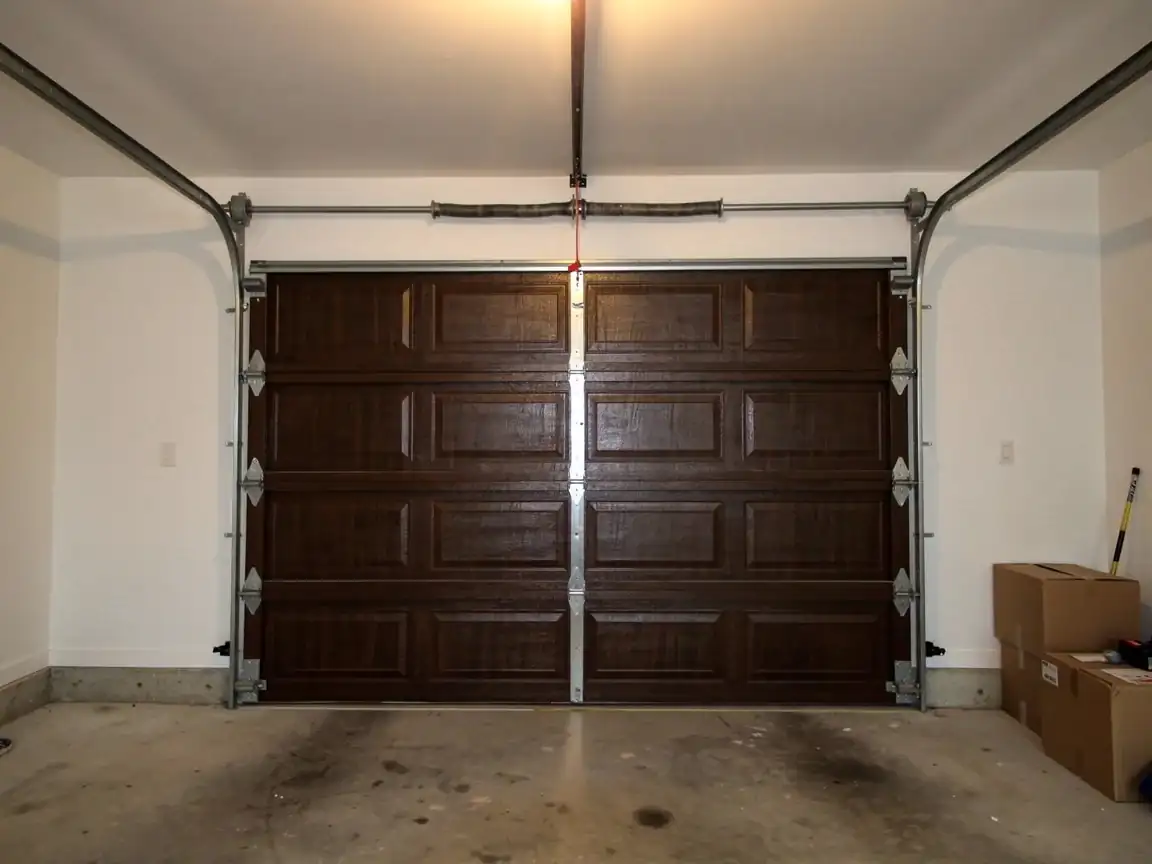
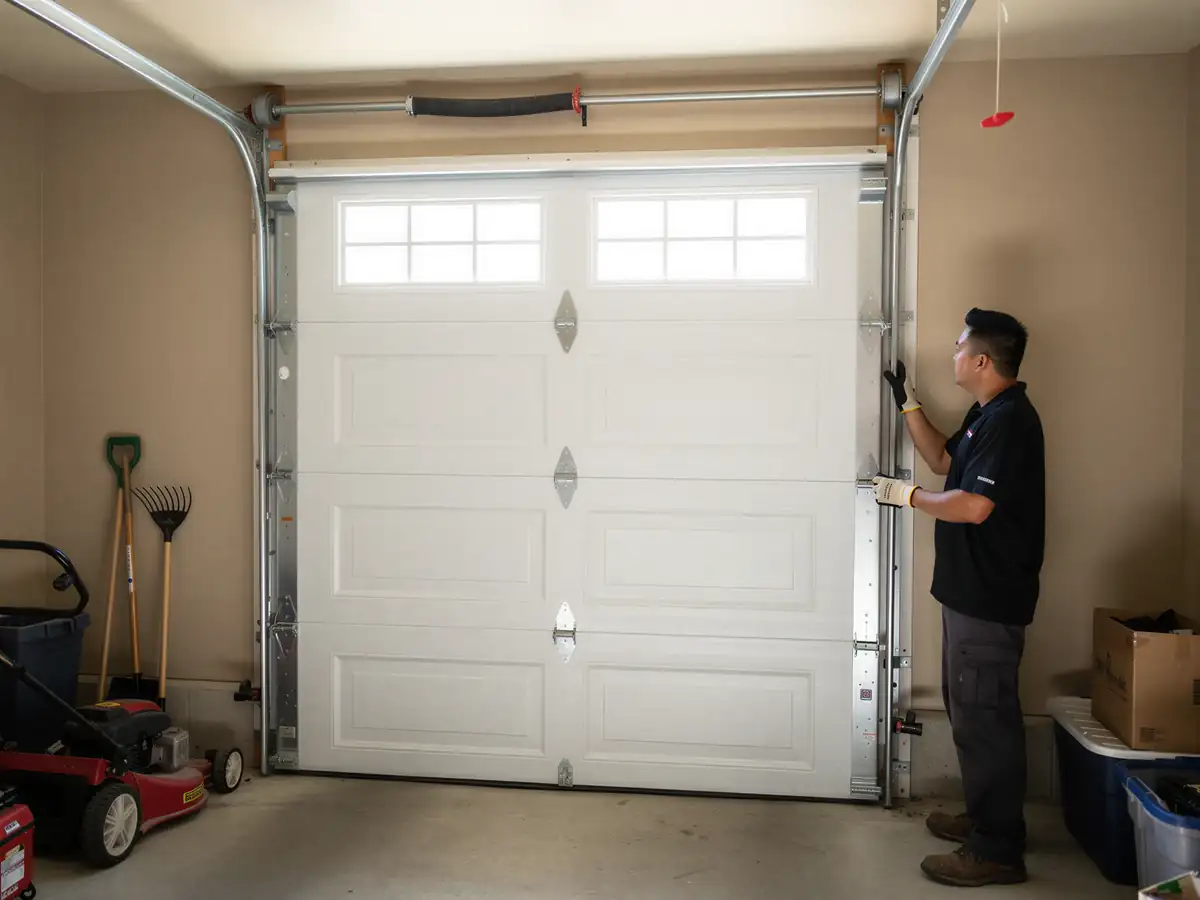
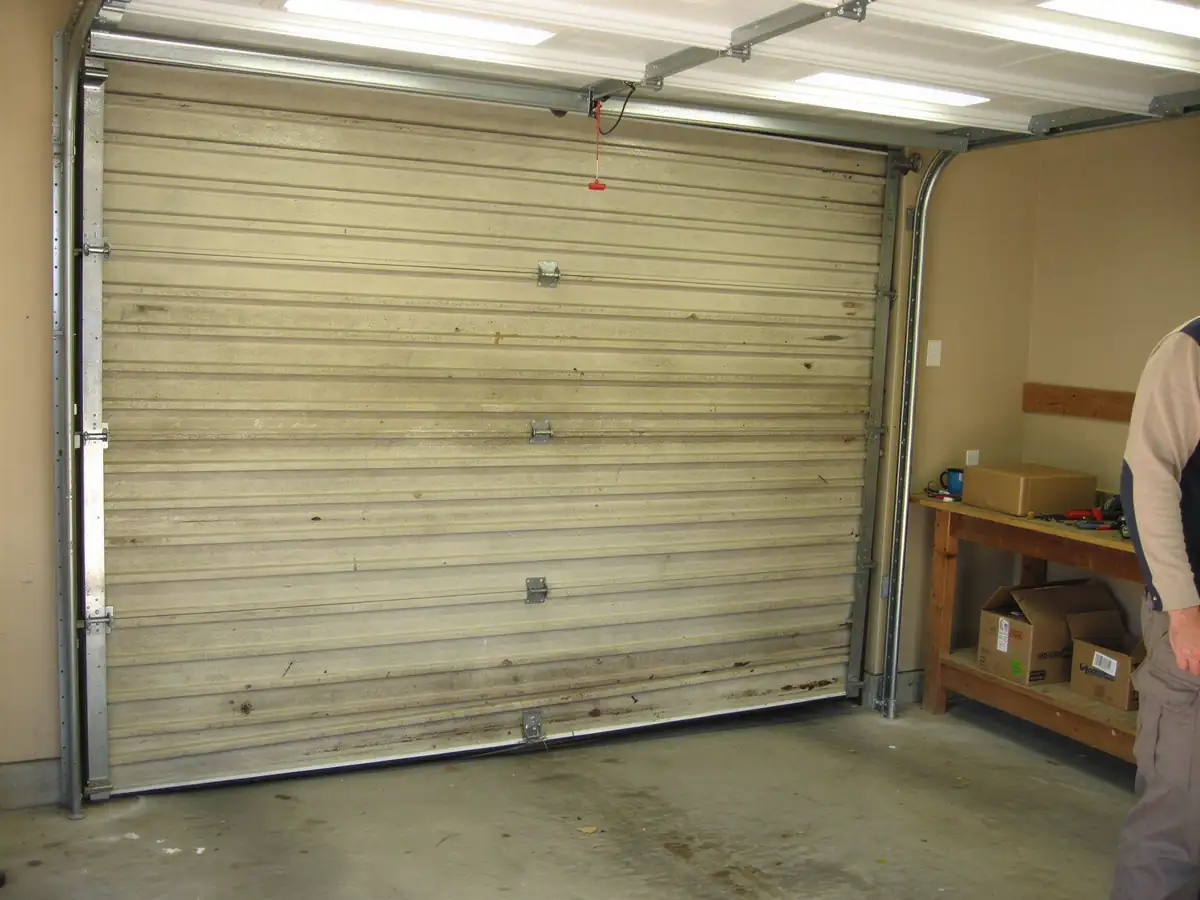
Most of Columbine went up around 1976, which puts a big share of these garage doors and their first-generation openers well past the point where original parts are still on a shelf anywhere. That era favored extension springs mounted along the horizontal track rather than torsion springs over the header, and those extension setups fail differently - they tend to drop one side of the door suddenly instead of giving the slow sag a torsion spring gives you. If your door is original to a 1970s build here, we're often not just swapping a spring, we're bringing the whole lift system up to a torsion setup because the extension hardware and its safety cables are no longer something we'd stand behind.
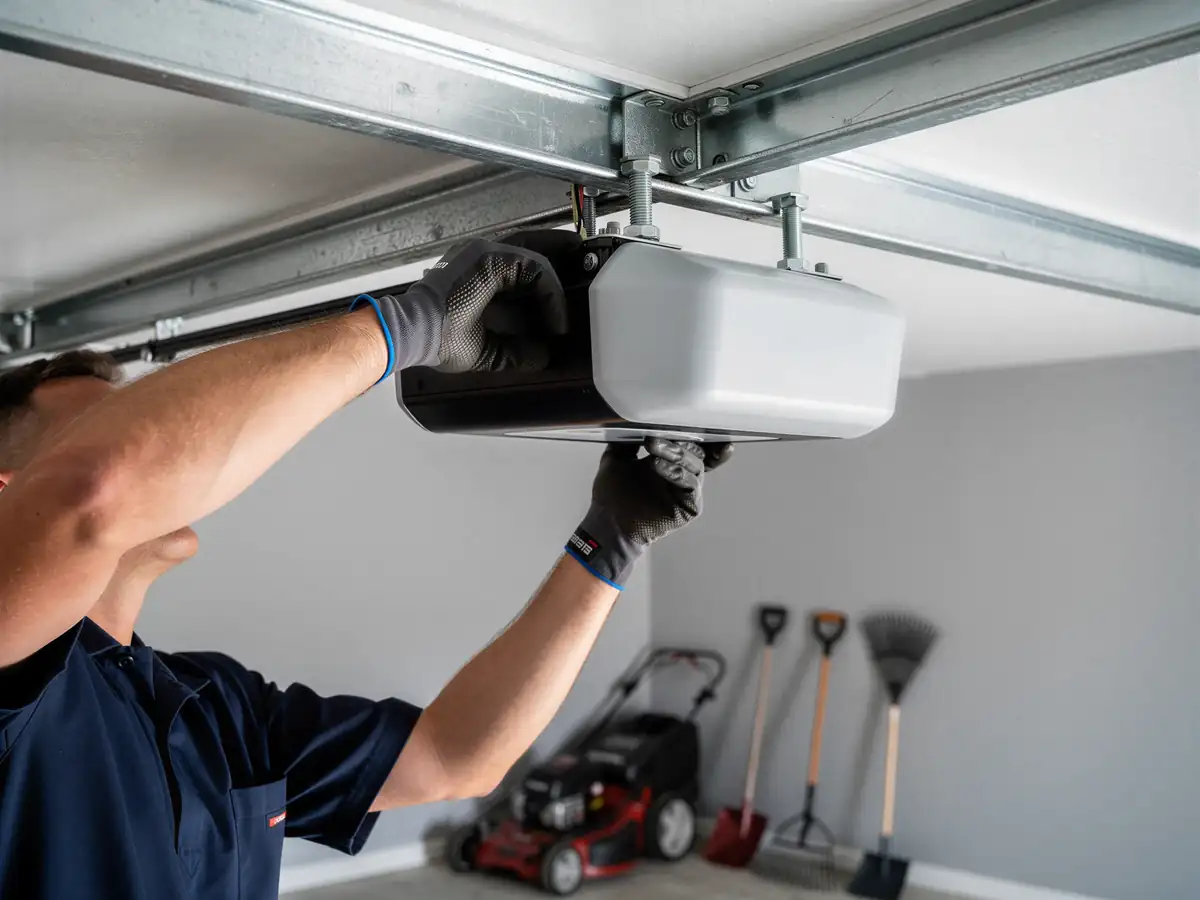
Newer openers on these same doors are usually a simpler fix - a logic board or a worn drive gear, not a structural problem. We diagnose before we quote, because a 1976 door with an extension spring system and a 2015 door with a chain-drive opener are two different jobs wearing the same address.
How Long You Are Without the Door
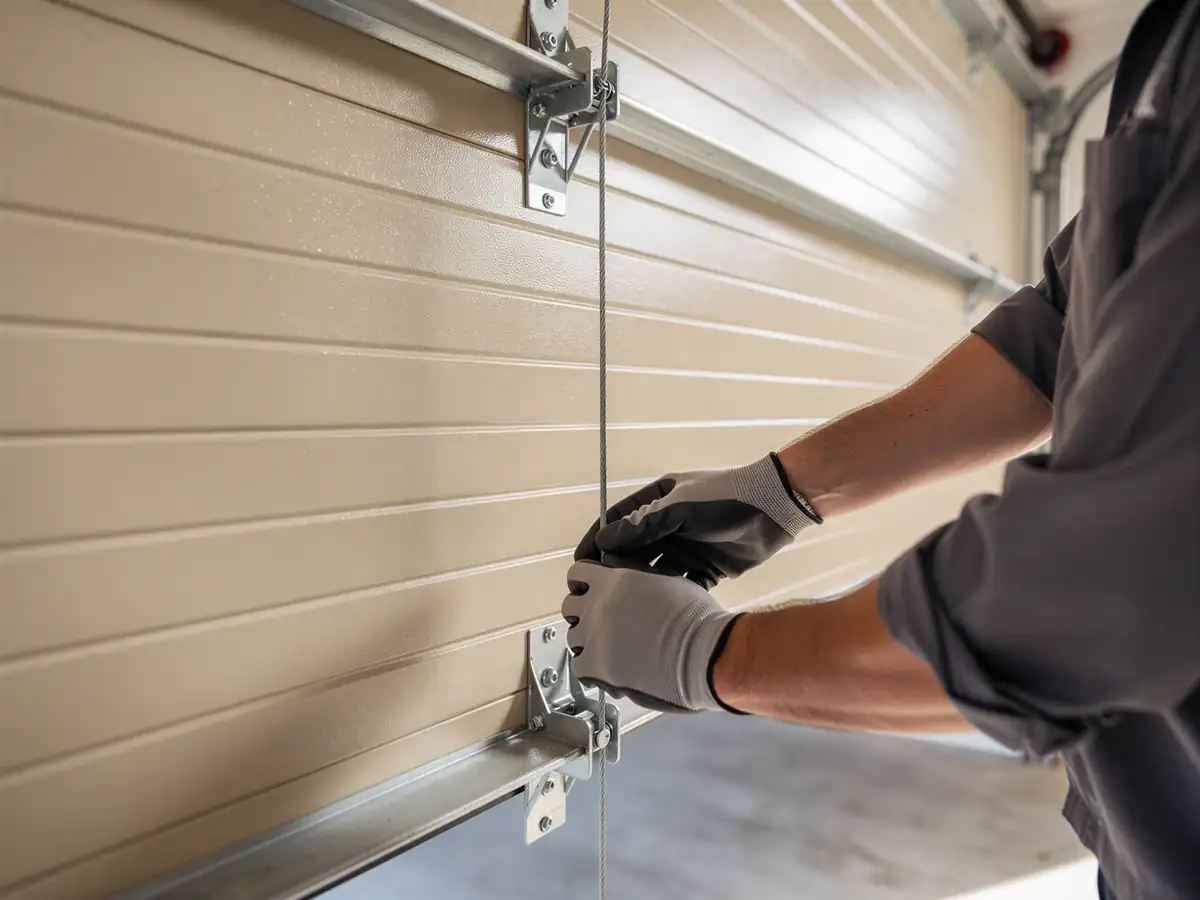
A straight spring or cable replacement on a Columbine job is usually a same-visit fix
We carry torsion springs sized for the doors common to houses built in the 1970s, so we're not waiting on a part to show up before we can close the job. Where it runs longer is when a 1976-era extension system needs full conversion to torsion hardware, since that's more than a swap - it's new track hardware and a recalibrated opener, and we tell you that on the spot rather than promise a one-hour visit that turns into three.
Winter changes the math some
Cold-soaked steel springs and brittle plastic rollers from decades-old installs crack during the first hard cold snap of the season, and we see that pattern every year. If your door's original hardware is original to a 1970s build, plan for us to flag anything else worn while we're in there, because a severe cold climate doesn't give aging parts a second chance to fail gently.
What Is on the Truck
Because Columbine runs older on average - most of the stock here dates to the mid-1970s - the truck carries torsion conversion kits, extension-to-torsion brackets, and a range of spring sizes built for single-car and double doors from that construction era, not just whatever's newest off the line. We also carry the heavier-gauge rollers and cables suited to a severe cold climate, since brittle nylon rollers and thin cable strands are the first things to snap once overnight temperatures stay down for a stretch.
What we don't carry is custom-width panel stock for doors outside standard sizing - if a 1970s double door needs a full panel replacement rather than a repair, that's often a special order, and we'll tell you the lead time rather than guess at it.
Doing It Yourself
A loose roller or a dented panel bracket on a 1970s-era door is something a handy homeowner can often tighten or replace without calling us. Lubricating track and checking bolts twice a year costs nothing and extends the life of original hardware that's already outlasted its warranty by decades.
Where we'd stop you: extension springs under tension, especially on an original 1976-era setup without a safety cable running through the coil. Those springs store enough force to cause real injury if they let go while you're working near them, and a lot of these older Columbine installs were built before safety cables were standard. If you're not sure whether your spring has one, that uncertainty alone is the reason to call rather than find out.
What Can Go Wrong
The most common failure on Columbine's mid-1970s housing stock is an extension spring snapping without a containment cable
Which lets the spring whip loose instead of staying put - that's a hazard, not just an inconvenience. Second most common: openers original or near-original to houses from that era losing their logic boards after forty-plus winters of temperature swings typical of this severe cold climate.
What doesn't go wrong as often as people expect: the door panels themselves
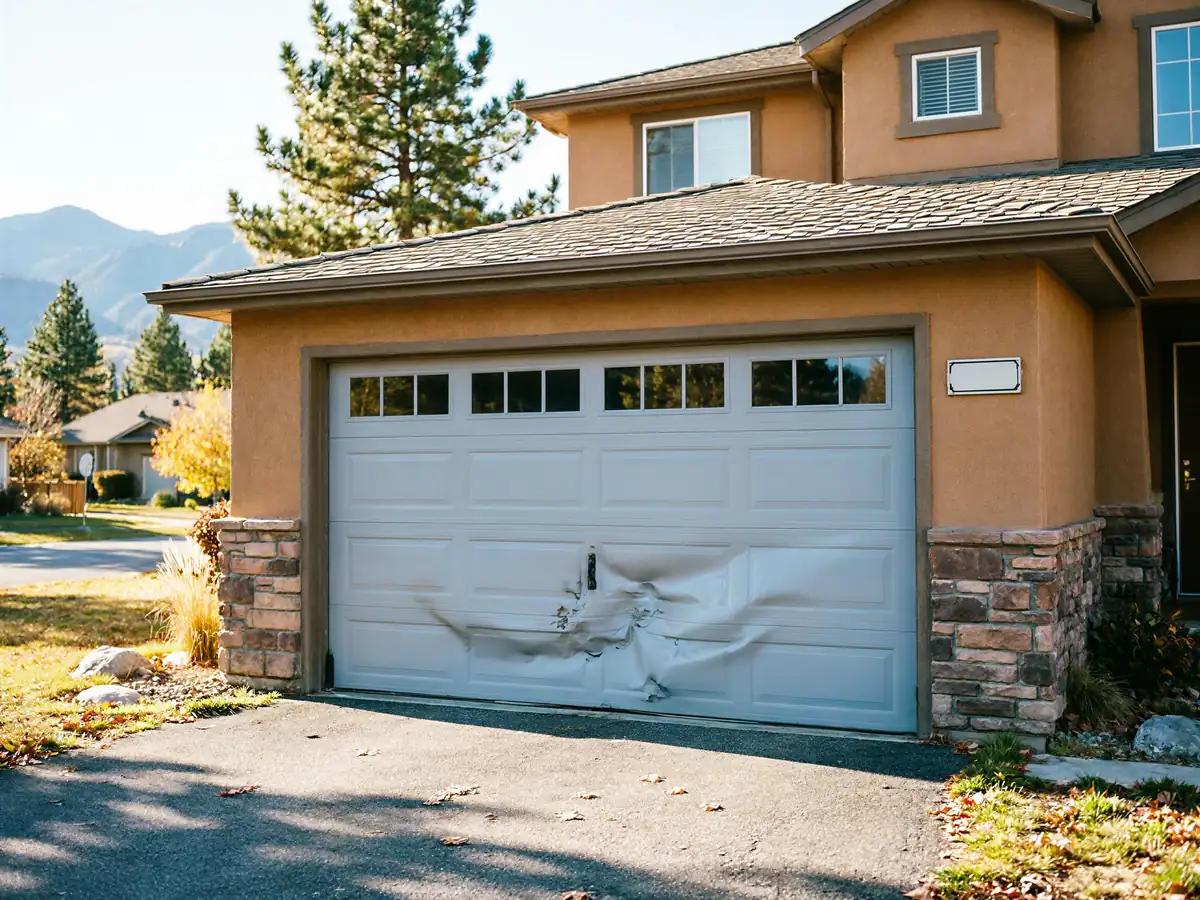
Steel doors from the 1970s were built heavy, and most of what we replace on them is the moving hardware, not the panel. The honest limitation here - if a panel is cracked or rusted through on one of these older doors, matching the original profile isn't always possible, and a full door swap sometimes makes more sense than chasing a match that doesn't exist anymore.