


Timing on This Area
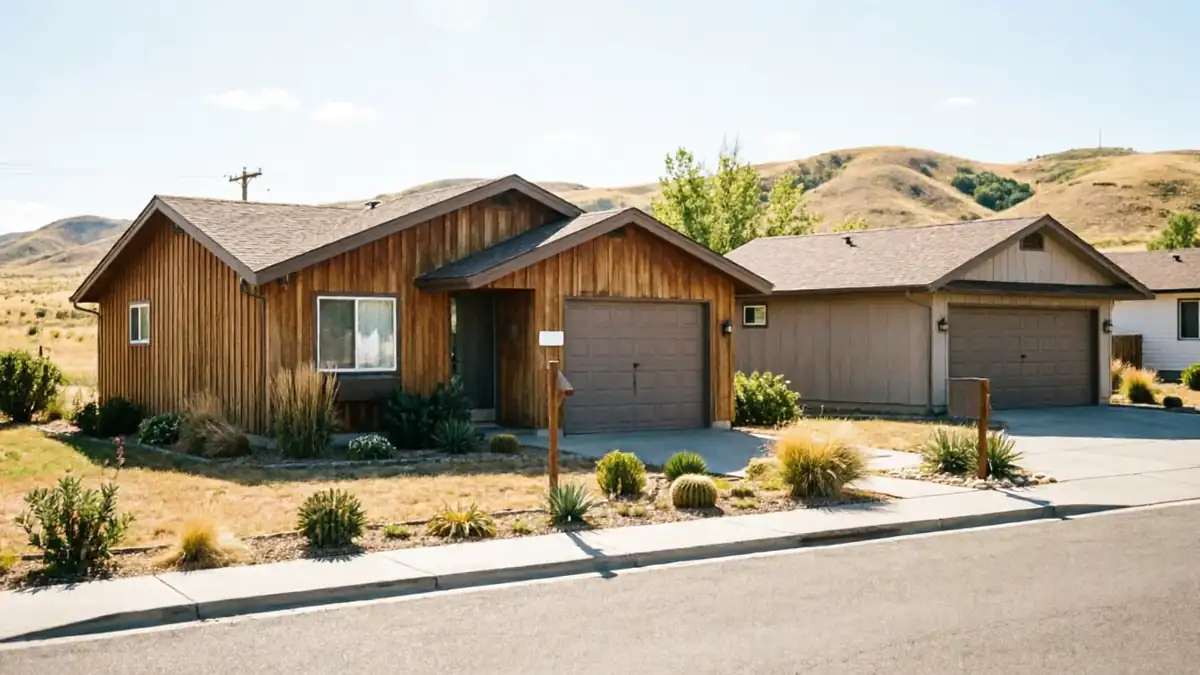
Wheat Ridge is a different build era than a lot of the territory we cover out of Highlands Ranch. The typical house here went up around 1964, which puts it well ahead of the newer subdivisions closer to our shop. That gap matters more than people think. A door and opener installed on a mid-1960s house has usually been replaced at least once already, sometimes twice, and whoever did that second install didn't always match the original hardware spec. We see a mix of eras stacked on top of each other on the same house: 1960s framing, a 1990s steel door, and an opener from whatever decade it last broke down. Across our wider service area the housing stock runs from 1938 up through 2005, with a lot of it concentrated in that 1960s-70s band, and Wheat Ridge sits right in the middle of that range rather than at either edge. It's about 18 miles from our base in Highlands Ranch, so a visit here is a planned trip, not a drive-by - we don't keep a truck parked nearby, we come out when a job is scheduled.
What That Means for Doors
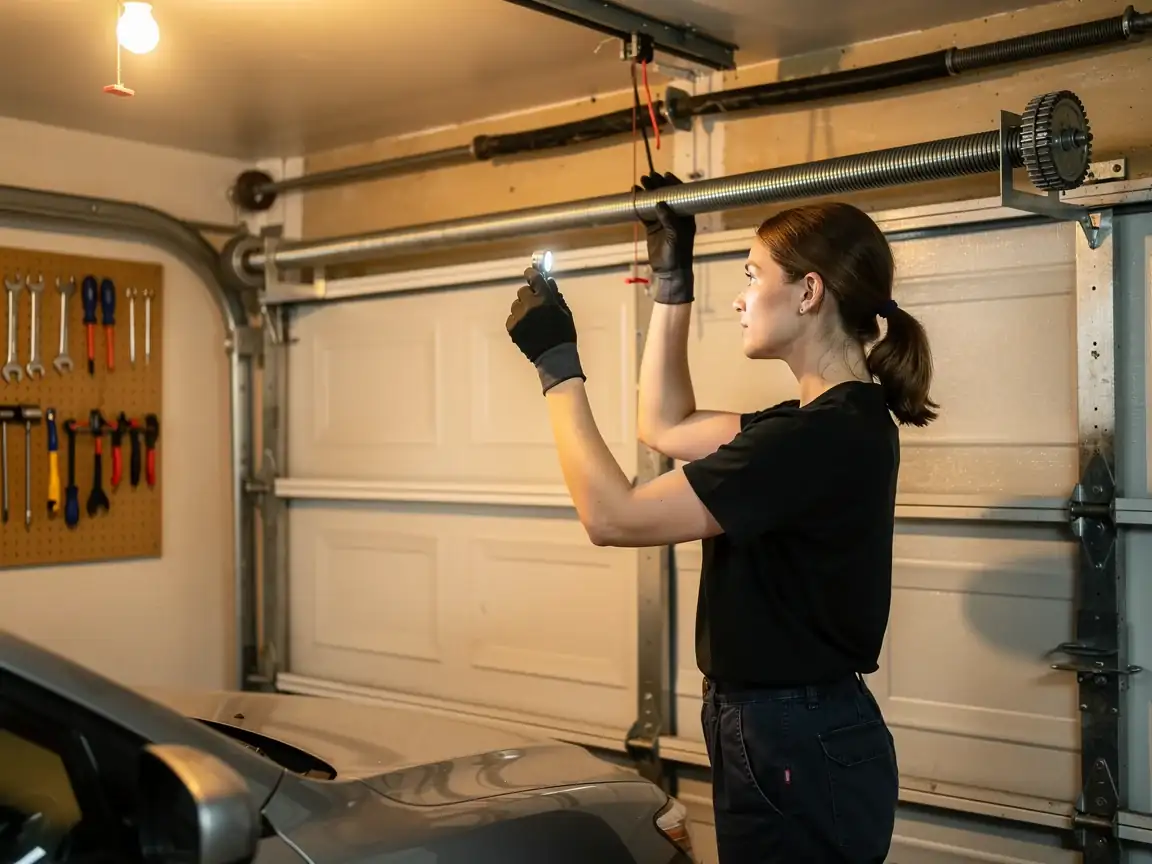
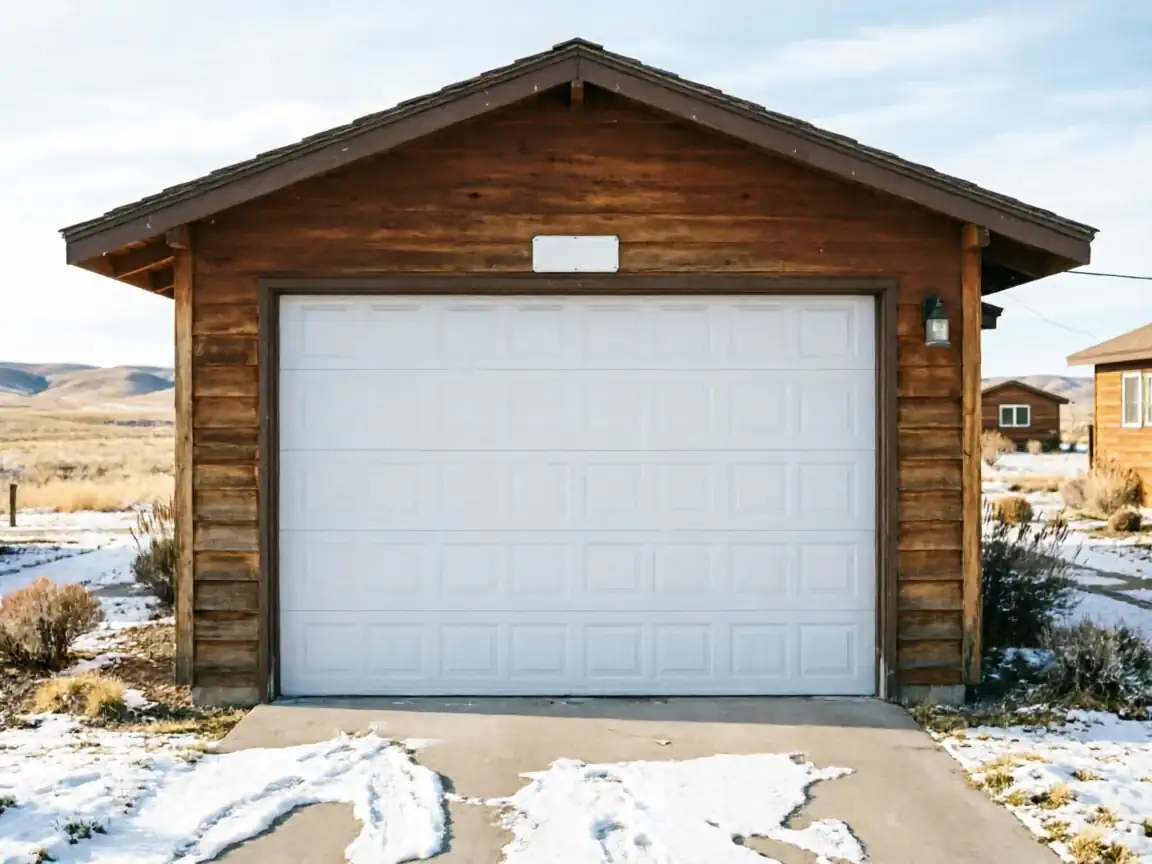
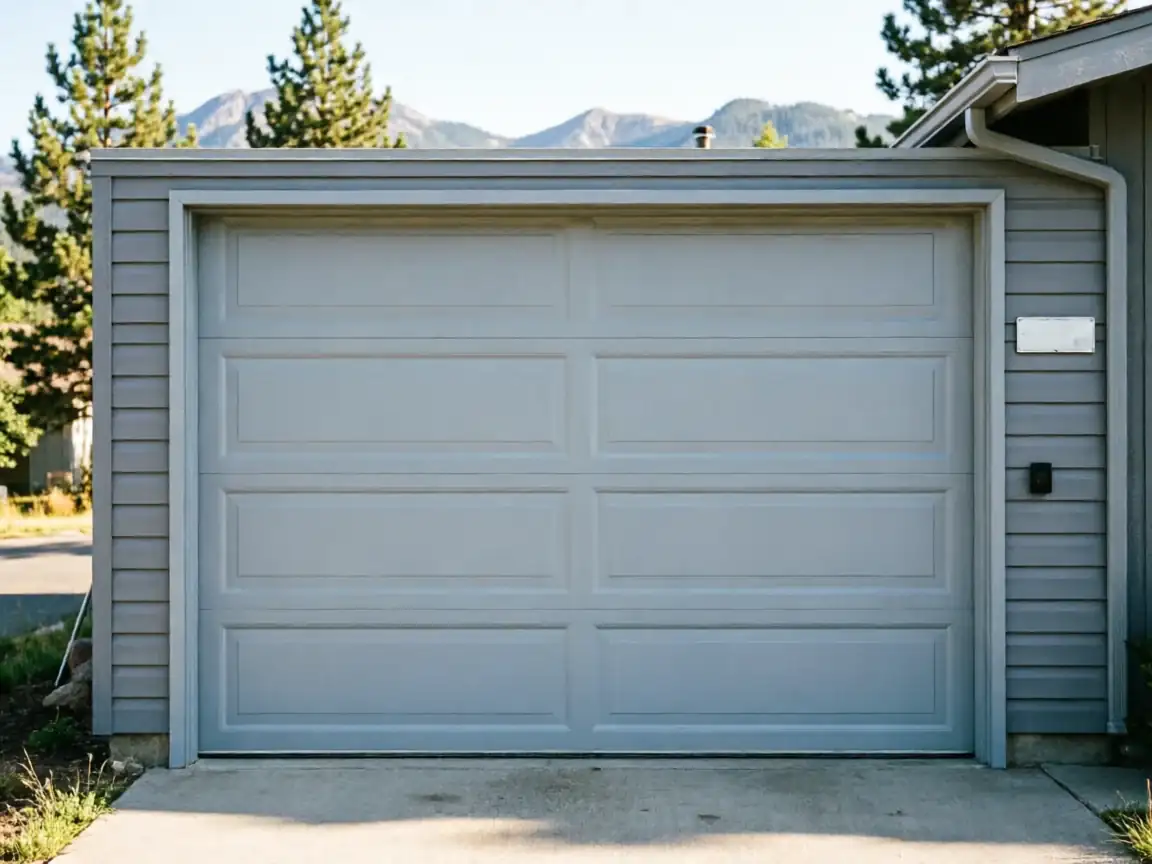
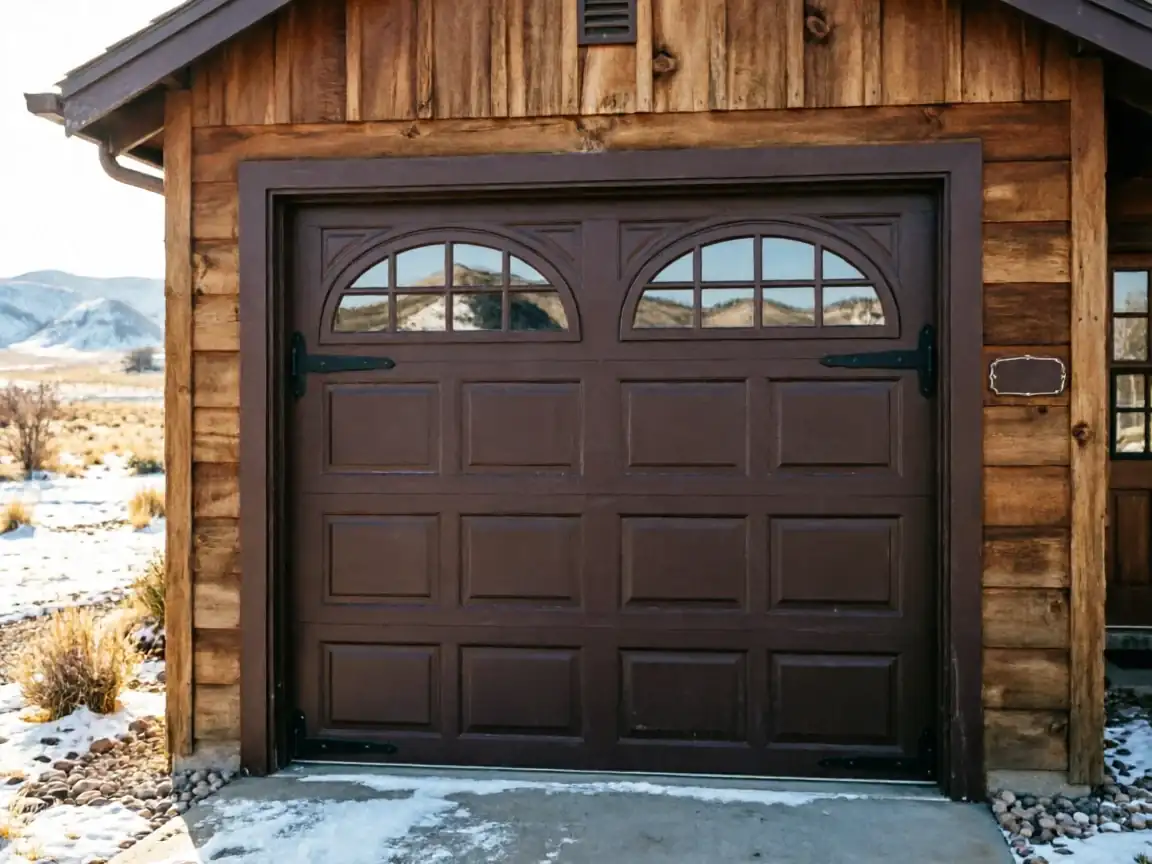
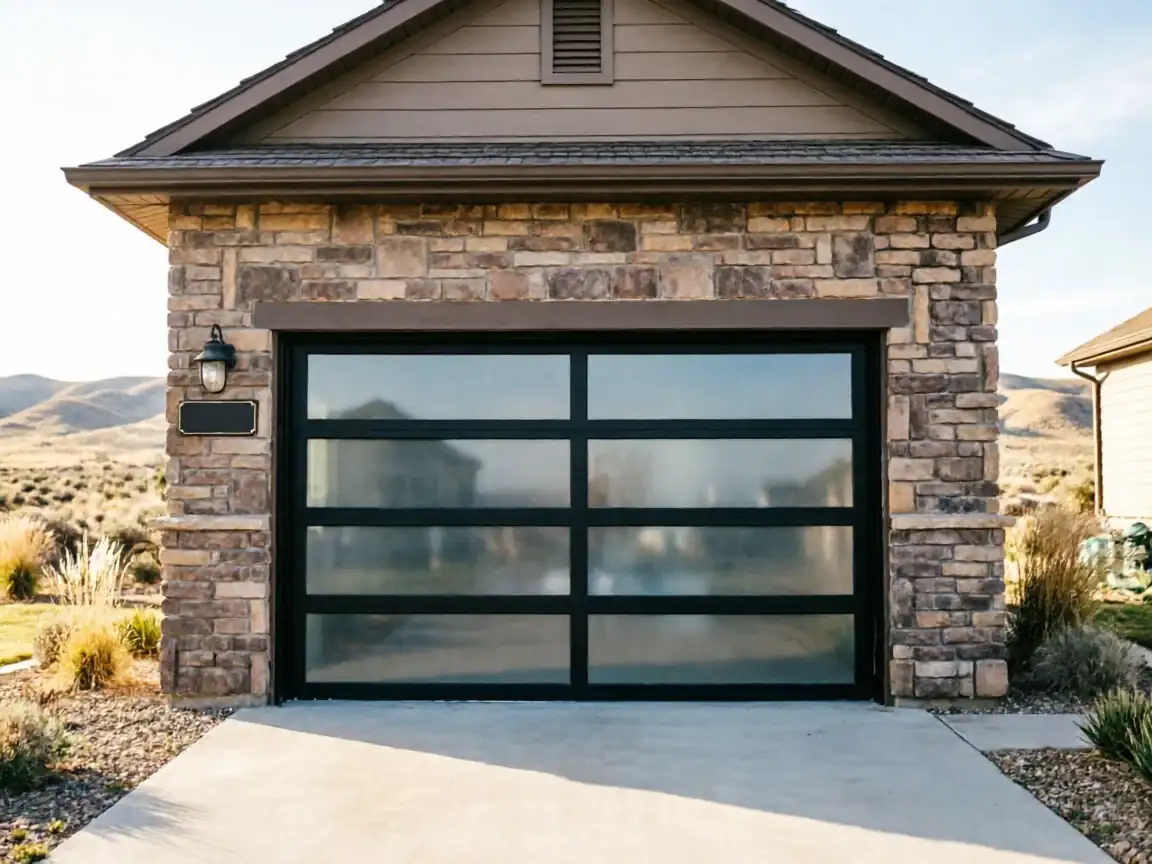
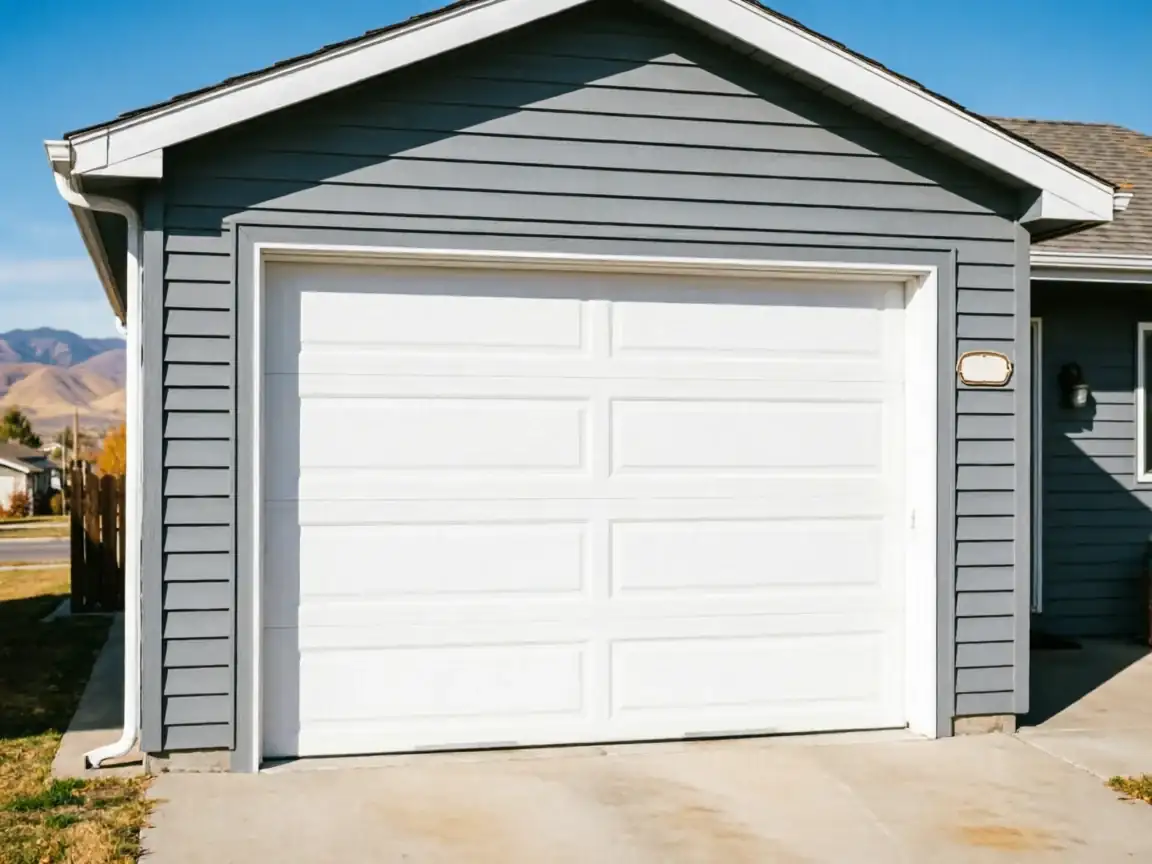
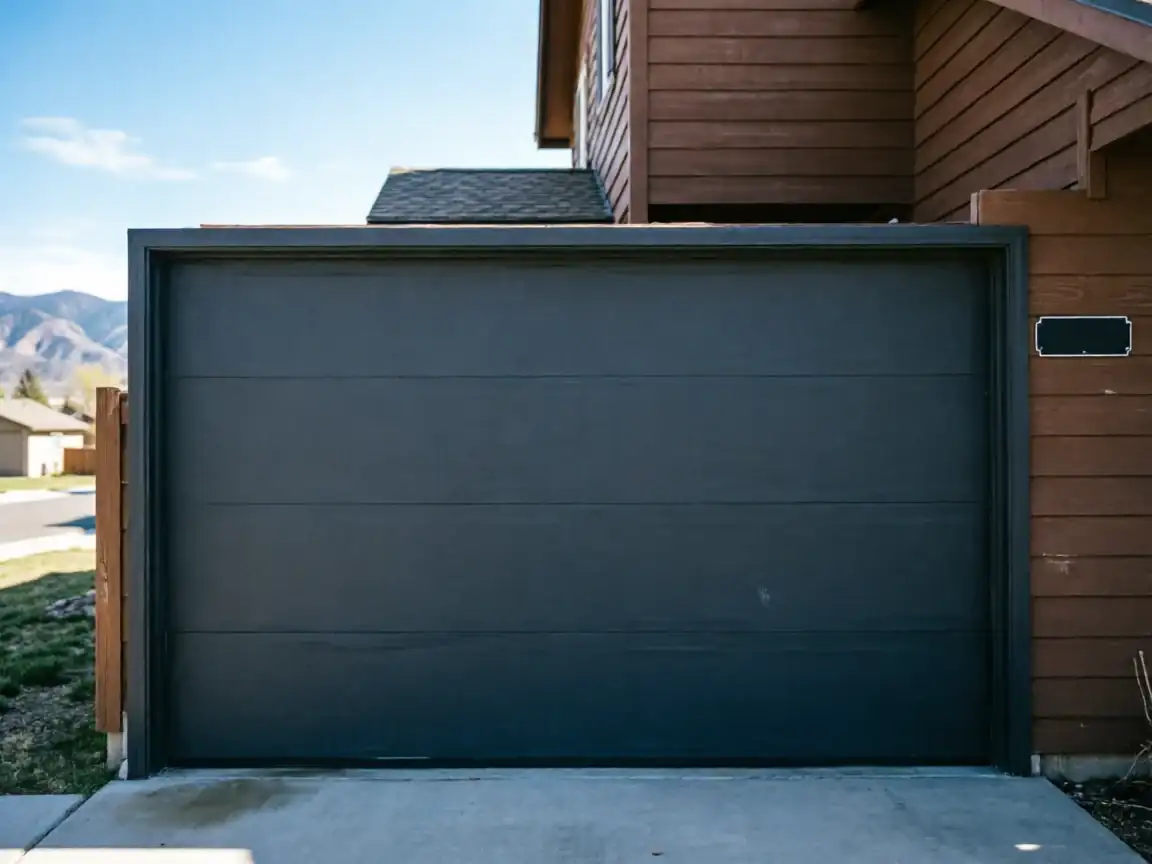
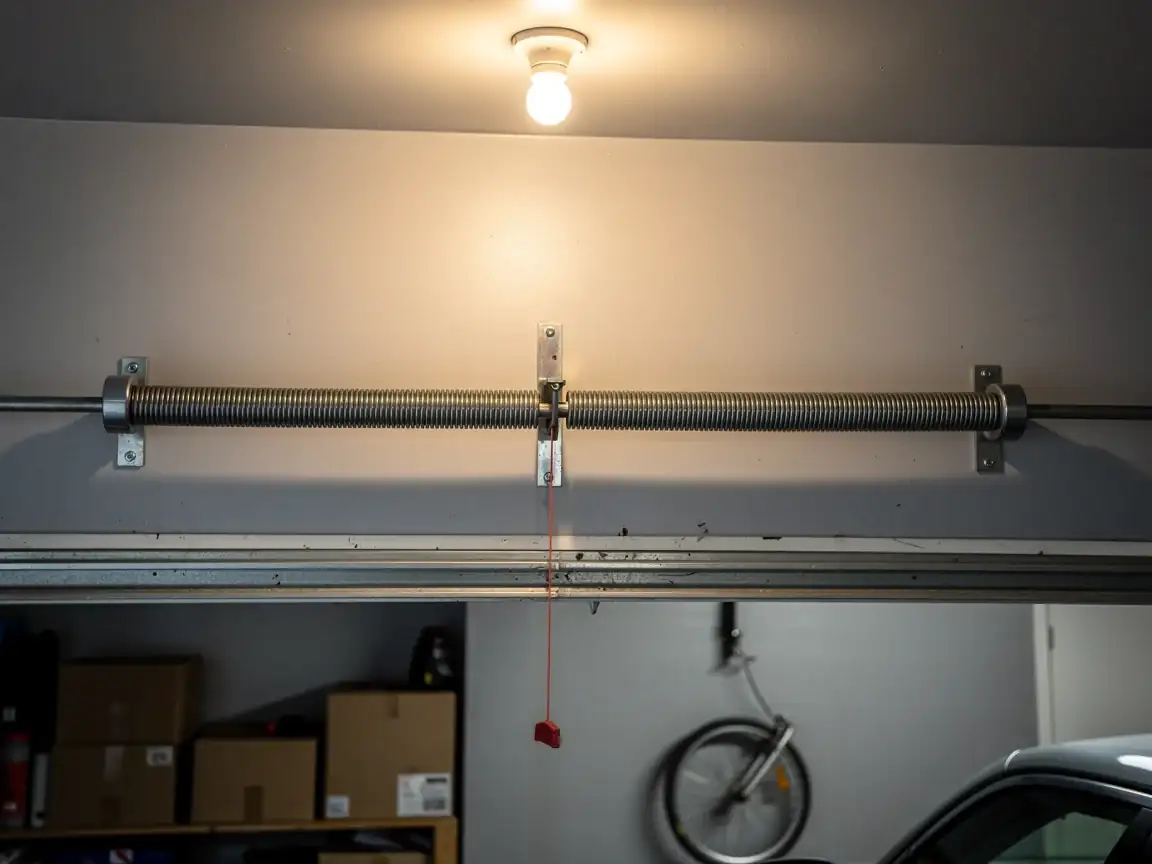
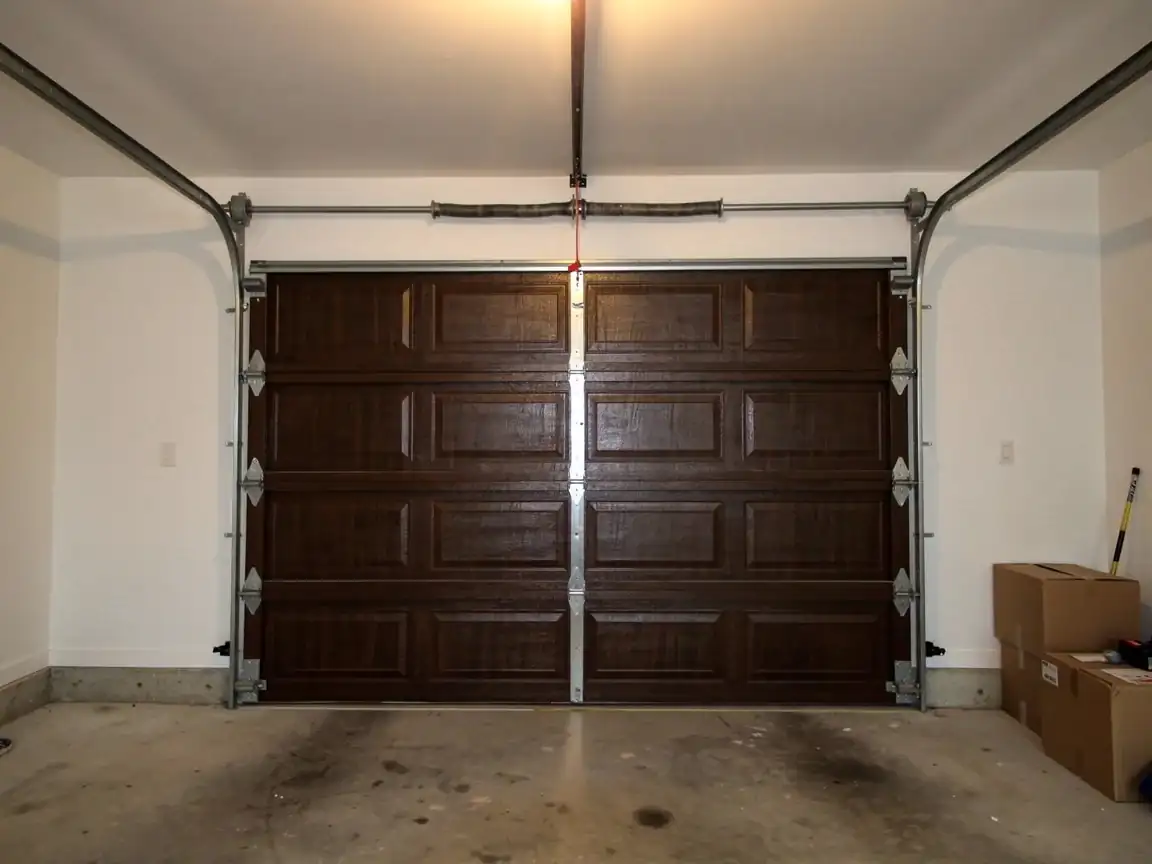
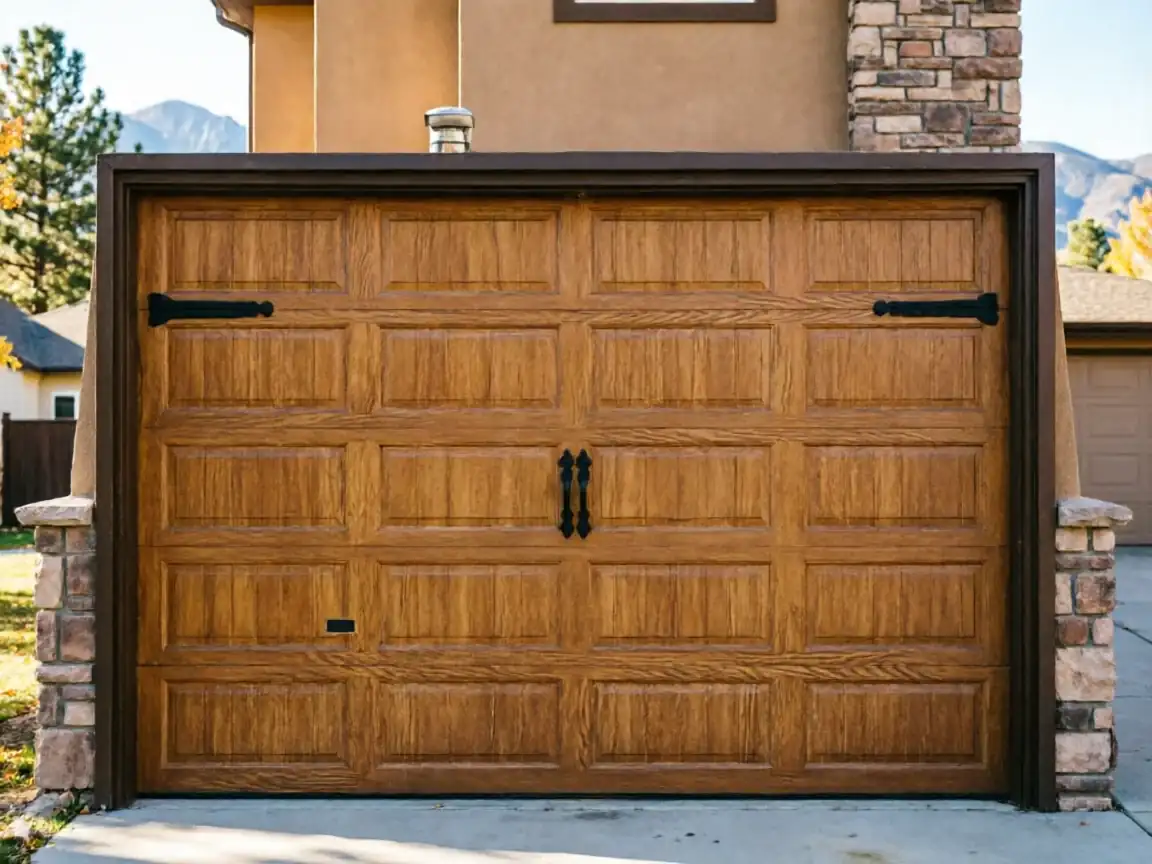
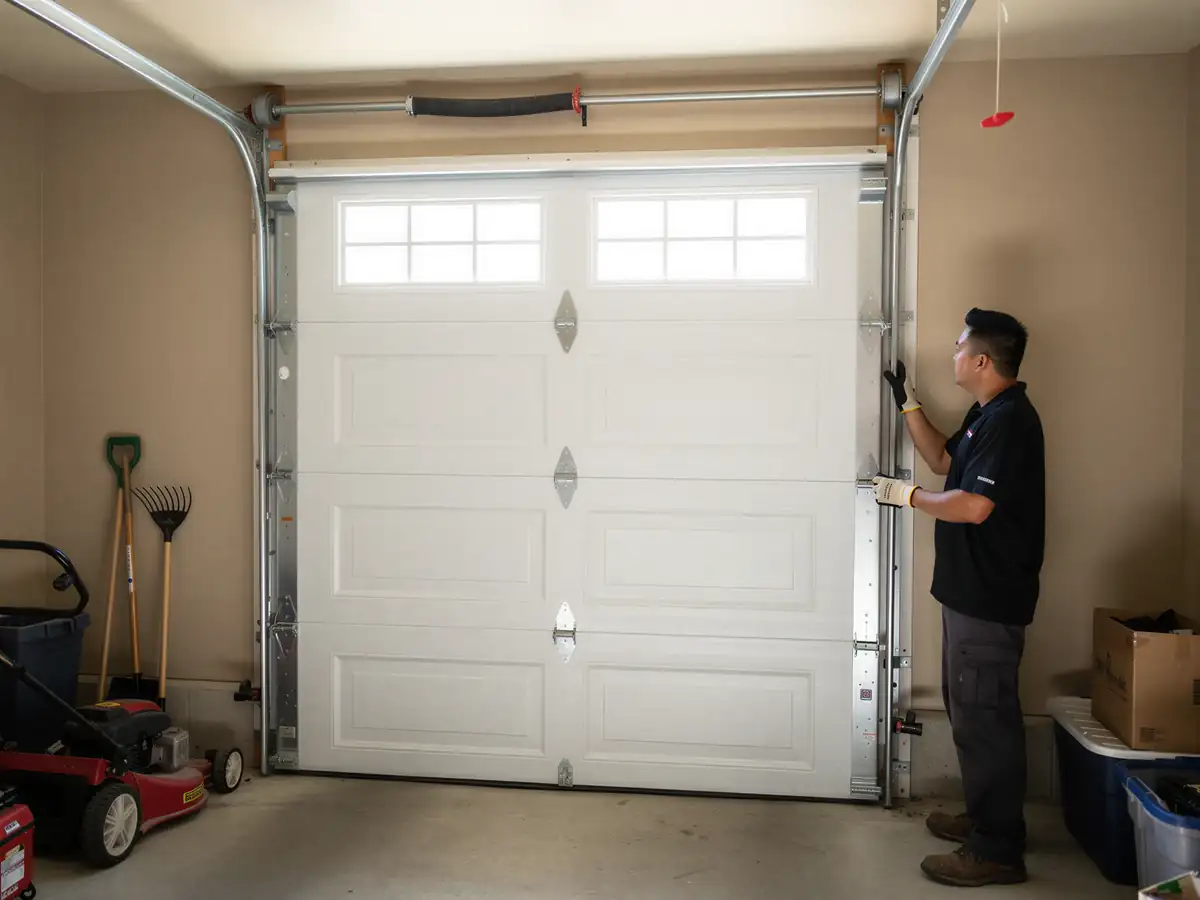
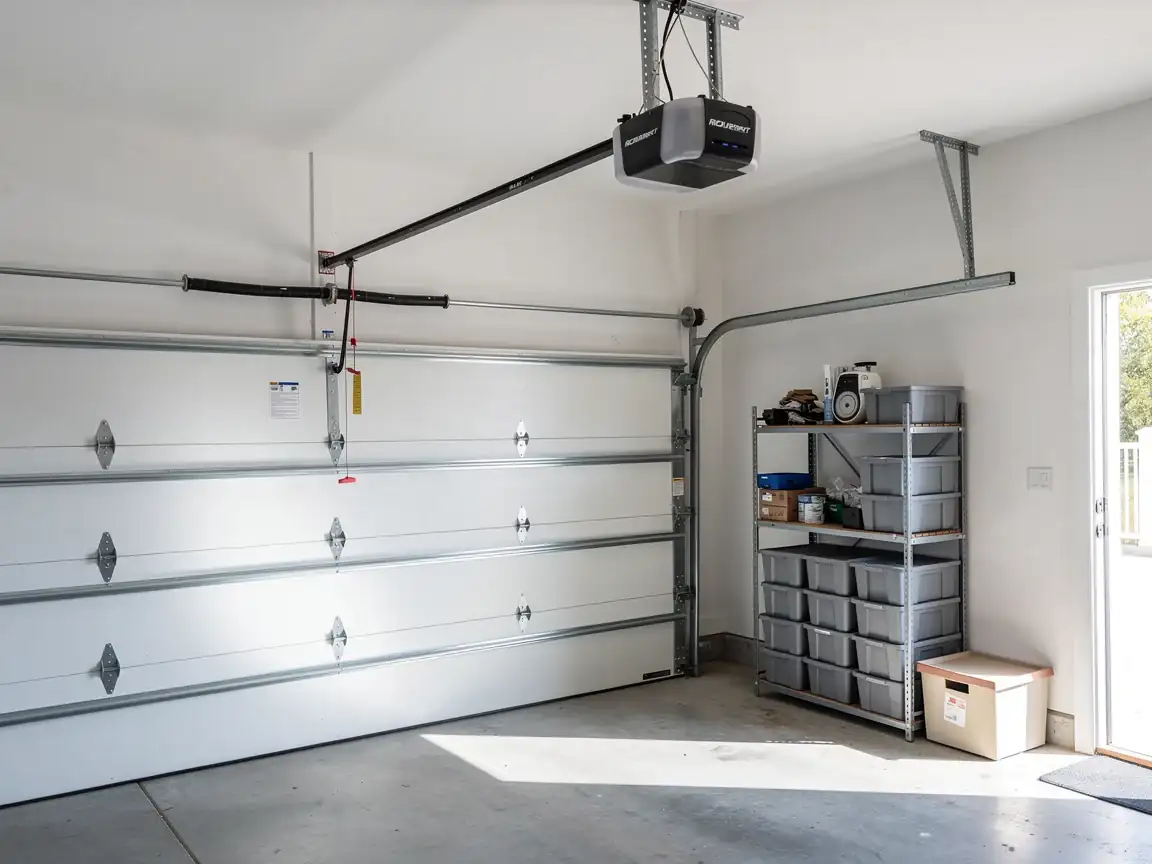
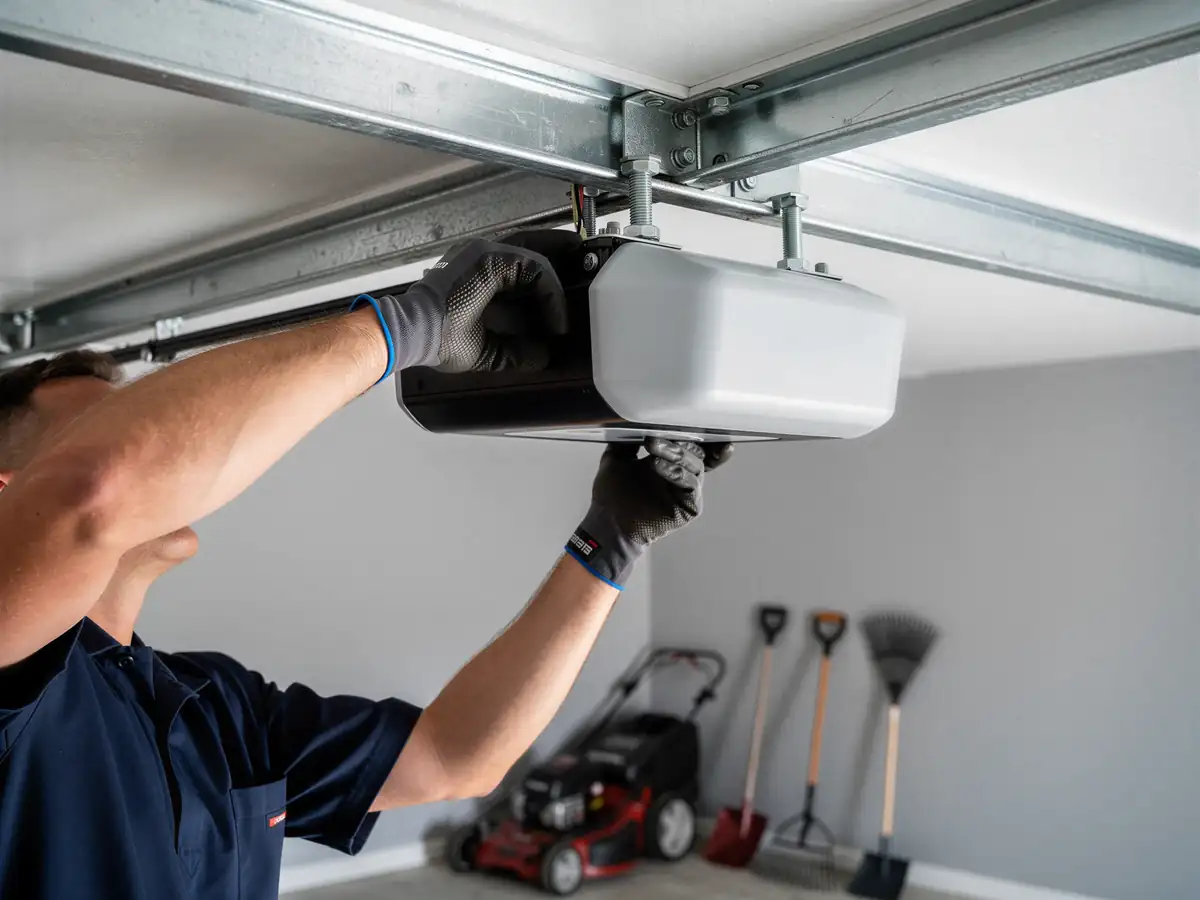
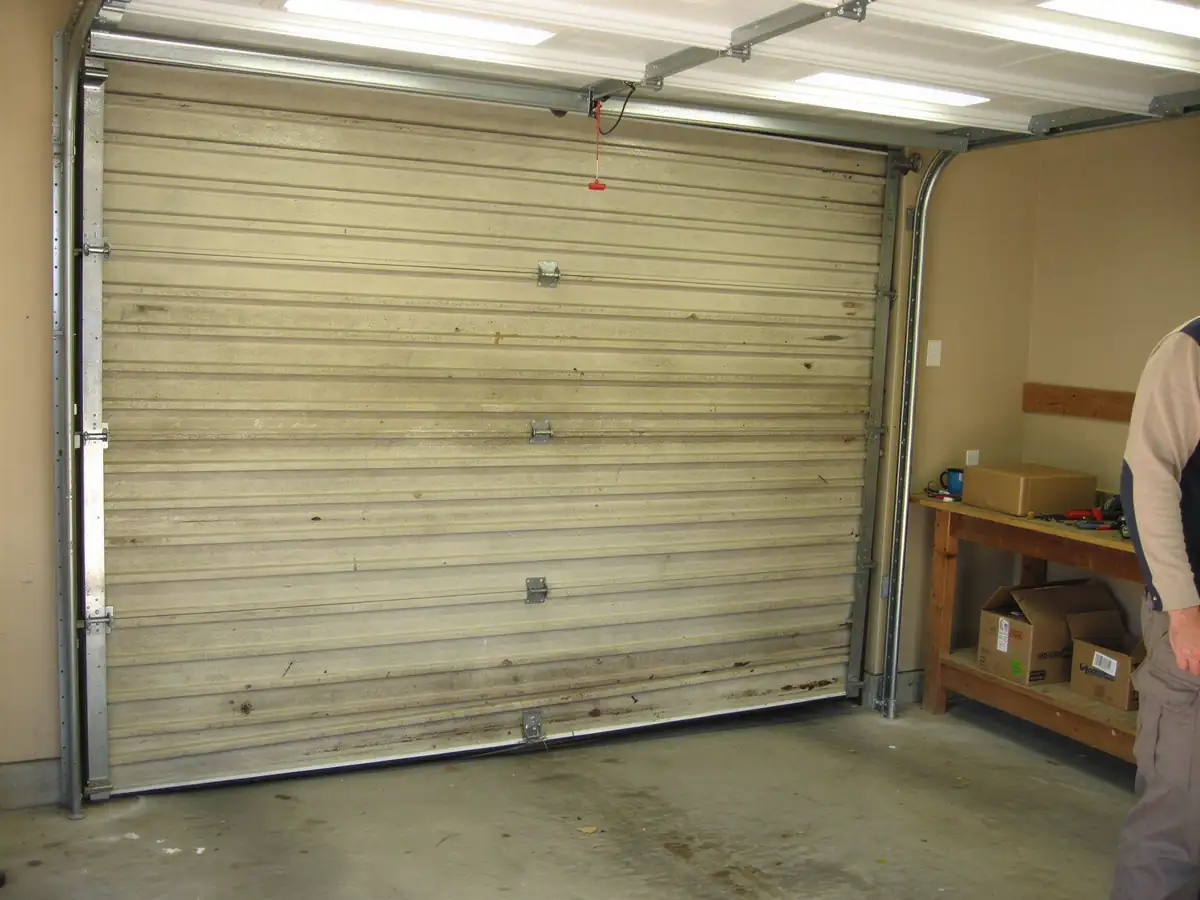
On a house built around 1964, the garage itself was often an afterthought in the original design - a single bay, a low header, and hardware sized for a lighter wood door that's long gone. When those get upgraded to a heavier insulated steel door, the original track and spring setup sometimes stays in place because nobody checked whether it could handle the new weight. That's where we see premature spring failure and rollers that wear out faster than they should. The cold is a real factor too - this region sits in a severe cold climate band, and old grease hardens, old seals crack, and steel contracts enough in January to bind a track that ran fine in July. If your opener is original to a door replacement from decades back, the sensors and drive system are usually the first things to go, well before the motor itself quits.
The Houses Here
Wheat Ridge has about 15,041 households, with a median income around $87,598 - lower than some of the newer growth areas we cover, which tends to mean owners here are more likely to want a repair that extends the life of what they have rather than a straight replacement. That fits the housing stock: a 1964-era garage is a smaller investment to fix than to gut and rebuild to current code. We treat it that way - fix what's fixable, flag what isn't, and don't push a full system swap when a spring and a tune-up will carry the door another decade.