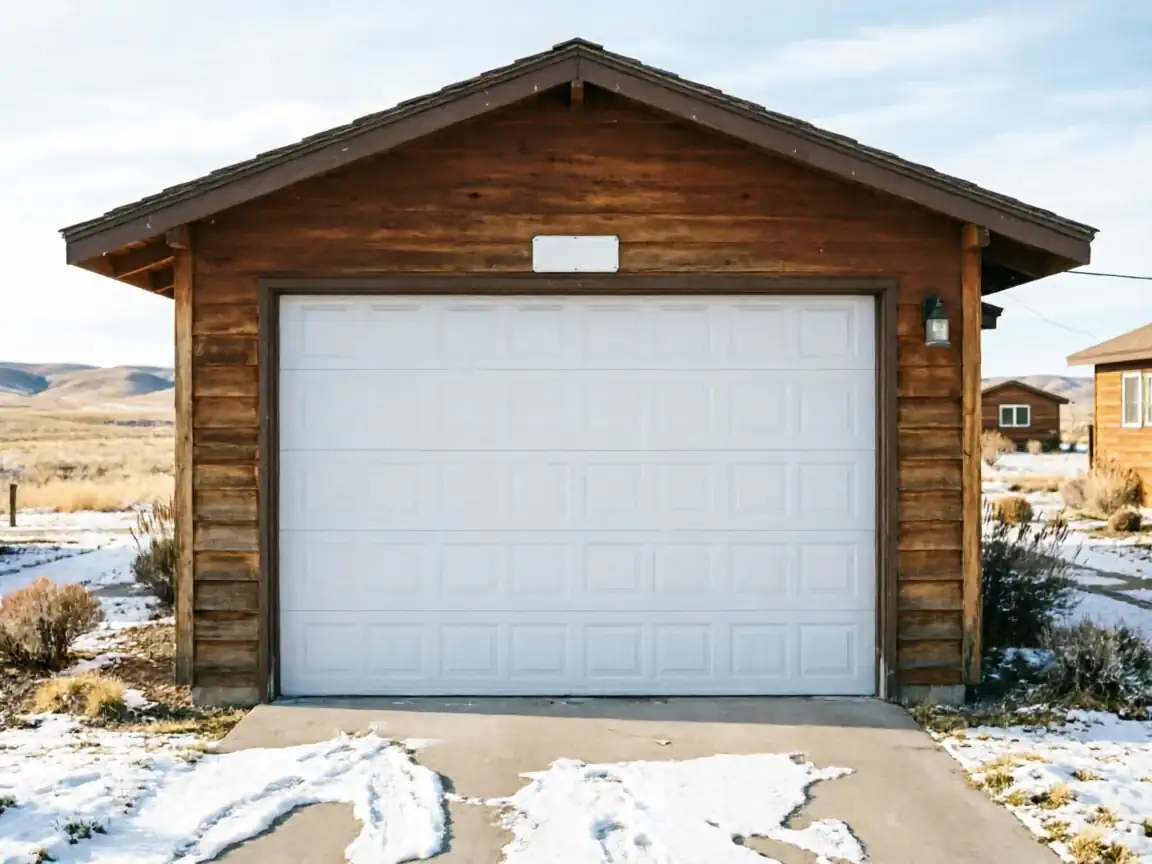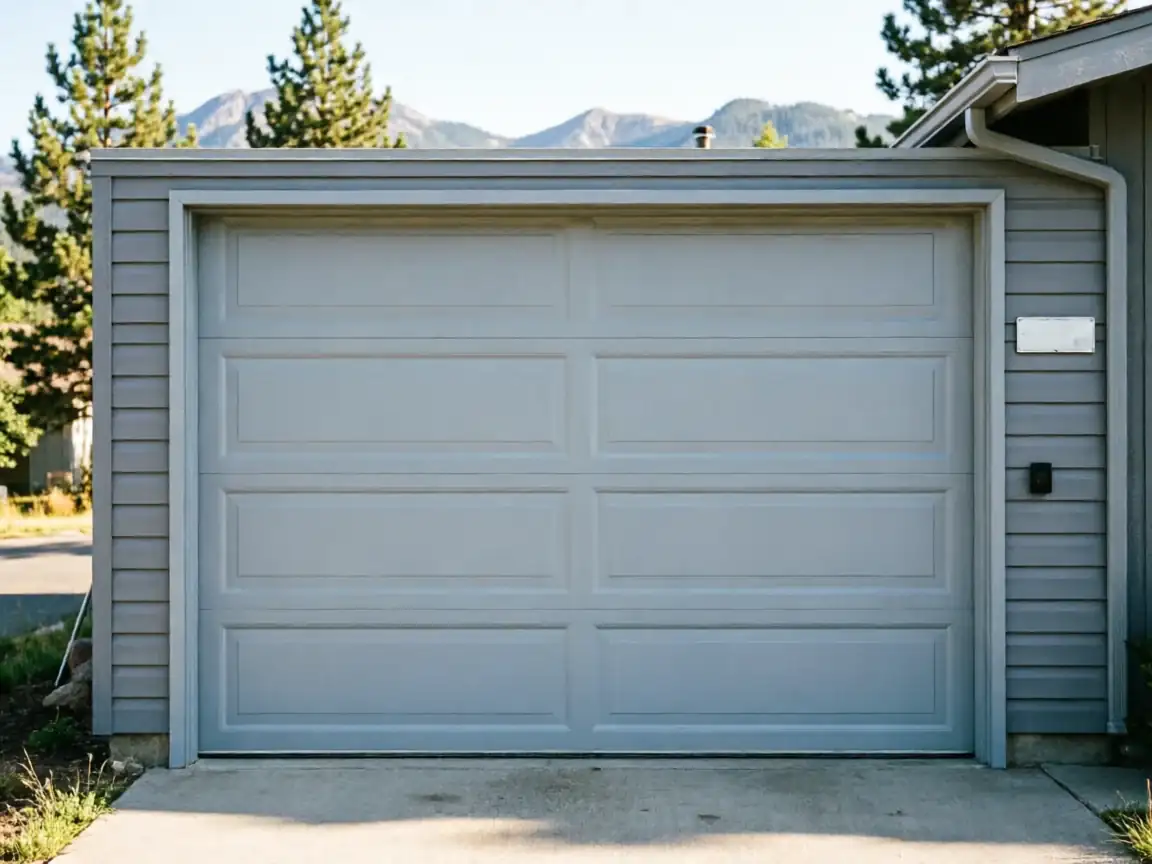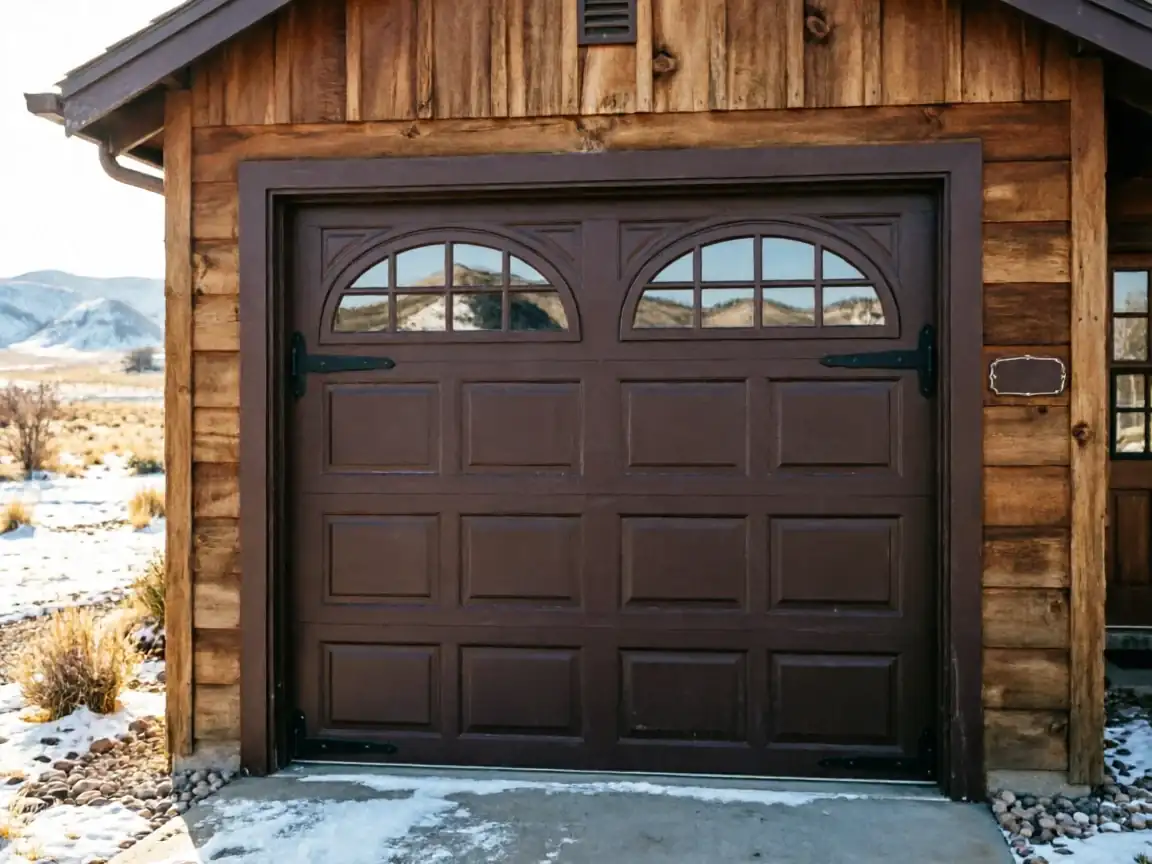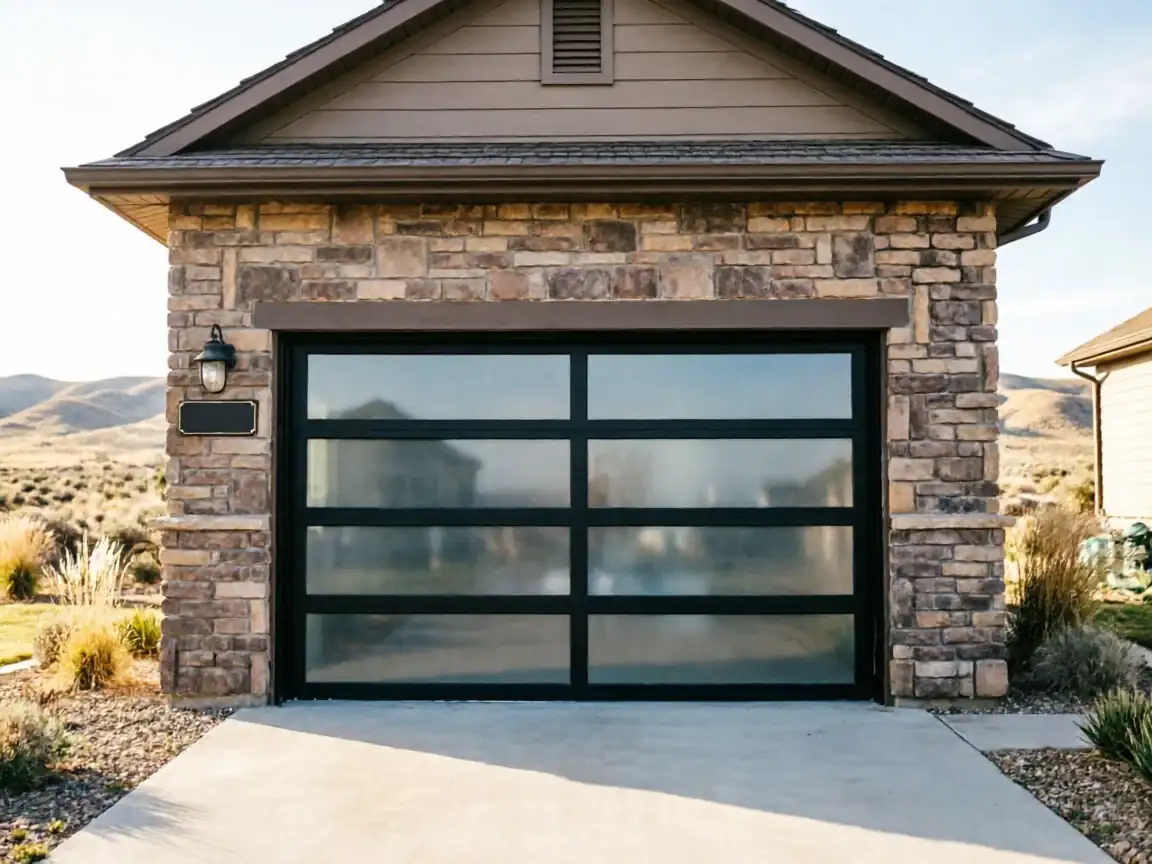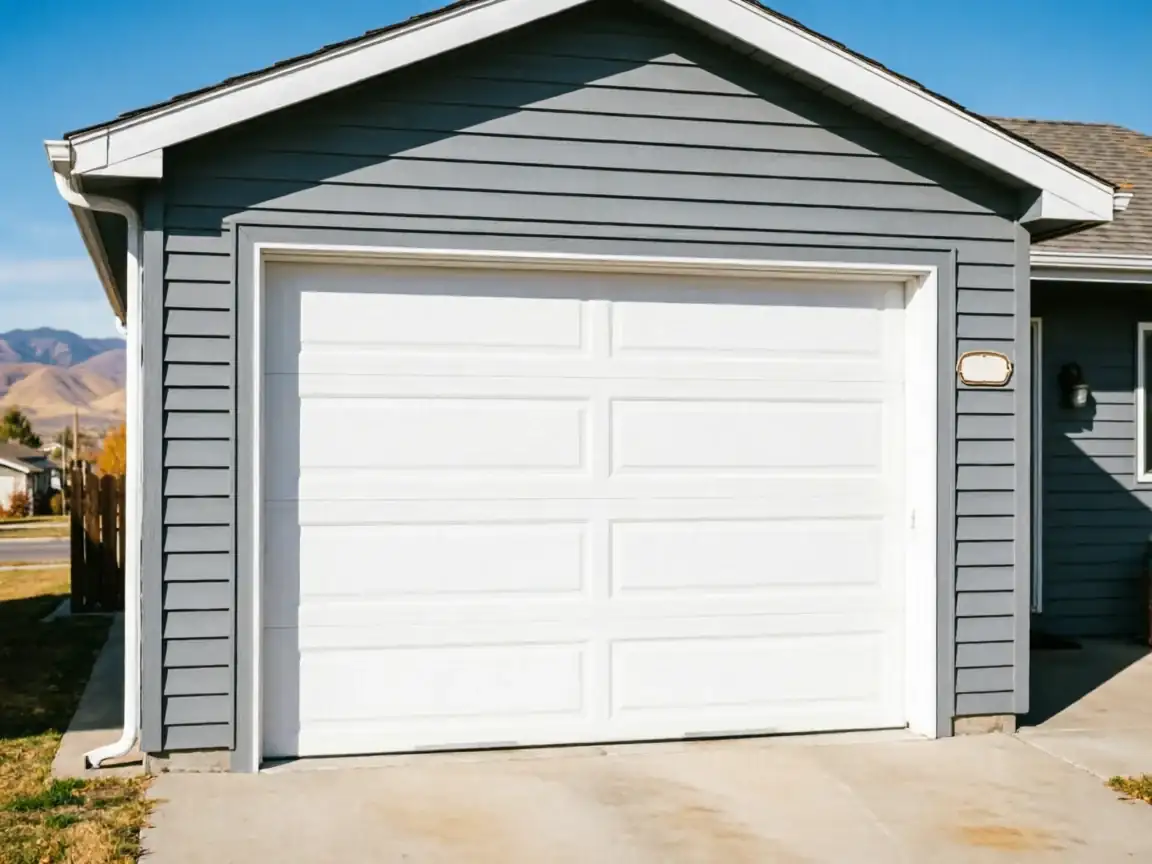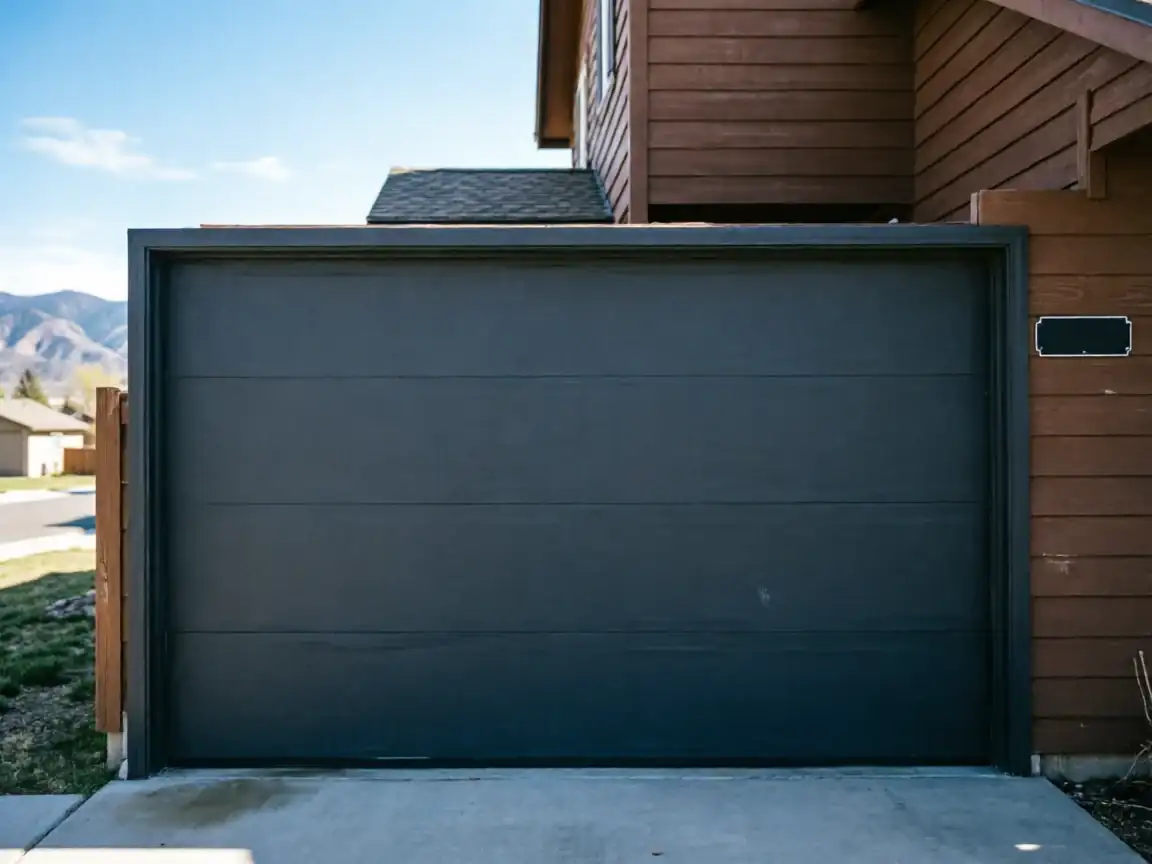
The Symptom
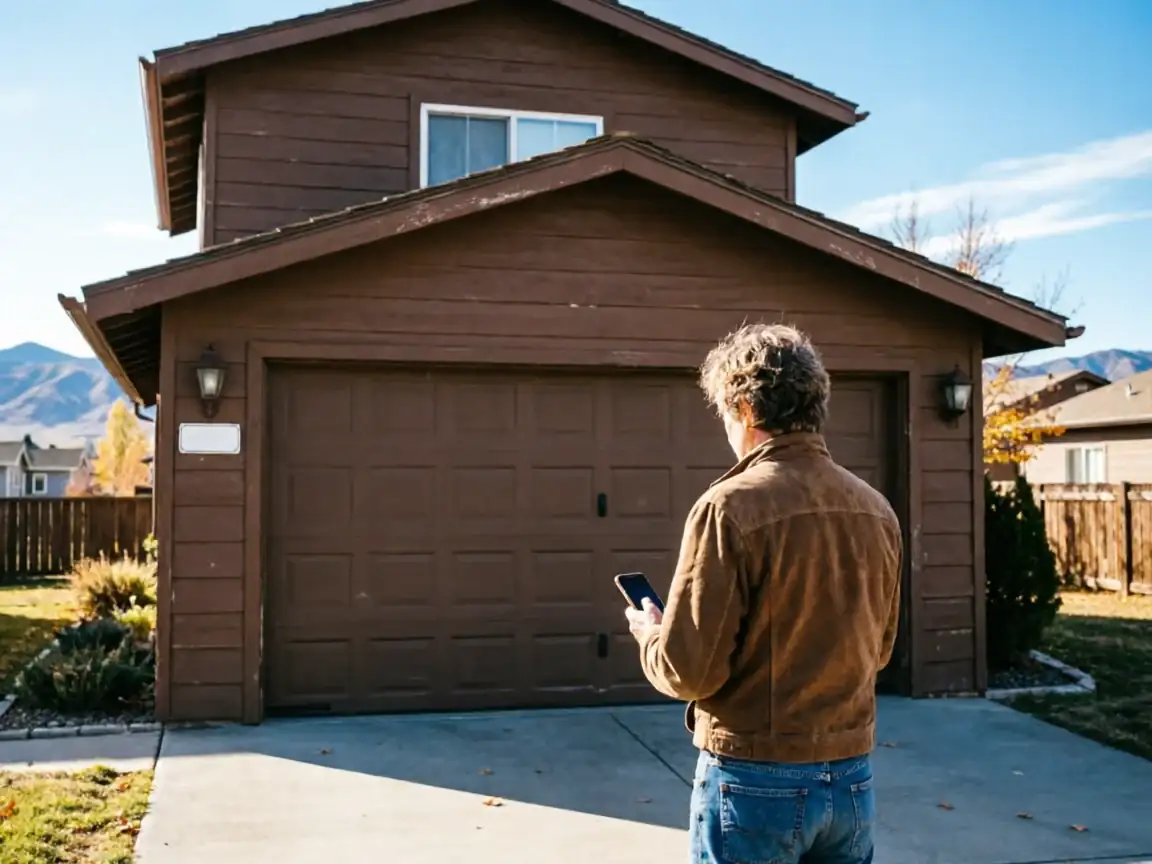
Your door hesitates halfway up, or it slams down the last foot instead of settling. Maybe the opener grinds and nothing moves, or you hear a loud bang from the garage and now the door won't budge at all. Some mornings it works fine and by evening, after the temperature drops, it won't open past knee height.
These aren't random. In a service area where housing runs from 1938 up through 2005, with a median build year of 1979, we see the same handful of failure patterns over and over, because the hardware installed across those decades wears out in predictable ways. A door that worked yesterday and fights you today, especially on a cold morning, is almost always a spring or cable problem, not an opener problem, even though the opener usually takes the blame.
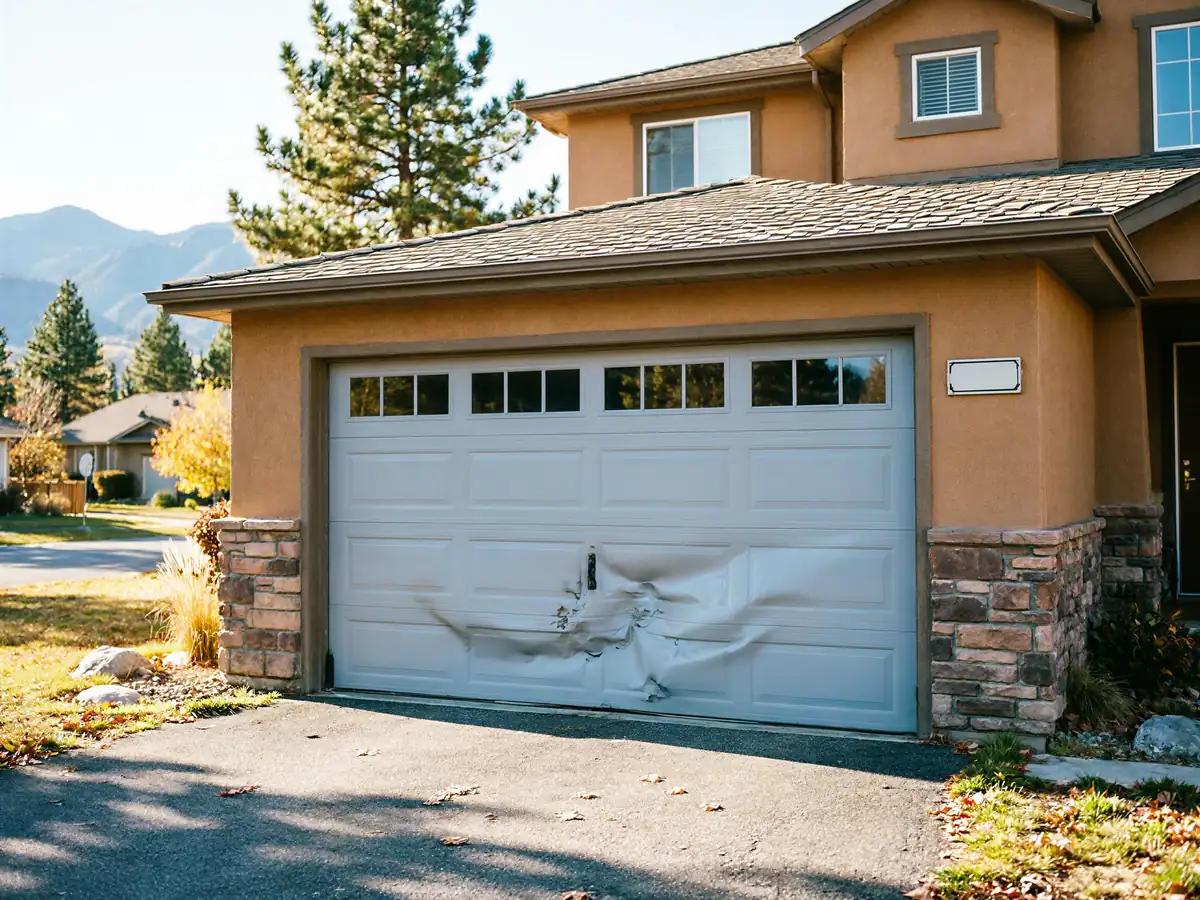
If your door comes off track, or a panel is visibly bent or dented, that's a separate repair from a spring issue and it shows up differently: the door binds to one side instead of refusing to move at all. Either way, don't keep hitting the button. Running a motor against a broken spring or a jammed track is how a $200 fix turns into a $600 one.
What Can Go Wrong
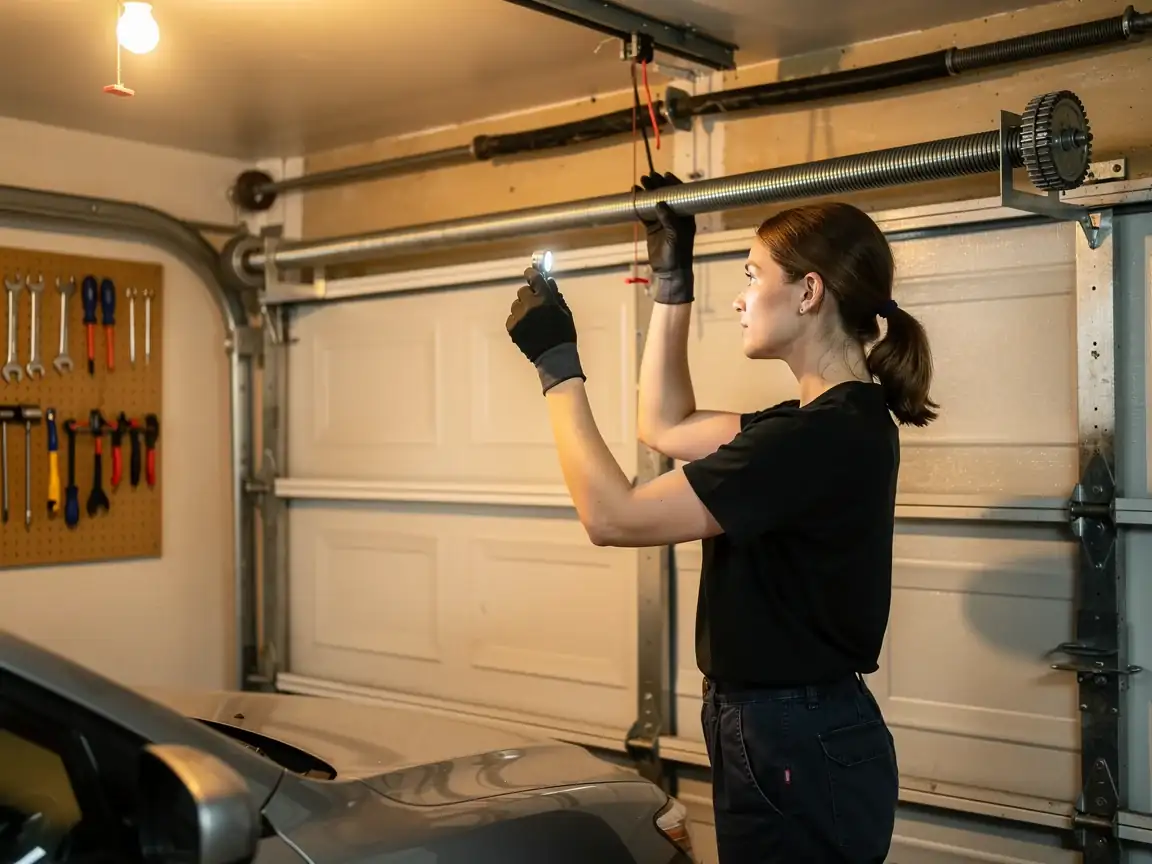
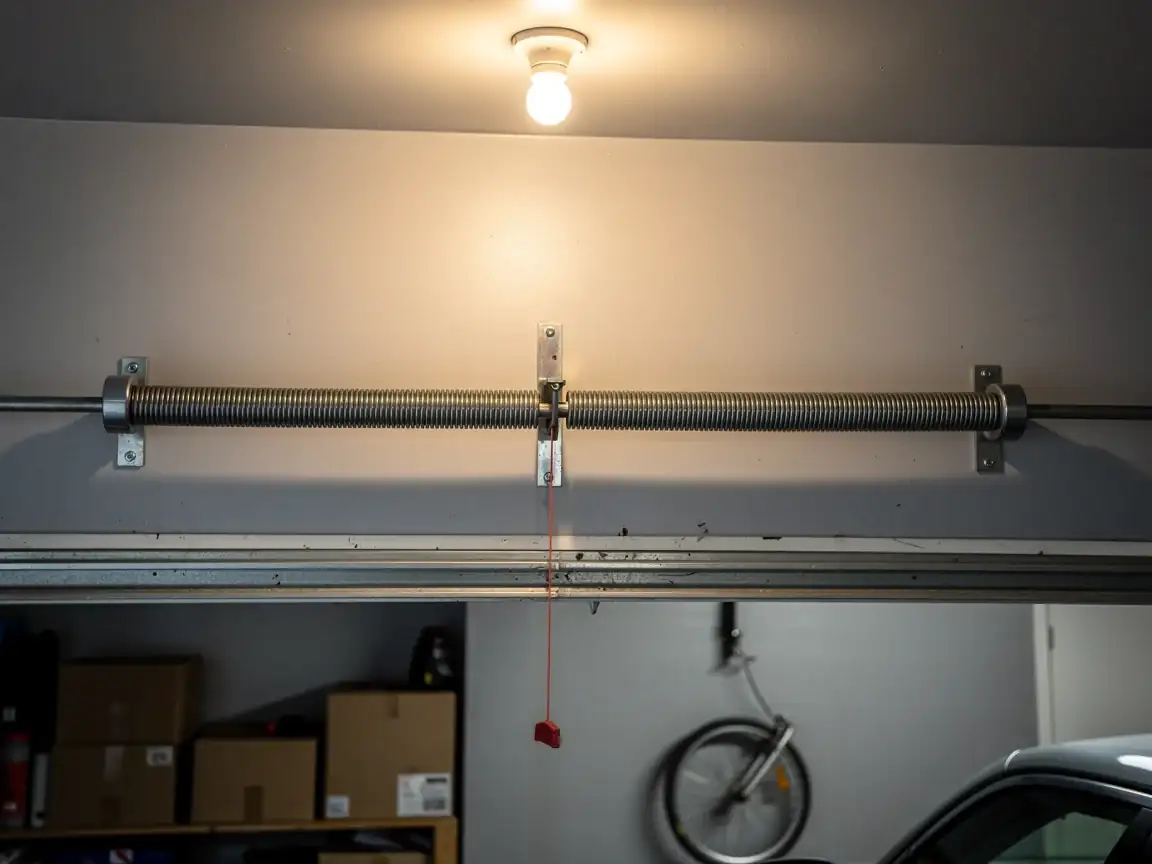
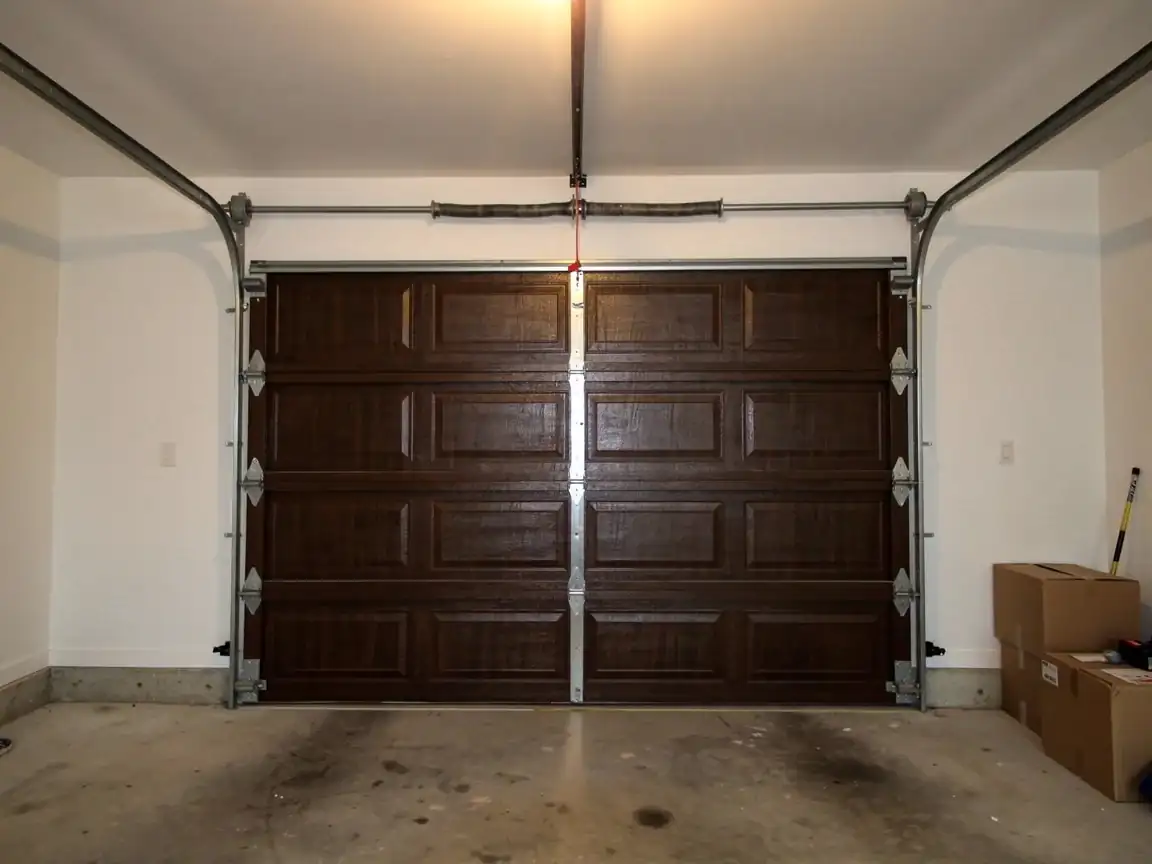
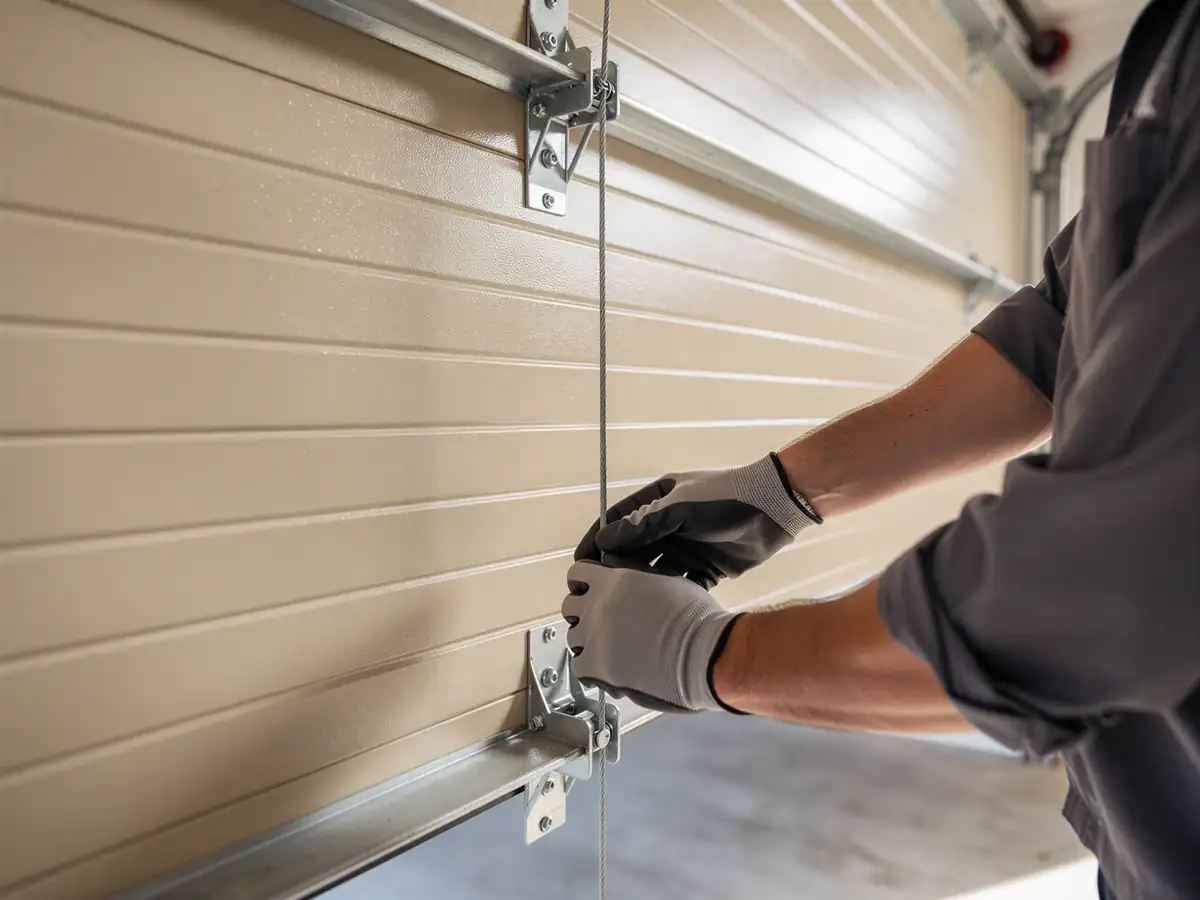
Torsion springs are rated for a number of open-close cycles, and in homes built in the 1960s and 70s - still a big share of the stock in this area - a lot of those springs are original or one replacement removed from original. They don't give warning. One day the cable is under tension, the next day it's snapped and the door weighs what it actually weighs, which is more than anyone expects.
Rollers and hinges on older steel doors corrode and bind, especially after a hard freeze-thaw cycle, which this climate band delivers more than most. Nylon rollers crack in the cold and shed pieces into the track. Cables fray at the drum where they wind, usually invisible until the fray lets go.
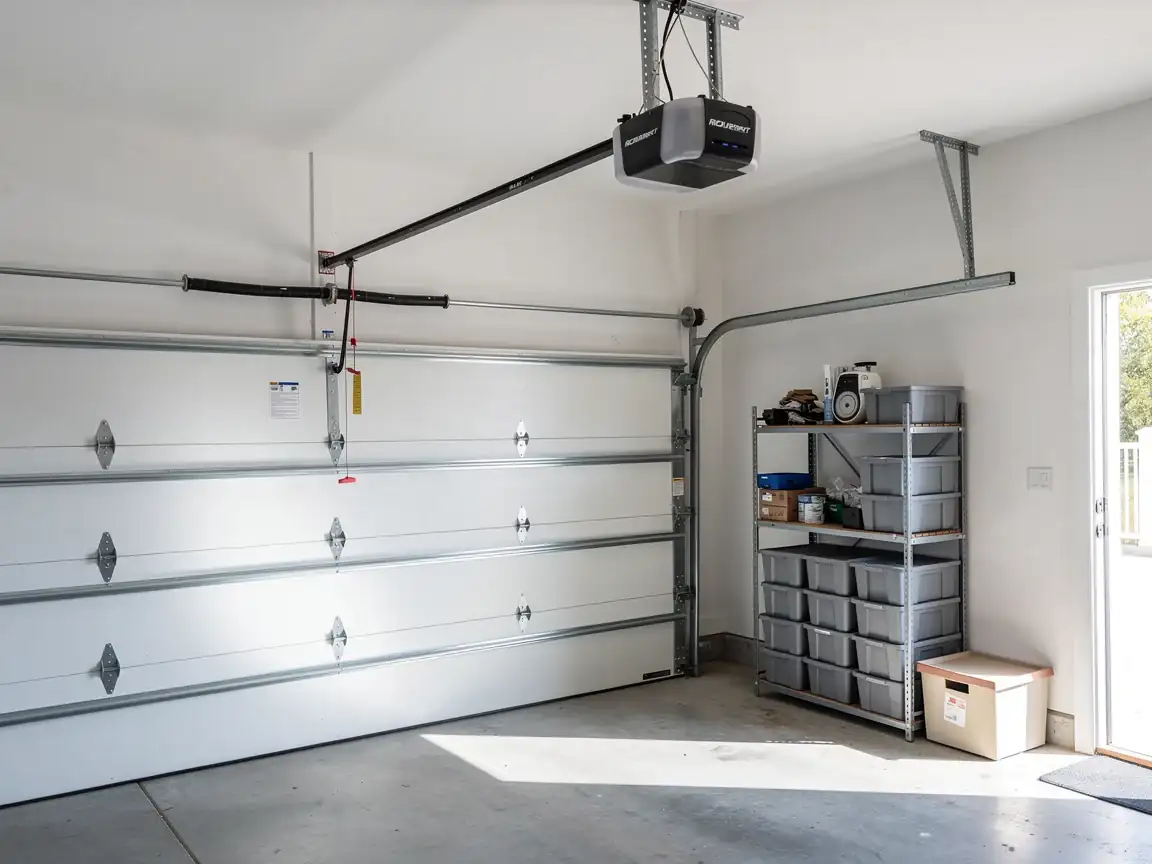
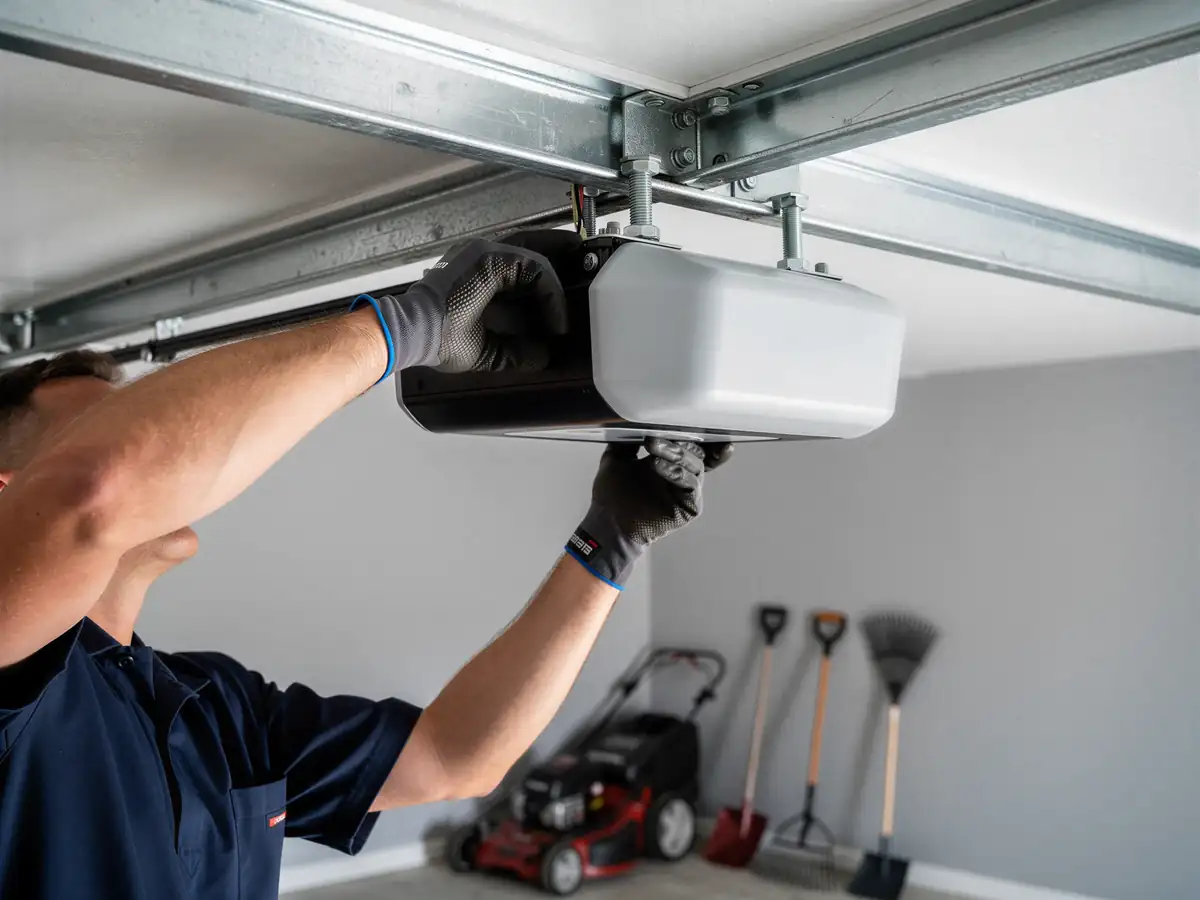
Openers fail for different reasons: worn drive gears, a dying capacitor, or logic boards that just age out after fifteen-plus years of Colorado temperature swings. A door that reverses right before it closes often means a misaligned safety sensor, not a motor problem - a five-minute fix that gets mistaken for a bigger one.
We don't replace parts that don't need it. If a spring has years left and the real issue is a $40 sensor bracket, that's what we fix.
What the Fix Involves
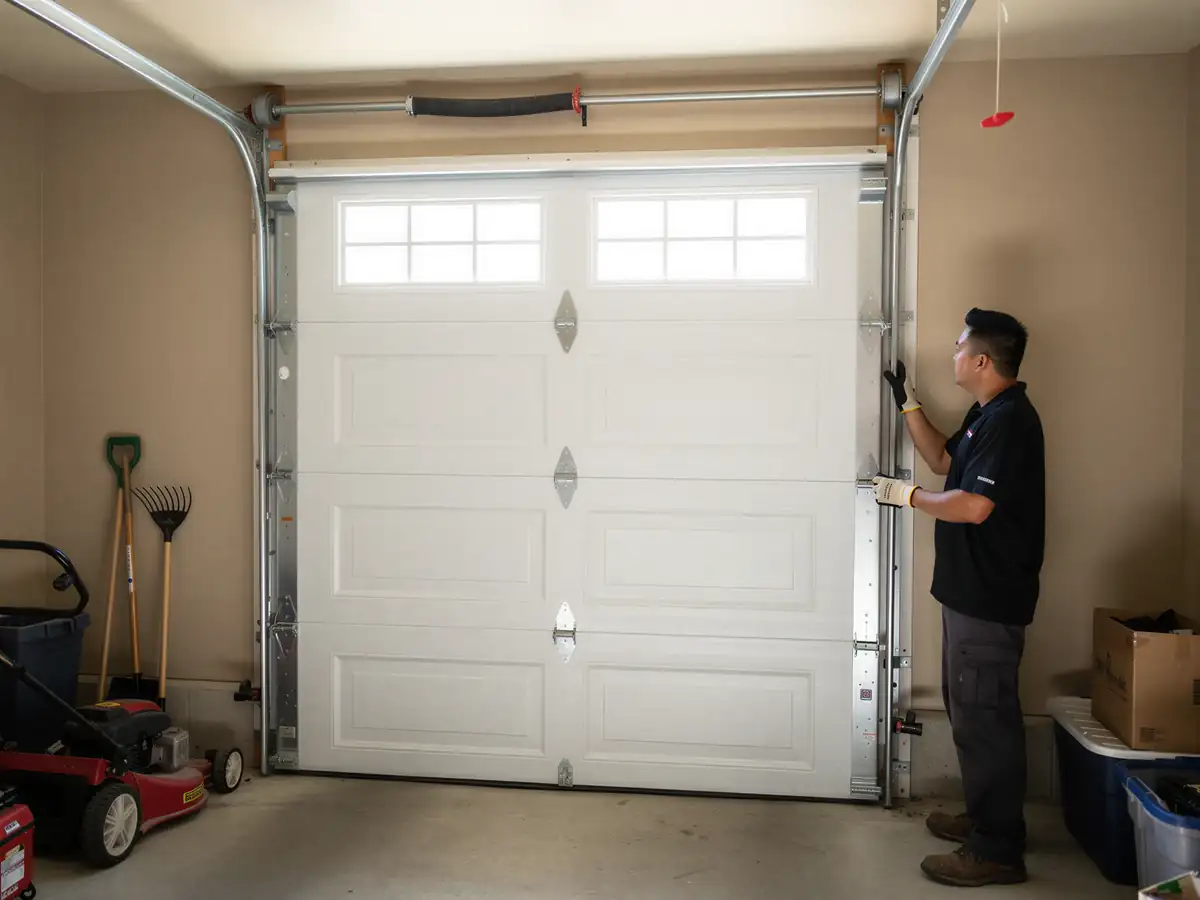
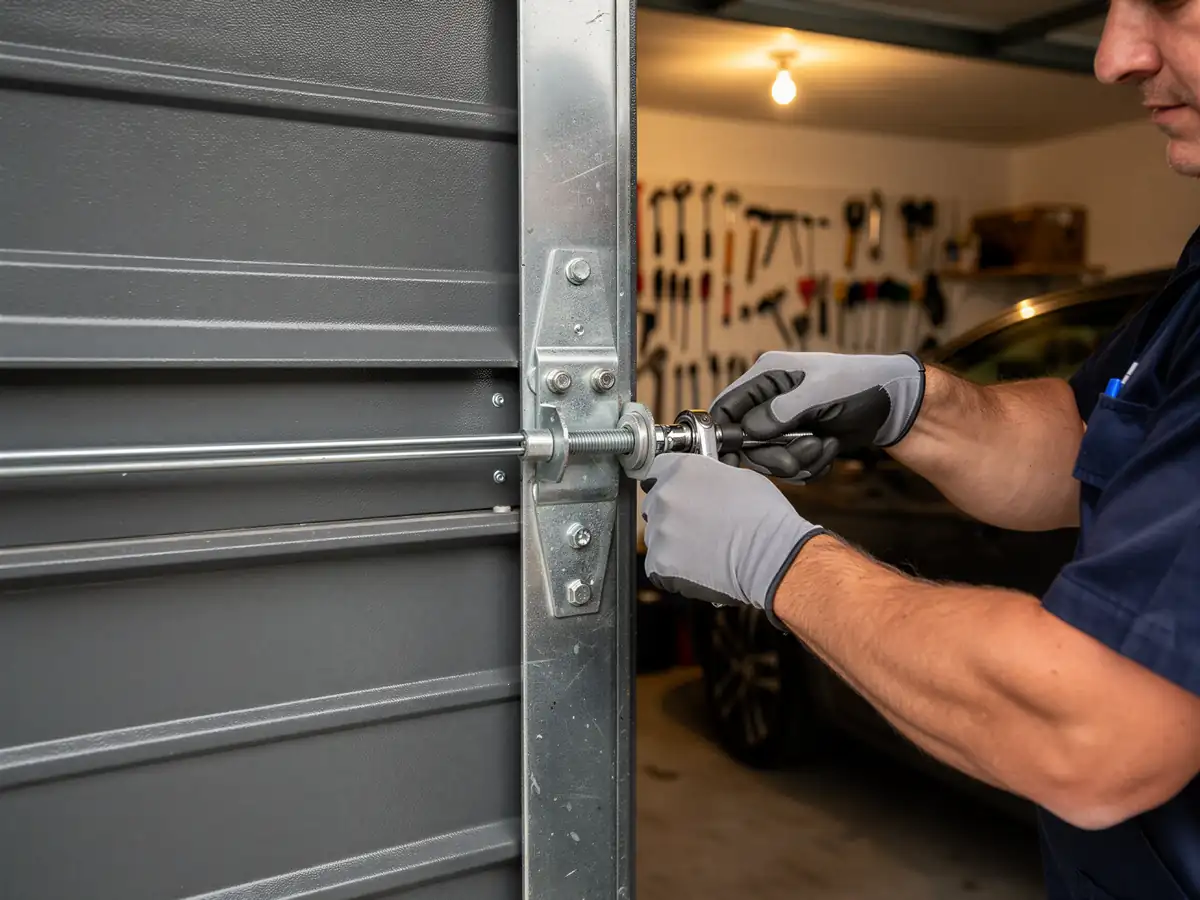
A torsion spring replacement means unloading tension safely with winding bars, swapping the spring (or both
Since manufacturers rate them as pairs and uneven springs strain the opener), and checking cable condition at the same visit, since they wear together. We balance the door by hand afterward - lift it to waist height and it should hold its position, not drop or fly up.
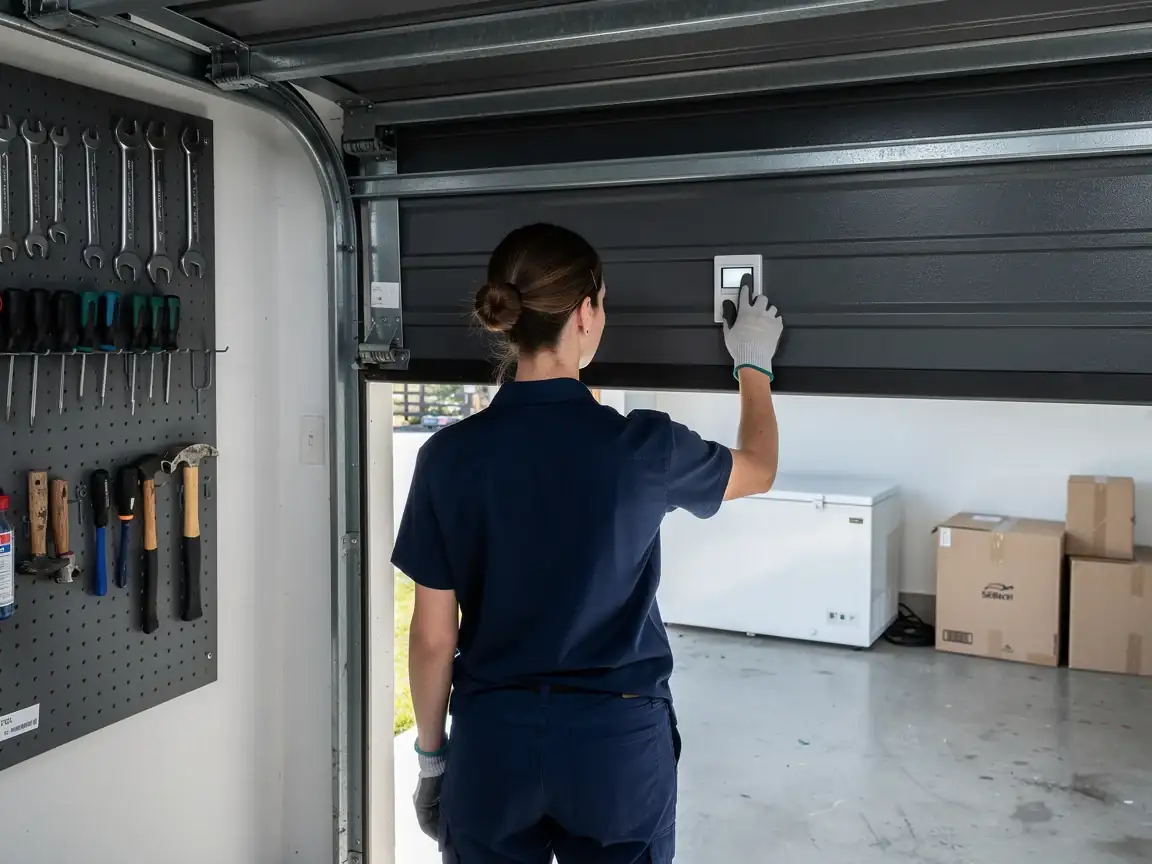
For opener issues, we test the logic board, the sensors, and the drive mechanism separately before replacing anything
Because a bad capacitor looks a lot like a dead motor until you check voltage.
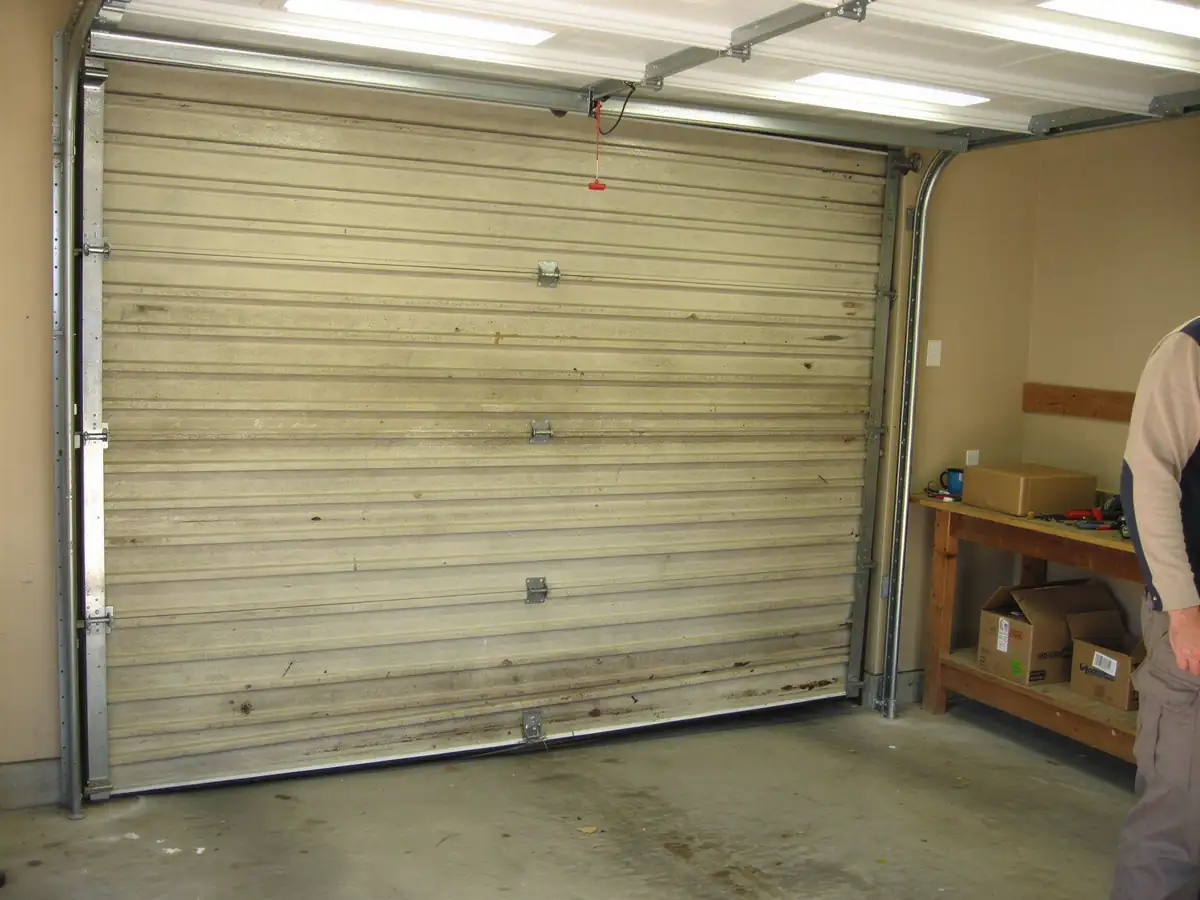
Track and roller repair means re-squaring the track to the frame
Which on older homes has often shifted slightly as the house settled over its decades, then swapping worn rollers for steel or sealed nylon depending on what the opener and spring setup can handle.
One honest limit: if the door panel itself is rusted through or the track is bent beyond re-aligning
Repair isn't the better spend. Replacing a 1970s-era wood or early steel door usually costs less over five years than repeated patch repairs on hardware that age.
Why It Happens Here
The service area runs across roughly 31 named neighborhoods with housing dating from 1938 to 2005 and a median build year of 1979, which means a wide mix of hardware generations on the road in any given week - some original 1970s torsion setups, some mid-2000s builder-grade openers, and everything between.
The cold is the other half of it. This is a severe cold climate band, and steel contracts, lubricant thickens, and nylon parts get brittle exactly when homeowners are relying on the door most - early morning commutes, holiday travel. We see spring failures and track binding spike after the first hard overnight freeze of the season, every year, like clockwork.
Close to home, areas like a mile north two miles southeast two miles west share that same mixed-era housing pattern, so the calls we get from those streets look a lot like the calls from anywhere else in the area - same springs, same cold, same age range of doors.