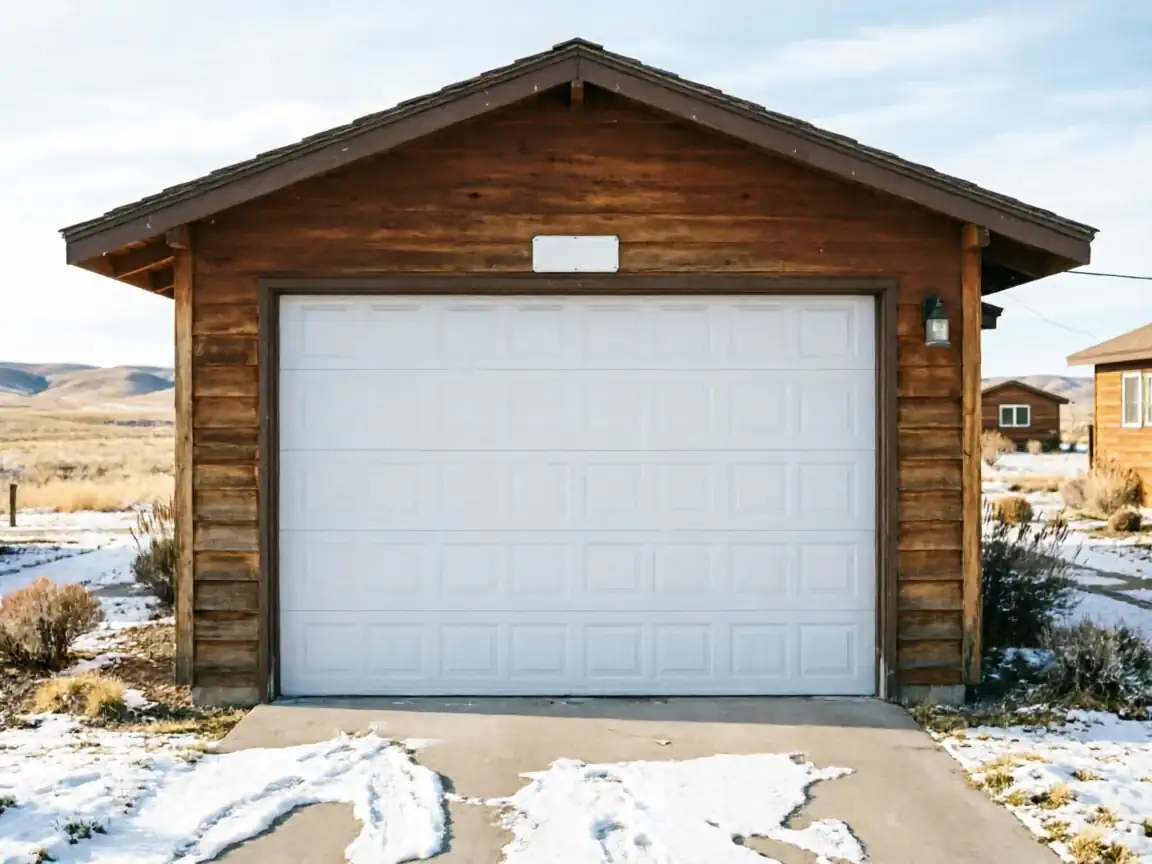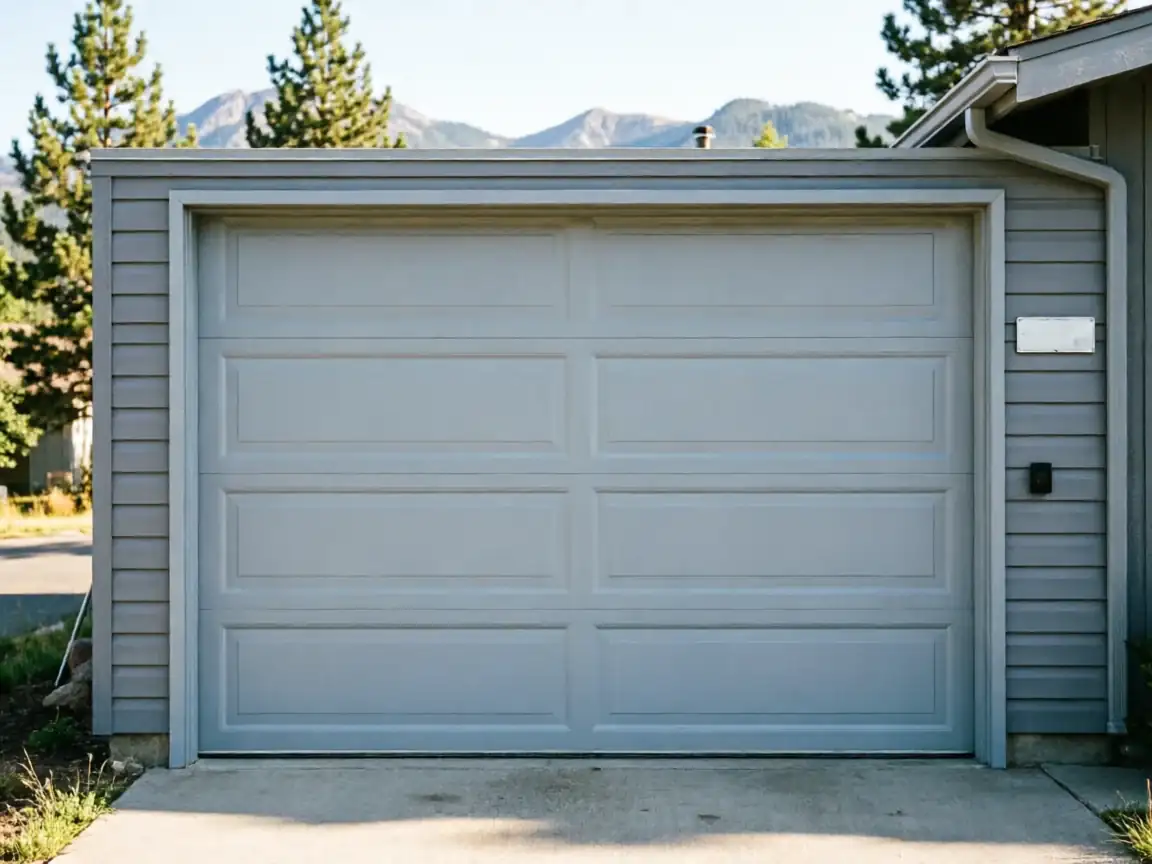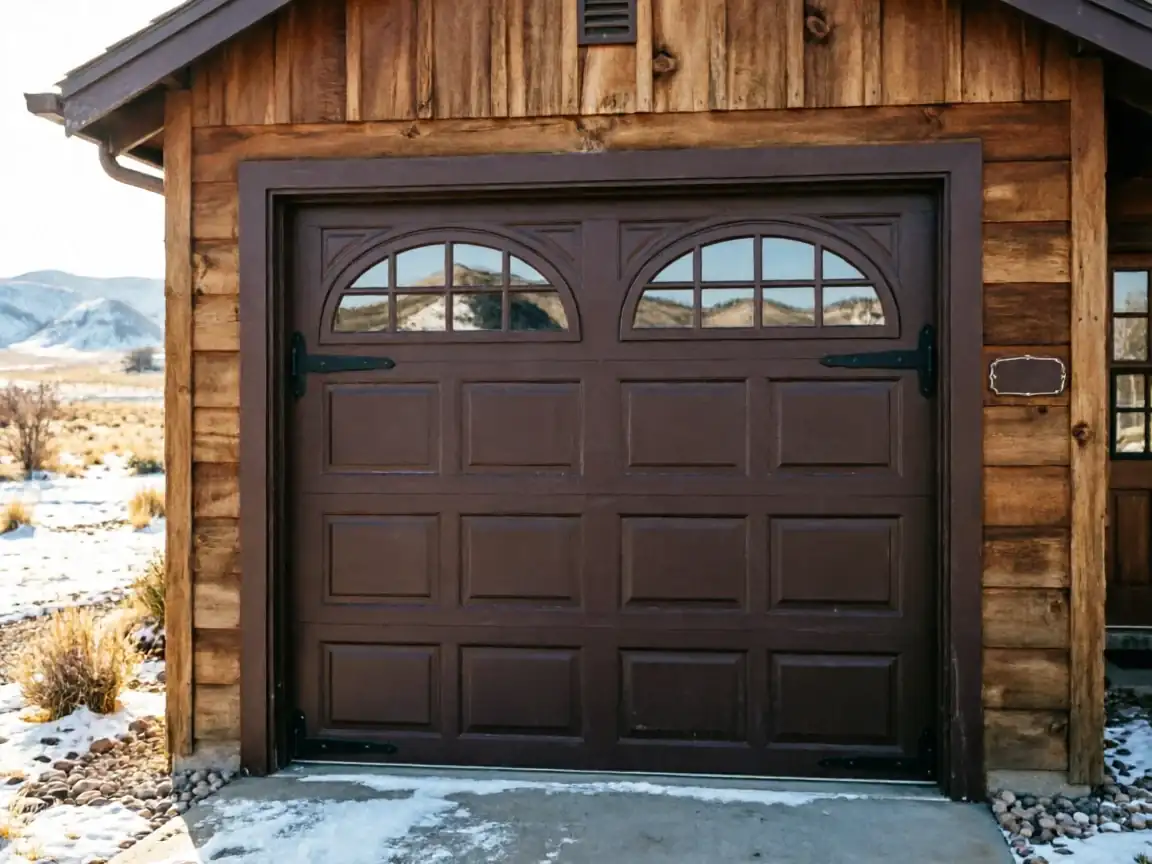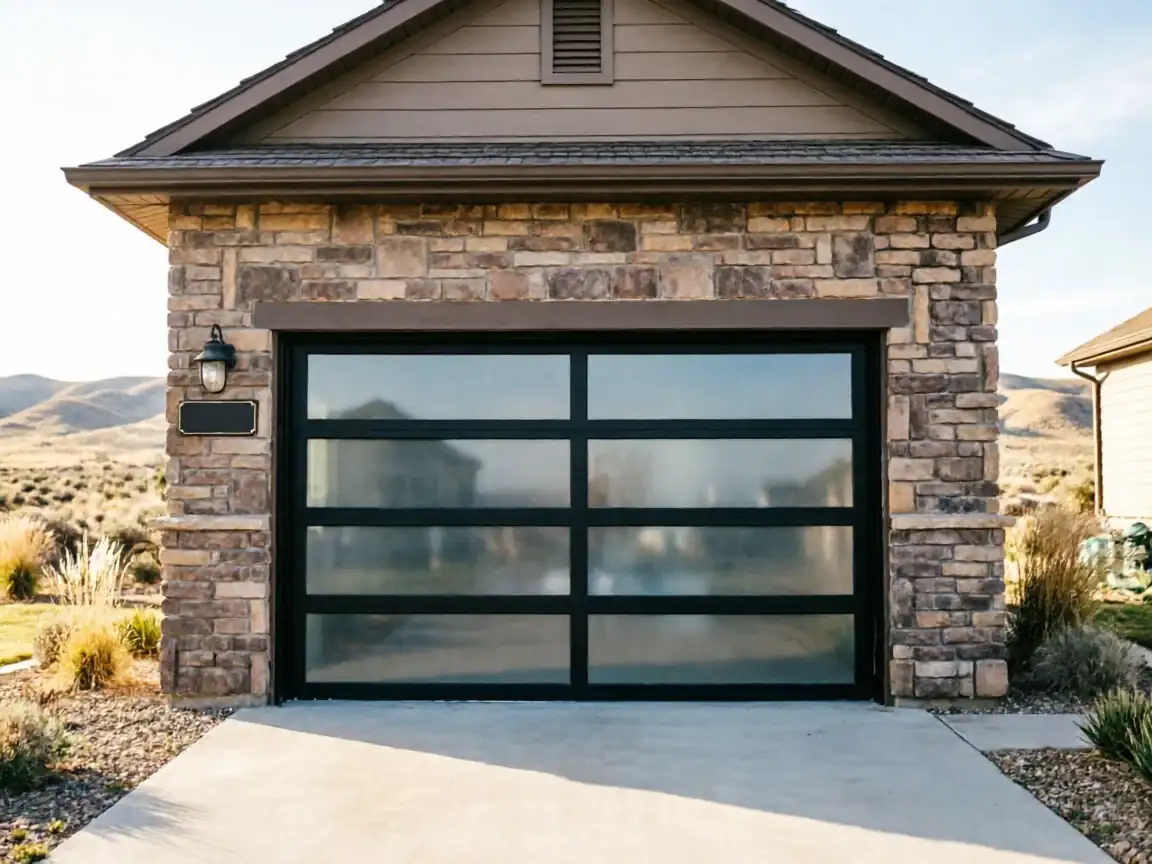
The Symptom
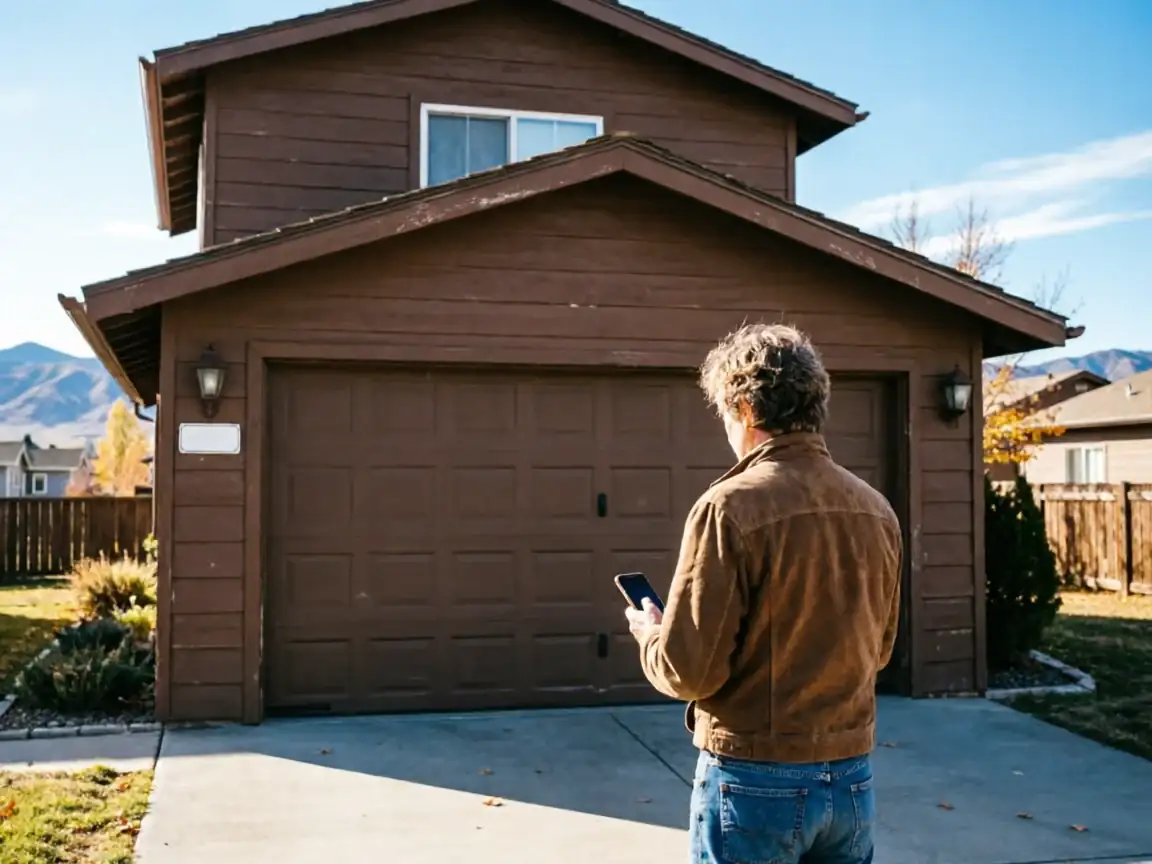
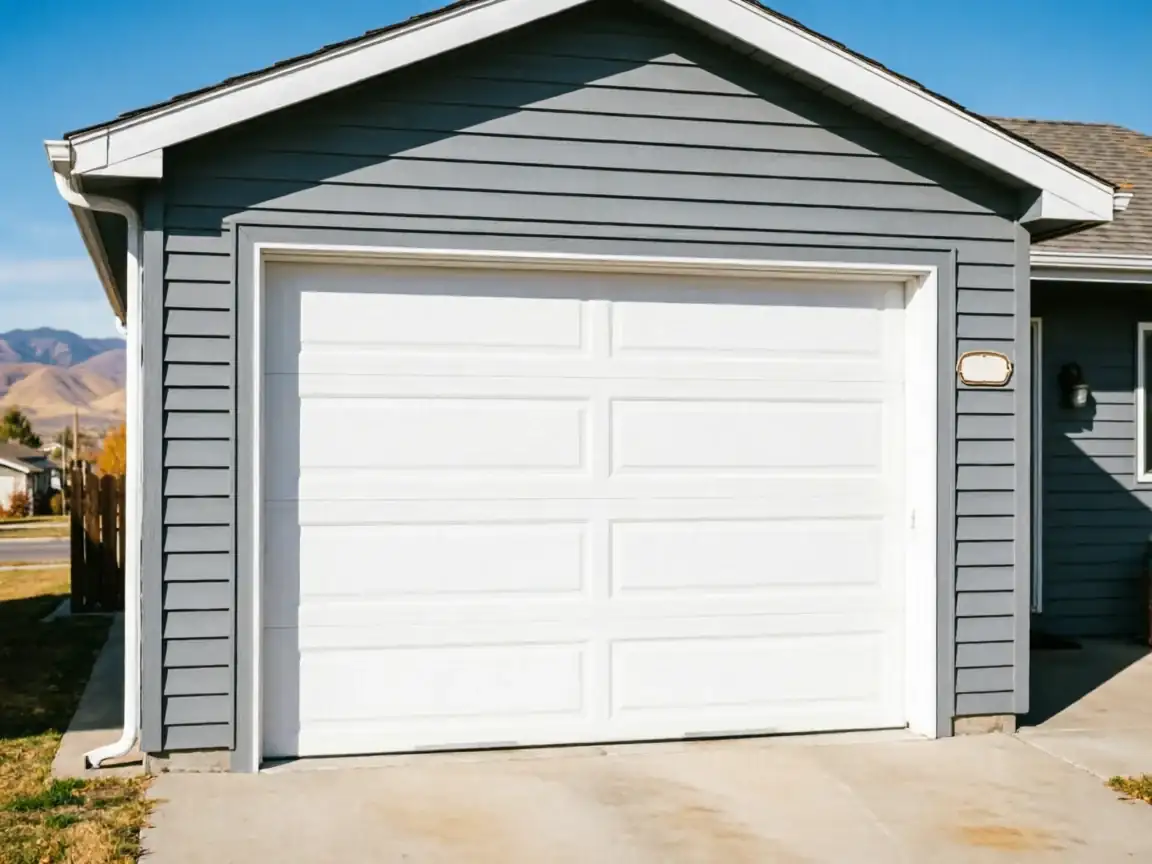
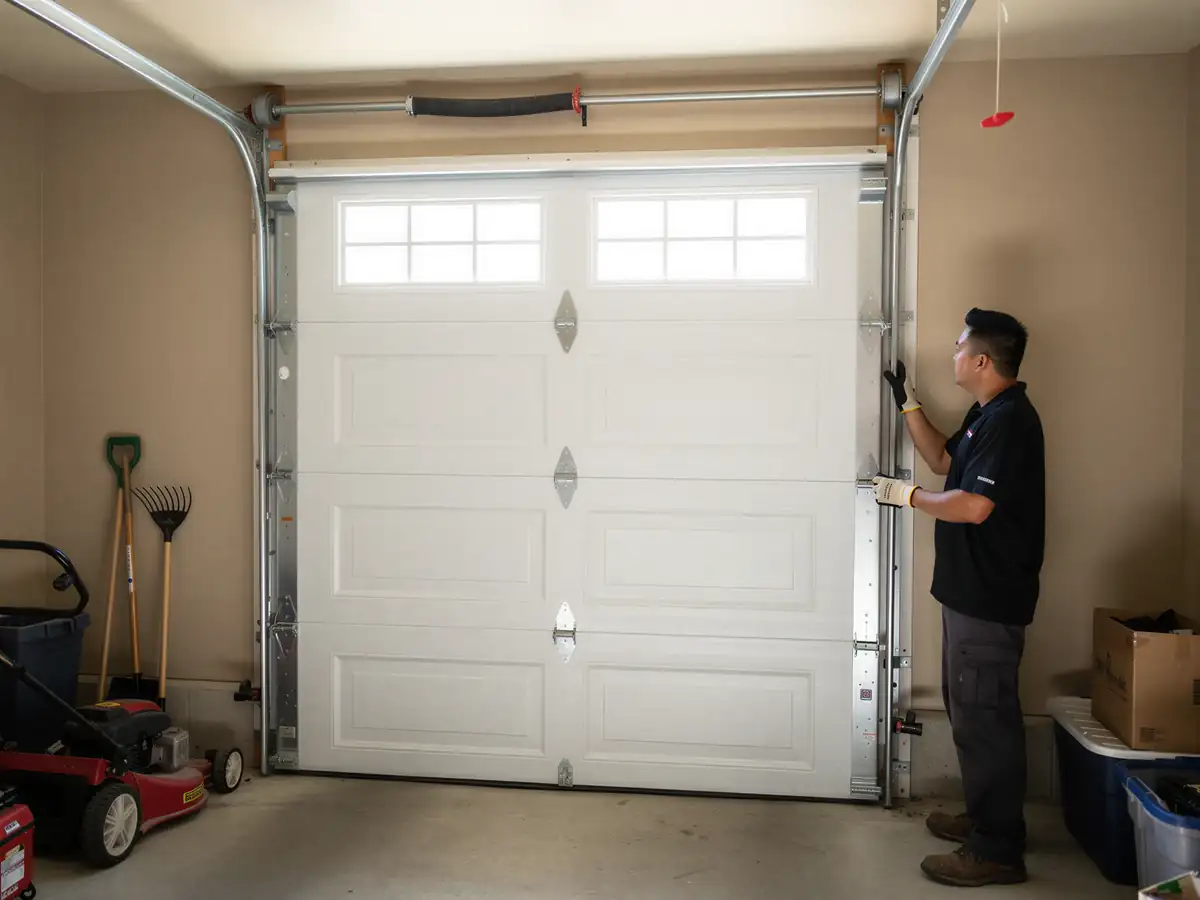
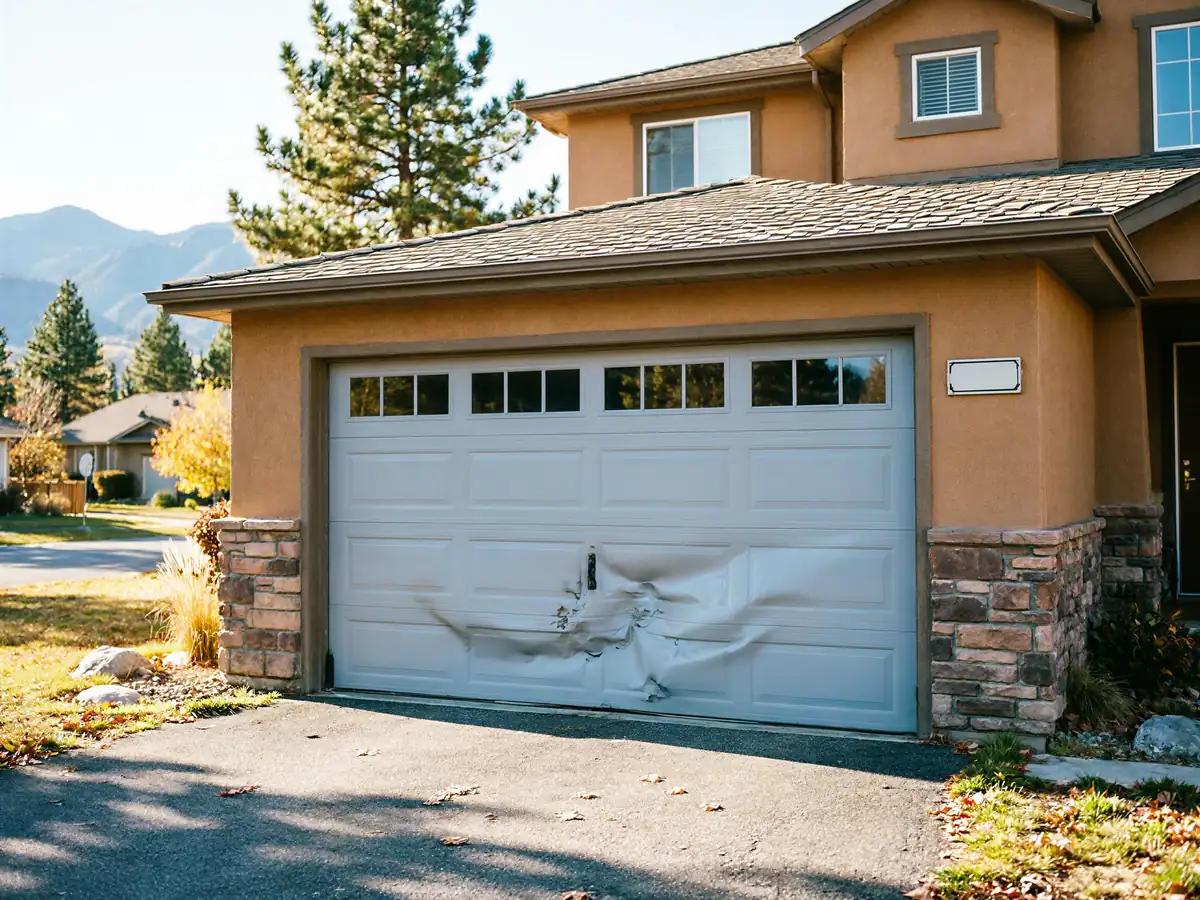
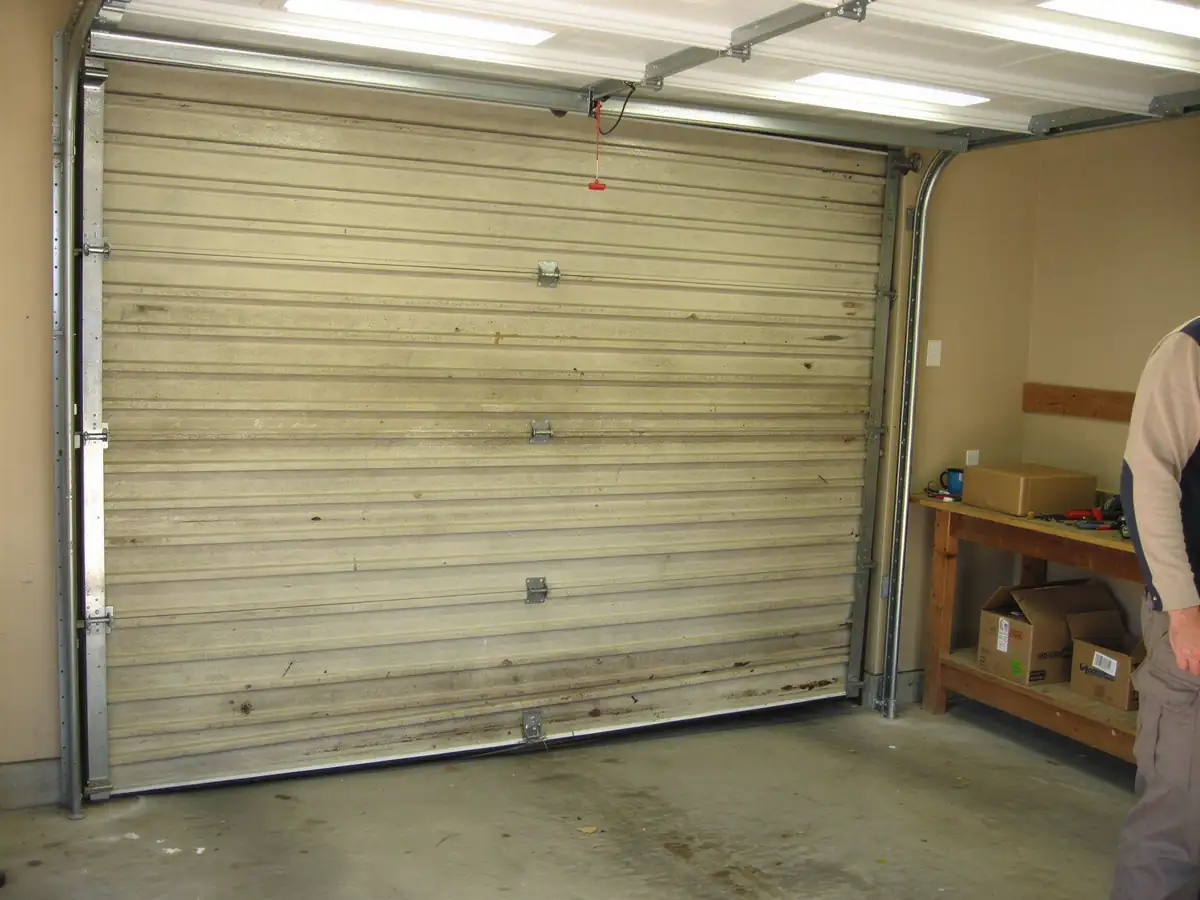
You hit the opener and the door hangs crooked, or one side drops lower than the other and grinds instead of sliding. Sometimes it stops halfway and won't go up or down at all. Sometimes you can see daylight between the roller and the track, usually near the bottom bracket or right where the track curves into the horizontal run. A door that's come off track isn't subtle once it's bad, but the early version is quieter: a scrape on the way down, a roller that looks slightly twisted in its channel, a door that closes a half inch out of square against the weatherstrip. If you keep running the opener once a panel is off track, you risk bending the track further or pulling the opener's drive gear, so the first move is to stop and kill power to the unit, not keep pressing the button hoping it seats itself. A door that's merely loud is a different job than a door that's actually derailed, and telling the two apart from the driveway isn't always easy, which is why this one is worth a look before you decide it's nothing.
What Can Go Wrong
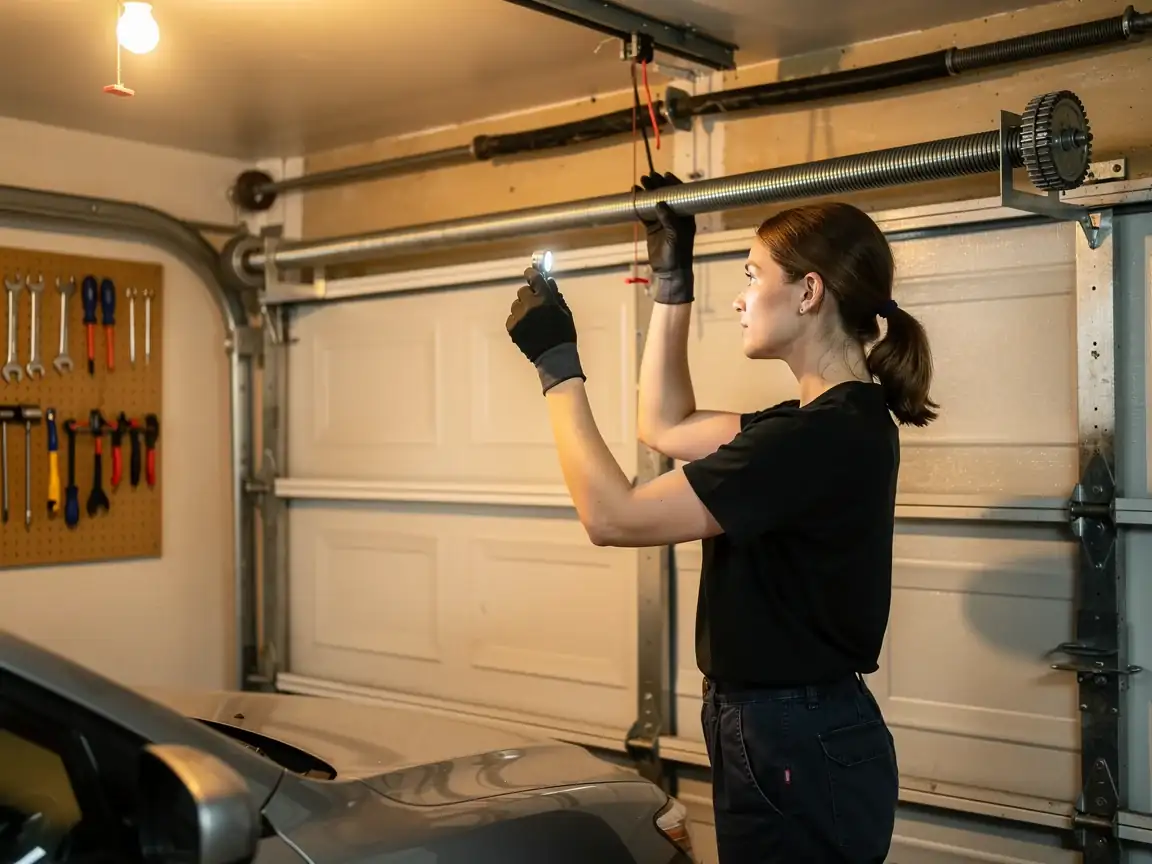
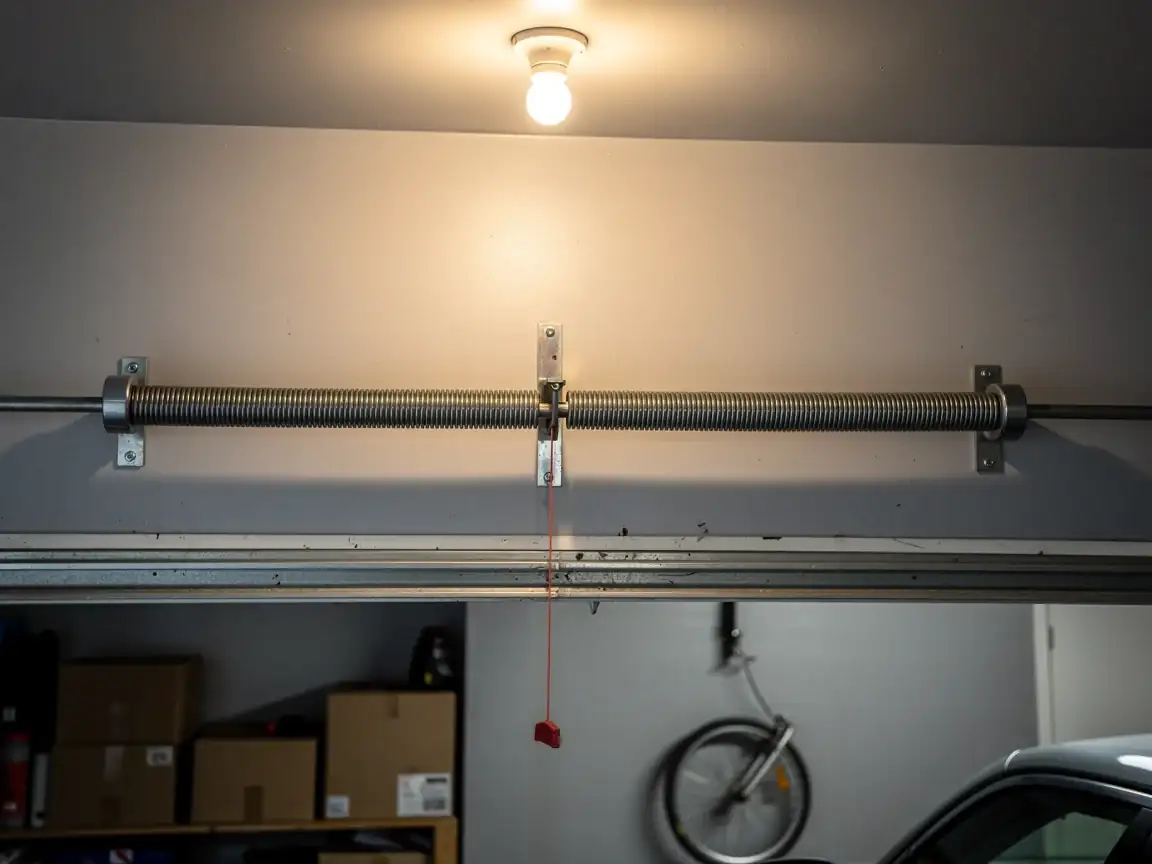
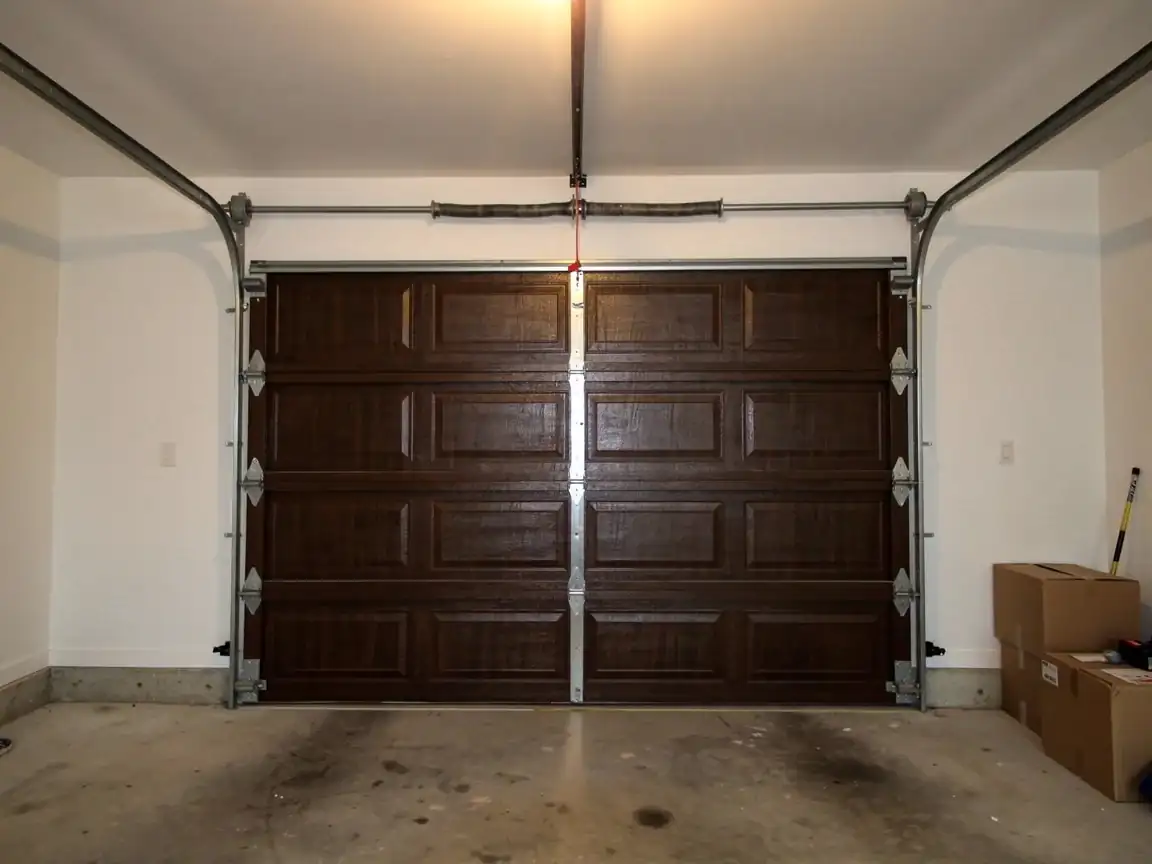
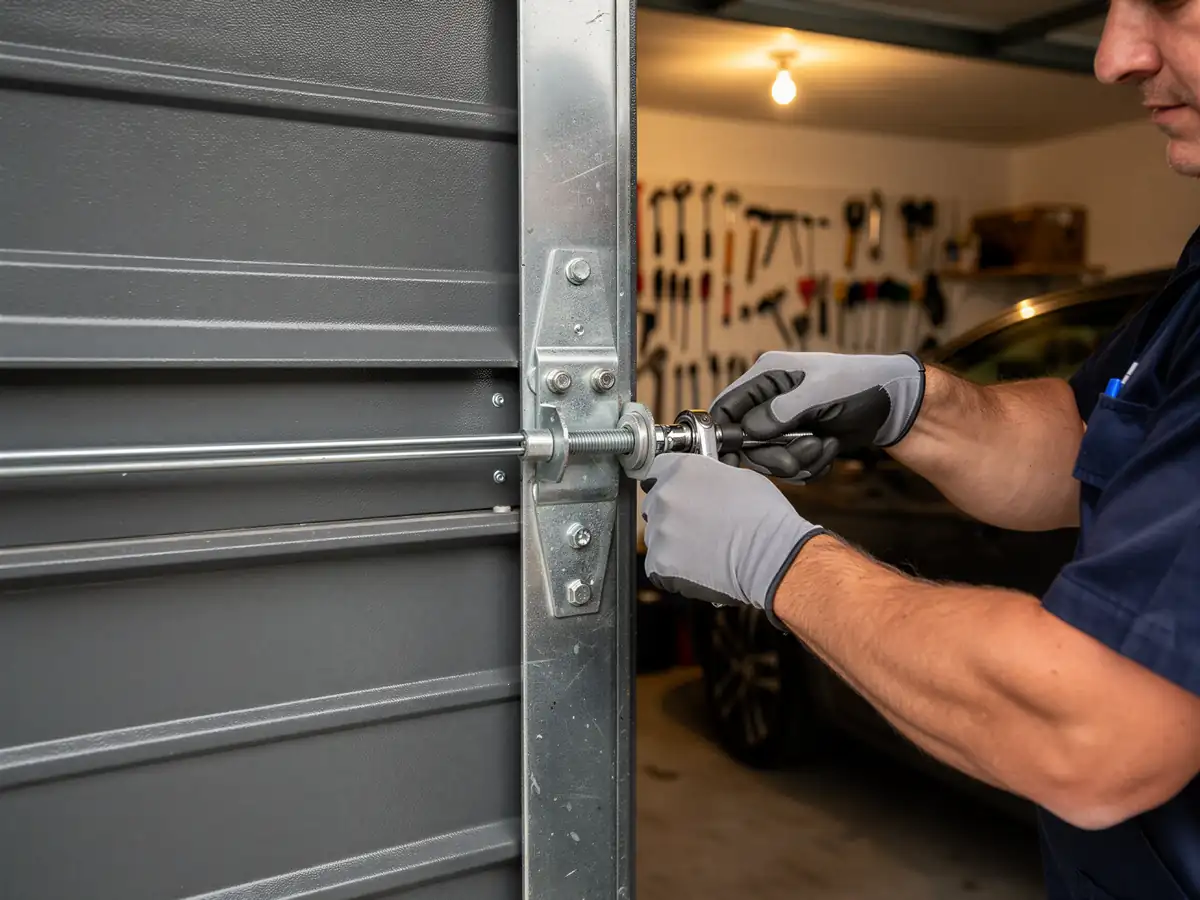
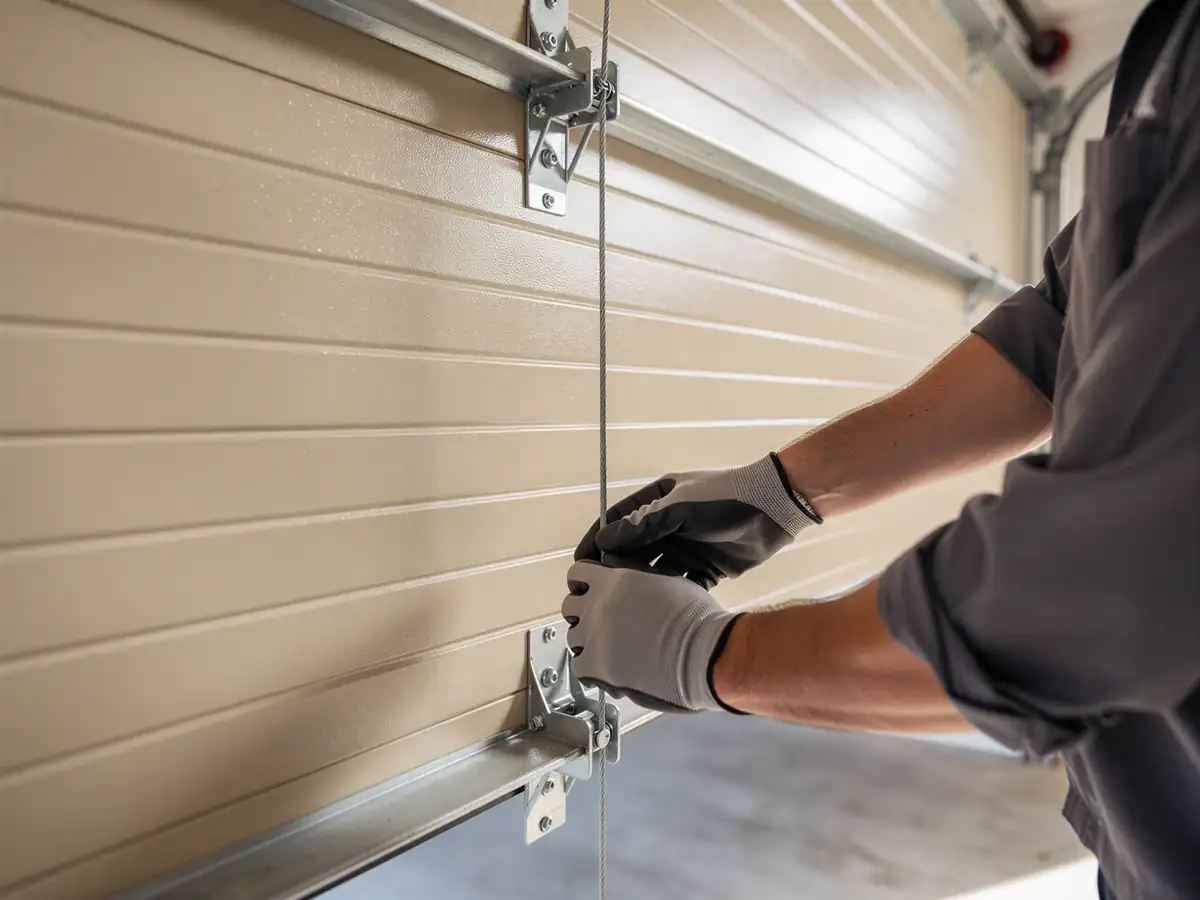
A handful of things put a door off its track, and they don't all cost the same to fix. A broken roller, especially a worn nylon one that's shed its bearing, lets the panel wobble sideways until it jumps the rail. A bent track - from a car bumper tap, a stack of stored items leaning on it, or just age - narrows the channel until the roller can't stay seated. Loose or missing track brackets let the whole rail shift under load. On older double-track hardware, common across this service area's 1960s and 70s stock, a snapped cable or a spring that's lost tension can pull one side of the door down faster than the other, twisting it off the track entirely. The panels themselves can crack or warp over enough winters, changing how they sit against the rollers. None of these fixes are interchangeable - a bent track section usually gets replaced rather than hammered straight, because a straightened track rarely holds true for long, and that's the kind of repair where patching costs you a second call later.
Why It Happens Here
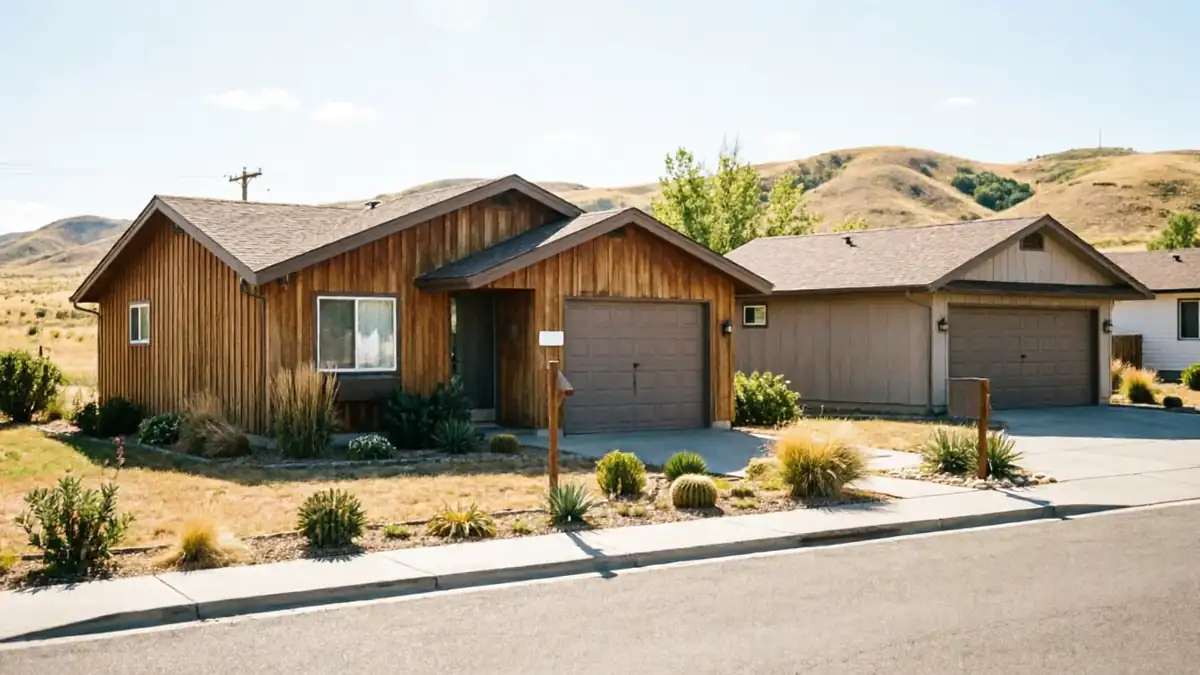
Housing across this service area went up mostly between 1938 and 2005, with the bulk of it concentrated in the 1960s and 70s construction wave that runs through neighborhoods. Track and roller hardware from that era is lighter-gauge than what's installed today, and after enough seasons it doesn't take much - a hard stop, a bump from a parked car, a bracket that's worked loose over decades - to pull it out of alignment. This area sits in a severe cold climate band, and repeated freeze-thaw cycles work on the lag screws holding brackets to the jamb, loosening them a little more each winter until a track shifts under normal use. With 52,452 owner-occupied houses across this service area, a meaningful share still run the original single-track hardware common to that period, which is narrower and less forgiving than modern double-track rail. And with a median household income near $129,480, most homeowners here opt to replace a bent track section outright rather than patch it, which tends to be the more durable call on hardware this old anyway.