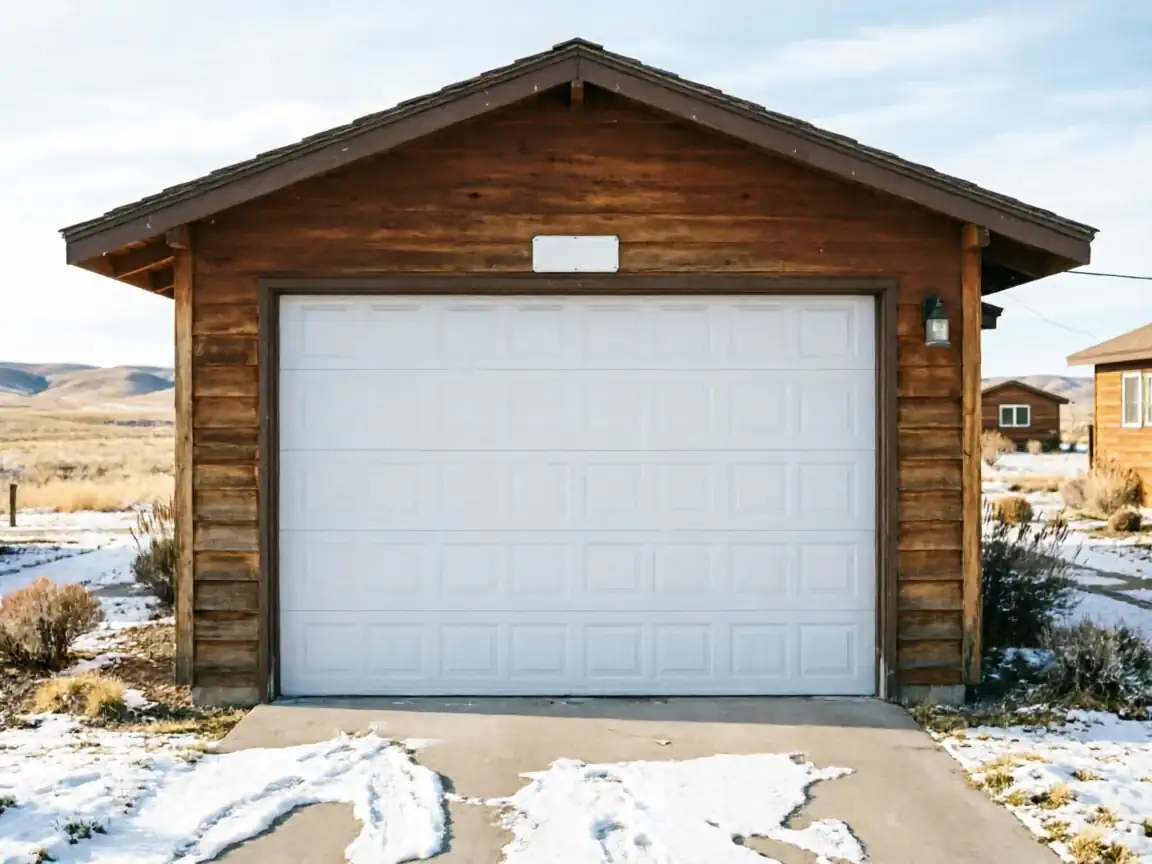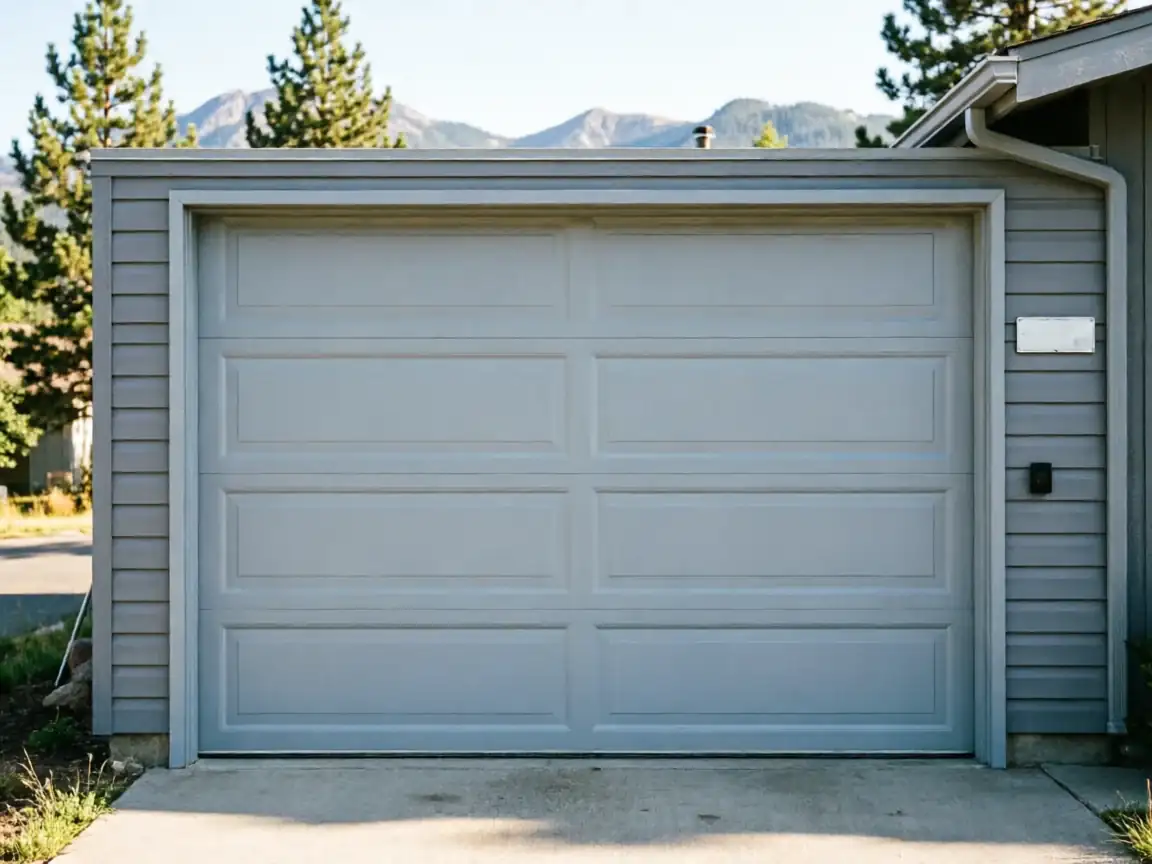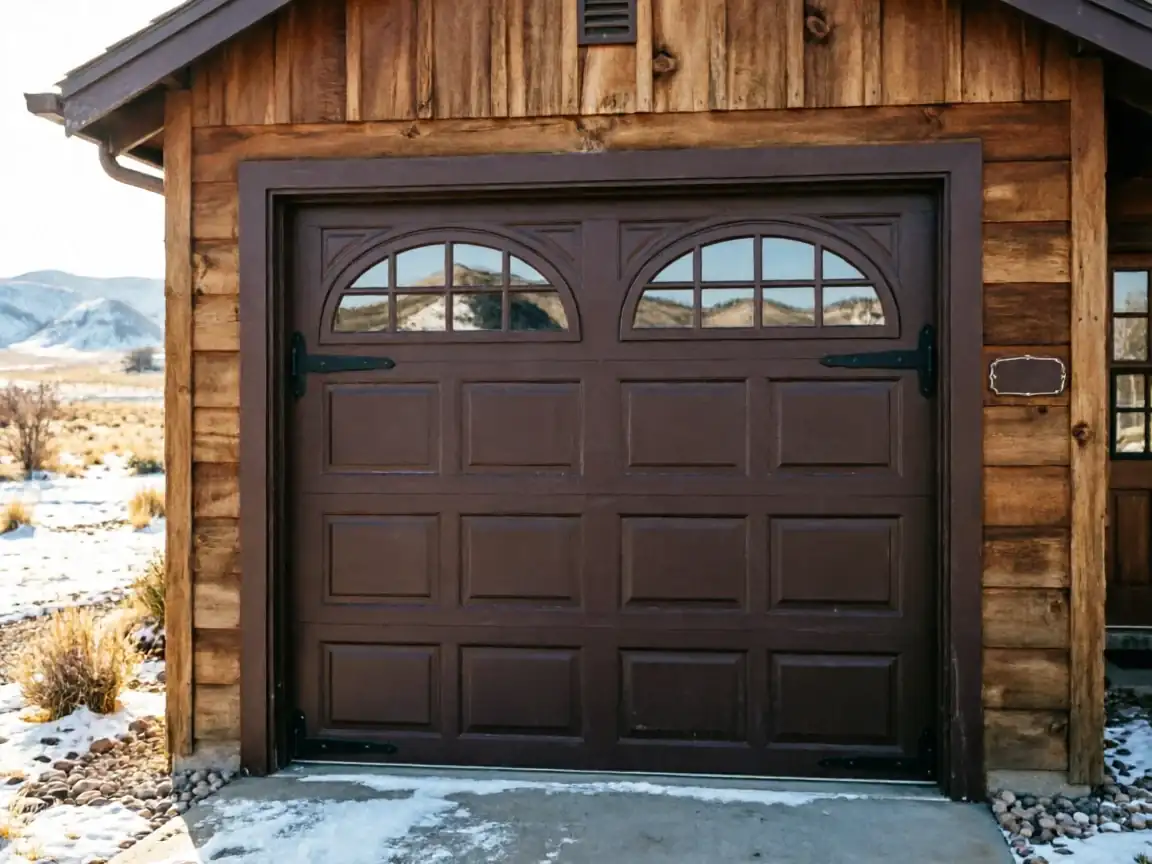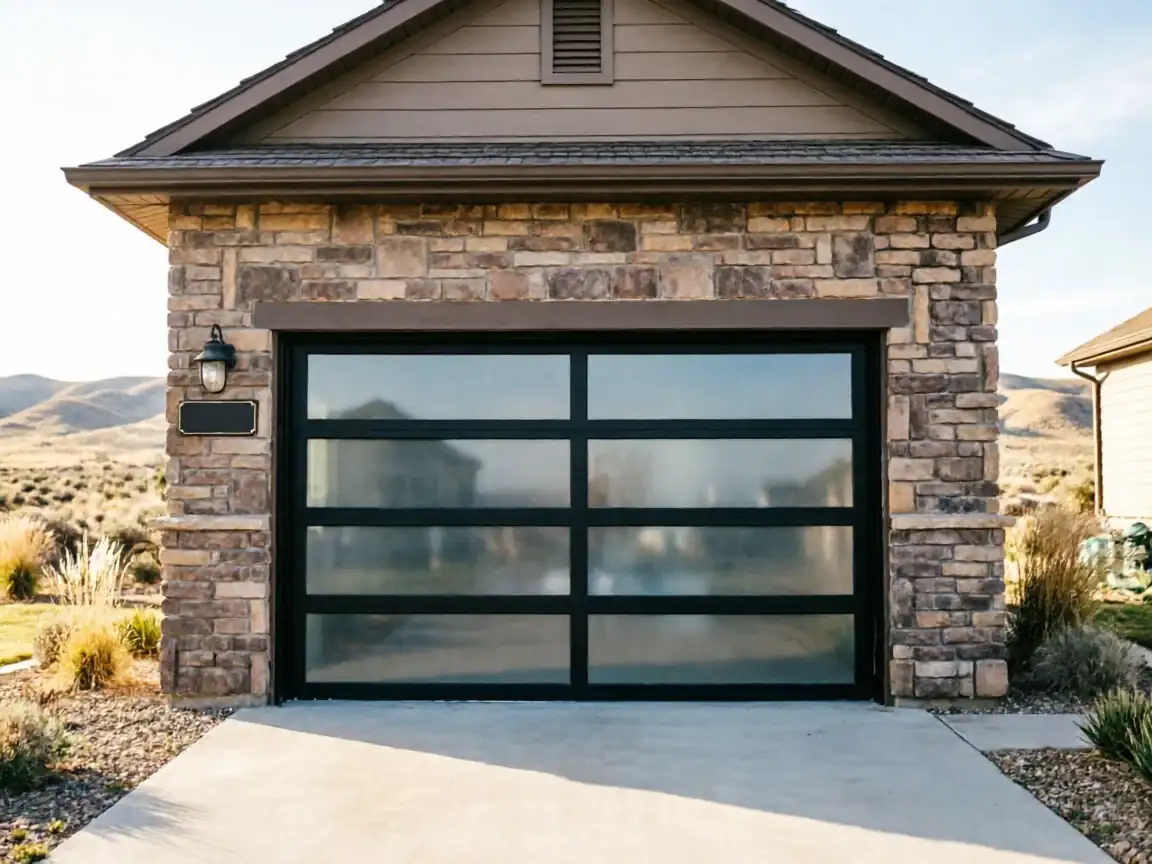
The Symptom
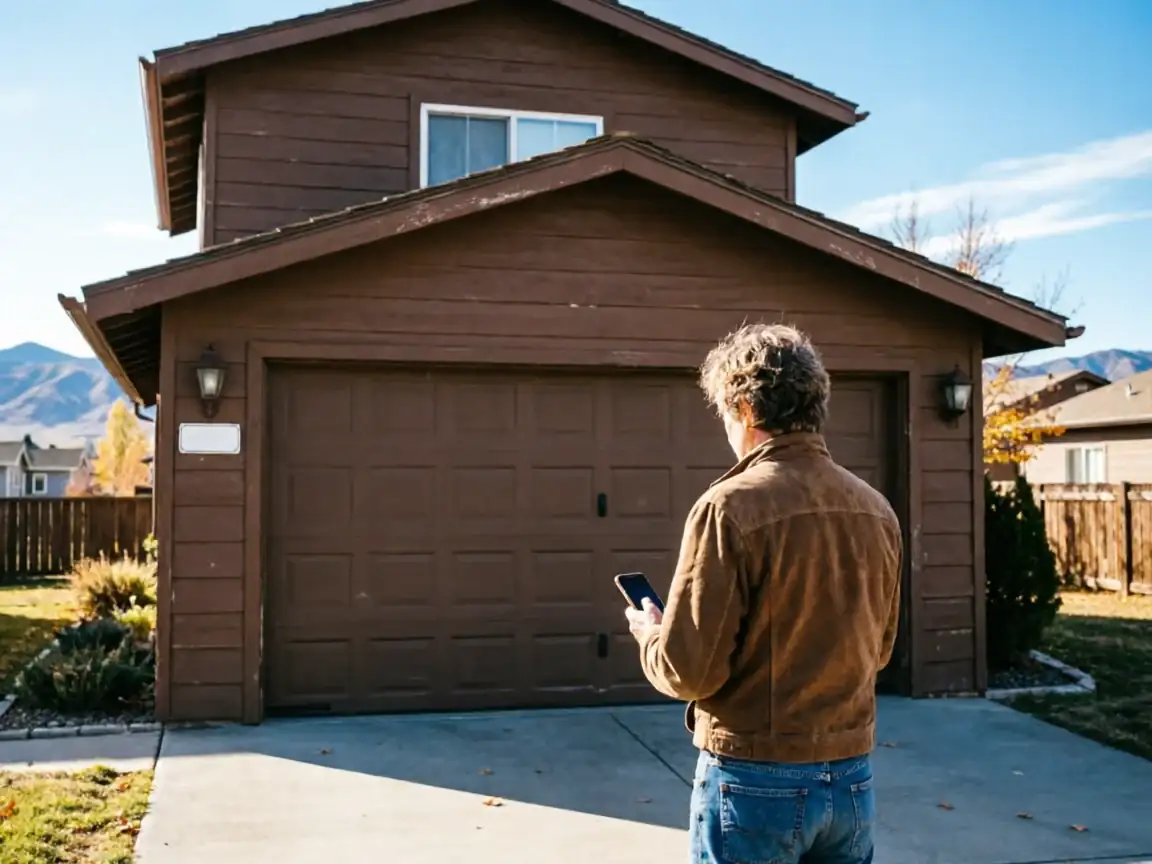
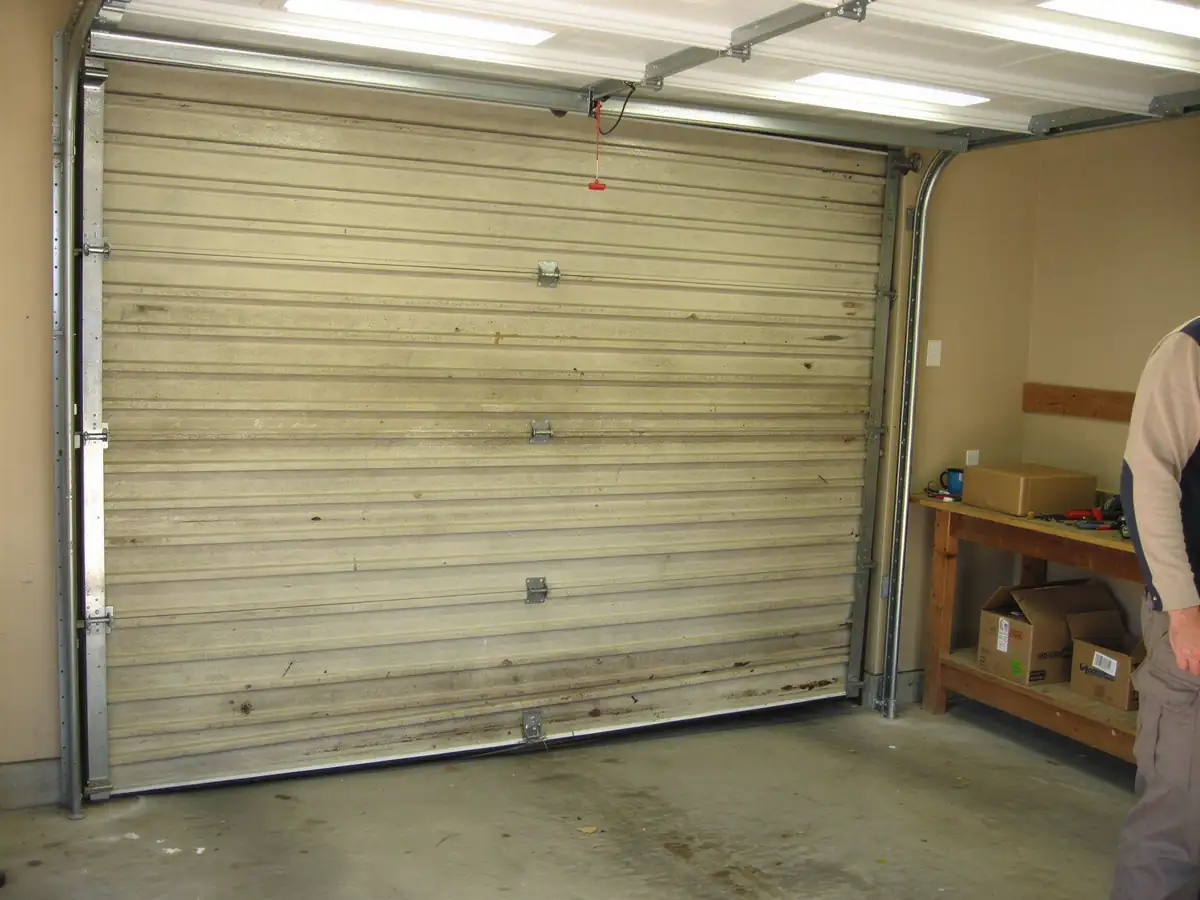
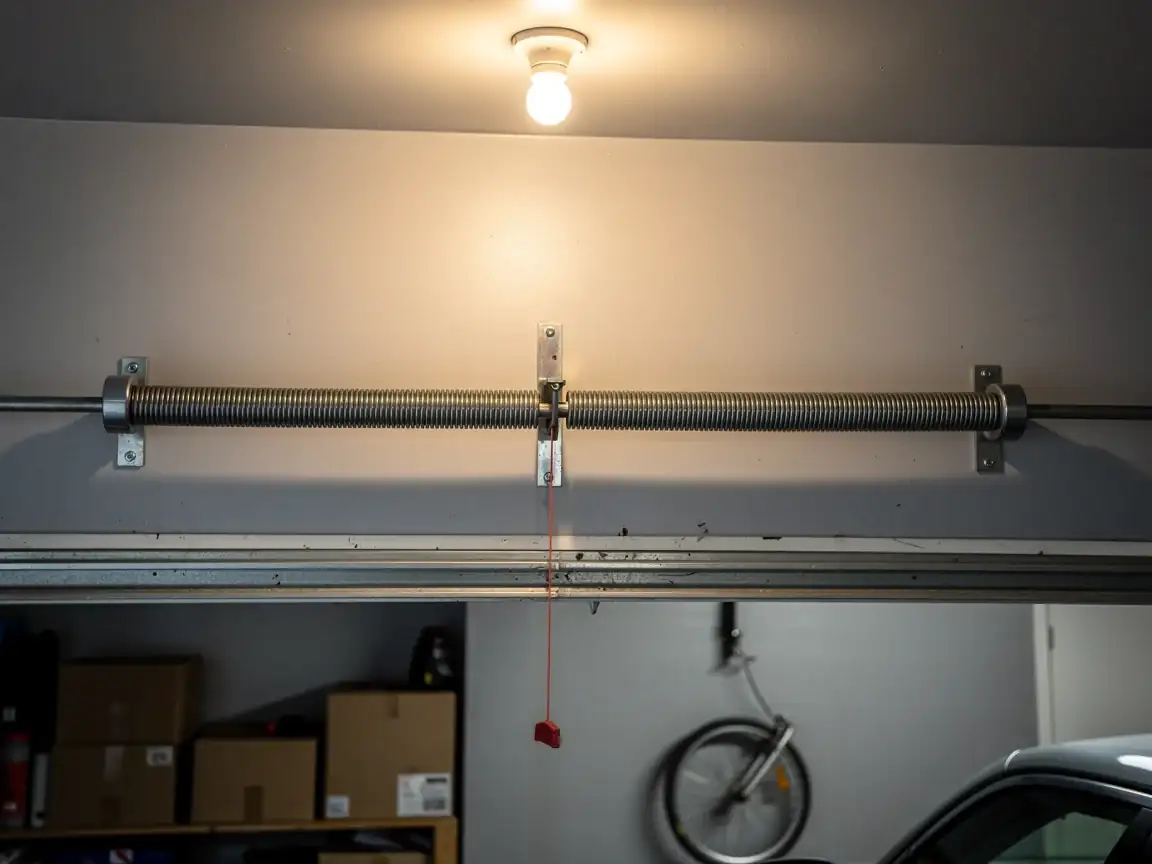
The door hesitates on the way up, especially on the first cold morning of the week. It jerks, pauses halfway, then finishes the lift with a groan from the opener motor. Or it reverses on its own right before it hits the floor, like something invisible is pushing back. Some owners notice the remote works fine in the afternoon but the door drags or won't fully seat at night when the garage has cooled down since sunup. None of this is random. It's the cold acting on steel that's been doing the same lift-and-drop cycle since a torsion spring was wound sometime between 1938 and 2005, which covers most of the housing stock out here, with the bulk of it dating to the 1960s-70s build wave across the area's 31 named sections.
If you're in - the closest filings to the center of Highlands Ranch - you're looking at garages built during that same stretch, with original hardware in a lot of cases. The symptom shows up worse in homes that haven't had the spring or rollers touched since the house was built. A door that labors only in cold weather is telling you something specific about what's tightened up inside the track, not just that it's old.
What Can Go Wrong
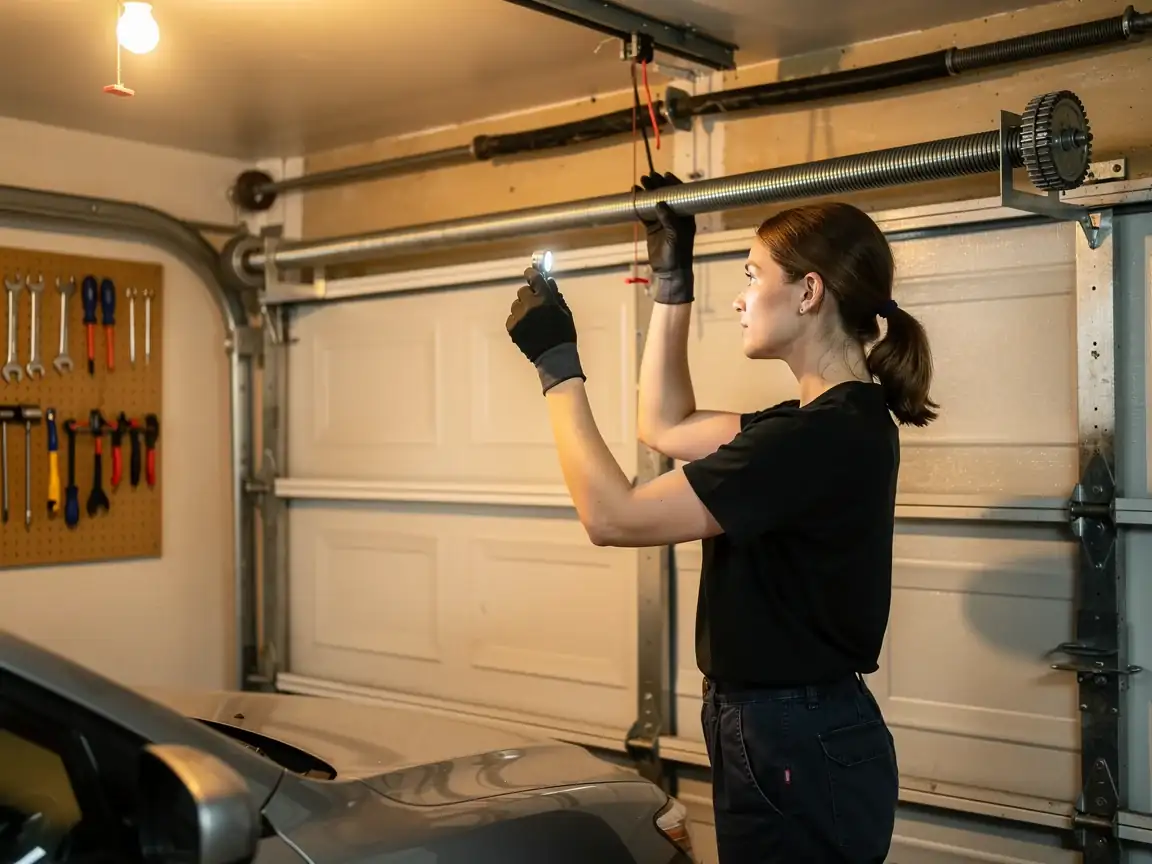
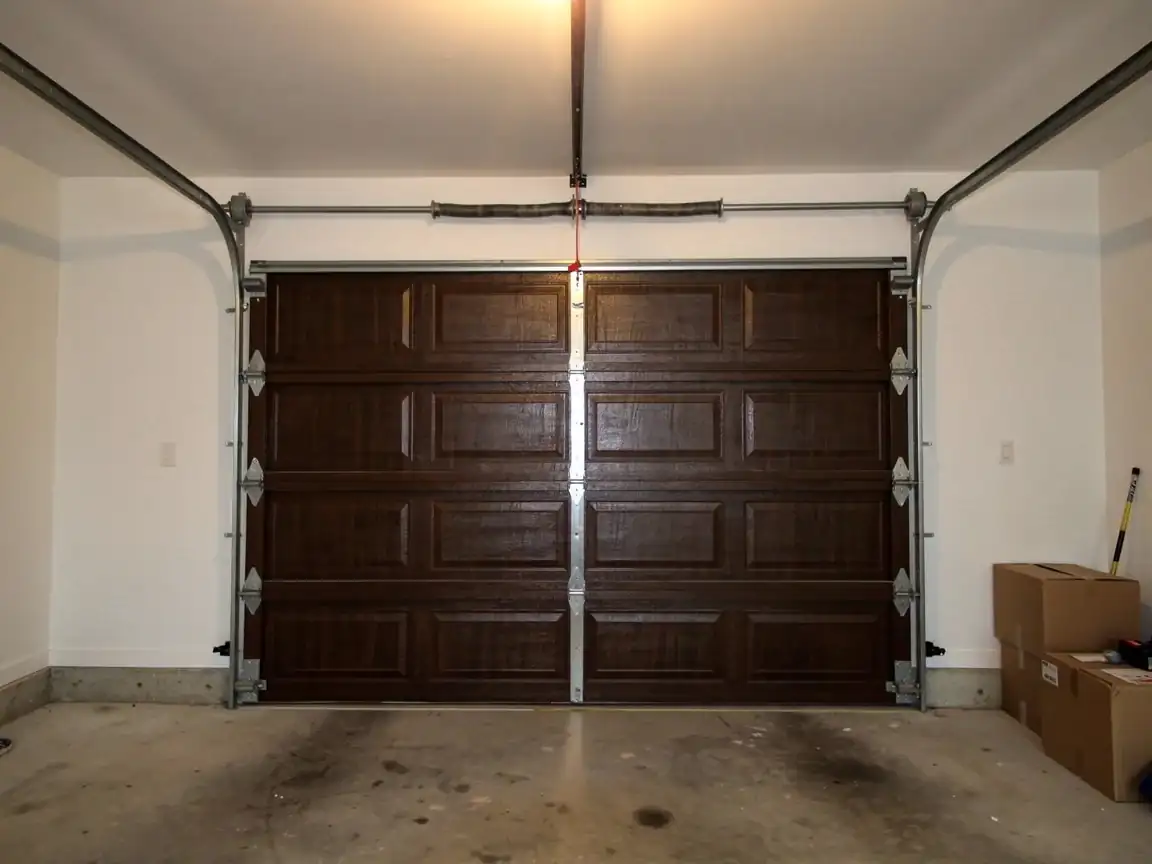
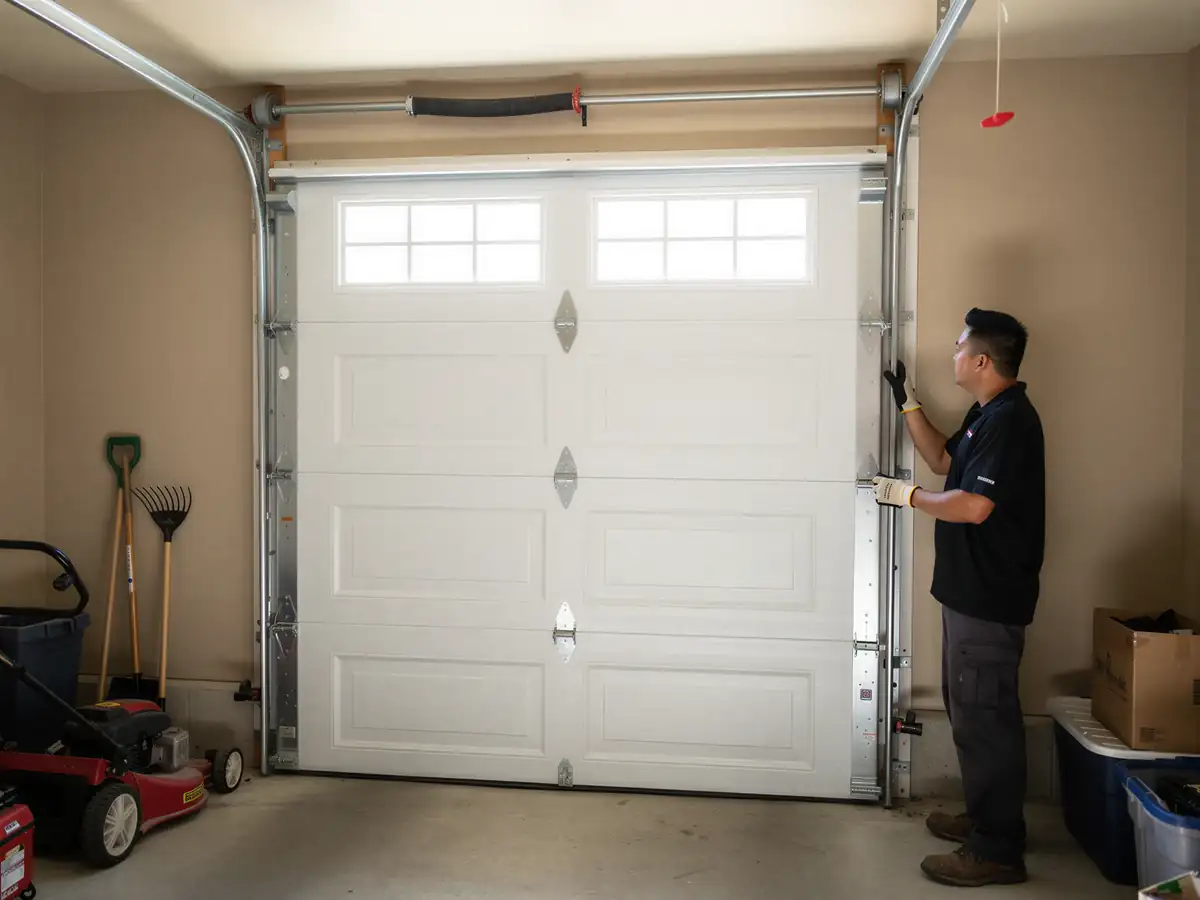
Cold makes steel contract and grease stiffen. A torsion spring that's already fatigued from decades of cycles loses a little more tension every winter, and the opener has to work harder to compensate - that's the groan. Nylon rollers from the 1970s-era builds get brittle in cold and start binding in the track instead of rolling through it. Galvanized cable can develop frost and rust at the drum if moisture's gotten in over the years, and a cable that's starting to fray will usually let go on a cold morning, not a warm one, because the metal has less give.
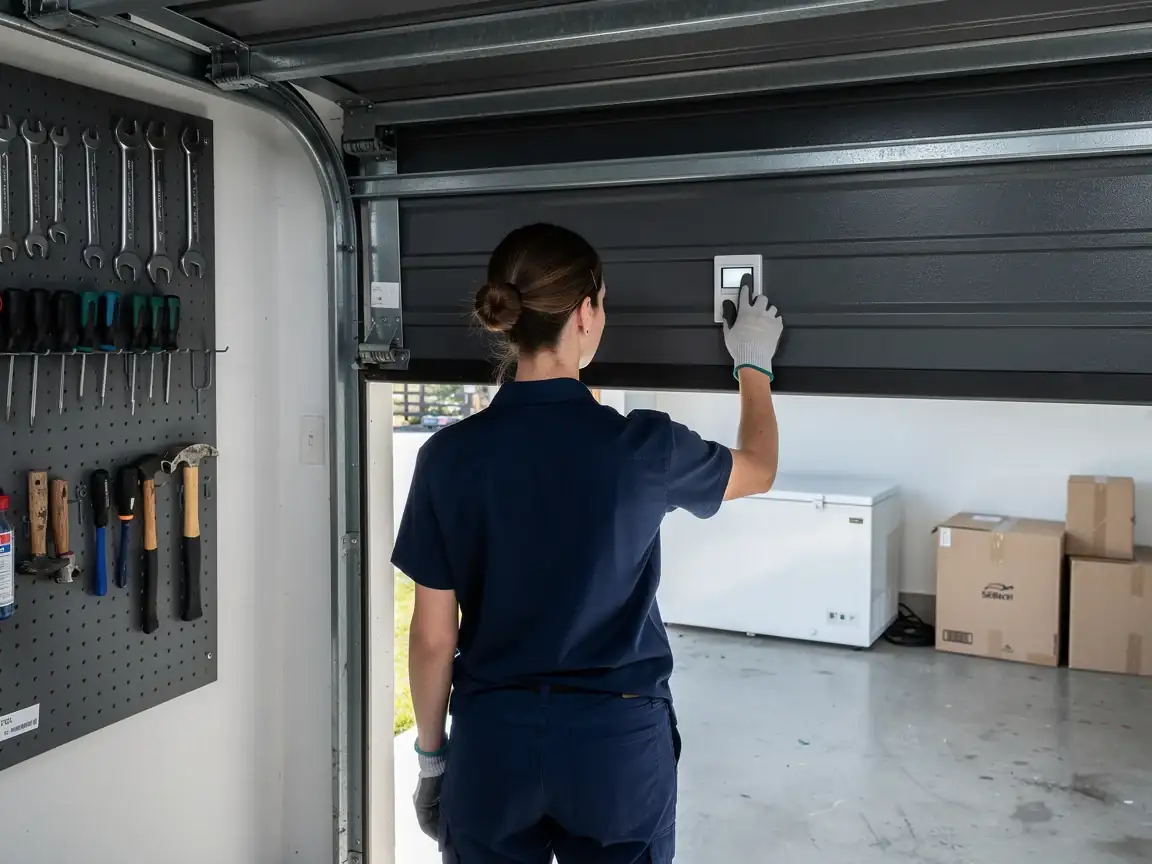
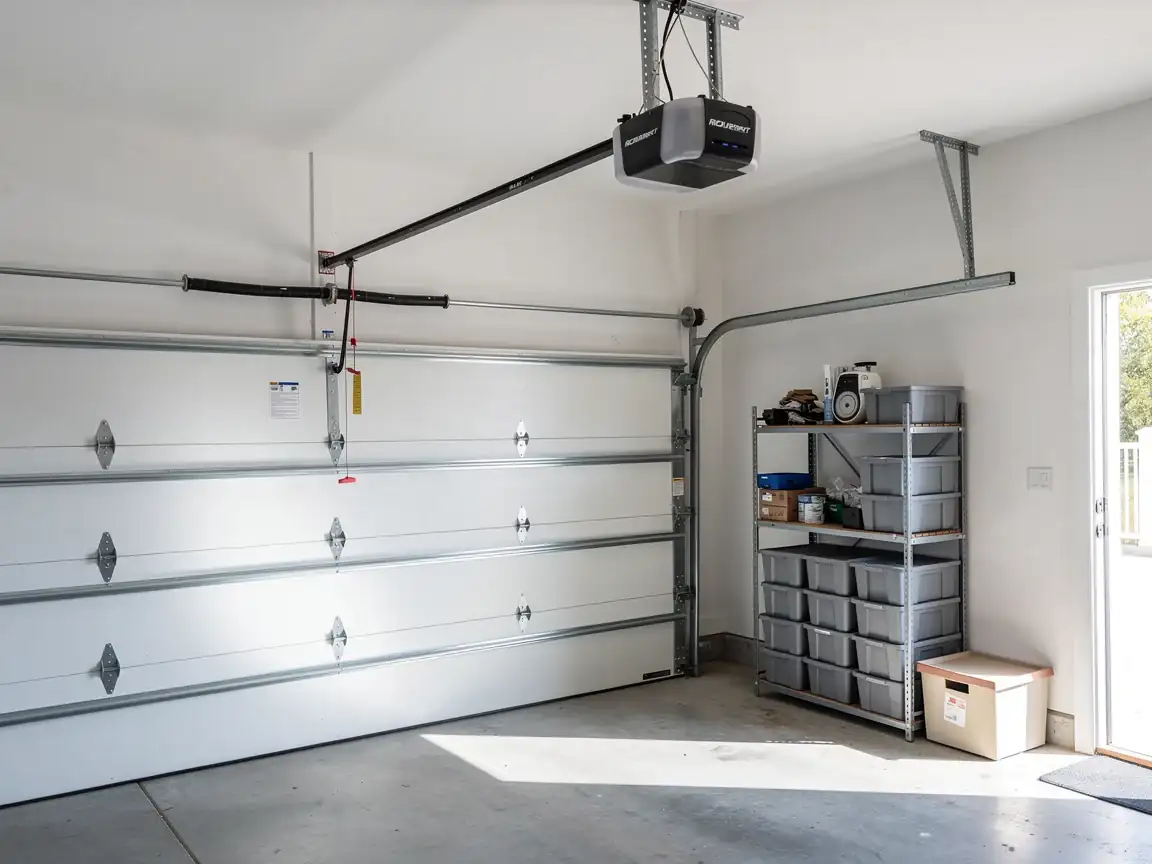
The photo-eye sensors near the floor are another cold-weather failure point - condensation or frost on the lens reads as an obstruction, and the door reverses for no visible reason. On older openers without updated circuit boards, cold can also affect the travel-limit settings, so the door thinks it's hit the floor before it has. None of these are separate problems; they compound. A spring under-tensioned by cold puts more strain on a cable that's already thinning, which puts more load on rollers that are already stiff. That's usually when something actually breaks instead of just lagging.
What the Fix Involves
We start by cycling the door cold, not after it's warmed up
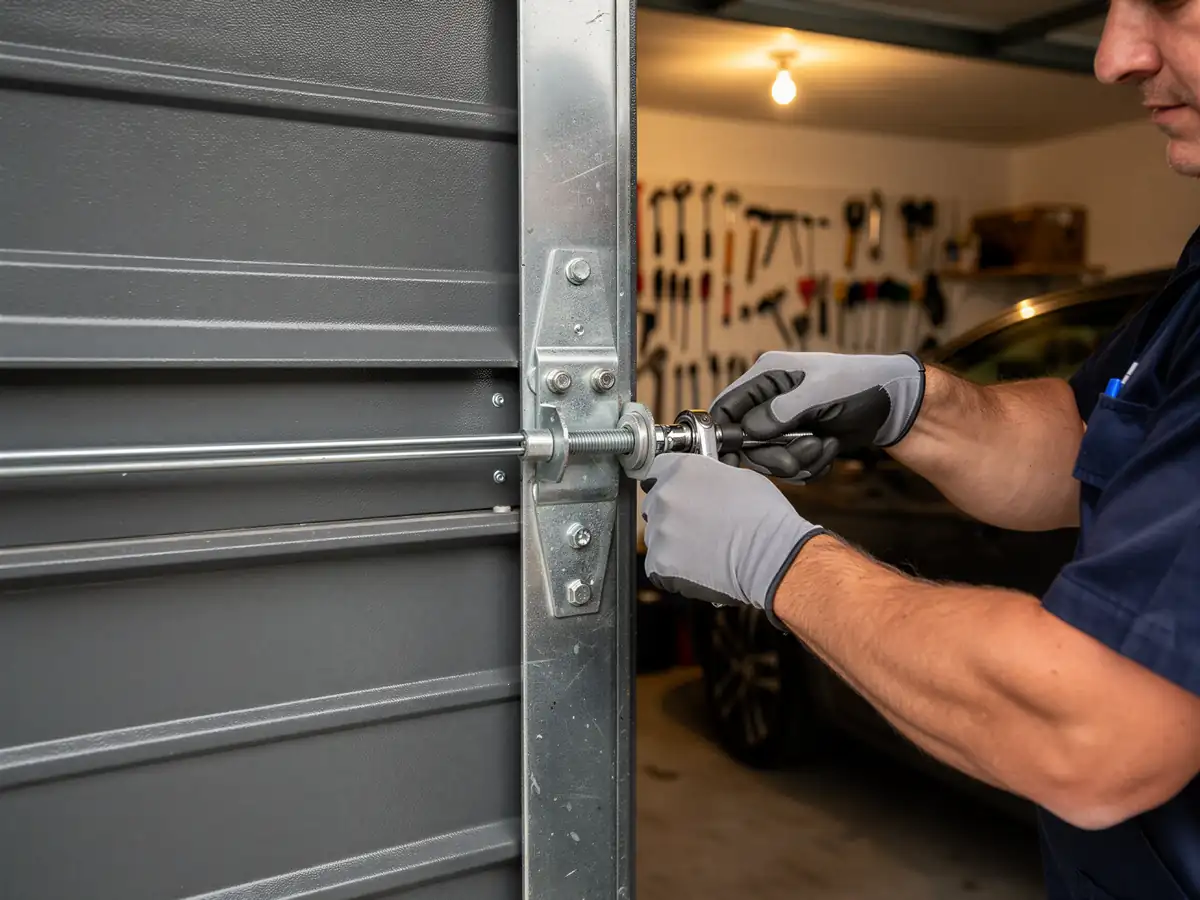
Because that's the only way to see the actual drag point - spring, cable, roller, or sensor. A spring that's lost tension from age gets rewound or replaced outright; we don't recommend just adding tension to compensate for cold, since that masks the real problem and strains the opener. Rollers that have gone brittle get swapped for ones rated for a severe cold climate rather than whatever shipped standard decades ago.
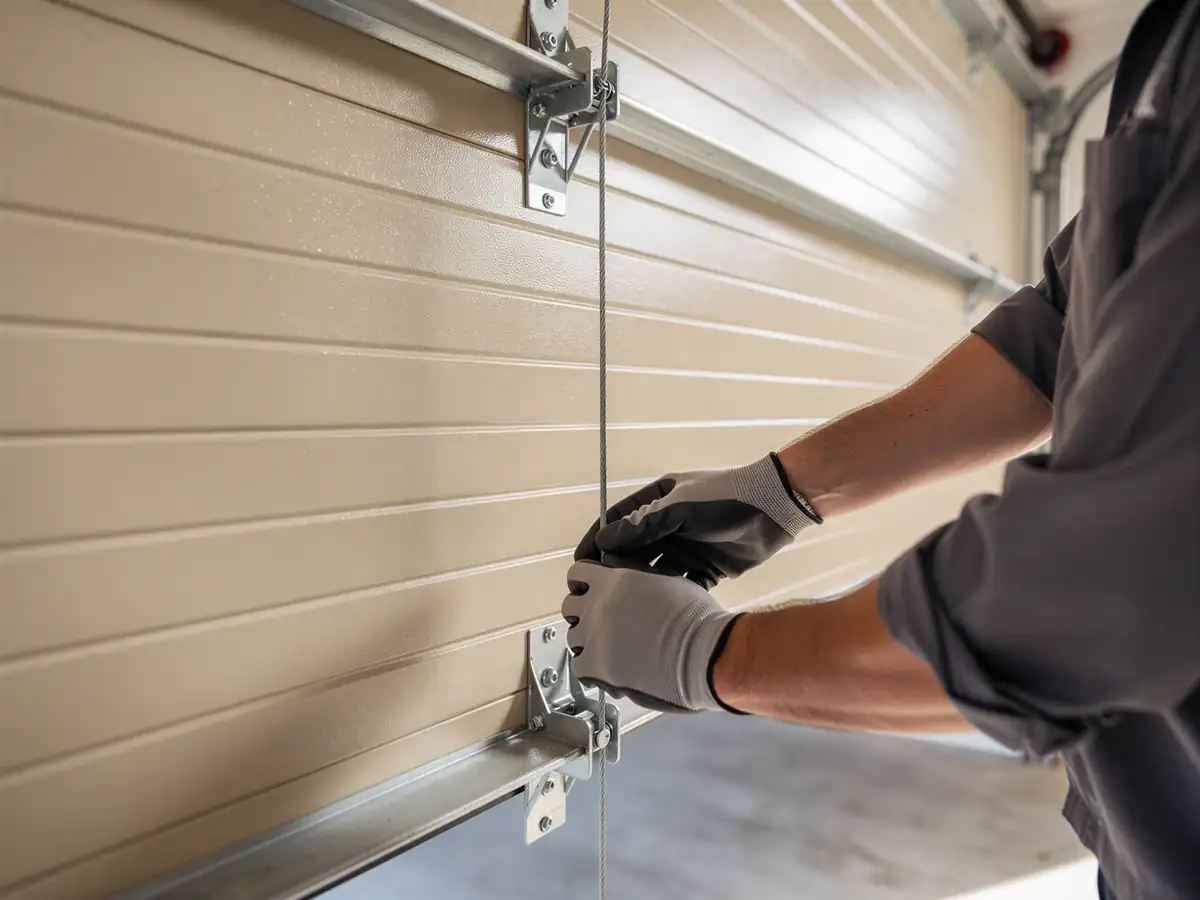
If the cable shows fraying at the drum, we replace the pair
Doing one side and leaving the other original defeats the point, since the older cable will go next and usually at a worse time. Photo-eye alignment and lens cleaning takes care of the phantom-reversal issue in most cases, and it's a five-minute check we do on every call regardless of what brought us out.
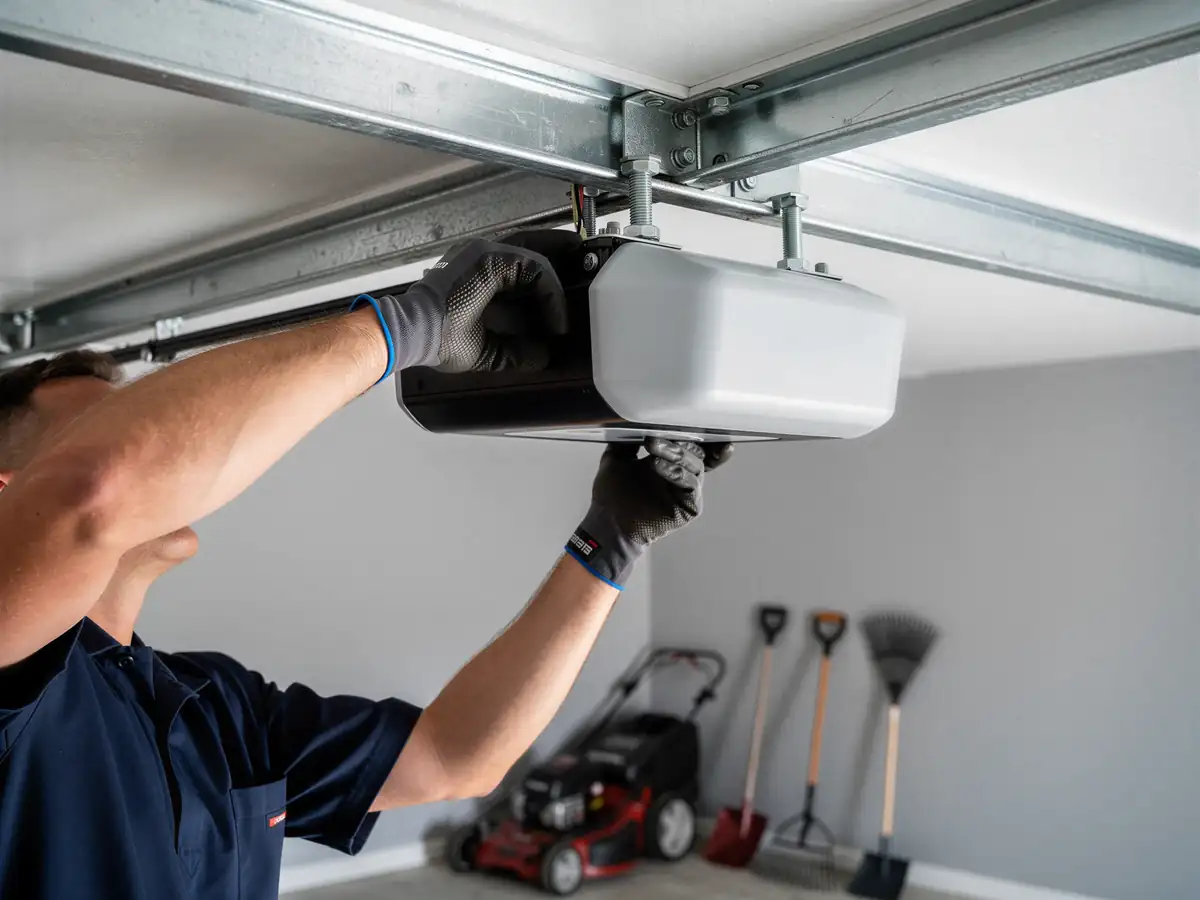
One limit here: if the opener's circuit board itself is failing to hold travel limits in cold
That's a part we need to order rather than carry on the truck, and the wait depends on what's in stock that week. We'll tell you straight if a repair is a stopgap versus worth doing once and being done with it - sometimes a 1980s opener isn't worth chasing a board for.
Why It Happens Here
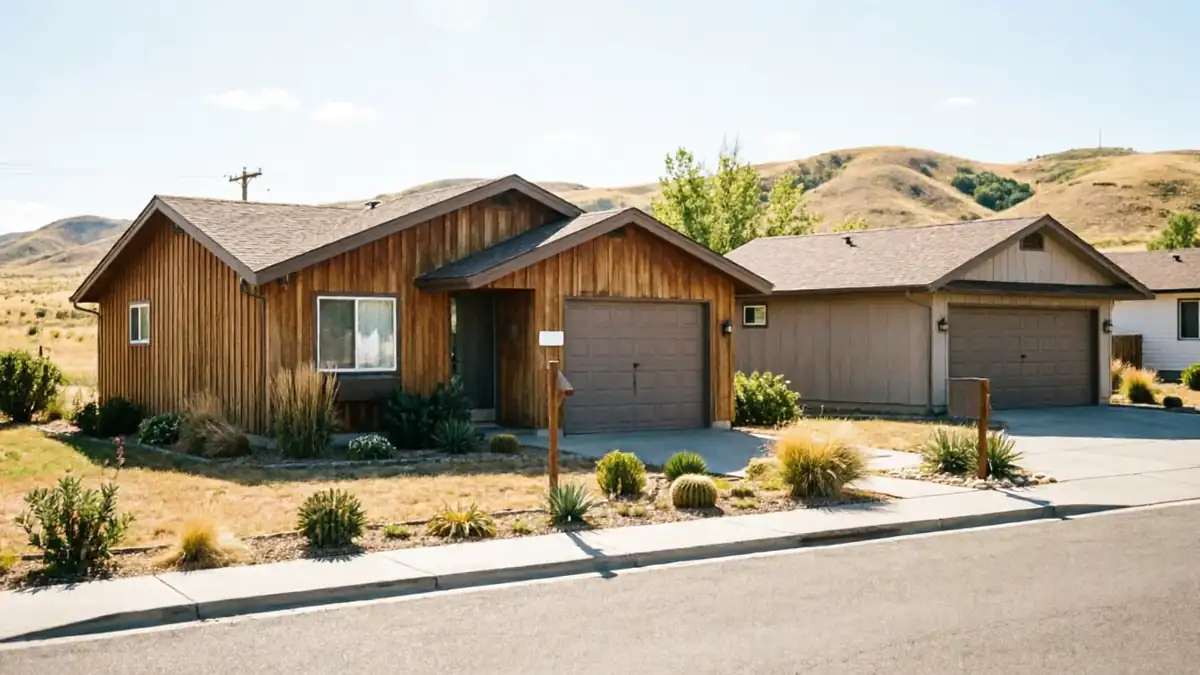
This isn't a climate that's cold on and off - it's a cold band classified as severe, and a garage that sits unheated through that kind of winter puts real stress on anything metal that flexes daily. Add housing stock that runs from 1938 up through 2005, with the median build year at 1979, and you've got a lot of original torsion springs and rollers that have outlasted their expected cycle count in a climate that was never gentle on them to begin with.
Across the service area's 102,758 households, more than half - 52,452 - are owner-occupied houses, which means most of these garages are maintained by the people who actually live behind them, not a landlord cycling through tenants. That tends to mean doors get used hard, year-round, by the same family, which is exactly the pattern that exposes a weakening spring or a stiffening roller on the coldest morning rather than catching it in a routine check.