Booking a Visit
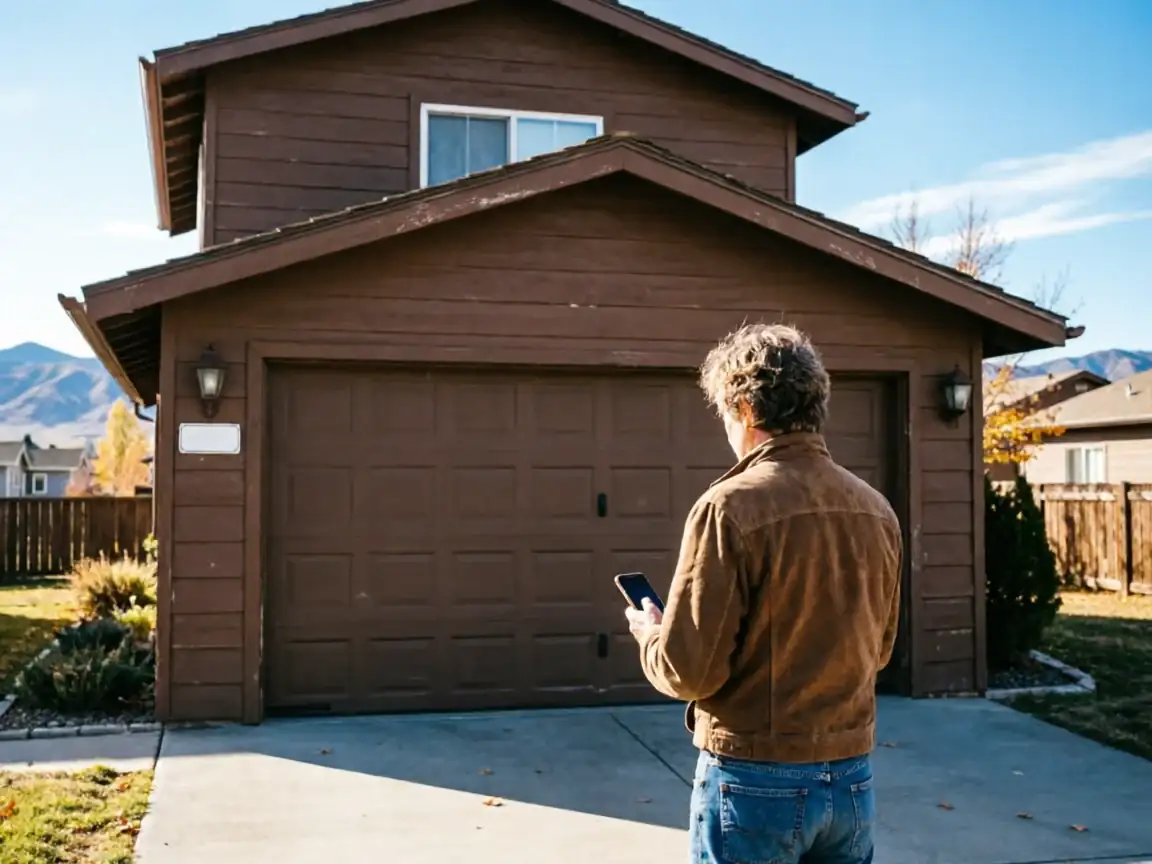
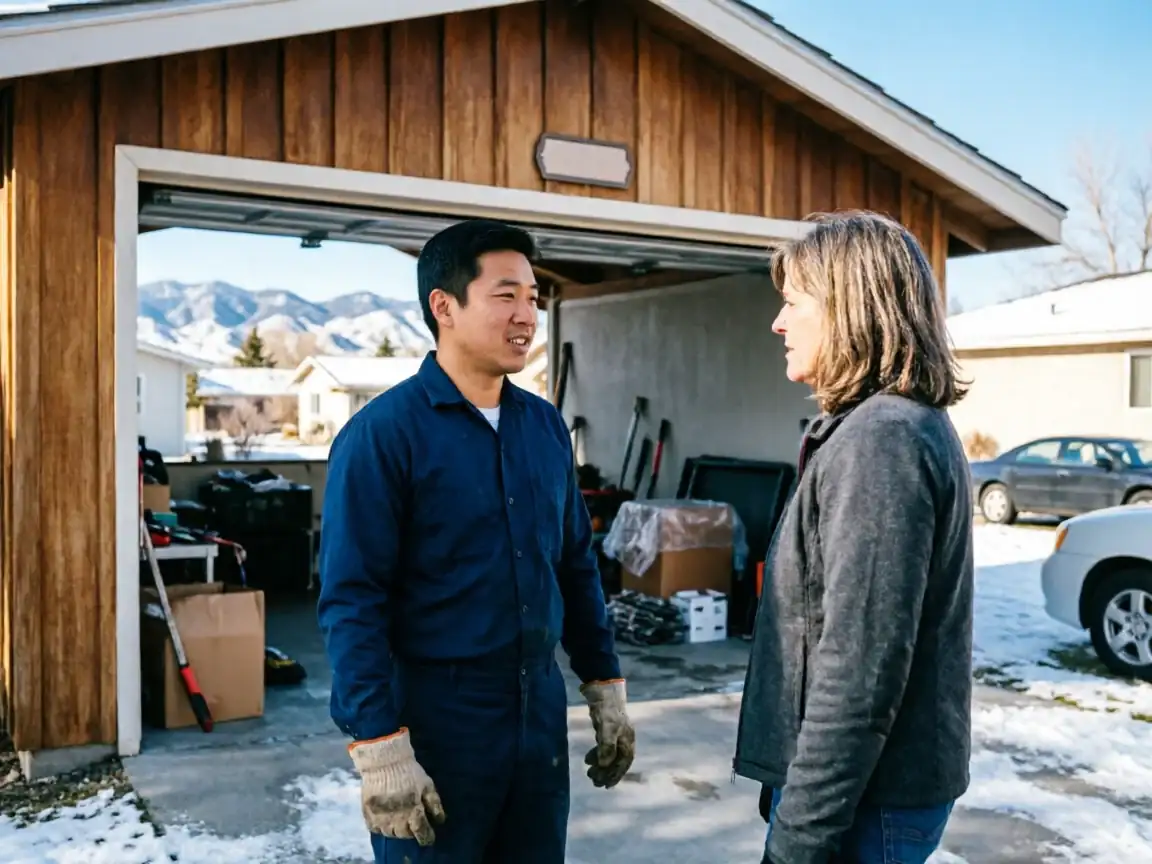
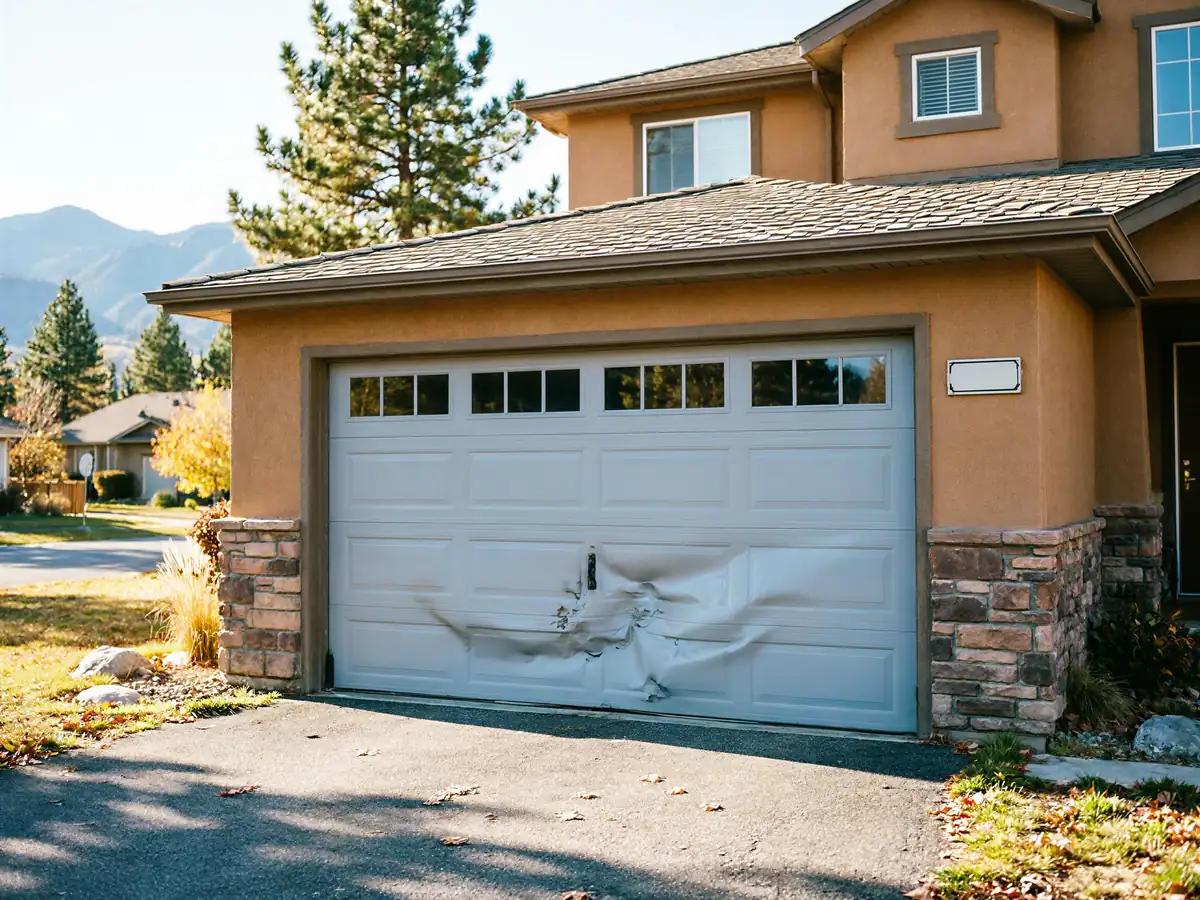
Columbine sits about 6 miles from our shop in Highlands Ranch, so we build the drive into the visit rather than rushing it. We come out, measure the opening, look at what's framing it, and give you a number before anything gets ordered. At a median household income of $129,480, the math on a lot of Columbine jobs lands differently than it would in a lower-income area: a $900 repair on a door that's already fighting its frame often isn't worth it when a new door and opener run close behind it in total cost and last another 20-plus years. We'll tell you straight if your door is a repair or a replacement - we don't pad the invoice by doing both when one will do.
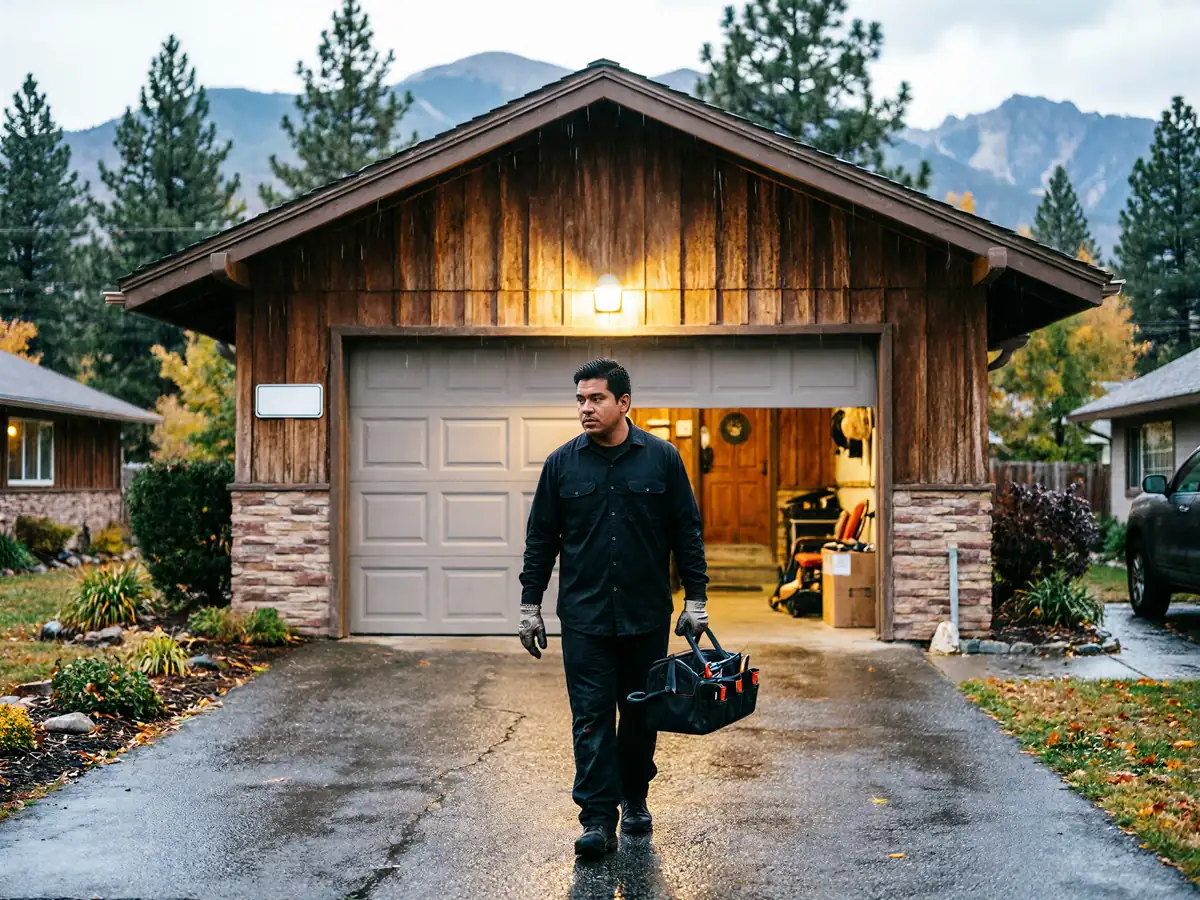
There's no same-day promise here. We're traveling in from Highlands Ranch, not sitting on a Columbine side street, so we schedule around that drive and we're upfront about it when you call.
What the Fix Involves
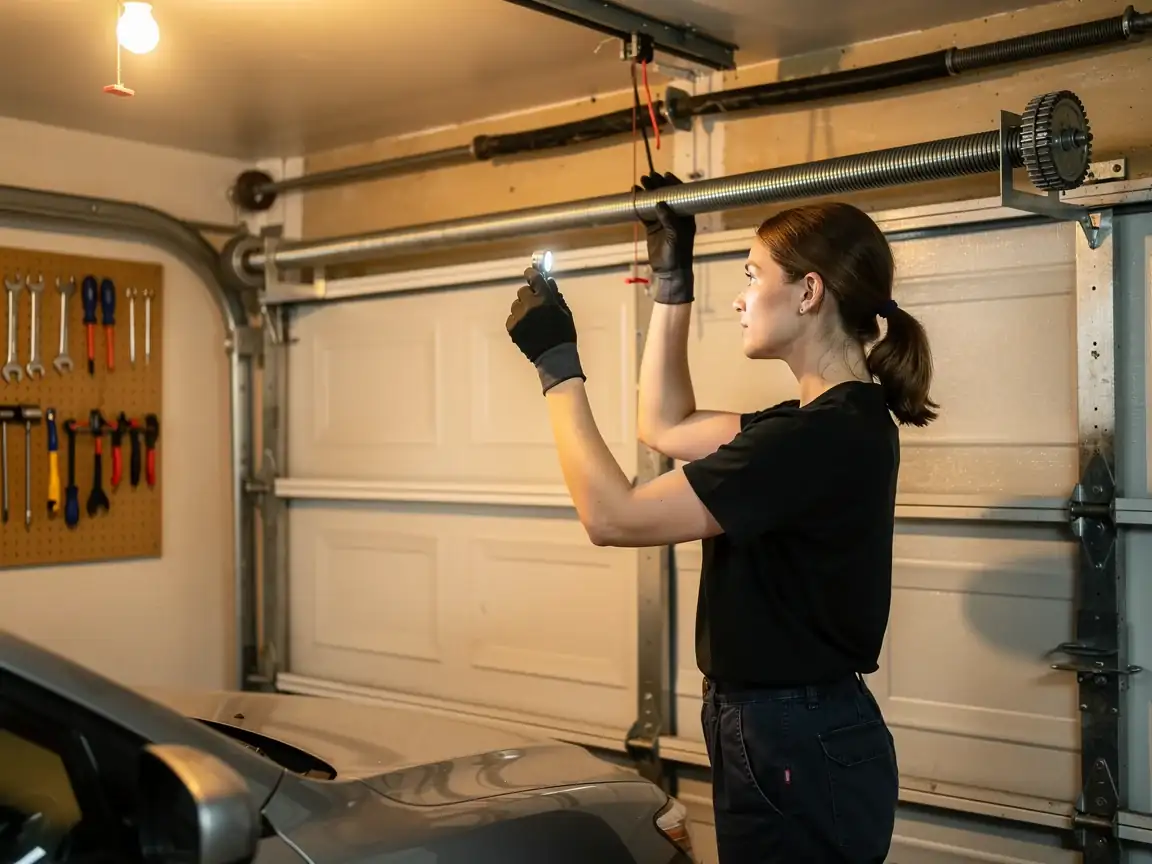
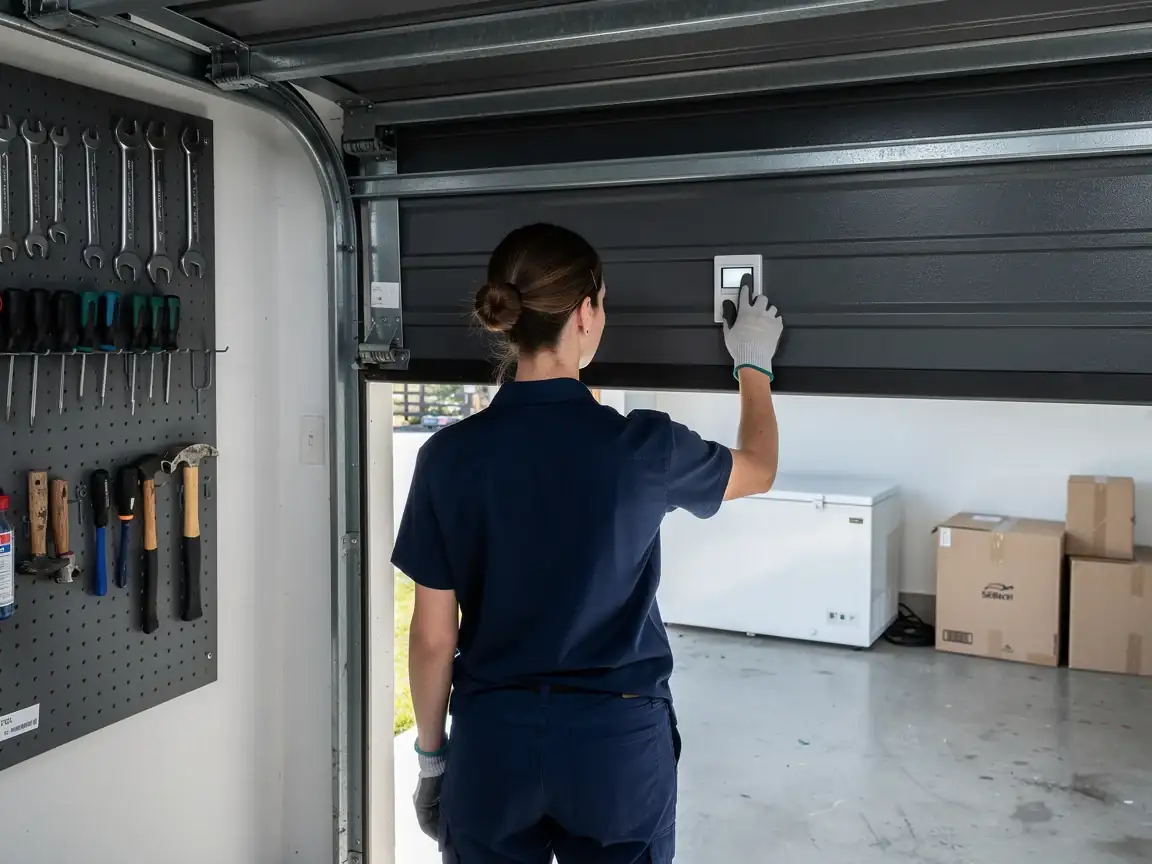
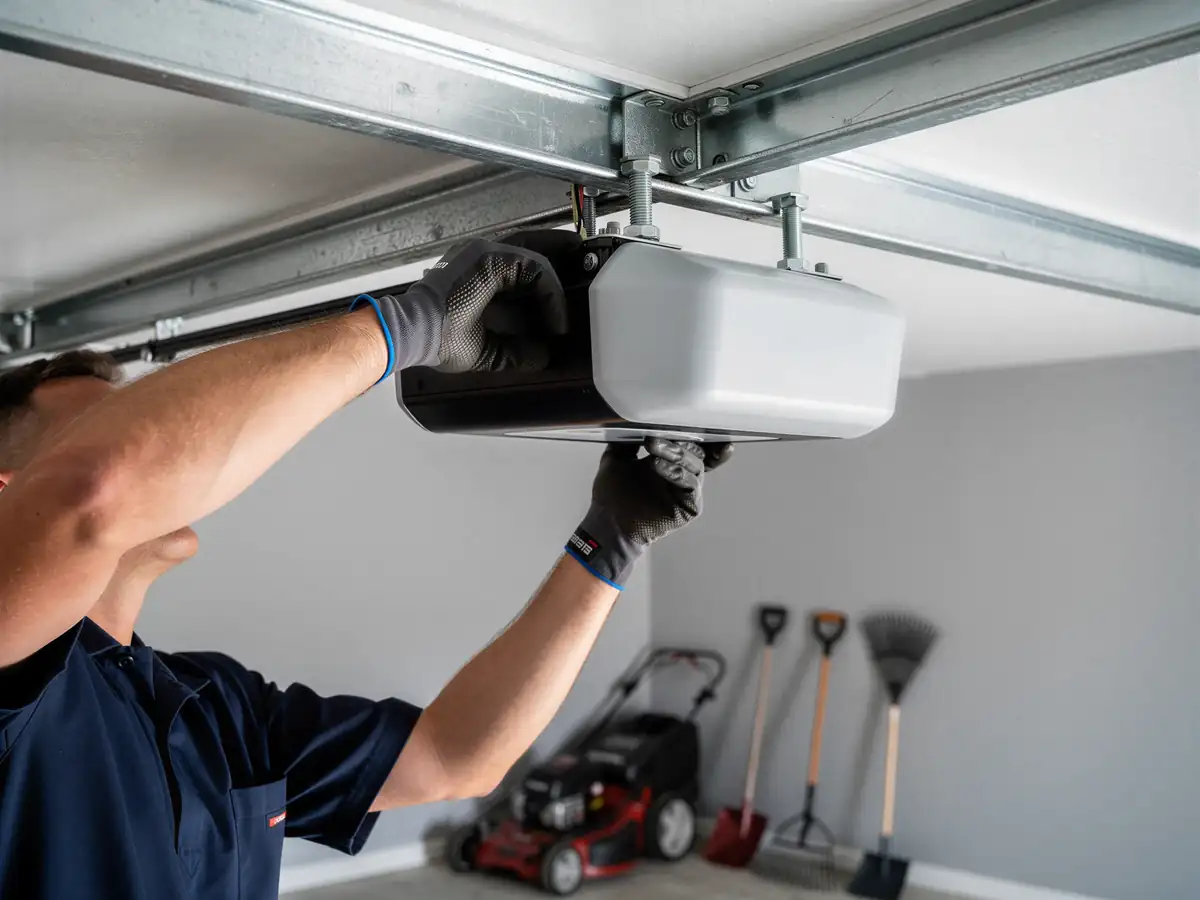
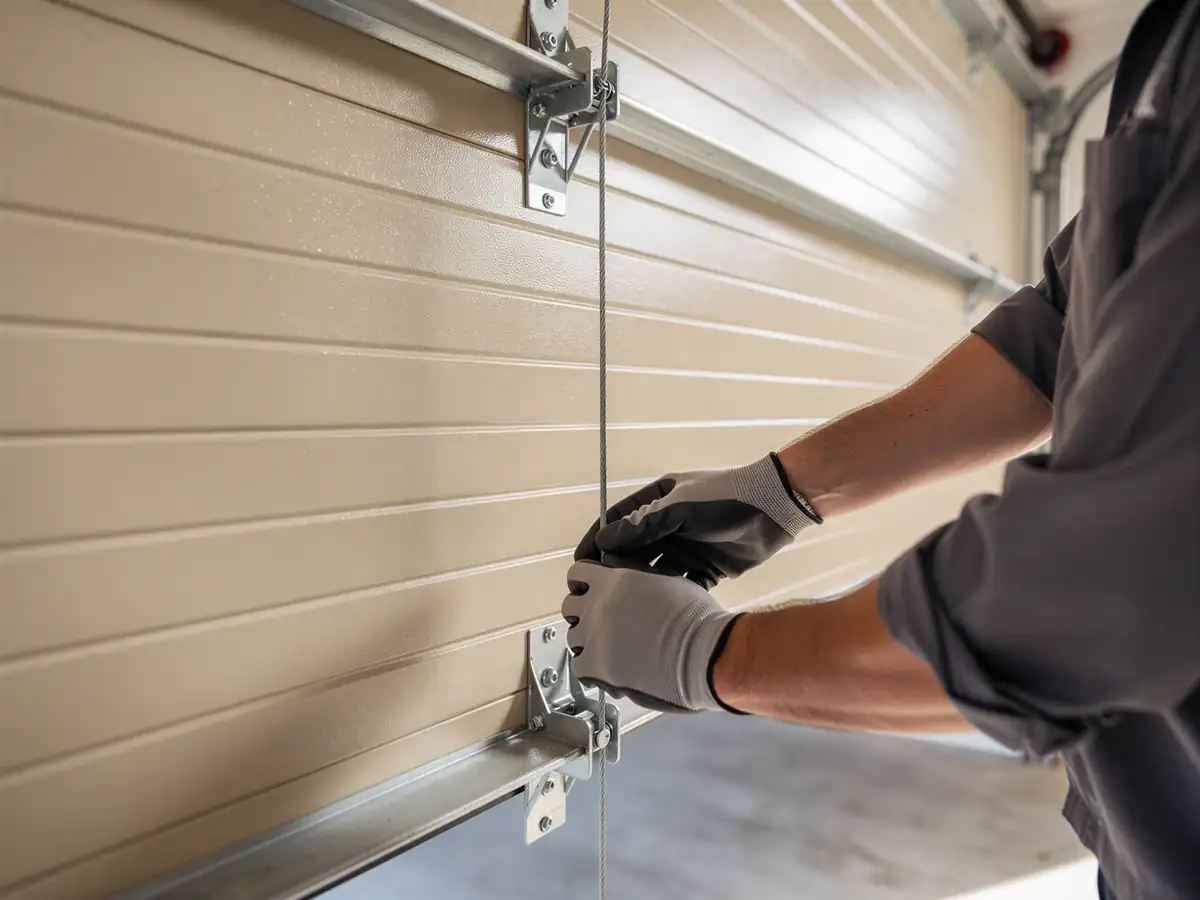
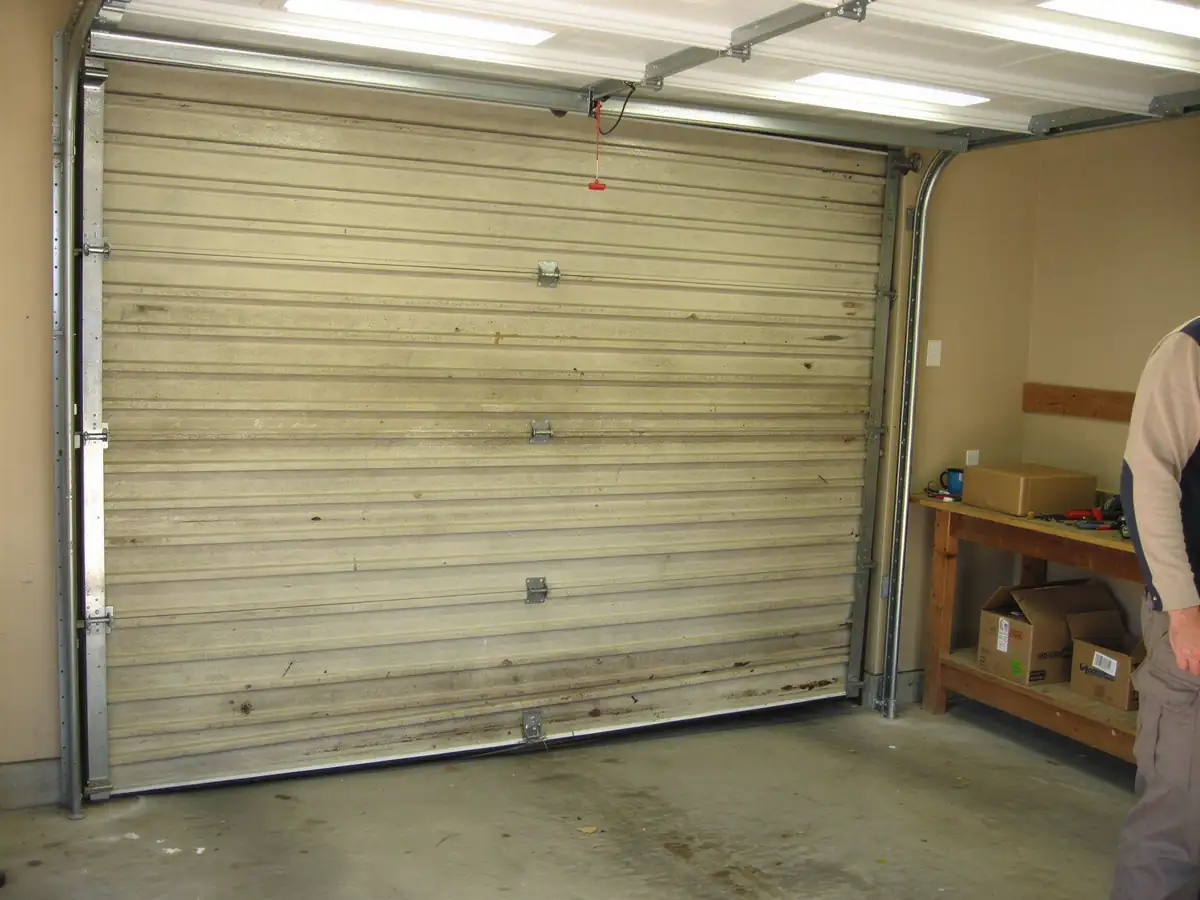
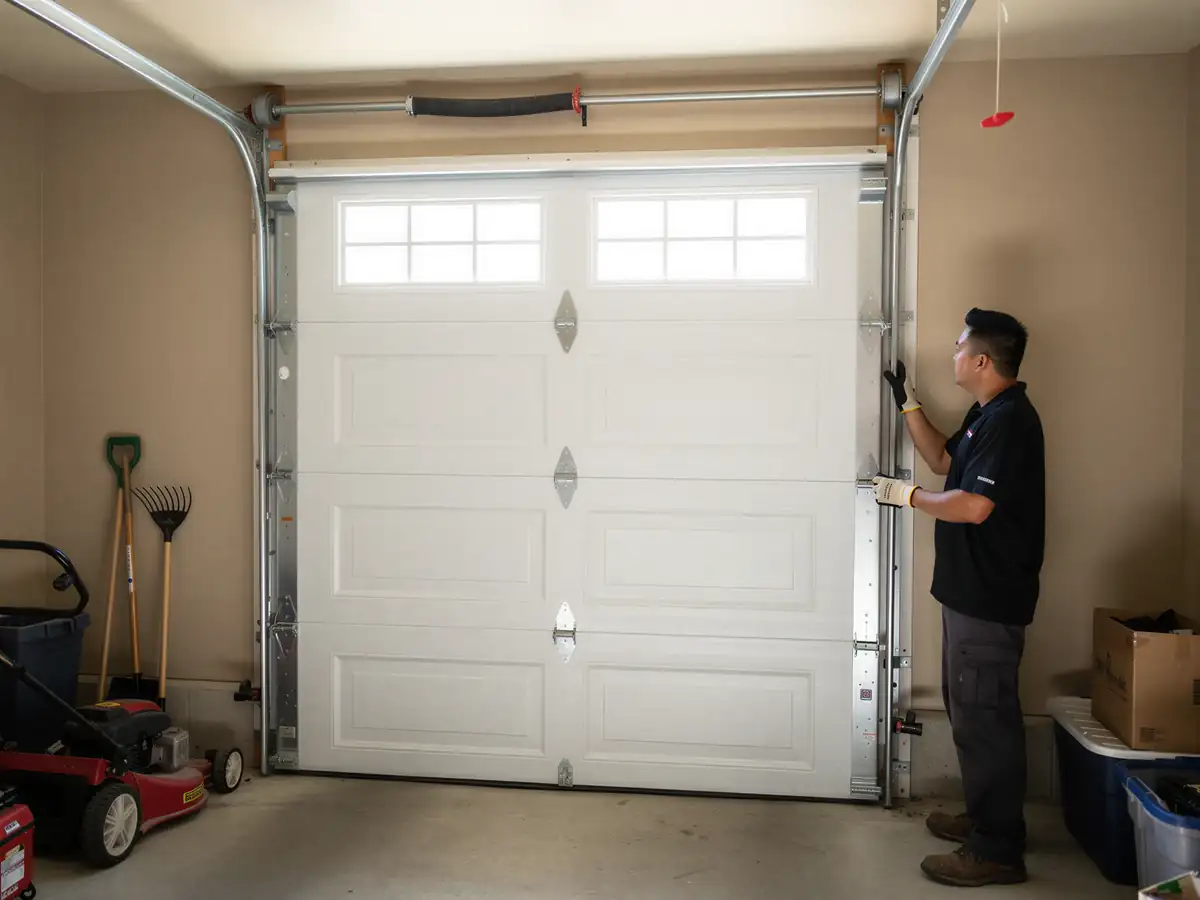
Most Columbine houses date to around 1976, which puts a good share of the neighborhood's garage doors into their second or third opener and sometimes their original door skin. A full installation means pulling the old door and track off the frame, checking the header and jambs for square (1970s framing shifts more than people expect after 45-plus years), and setting new track, springs sized to the door weight, and a new opener. If the opening itself has settled or gone out of square, that's extra work before the door ever gets hung - we price that separately so you know what you're paying for the door versus what you're paying for the fix to the frame.
What Is on the Truck
We carry insulated steel doors rated for a cold, severe winter climate, which is what this stretch of the Front Range gets - not a mild-climate door that's cheaper but loses its seal faster under repeated freeze-thaw. Springs come in a range of weights because a 1976-era single door and a wider modern double don't load the same torsion bar. We also stock weatherstripping and bottom seals sized for both, since a lot of the comfort complaint on older Columbine garages isn't the door panel at all - it's a seal that's hardened and stopped doing its job.
Doing It Yourself
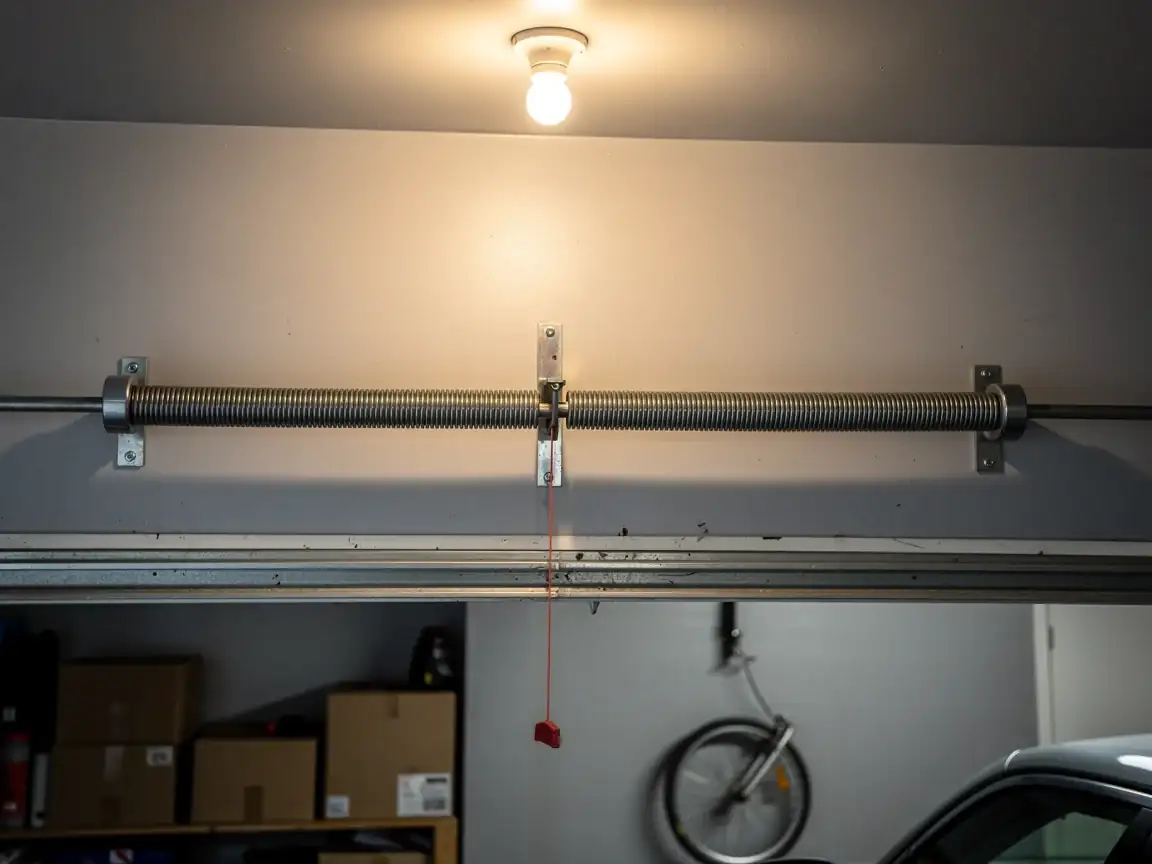
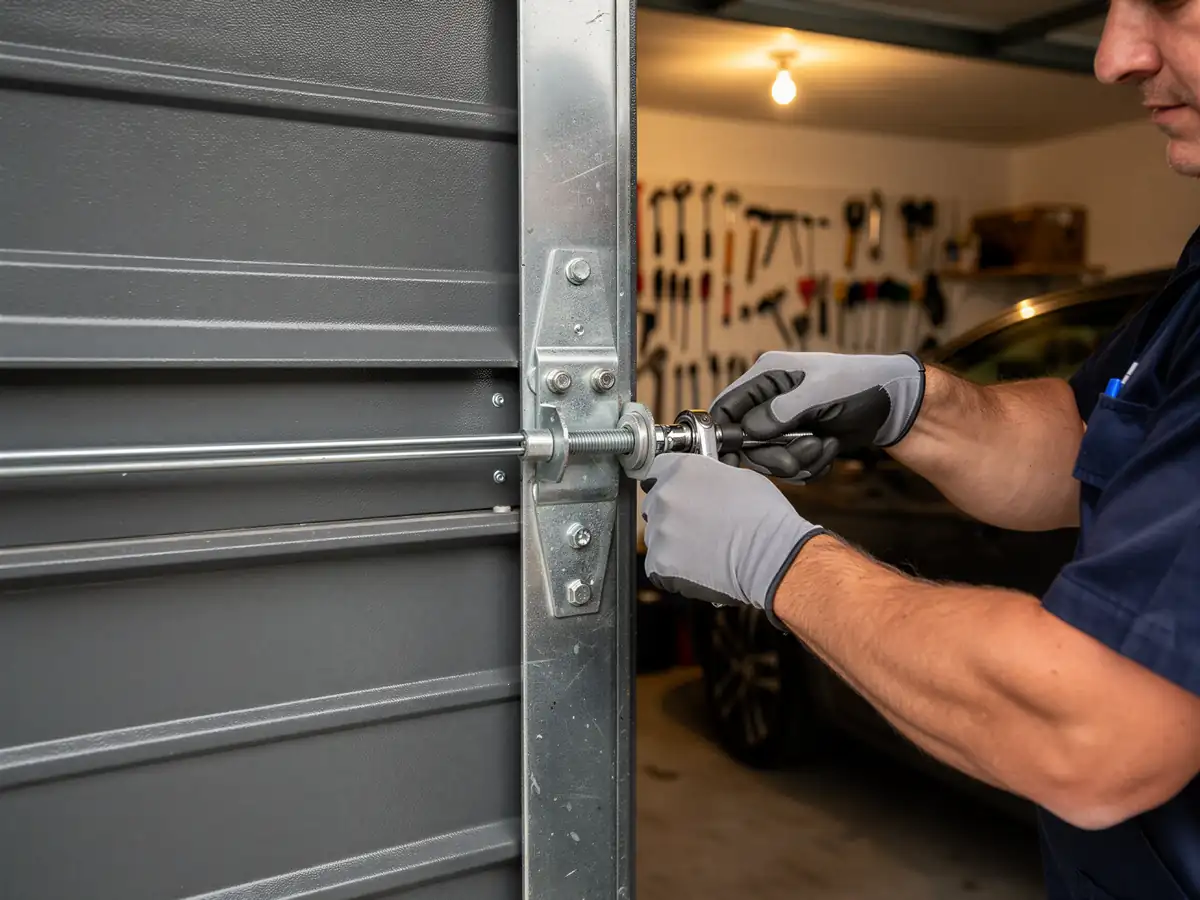
A torsion spring under load can put someone in the hospital, and that's true whether the door is new or forty years old. If you're set on doing some of the work yourself, painting the new door or swapping weatherstripping is reasonable. Setting spring tension, leveling track, or wiring a new opener to an old circuit is not something we'd hand off, and if a DIY install has already gone sideways before we show up, we'll say so rather than pretend it's a quick fix - sometimes that means redoing more than you'd hoped.