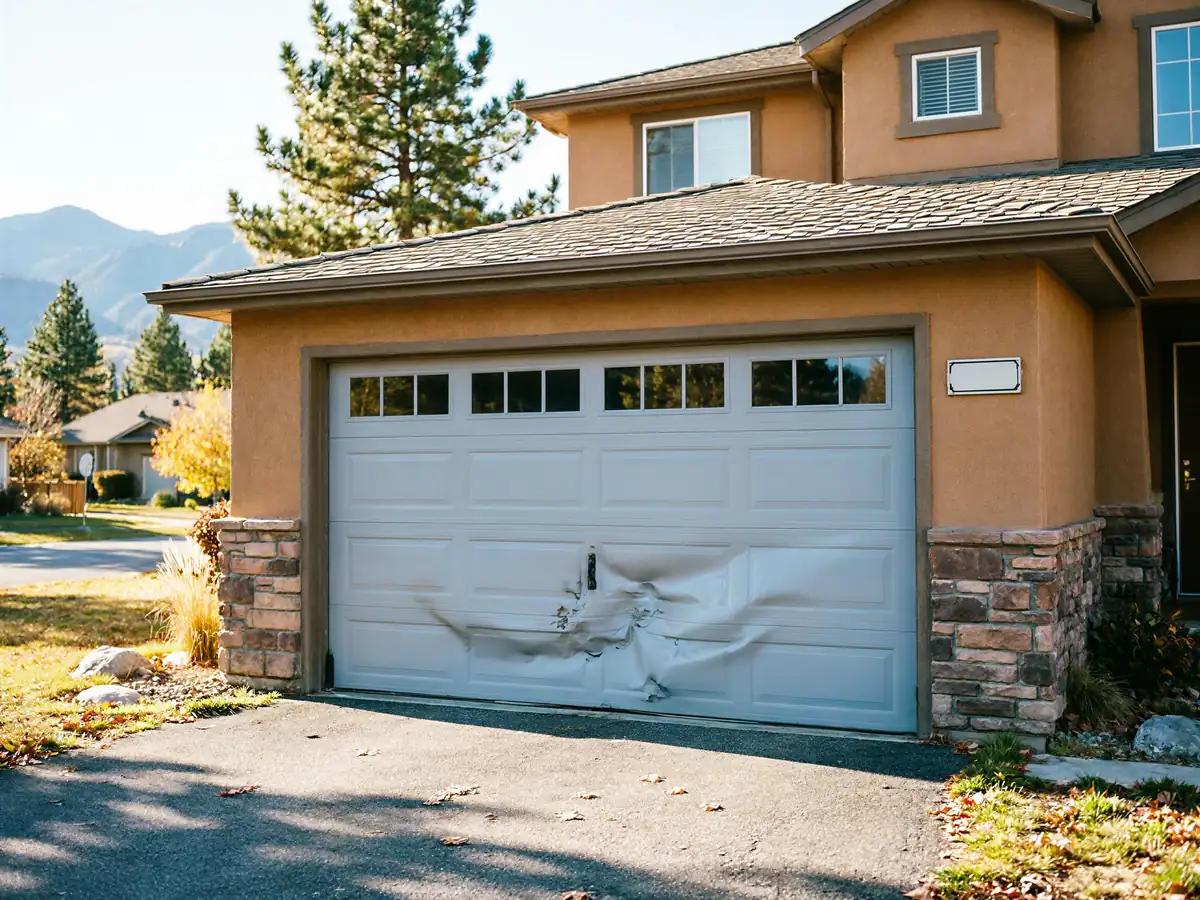
Why It Happens Here
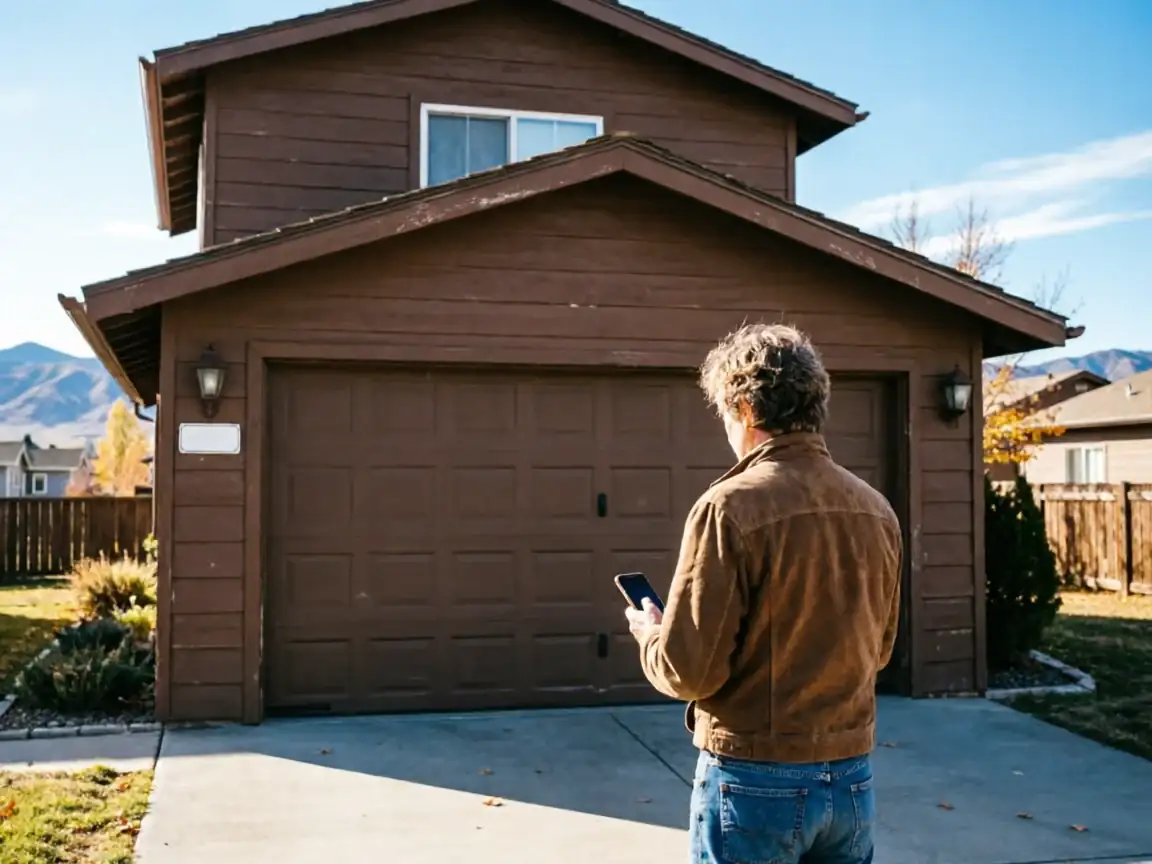
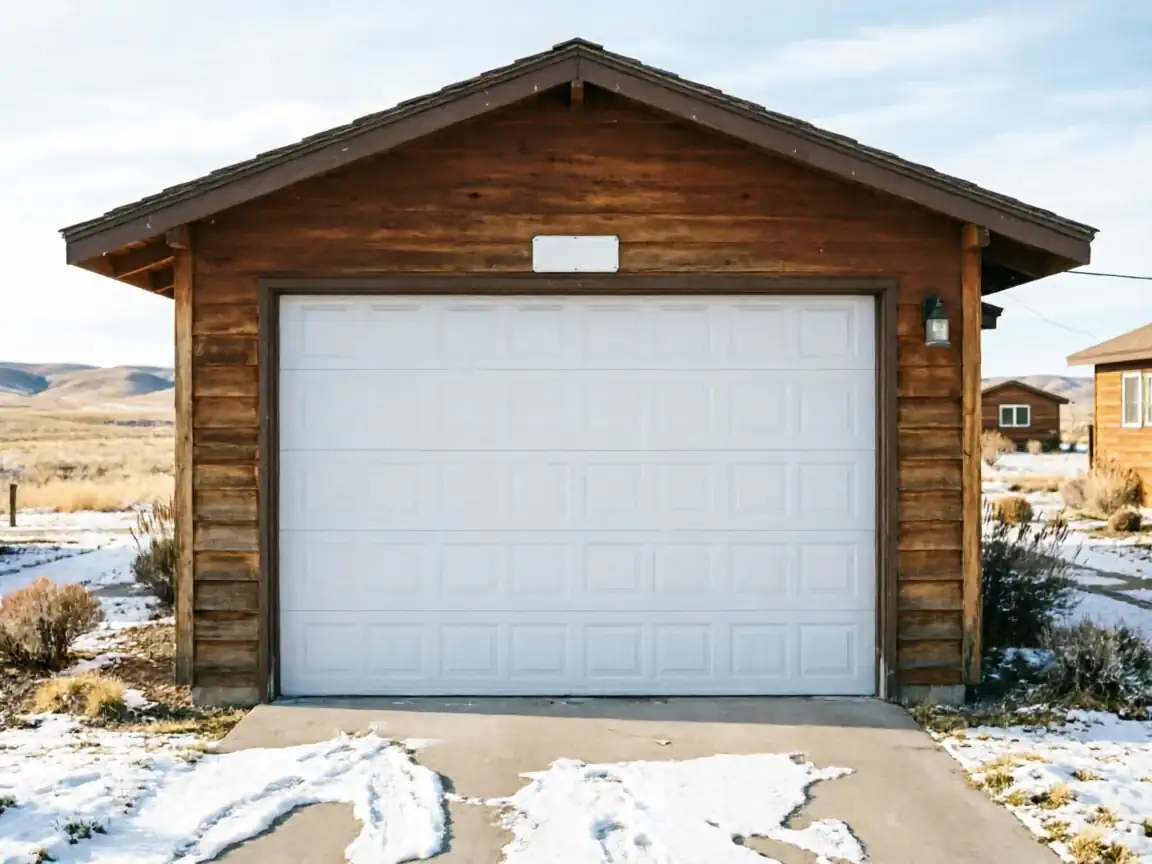
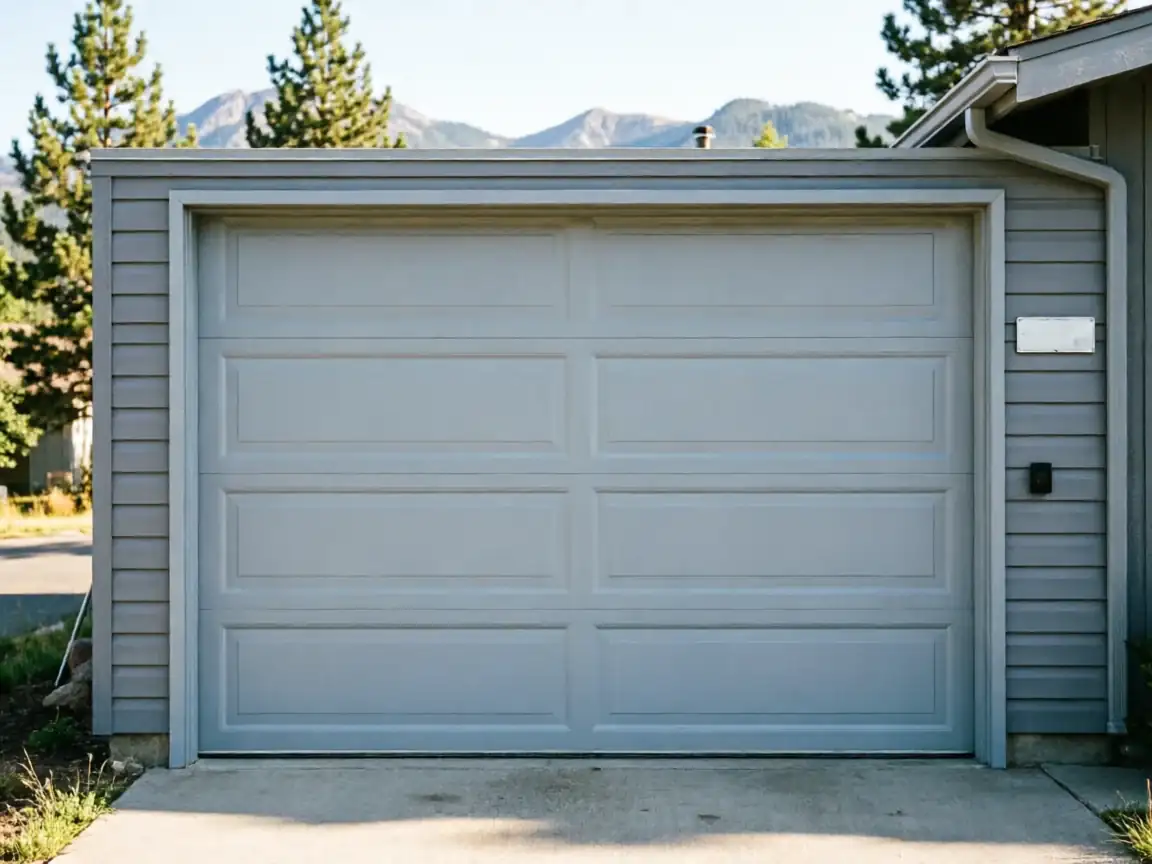
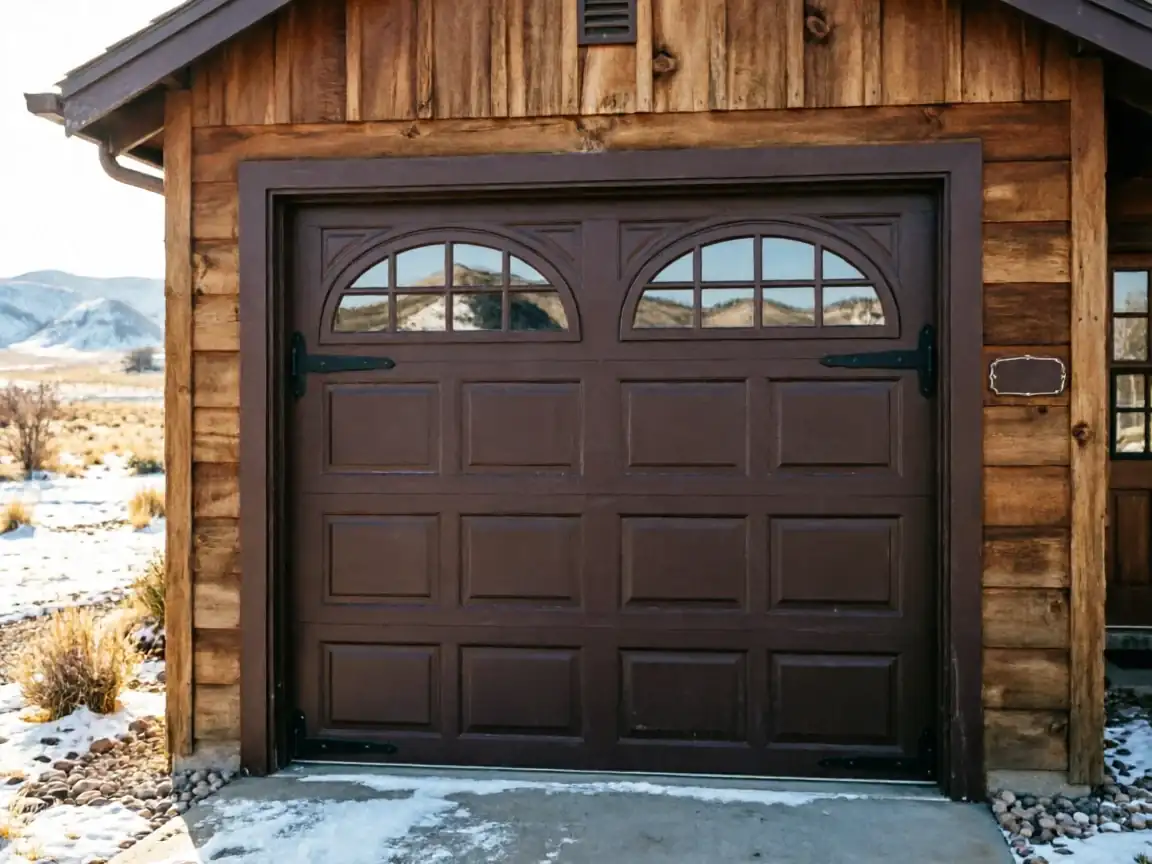
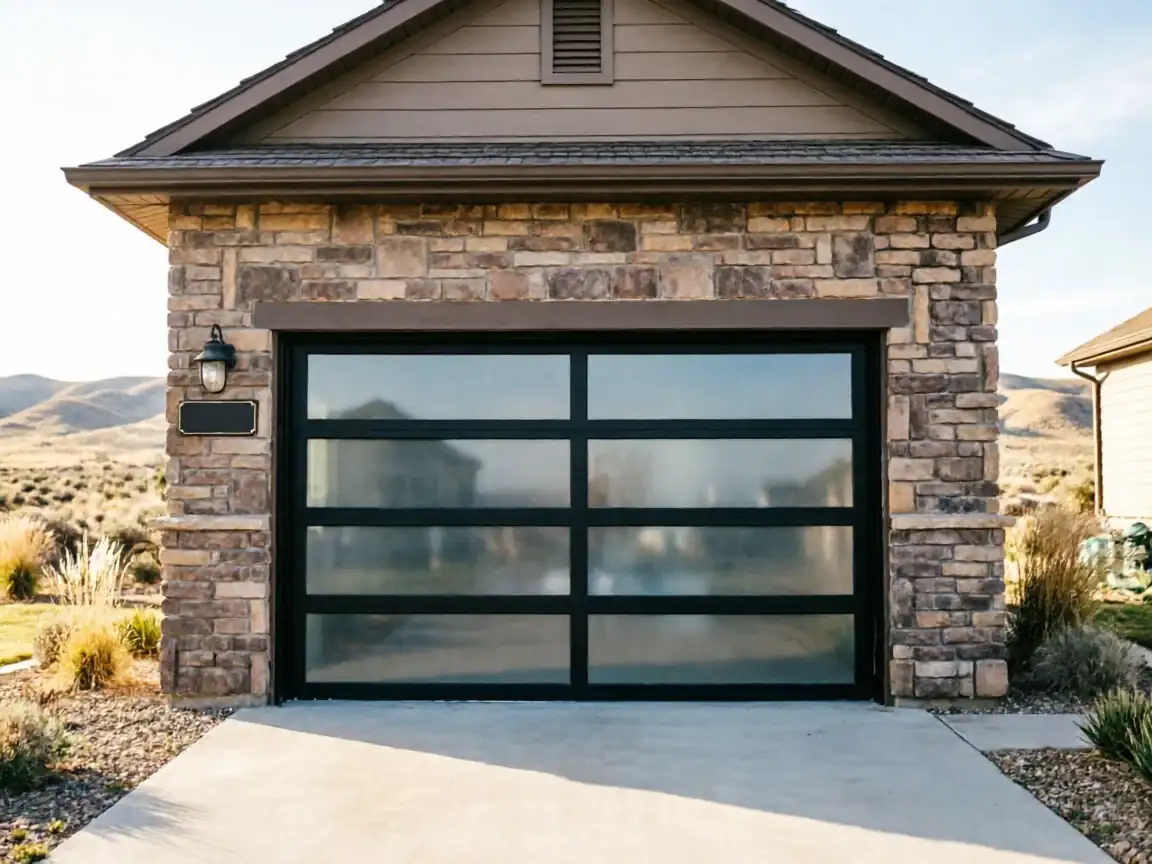
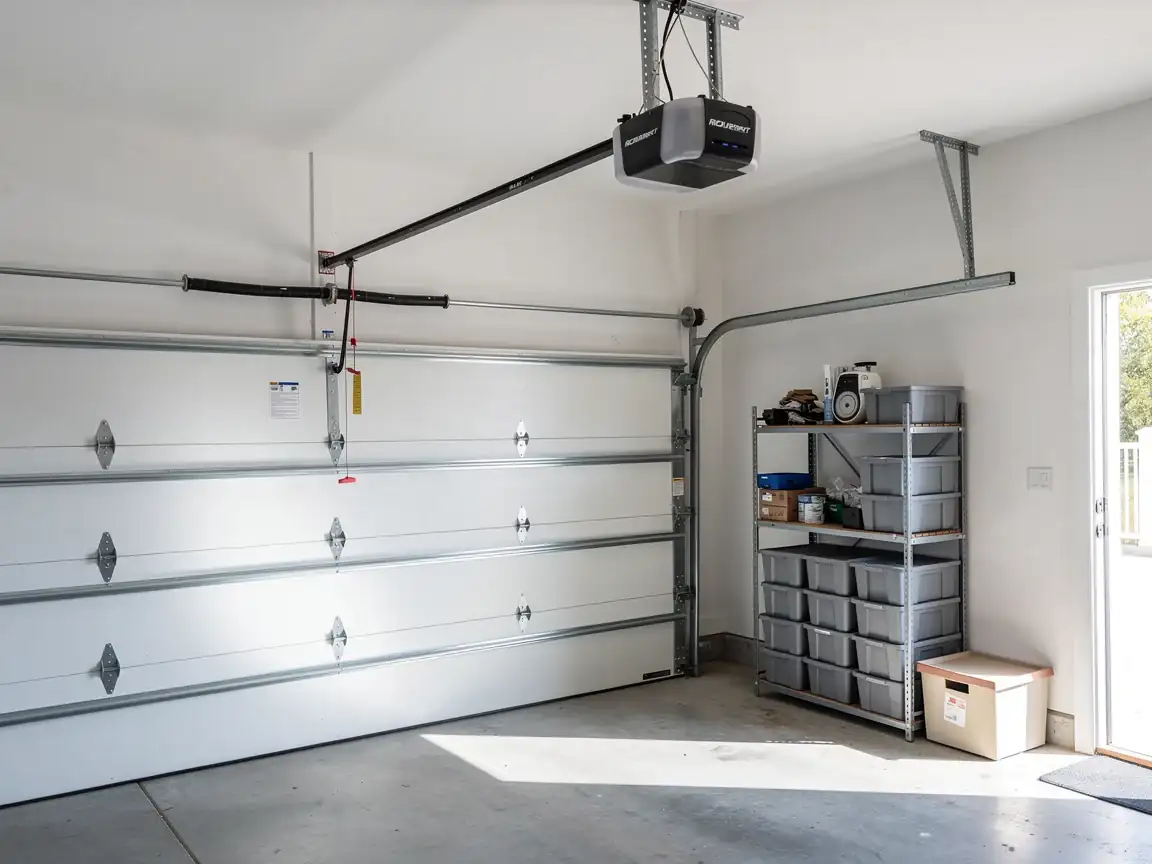
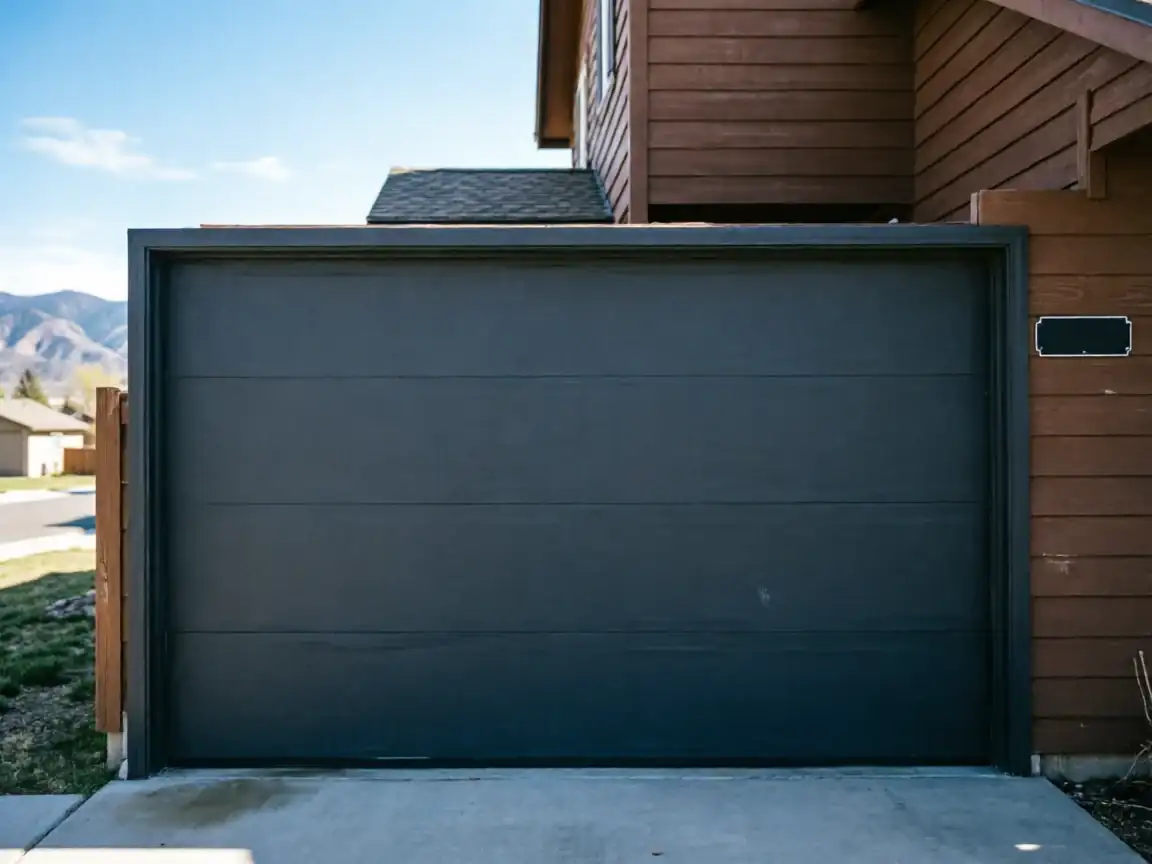
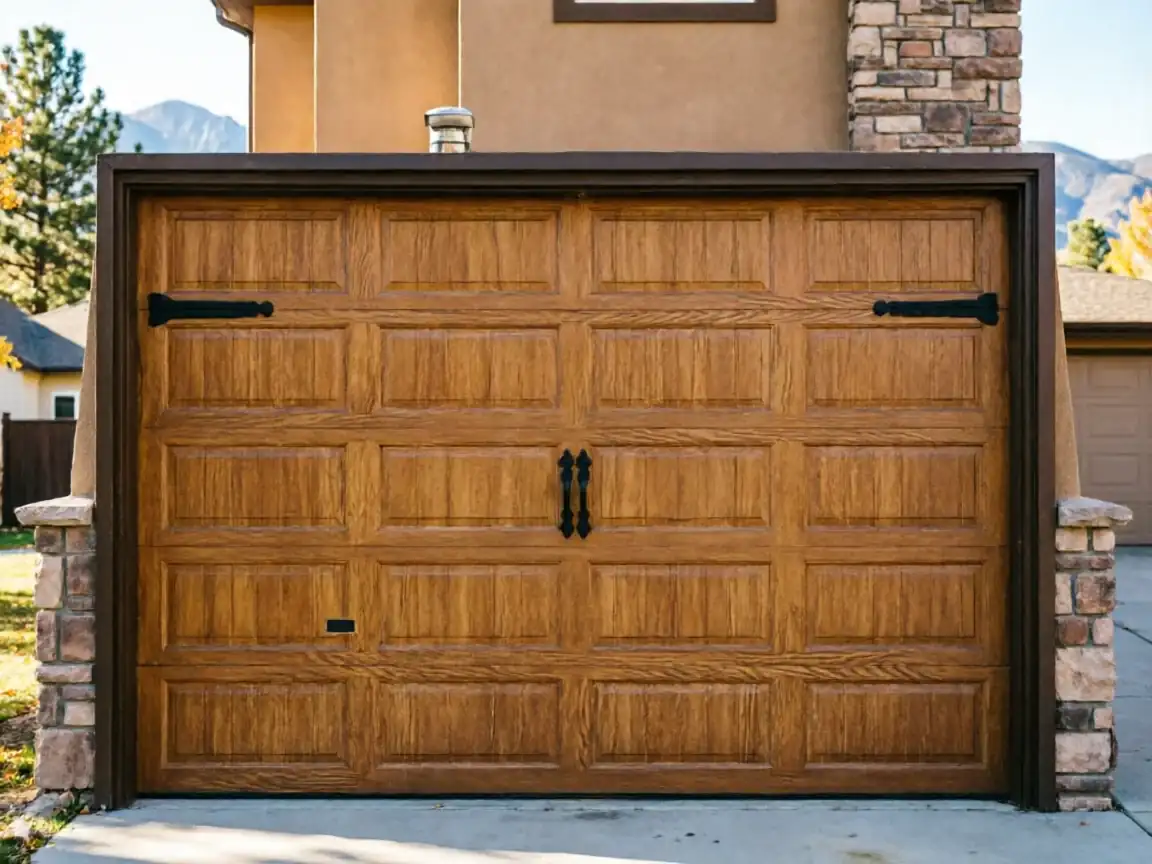
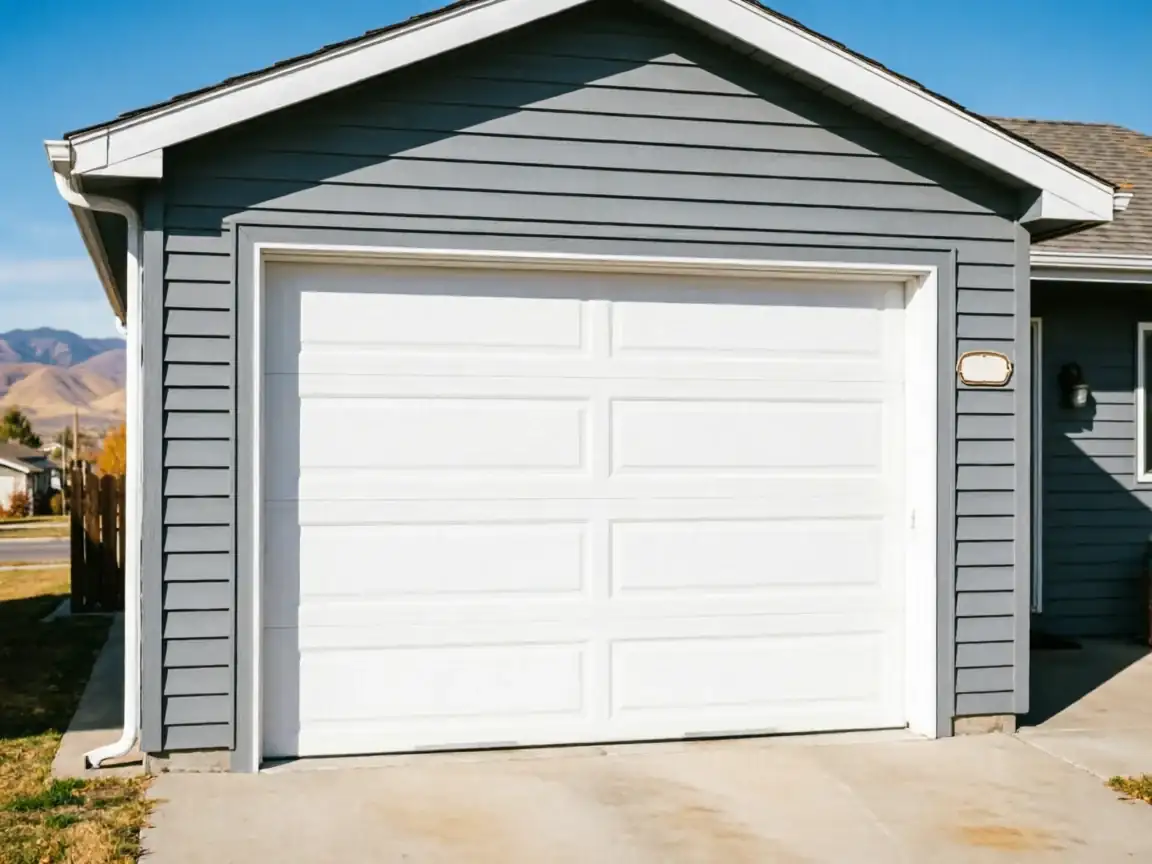
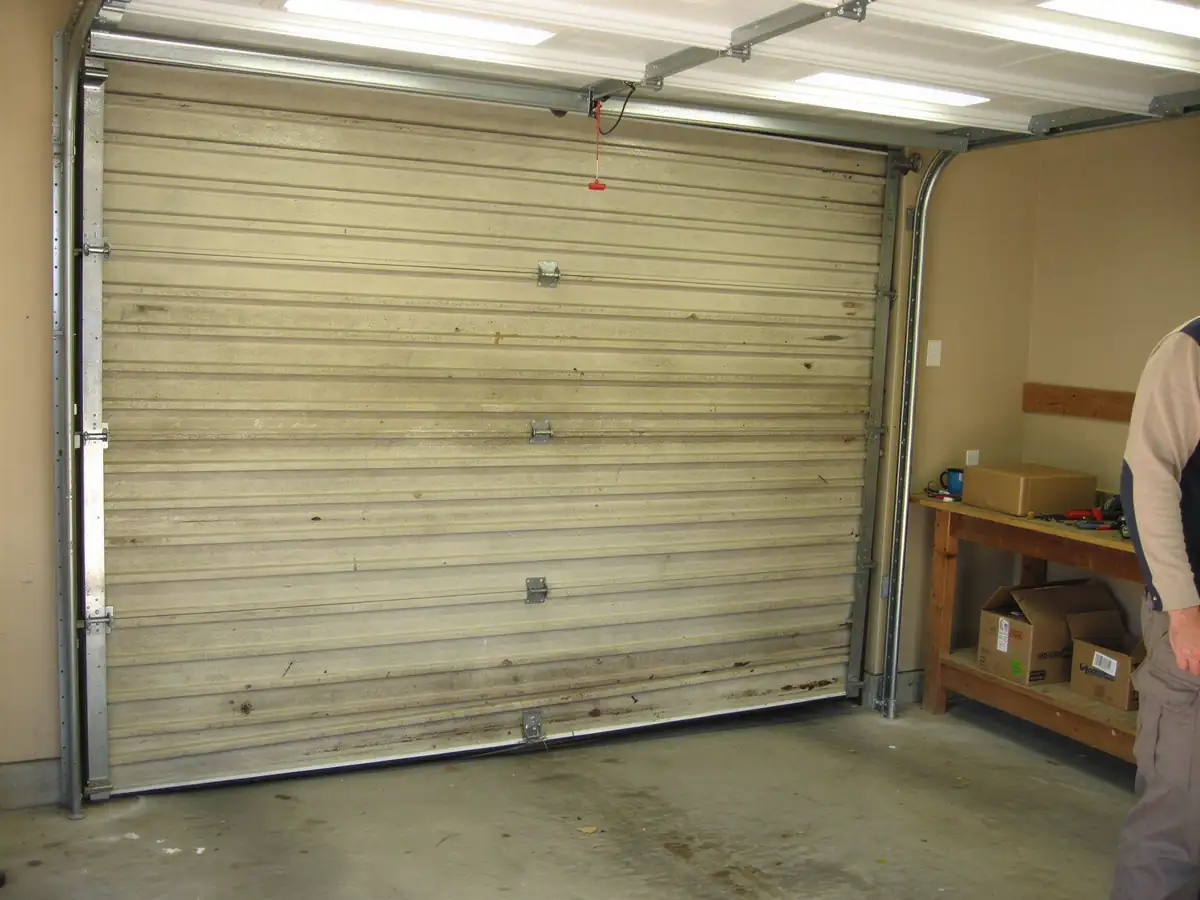
The Pinery is a small place, around 3,980 households, which means the panel work we do out there isn't spread across dozens of housing eras the way it is closer to Highlands Ranch. Most of what went up here dates to the mid-1990s, with a median build year around 1995. That's a different animal from the older stock in parts of our service area. These are steel sectional doors, usually with factory insulation sandwiched between two skins, not the thin single-layer panels you find on homes from the 60s and 70s. When a panel on one of these doors gets hit or dented, you're dealing with foam-filled construction that doesn't flex and pop back the way an old hollow panel sometimes does. A dent here tends to stay a dent, and the seam between panels can crack at the hinge points if the impact was hard enough. Because the development is tighter and newer, the panel sizes and door widths run more consistent than you'd see in an area with 30-plus named subdivisions spanning six decades of construction - which actually makes sourcing a matching replacement panel a bit more straightforward once we're out there with the measurements.
How Long You Are Without the Door
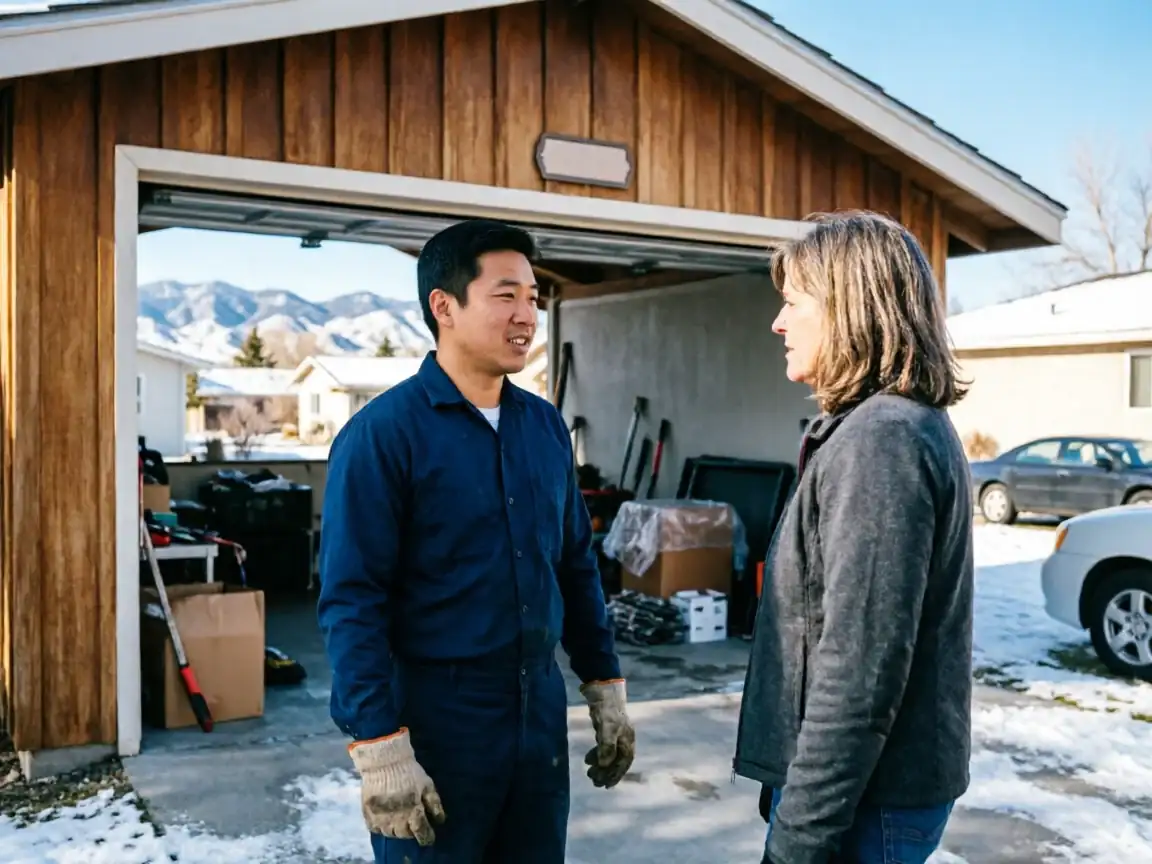
We run out of Highlands Ranch, and The Pinery sits about 13 miles out, so plan on that travel being part of the timeline rather than something separate from it. The bigger factor is the panel itself. If your door is a common builder-grade steel model from the 1990s, we may be able to pull a matching panel without much delay. If it's a less common width or an older style someone swapped in over the years, the panel has to be ordered, and that's real lead time measured in days, not hours - we won't pretend otherwise. In the meantime a single damaged panel on an otherwise sound door usually isn't a security problem, but it is a seal problem. Gaps at a cracked panel let cold air in, and this area sits in a climate band rated cold and severe, so an open seam in January isn't just cosmetic. We'll tell you honestly whether the door should run as-is until the part arrives or whether the gap is bad enough to warrant a temporary fix.
Doing It Yourself
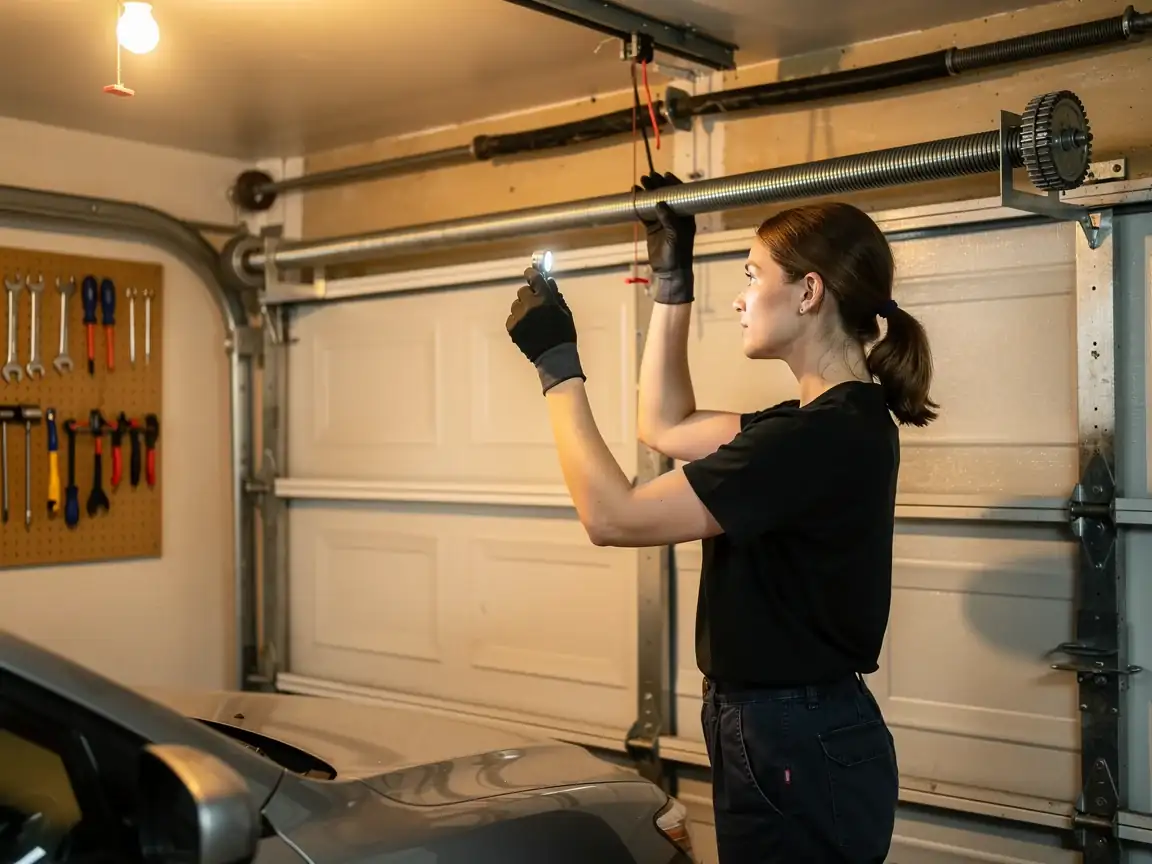
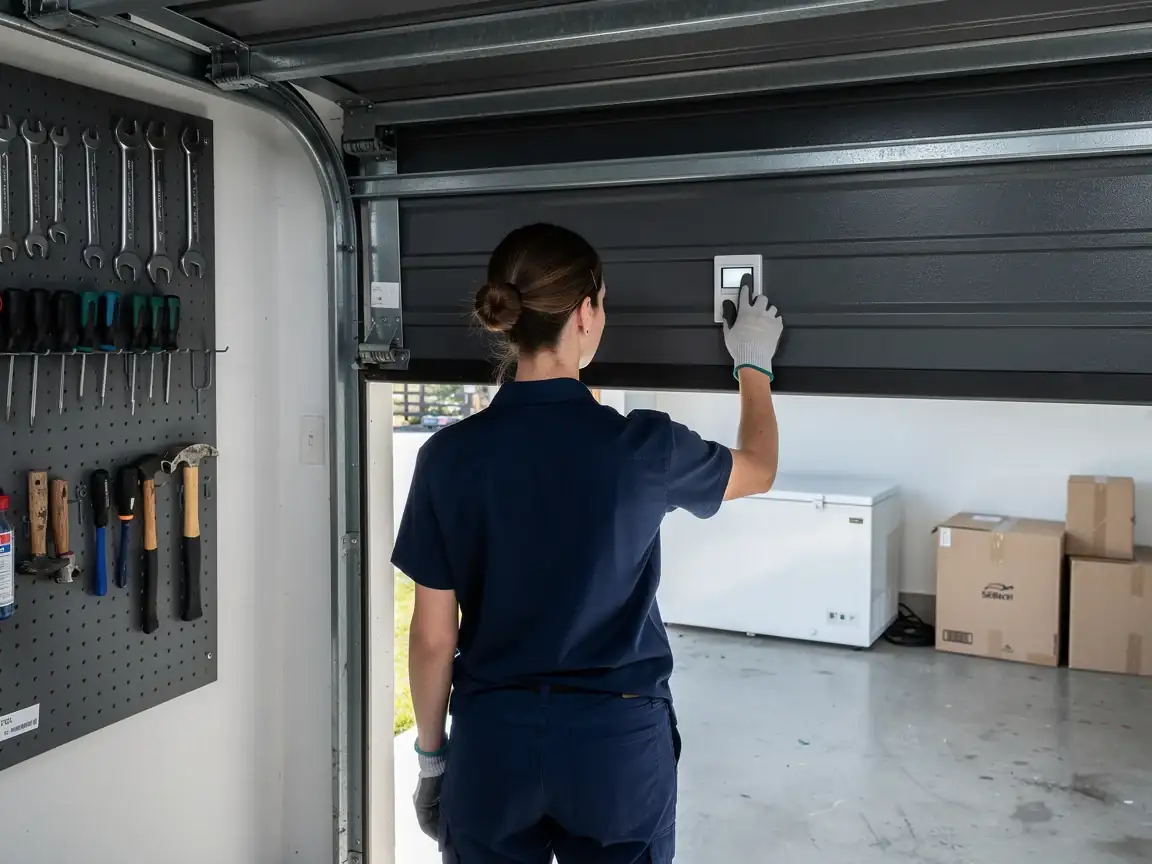
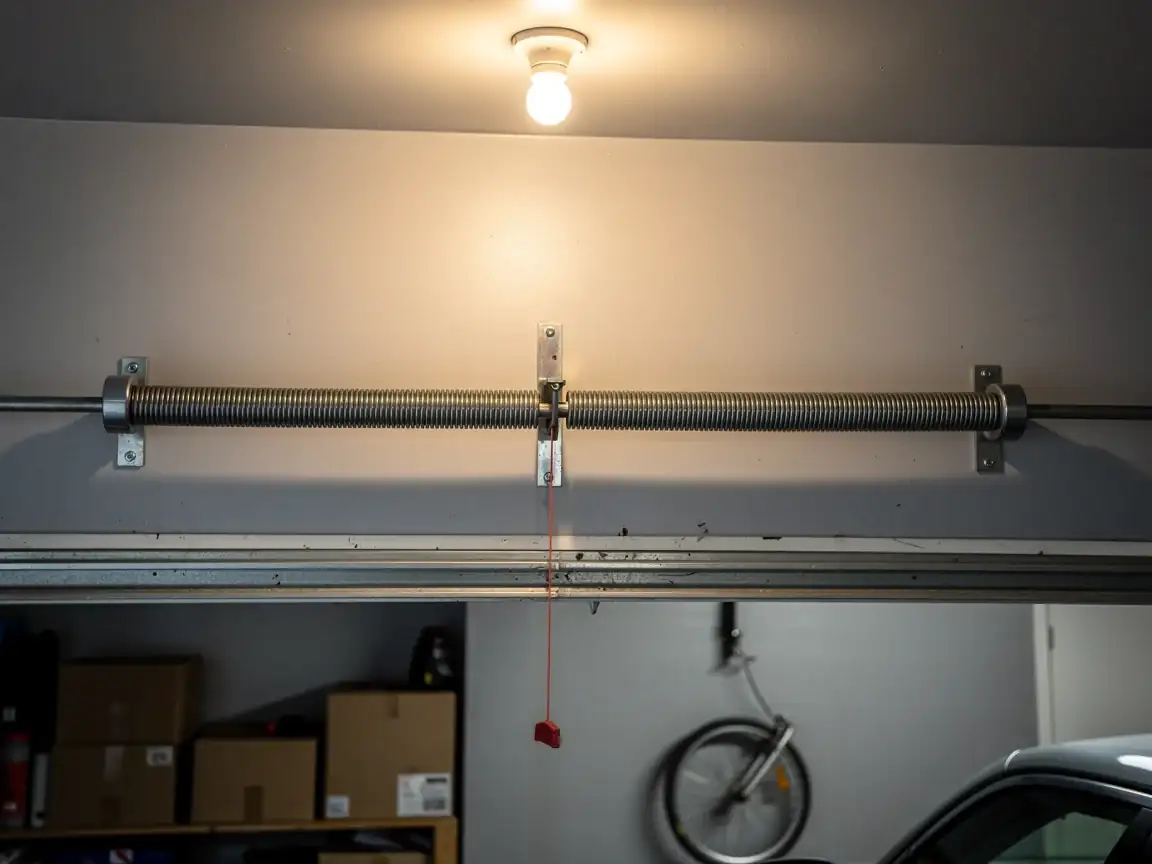
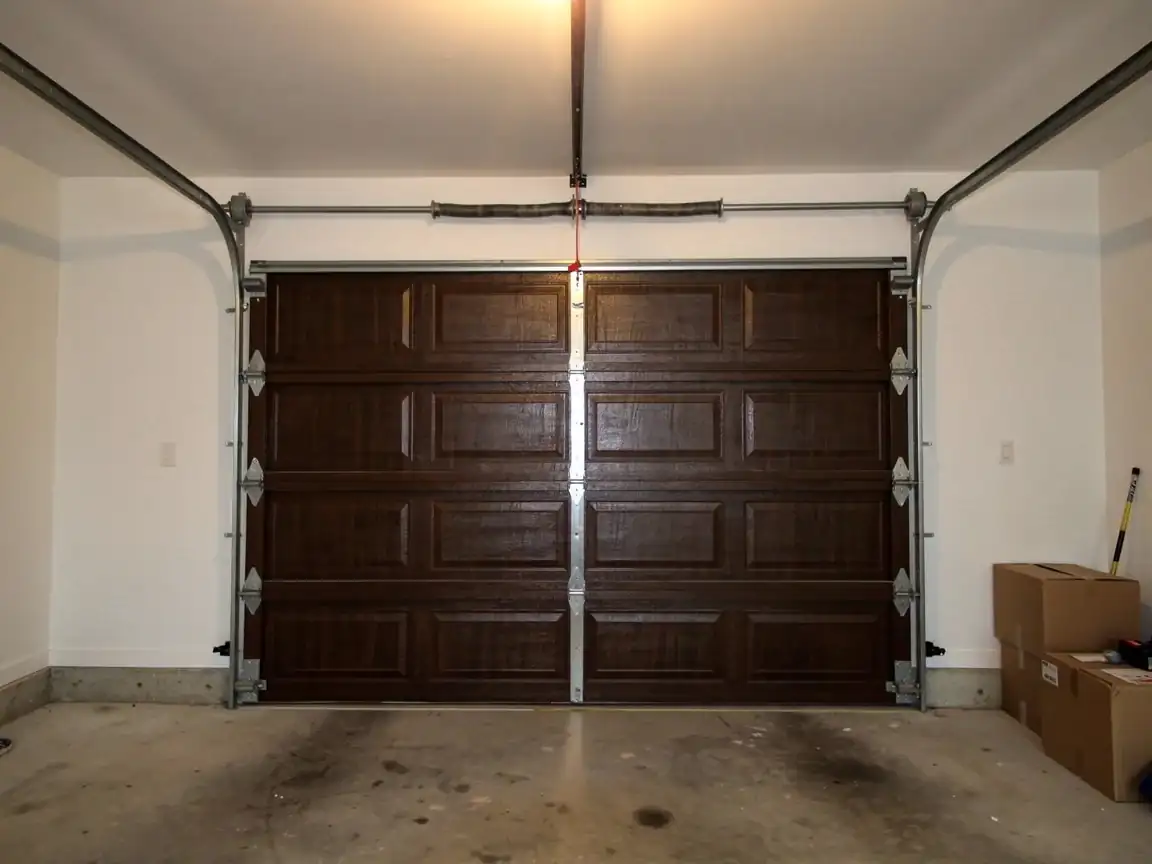
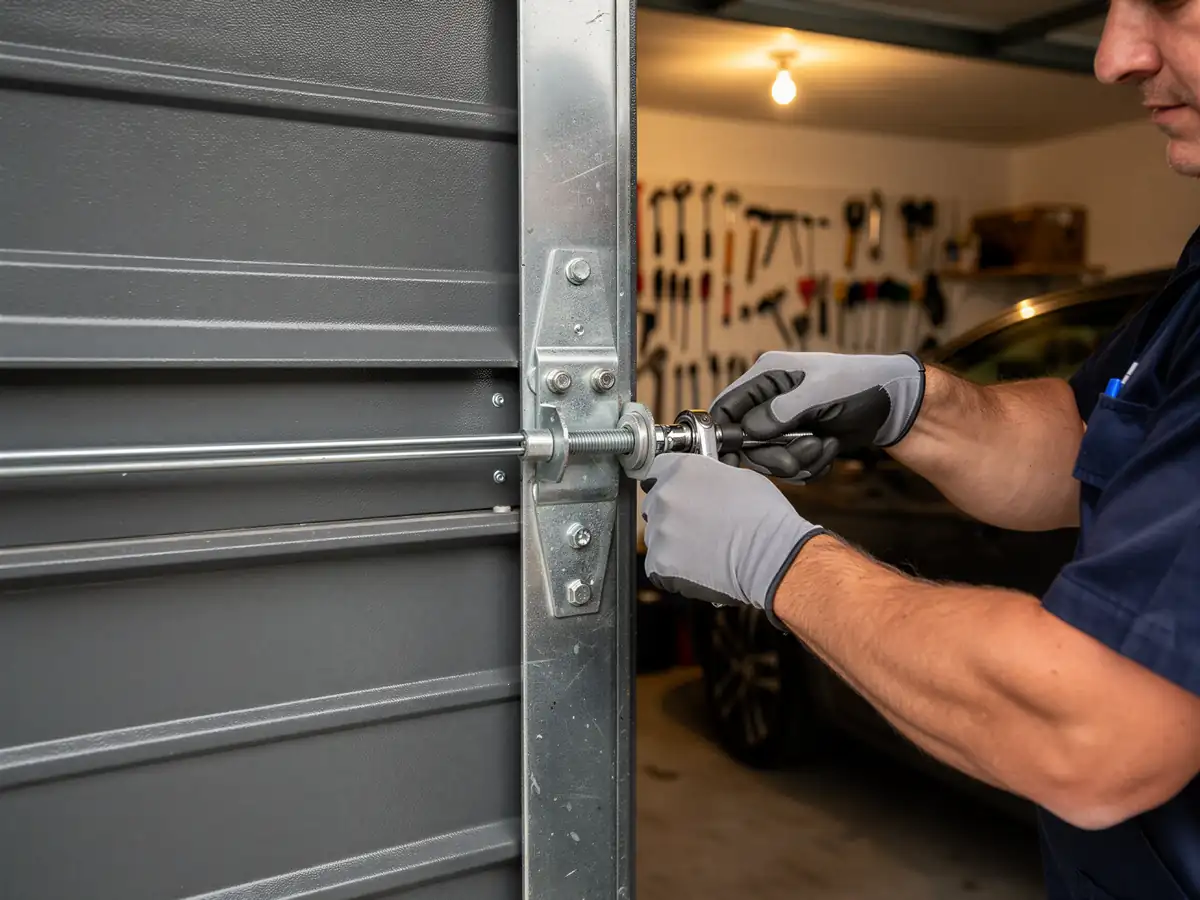
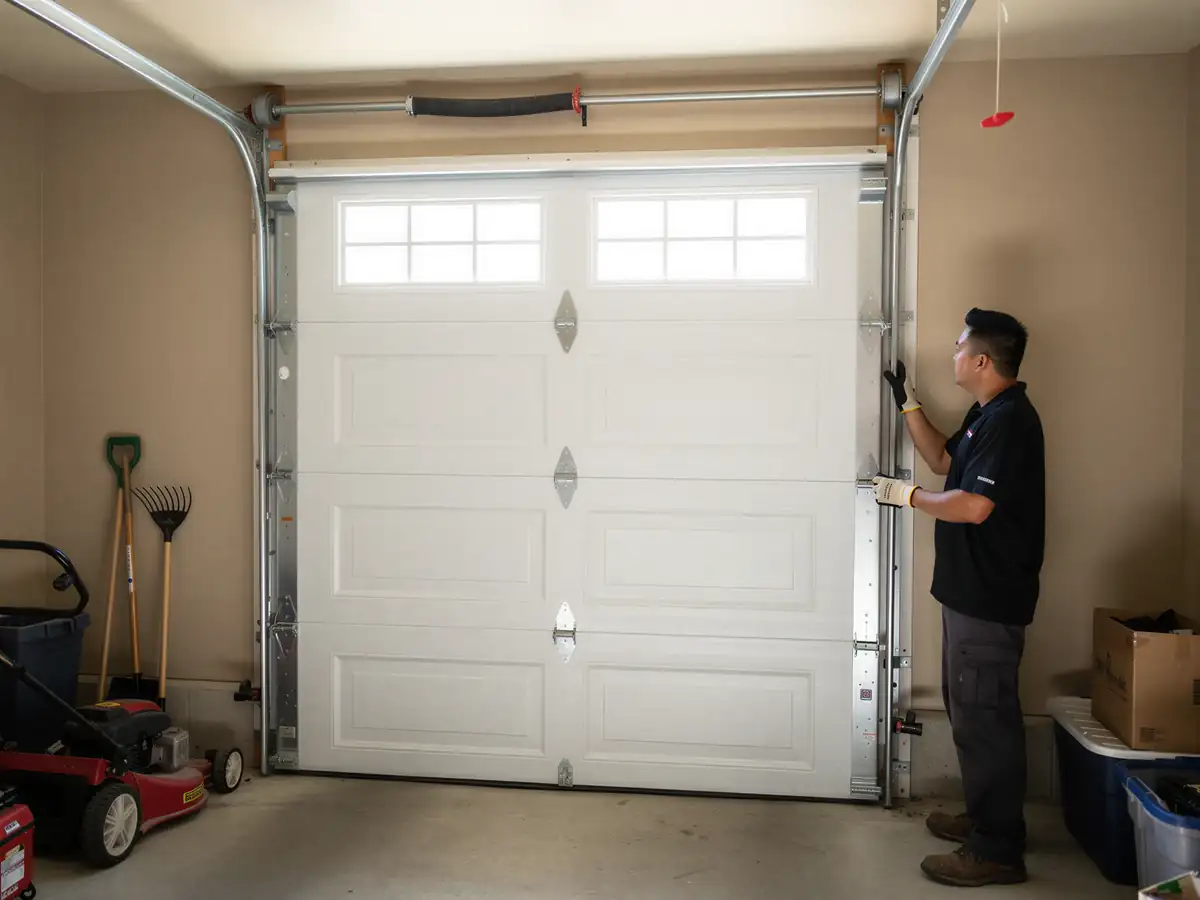
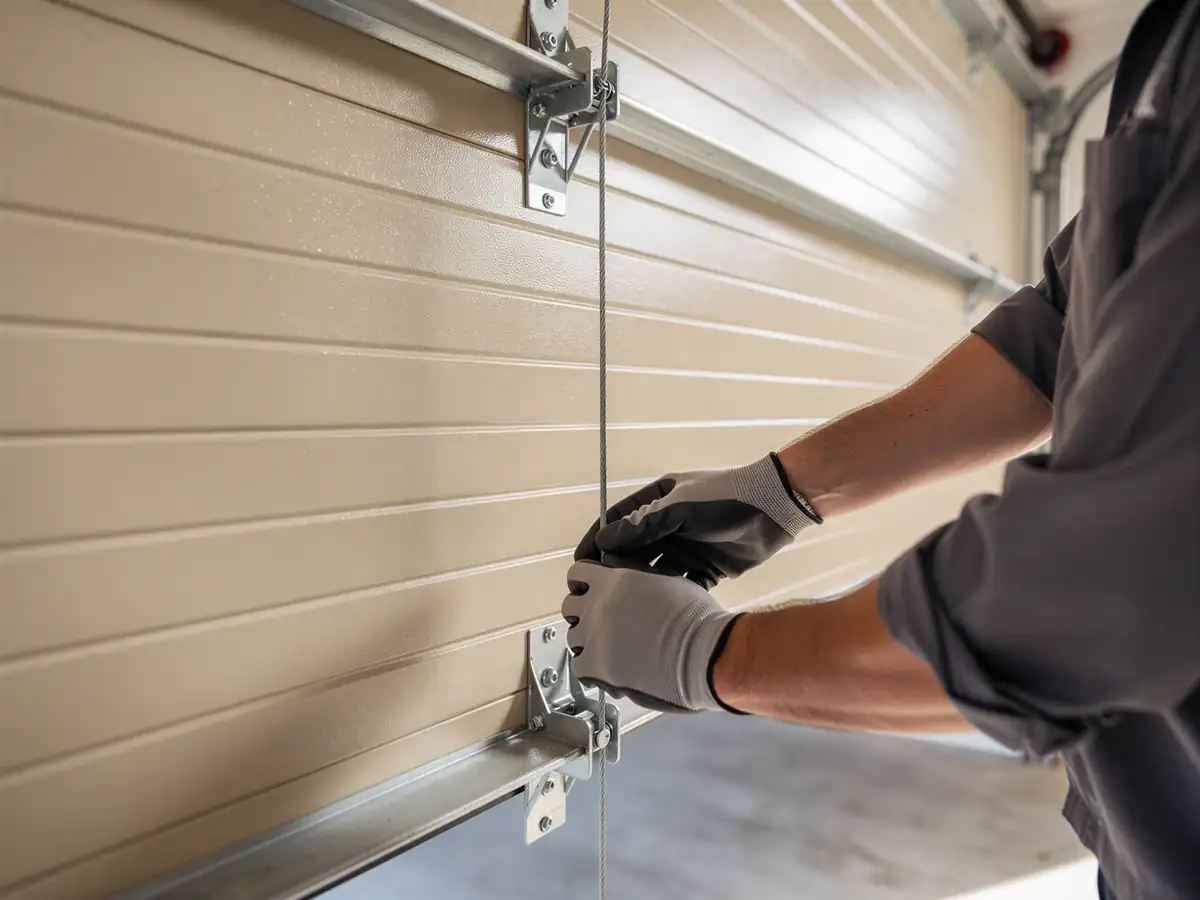
A single panel swap on an insulated steel door is not a weekend bolt-job the way it can be on an older, simpler hollow-panel door. The panel has to match the door's R-value and width exactly, the hinges have to be removed and reset without throwing off the roller alignment, and on a double-wide door the torsion spring is under load the entire time you're working near it. We're not going to tell you it can't be done by a careful homeowner with the right tools, but we will say the matching-panel part trips up most people - ordering the wrong width or insulation type from a supplier online is the single most common mistake we see corrected after the fact. If the dent is purely cosmetic and the door still travels straight and quiet, it's reasonable to live with it and fix it on your schedule. Once it's affecting how the opener runs, that's no longer a cosmetic call.