Why It Happens Here
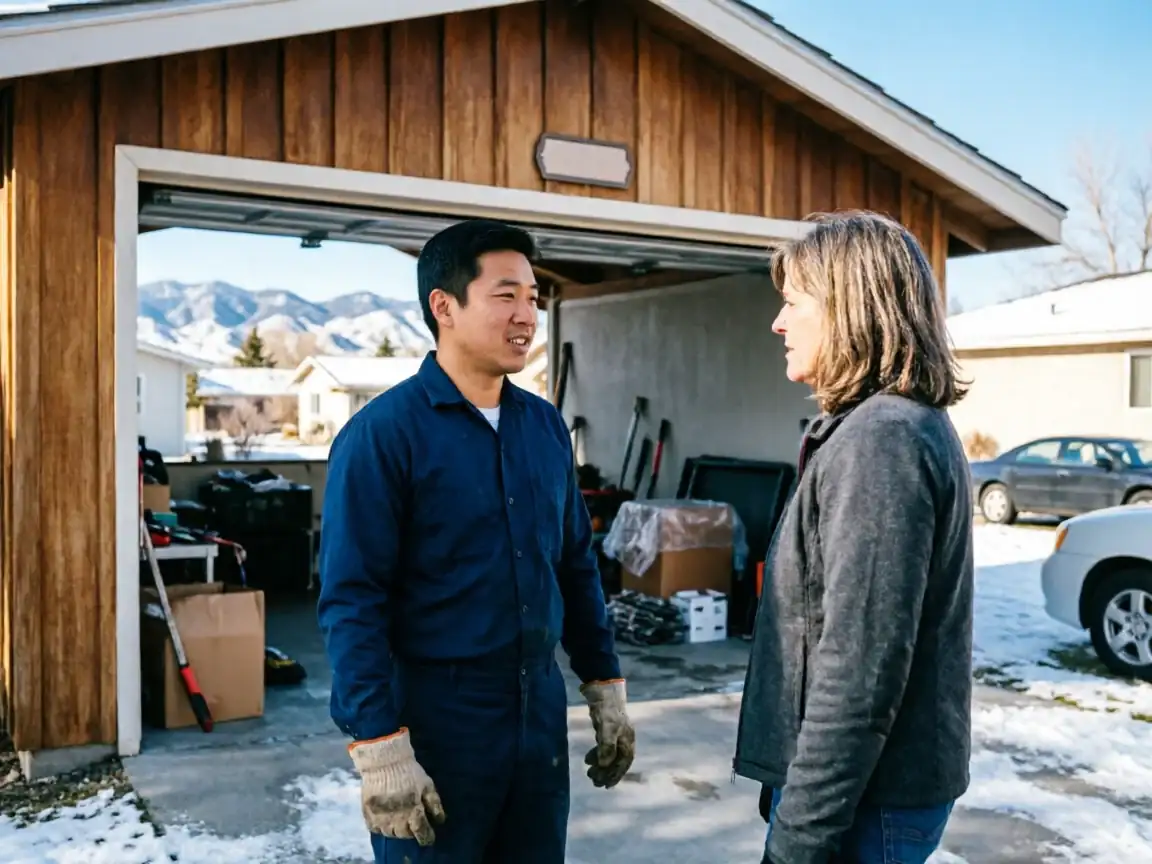
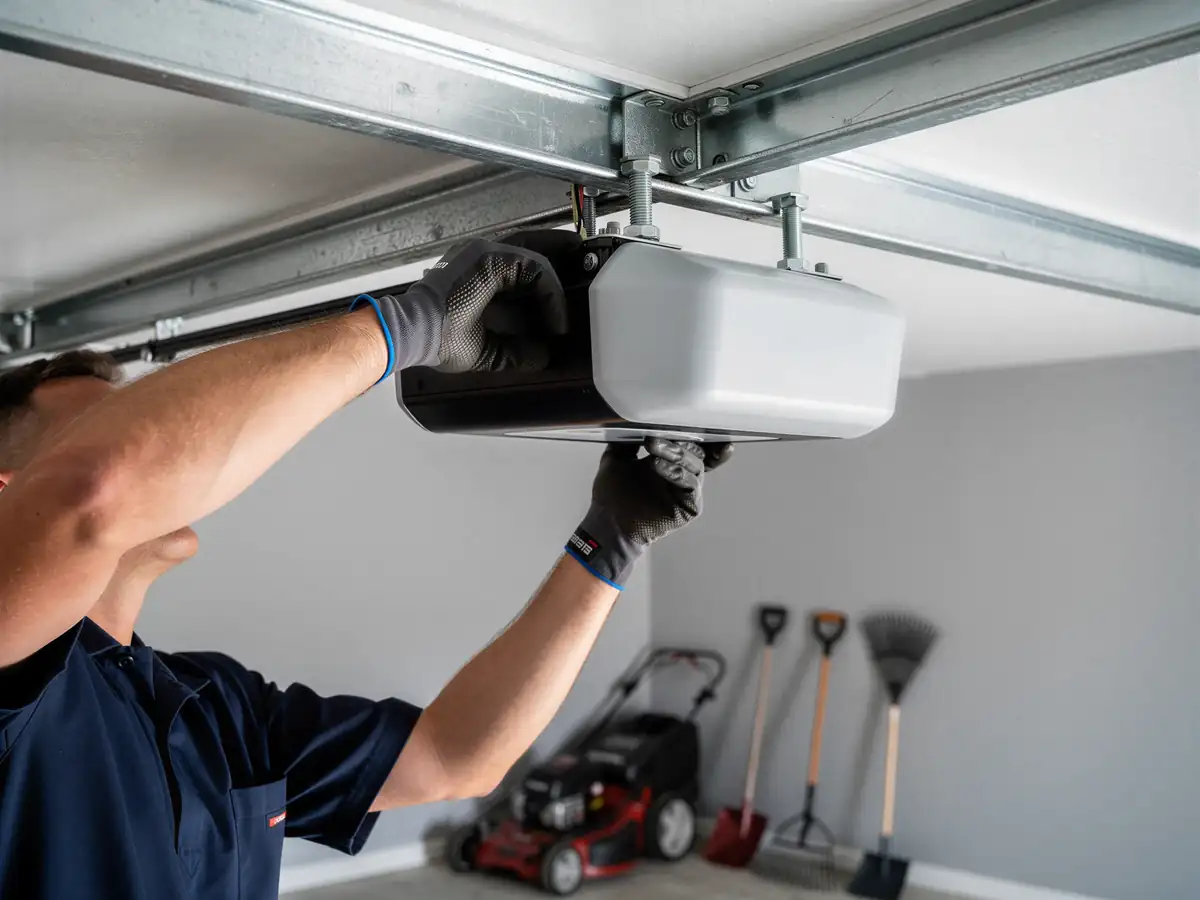
The Pinery sits 13 miles out from our shop in Highlands Ranch, which shapes how we plan a job here more than most people think. We don't carry a second location out this way, so when you call for an opener install, we're loading the truck with the unit, the rail, and the hardware before we ever see your door - there's no running back for a part we forgot. That means the quote call matters: we ask about your door's weight, whether it's a double or single, and what you've got mounted now, so the opener we bring is the right one the first time.
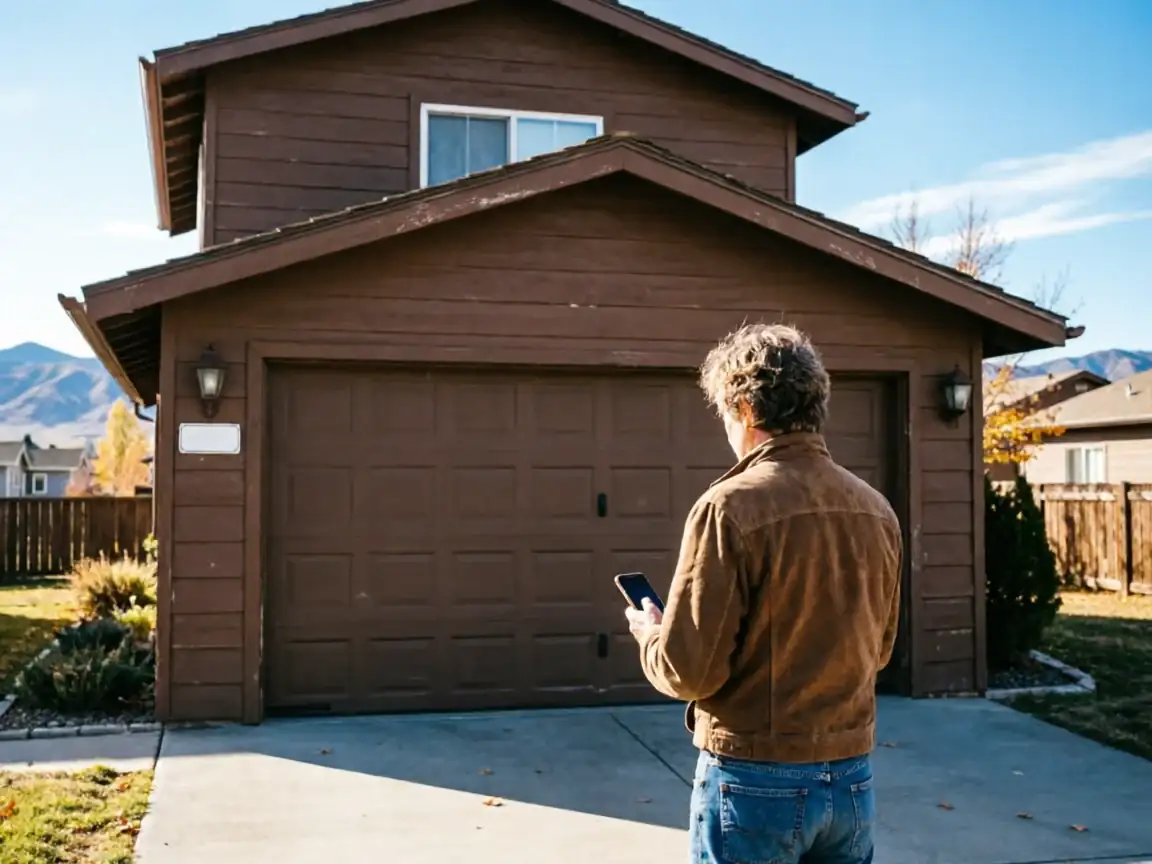
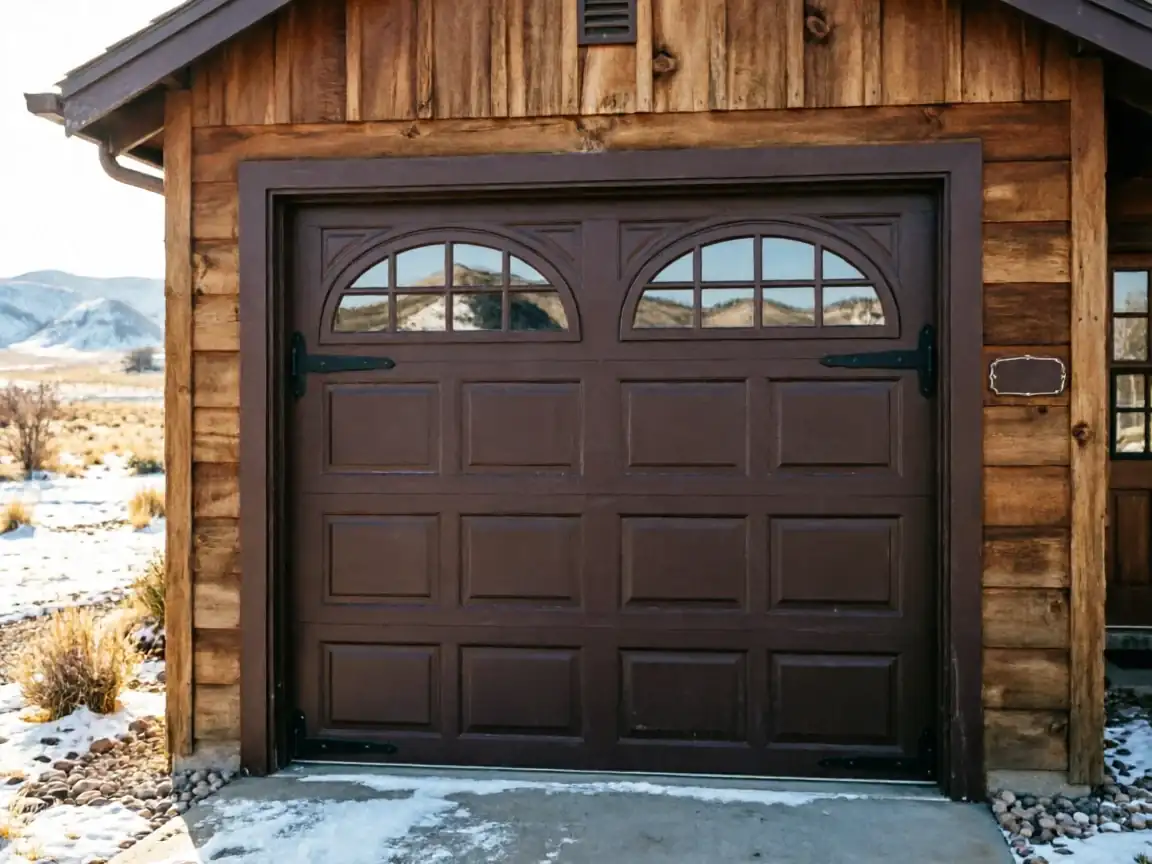
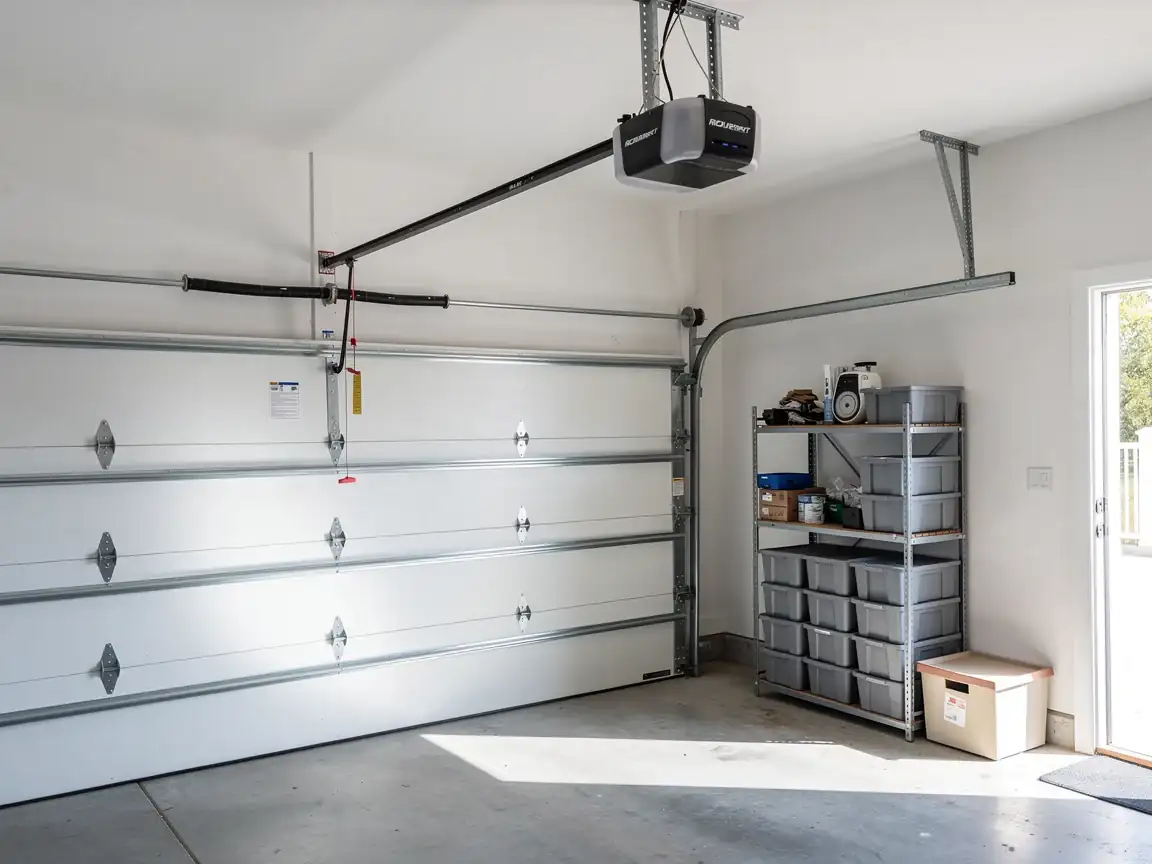
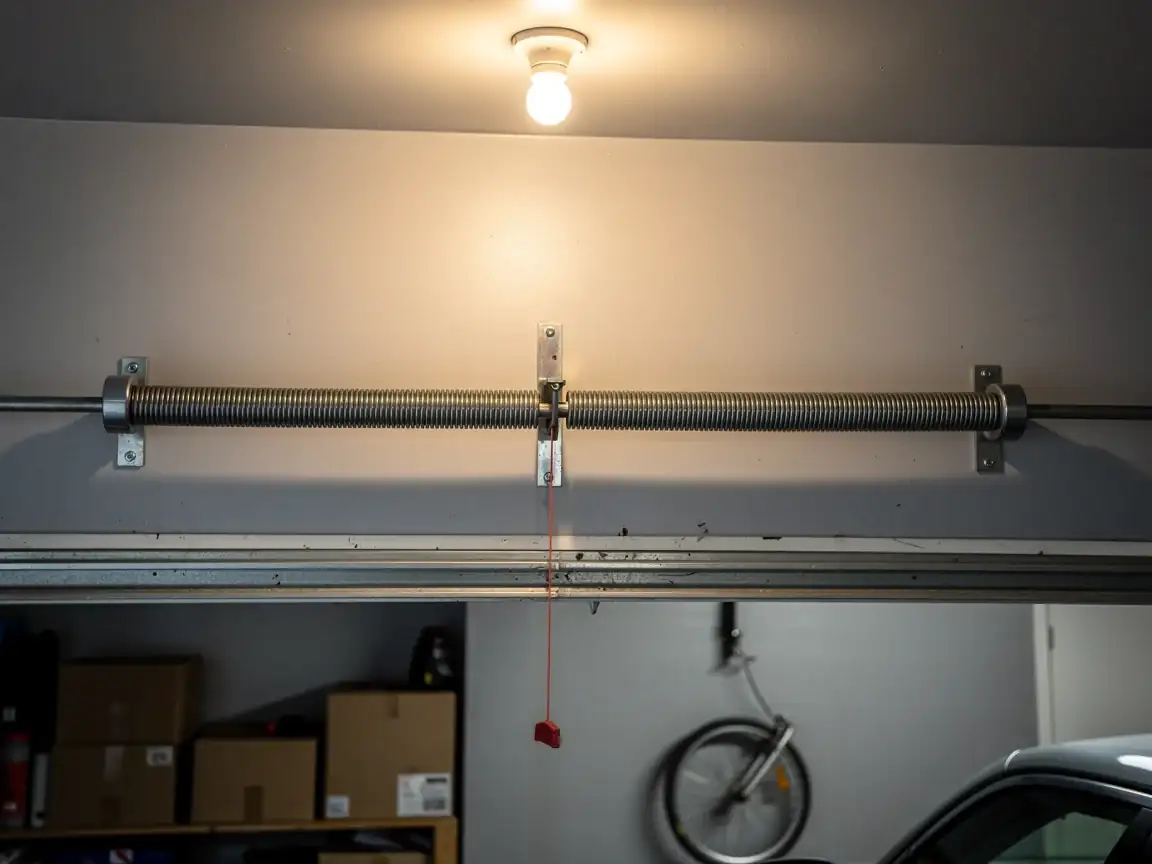
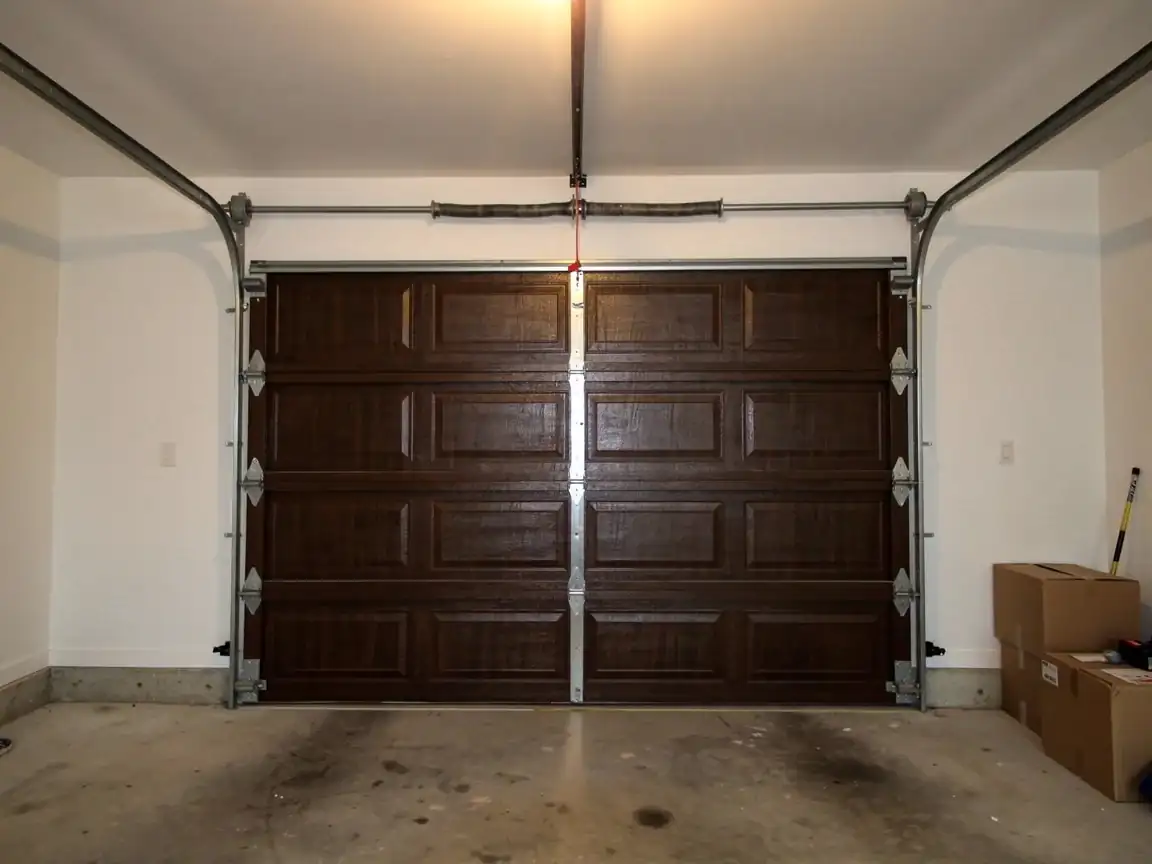
Most houses in The Pinery went up around 1995, which puts them past the steel-tilt-up era and into the first wave of production-built double garages with factory torsion springs and taller door openings. The openers that originally went in these garages are now roughly thirty years old if they're original - chain-drive units with half-horsepower motors that were standard spec for builders at the time. Those motors were sized for the doors of that era, not for the heavier insulated steel or carriage-style doors a lot of owners have since swapped in, which is a common reason the opener struggles long before the door itself does.
How Long You Are Without the Door
Because every opener job here starts with a 13-mile drive, the window between your call and a tech arriving is longer than it would be for a house a mile from the shop. We tell people that up front rather than let them guess. Once we're there, a straight opener swap - same door, same track, new motor head and logic board - is usually a same-visit job. Where it runs longer is when the existing rail or mounting bracket on a 1995-era garage doesn't match current opener hardware, which means extra time fitting new bracketry rather than just bolting a new head onto old rail.
We'd rather tell you that possibility exists before the truck leaves Highlands Ranch than have you find out mid-job. If your opener failed and the door is stuck down, that's a different and more urgent call than a planned upgrade, and we sequence the day around which one you've got.
The Symptom
The complaint we hear most from this area isn't the opener refusing to run
It's the opener running but not finishing the job: the door reverses partway up, or it closes and pops back open a few inches before settling. On a house built in the mid-1990s, that's almost always the original chain-drive unit trying to lift more door than it was built for, especially if the door itself was replaced at some point with a heavier insulated panel while the opener stayed original.
Colorado's winters push this failure earlier than it would show up in a milder climate
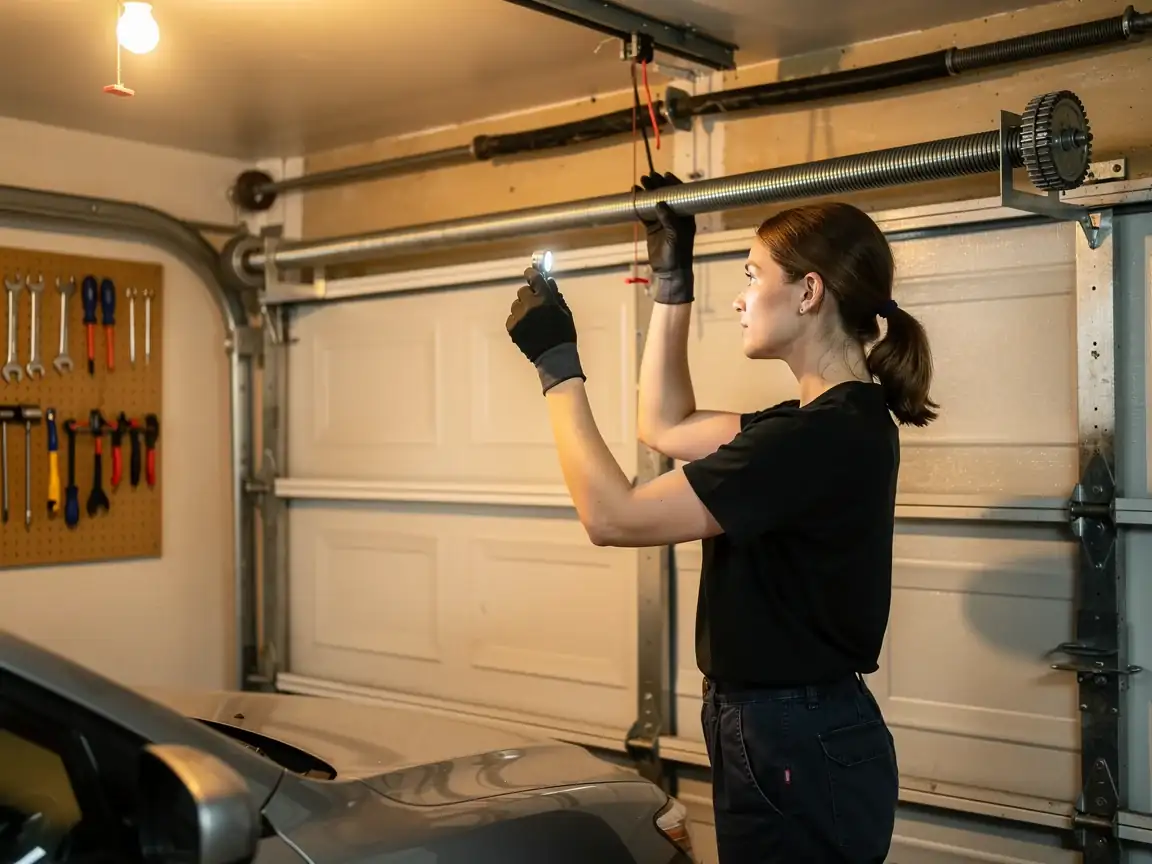
Cold stiffens the grease in an aging gear housing and tightens the chain's slack, so the motor strains harder on a 10-degree morning than it does in July - and a motor that's already undersized for the door gives out faster under that extra load. We check the force settings and the gear condition on the opener before we recommend a straight replacement; sometimes it's a worn gear, not the whole unit.
Doing It Yourself
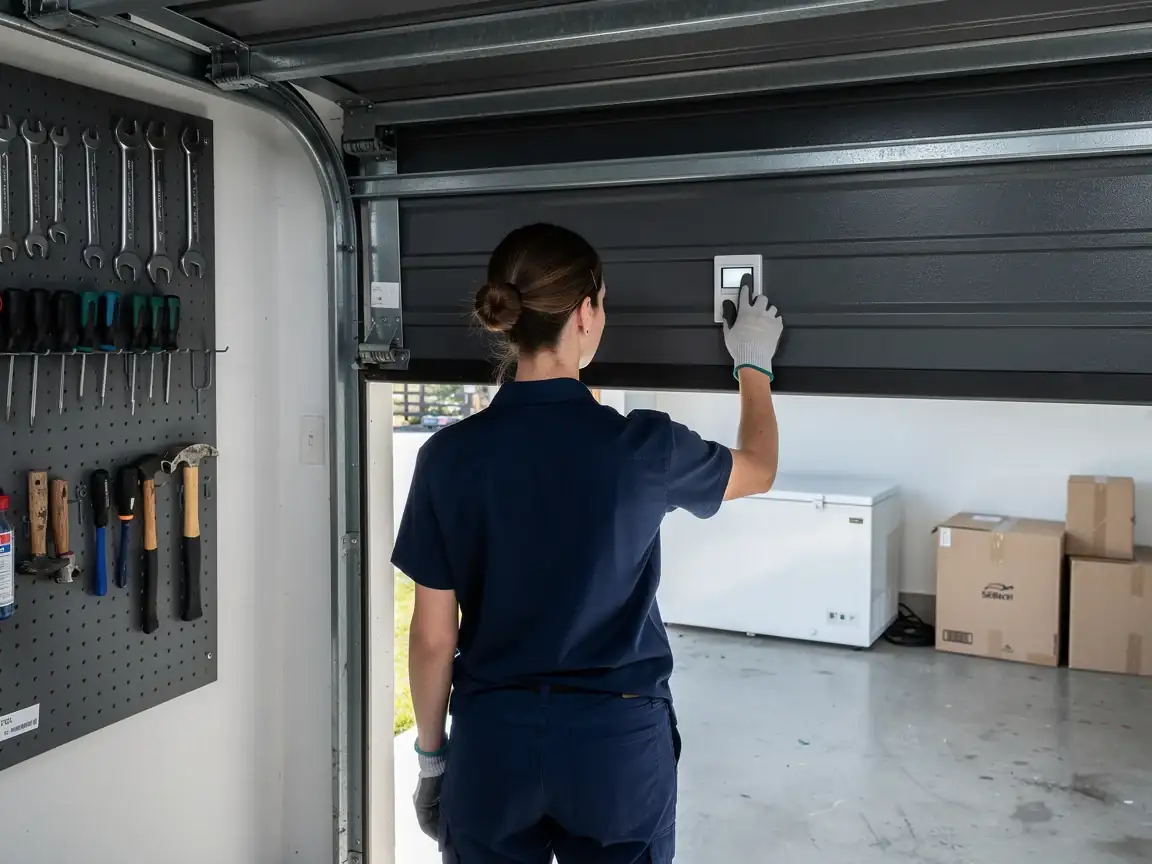
Swapping a wall console or reprogramming a remote is a reasonable DIY job and we won't talk you out of it. Where we draw the line is the opener head itself, especially the travel limits and force settings - get those wrong on a heavier insulated door and you risk the door coming down on a car, a bike, or a kid, not just a bent track. We also won't recommend a cheap big-box opener as a straight swap into a house built around 1995 without checking the door weight first; underpowering the new unit just repeats the failure you already had.
One honest limit: we don't stock every opener model on the truck for every call, since we're driving in from Highlands Ranch rather than working out of a local yard here. If you need a specific brand or a battery-backup model for an outage-prone stretch of winter, tell us on the call so we bring the right one and you're not waiting on a second trip.