Why It Happens Here
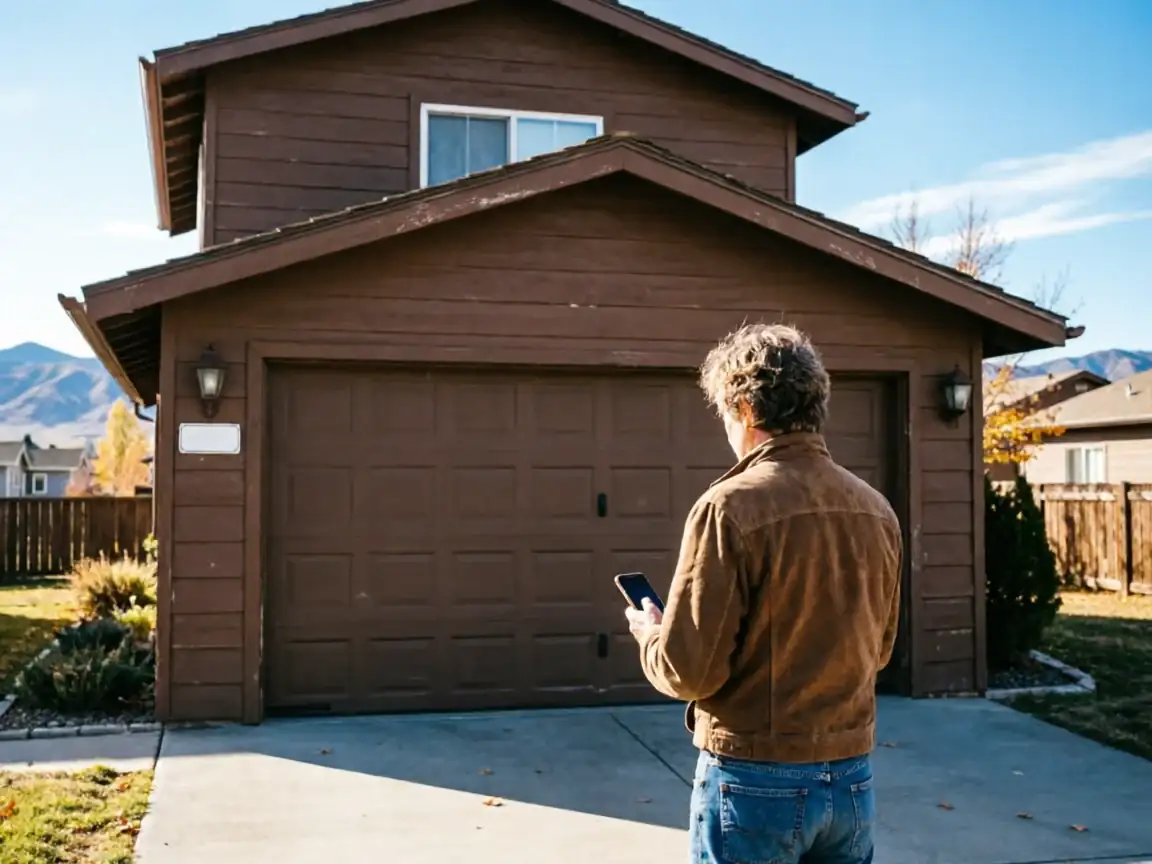
The Pinery is a newer build than most of what we cover. Houses here cluster around 1995, while the broader service area's median sits at 1979, with a lot of that older stock dating to the 1960s and 70s. That gap of fifteen-plus years matters more than it sounds like it should.
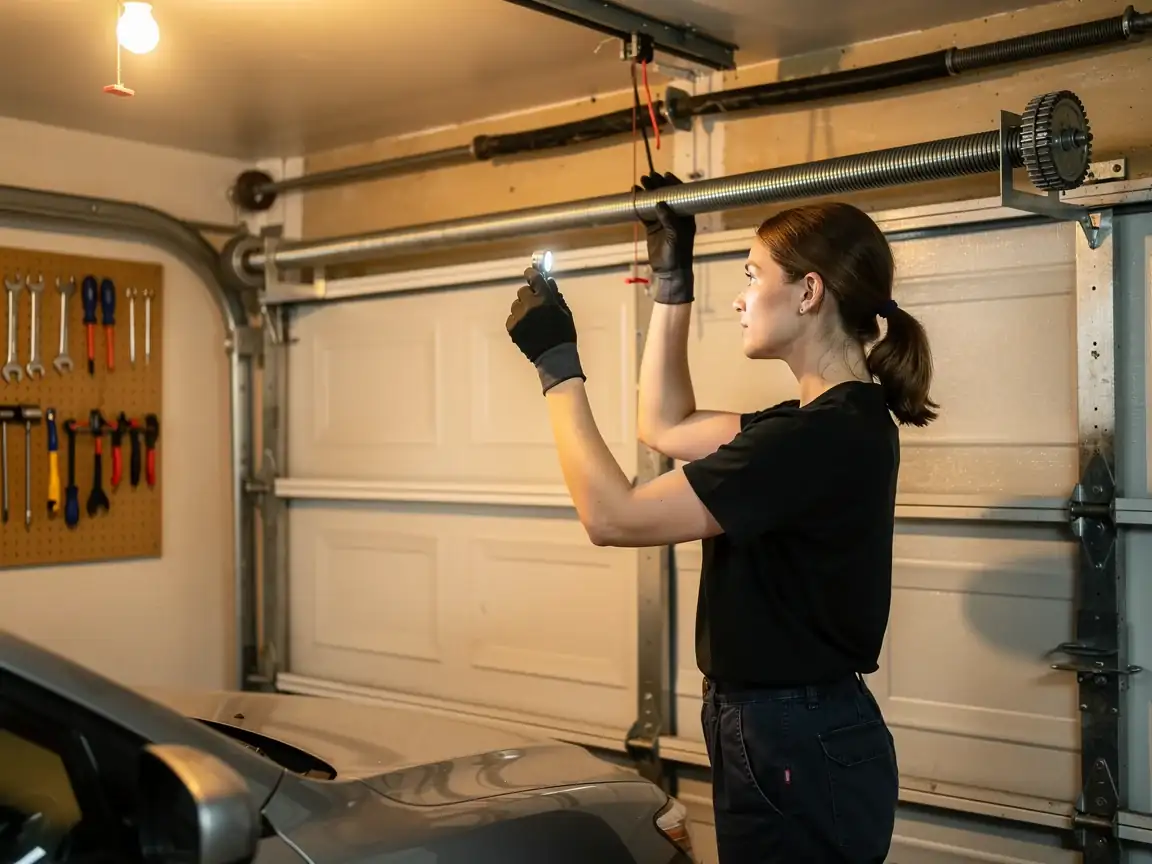
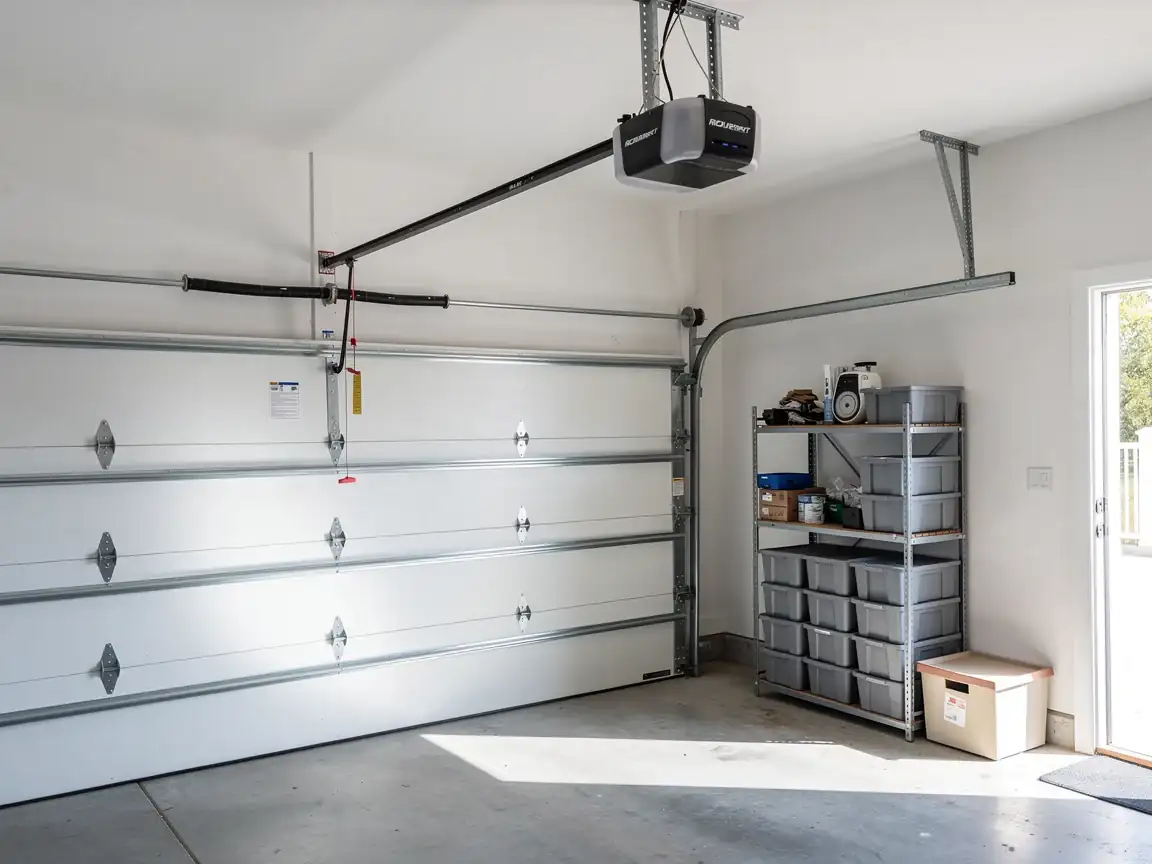
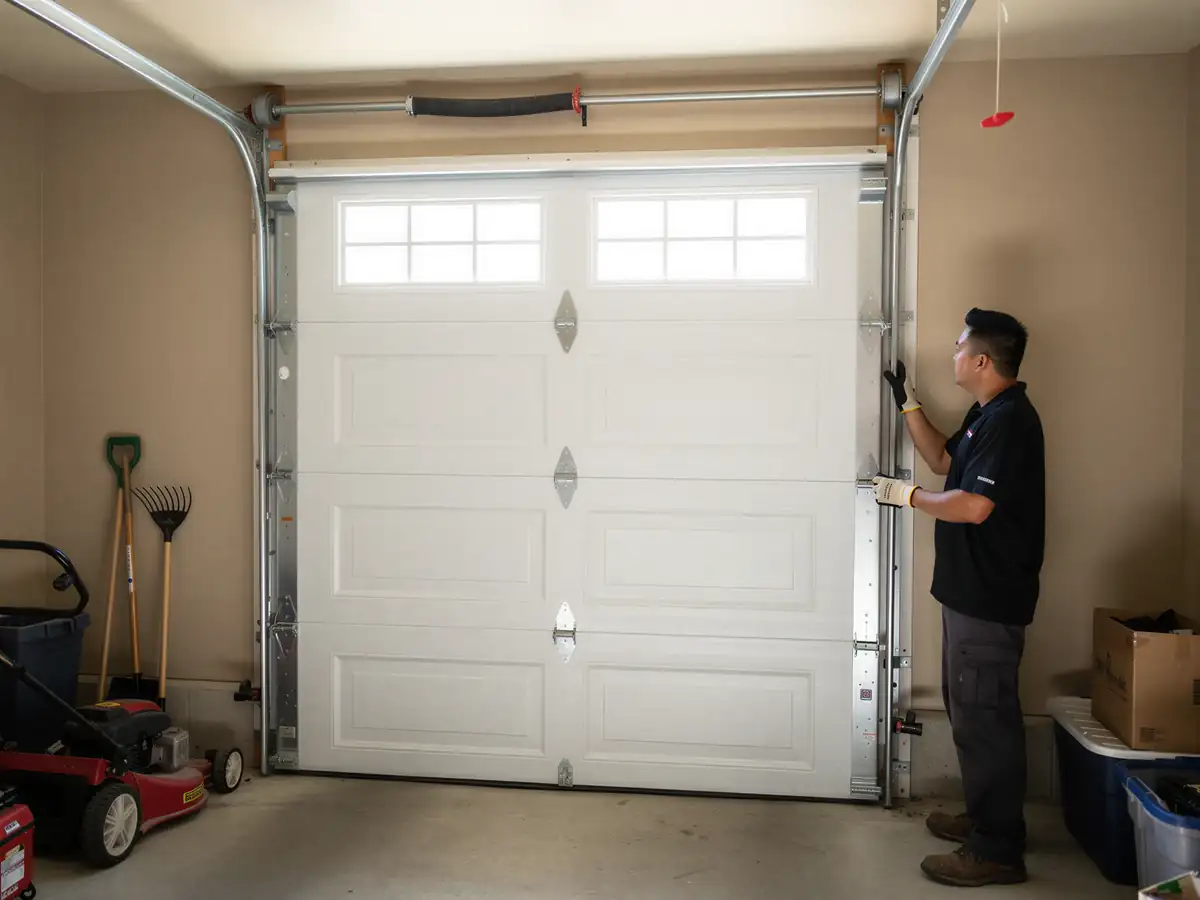
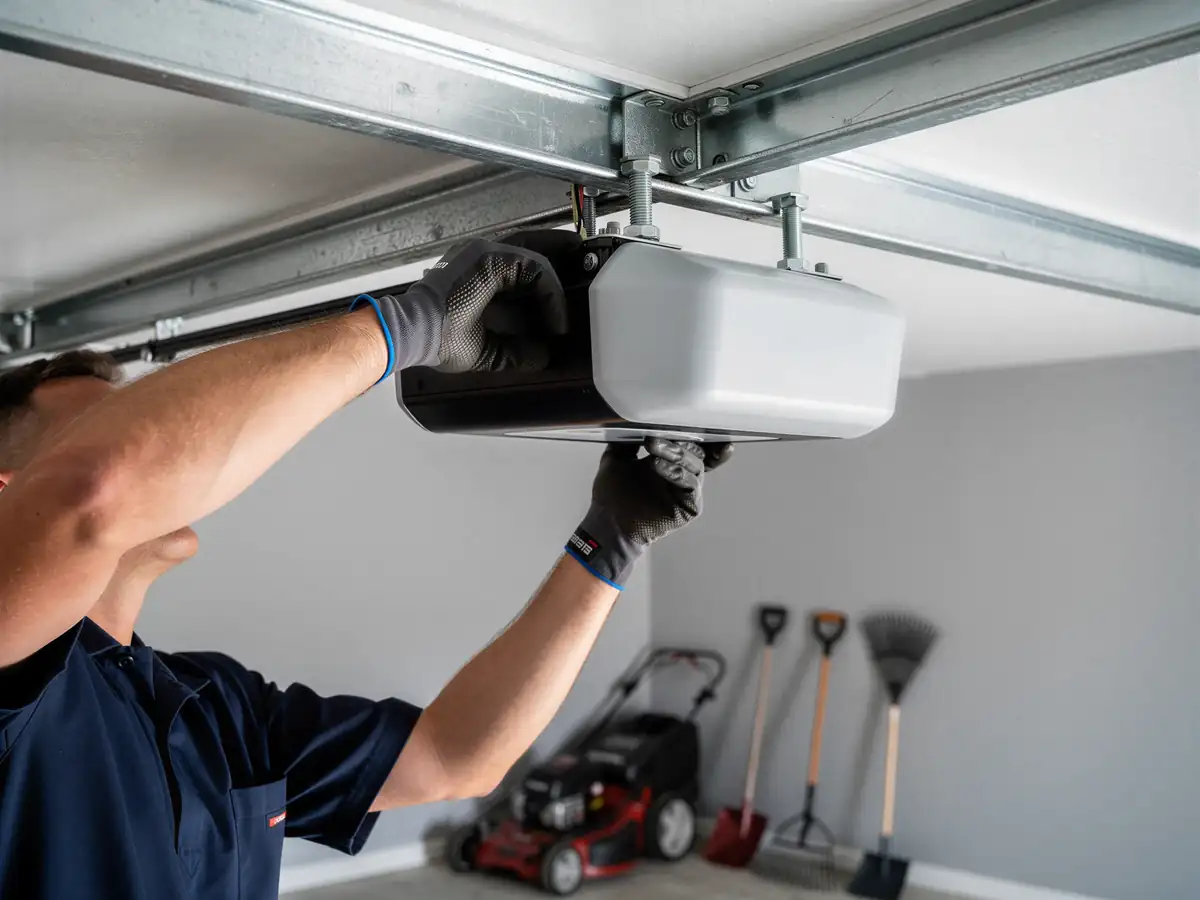
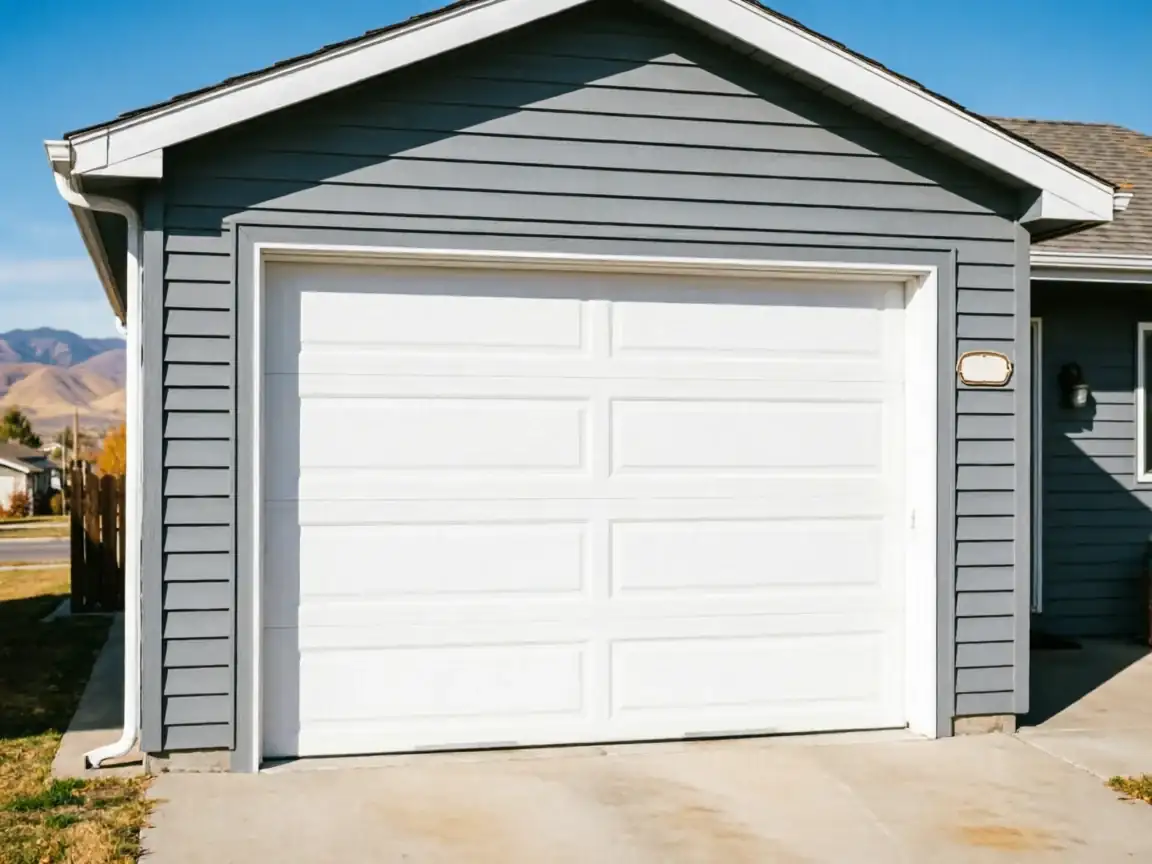
A door built in 1995 almost always came with a factory torsion system and photo-eye safety sensors as standard, not bolted on later. The failures we see out here tend to be in the opener's logic board, worn nylon rollers, or weatherstripping that's finally given out after thirty winters of freeze-thaw - not the side-mounted extension spring setups and knob-and-tube opener wiring you find in the older pockets of the service area.
Cold is still cold here. The region sits in a severe cold climate band, and that doesn't care what decade your door was built. Seals shrink, lubricant thickens, and steel panels contract just enough to bind on track that was never quite plumb to begin with. On a newer door the symptom usually shows up as noise or a slow reverse, not a seized spring - which changes what we check first when we get there.
How Long You Are Without the Door
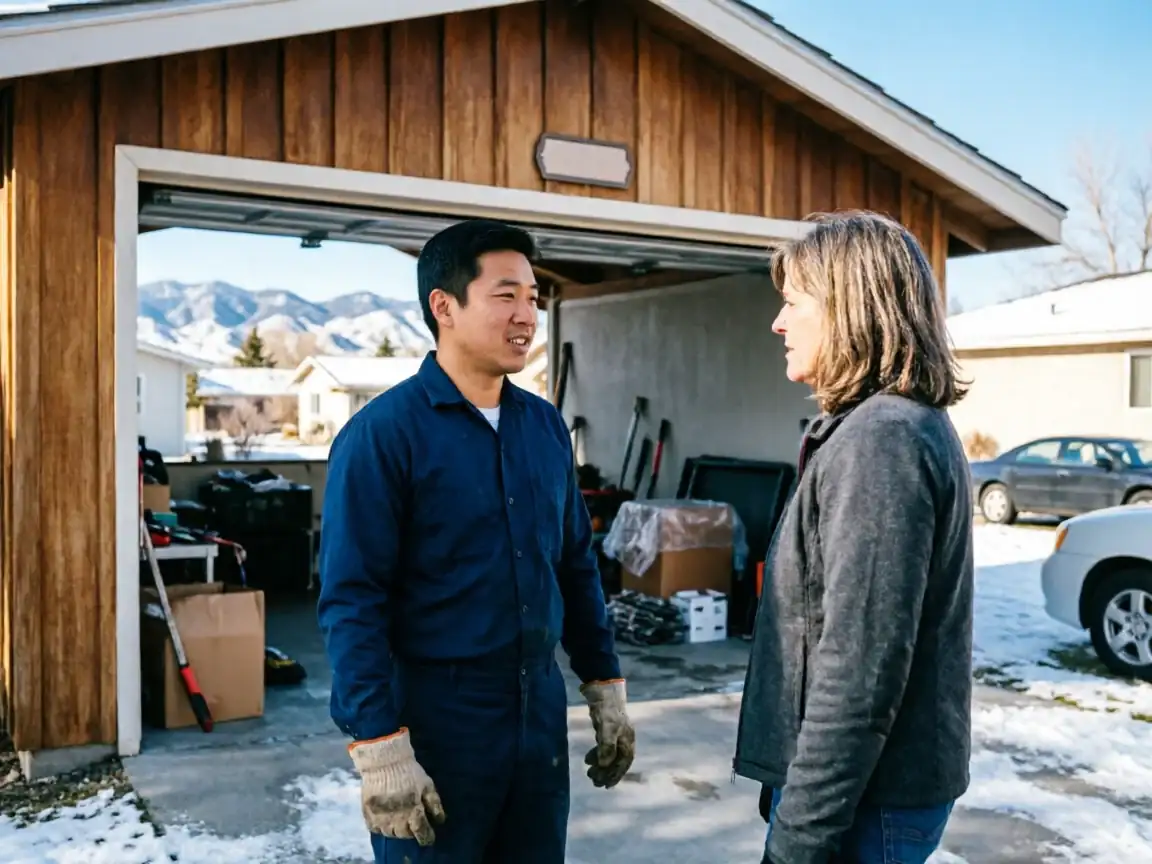
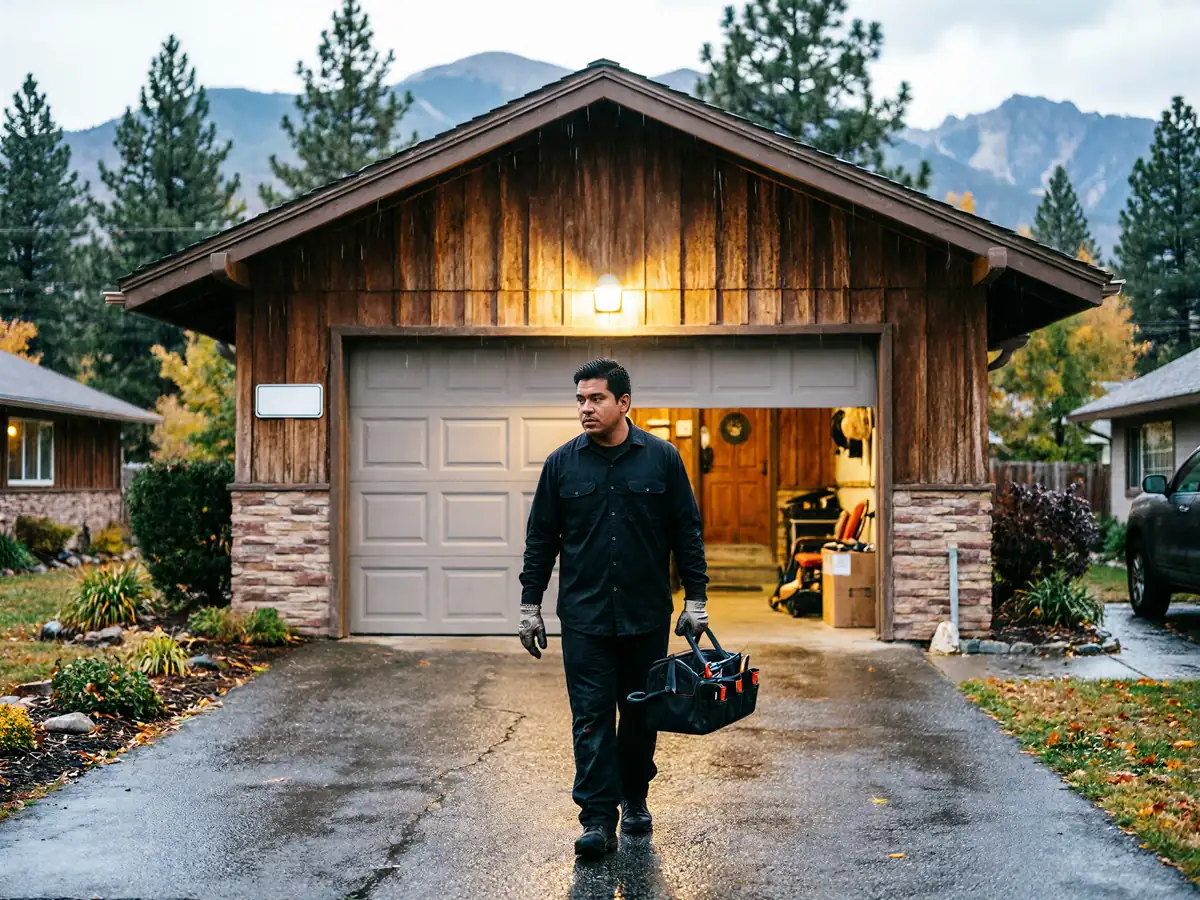
We run this call from Highlands Ranch, and The Pinery sits about 13 miles out. That's real drive time added to any job, and it's worth knowing going in - there's no branch or truck staged closer than that.
For a stuck door, that distance is the honest limiting factor. We don't promise a response window we can't back up from 13 miles away, and we'd rather say that plainly than make something up. What we can tell you is that once we're on-site, a 1995-era door with a bad opener board or a dead sensor is usually a faster fix than an older house with a spring that's seized to a rusted shaft, simply because the parts are less specialized and the hardware is in better shape to start with.
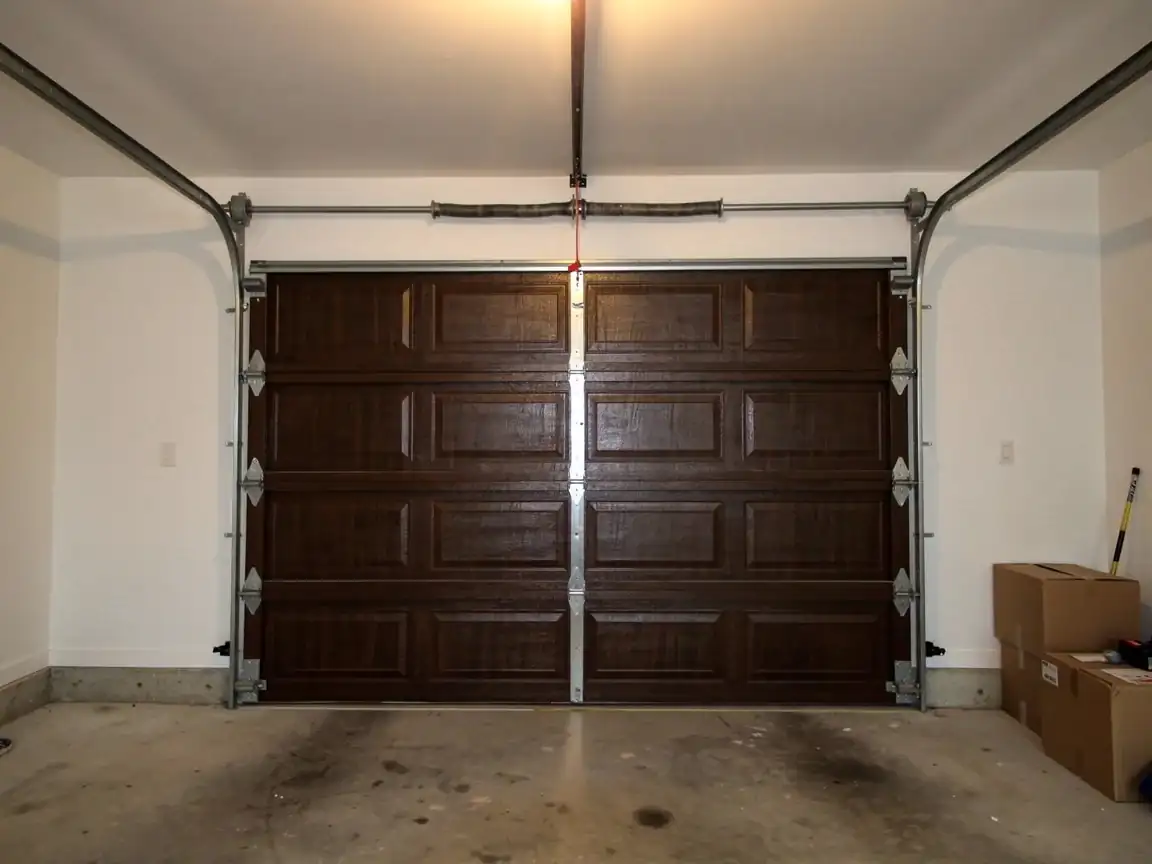
If you're stuck in the meantime, disconnect the opener using the release cord and lift the door by hand - most doors from this era are correctly counterbalanced enough that one person can do it without strain. That gets a car out while you wait.
The Symptom
The complaint we hear most from this part of the service area isn't "the door won't open"
It's "the door reverses before it touches the floor" or "the light blinks and nothing happens." That's consistent with a house built when photo-eye reversal sensors were already required equipment: a misaligned sensor, a hairline crack in the lens, or a logic board that's aged out after decades of Colorado temperature swings.
You'll also hear a rattle that wasn't there before
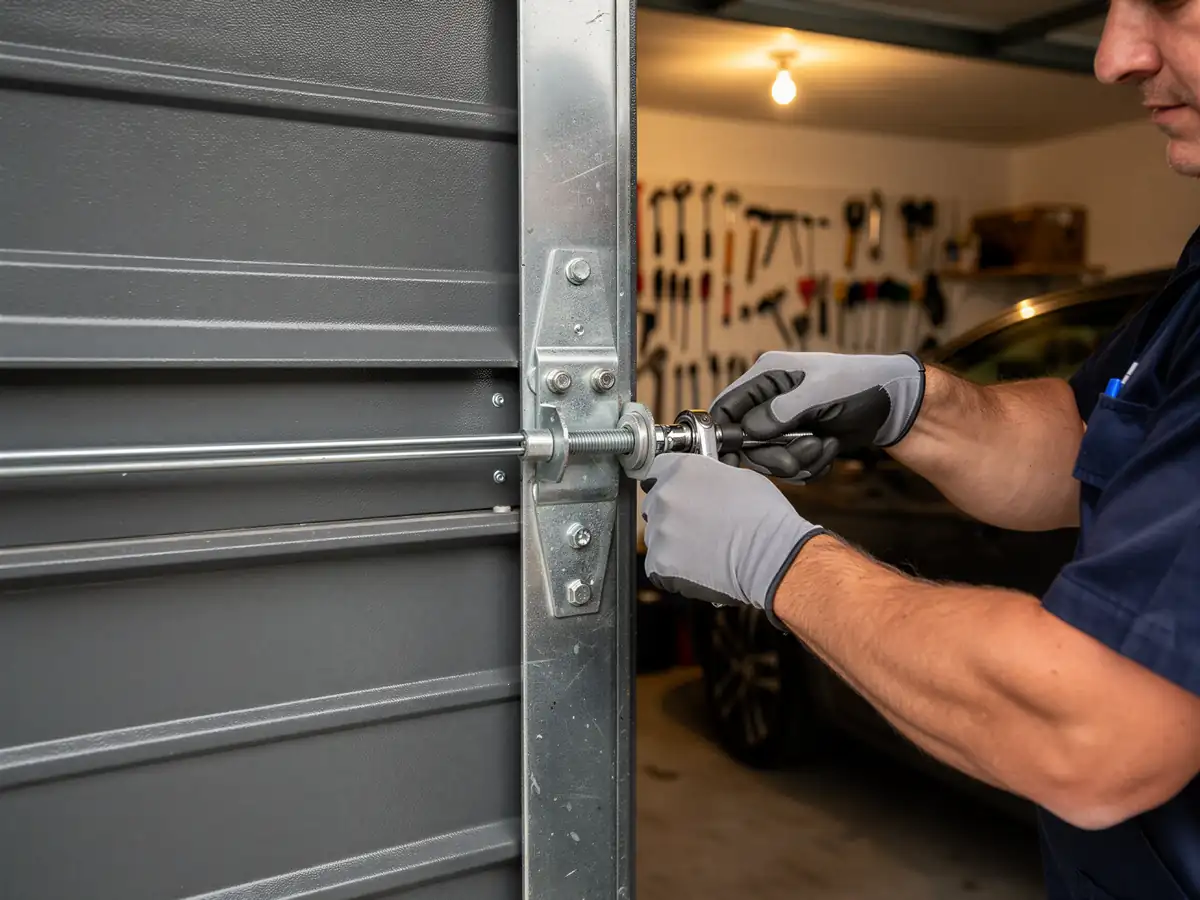
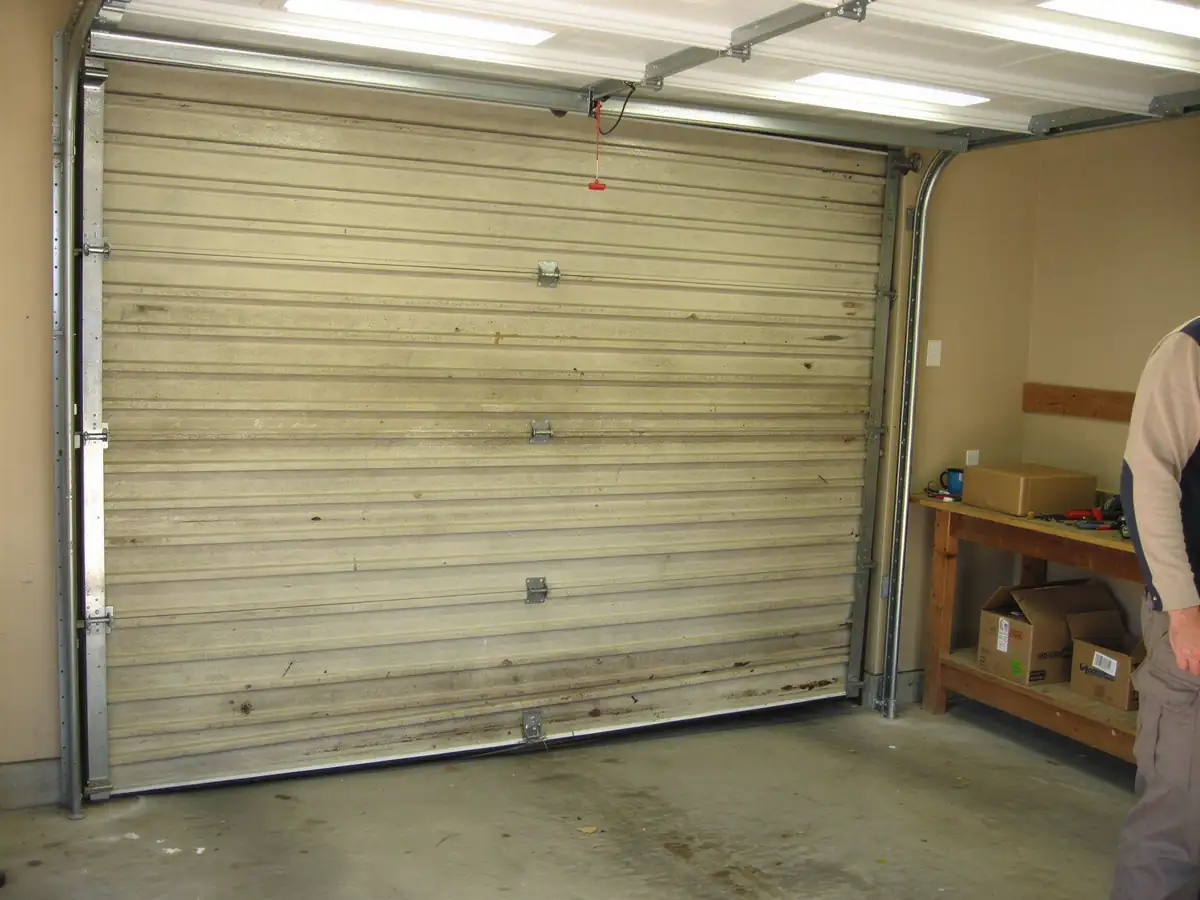
Usually nylon rollers wearing flat-sided from thirty years of track travel. That's a part, not a system failure, and it's worth distinguishing before anyone tells you the whole door needs replacing.
What we don't see much of out here is the classic snapped torsion spring that defines service calls in the service area's oldest neighborhoods
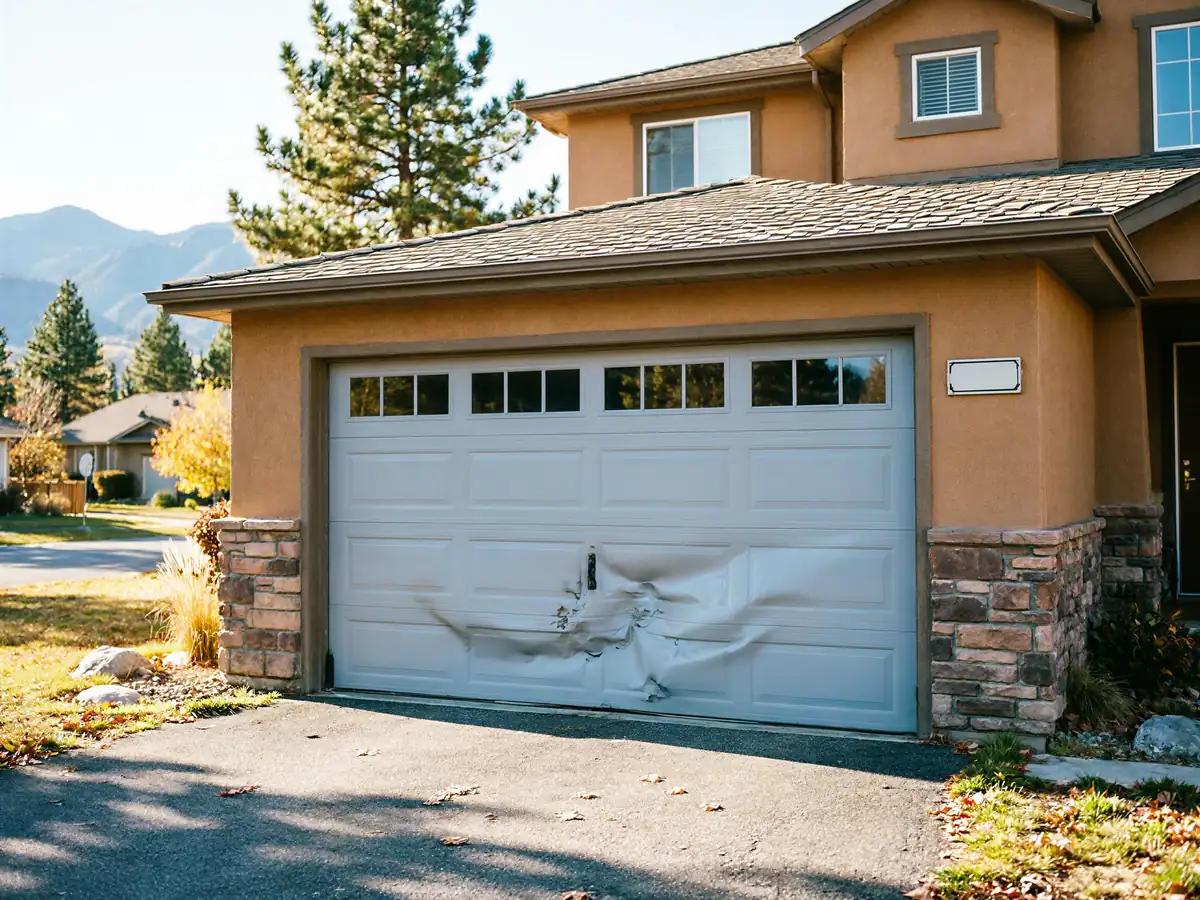
It happens, but it's the exception in a 1995-vintage house, not the rule. If your door drops suddenly and won't budge, that's still the one failure that needs a call rather than a wrench.
Doing It Yourself
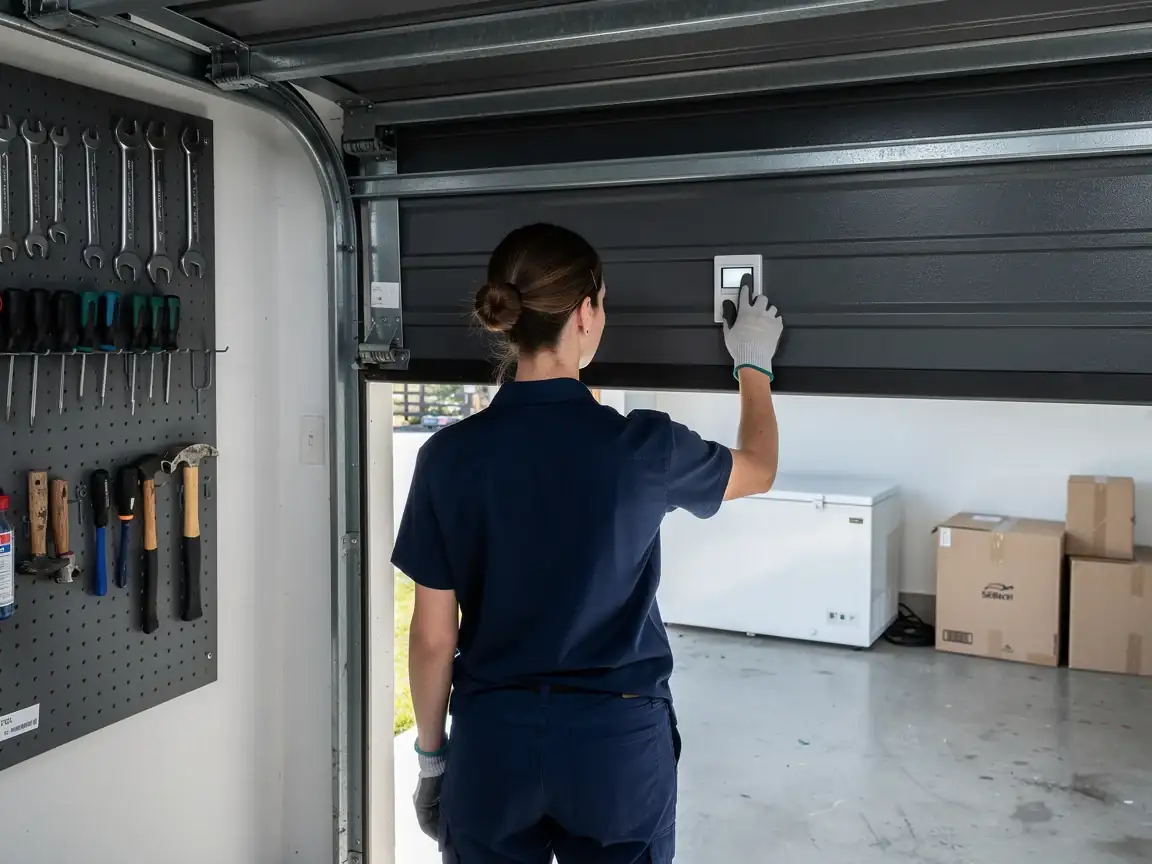
Check the photo-eye sensors first - they're the small boxes near the floor on each track, and a smudge, a cobweb, or a knock out of alignment will cause exactly the reversing or blinking-light problem that's common on doors this age. Wipe the lenses and make sure both lights glow solid, not blinking.
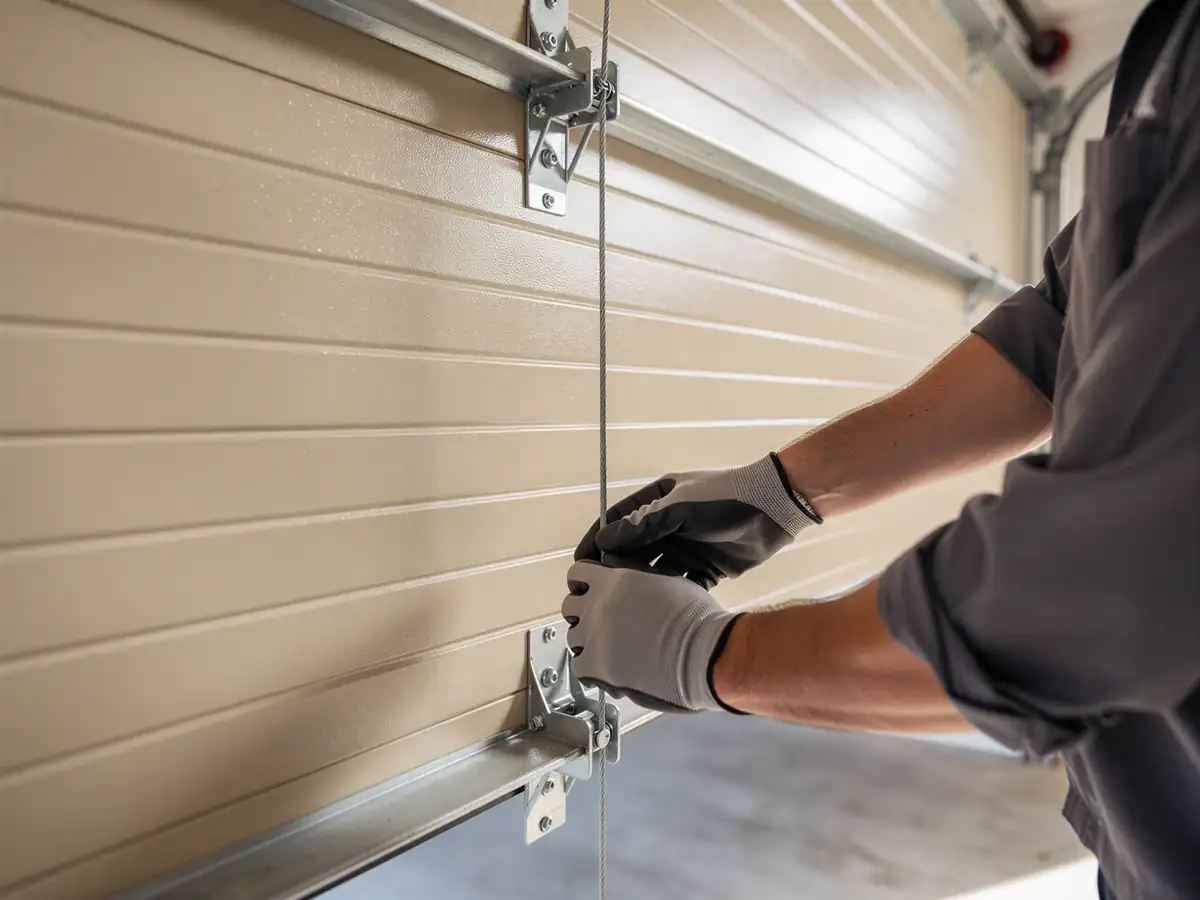
After that, a visual check of the rollers is worth five minutes: flat spots or visible wear mean replacement, not lubrication. Spray silicone-based lubricant on the hinges and track, not grease, which gums up in cold weather.
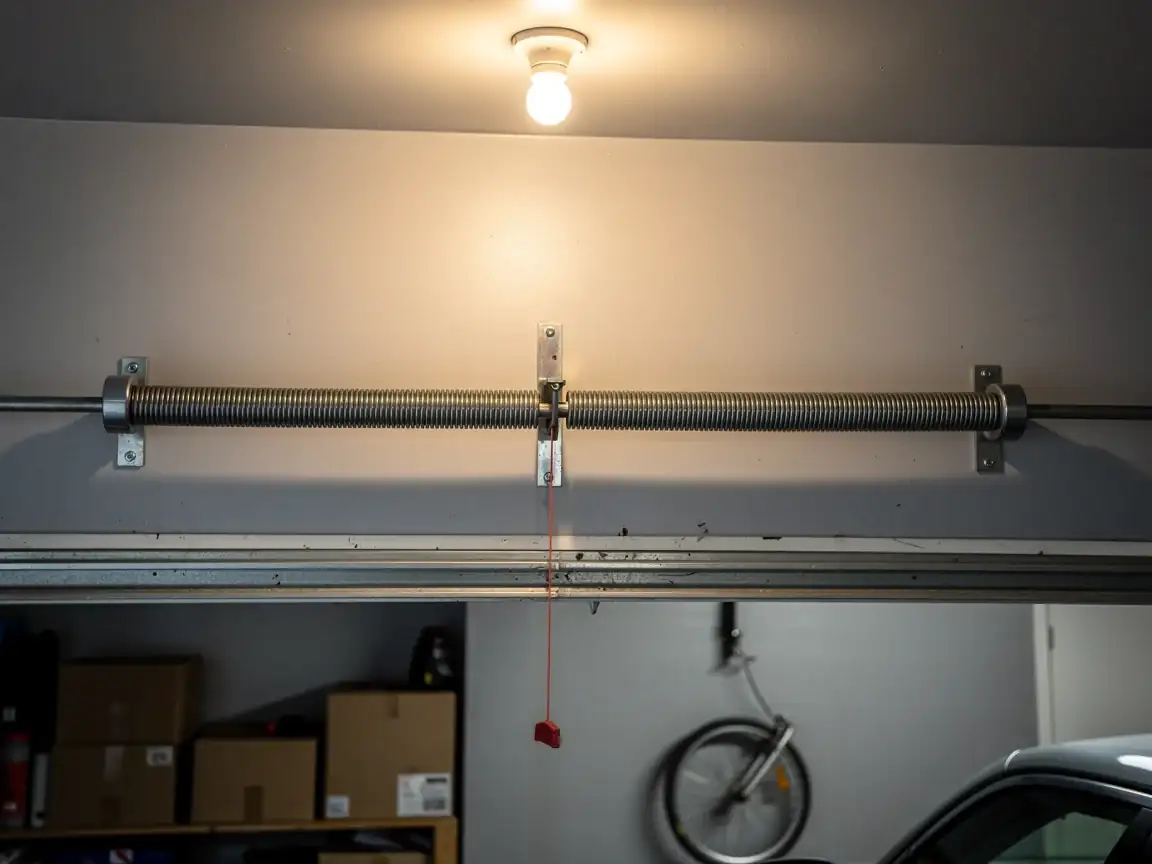
We'll say plainly what we won't recommend: touching the torsion spring or its cables yourself. Even on a newer, factory-installed system, that spring holds enough stored tension to cause real injury, and it's not a DIY repair regardless of the door's age. If the sensors are clean, the rollers look fine, and the door still won't behave, that's the point to call rather than keep guessing.