Why It Happens Here
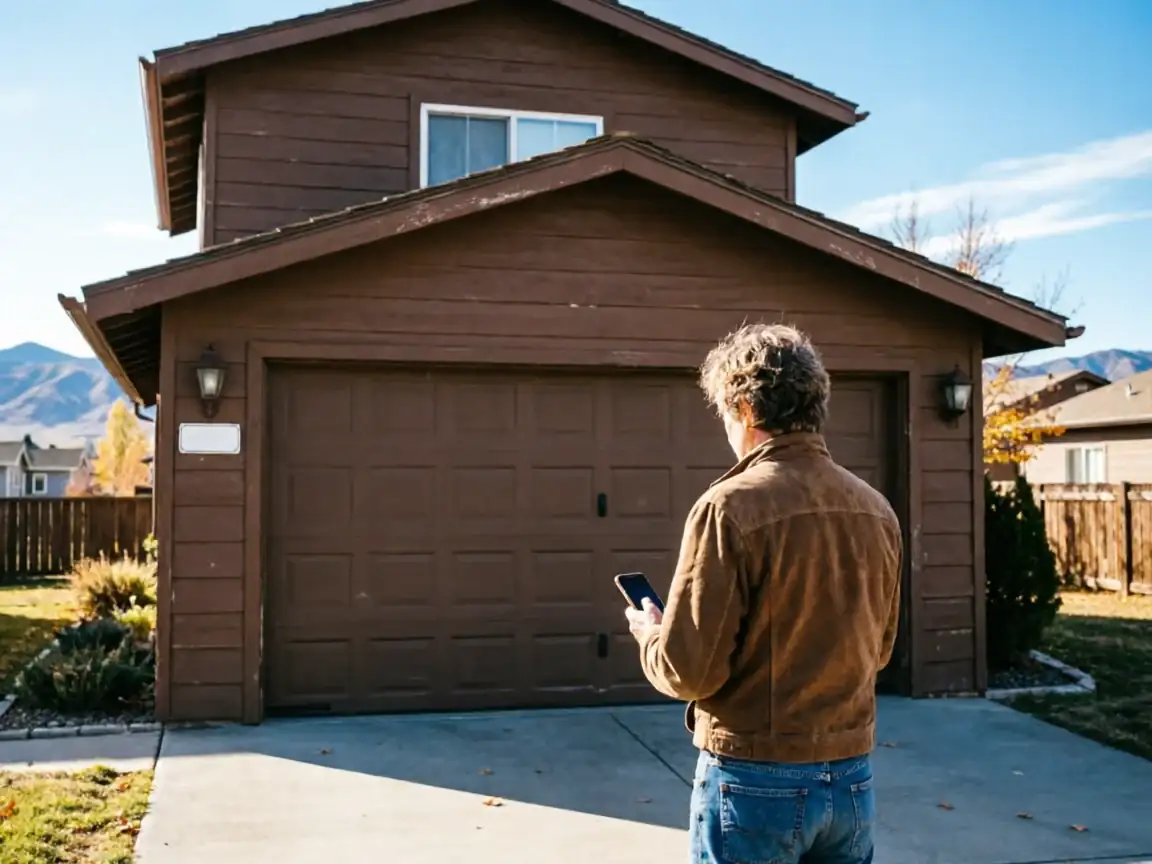
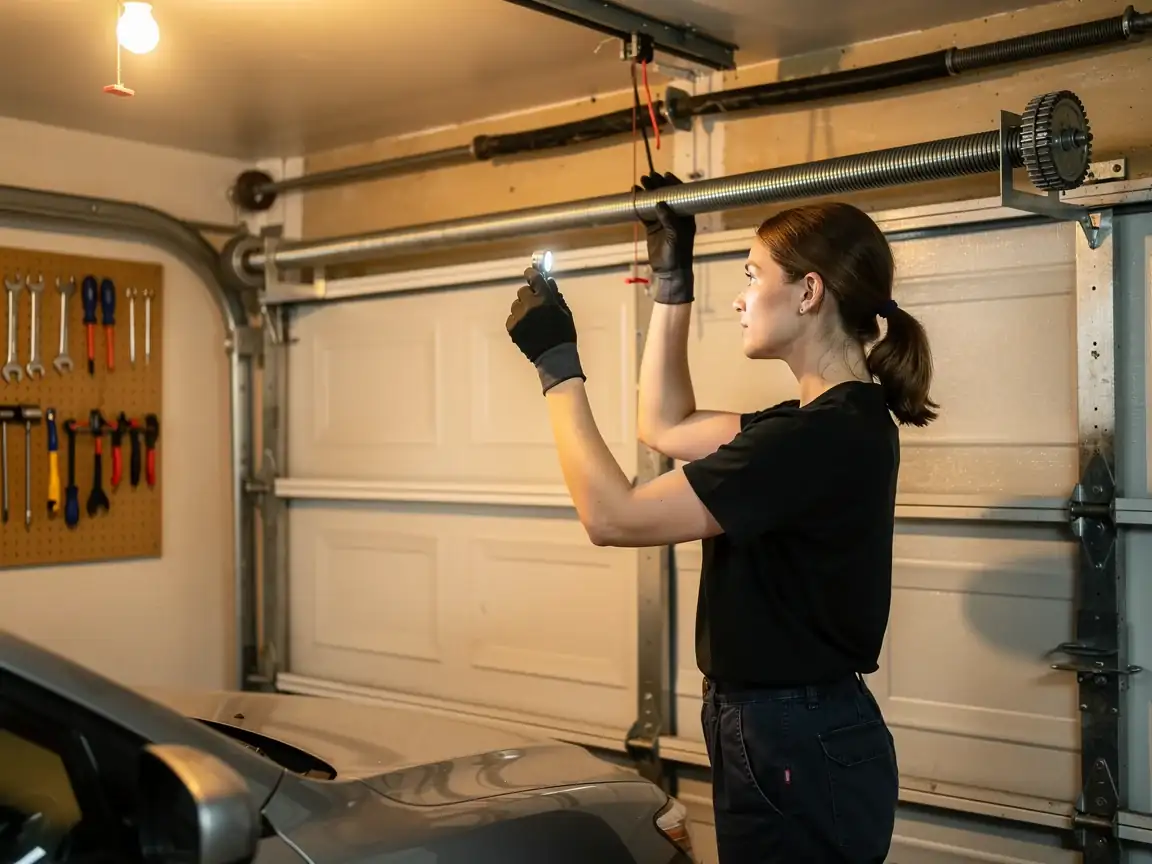
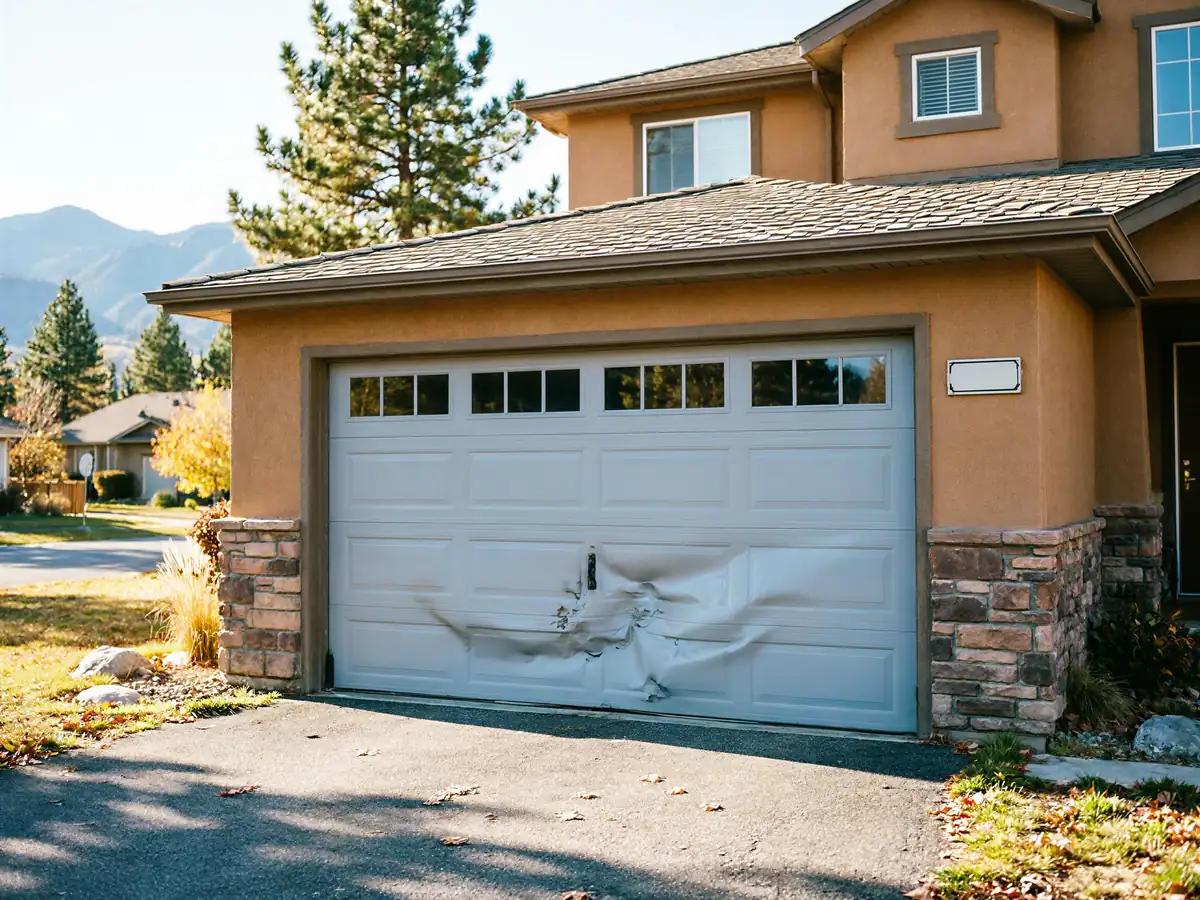
Most homes in The Pinery went up around 1995, which puts the original garage door hardware at roughly thirty years old on a lot of these properties. Cables are one of the few parts nobody thinks to replace on a schedule - they're galvanized steel wound around a drum, and as long as the door opens, most owners assume they're fine. They aren't fine forever. A cable installed when the house was framed has been through three decades of winter contraction and summer heat cycling, and in a cold-climate area like this one, that cycling is harder on wound steel than people expect. We see a lot of doors out here where the spring has been swapped once or twice over the years but the cables are still the originals from the build. That's the part that frays quietest and fails loudest. We drive out from Highlands Ranch, about 13 miles, so when we're on a cable call here we're usually looking at hardware that's never been touched since the house was new.
How Long You Are Without the Door
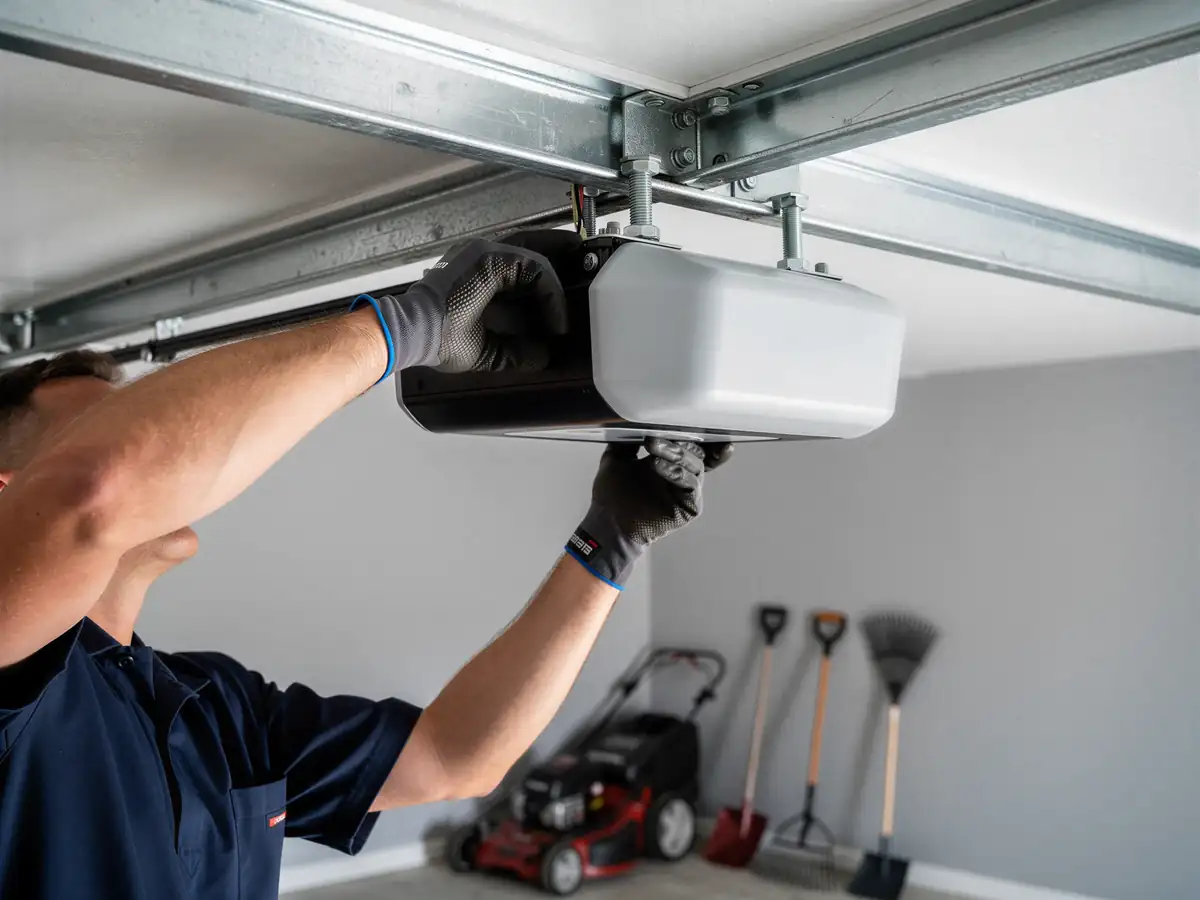
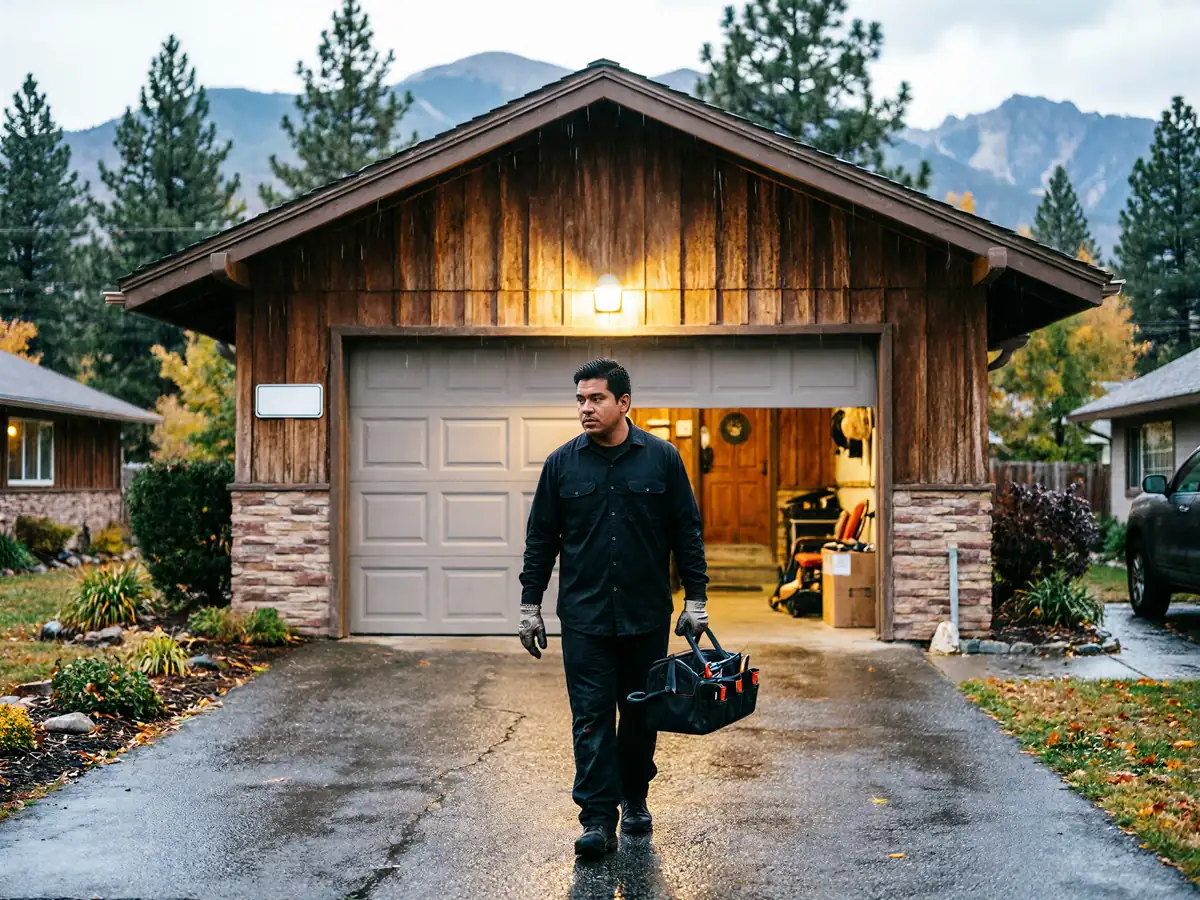
A cable repair itself is a short job once a tech is on site - it's not a part that takes hours to swap. The variable is the drive. We work out of Highlands Ranch, roughly 13 miles from The Pinery, so your wait is the time it takes a truck to get out to you, not a long diagnostic process once we arrive. If both cables are original to a 1995 build and one has frayed, we'll generally recommend replacing both rather than just the broken side - mismatched wear on a thirty-year-old pair means the other one is close behind, and a second trip out here for the same door is a waste of your afternoon and ours.
Doing It Yourself
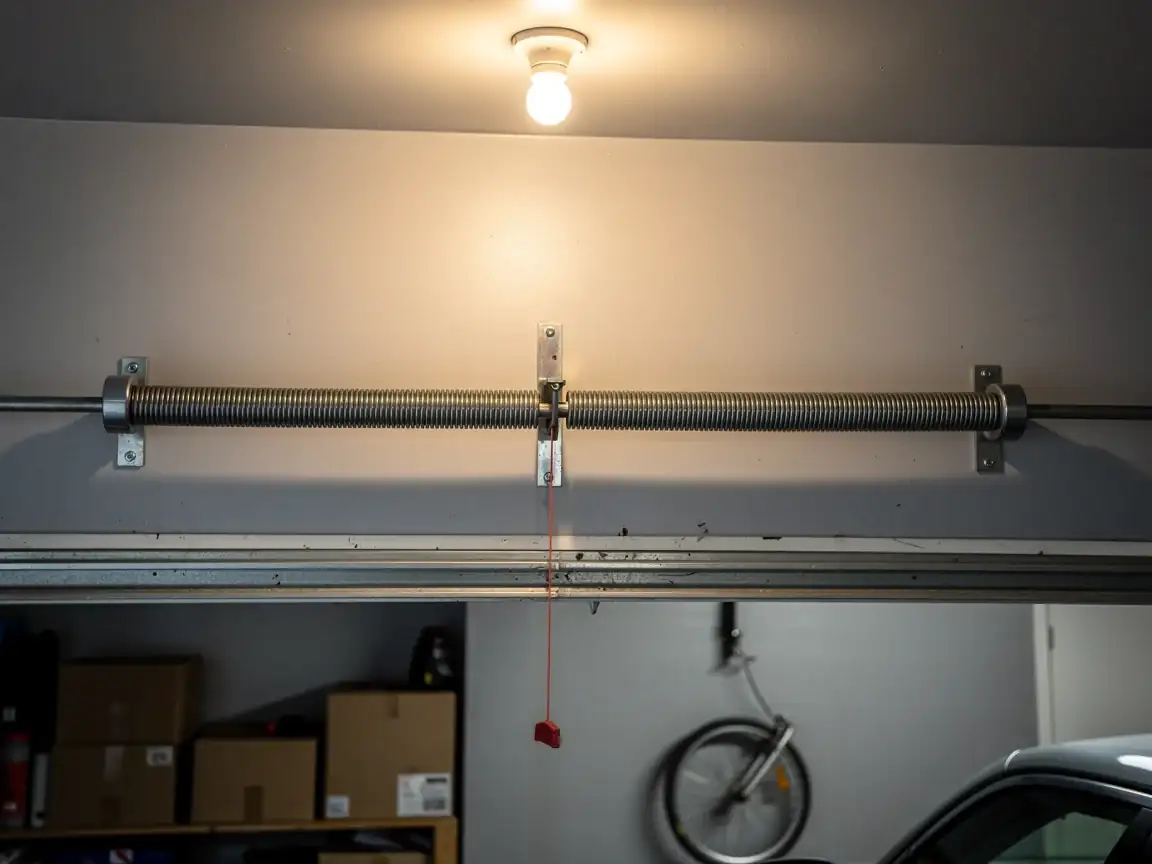
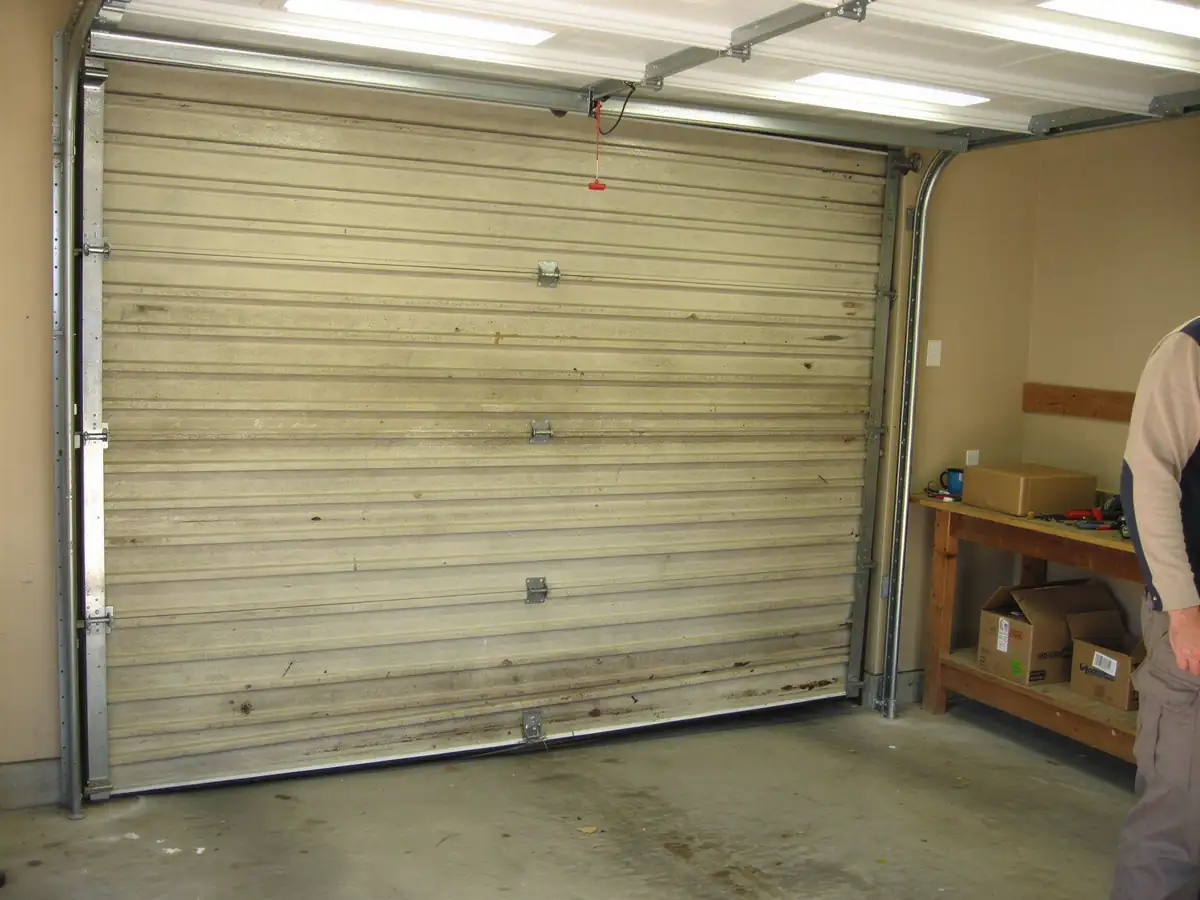
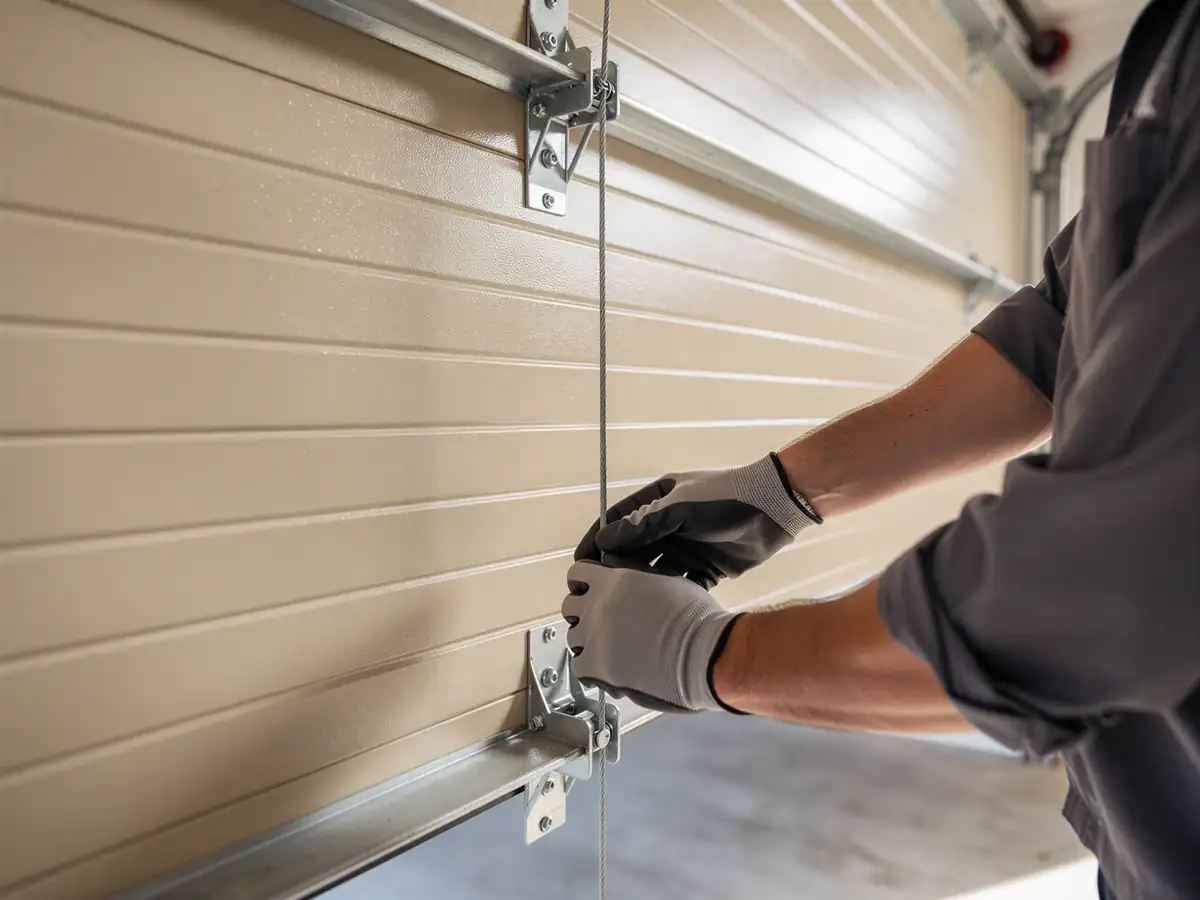
We'll be straight with you: cable work under tension is not a safe DIY repair, and we won't walk you through doing it yourself over the phone. A wound garage door cable is tied to a spring under real load, and releasing or re-threading it wrong can snap back hard enough to break a hand or worse. What you can safely do is look - check whether the door is sitting level in the track, check for visible fraying near the drum, and stop using the opener if you see either. That's the extent of the safe DIY step here. Beyond that, this is a job for someone who does it with the door secured and the spring tension controlled, especially on original hardware from a 1995 build where you don't know the exact wind count or drum condition until it's in front of you.