Doing It Yourself
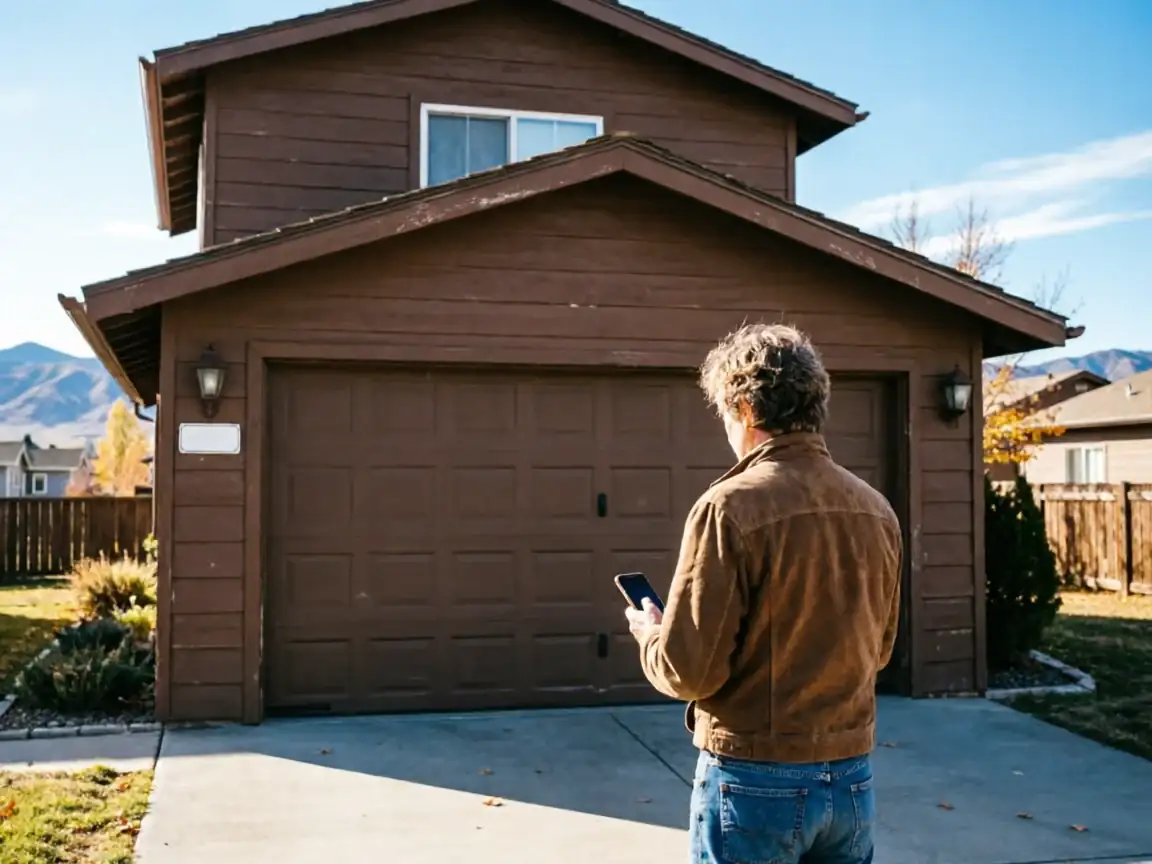
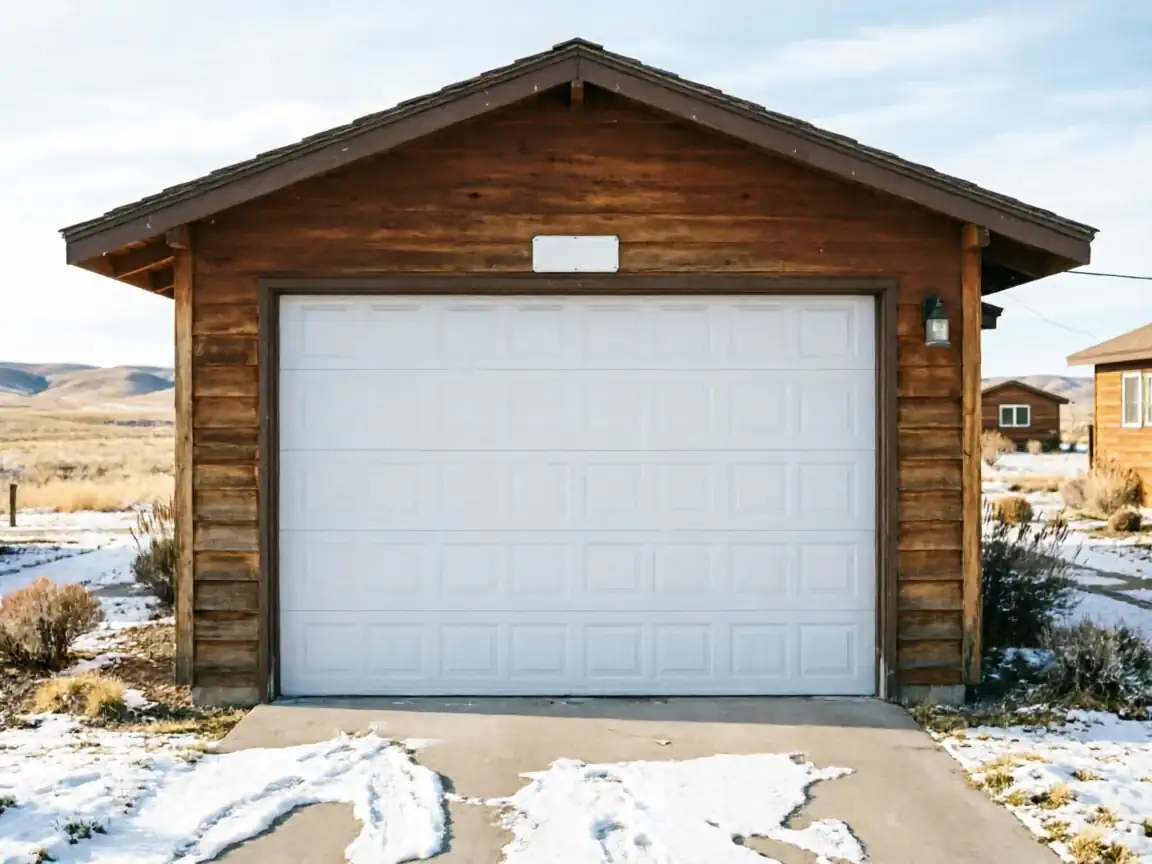
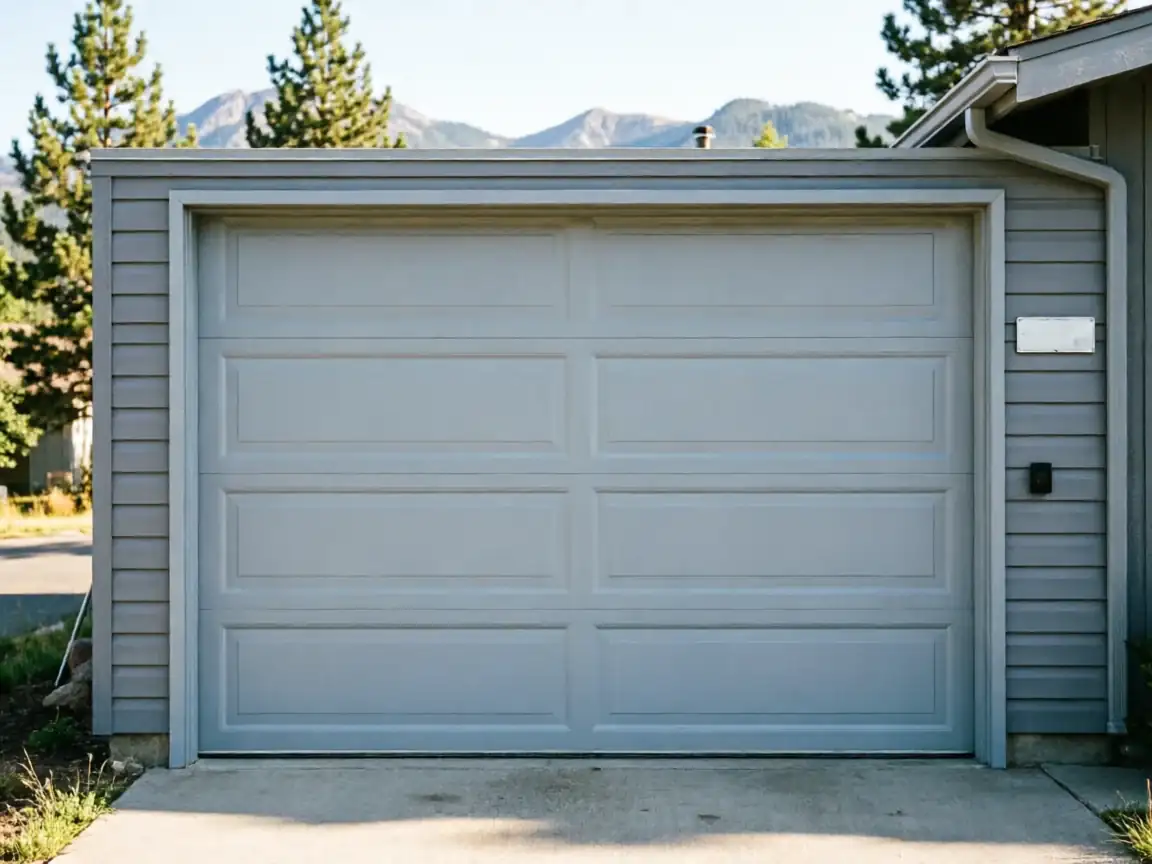
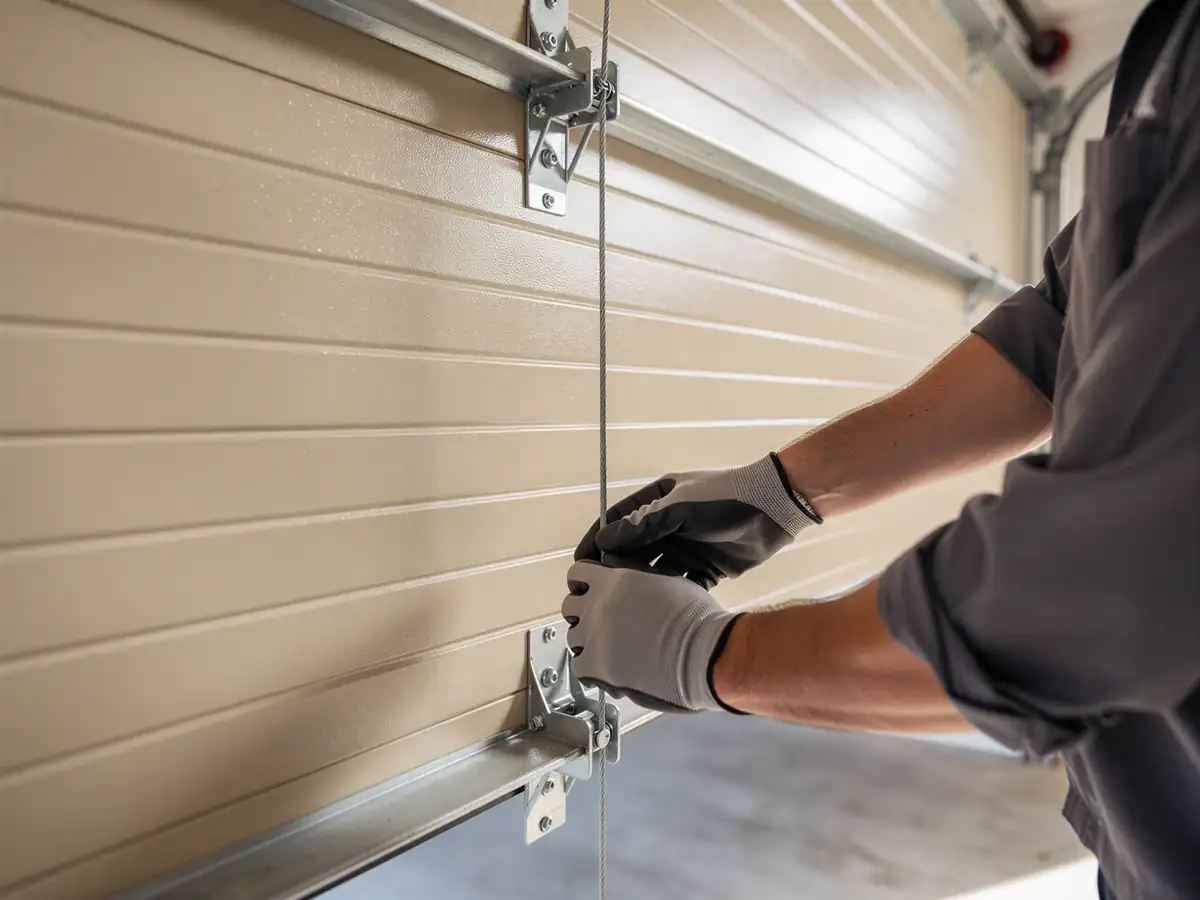
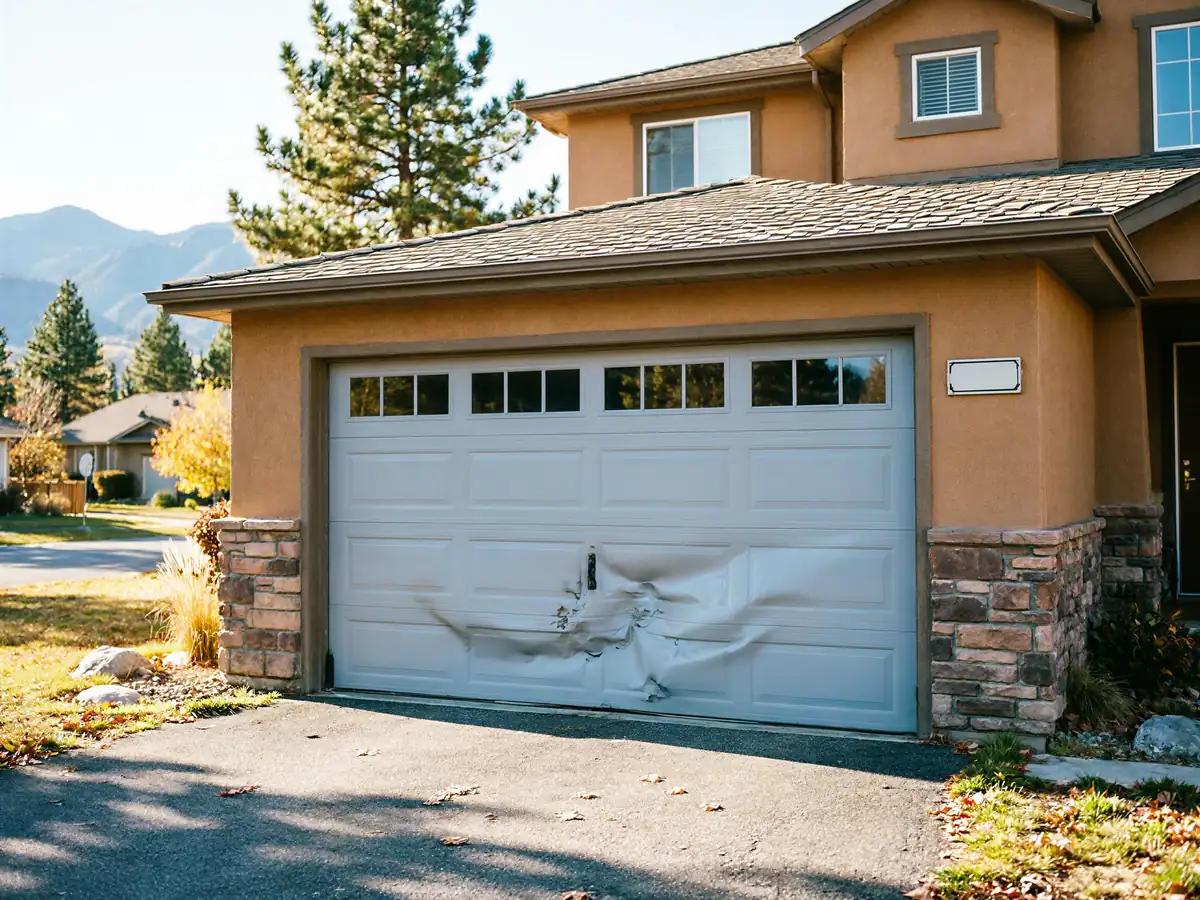
Roxborough Park is an 8-mile drive from Highlands Ranch, and that drive shapes how a panel job actually goes once someone's on site. Most houses out here were built around 2001, which means steel sectional doors with factory-matched insulation cores and panel profiles that aren't the same as the older stock found closer in. If you're tempted to swap a dented panel yourself, the real obstacle isn't the bolts - it's matching the exact rib pattern and R-value to a door that's twenty-plus years old and may not have an identical replacement panel sitting on a shelf anywhere nearby. A mismatched panel on an otherwise newer door looks worse than the dent did. We'll tell you straight if a panel is a DIY-reasonable job or if the match problem makes it not worth your Saturday. Sometimes it's neither a panel swap nor a full door - sometimes a bent panel can be straightened enough to run true, and that's a cheaper call than either option. We won't talk you into a full panel replacement when a $40 fix solves it, and we won't pretend a part we don't stock will show up by tomorrow.
What Is on the Truck
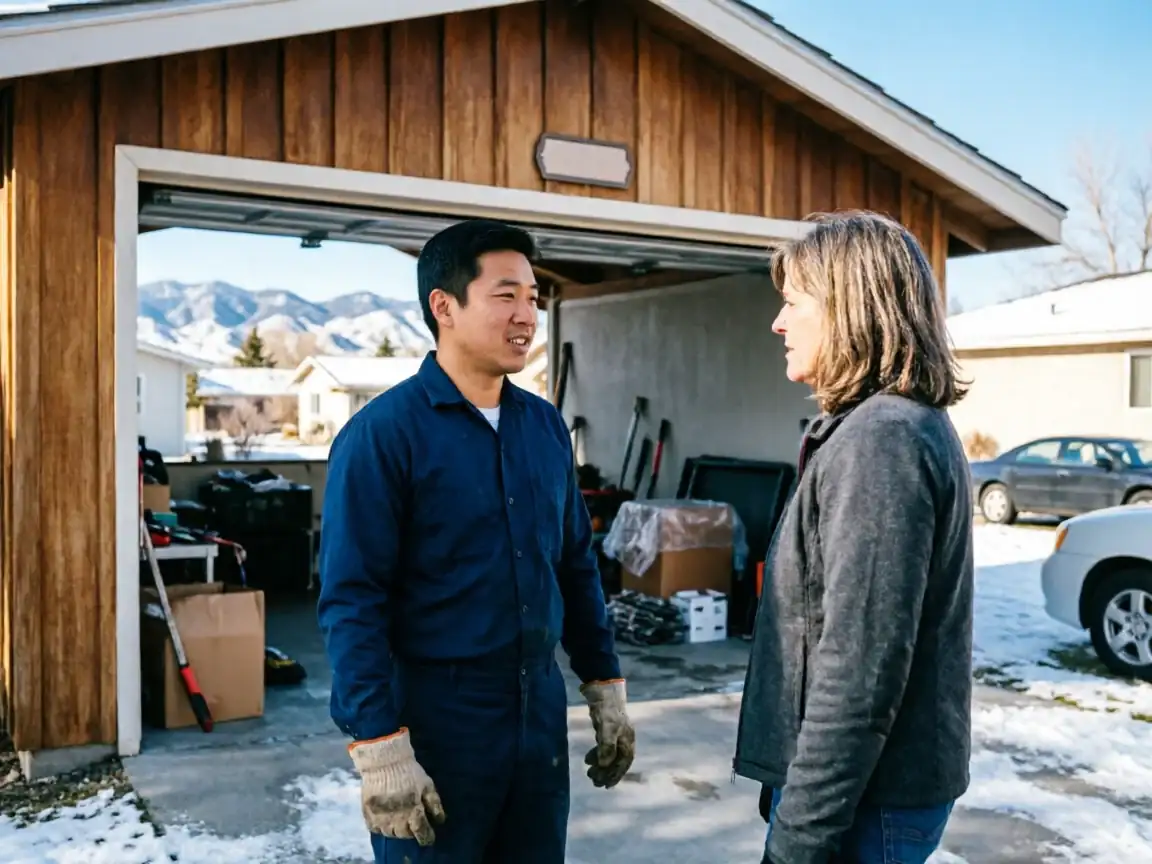
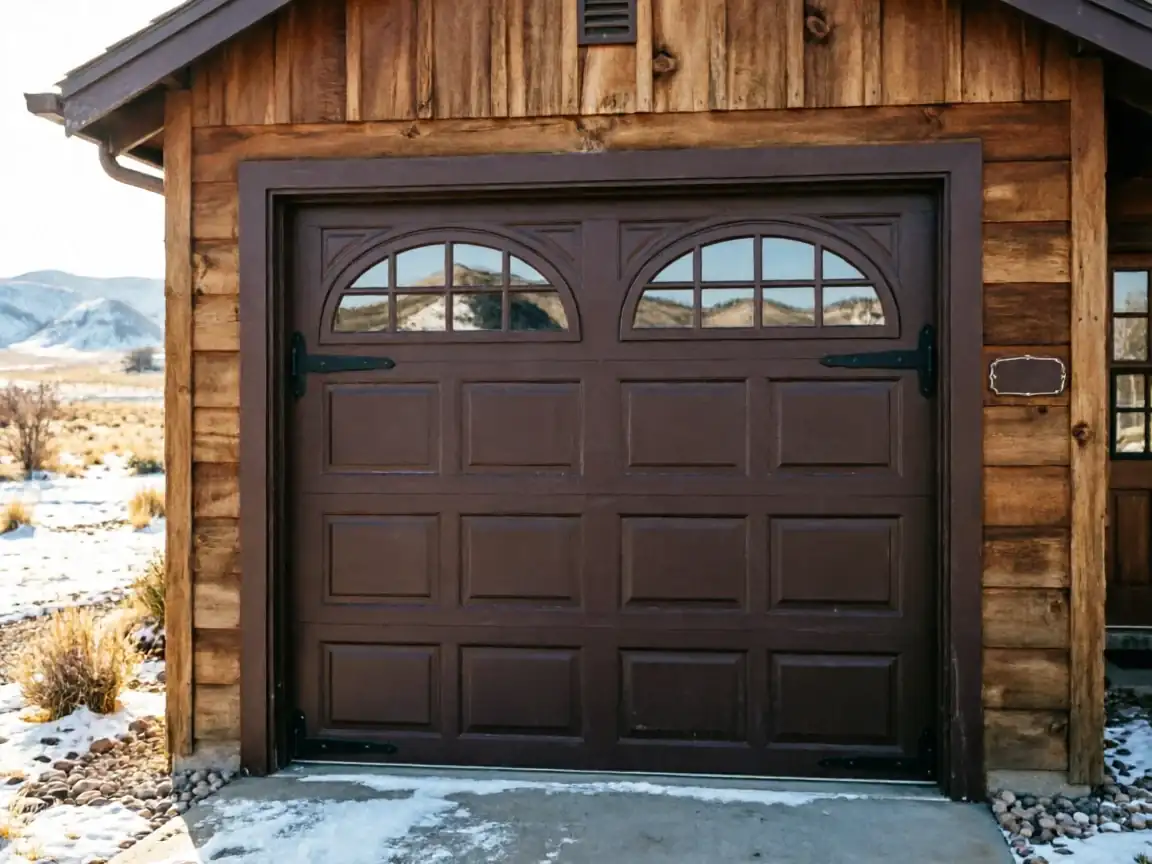
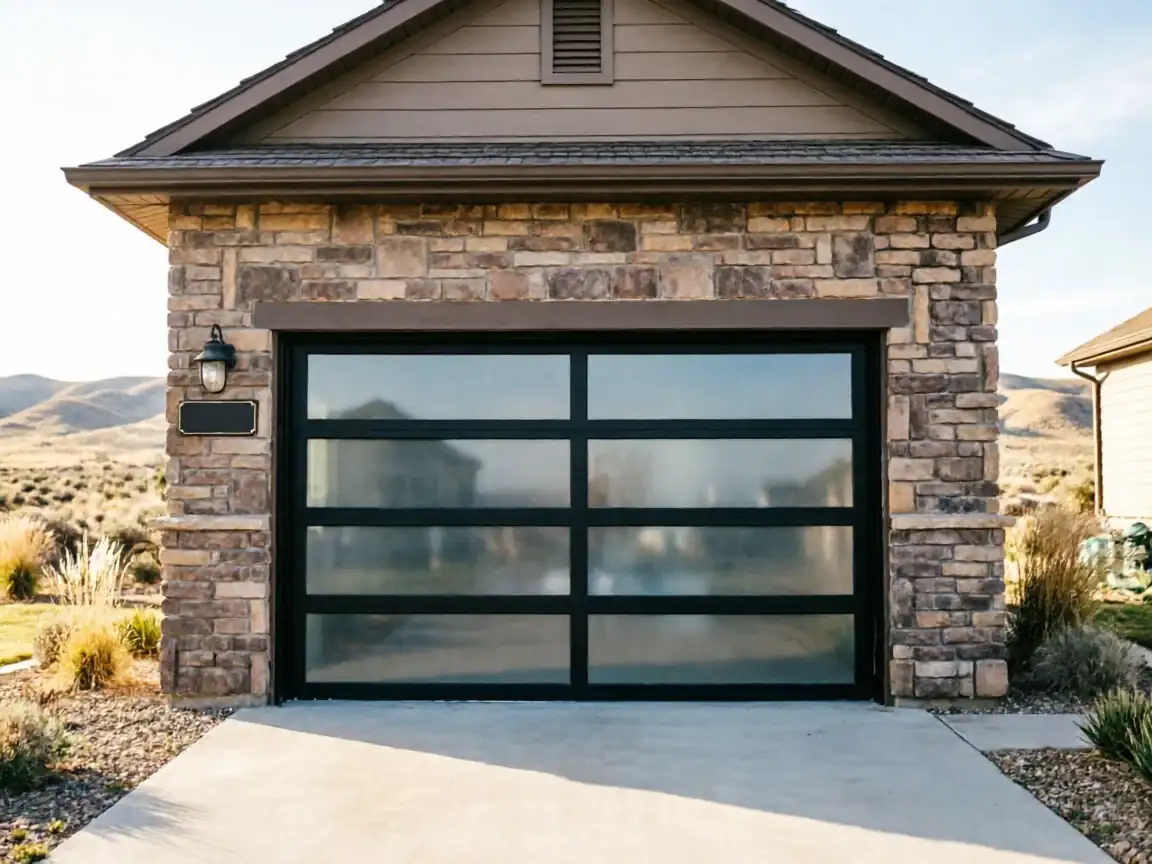
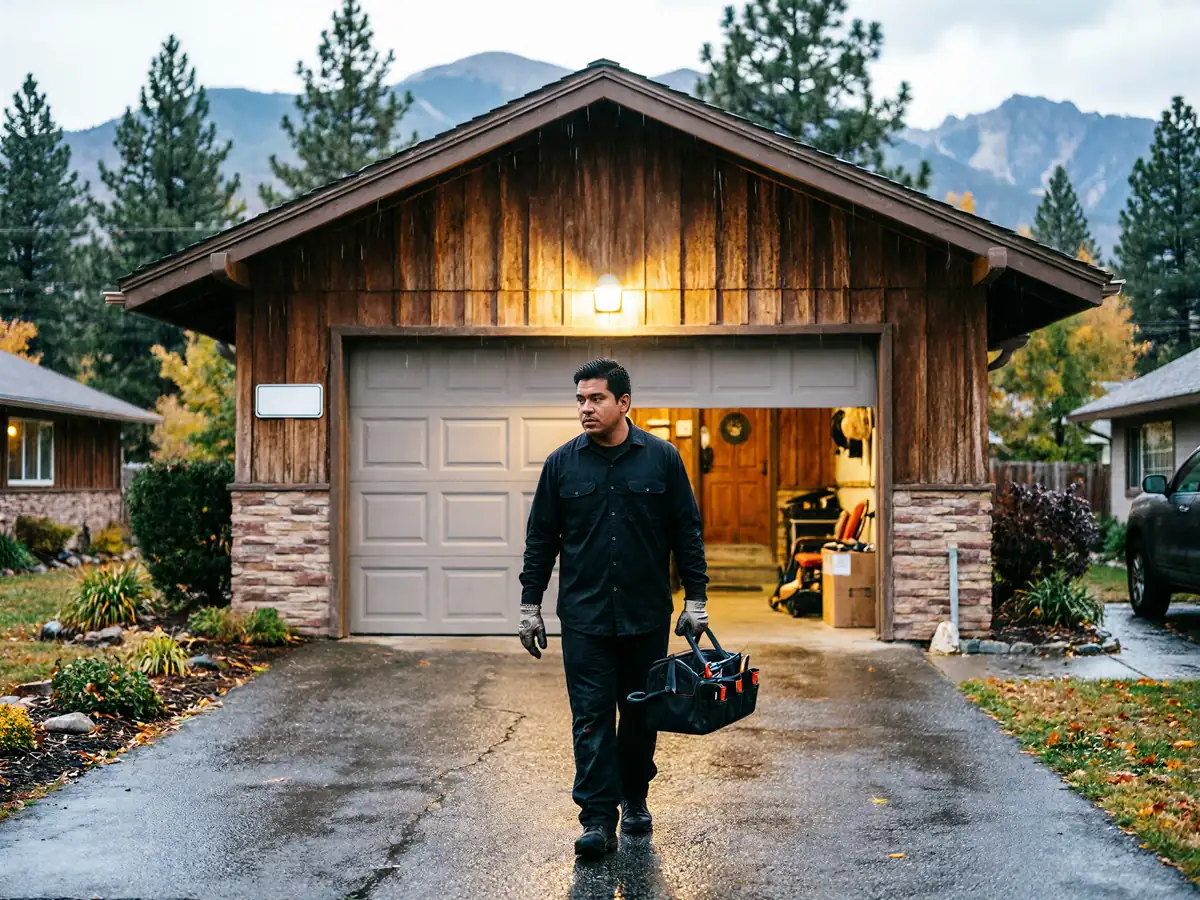
Because the crew is coming from Highlands Ranch, the panel stock that goes on the truck for a Roxborough Park call gets picked before the drive, not after. Given the 2001-and-newer build pattern here, that usually means standard steel panel profiles and insulated cores rather than the older flush or raised-panel styles still common in the 1960s-70s subdivisions elsewhere in the service area. If your door is a less common import or a custom order from when the house was built, the exact color and panel run may need to come from the manufacturer, which adds a wait we can't shortcut. We'll confirm the make, model, and panel section by phone or photo before the truck leaves, so the trip isn't wasted on a guess.
How Long You Are Without the Door
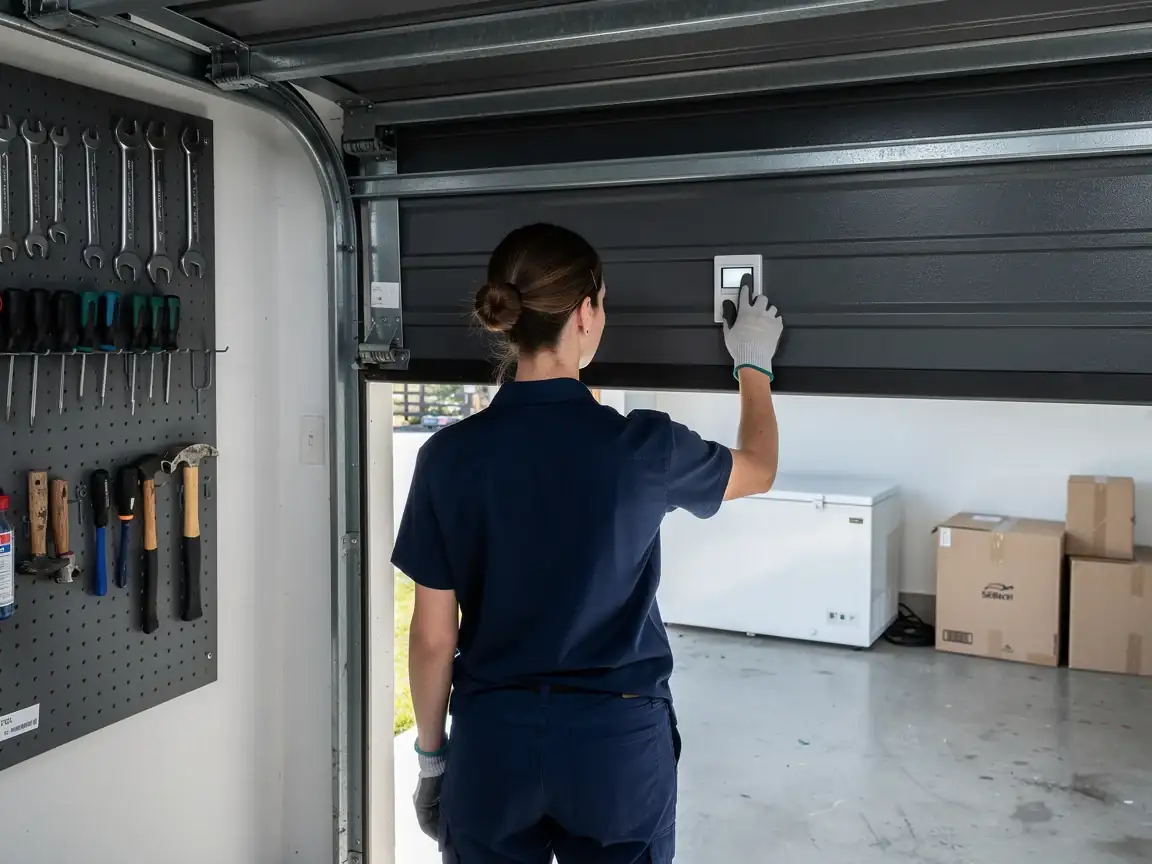
A stocked panel that matches your door's existing profile is usually a same-visit job once the truck is loaded correctly - the 8 miles from Highlands Ranch doesn't change that part. What stretches the timeline is a non-stock color or an older panel style the manufacturer no longer runs; in that case the door can sit functional but cosmetically off for longer than anyone wants, because the part has to come from the factory, not off our shelf. We'll give you the honest wait once we know which category your door falls into, rather than a number we can't back up.
The Symptom
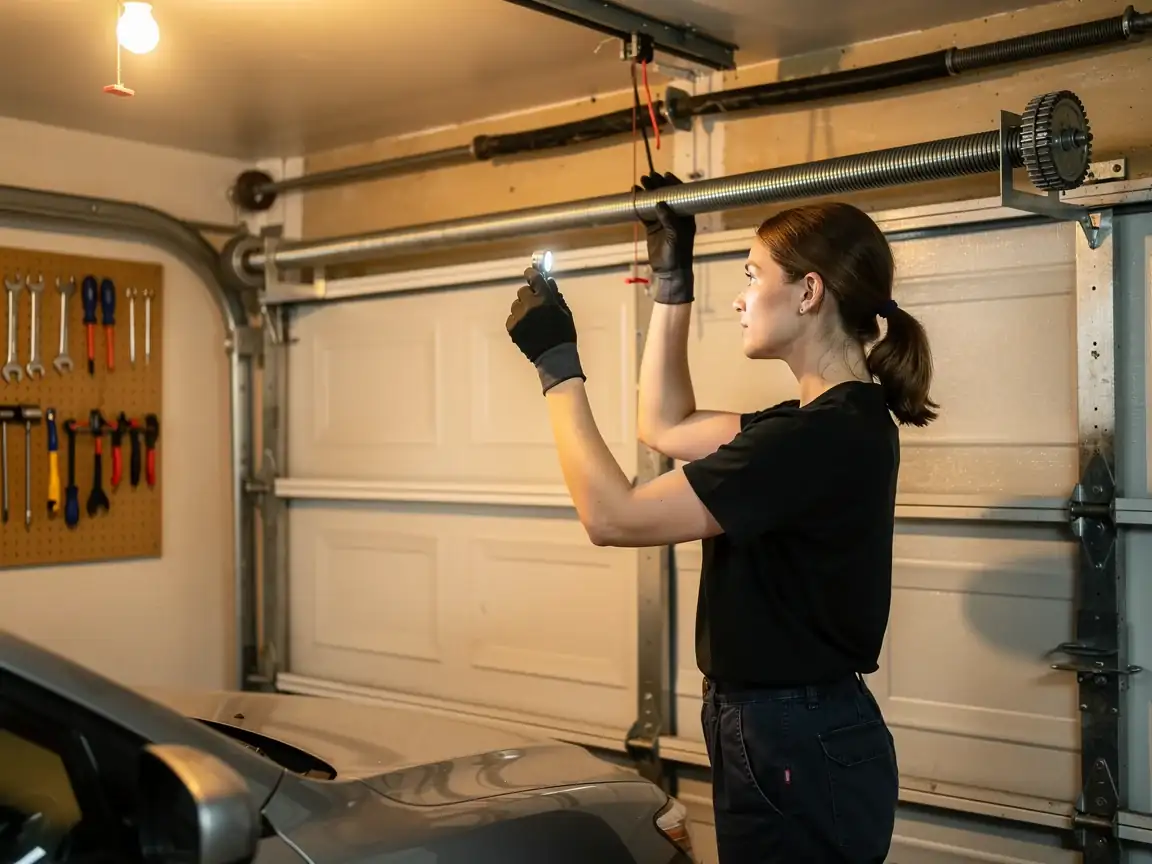
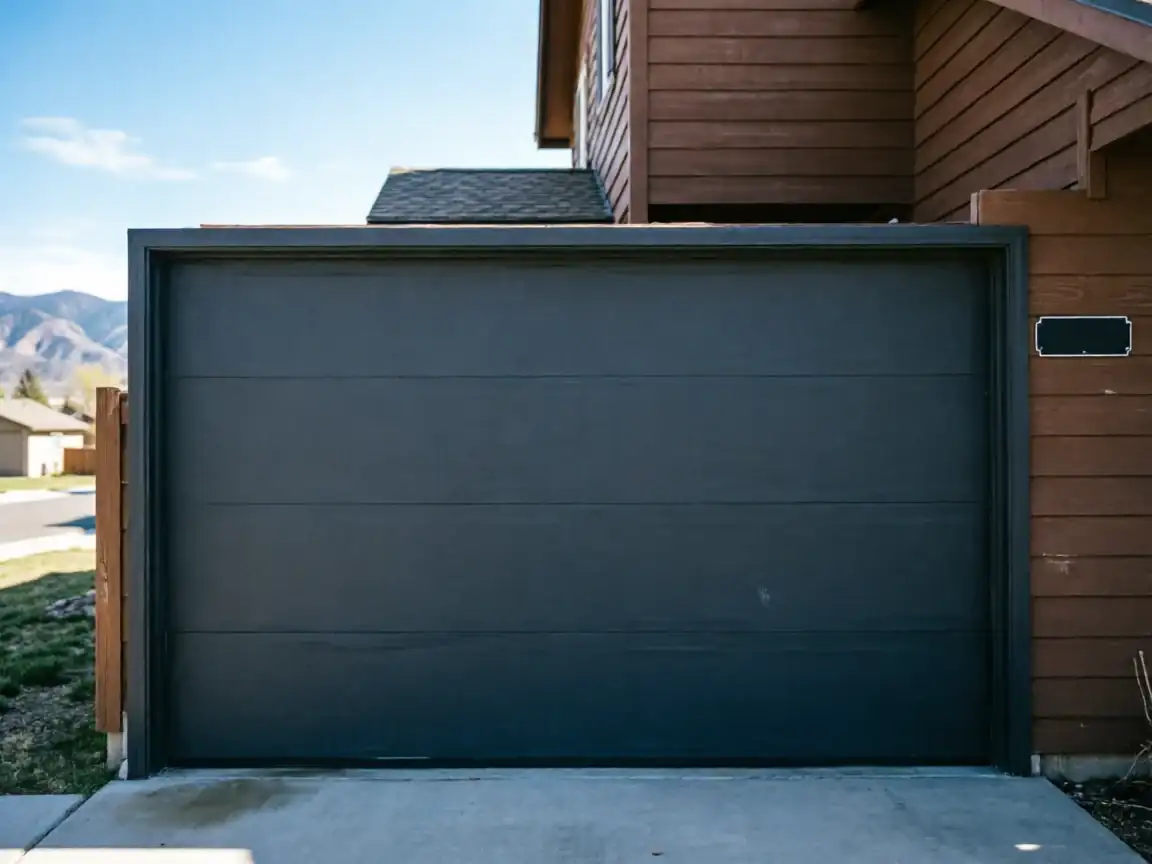
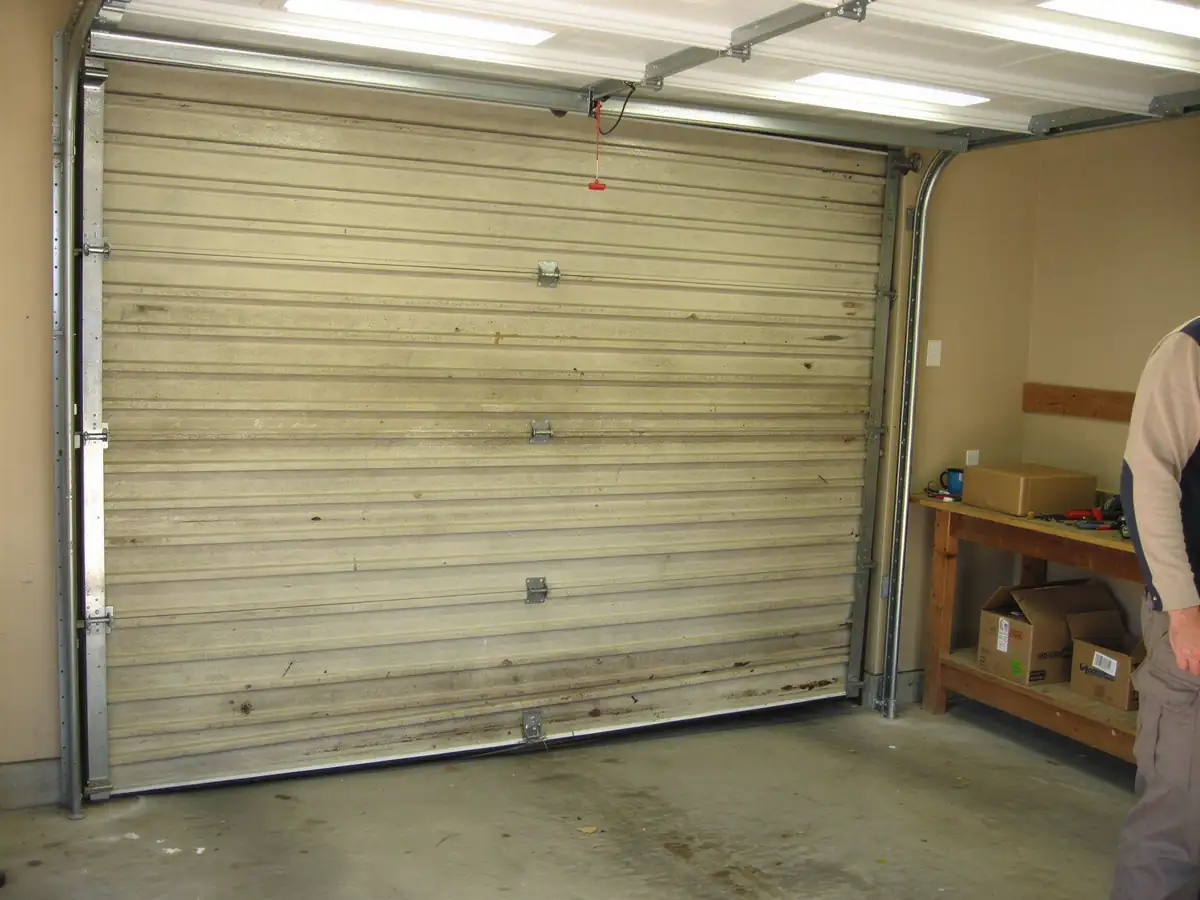
The panel damage we see most in a neighborhood built mostly after 2001 is impact dents - a car bumper, a bike, a stray branch - on steel sections that are otherwise sound, not the rust-through or warping you'd expect on a forty-year-old wood door. That distinction matters: a dented but structurally fine panel on a newer insulated door is almost always a straightforward swap, while the same-looking dent on an older uninsulated panel sometimes means the whole section's foam core has shifted and a patch won't hold. If your door is sagging, binding in the track, or the dent runs along a seam rather than a flat face, that's worth a look before anyone orders a panel, because it may point to a track or hardware problem instead.