Doing It Yourself
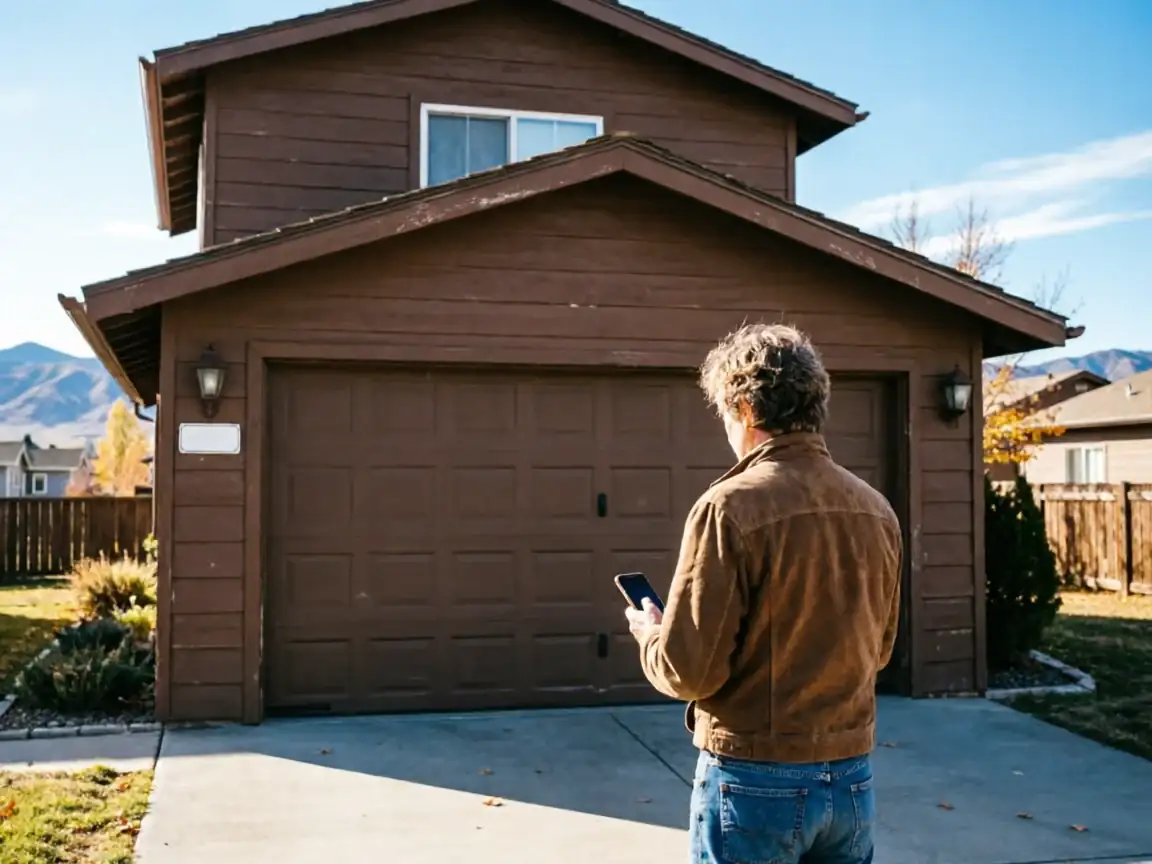
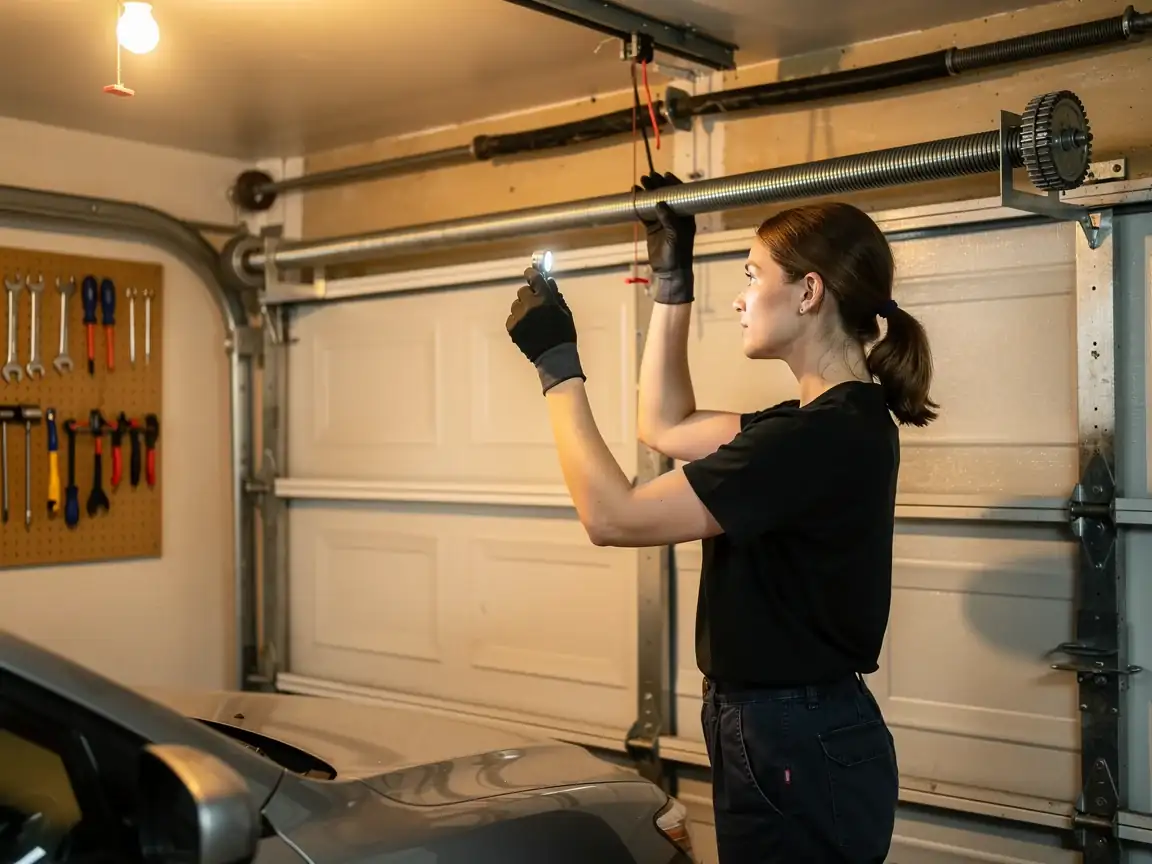
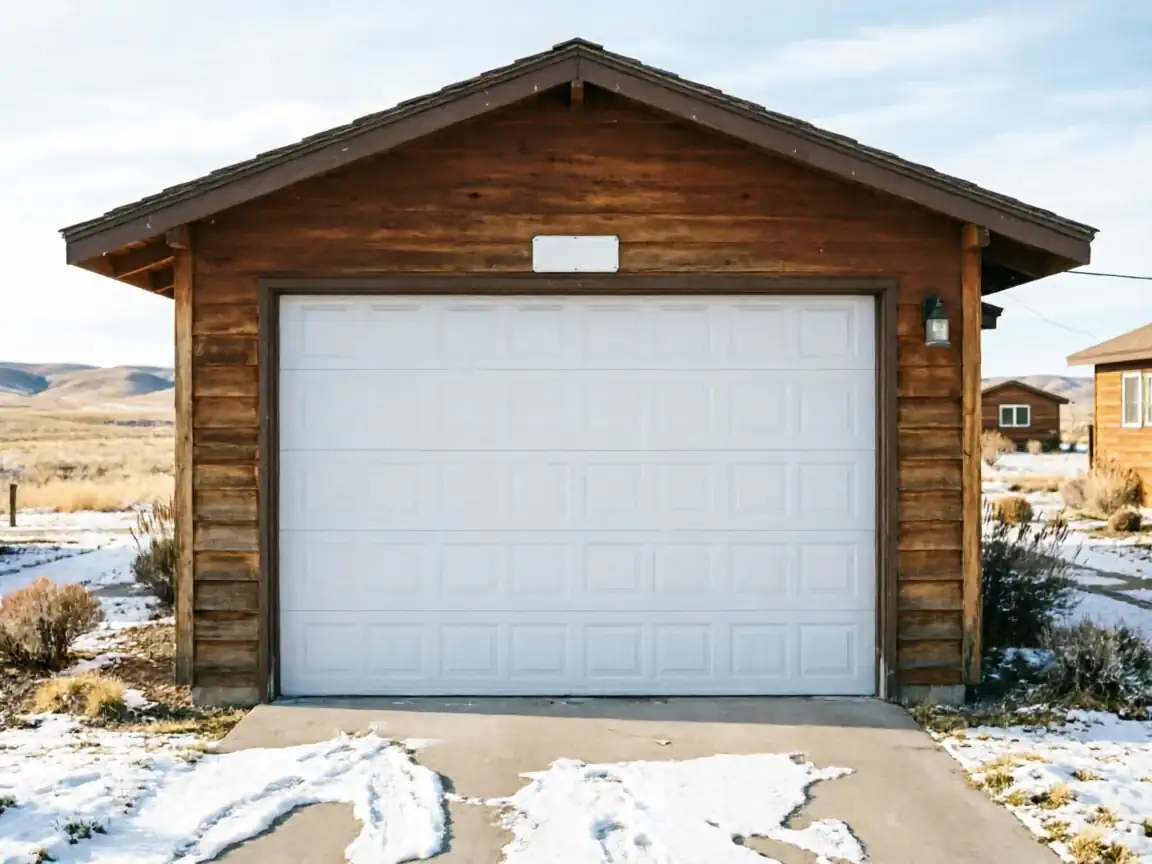
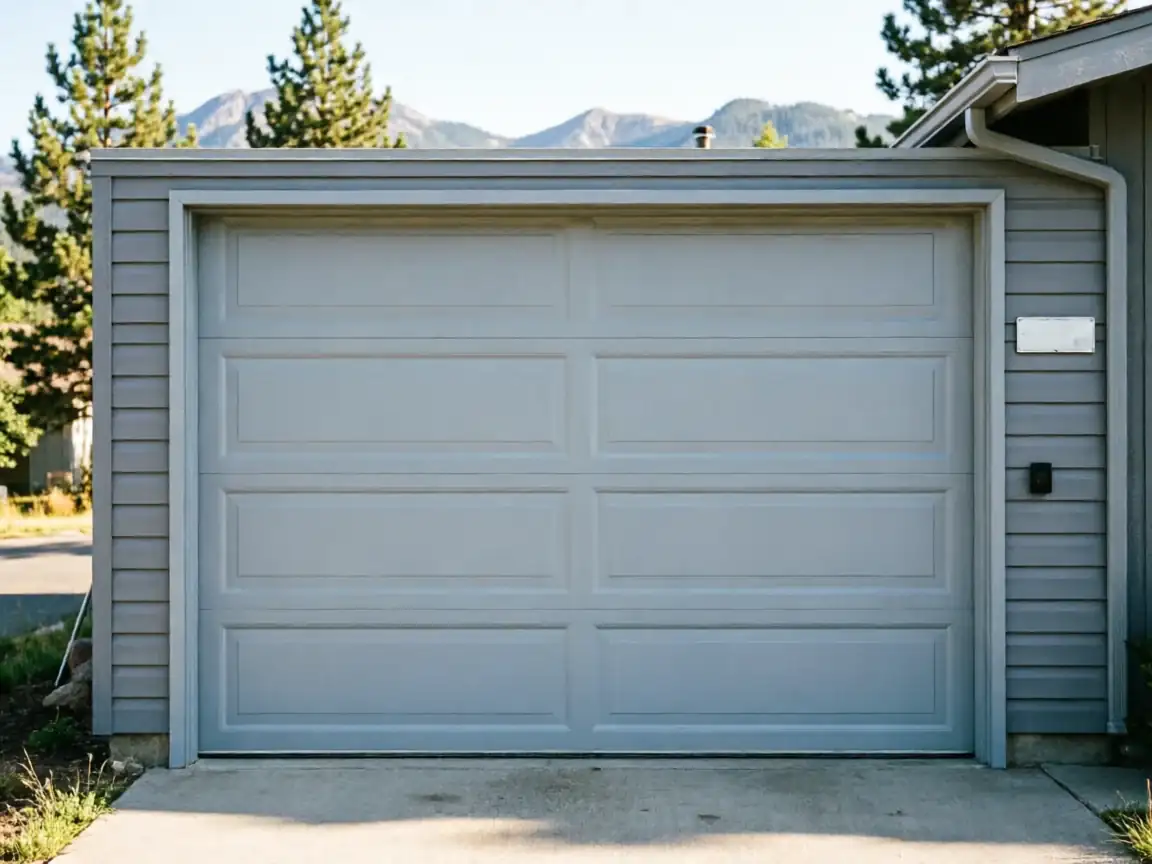
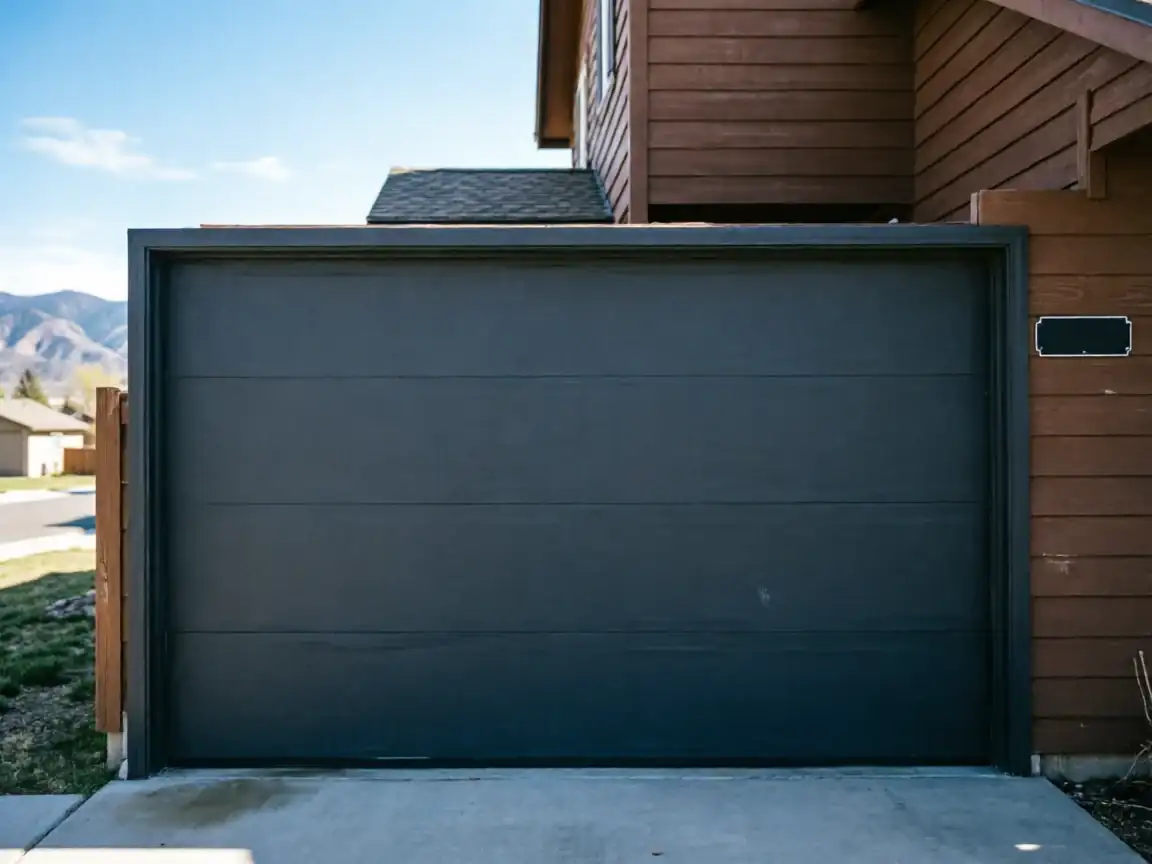
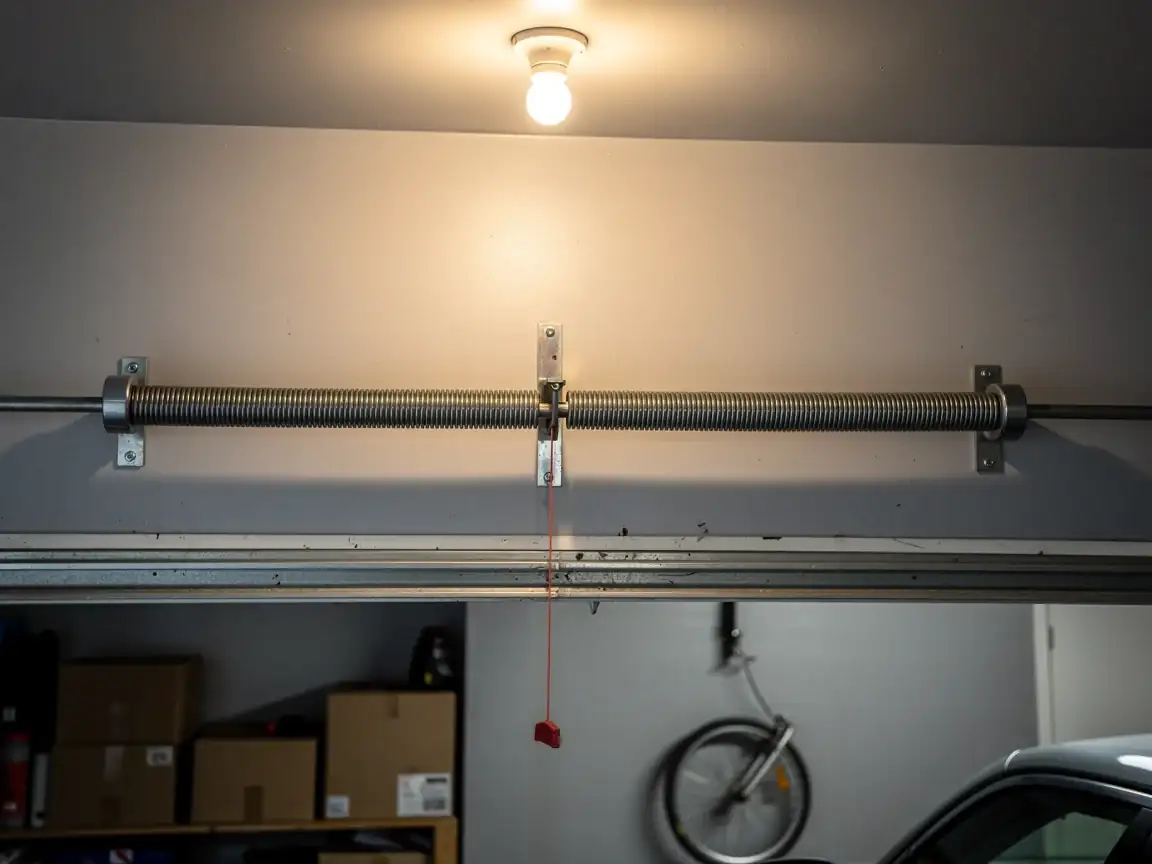
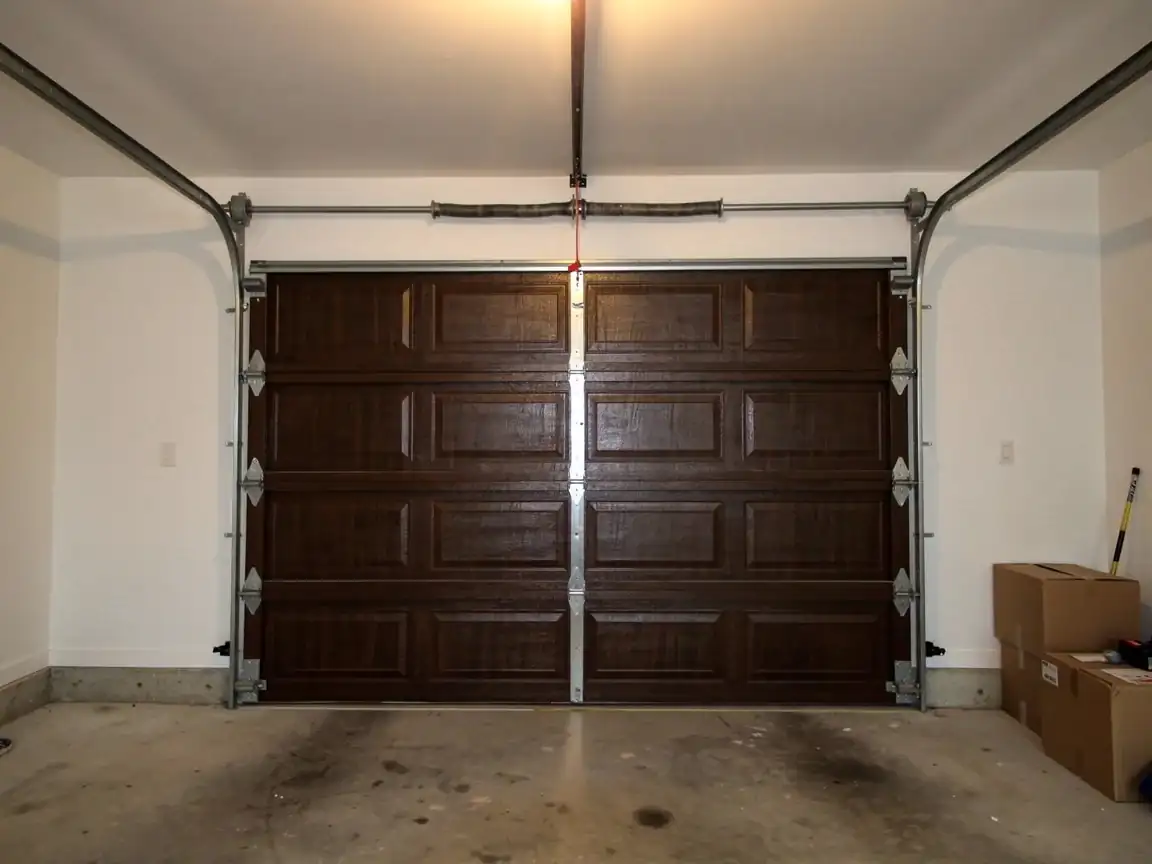
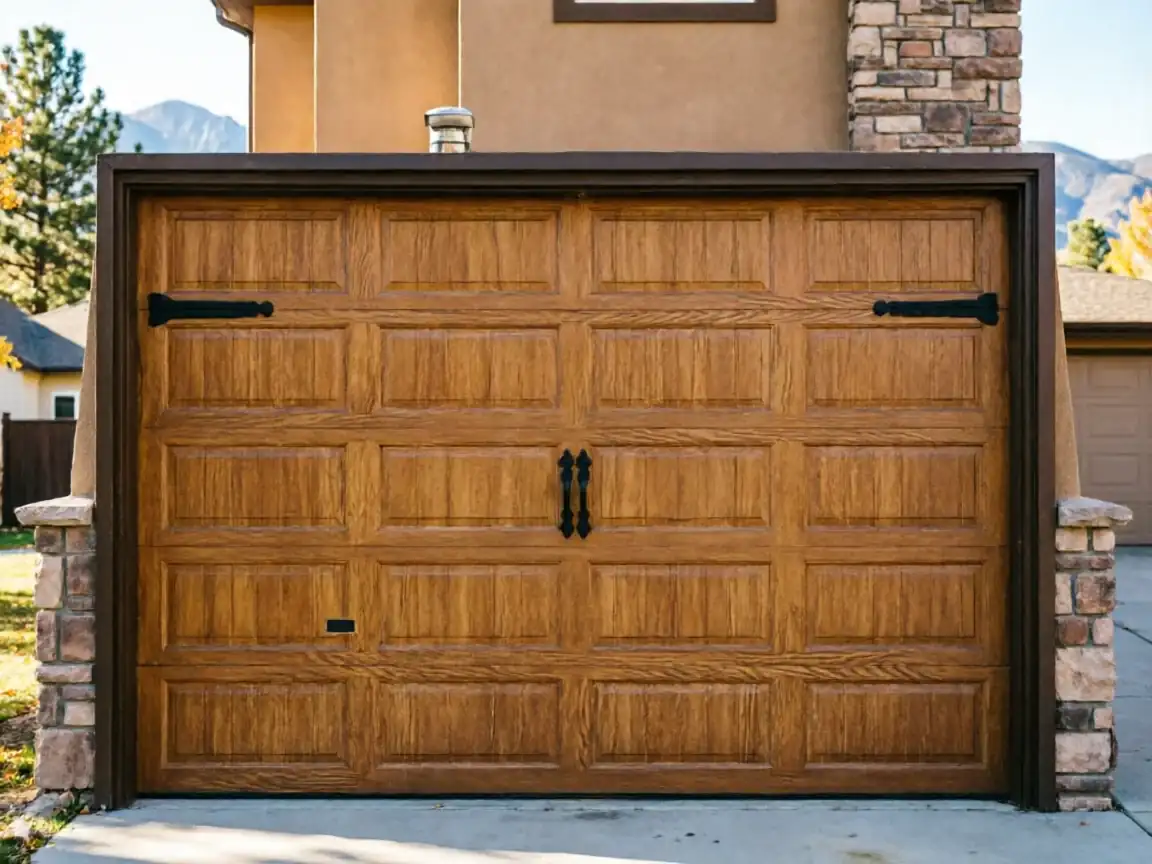
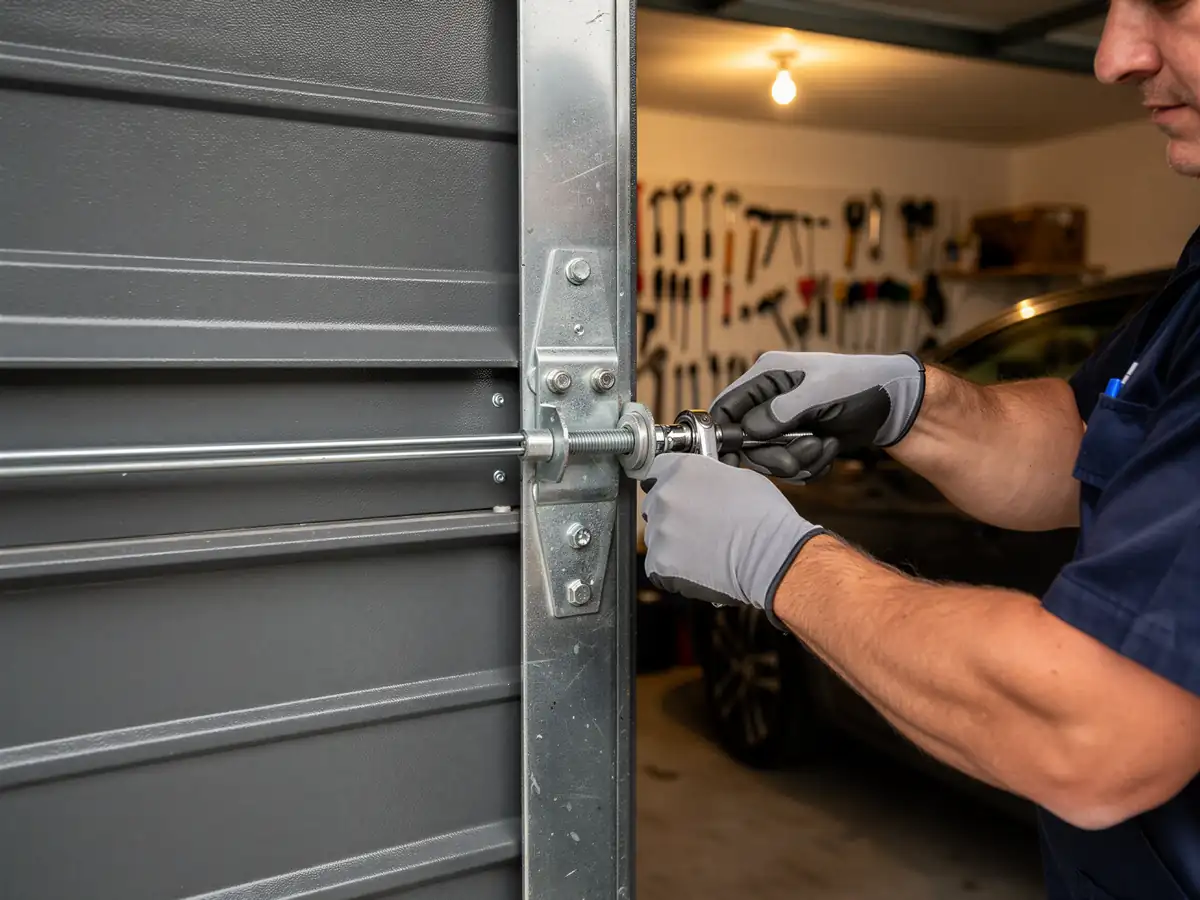
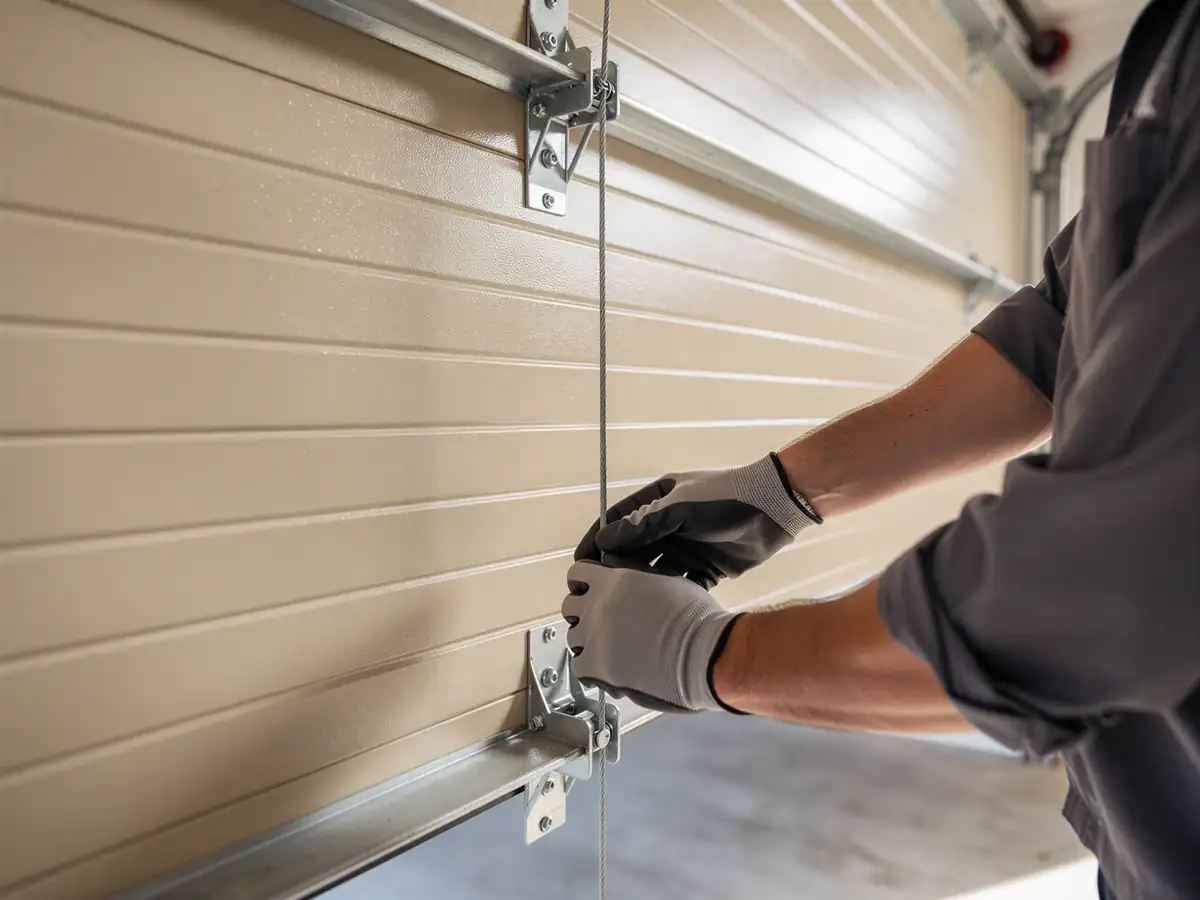
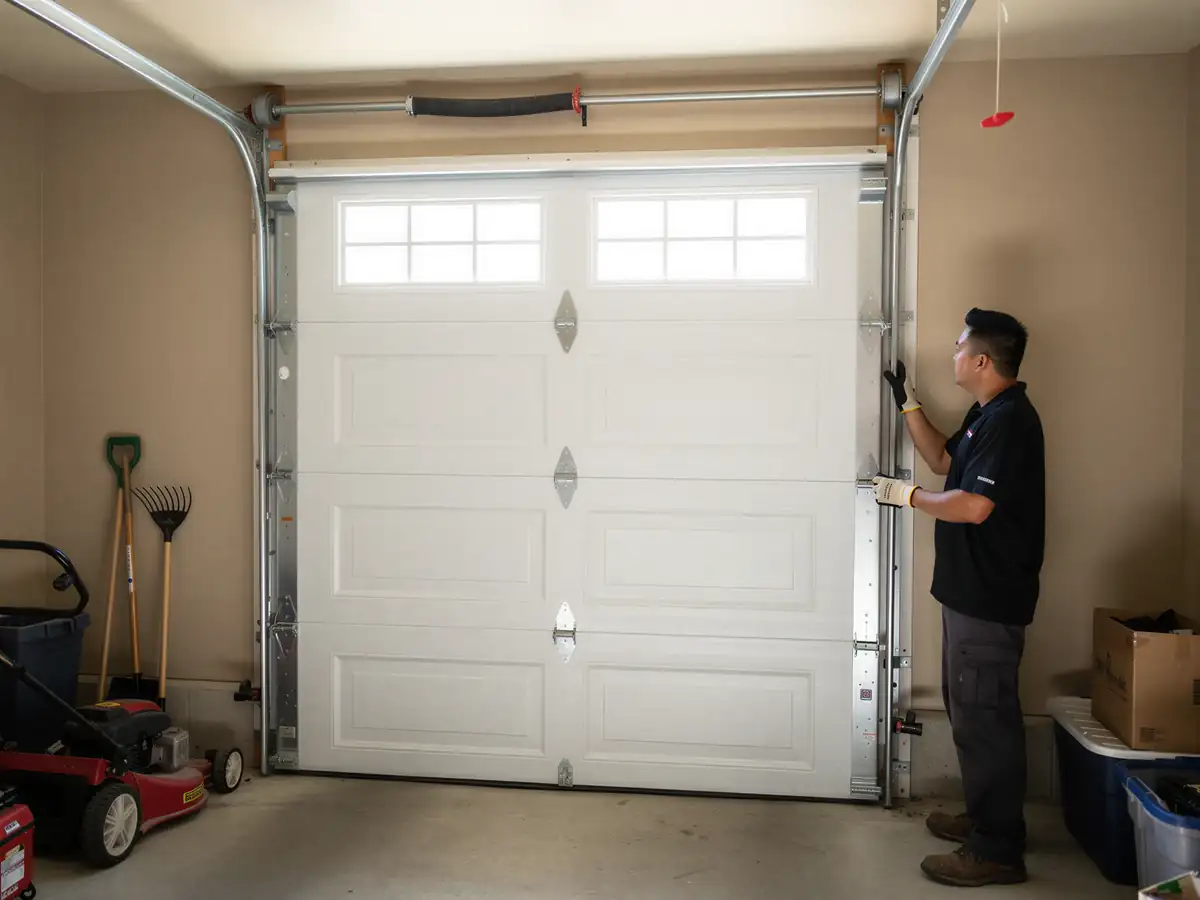
Most of Roxborough Park went up around 2001, which is a good two decades newer than the median build year across the wider service area. That matters more than it sounds. A door built for a 2001 house is almost always a wider double-car opening with an insulated steel section and a factory-sized jamb, not the narrow single-car openings common in older 1960s and 70s stock nearby. Pulling an old door and dropping in a generic kit from a box store works fine until the header or the jamb doesn't match what the new door expects, and in a region with a severe cold climate band, a door that doesn't seal tight at the jamb costs you heat all winter. Swapping a panel door is within reach for a handy homeowner. Setting new track, squaring a new jamb kit, and balancing torsion springs rated for an insulated door is not a one-afternoon job, and getting the spring tension wrong on a double door is how people end up in the ER. If you're set on doing some of it yourself, pulling the old door and prepping the opening is reasonable. Hanging and balancing the new one isn't where we'd recommend saving the labor.
What Is on the Truck
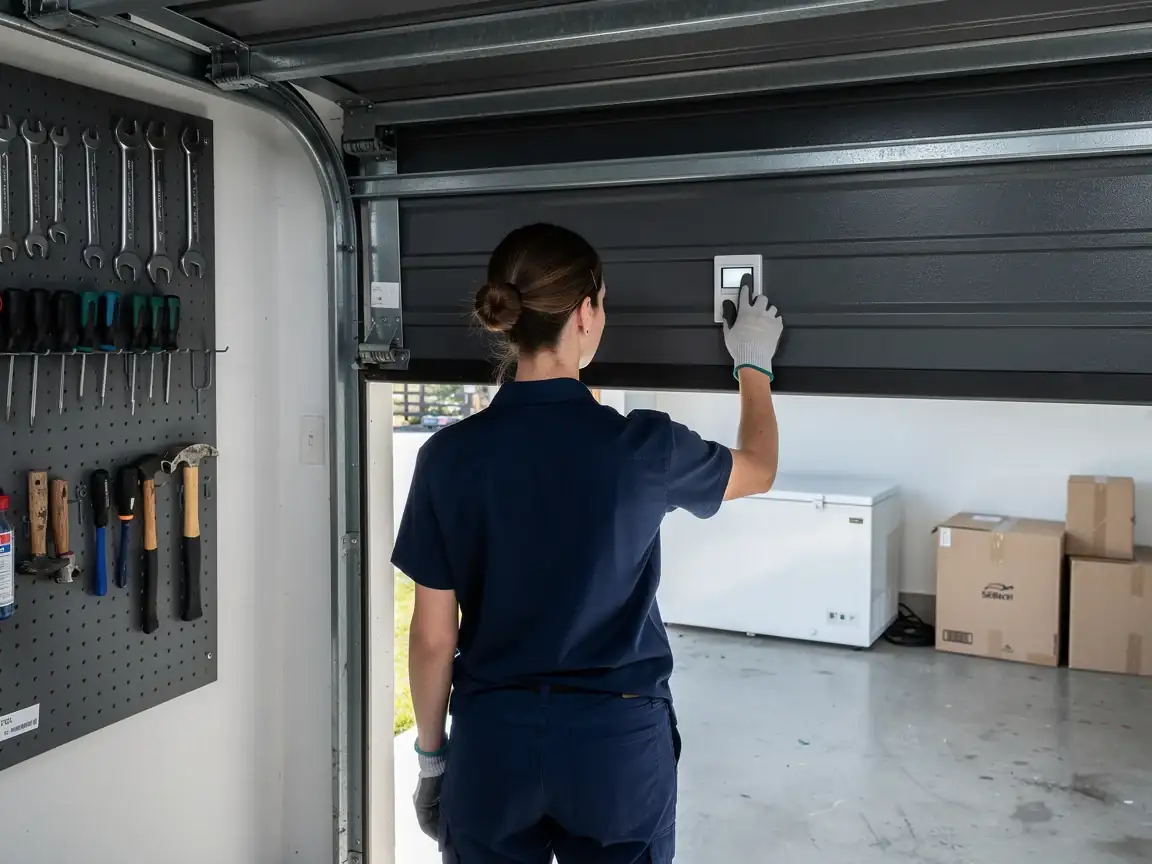
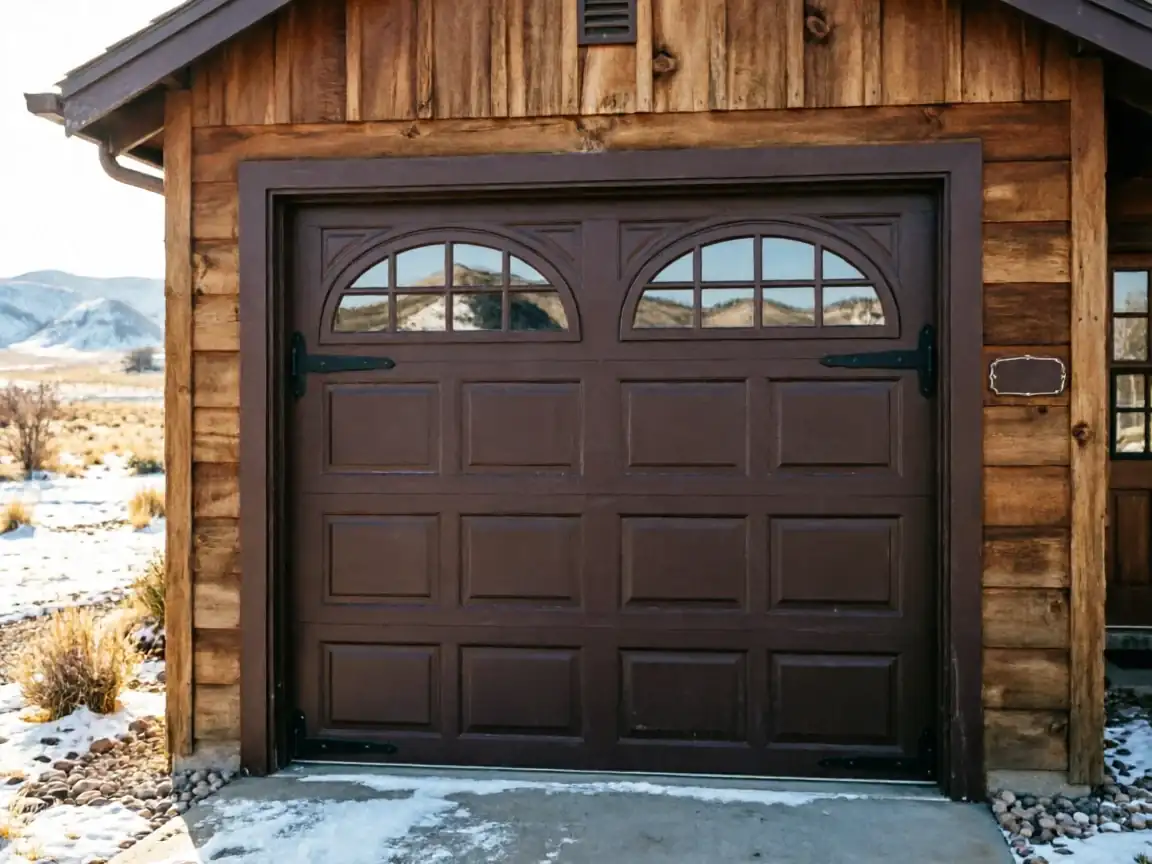
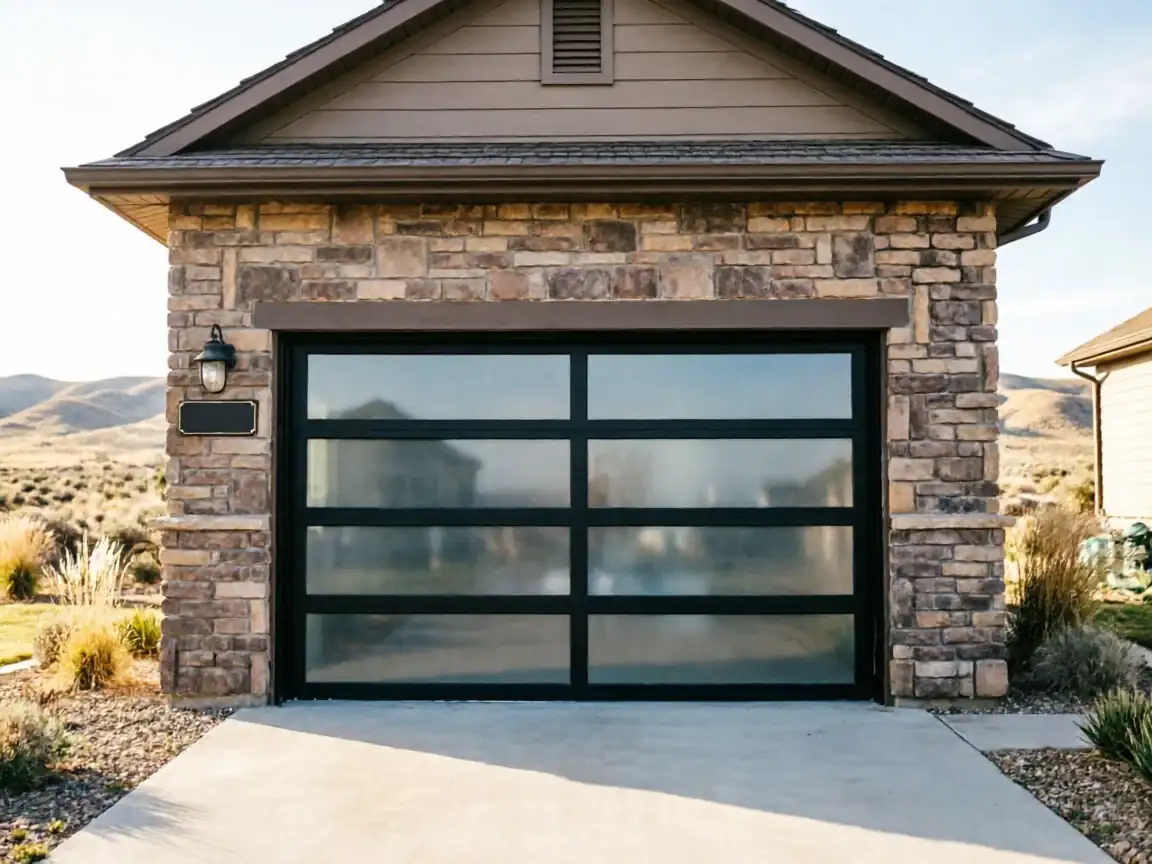
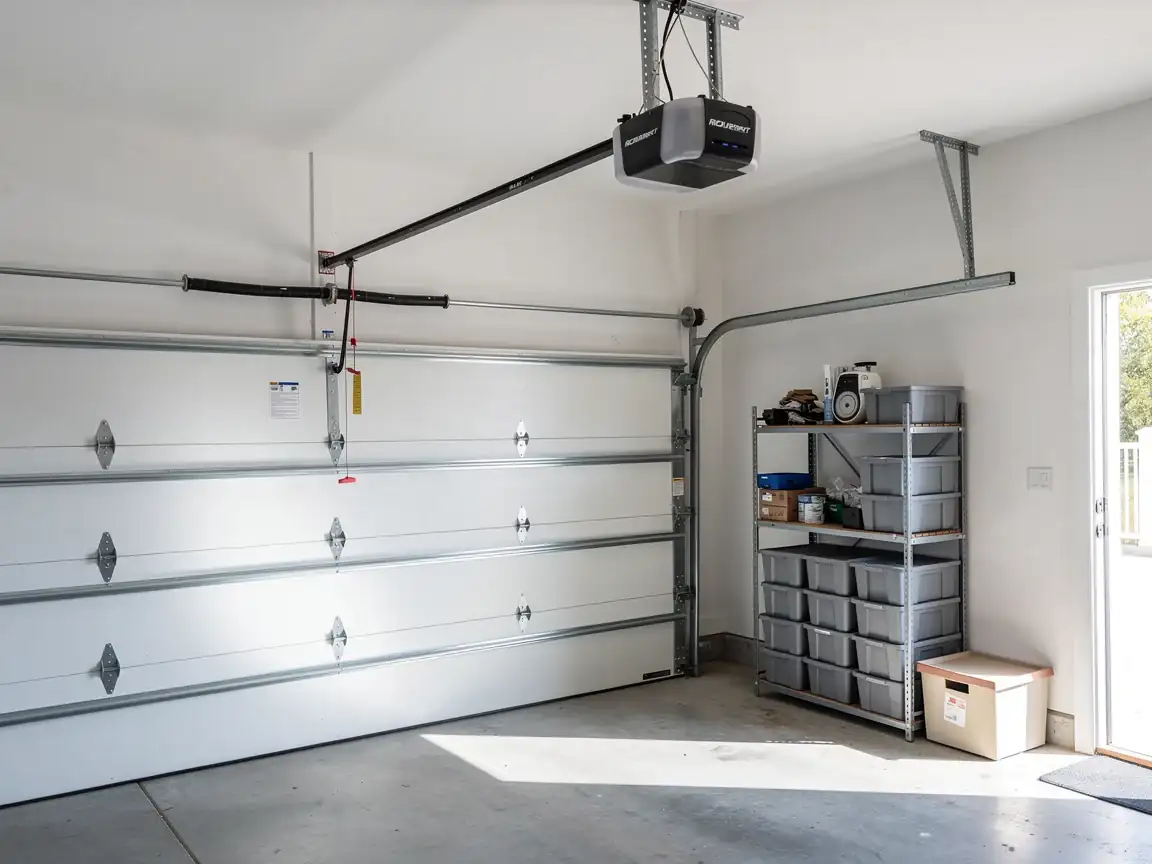
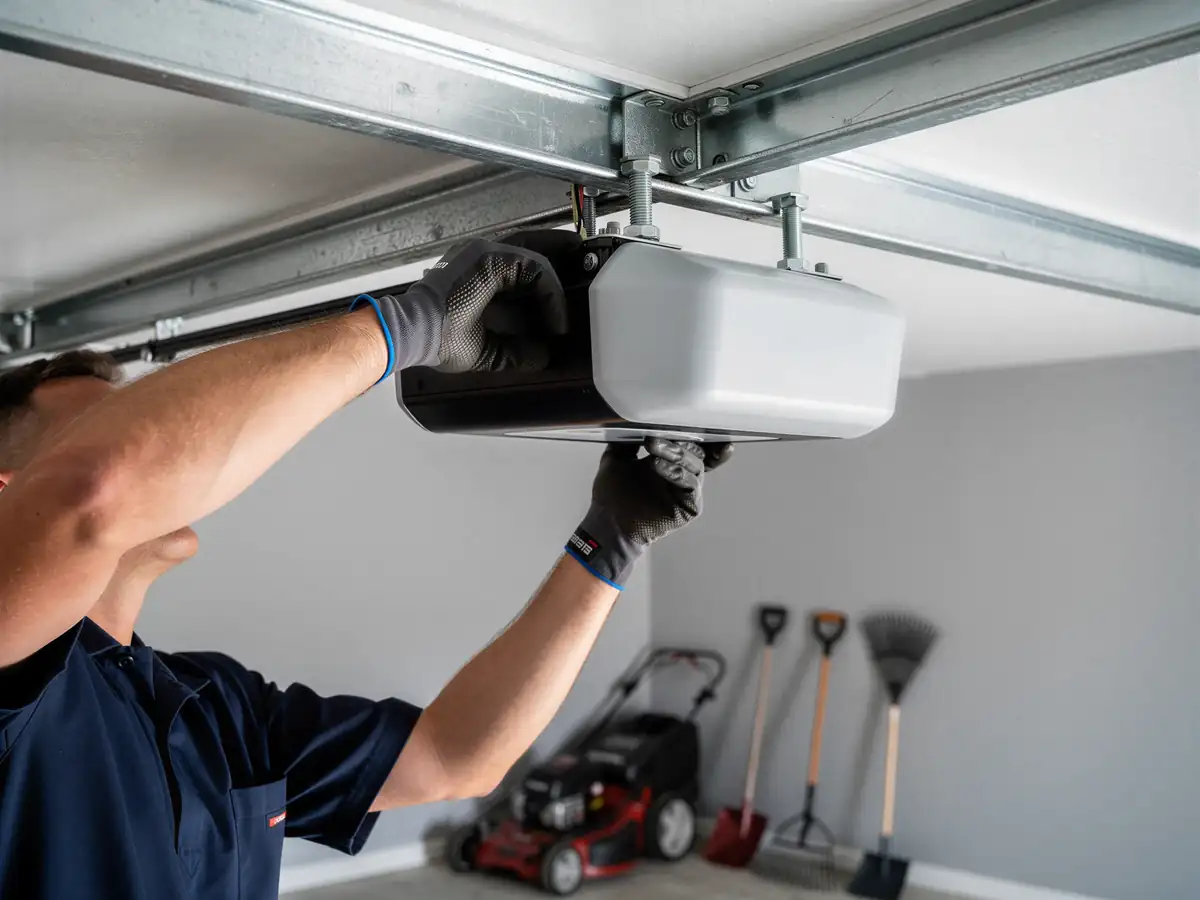
For a Roxborough Park install we load for the door that's actually common out there: wide insulated steel sections sized for double-car openings, torsion springs rated heavier than what you'd carry for a single-car 1970s garage, and weatherseal kits built for a cold-climate jamb rather than a mild one. We bring openers with the horsepower to handle a heavier insulated door, not the light-duty units that get paired with old uninsulated panels elsewhere in the service area. What we don't carry on every run is custom millwork or a wide range of decorative hardware finishes - if you want a specific look beyond standard steel panel styles, that's a special order, not a same-trip item, and we'll tell you that up front rather than improvising with what's on the truck.
How Long You Are Without the Door
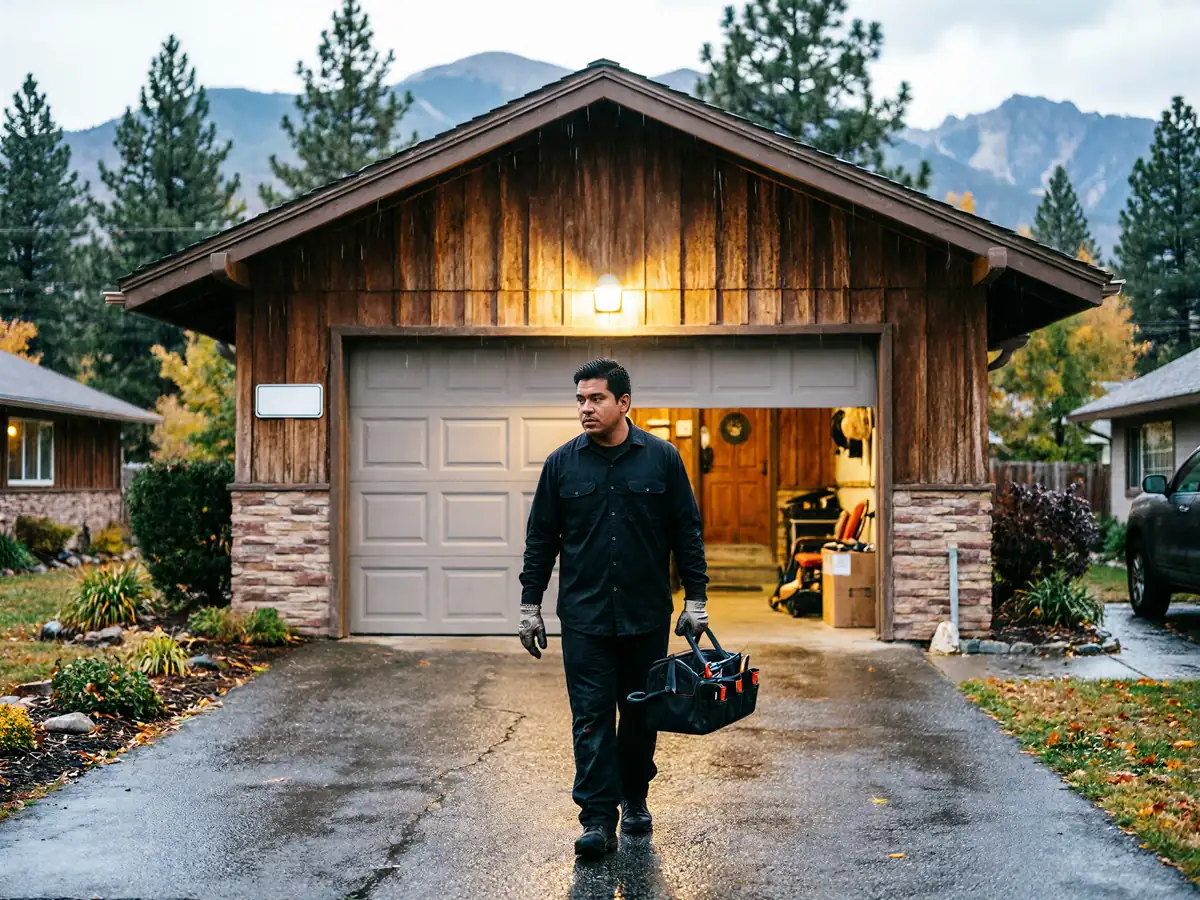
We run out of Highlands Ranch, about eight miles from Roxborough Park, so there's no local depot shortening the trip - the job itself, not the drive, sets the clock. Pulling an old panel door and hanging a new insulated double door with a matching jamb kit and a properly balanced torsion system takes longer than a like-for-like swap on an older single-car house, mostly because there's more door to square and more spring to set correctly. We don't leave an open garage overnight as a rule. If a job runs long enough that the opening would sit uncovered, we talk about that before we start, not after.
The Symptom
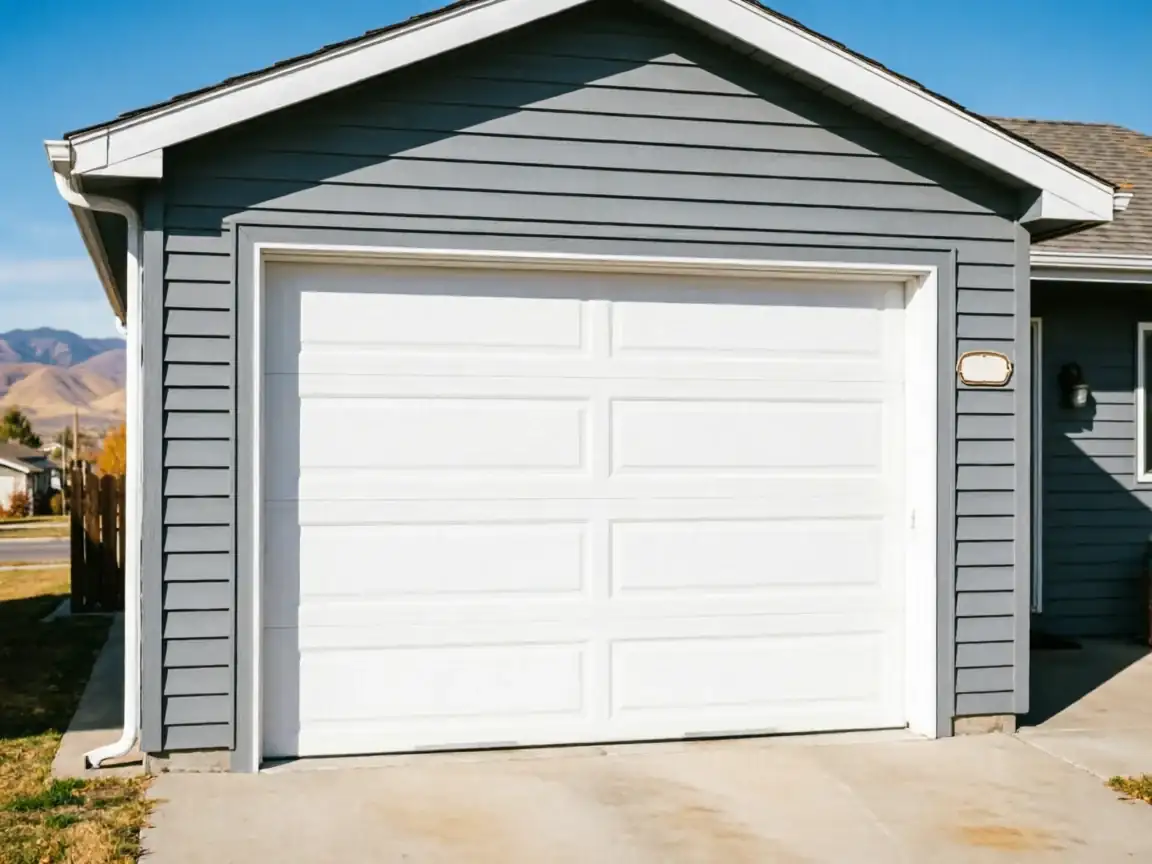
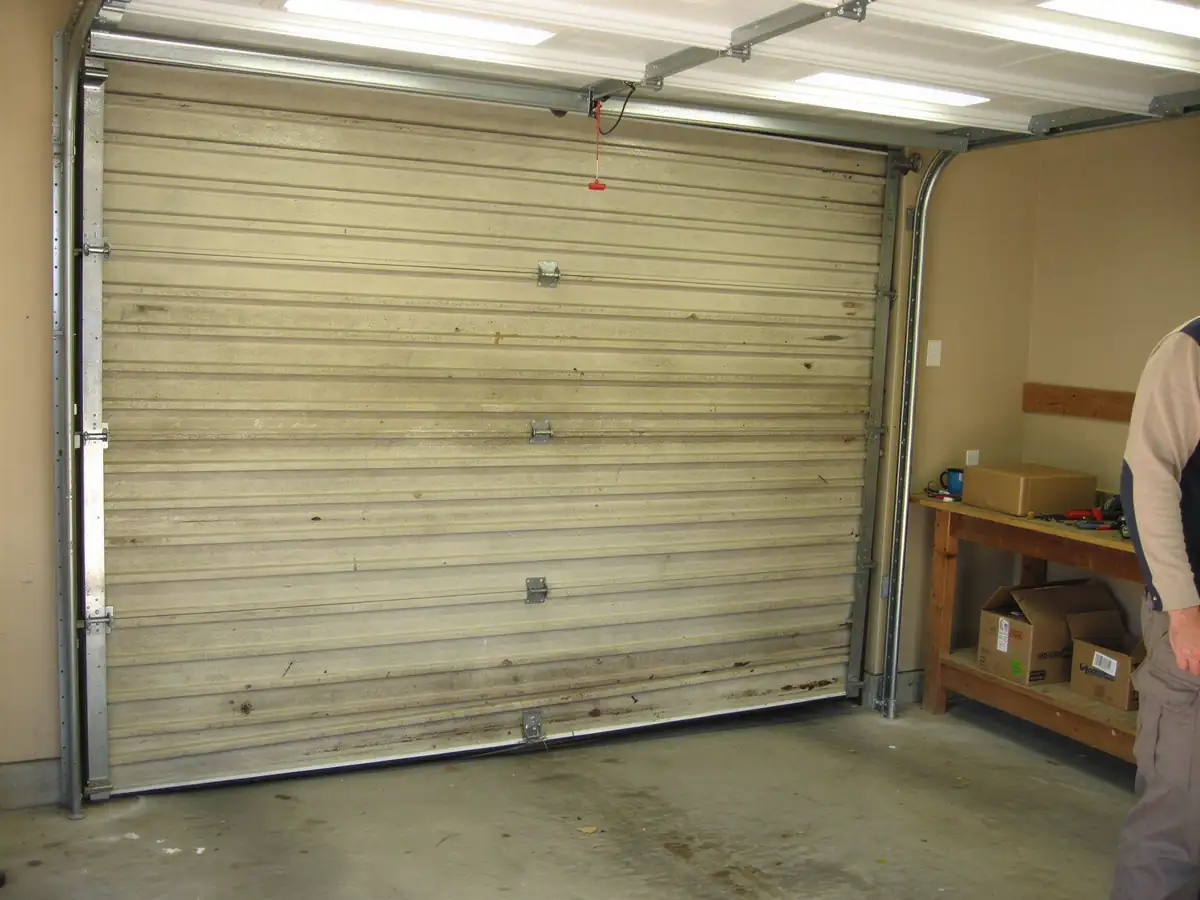
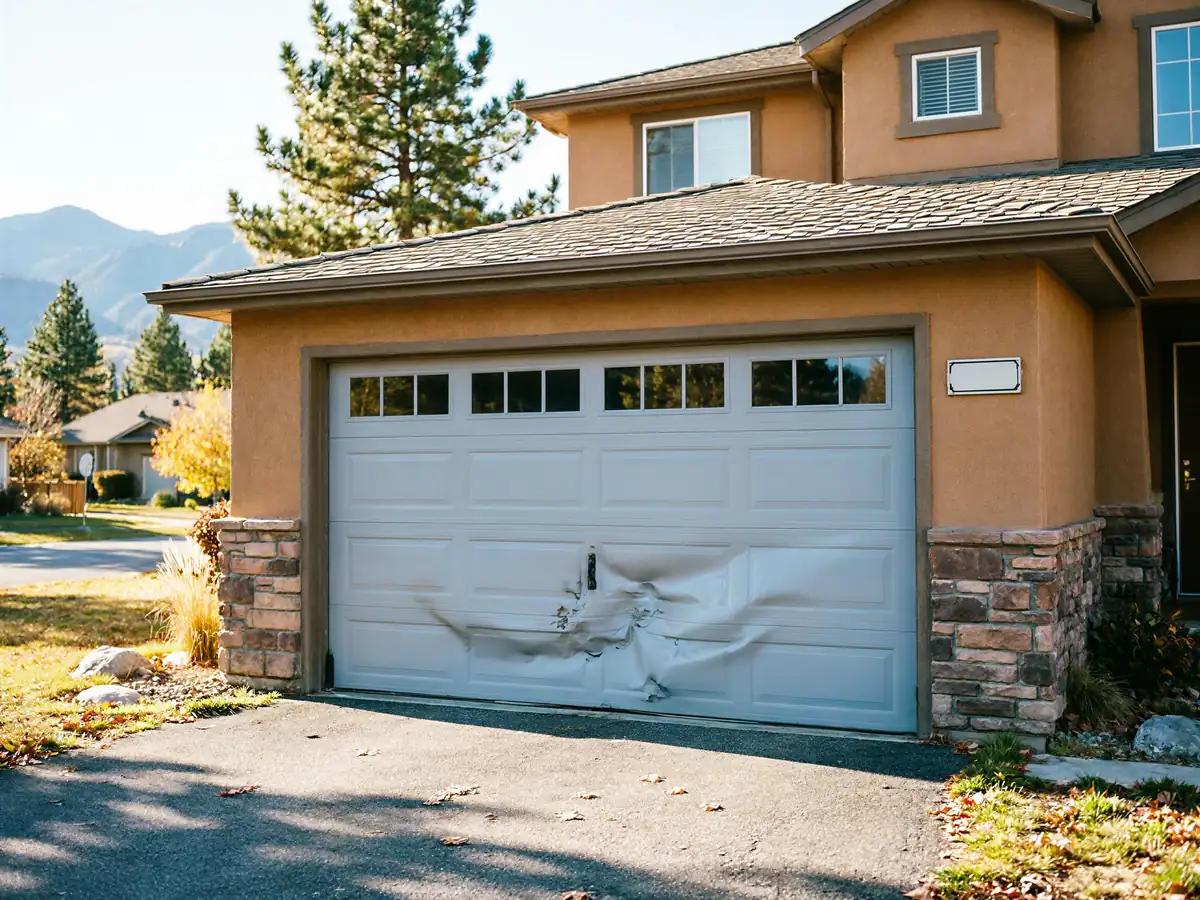
In a neighborhood built mostly around 2001, the door calling for replacement usually isn't rotted wood or a door so old parts don't exist - that's more common on the 1960s and 70s stock elsewhere in the area. Here it's more often an insulated steel door that's taken a hit, an opener that's outlived the door it was paired with, or a double-car torsion system that was undersized for the door from the start and has been straining ever since. Cold-climate wear on weatherseal is the other common one - a seal that's shrunk and cracked lets enough cold air through that the garage never holds heat, even with an otherwise sound door. If what you've got is just a seal problem, we'll say so and skip the sales pitch for a full replacement.