Doing It Yourself
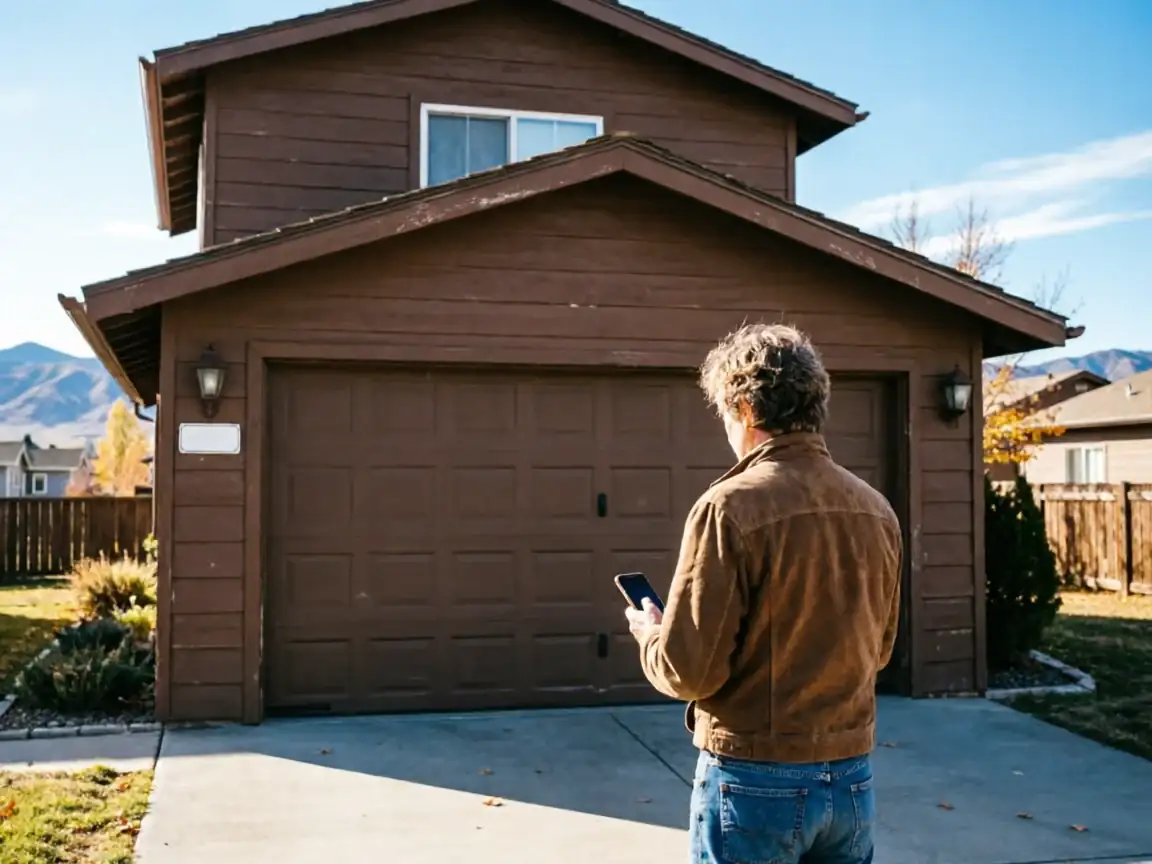
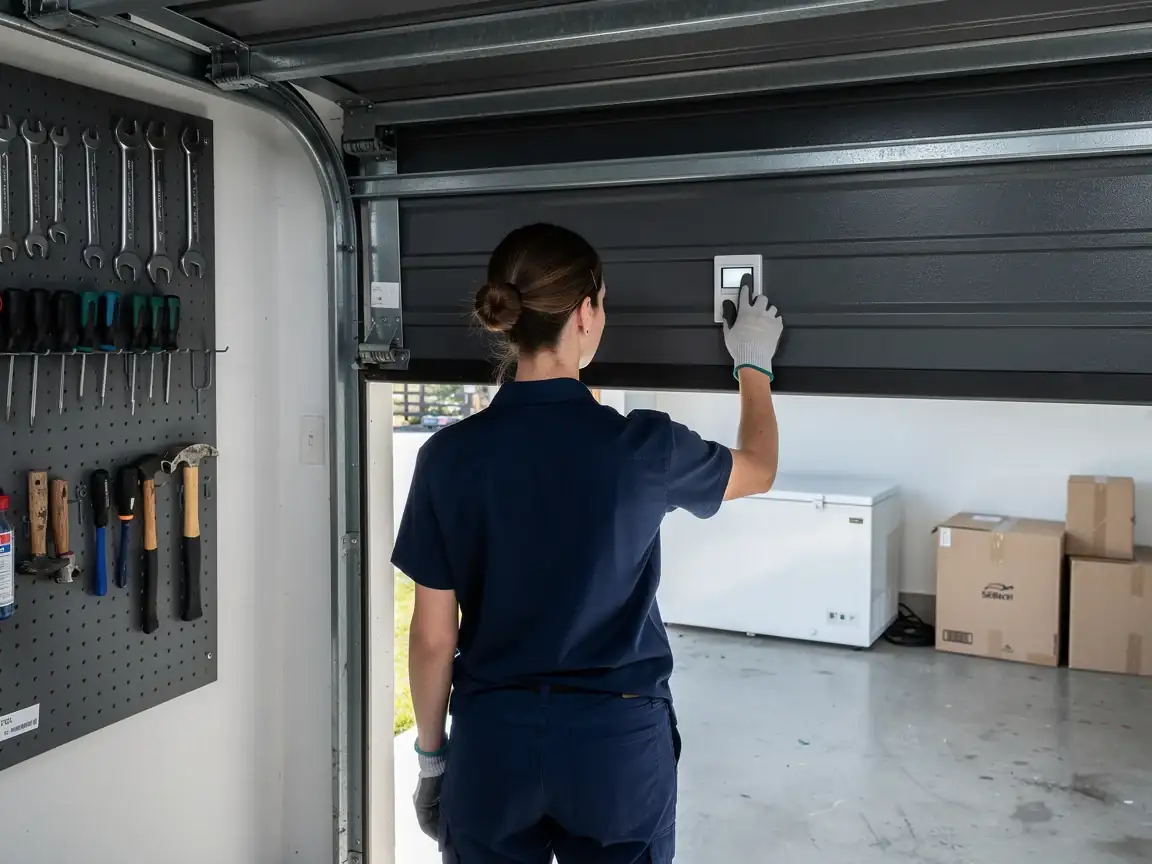
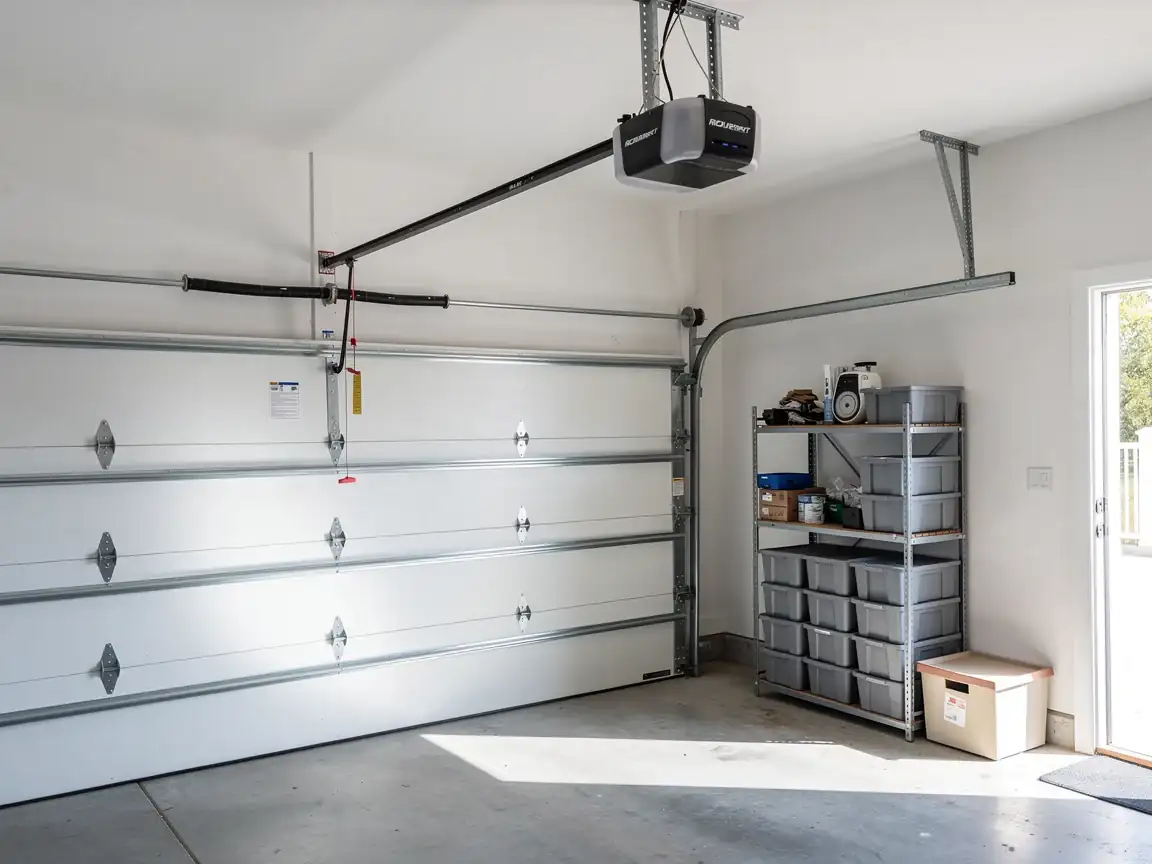
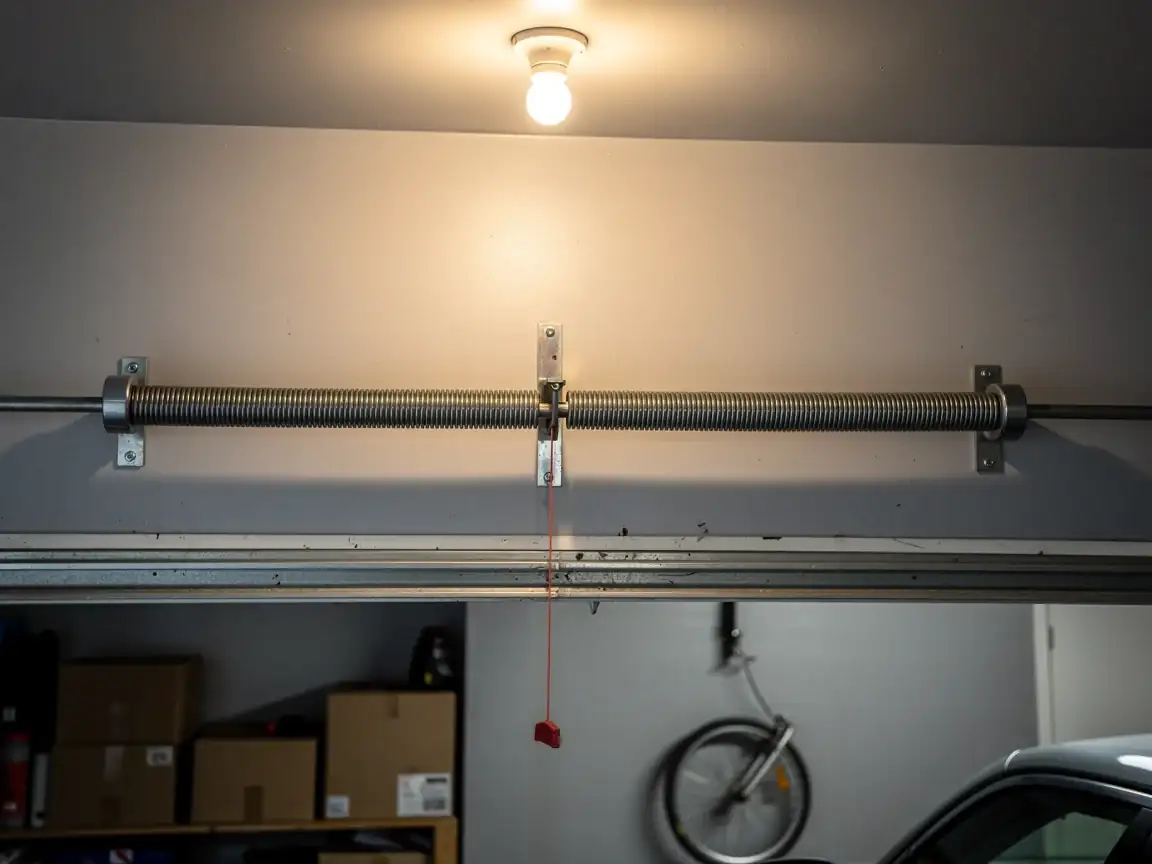
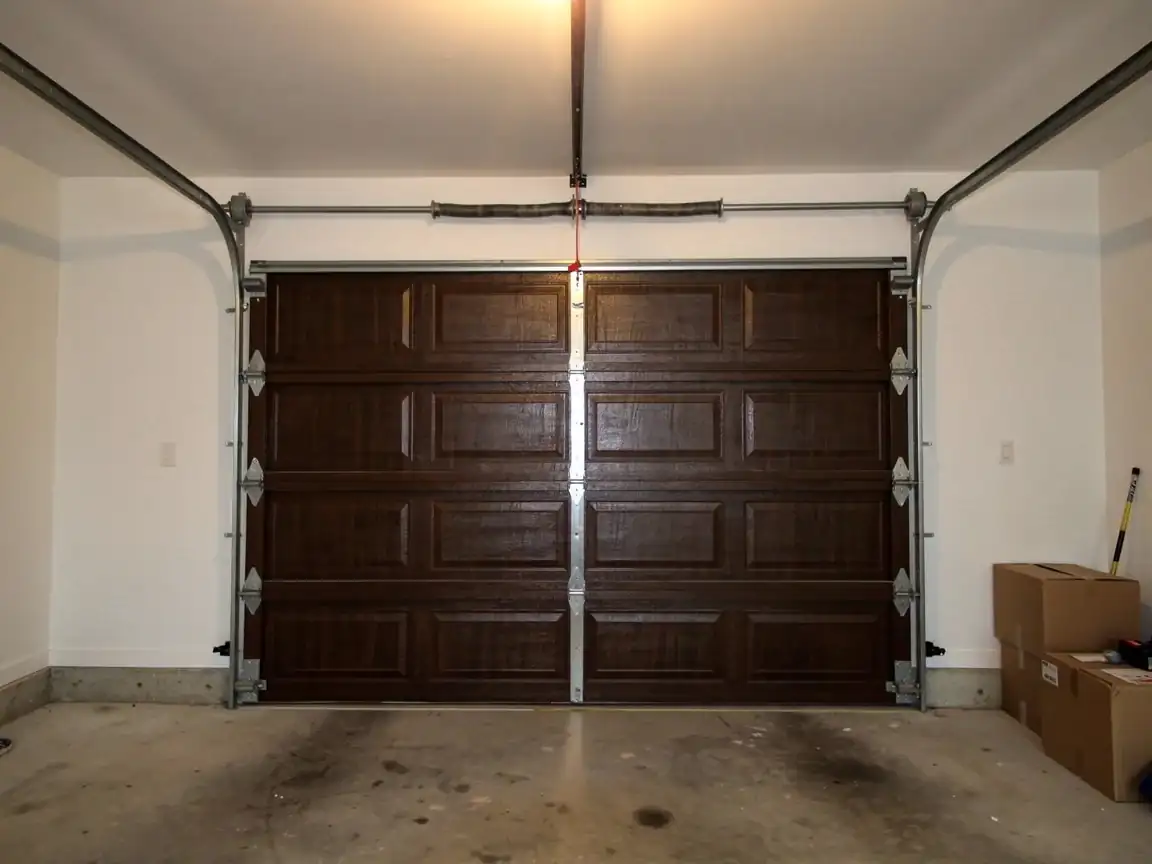
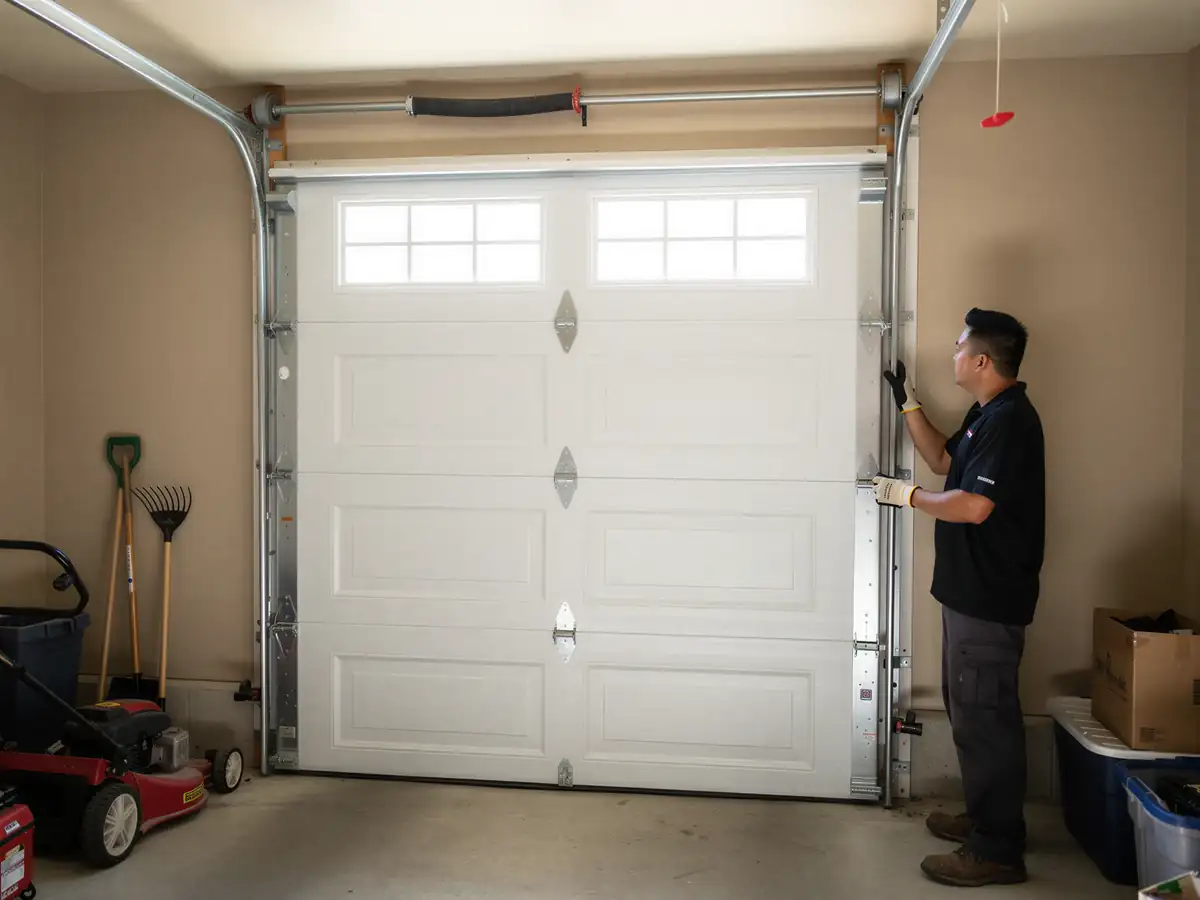
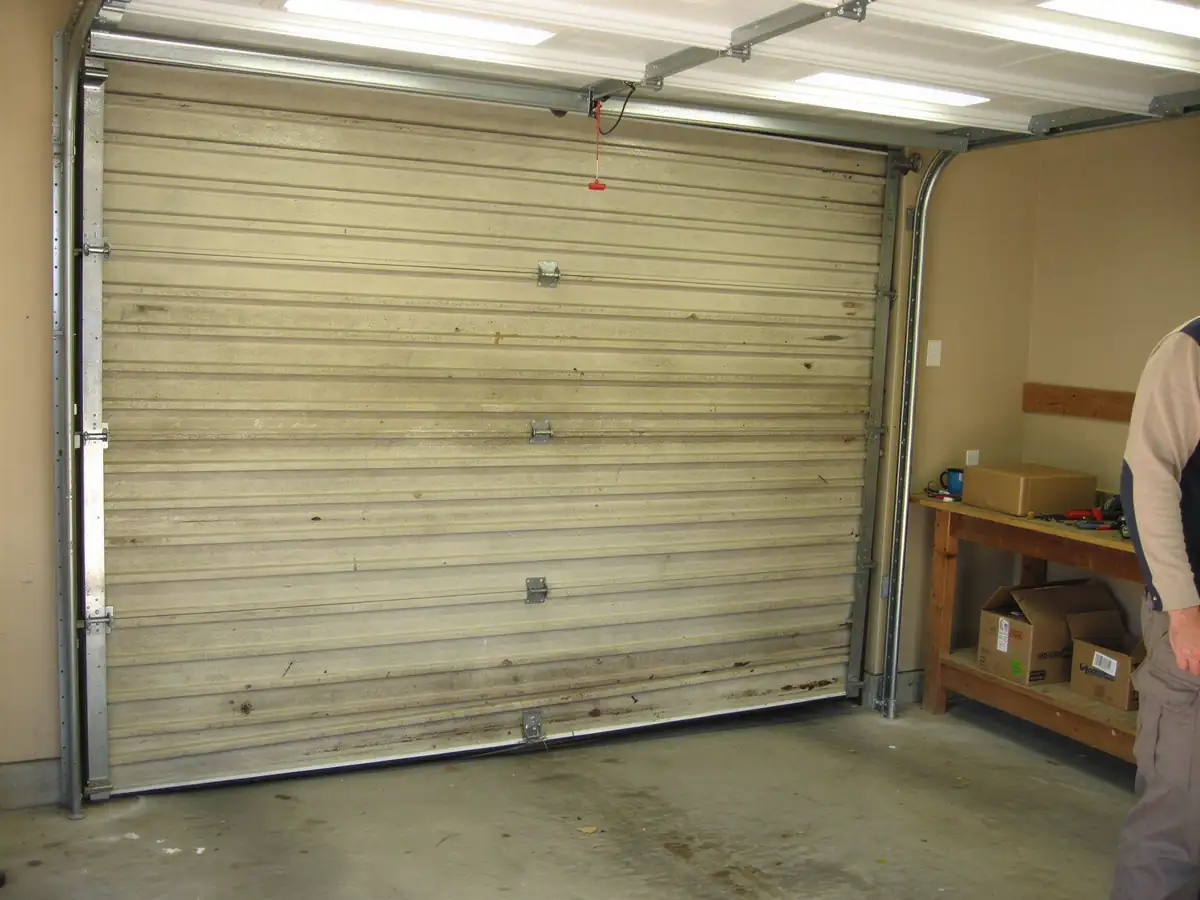
Before you call anyone, there are a few things worth checking yourself. Most houses out here went up right around 2001, which means a lot of garages still have the factory opener and the factory torsion spring the builder put in - nothing's been swapped yet. If the door won't move, start with the opener's wall switch: unplug it, plug it back in, see if the lights reset. Check the photo-eye sensors at the bottom of the tracks; a spider web or a kid's bike leaned against one is a more common culprit than people expect. If the door is stuck halfway and the opener is straining or clicking, stop. That's very likely the original spring finally giving out after two decades of cycles, and trying to force it with the opener motor can bend a track or snap a cable under tension. One honest limit here: we can talk you through safe checks over the phone, but we don't recommend disconnecting a torsion spring yourself. That's the one repair where a mistake costs a finger, not just a door.
What Is on the Truck
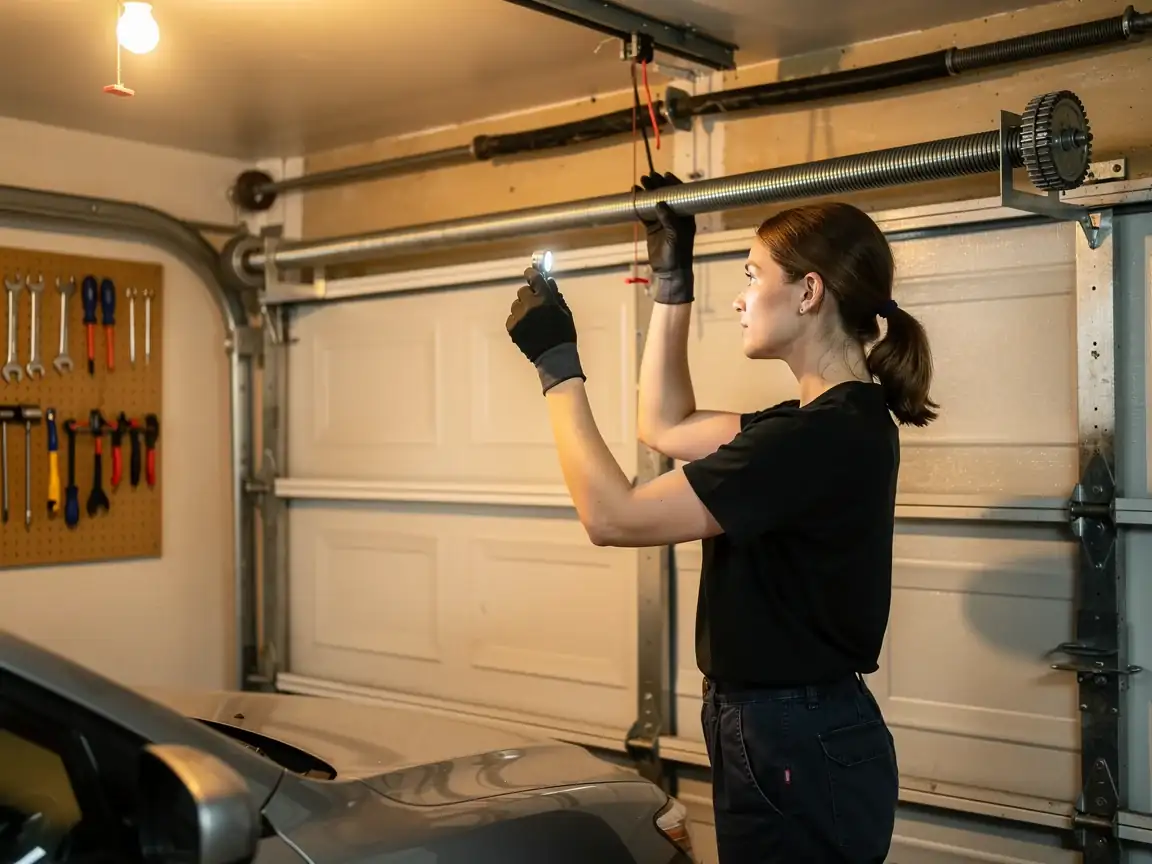
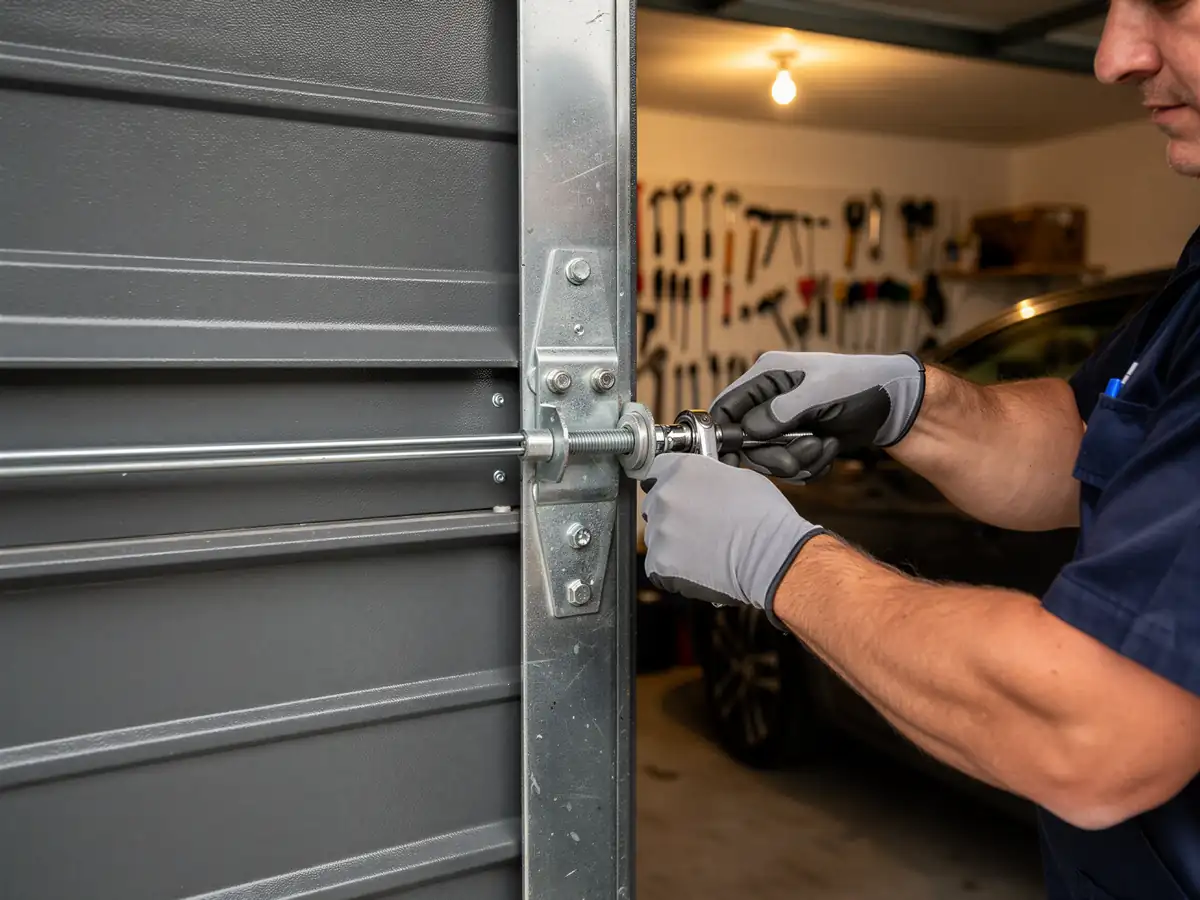
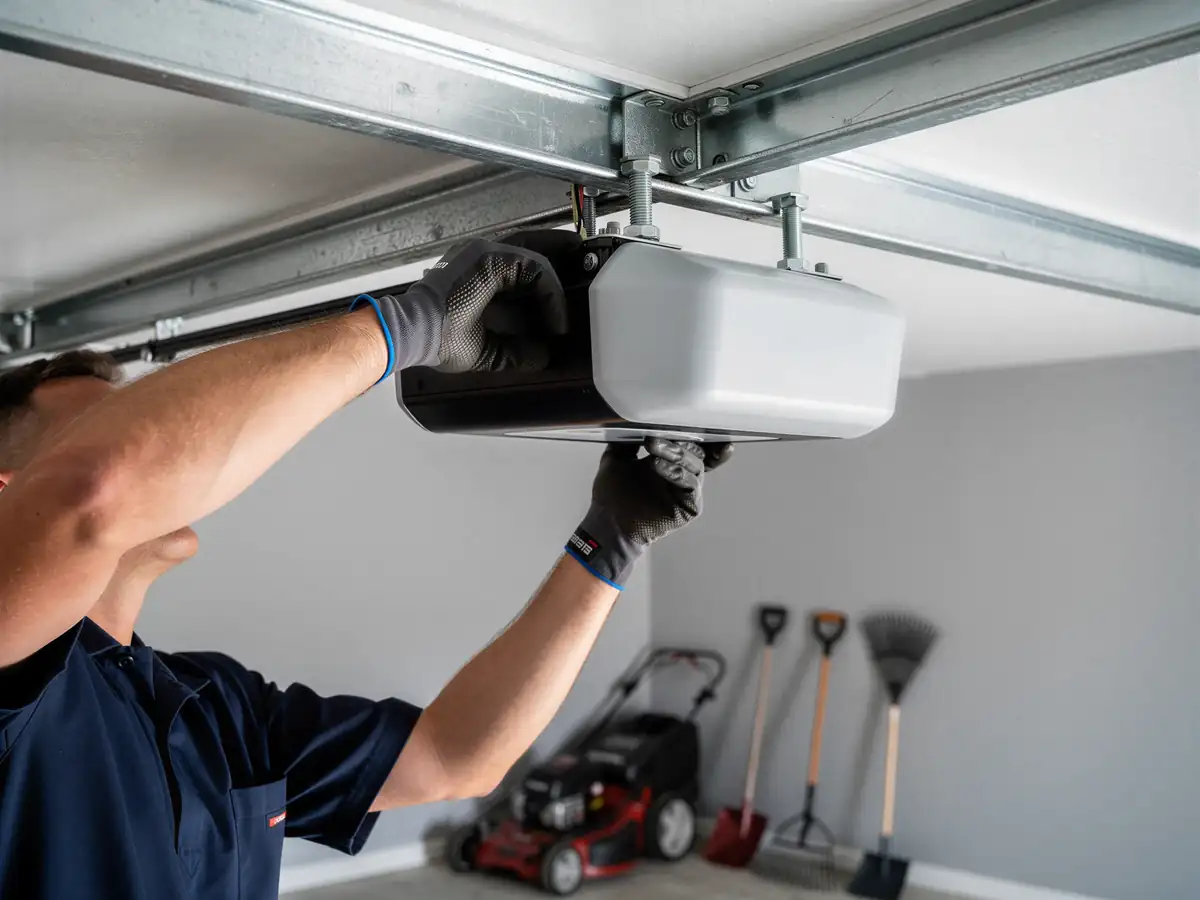
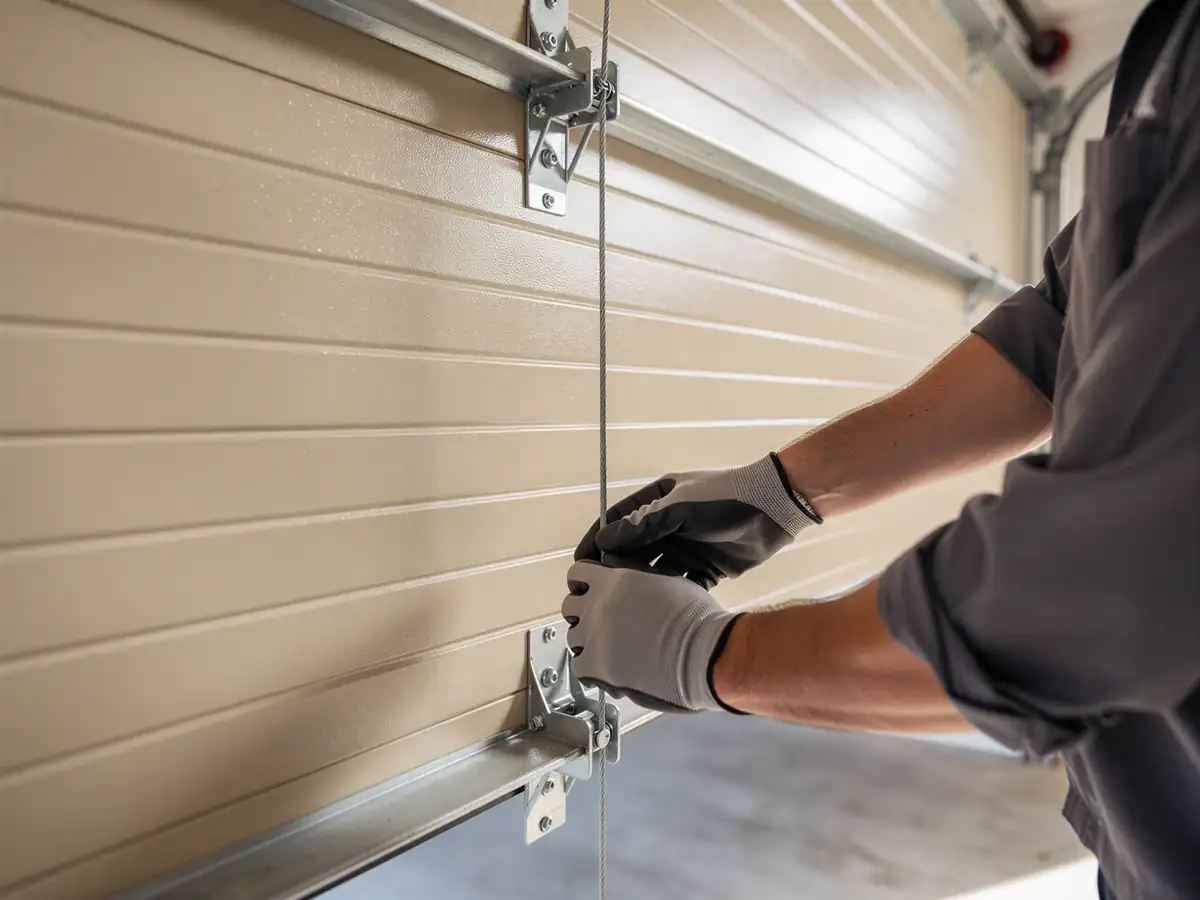
For a neighborhood built mostly in the early 2000s, the common call is a torsion spring that's reached the end of its rated cycle life or an opener logic board that's finally failed after running on original parts since the house was framed. The truck carries a spring range that covers standard residential torsion sizes, both single and double door configurations, plus the usual wear parts - rollers, cables, bottom brackets, hinges. We also carry a stock of openers for same-visit swaps when a board is dead rather than repairable. What we don't carry is a wide run of custom or oversized panel sections; a 2001-era door is still a fairly standard build, so parts fit are rarely the holdup. Winter is the other variable - cold-stiffened steel springs and grease that's thickened up in low temperatures both change how a spring behaves under load, which is part of why a spring that was fine in September can finally let go in January.
How Long You Are Without the Door
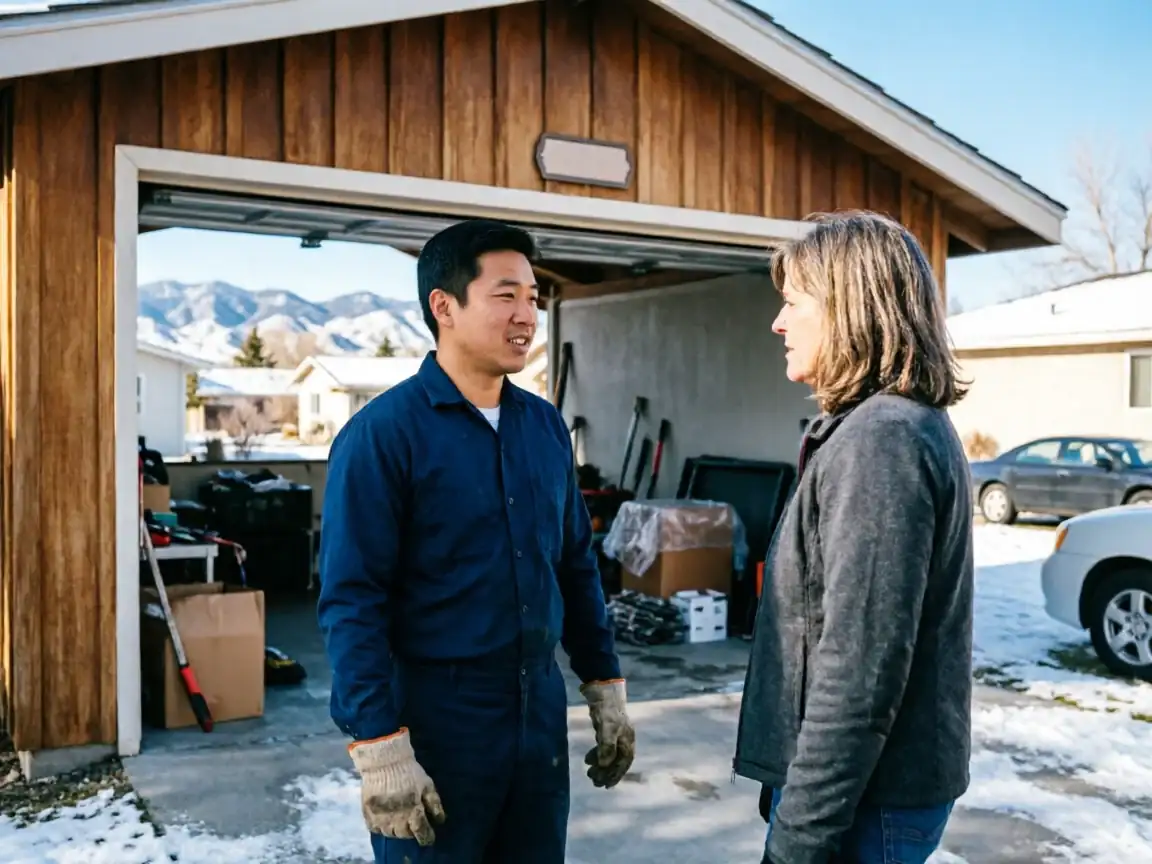
Roxborough Park sits about 8 miles from our Highlands Ranch yard, which is close enough that a truck doesn't have to cross the thick of the metro to get here, but far enough that we treat it as a planned run rather than a drop-by between other jobs. How long your door is actually down depends more on the fault than the drive - a broken cable or a stuck sensor is often fixed inside one visit with parts already on the truck. A dead opener board or a spring that needs an exact match sometimes means a short wait while we confirm we're bringing the right part the first time, since a 2001-build door can still vary slightly between manufacturers. We won't promise a number we don't have, but we will tell you honestly on the phone whether what you're describing sounds like a same-visit fix or a return trip.
The Symptom
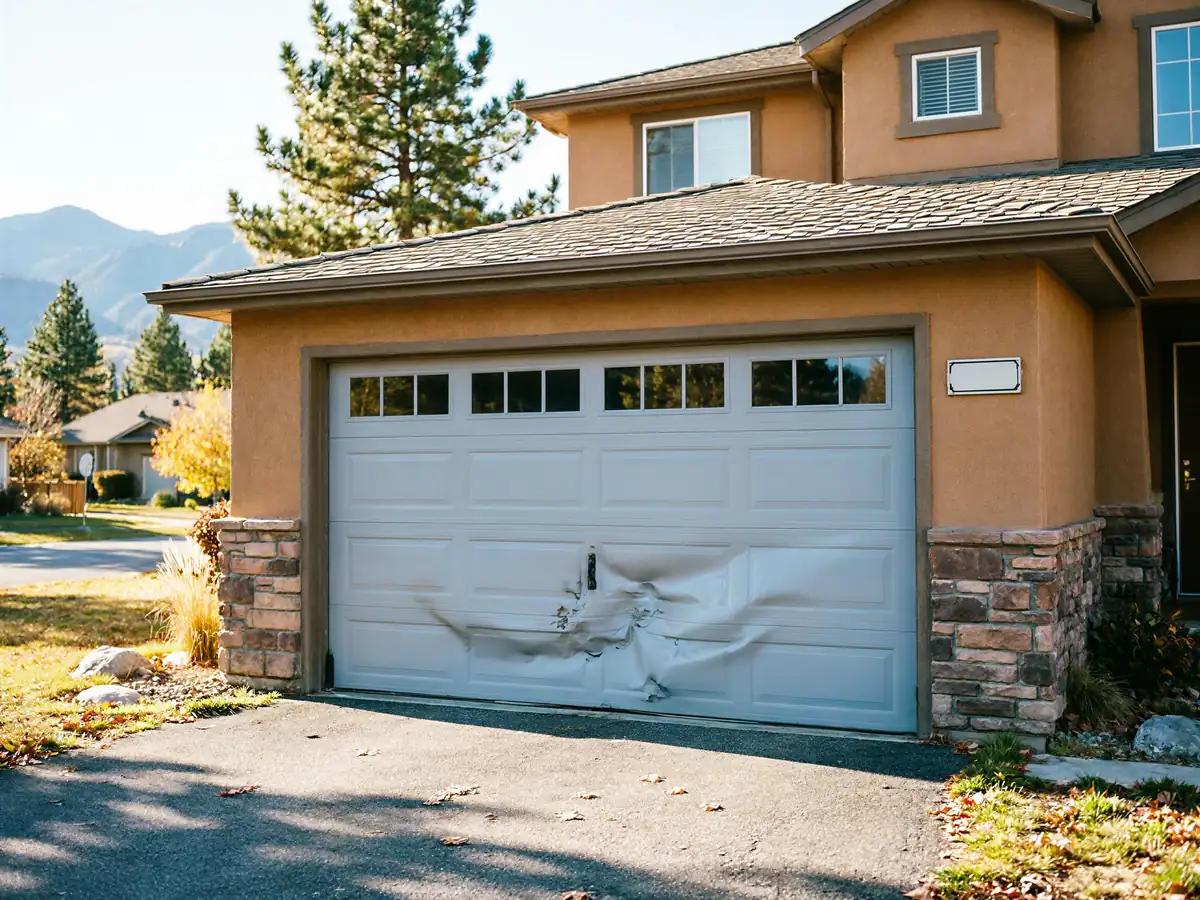
The pattern we see most in this part of the service area is age catching up with original equipment, not storm damage or impact. A door that's noticeably heavier to lift by hand than it used to be, a loud bang followed by the door refusing to open, or an opener that runs but the door barely lifts - all three point to a torsion spring near or past the end of its cycle life, which tracks with how many of these houses are now a couple decades past their 2001 build year. A second common symptom is an opener that responds to the remote but not the wall button, or vice versa, which usually means a logic board on its way out rather than anything mechanical. With roughly 3,522 households in this immediate area, it's a smaller pocket than some of what we cover, but the failure patterns are consistent enough that we can usually tell over the phone which of the two we're looking at before the truck leaves the yard.