Doing It Yourself
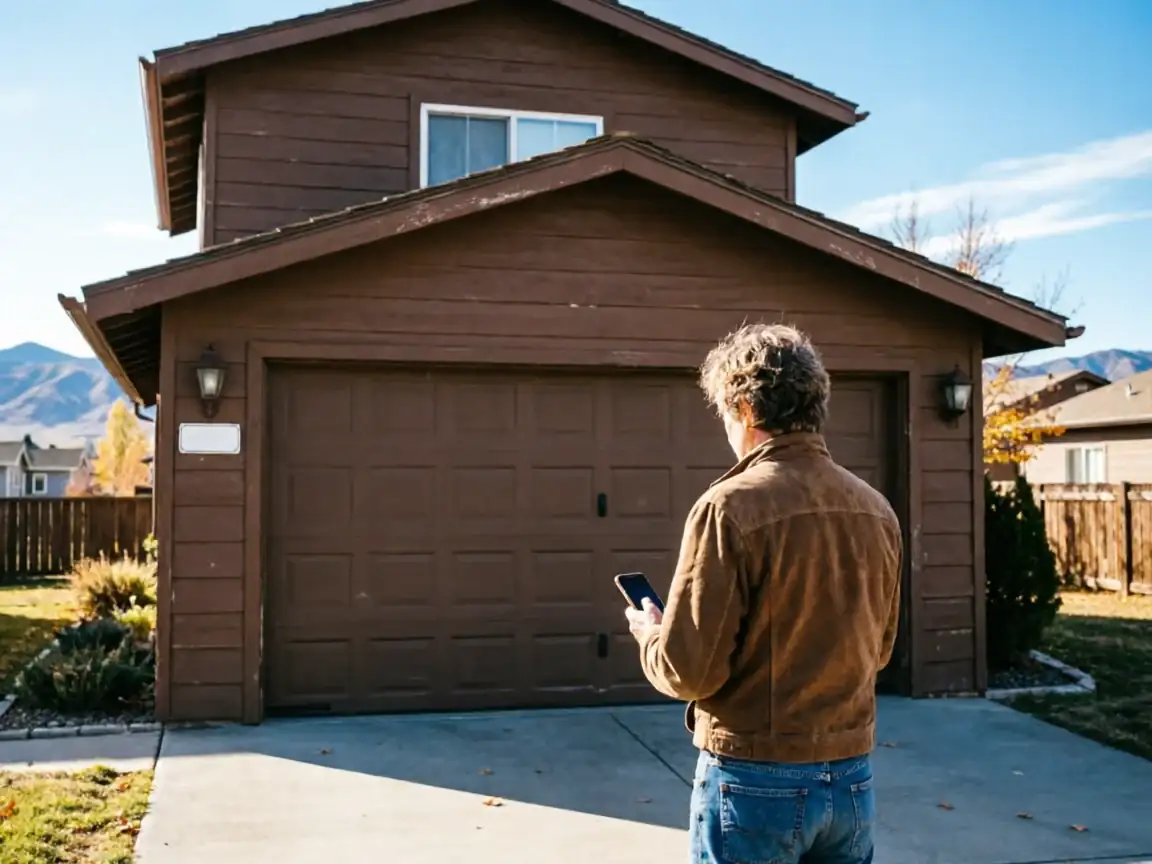
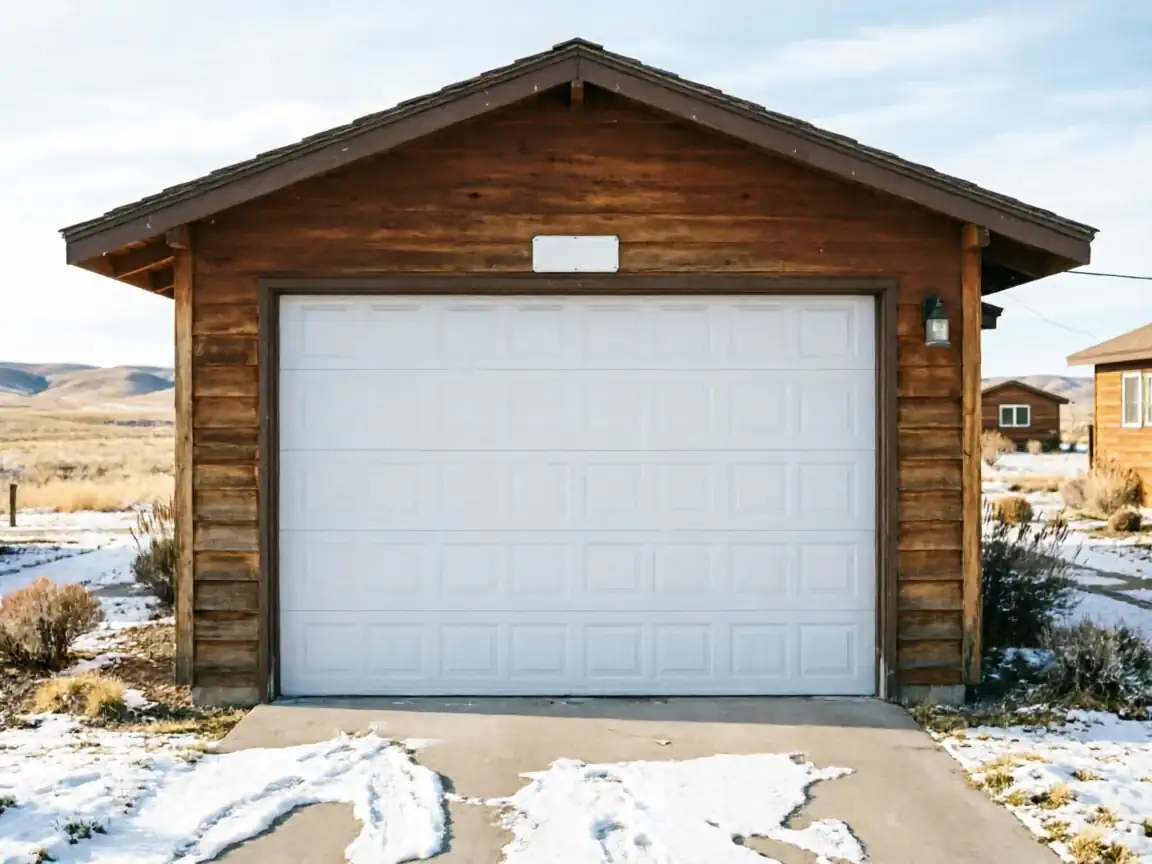
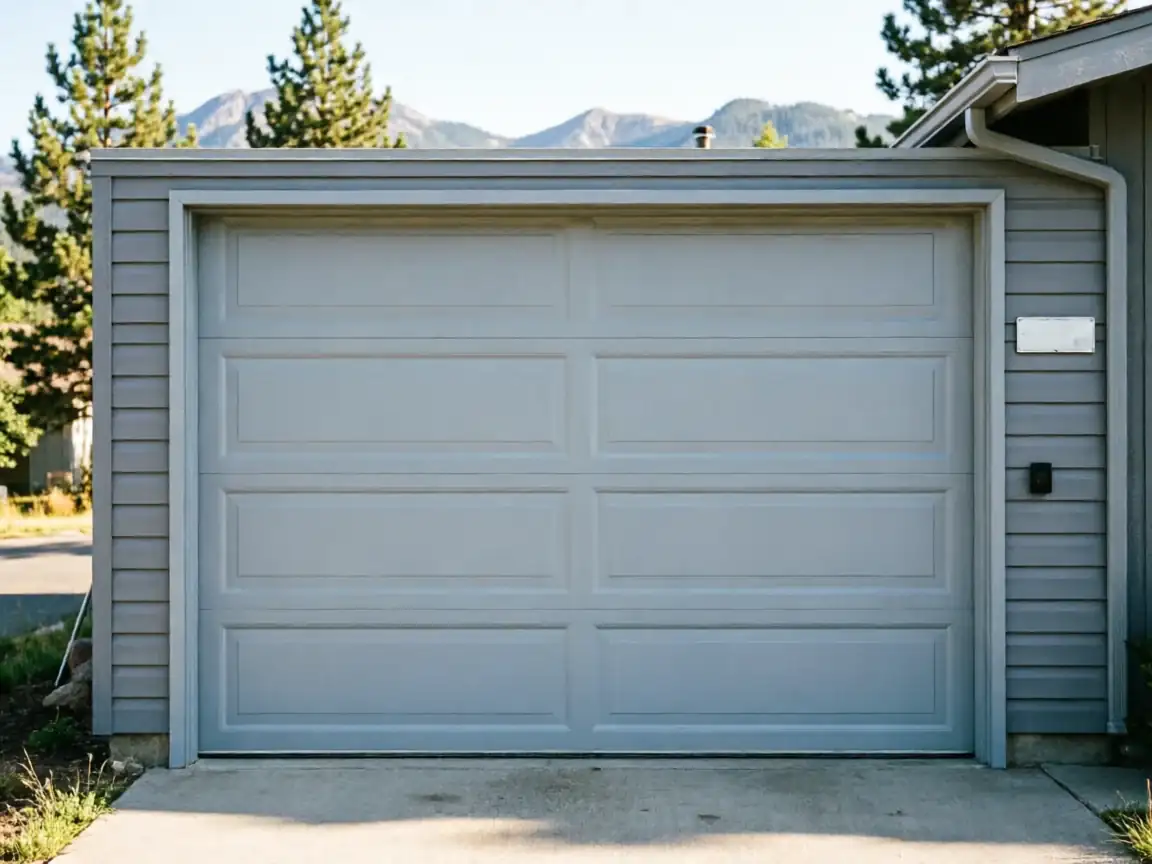
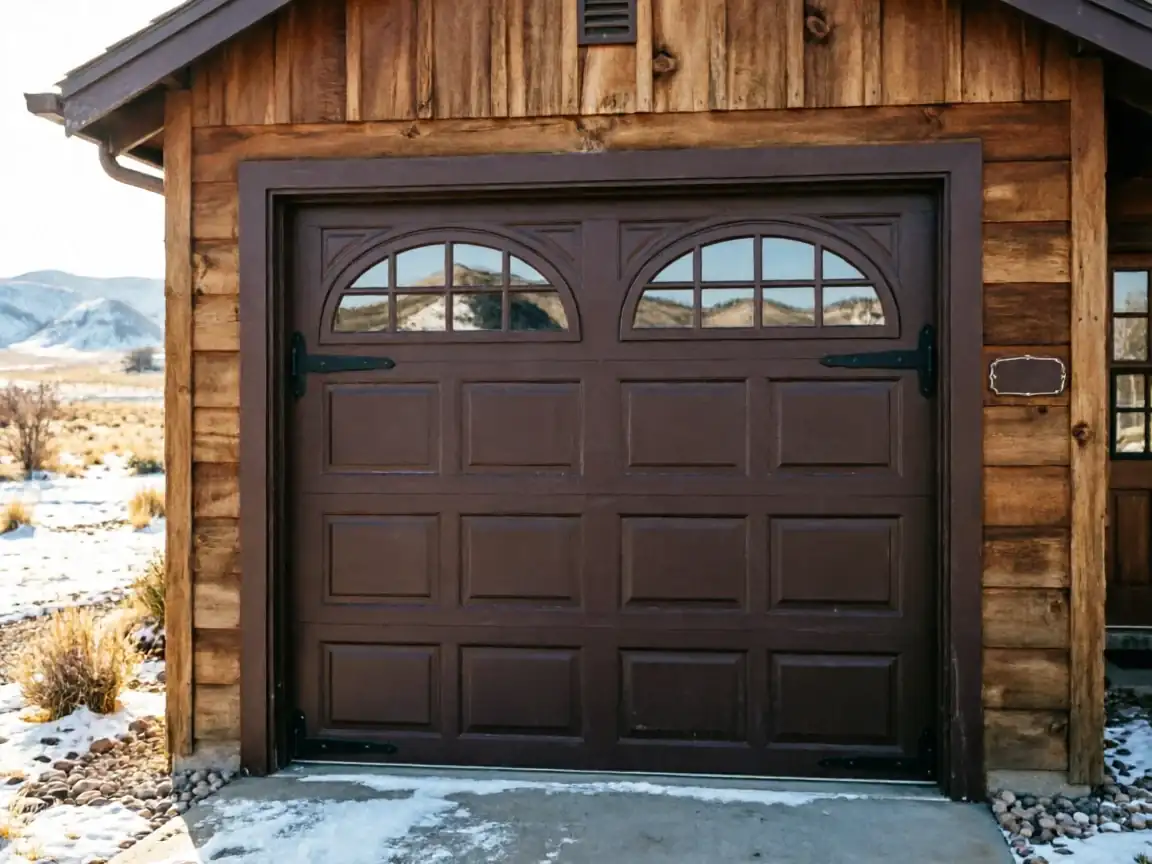
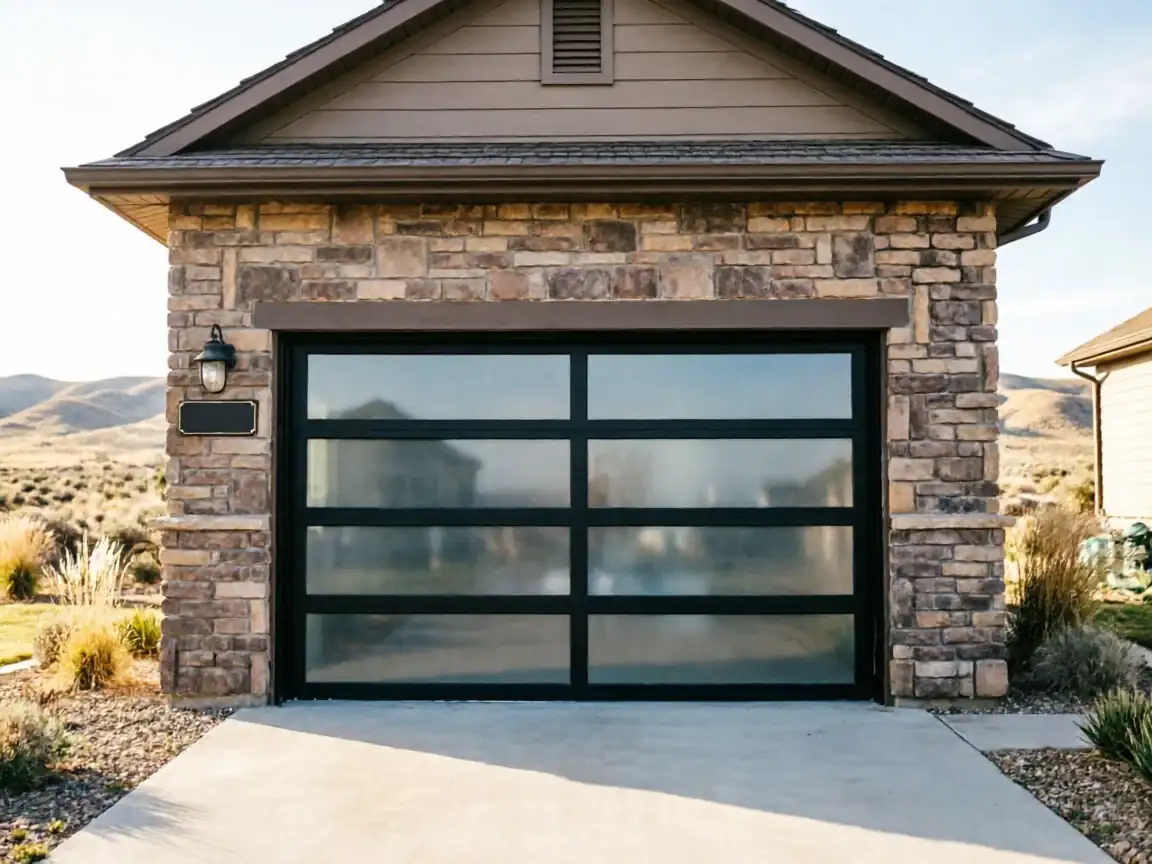
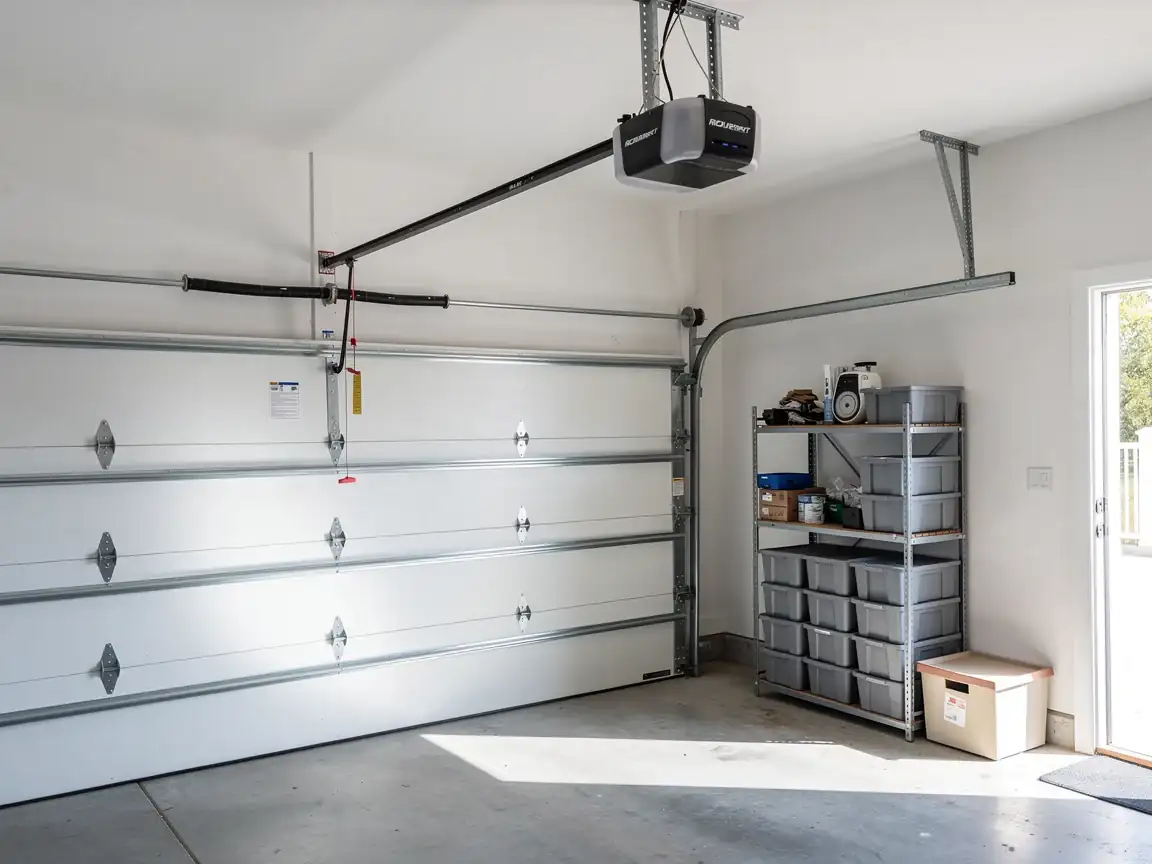
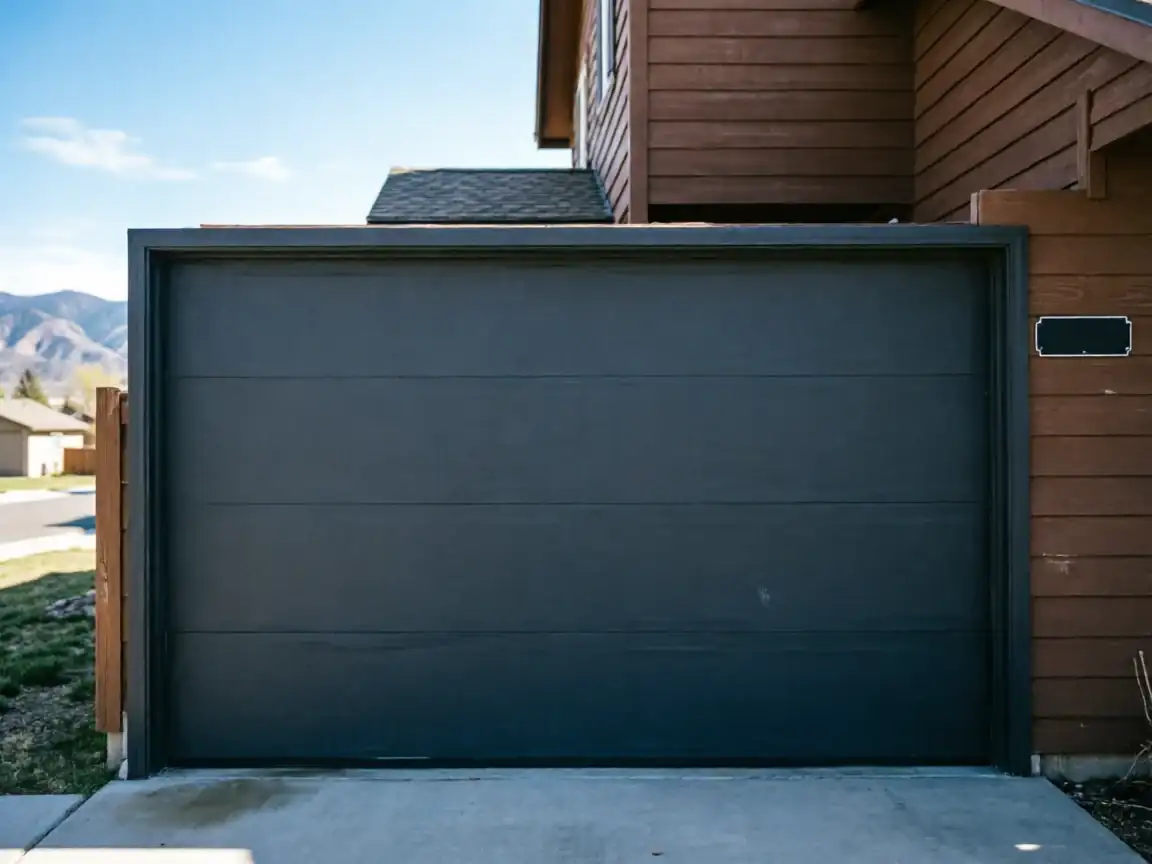
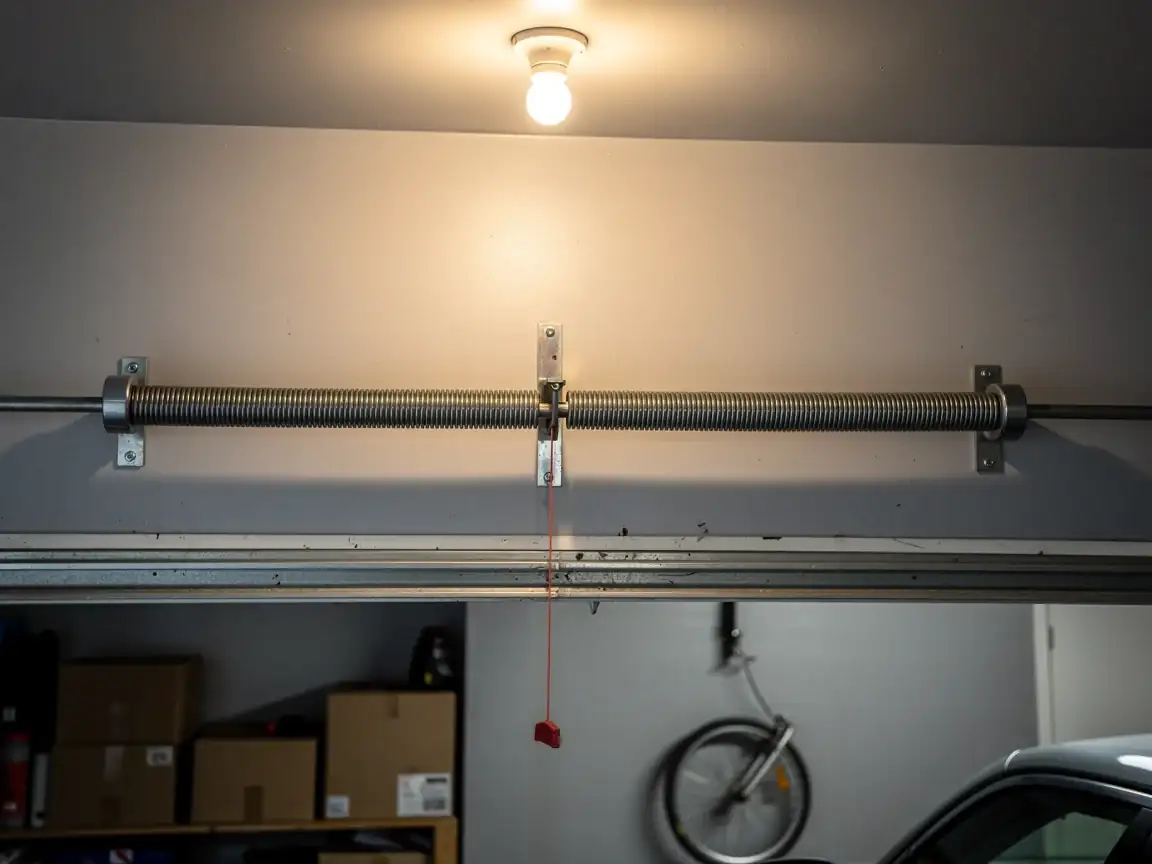
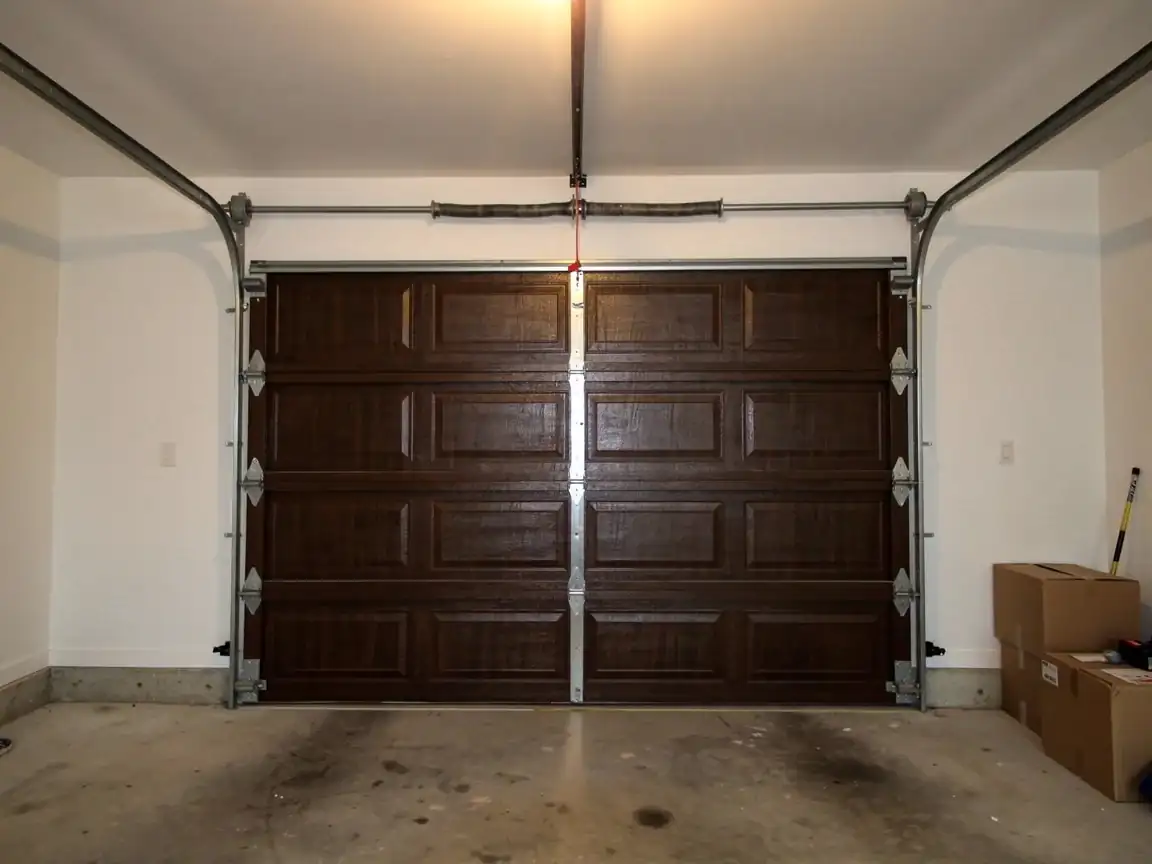
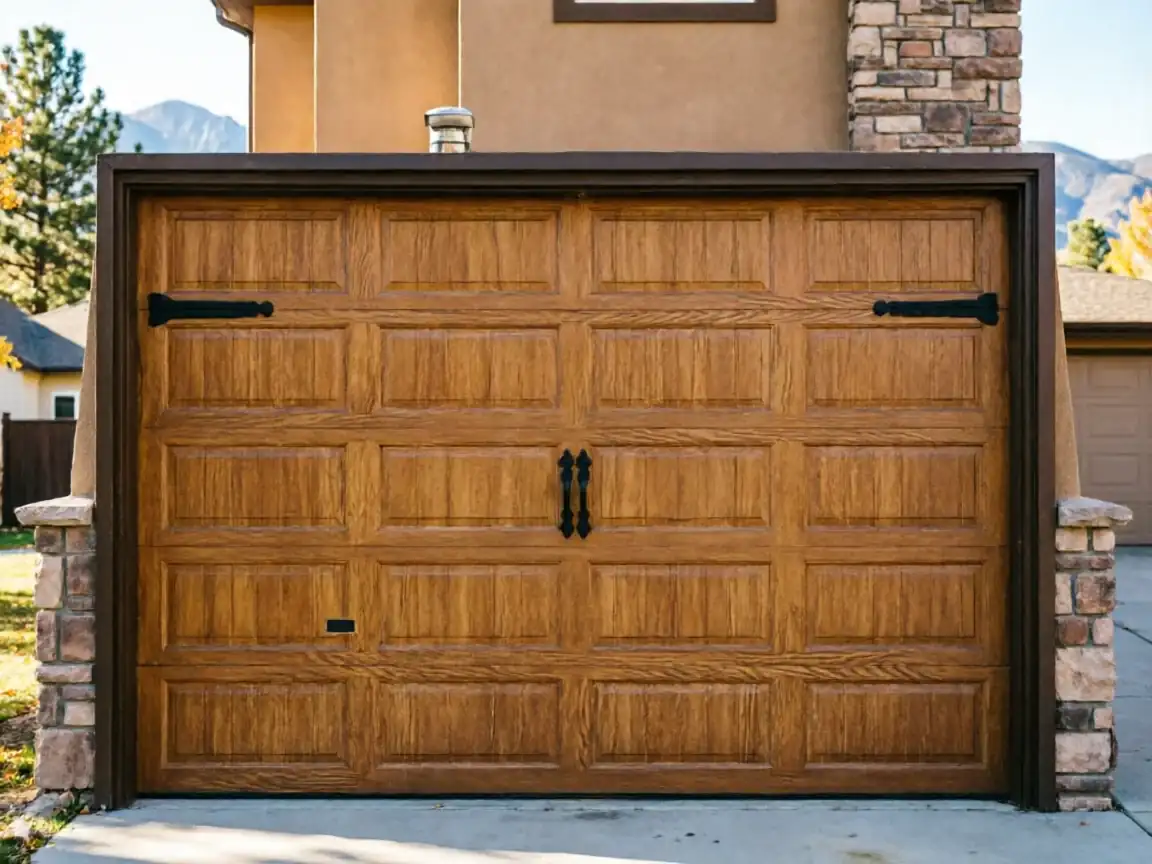
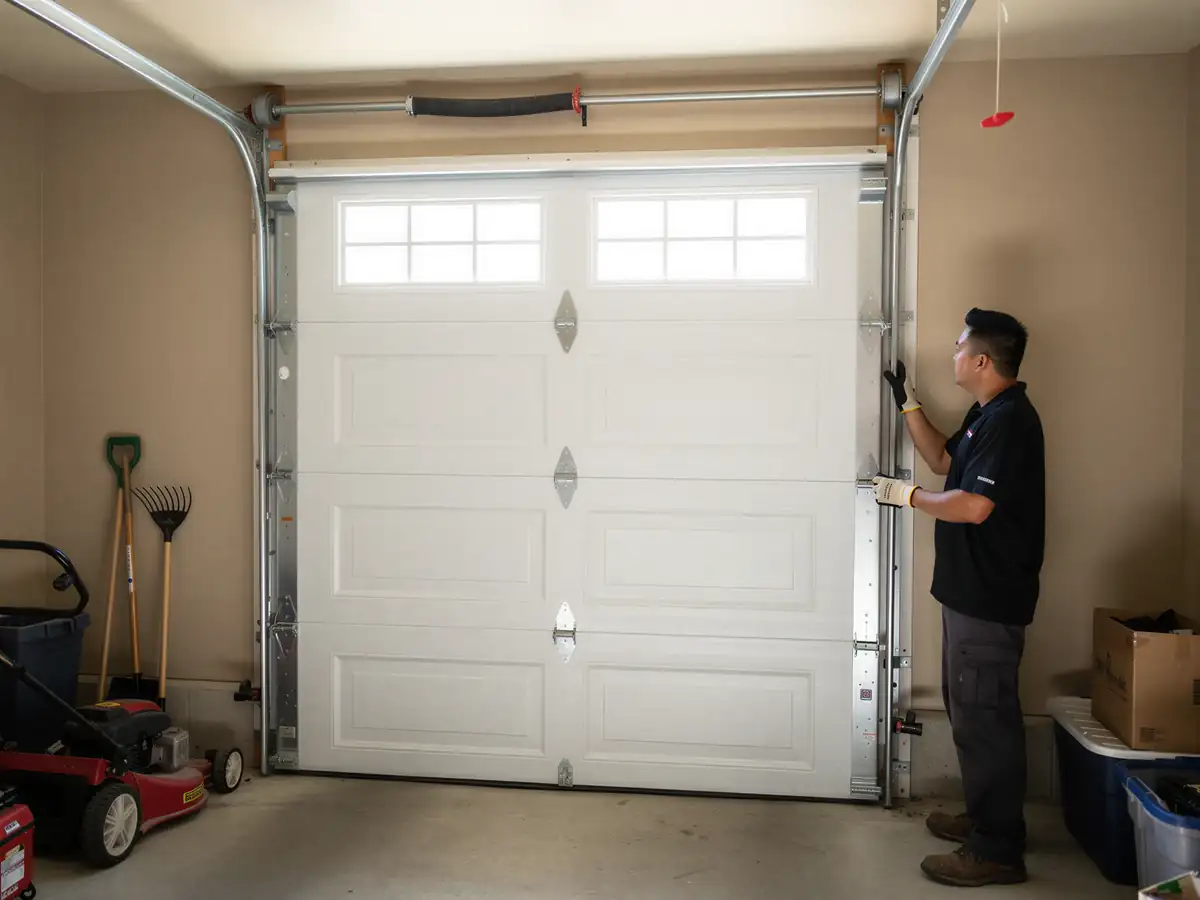
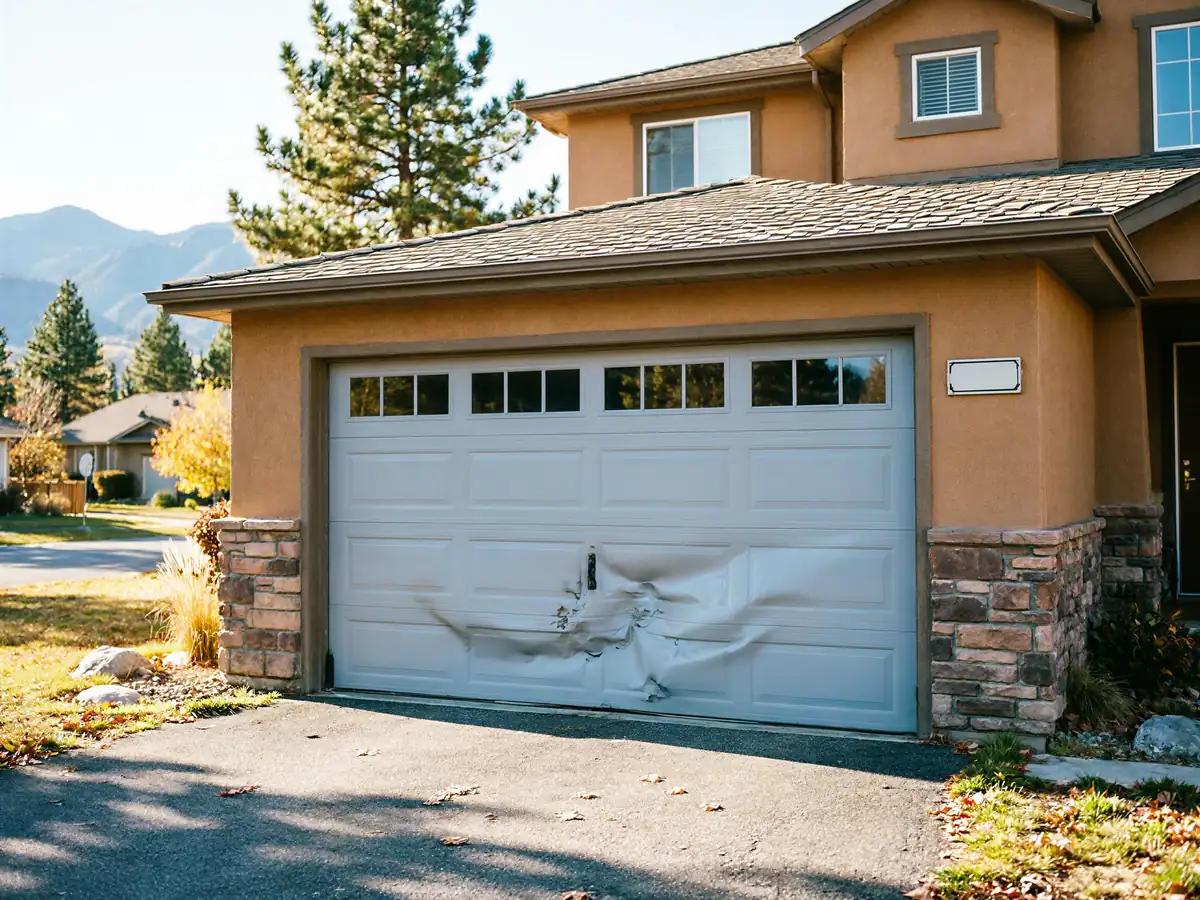
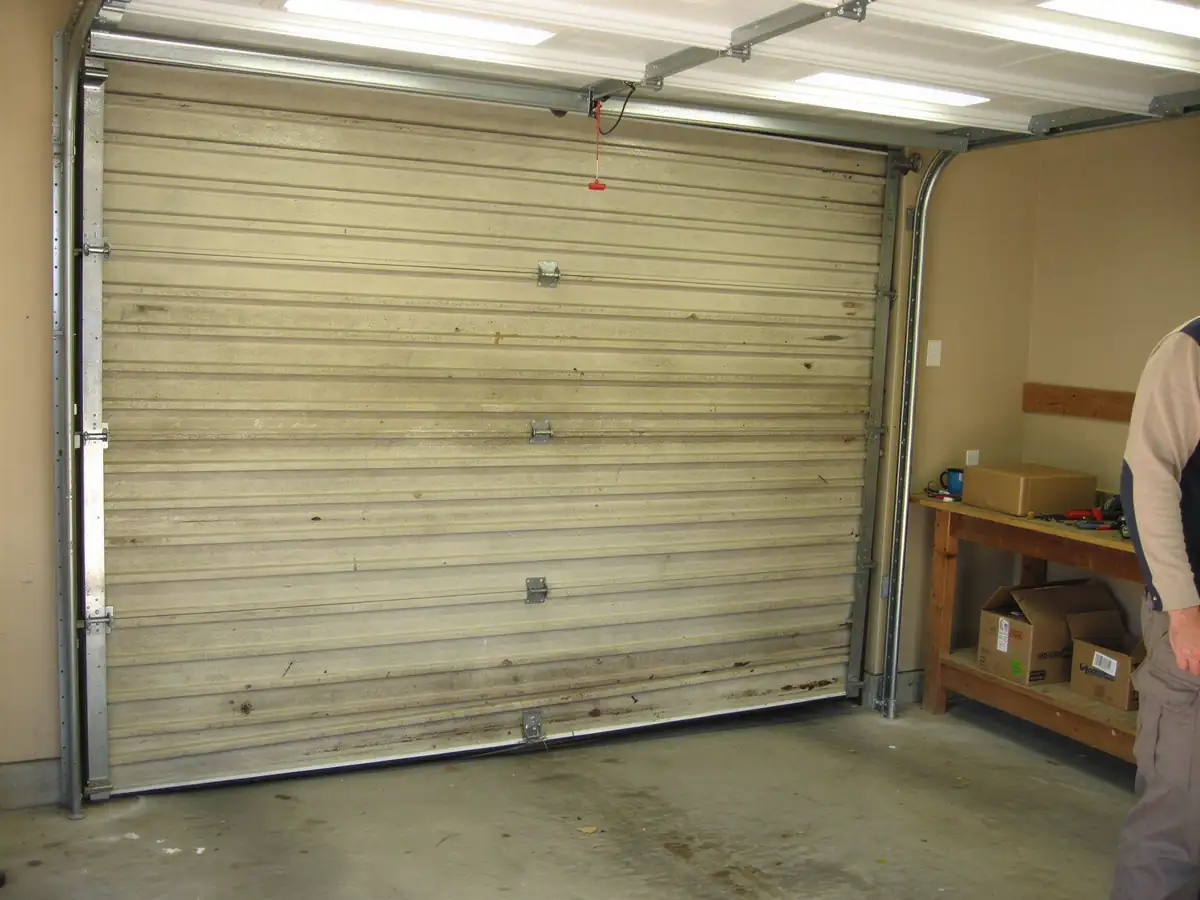
Most garages in Roxborough Park were built around 2001, which means you're not dealing with the thin single-layer panels common in older stock nearby. These are taller, wider steel sectional doors, often insulated, running on longer tracks because the openings here tend to run bigger - think oversized two-car or a third bay. When one of these comes off the rail, the roller usually hasn't just popped out, it's bent the track or torn the bracket loose from a door that weighs more than it looks. You can safely check whether the door is actually off the track versus just binding - look for a roller sitting outside the rail or a visible kink in the metal. Past that, stop. A door this size, even partway off, is carrying enough spring tension and weight that trying to wrestle it back into the track yourself is how people end up with a crushed hand or a door that drops the rest of the way while they're under it. If the door still moves an inch in either direction under power, kill the opener at the wall first. Don't disconnect the opener arm hoping to muscle it back manually unless you already know where the cable tension is sitting - on a door this wide, that guess is expensive.
What Is on the Truck
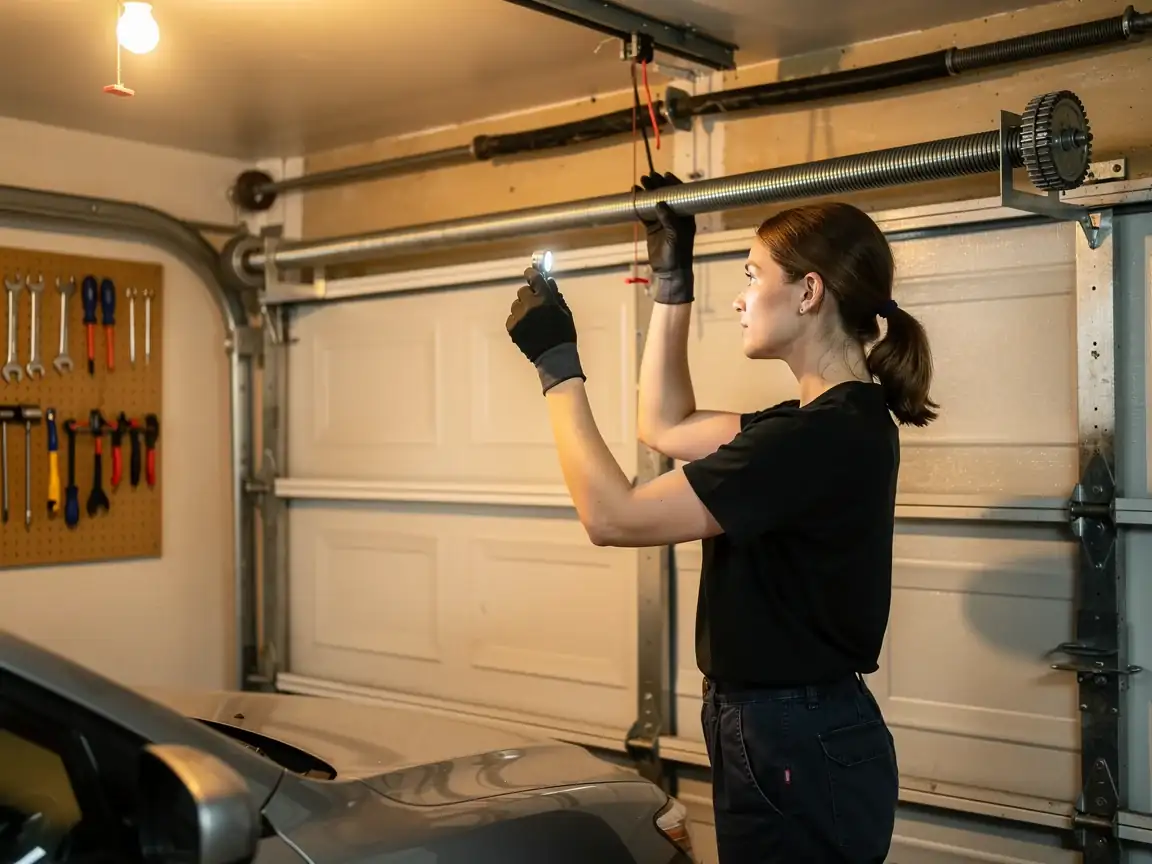
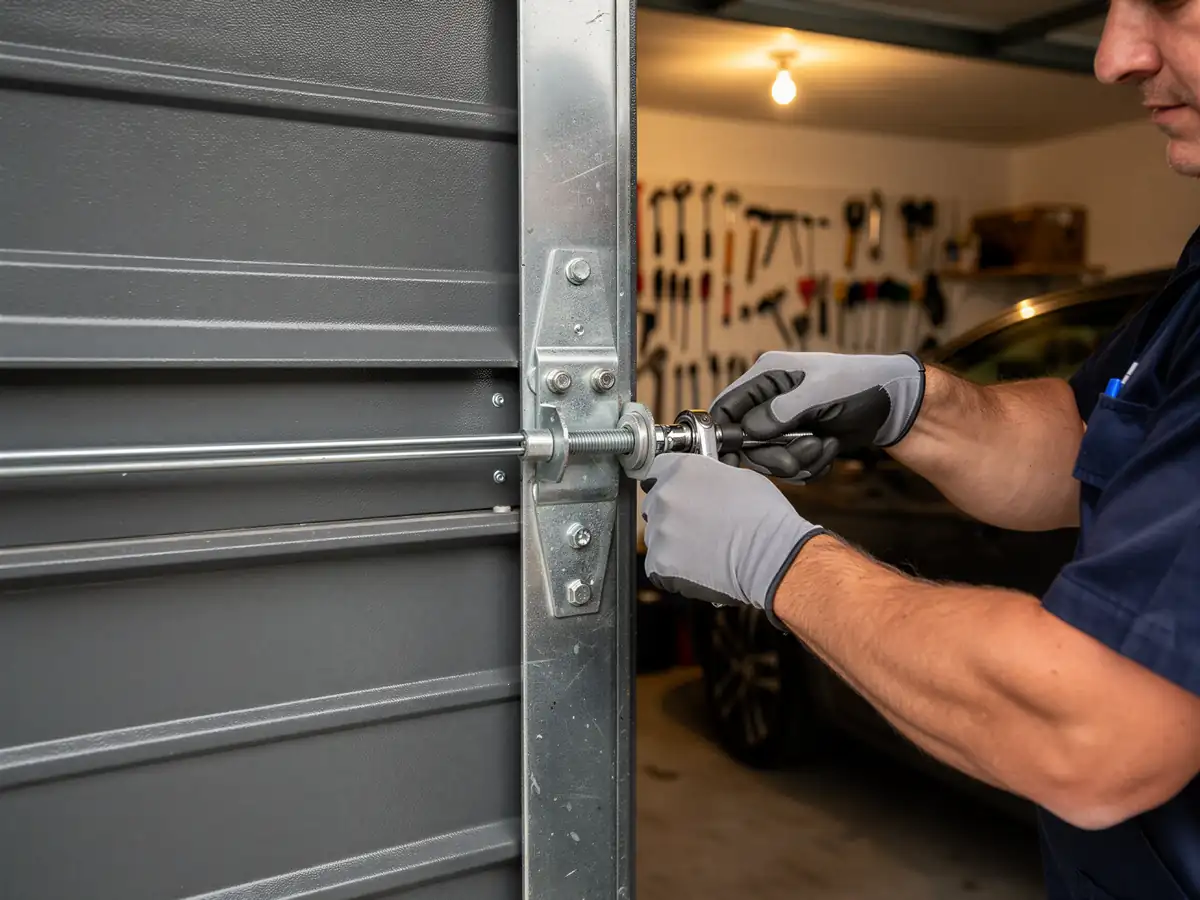
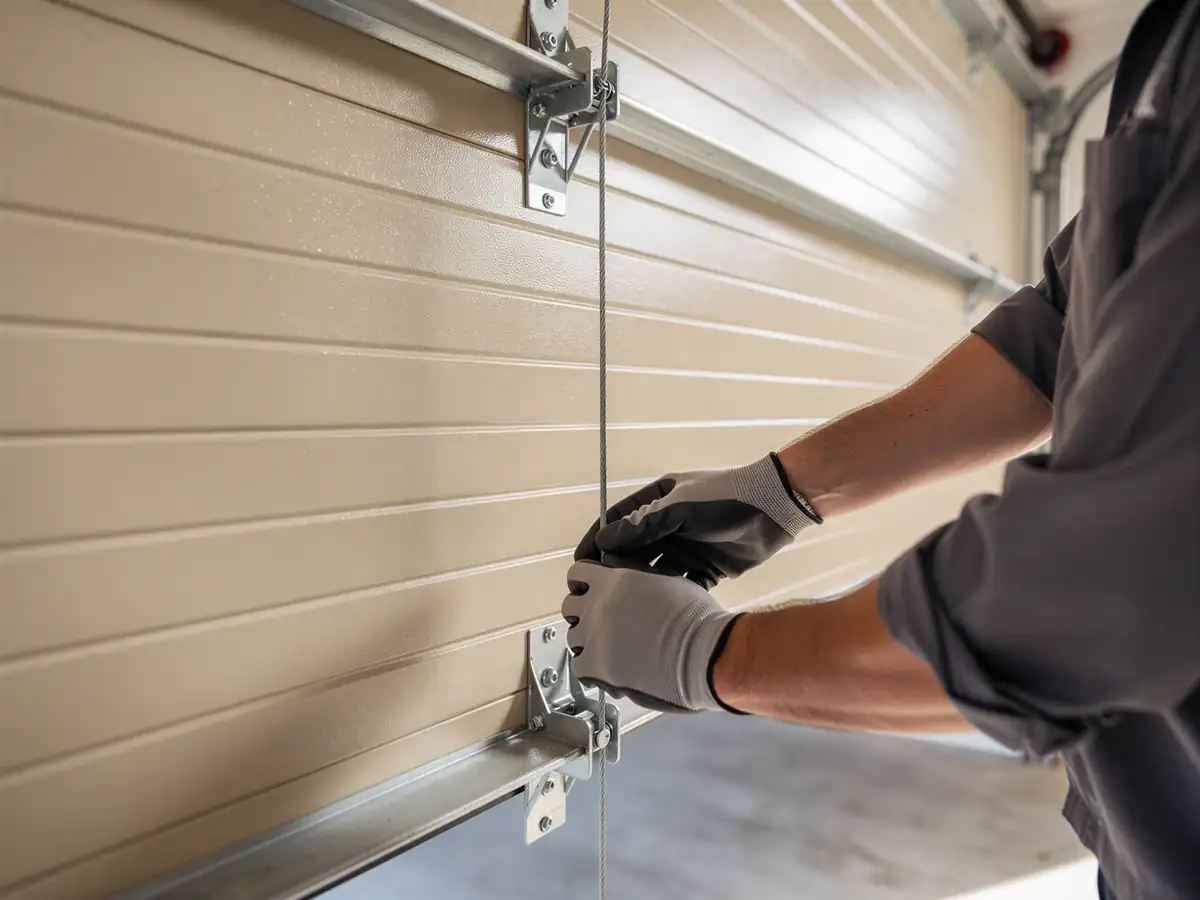
For the newer, heavier doors common here, the truck needs rollers and brackets rated for wider panels, not the lighter hardware that works fine on a 1970s single door elsewhere in the area. Cold-rated lubricant matters too - this is a severe cold climate zone, and stiff old grease is part of why tracks bind and throw rollers off in the first place once temperatures drop. Track sections get carried in a couple of standard widths; if the bend is minor, it can often be straightened, but a door of this size sometimes needs the whole section swapped rather than reshaped, since a track that's been forced back into true tends to bind again within a season. We carry both options because deciding which one a specific door needs is a look-at-it-in-person call, not a phone diagnosis.
How Long You Are Without the Door
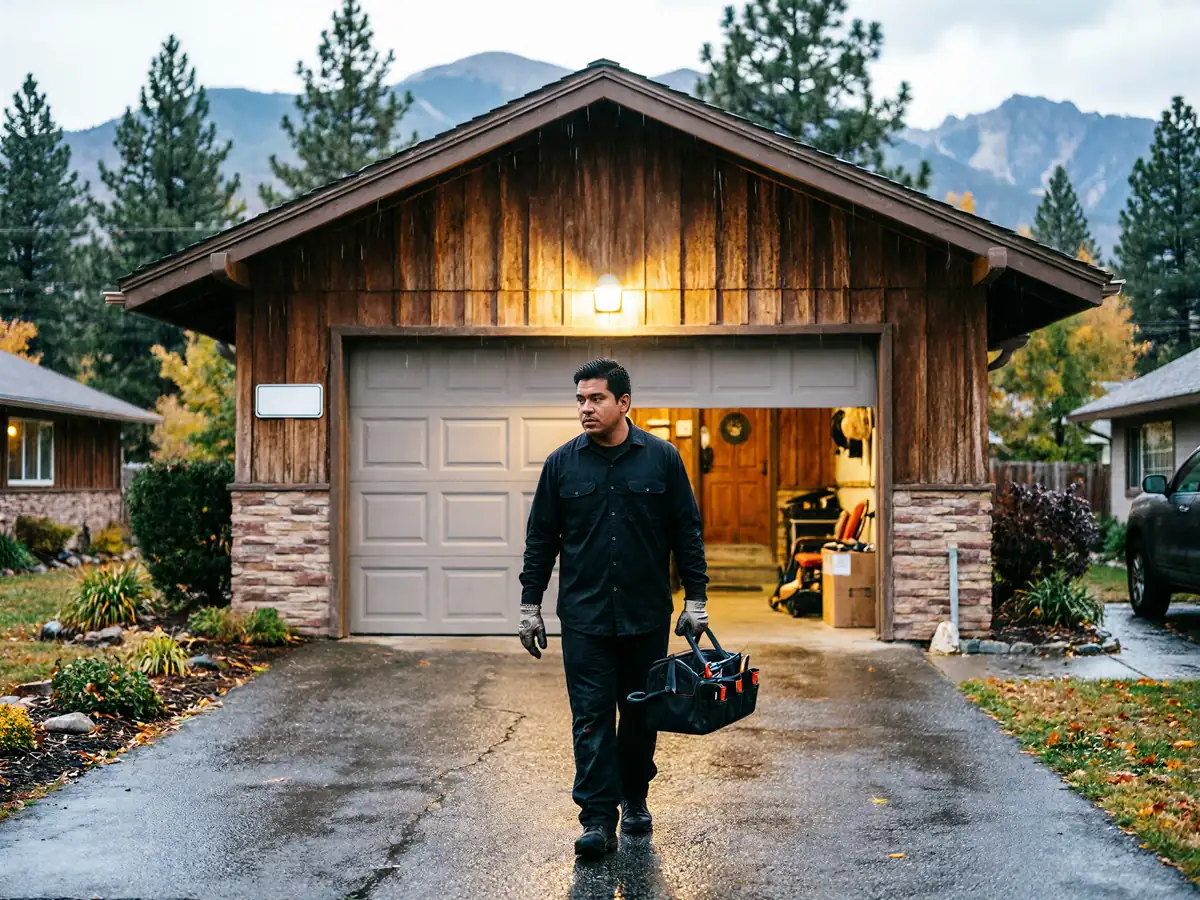
We run out of Highlands Ranch, about 8 miles from Roxborough Park, so there's drive time built into any call here - this isn't a neighborhood with its own depot. Once the truck's on site, most off-track repairs on a door this size close out in under two hours: realign or swap the track section, reset and lubricate the rollers, test the balance. If the bracket pulled loose from the framing around the opening, that adds time, since it needs to be reset solid before the door goes back up - rushing that part is how the same door comes off again in a month.
The Symptom
The giveaway on these newer, heavier doors is usually noise before it's movement - a grinding or scraping on one side as the door travels, often starting weeks before anything visibly jumps the rail. On a lighter 1970s-era door that same early warning might just be a dry roller. On a door this size and weight, it's more often a roller already riding the edge of the track, one cold morning away from coming all the way off. If you're hearing that scrape and the door still opens and closes, that's the window to call before it's a door stuck half-open in a severe-cold stretch with a bent track underneath it.