Doing It Yourself
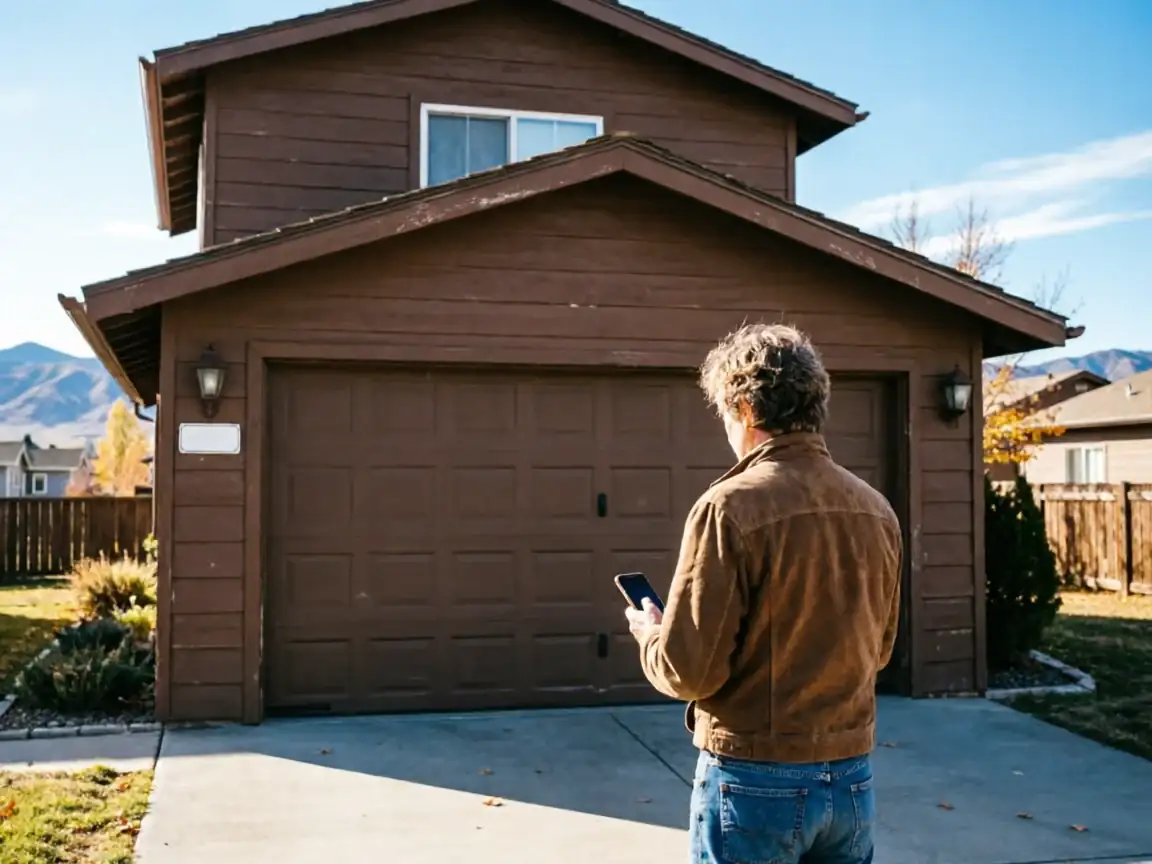
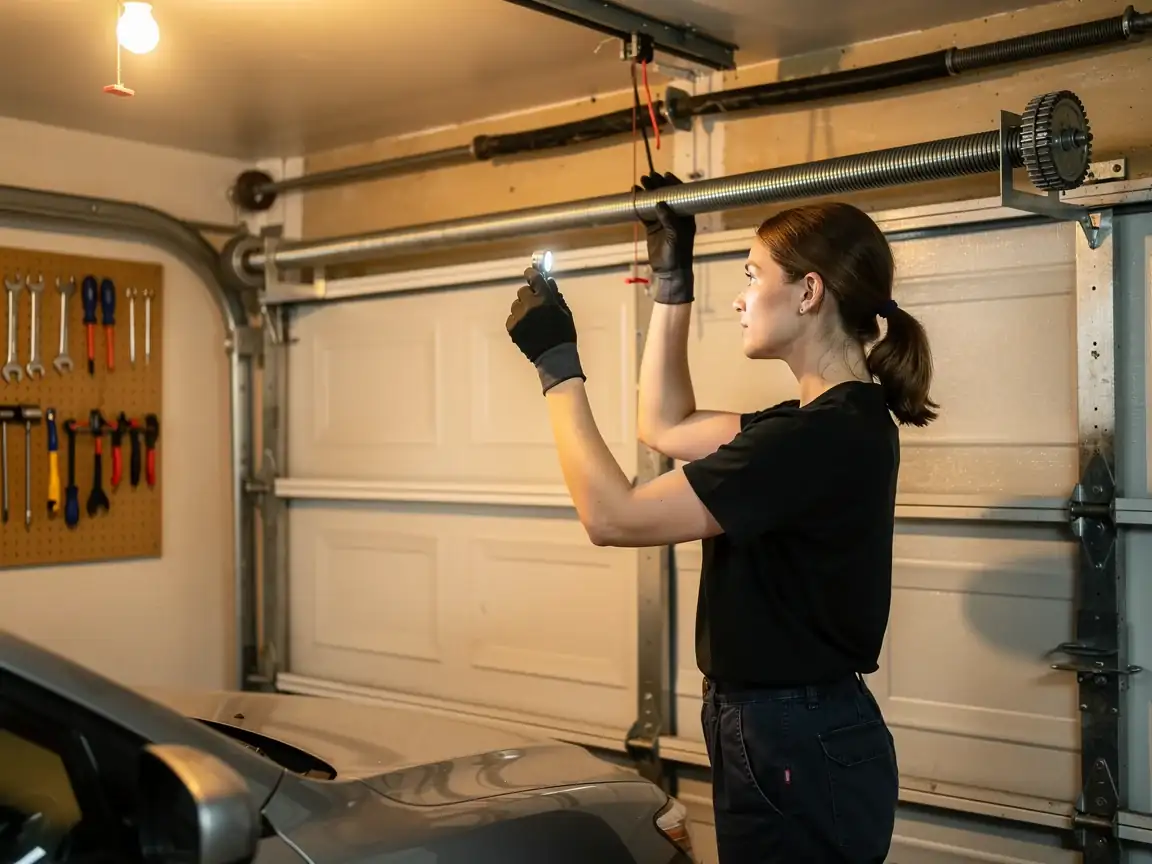
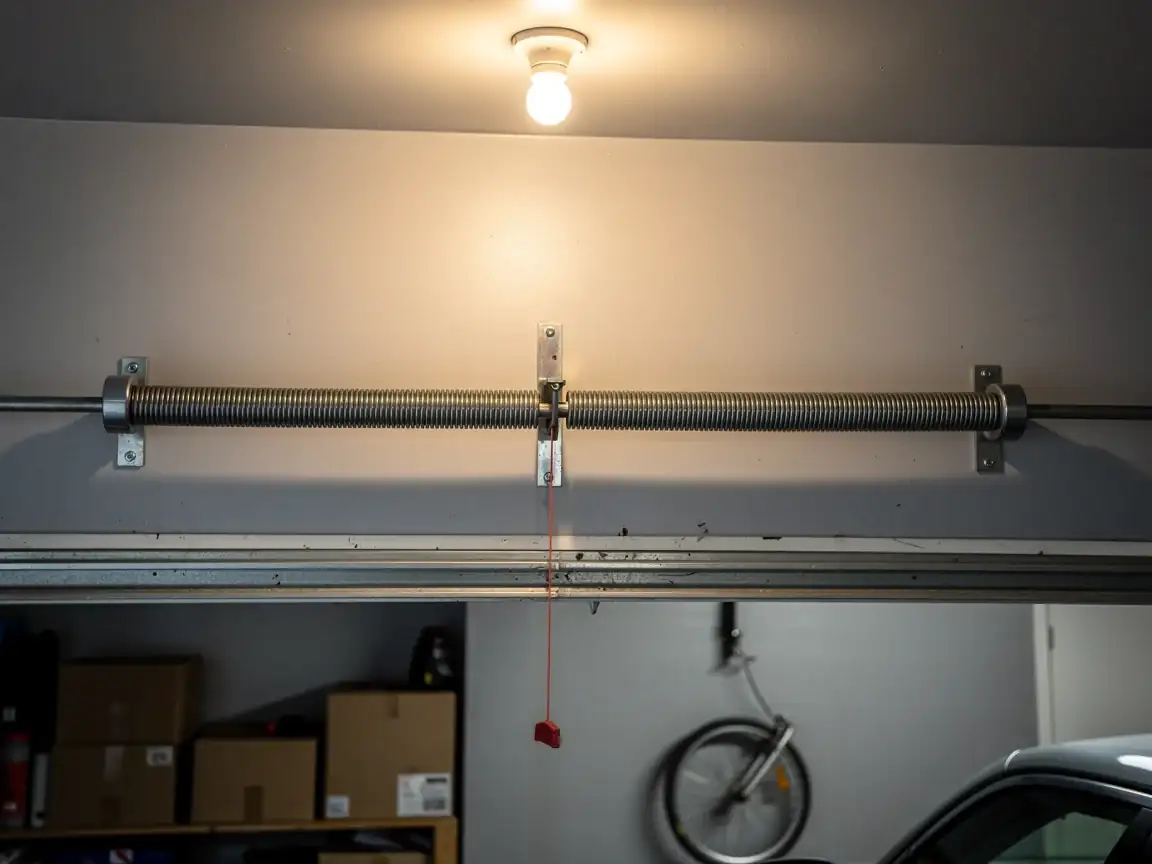
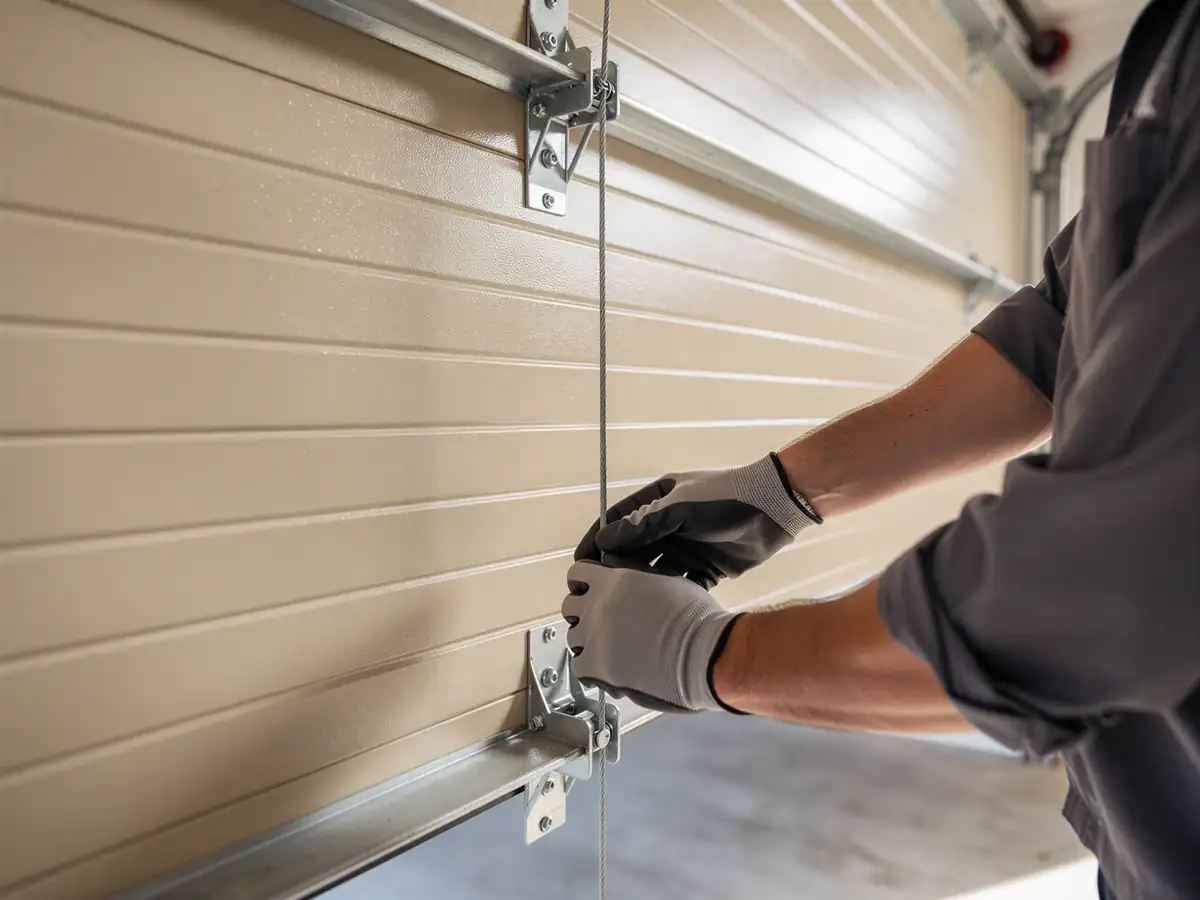
Roxborough Park sits at a median household income of $167,671, well above the $129,480 median across the rest of the service area, and that changes the math on a repair call before anyone picks up a wrench. At this income level, the question isn't whether you can afford a new opener or a full door swap - it's whether a $200 part job makes sense on a door that's barely 20 years old versus one that's pushing 50. Most houses here went up around 2001, which means the springs, tracks, and openers are still original builder-grade equipment, not the patched-together hardware you find on older stock. That's actually good news for DIY: a 20-year-old torsion spring is a known, bolt-pattern-standard part, not a mystery size from a defunct manufacturer. If your door is slamming the last foot of travel or the opener grinds without lifting, that's often a worn drum or a dying capacitor - both fixable without replacing the whole unit. Where we draw the line is anything involving the torsion spring itself under tension. That's not a savings move, that's an ER trip. We'll walk you through what's safe to touch on a call before we ever quote a visit.
What Is on the Truck
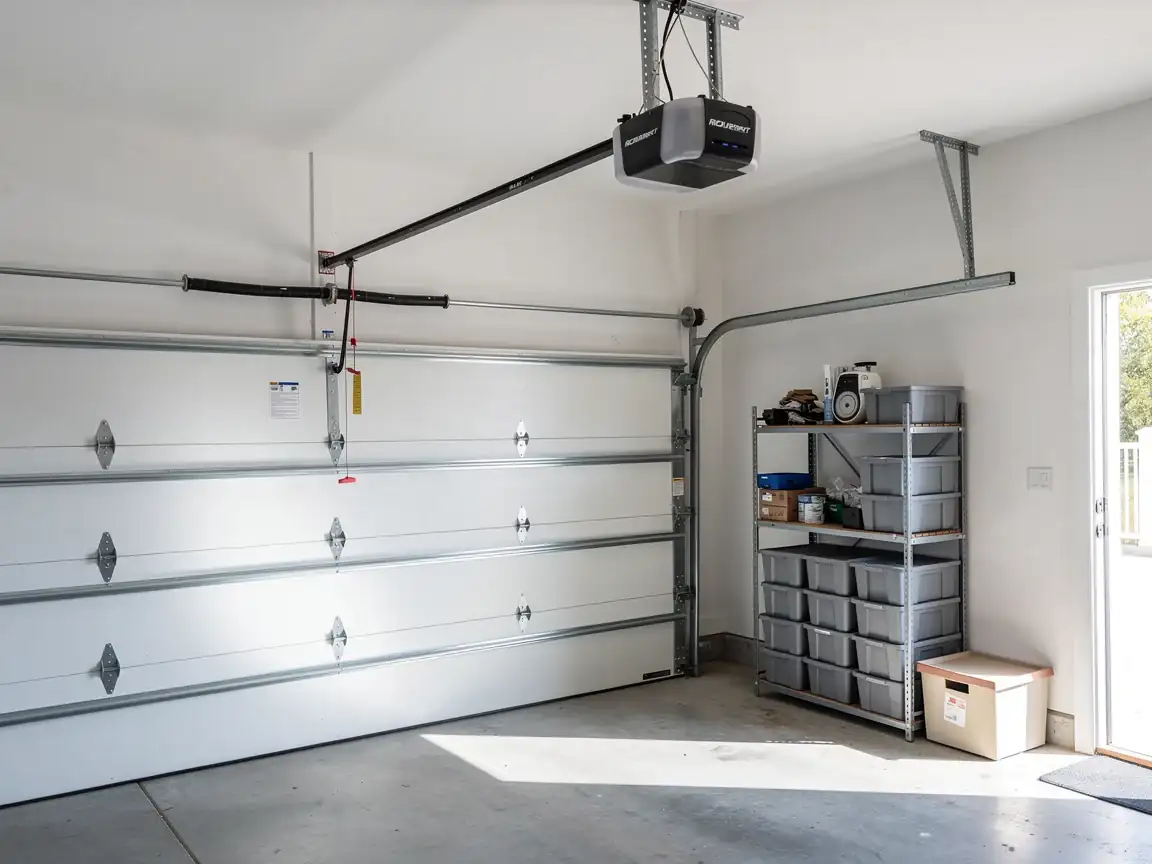
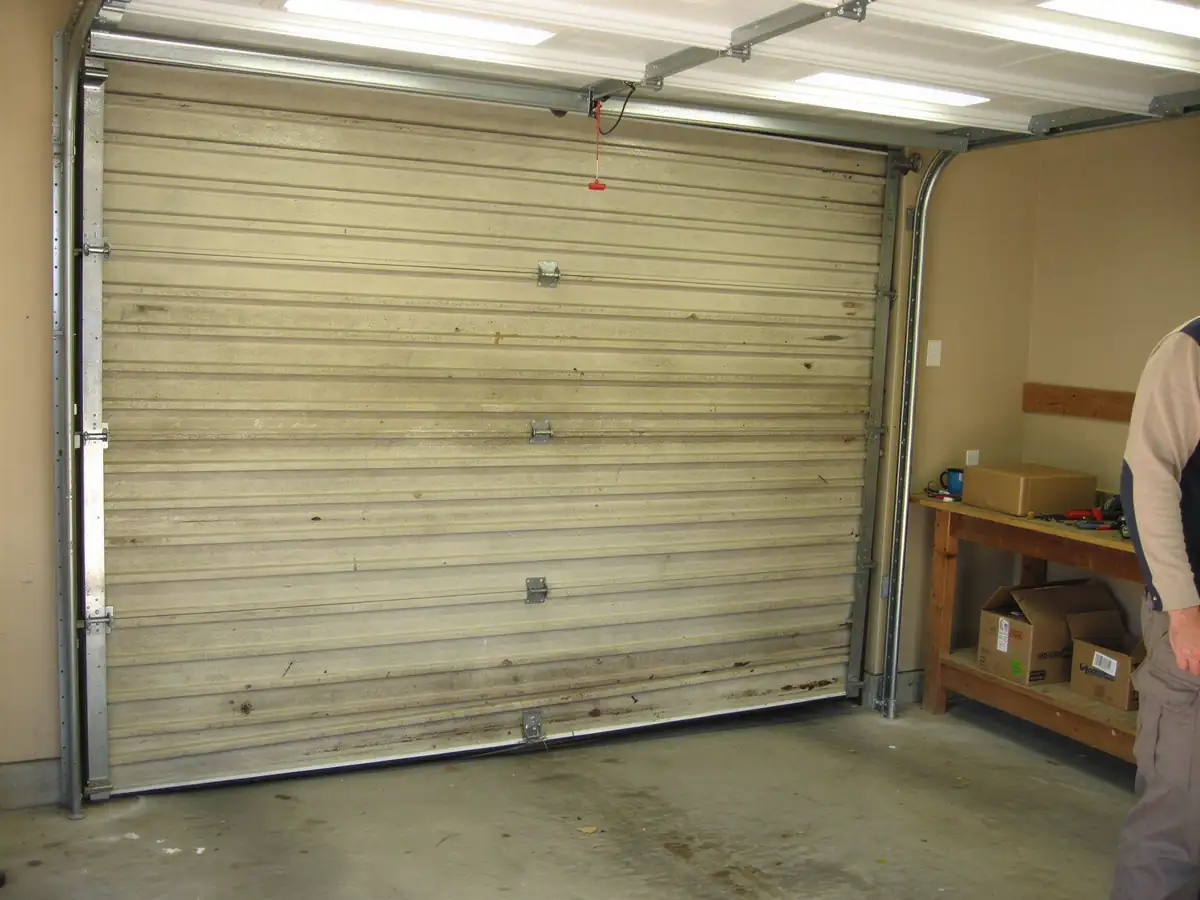
Because Roxborough Park's housing stock is newer than most of what we cover - median build year 2001 versus the 1979 median across the wider 31-area territory - the truck is set up for builder-grade torsion springs, steel-rolled tracks, and chain or belt-drive openers from the early 2000s, not the older extension-spring setups you find on 1960s and 70s stock elsewhere. We also carry cold-rated lubricant and weatherseal stock sized for this, given the area sits in a severe cold climate band - rubber bottom seals on a 20-year-old door are usually what's cracked, not the door itself. What we don't stock on the truck: specialty insulated panels for custom architectural doors. If your door is a non-standard size or a higher-end insulated model, that part gets ordered, and we'll tell you the lead time before we start, not after.
How Long You Are Without the Door
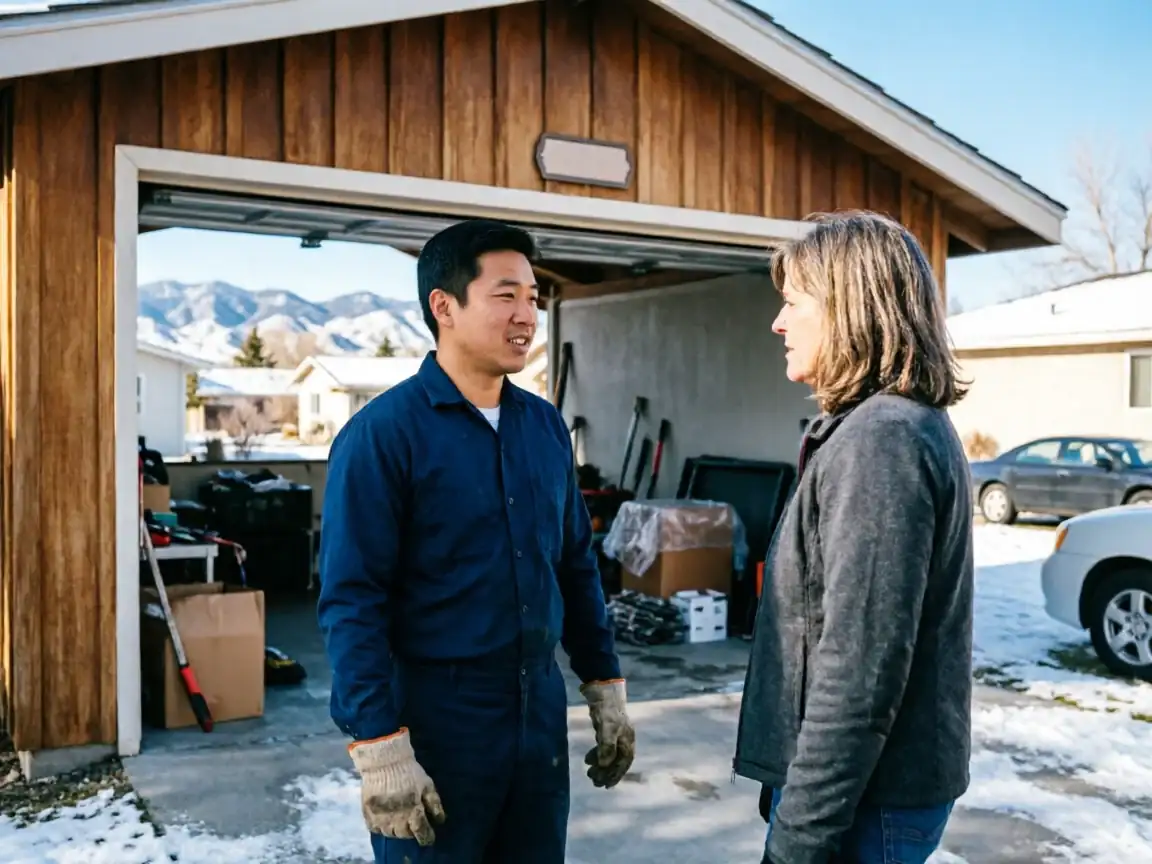
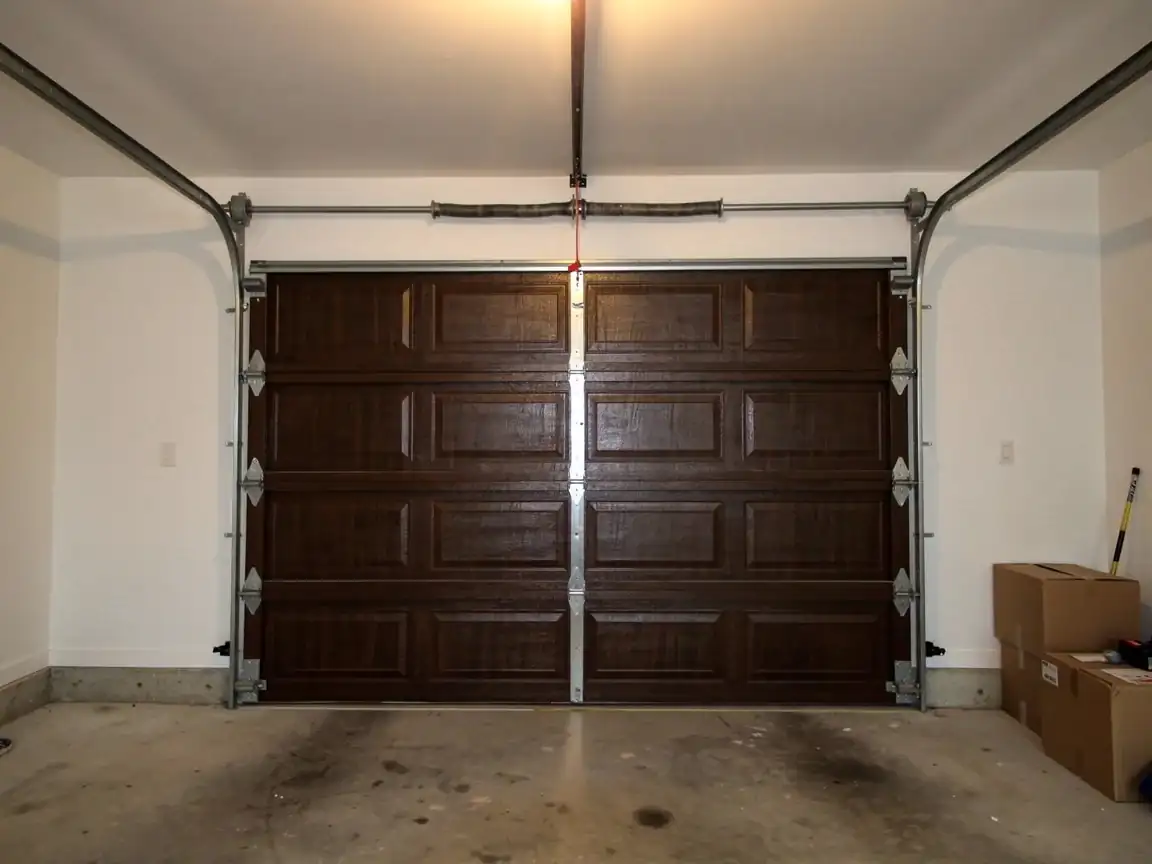
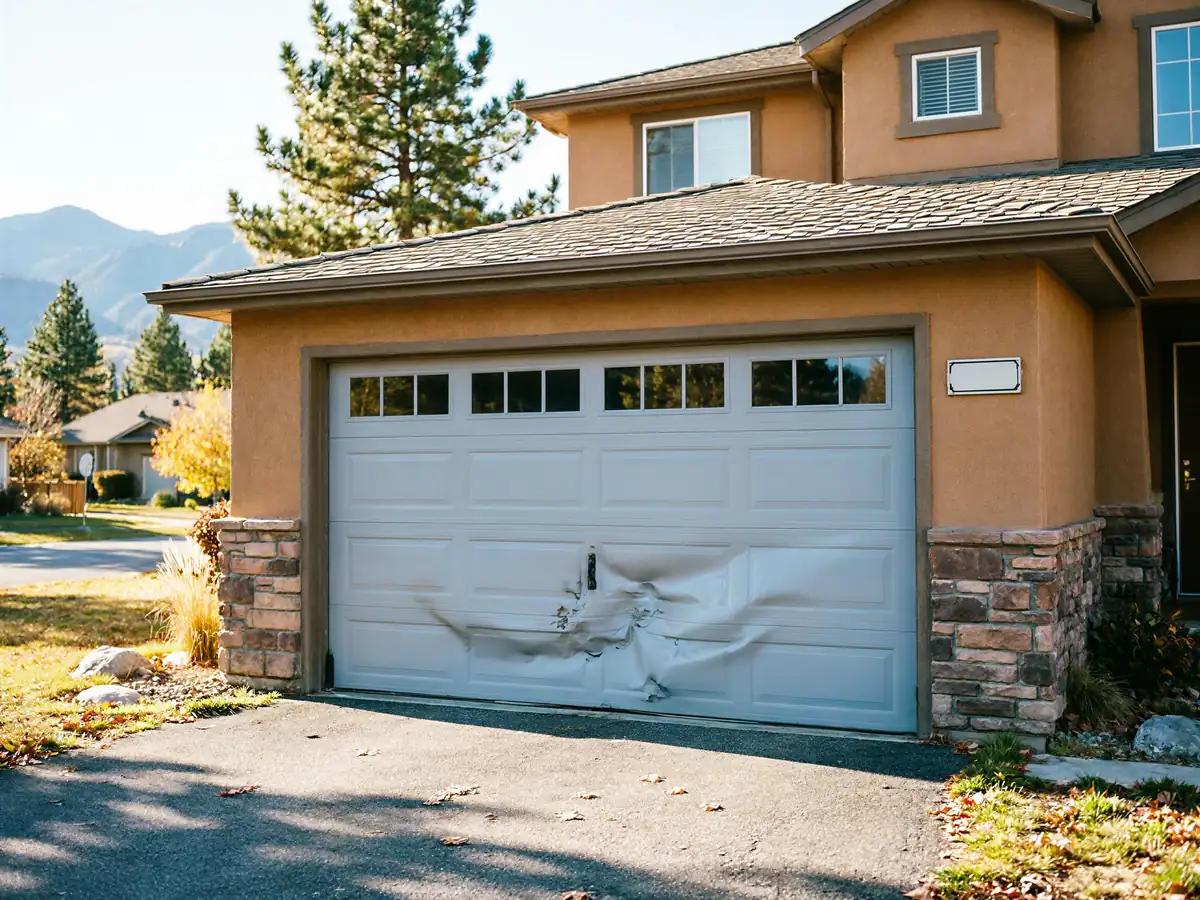
The truck comes out of Highlands Ranch, eight miles from Roxborough Park. We won't quote you a response time here because that number depends on where the truck already is when you call, not on the mileage alone. What we can tell you: most calls on 2001-era hardware are single-part fixes - a spring, a sensor, a drum cable - and those get resolved same-visit once the truck is on site, because the parts for that era of door are common stock, not special order. The exception is a custom or architectural door, where a replacement panel has to come from the manufacturer and that's a real wait, not a truck problem. If your opener is original to the house, it's over 20 years old now, and we'll tell you honestly if a new board is a stopgap versus a full opener swap being the smarter call.
The Symptom
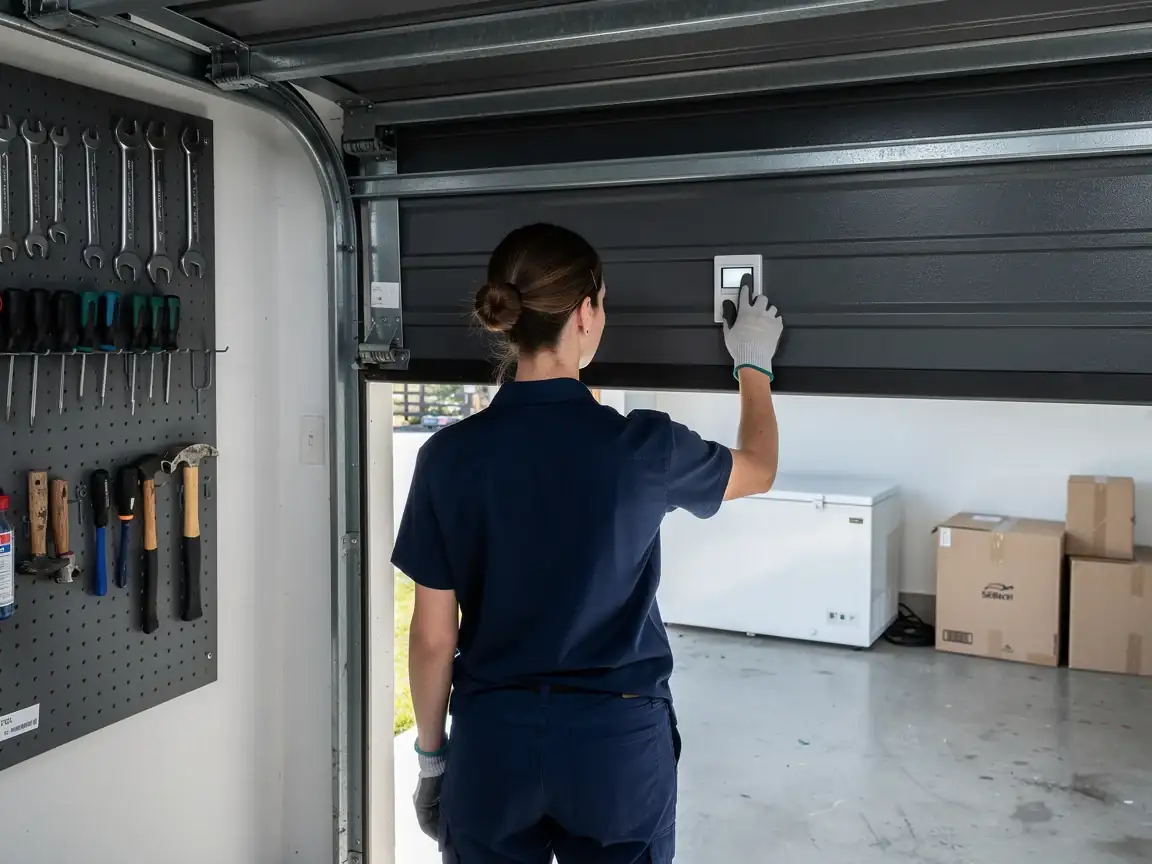
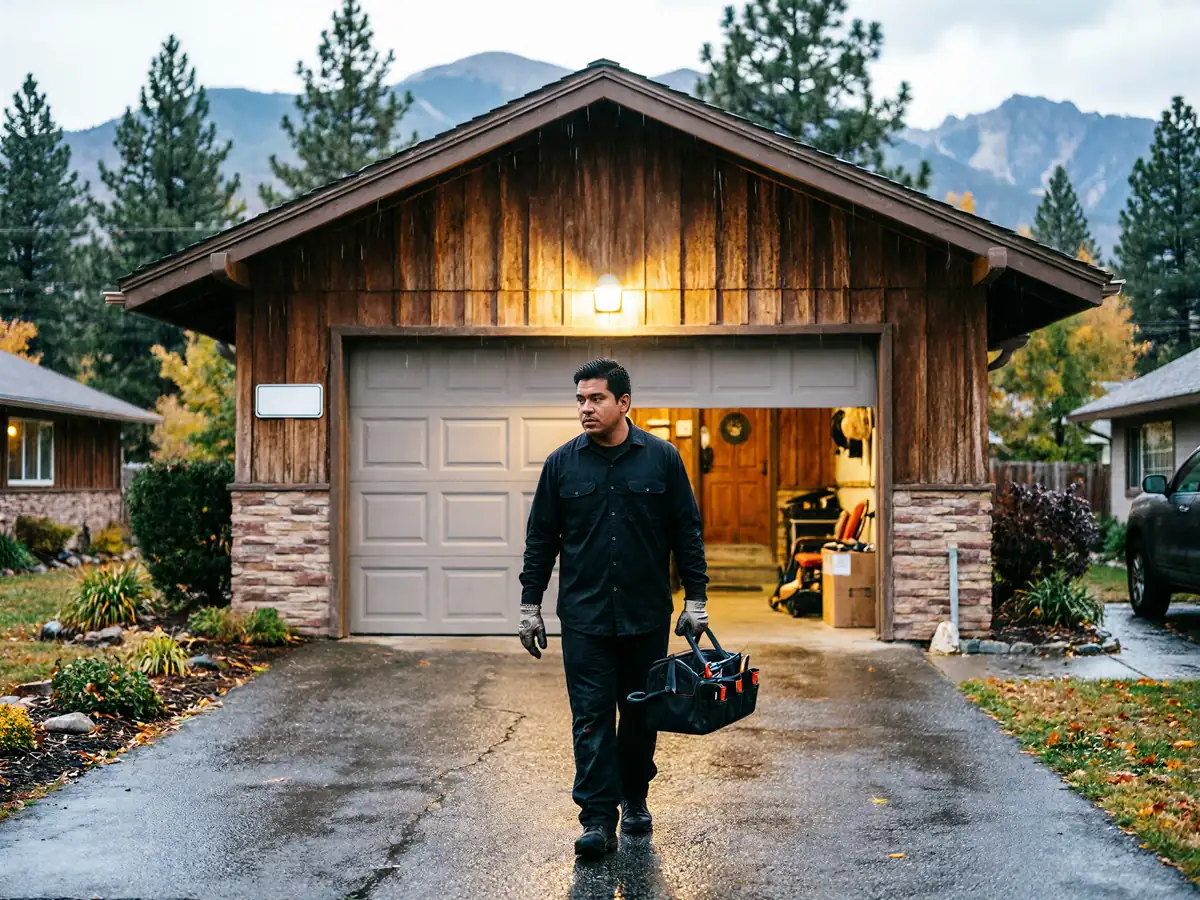
The fault we see most in this part of the service area is the opener losing its force setting - the door reverses before it closes, or it struggles on the way up and then stalls. On a house built around 2001, that's usually not the motor, it's the circuit board or the travel limit switches wearing out after two decades of Colorado temperature swings; cold-weather binding on the rollers makes the opener work harder than it should, and it starts tripping its own safety reversal. It reads like a broken door to most owners, but it's almost always an electrical fix, not a mechanical one. The other pattern we see on this era of build: cracked bottom seals letting in wind-driven snow, which then freezes the bottom panel to the slab overnight. That one's a $30 part, not a service call, but it fools a lot of people into thinking the door itself has failed.