Doing It Yourself
Roxborough Park is a small place - about 3,522 households, nothing like the sprawl of the bigger towns in this service area. That size matters for repair work: it's a tighter mix of houses, mostly built around the same stretch of years, so the openers and spring setups we see out here don't vary as wildly as they do in older, patchwork neighborhoods.
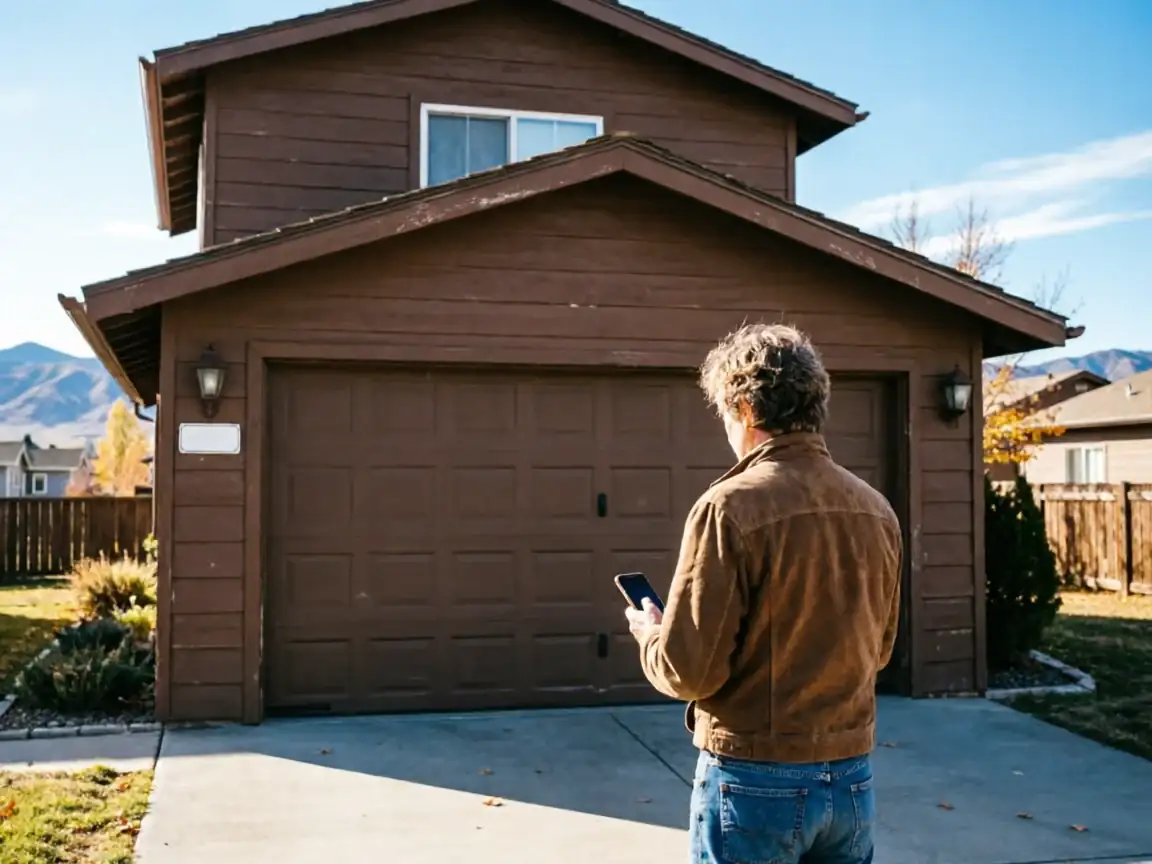
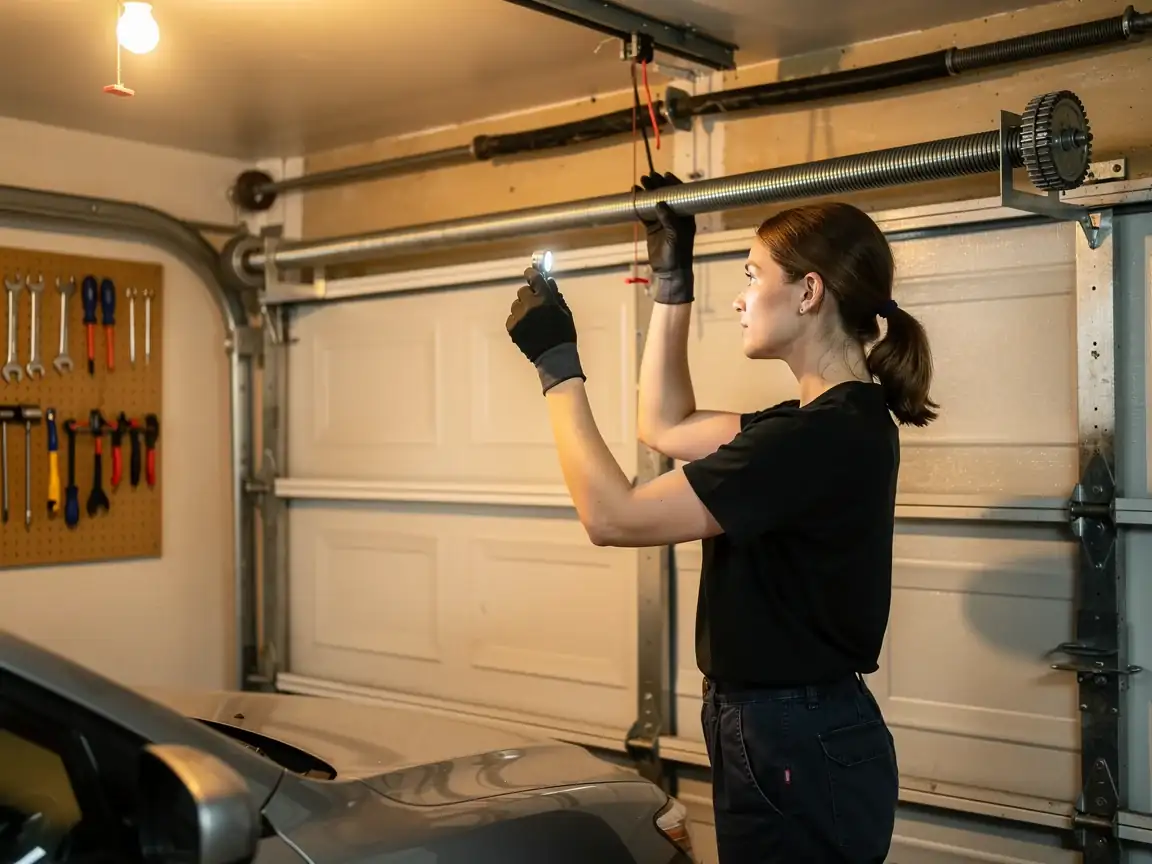
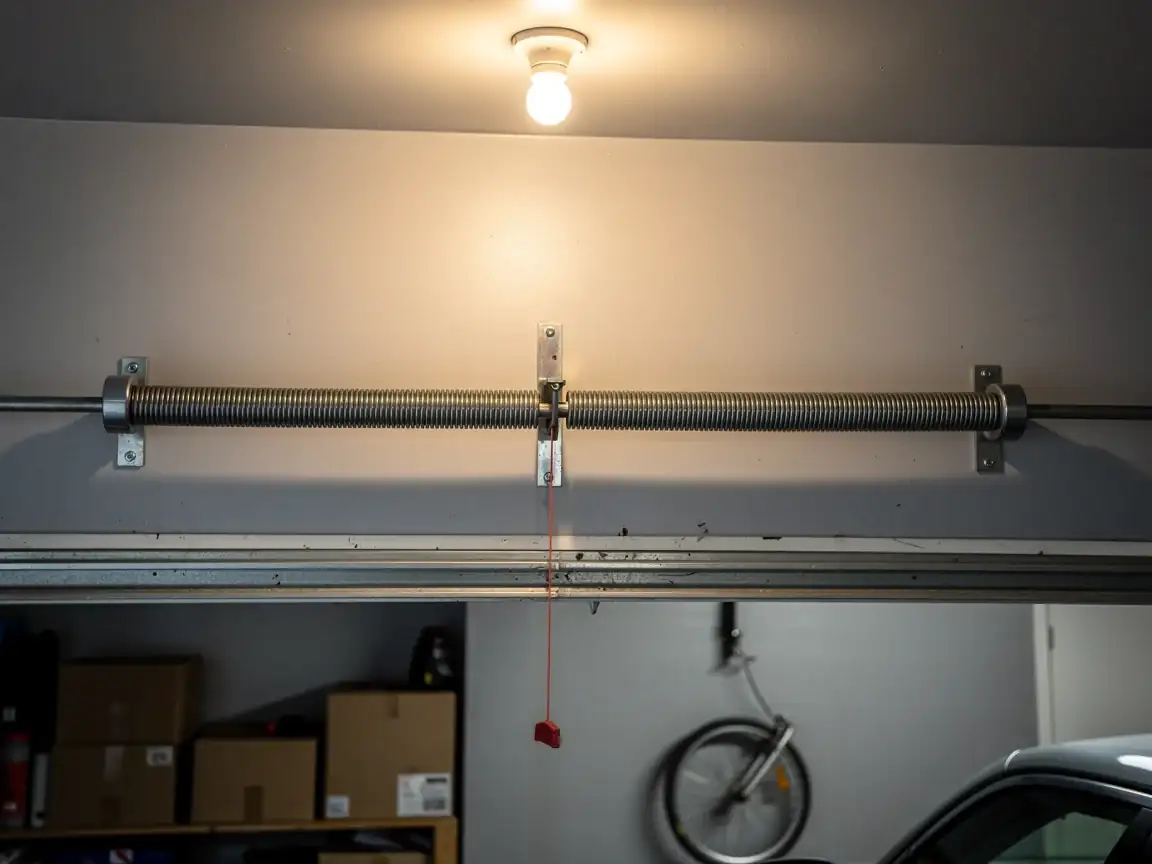
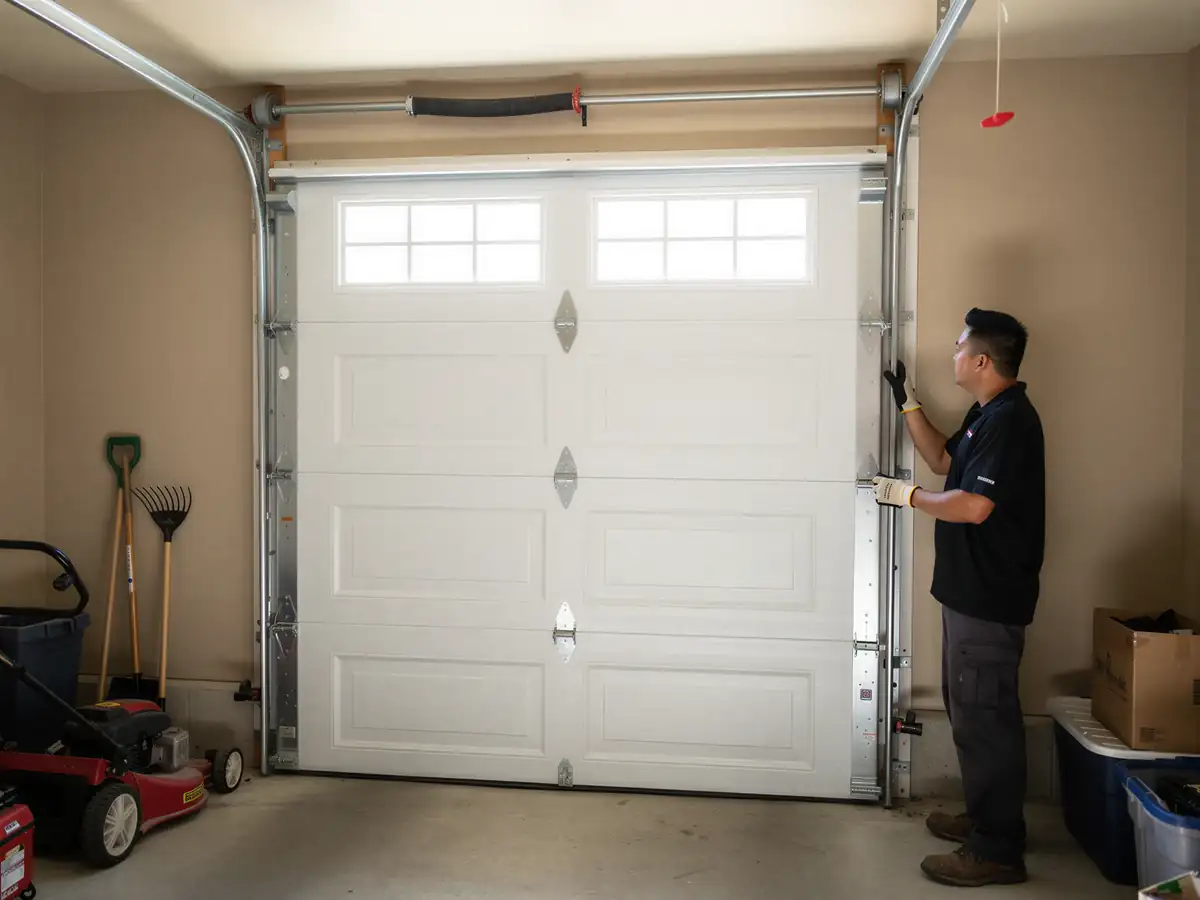
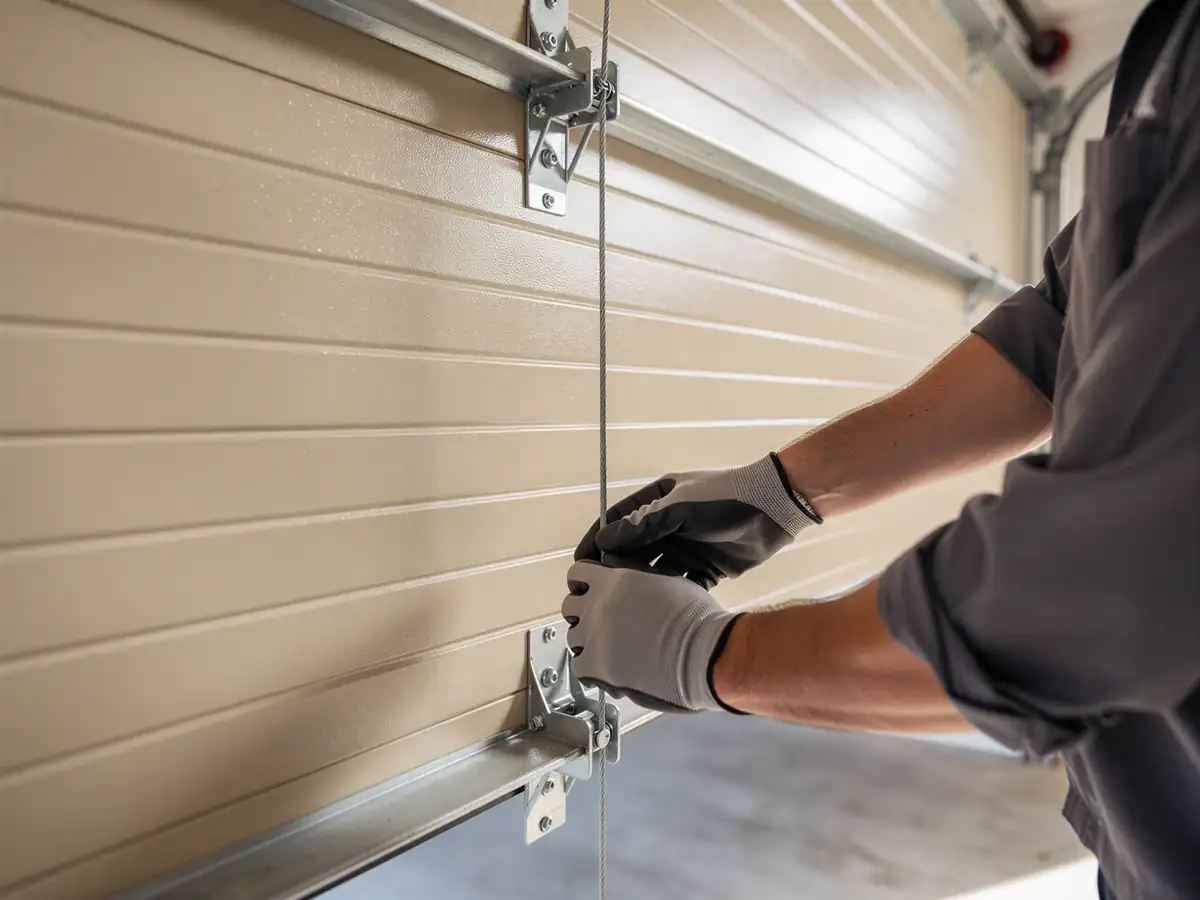
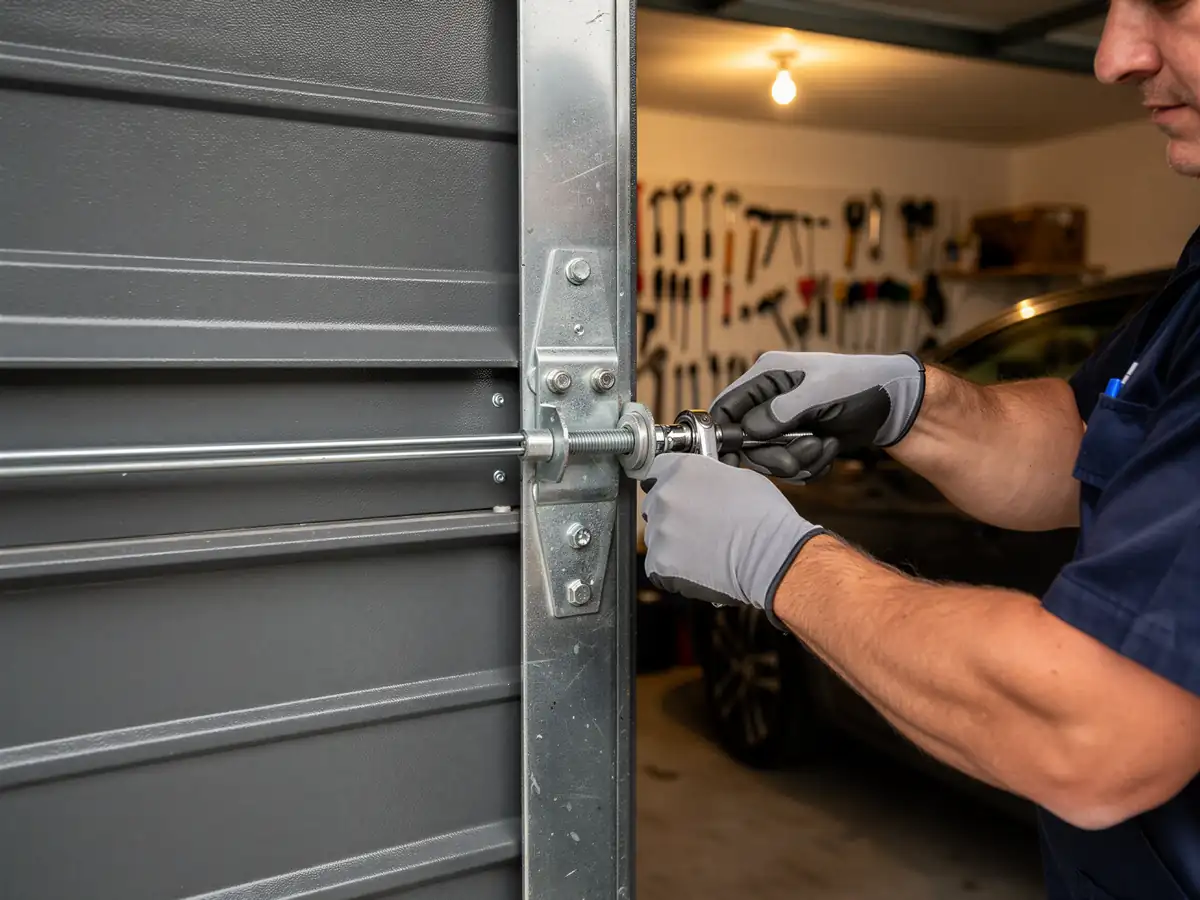
Most of what you can safely do yourself is limited. You can clear the photo-eye sensors if they're dirty or knocked out of alignment, tighten loose hardware on the track brackets, and lubricate rollers and hinges with the right garage-door grease, not WD-40. What you should not touch is the torsion spring. These doors run under real tension, and a spring that lets go while you're working on it can break fingers or worse. If the door is off-track, binding, or the opener is grinding and not moving the door, that's a call, not a weekend project.
What Is on the Truck
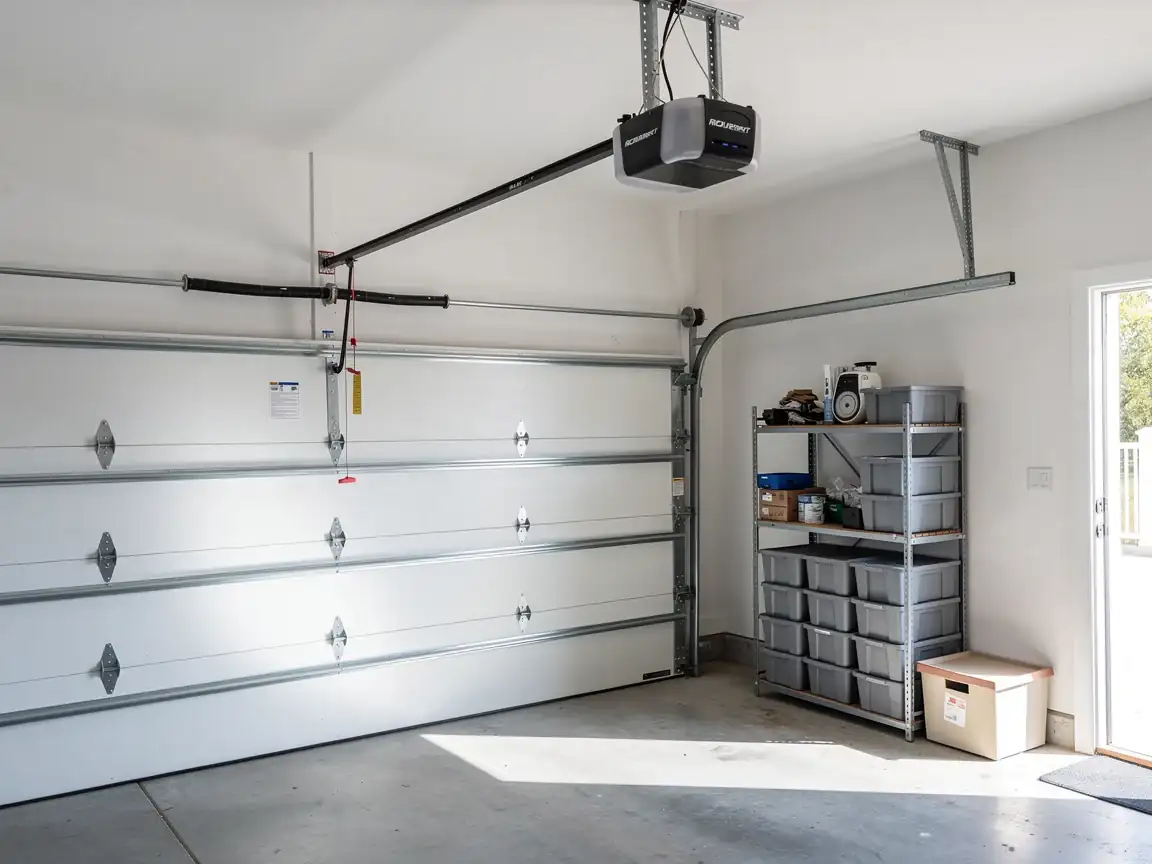
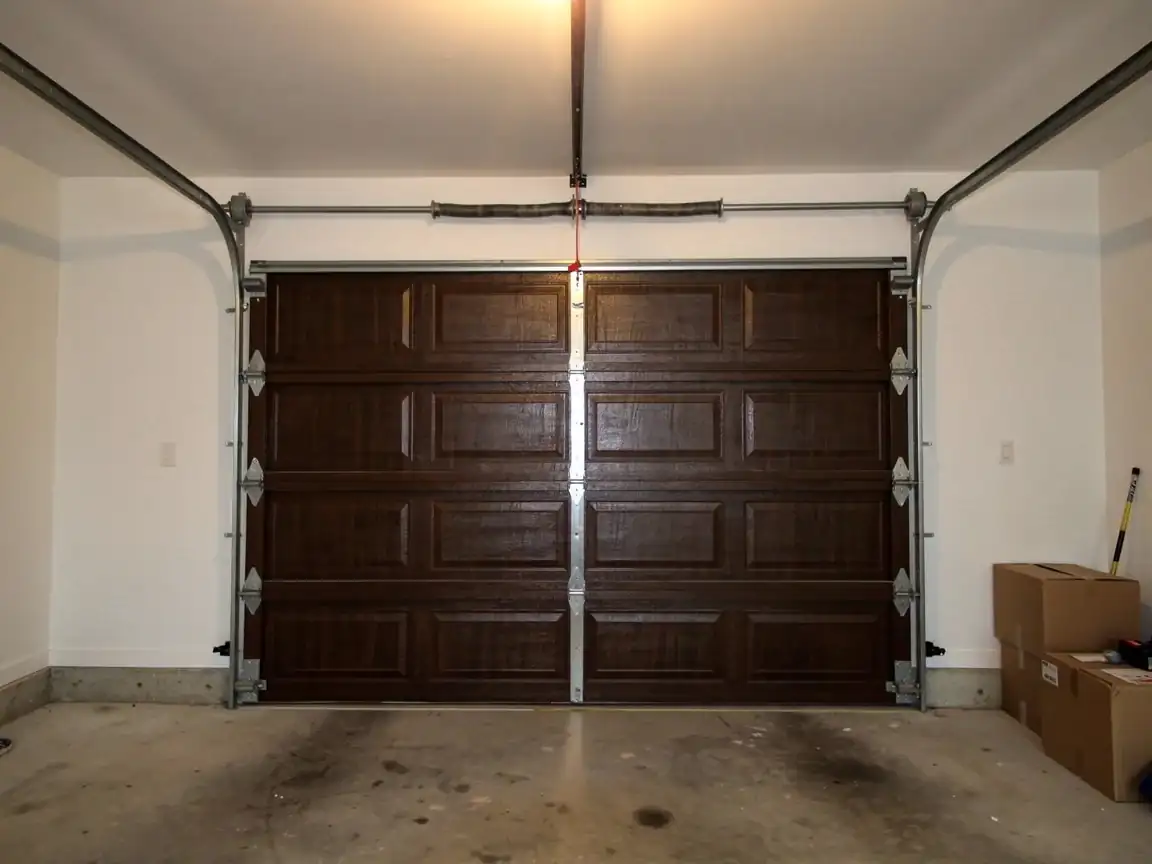
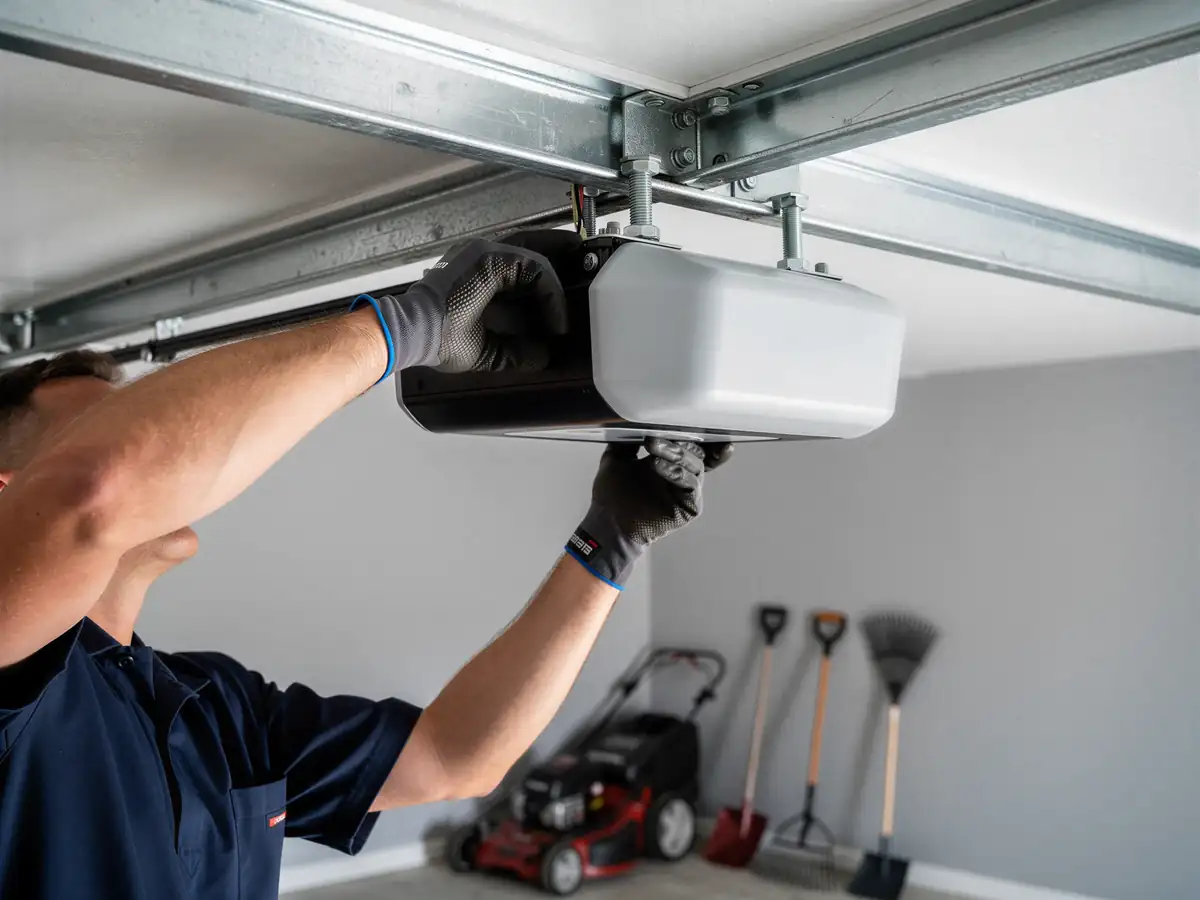
Roxborough Park's housing stock centers on 2001, which is newer than most of the 31 areas we cover out of Highlands Ranch - a lot of those run closer to a 1979 median build year. That difference shows up directly in what gets loaded for a job here: more modern opener logic boards and belt-drive parts, standard-lift torsion springs sized for newer sectional doors, and the steel rollers and cable gauges that match factory specs from the early 2000s rather than the older extension-spring setups you'd find in a house built in the 1960s.
We still carry the basics that don't change with the decade - cables, end bearings, hinges, weatherstrip, and a spring cart for on-site winding. But a 2001-era door usually means the opener has safety reversal sensors built to a tighter standard than the older units, and that's worth checking when a door won't close.
What You Pay
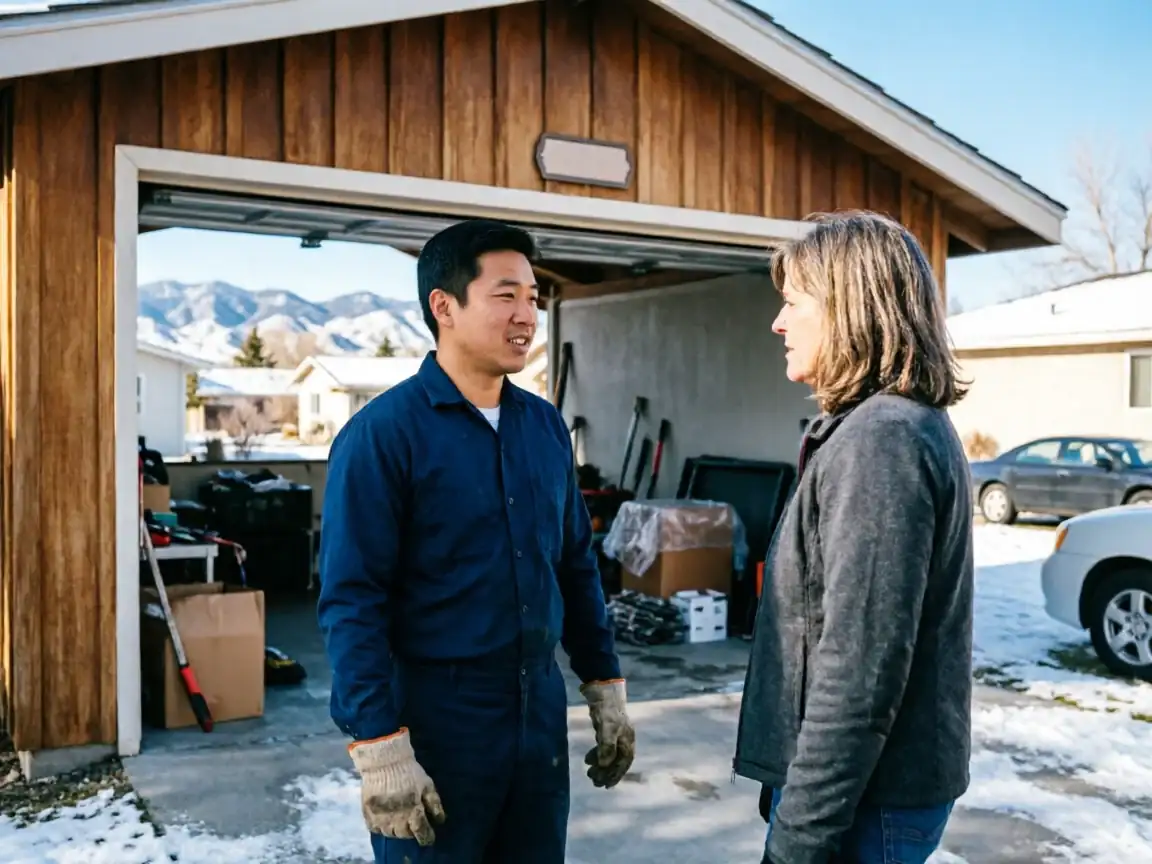
We don't post a flat rate for Roxborough Park because what a job costs depends on what's actually broken and which parts the door needs
Not on the drive out from Highlands Ranch. A broken spring on a standard double door costs less than one that needs a full cable and drum replacement because the cable snapped and let the door drop.
Household income here runs well above the service-area median
But that doesn't change what parts cost on the shelf. What it does mean is that most of the doors we work on are in decent shape mechanically - fewer of the patched-together, decades-old repairs you'd find on older housing stock, more straightforward spring and opener swaps. We'll tell you the price before anything gets touched, and if a repair doesn't make sense against replacing the door, we'll say so instead of running up the bill.
How Long You Are Without the Door
A broken torsion spring or a dead opener board doesn't wait for good weather, and Roxborough Park sits in the same severe cold climate band as the rest of the area we serve. A door stuck open in winter isn't just inconvenient - it's a heated garage losing its heat and pipes at risk if the attached space runs plumbing.
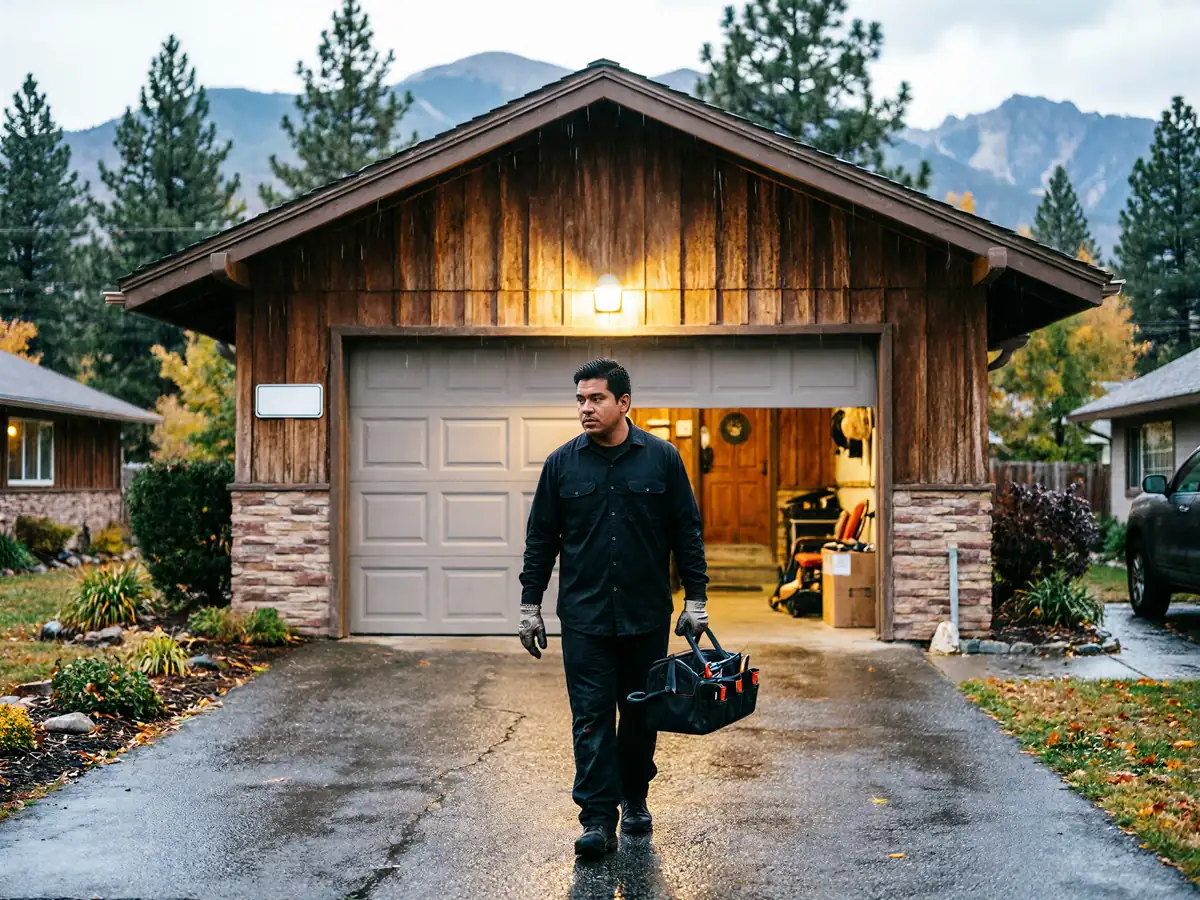
Most single-issue repairs - a spring, a cable, a sensor, a logic board swap - get the door back down and locked the same visit once we're on-site with the right part. Jobs that need a part we don't carry on the truck, which happens more with specialty panel sizes or an opener model that's been discontinued, take longer because we have to source it. We'd rather tell you that up front than promise a door closes today when it might not.
The Symptom
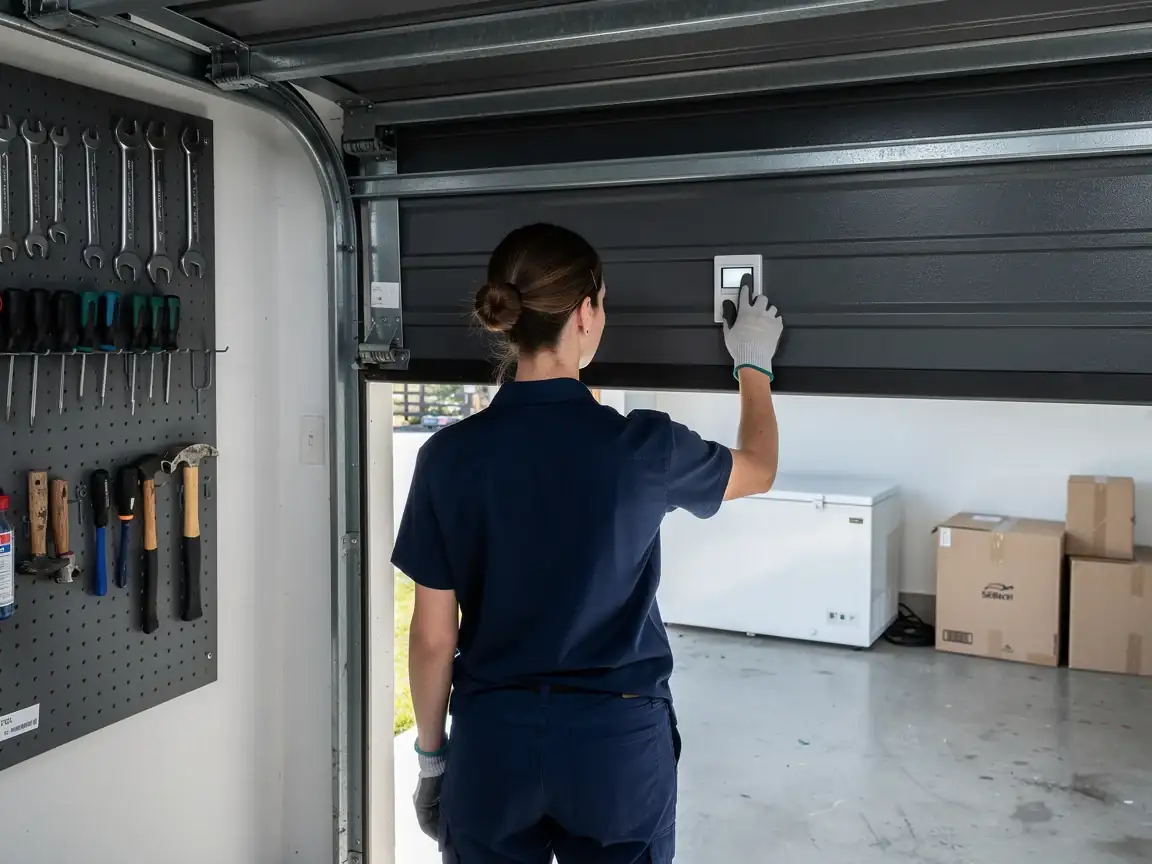
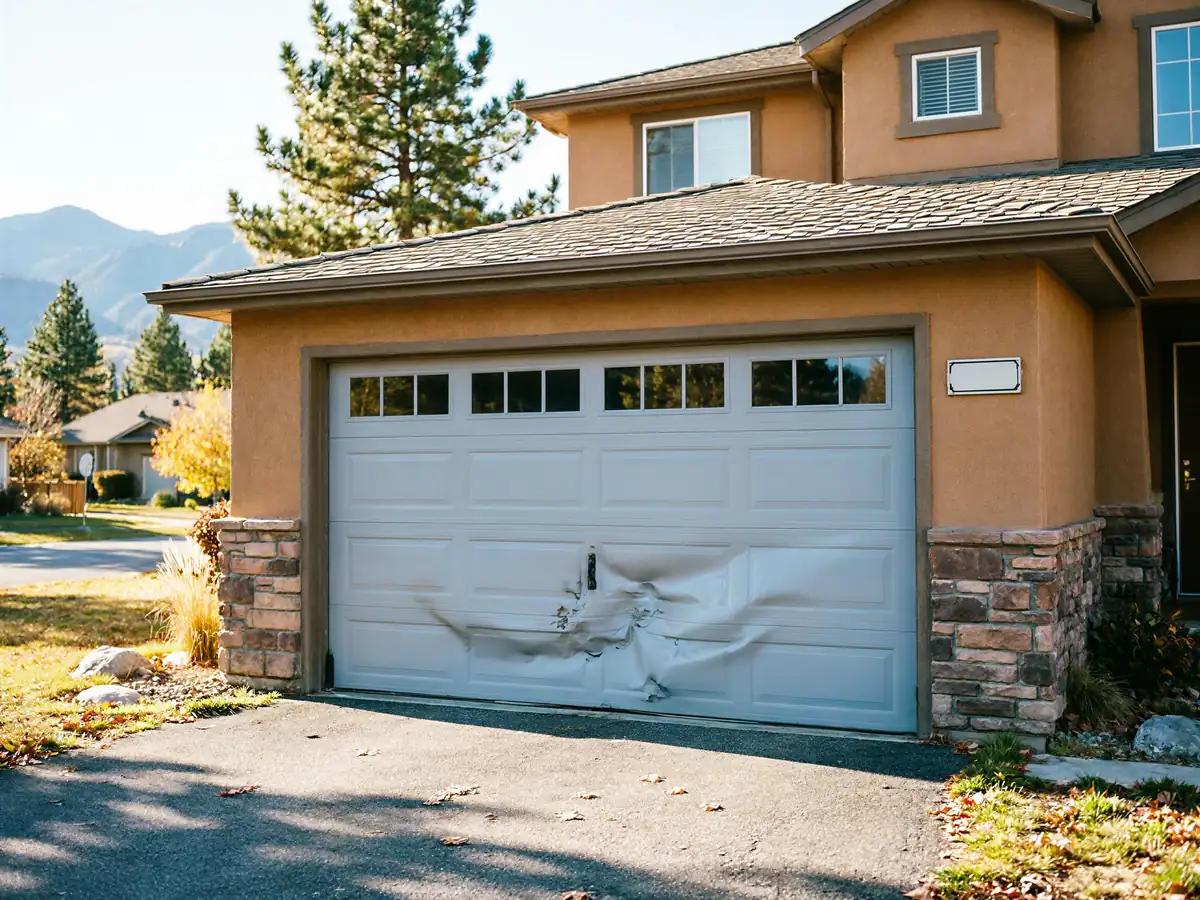
The door that won't close all the way, or closes and bounces back up, is one of the most common calls from newer housing stock like Roxborough Park's. On a 2001-era door, that's usually the photo-eye sensors - one knocked slightly out of alignment, or a lens fogged with condensation from the cold. It can also be a down-limit setting on the opener that's drifted, which shows up more on belt-drive openers than the old chain units.
The other common one: the door opens fine but groans or shudders partway, especially on cold mornings. That's usually a spring that's lost tension gradually rather than snapped outright - still working, but not for much longer. Left alone, it eventually breaks under load, often while someone's standing underneath it closing the door by hand.