Why It Happens Here
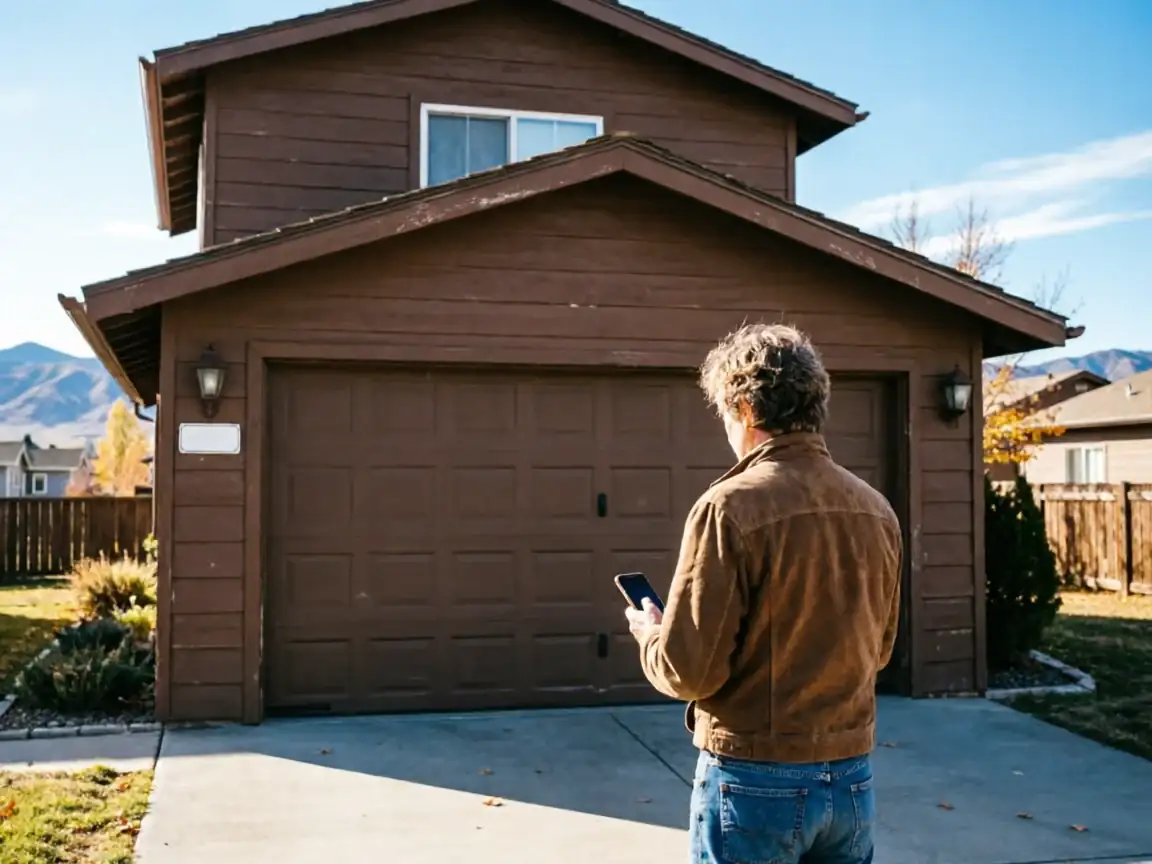
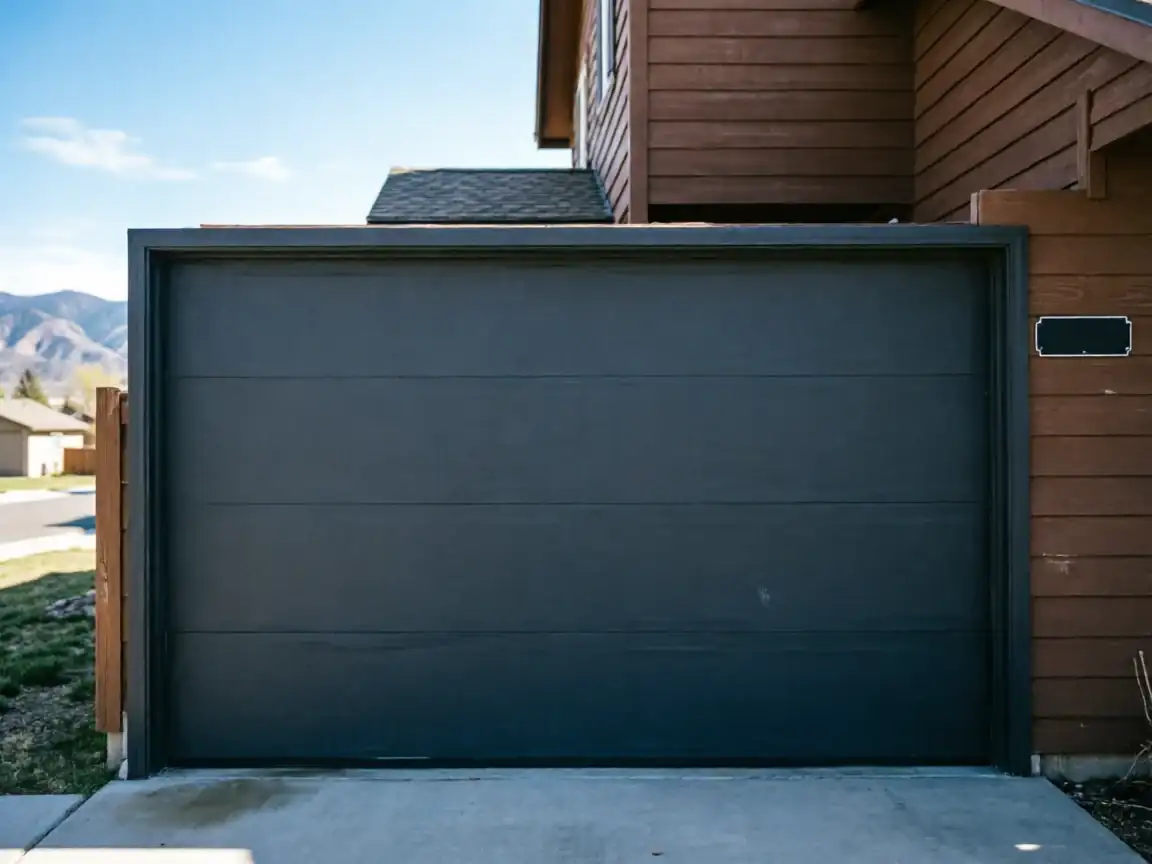
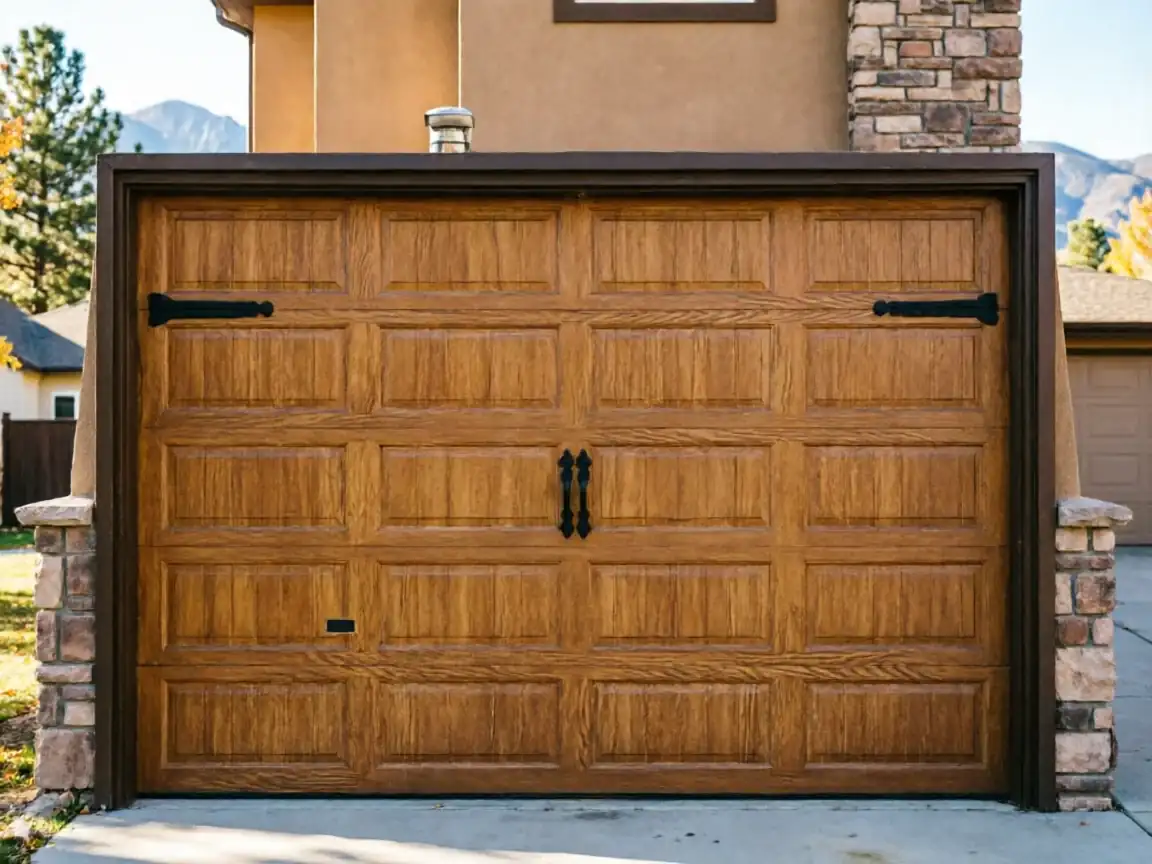
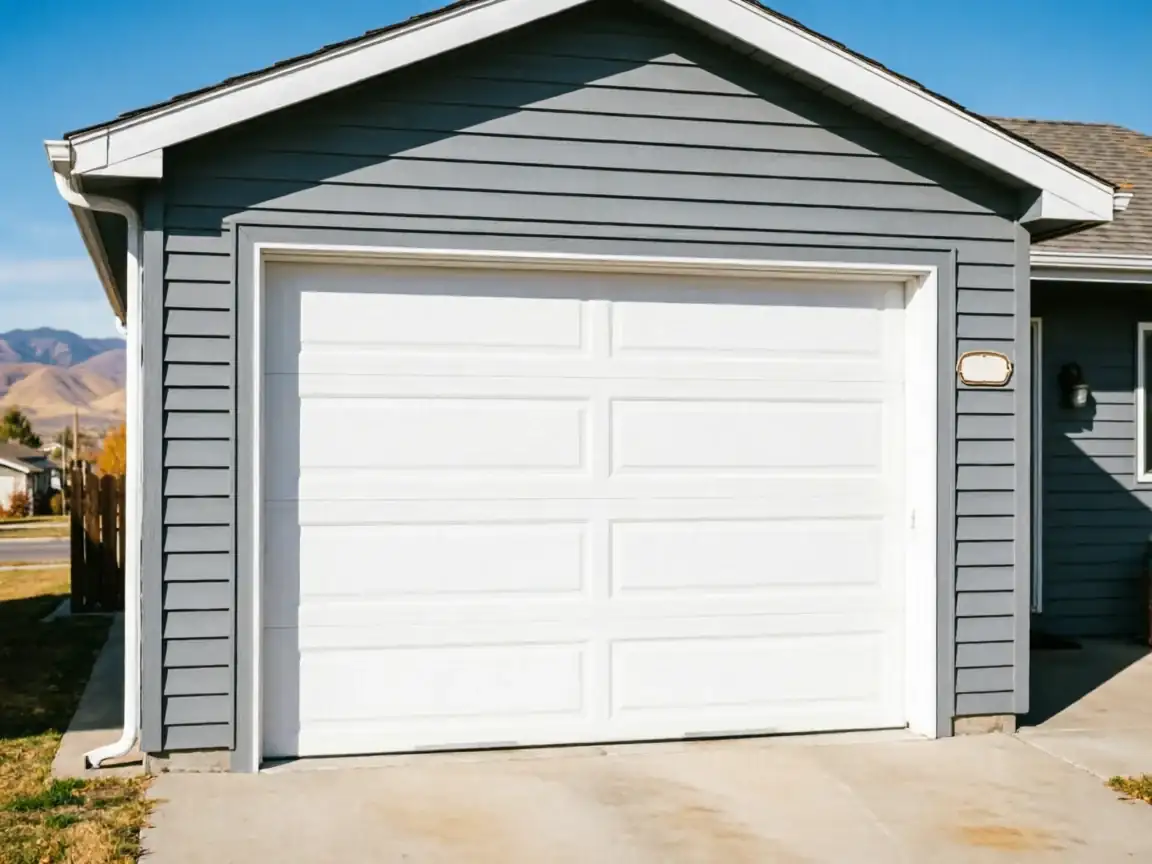
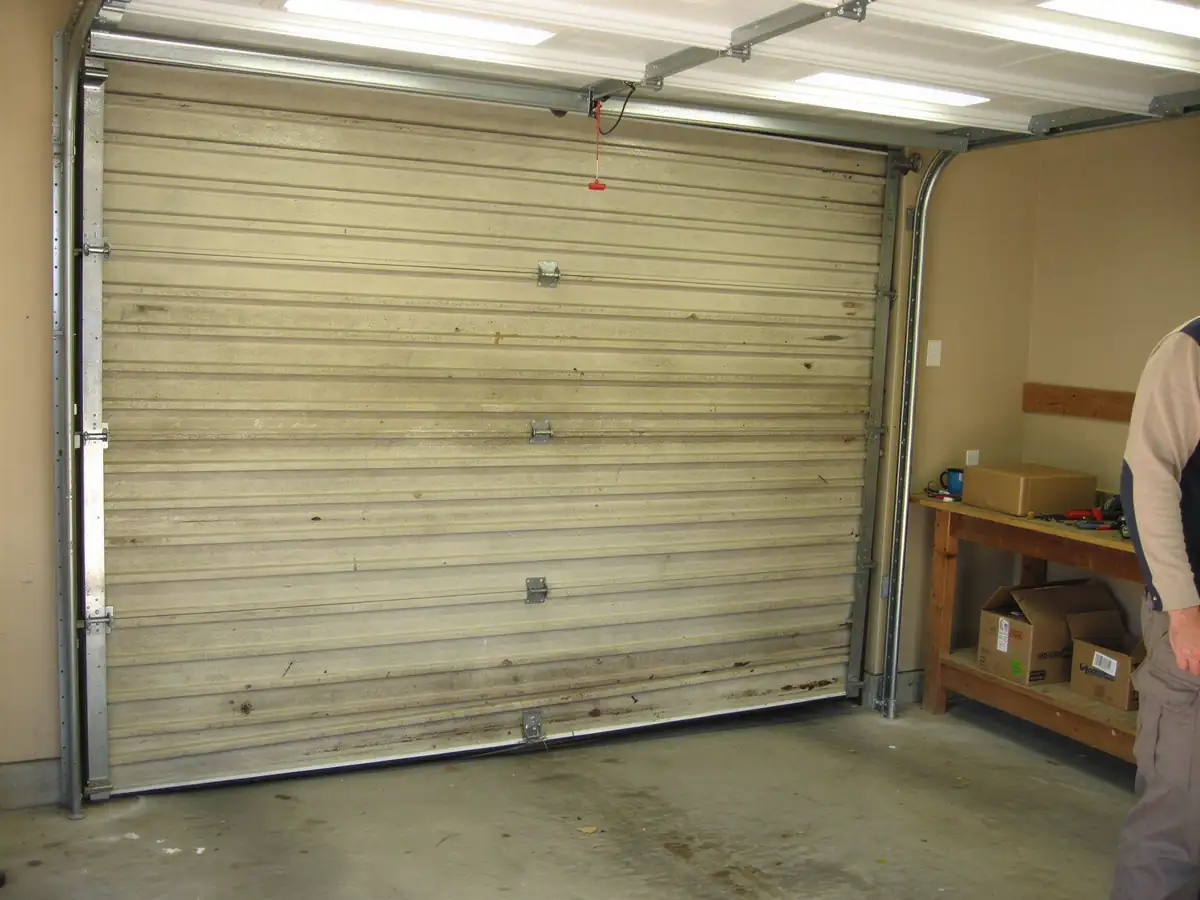
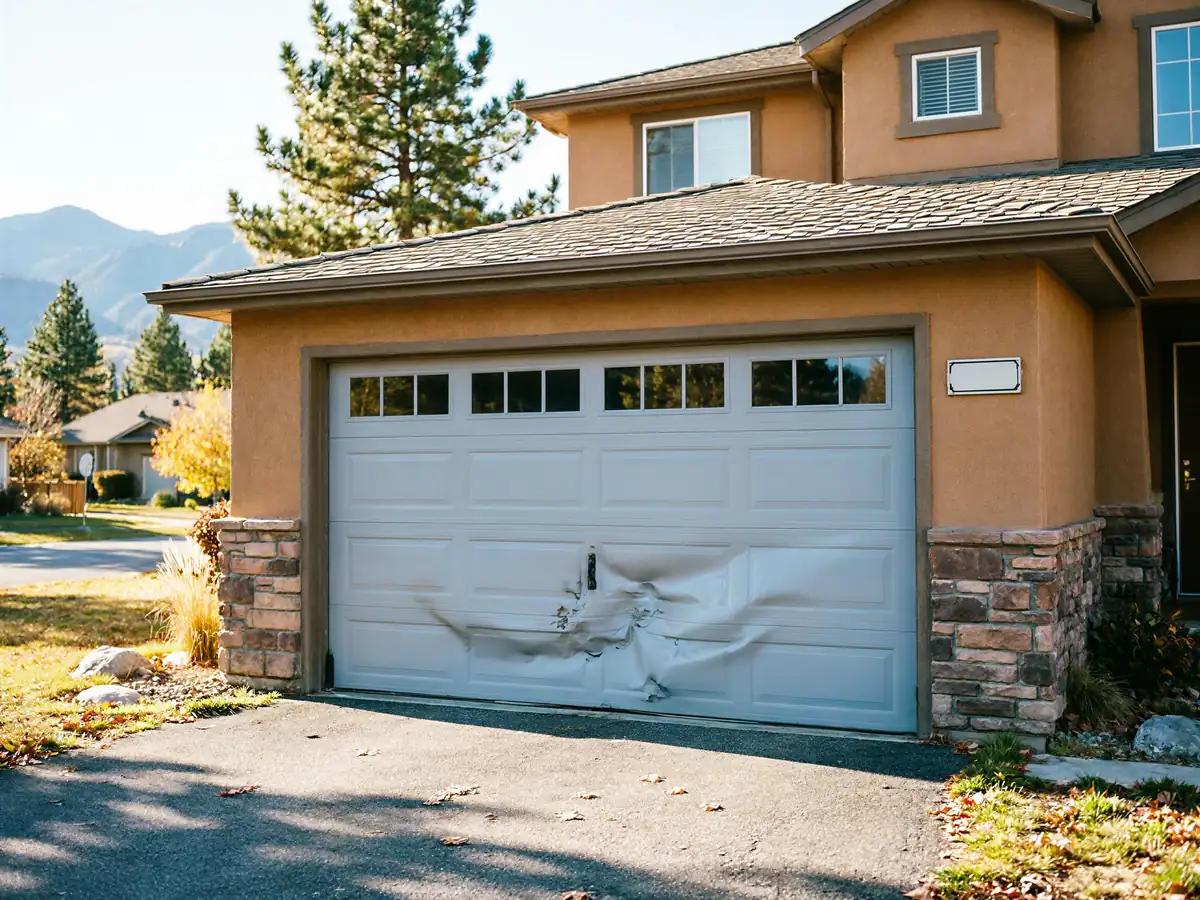
Ken Caryl's subdivisions mostly filled in around 1987, which puts the garage doors on most of these houses at an age where steel panels have taken thirty-plus winters of expansion and contraction. That's long enough for the galvanized coating to thin at the seams and for a hard knock from a bumper or a wind-driven gate to put a crease straight through a panel instead of just denting it. The service area sits in a cold, severe climate band, and repeated freeze-thaw cycling is what turns a small dent into a crack along the panel's bottom edge over a few seasons. We see this pattern a lot in neighborhoods built in that late-1980s window - the original panel steel is thinner than what's sold today, so damage shows up as a tear rather than a bounce-back. One honest note: if more than one or two panels on a door are compromised, we'll usually tell you a full door replacement costs less over time than chasing discontinued panel matches section by section.
How Long You Are Without the Door
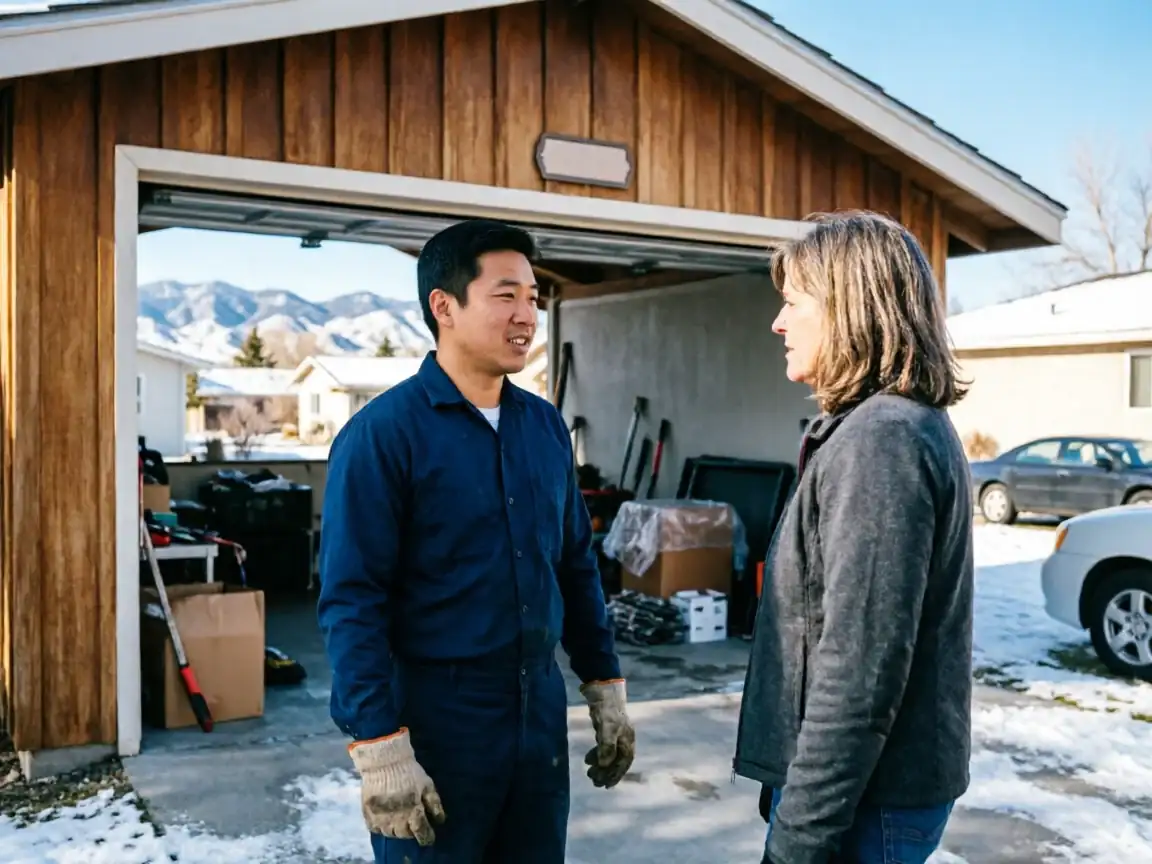
Ken Caryl is about eight miles from our Highlands Ranch yard, which is a longer haul than some of the closer suburbs we work in day to day. That distance doesn't change what the repair itself takes, but it does mean the visit gets scheduled as a dedicated trip rather than squeezed between calls down the street. If the panel on your door is a common size and color, we can often finish the swap in one visit once we're on site. If your door's panel profile dates back to the late 1980s build-out and the manufacturer no longer makes an exact match, we'll need to order it first, and that part of the job runs on the supplier's timeline, not ours. We'll tell you up front which situation you're in before anyone climbs a ladder.
What the Fix Involves
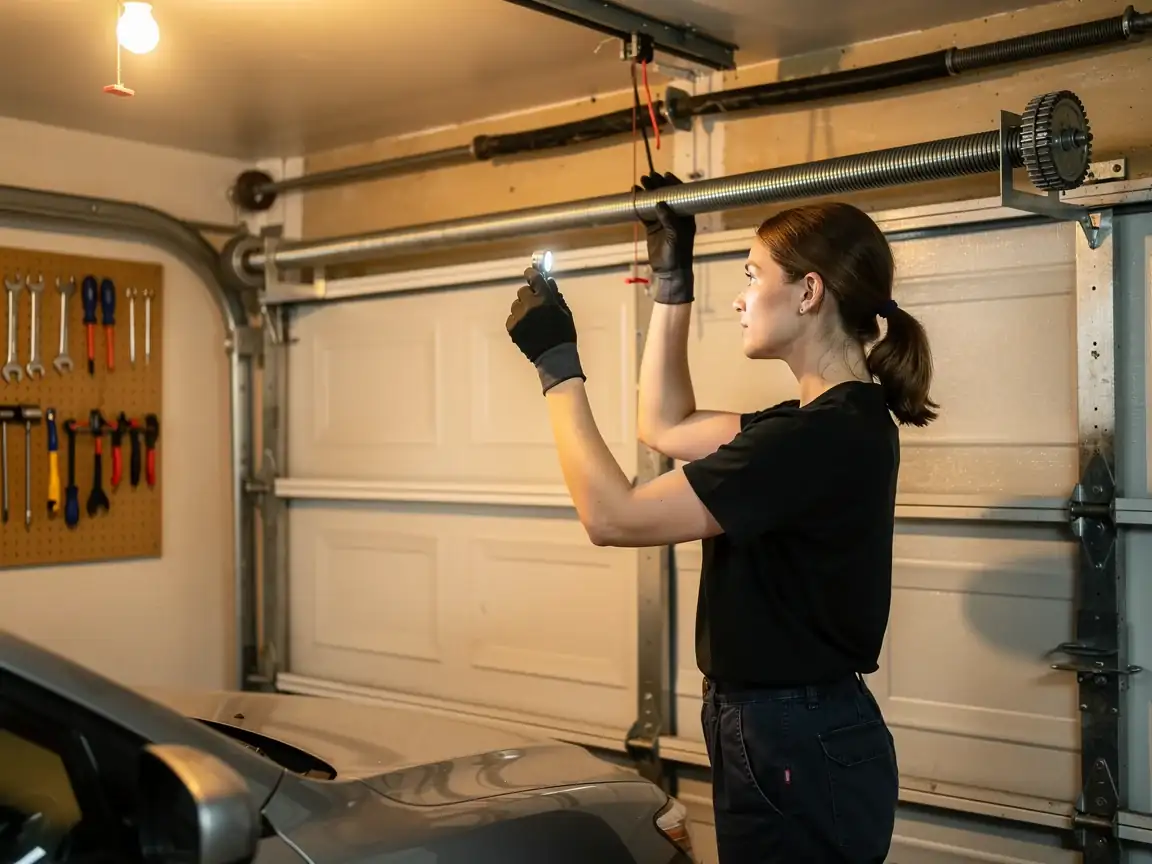
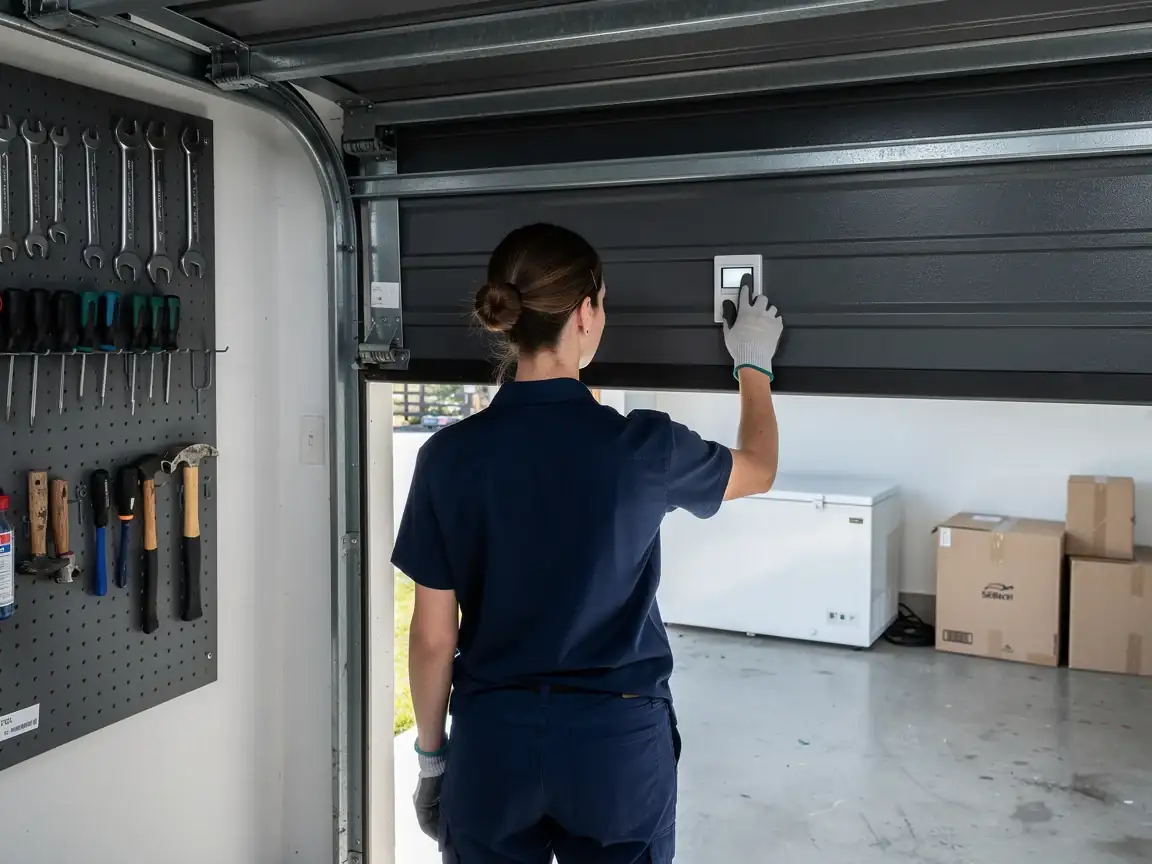
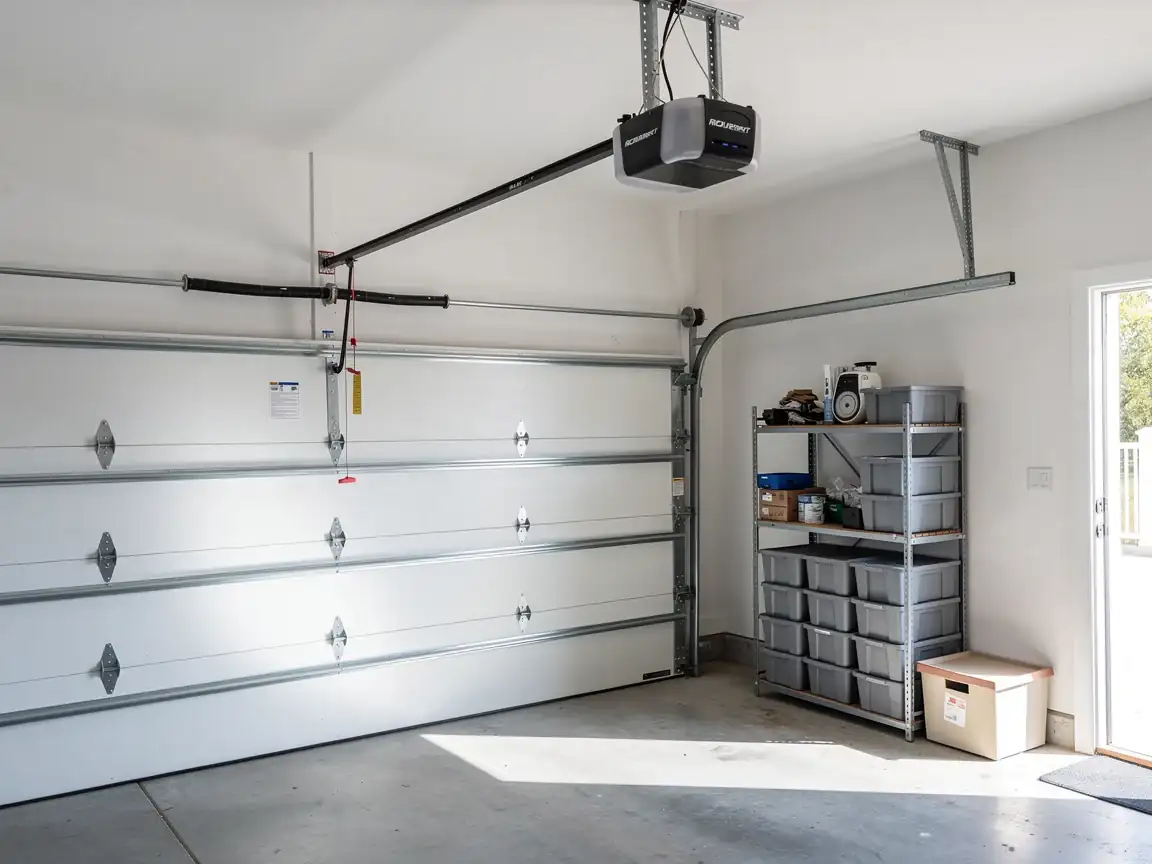
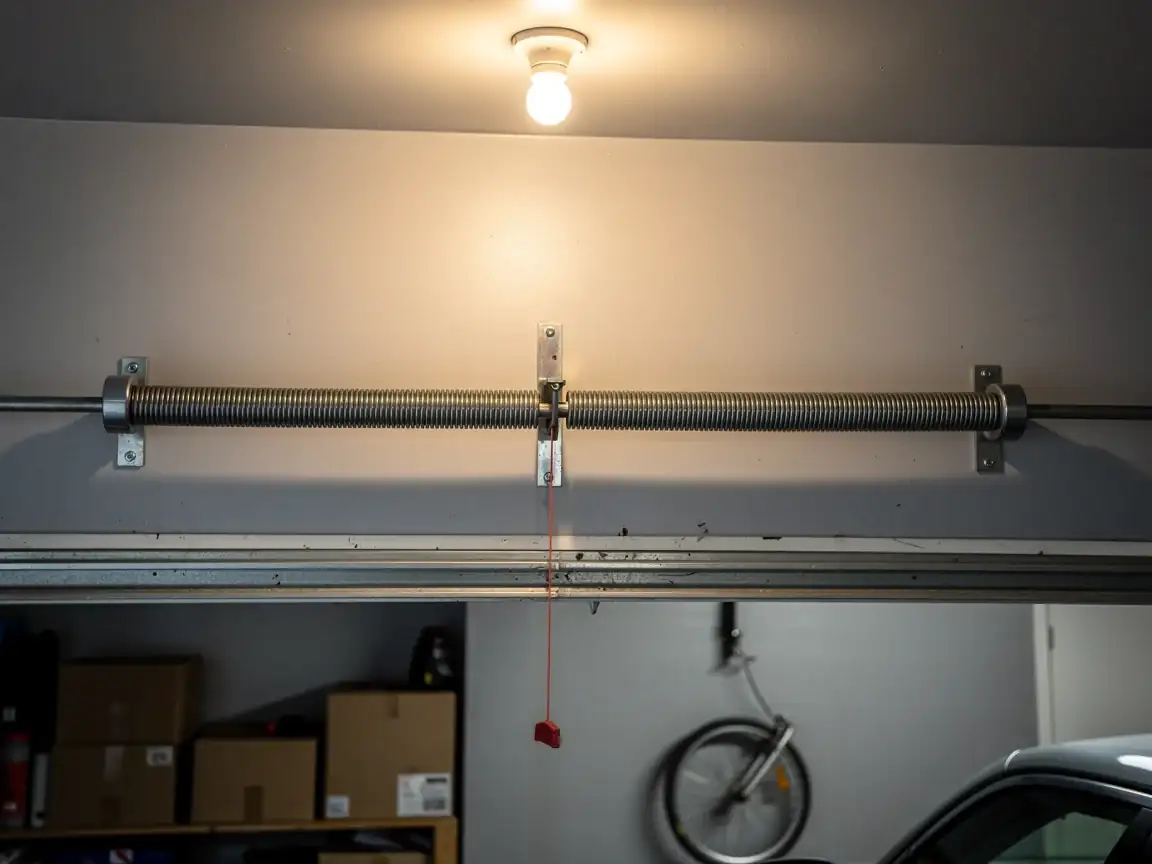
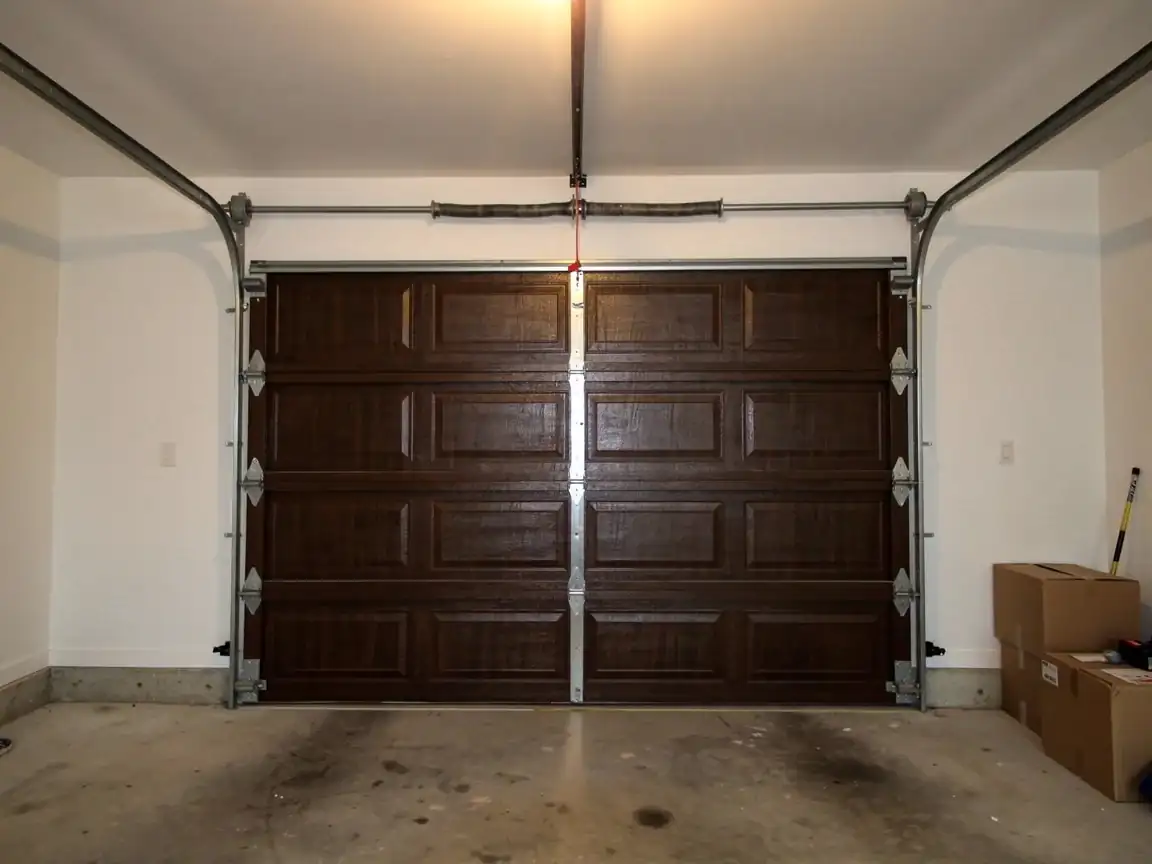
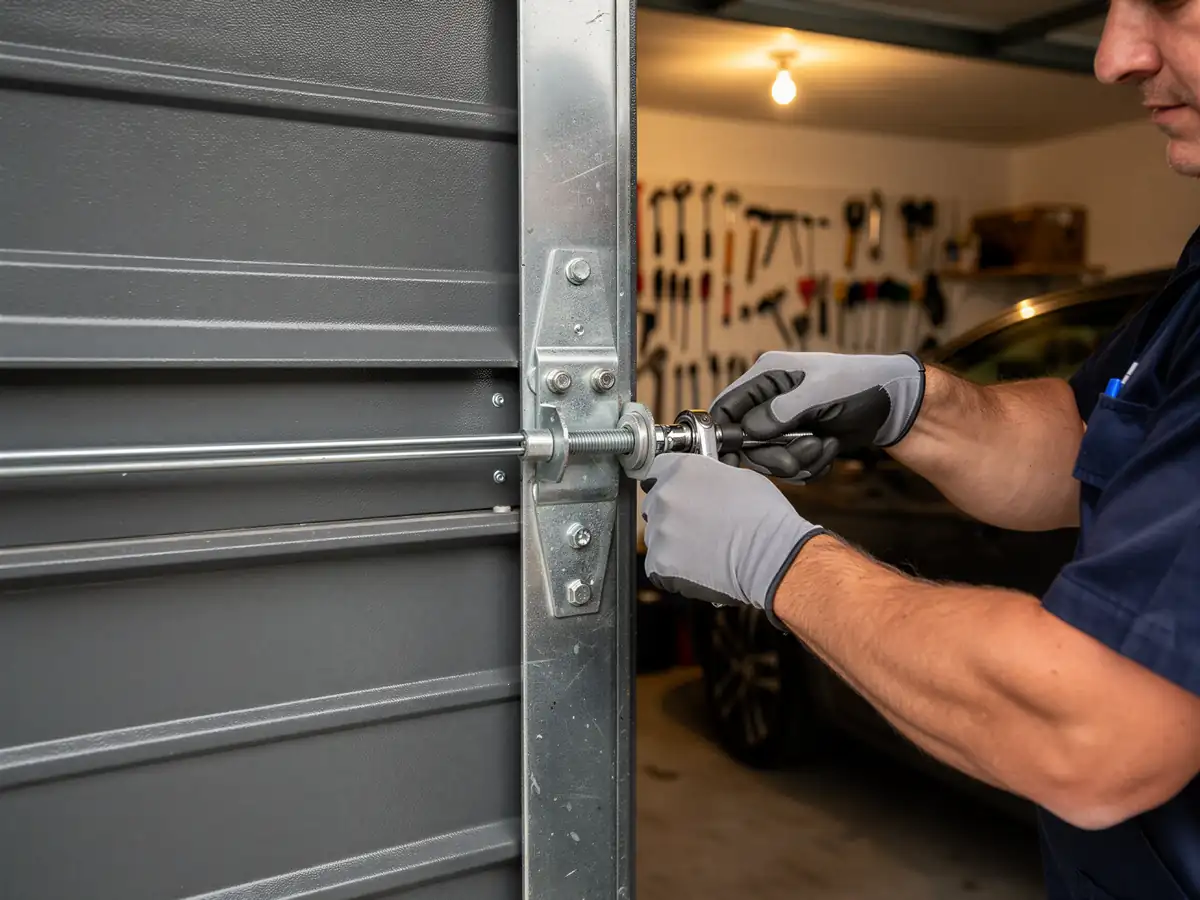
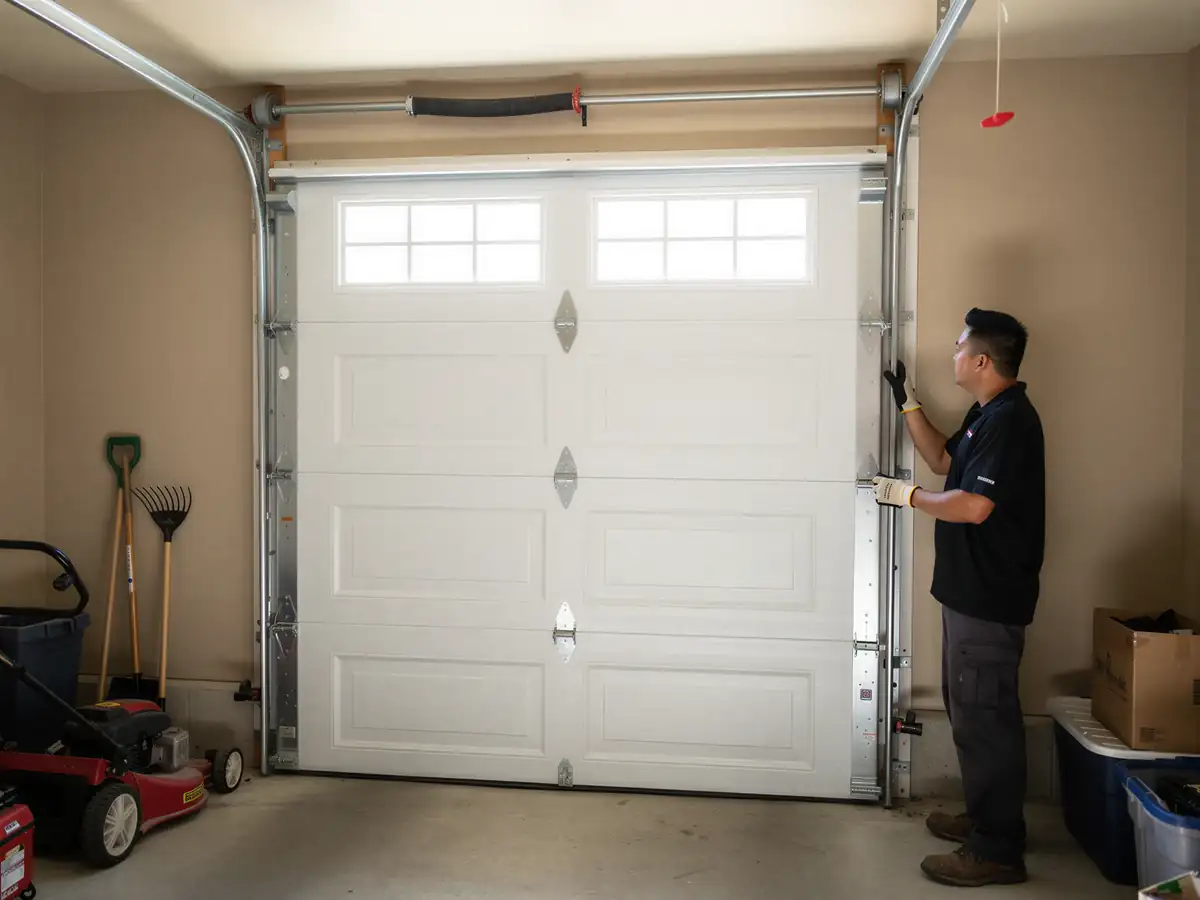
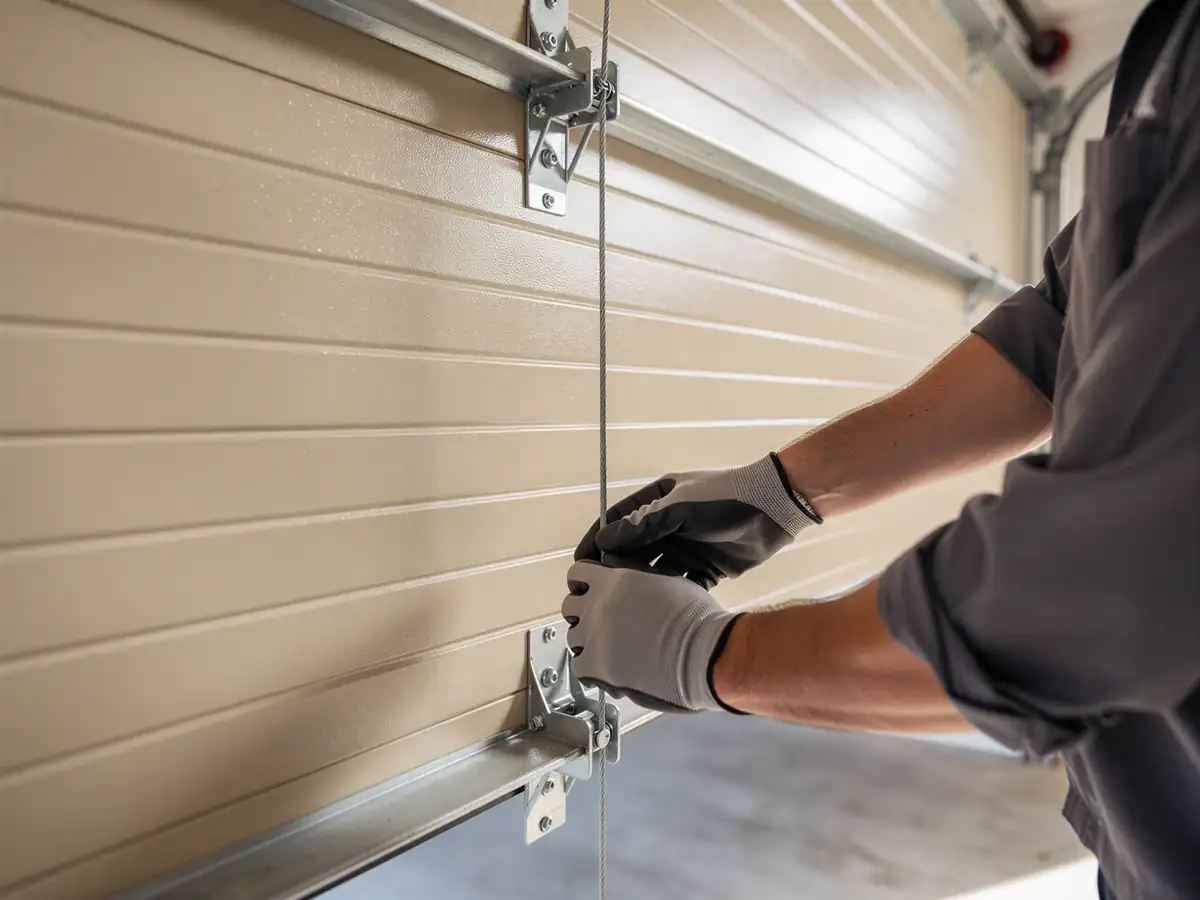
A panel swap starts with pulling the damaged section off its hinges without disturbing the torsion spring system above it - on a door from the late 1980s that spring has usually never been serviced, so we check its tension and cable wear while we're in there anyway. Matching the replacement panel means getting the ribbing profile, the color, and the panel height right; doors from this era often ran a slightly different rib spacing than what's stocked today, so we measure before we order rather than guessing. Once the new panel is hung, we re-square the door in the track and test the opener's travel limits, since a panel swap can shift the door's weight balance just enough to throw off the auto-reverse setting. We won't paint-match a panel to a faded original - that's a limitation worth knowing before you book, since thirty-plus years of sun will have shifted the color on the rest of the door.
What Is on the Truck
For a service area where most doors trace back to a median build year in the late 1970s to late 1980s range, we carry the panel sizes and rib profiles that show up most often in that stock - standard raised-panel steel in the common residential widths and the handful of colors that dominated builds from that period. What we don't carry is every discontinued panel style on the shelf; a less common profile or a long-faded custom color usually means a special order, and we'll say so rather than force a near-match that looks off next to the rest of the door. We also carry replacement rollers, hinges, and cable since a panel swap is the moment those parts are easiest to inspect and swap out before they fail on their own.