Why It Happens Here
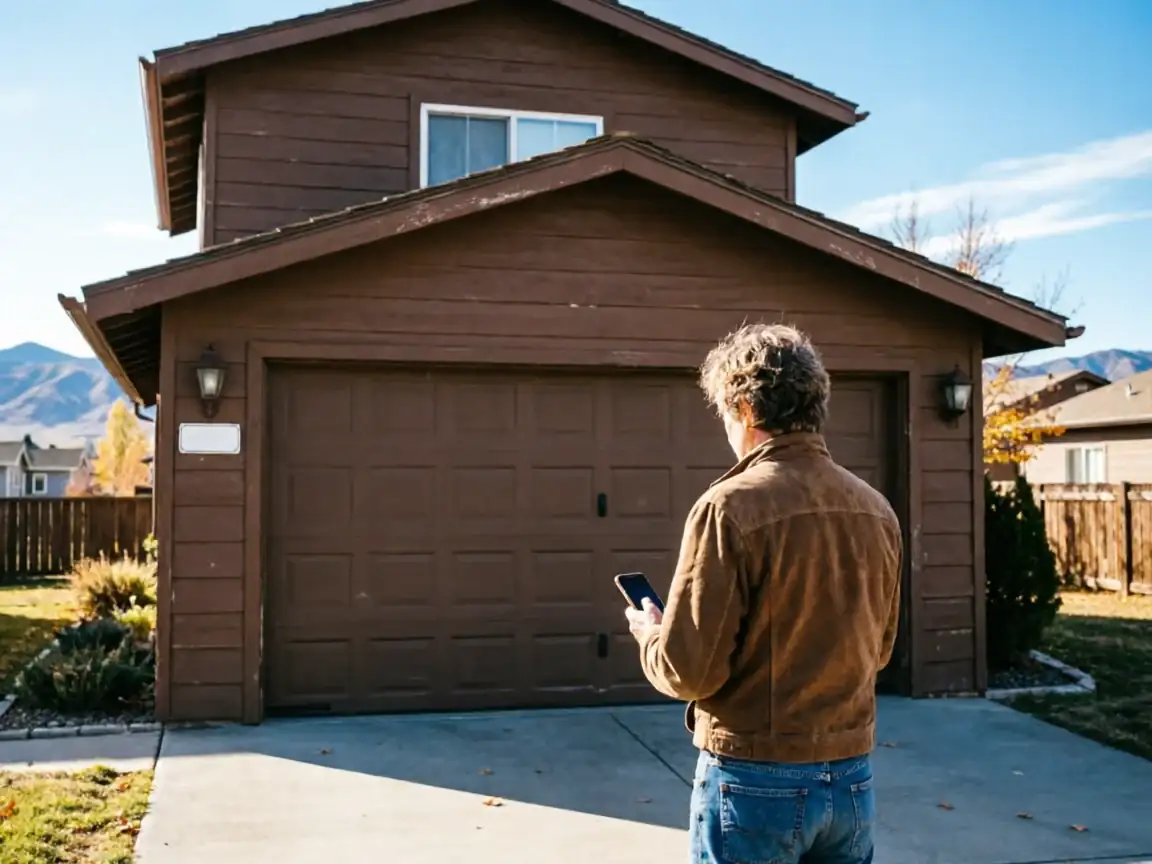
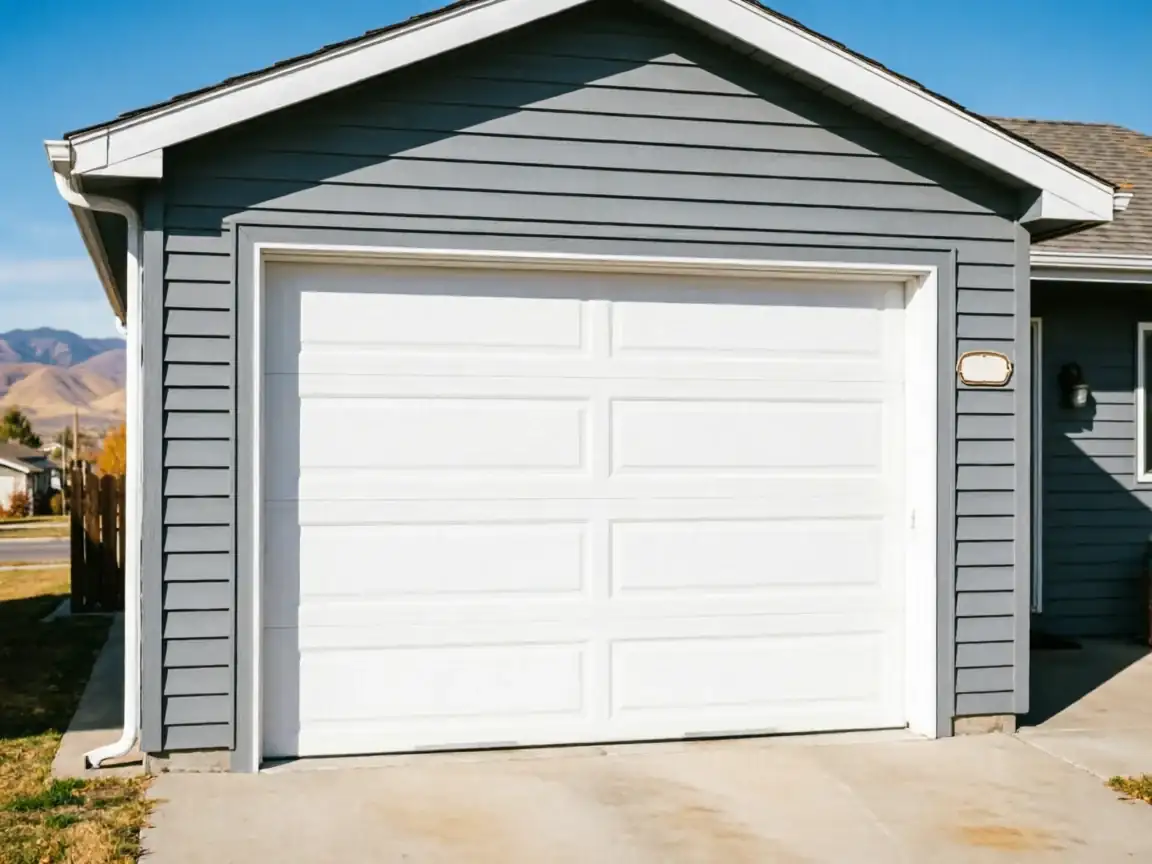
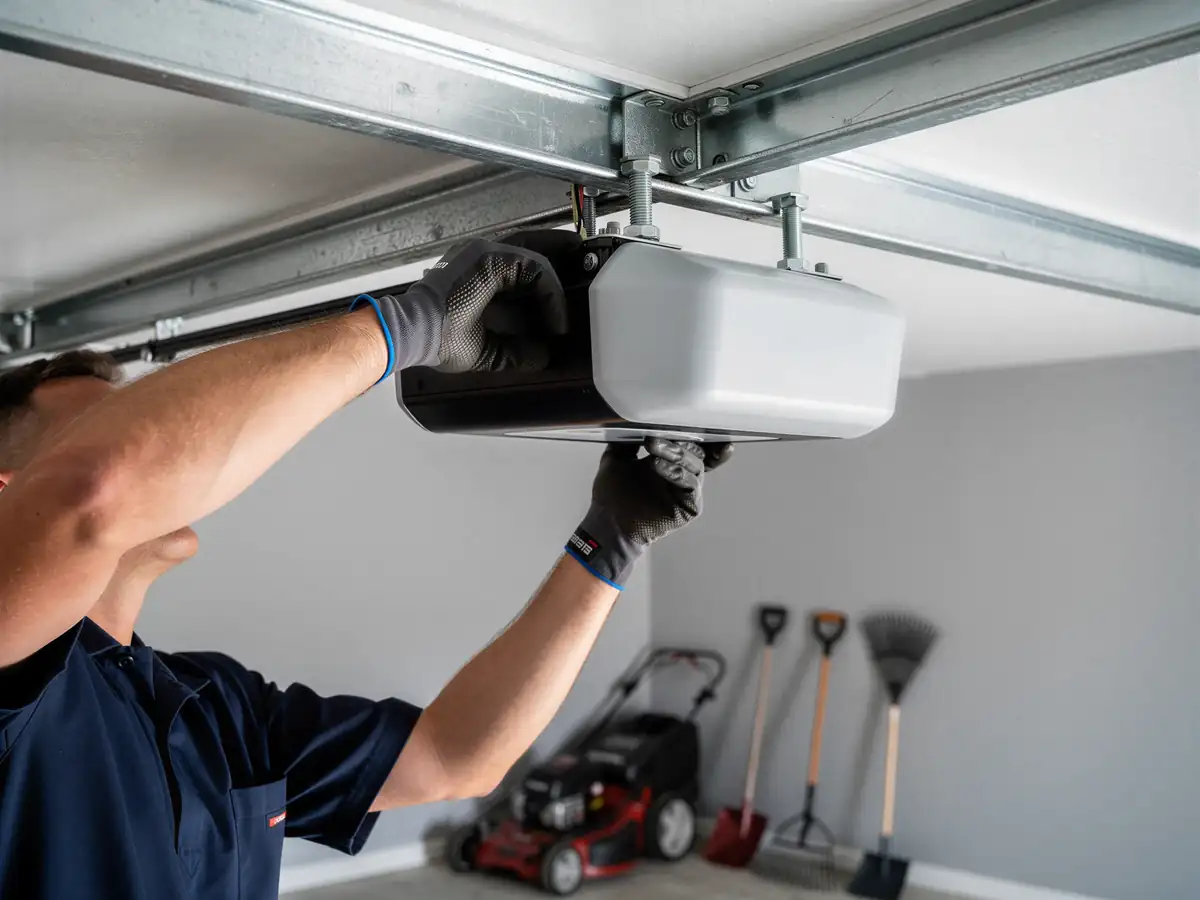
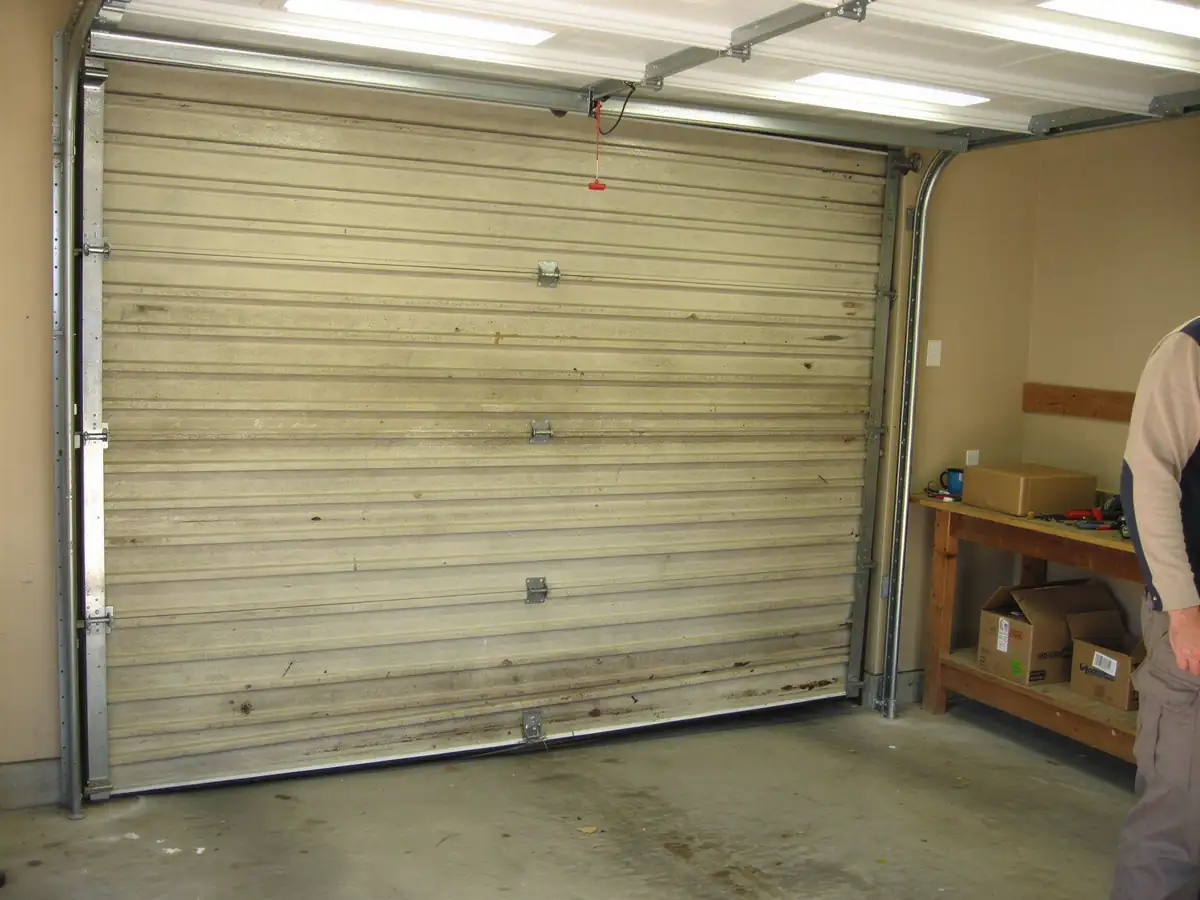
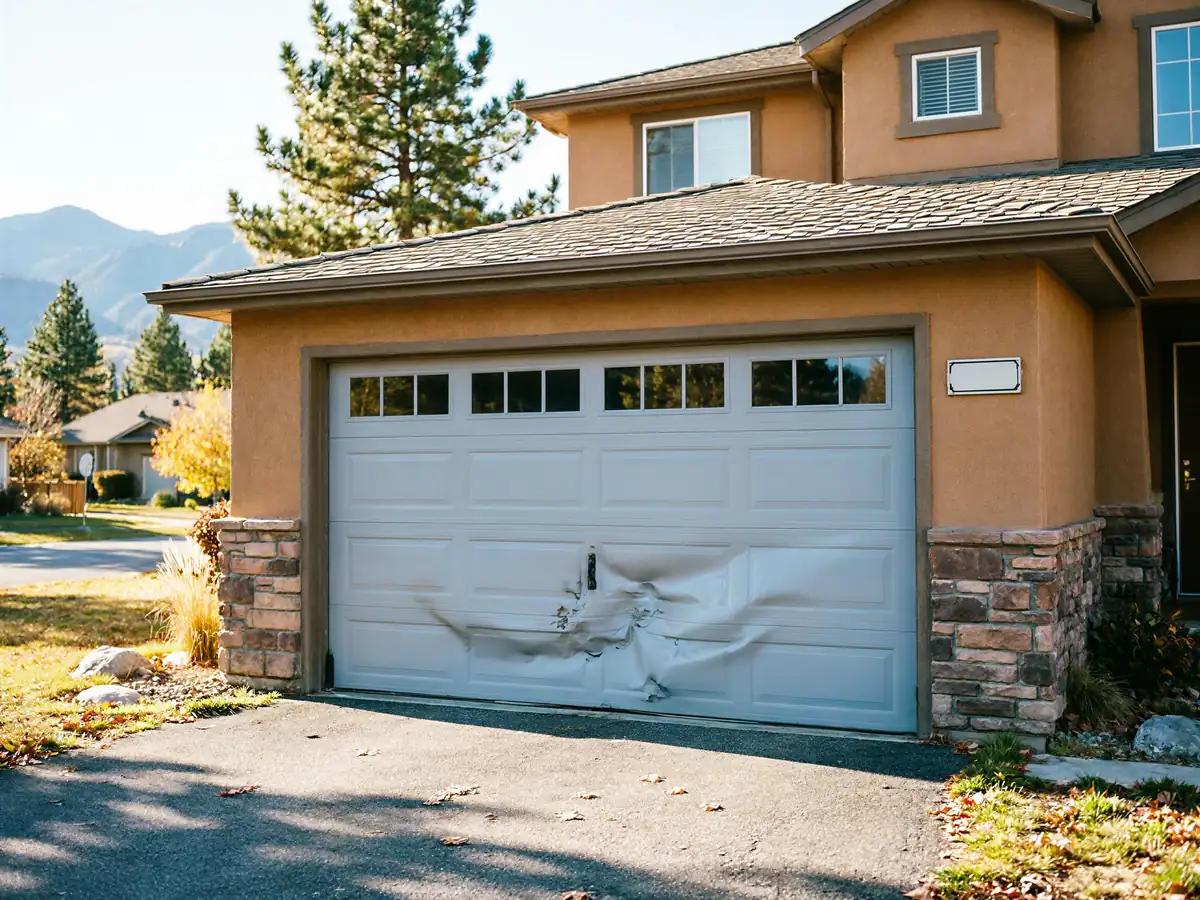
Most of the service area this company works was built around 1979, but Ken Caryl runs newer, with a median build year closer to 1987. That gap matters more than it sounds. Doors from the late 1970s often came with narrower rough openings and lighter-gauge steel sections; by the late 80s, builders had shifted to wider standard openings and started using thicker insulated panels as code and buyer expectations moved. If your house falls into that later wave, you're less likely to be fighting an odd-sized opening and more likely to be replacing a door that's simply worn out from 35-plus years of cycles, or one with insulation values that don't match a Colorado winter anymore. We still see some older stock mixed in, since "median" means half the area is split around that line, but the failure pattern here leans toward opener strain and panel fatigue rather than the undersized-opening problems you get in older pockets of the broader area. This part of the work sits under a severe cold climate band, so whatever goes in has to handle hard freeze-thaw cycling on the hardware, not just look right on install day.
How Long You Are Without the Door
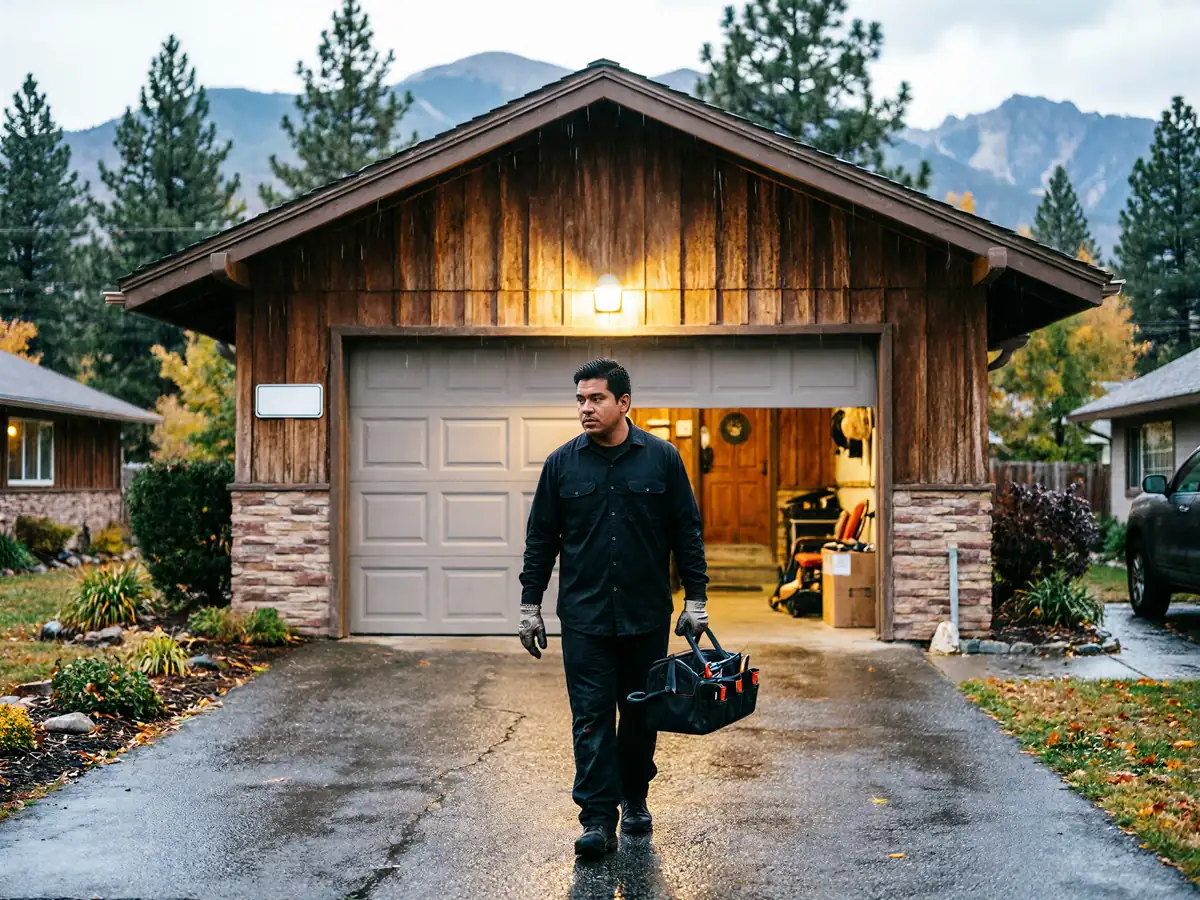
Ken Caryl sits about eight miles from our Highlands Ranch base, so every new-installation job here starts with a drive, not a dispatch from a local yard. That's worth saying plainly: we don't keep a branch or a truck staged in Ken Caryl, and we're not going to pretend otherwise. What that means in practice is the visit gets scheduled, not improvised. Once we're on site, a full door swap on a standard double opening is a same-day job in most cases, but if your opening turns out to be non-standard, or the order needs a panel width or insulation spec we don't carry on the truck, the door itself becomes the long pole, not the drive. We'd rather tell you that up front than promise a timeline tied to a part we haven't confirmed is in stock.
What the Fix Involves
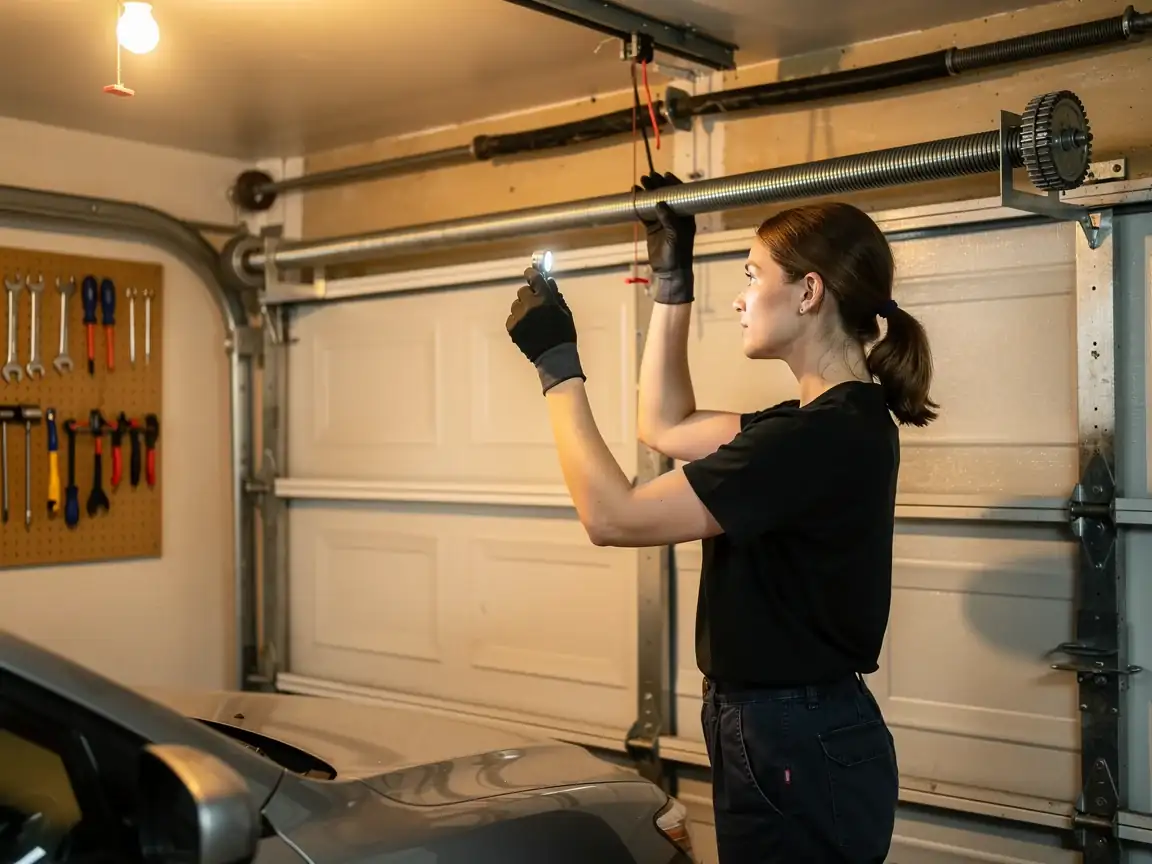
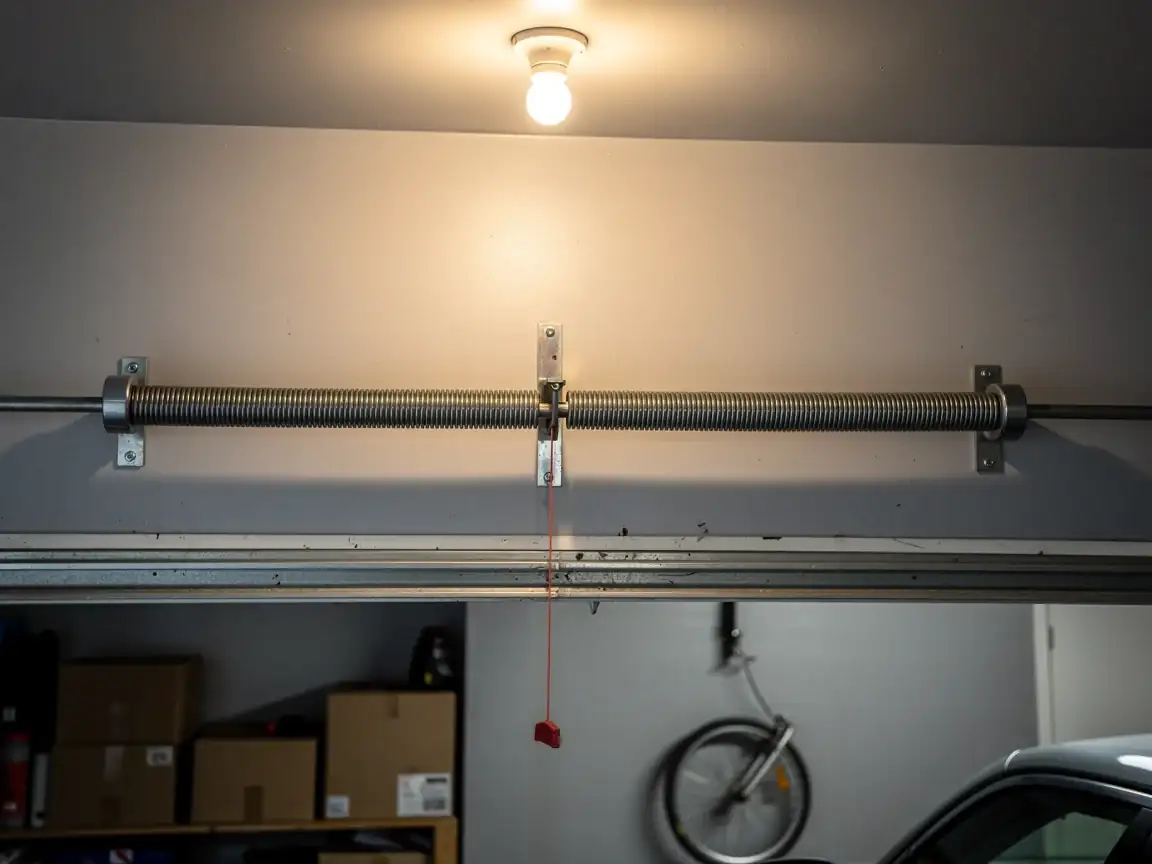
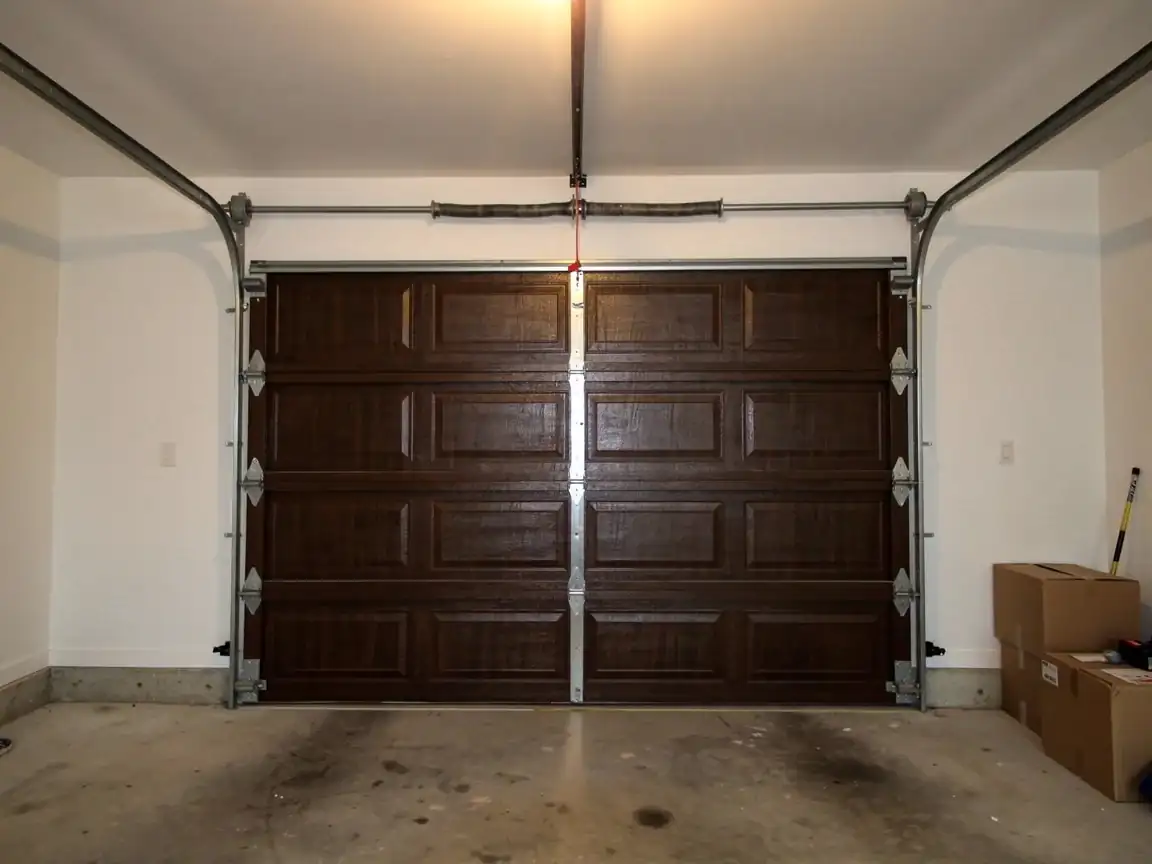
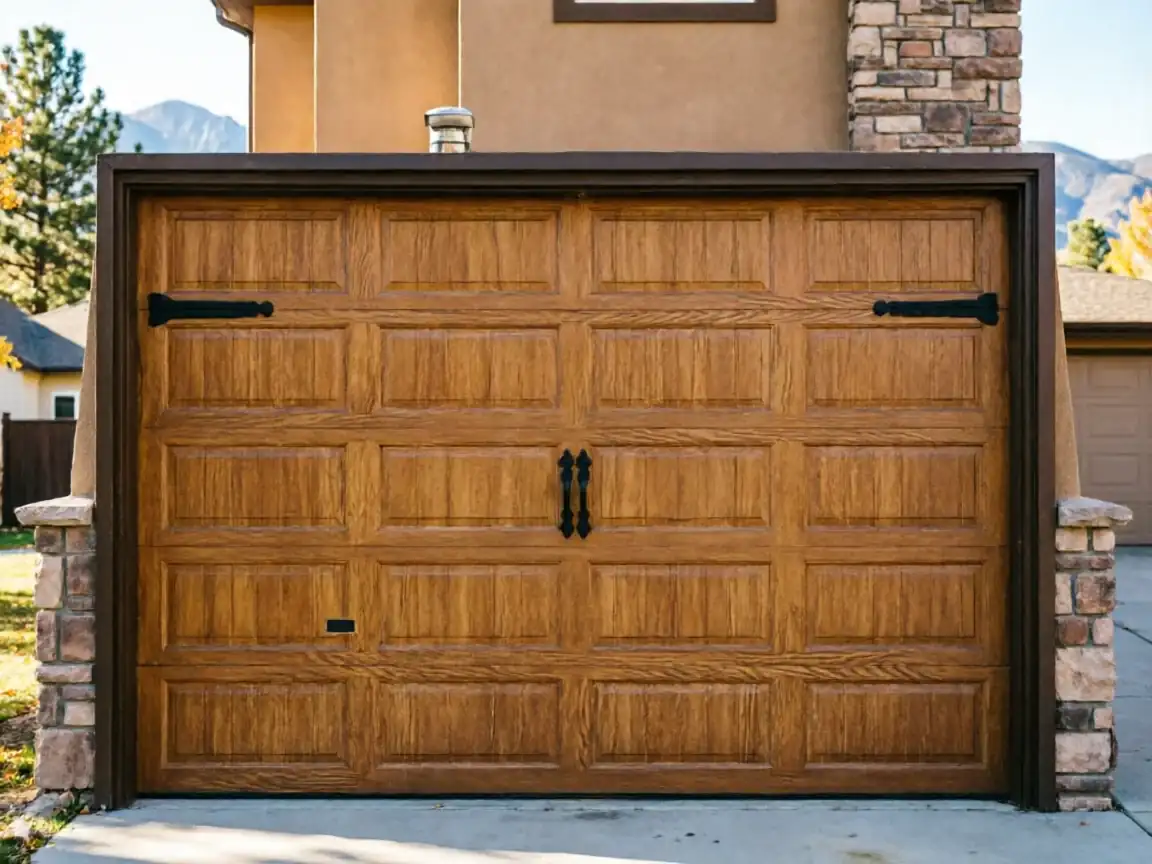
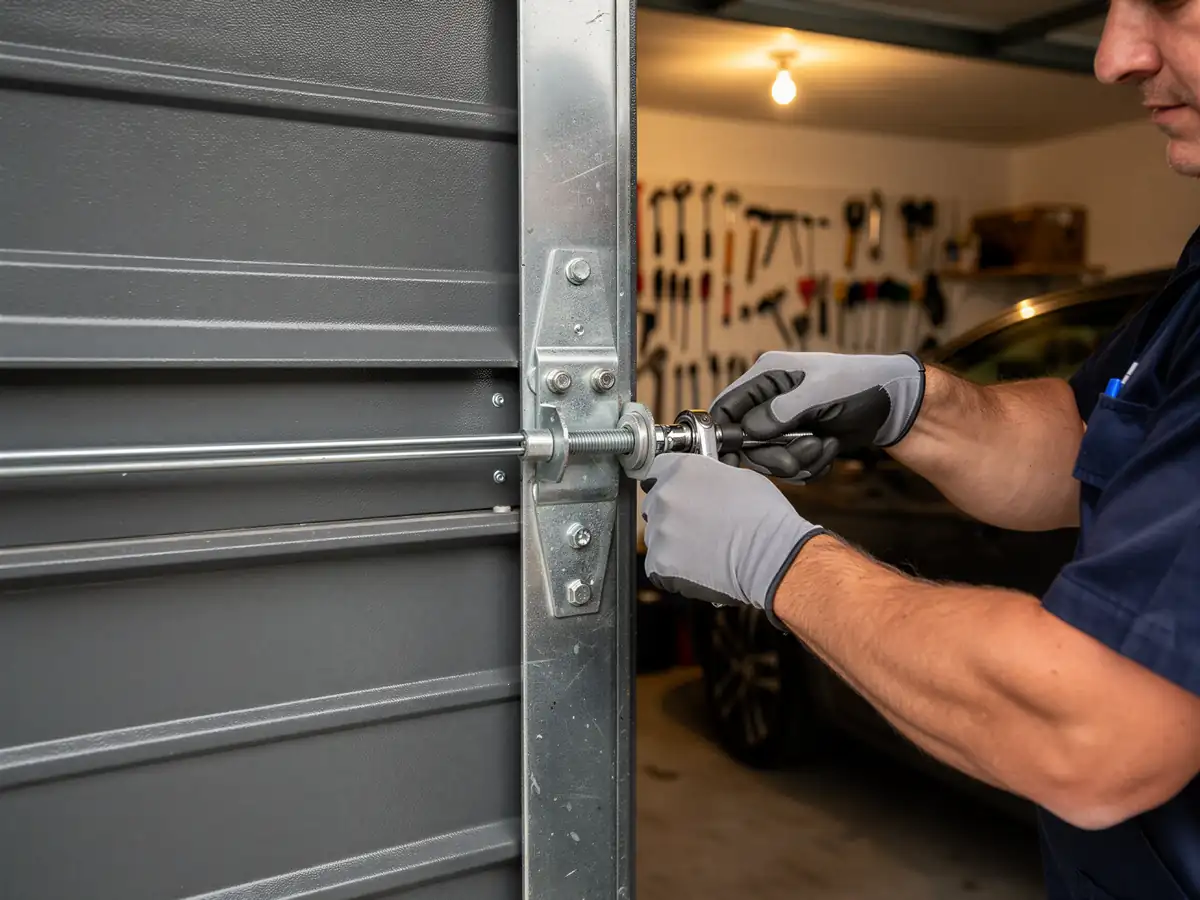
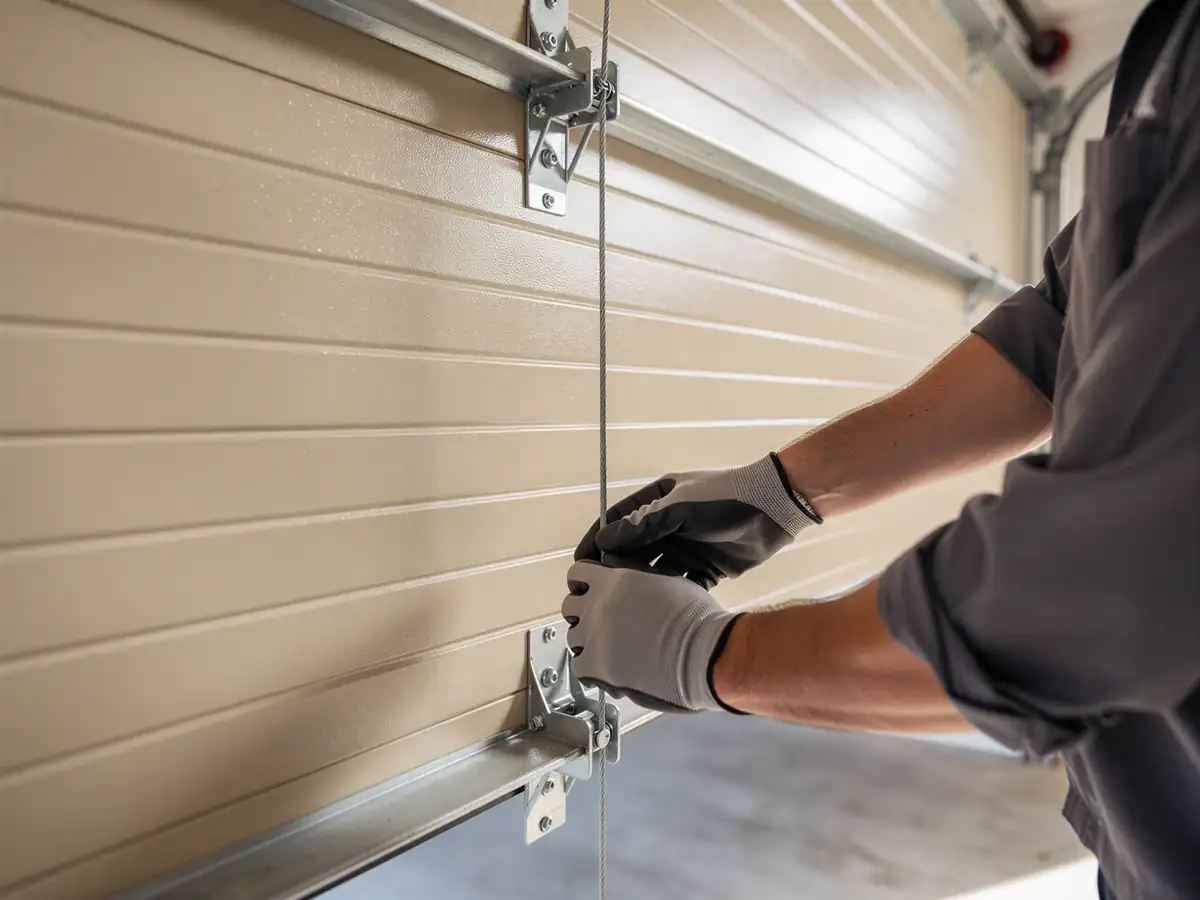
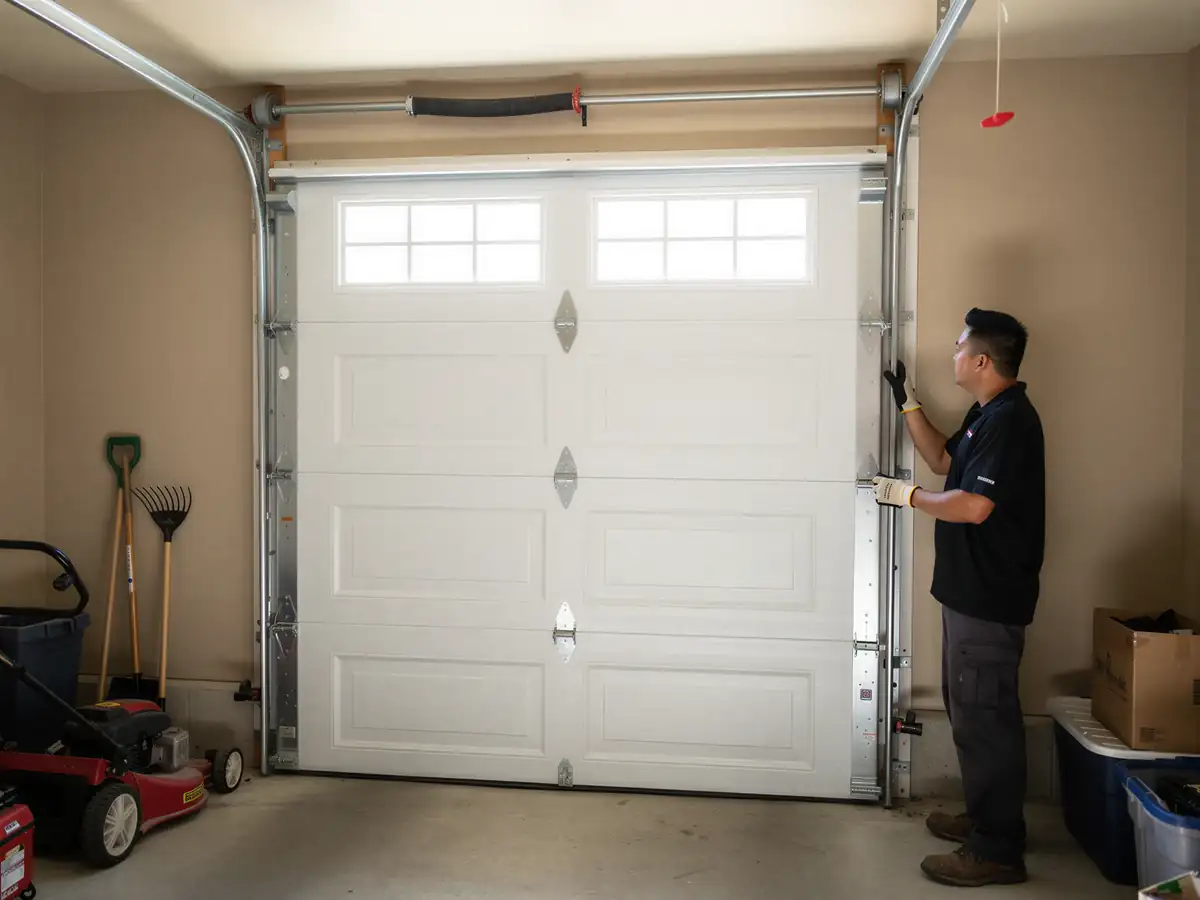
On a 1980s-built house, a new install usually means pulling the existing door and track as one unit, checking the jamb for square since three-plus decades of settling isn't rare, and setting new track to match whatever door width the opening actually measures rather than assuming it matches a modern standard. Torsion spring sizing gets recalculated for the new door's weight, not reused from the old setup, since insulated panels weigh more than the hollow steel doors common when this neighborhood was first built out. Given the severe cold rating here, we pay attention to weatherstripping and bottom seal fit more than we would in a milder climate; a gap that's cosmetic in a warmer zone is a real heat-loss problem through a Colorado winter. One honest limit: if the opening is out of square by more than a small tolerance, that's a carpentry fix before the door goes in, and that's not scope we take on ourselves.
What Is on the Truck
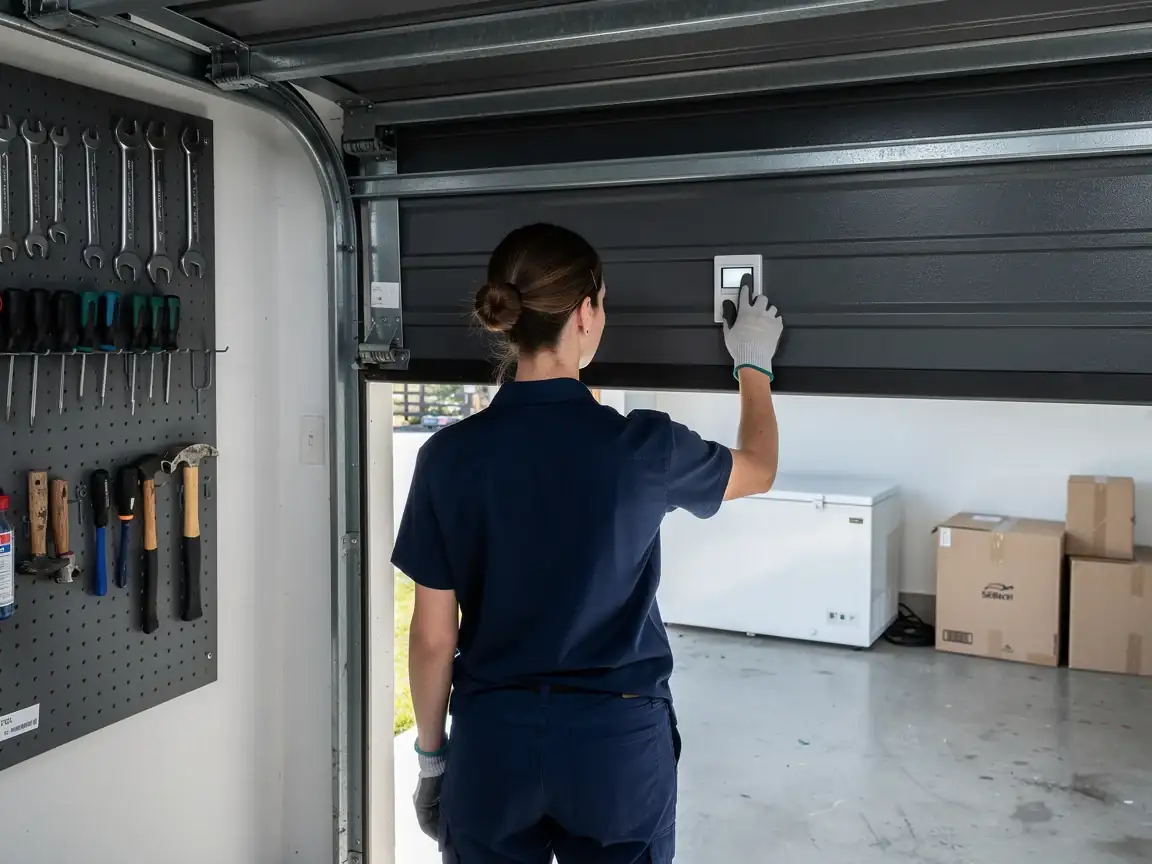
For a Ken Caryl job we load based on what the call tells us, since the truck isn't stationed in town and a return trip for a missing part costs everyone the day. Standard torsion springs rated for double and single doors, common track sections, and a couple of insulated panel options cover most of the 1980s-era openings we run into here. What we don't carry as a default is a wide range of custom panel finishes or non-standard width doors, since those are special-order items from the manufacturer regardless of which truck shows up. If your project calls for something outside stock sizing, we'll tell you that on the estimate rather than after we've already made the drive out.