Why It Happens Here
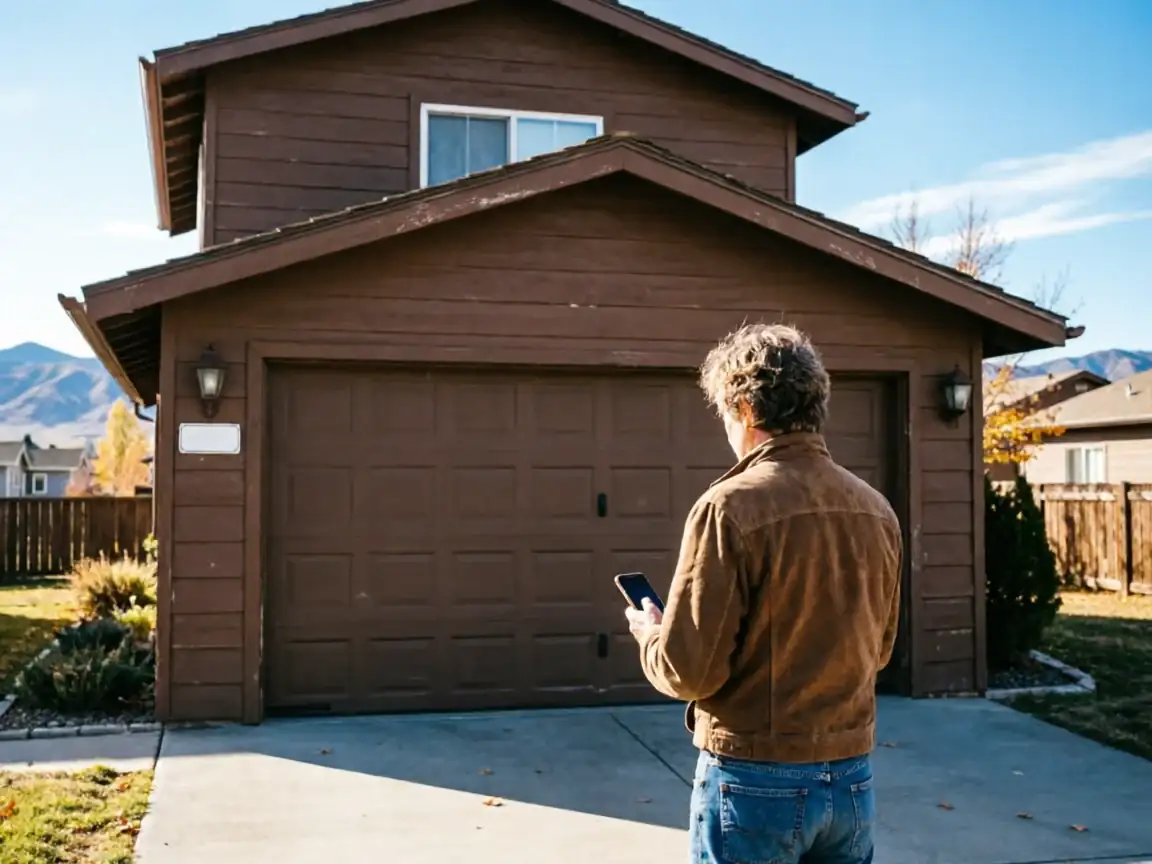
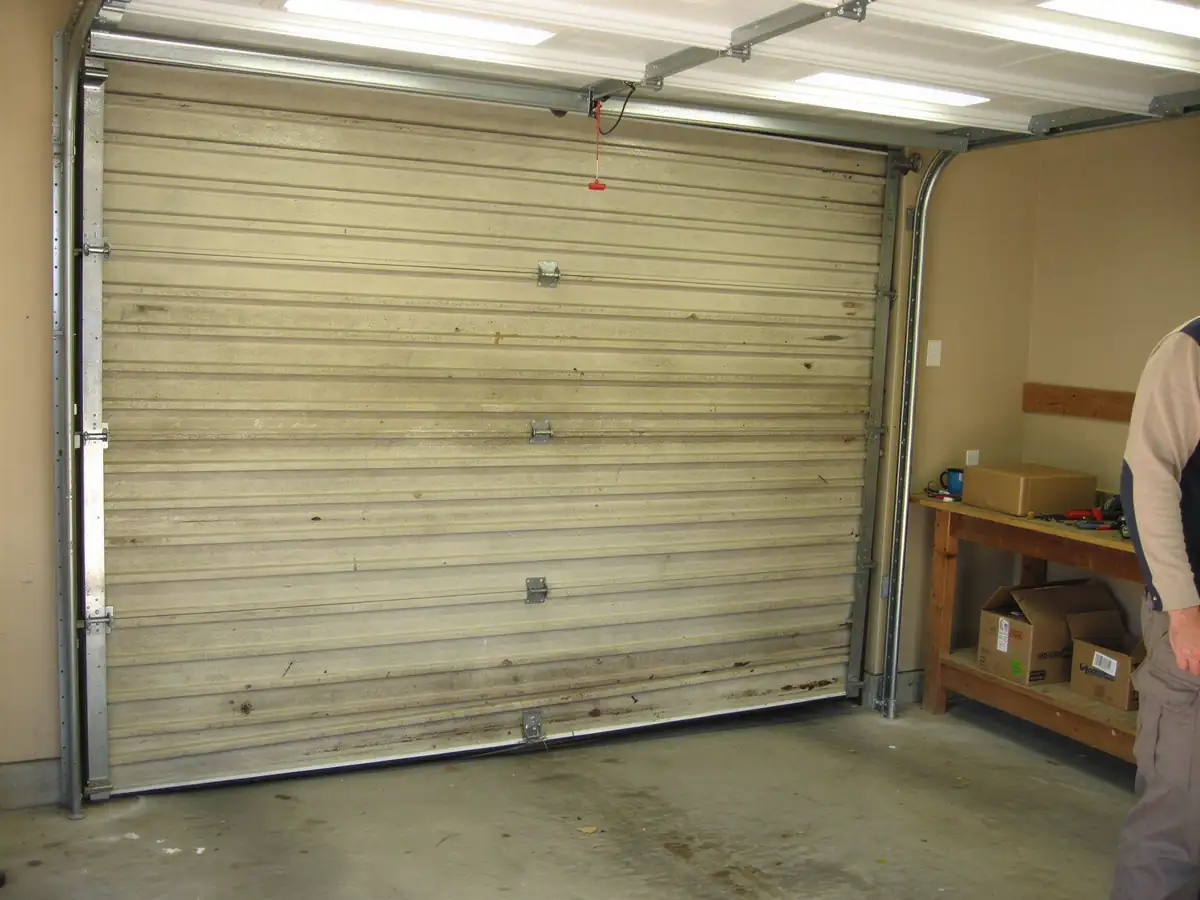
Ken Caryl's housing stock centers on 1987, which puts a lot of these garages right at the edge of a hardware line nobody notices until an opener dies. Doors built around then often shipped with a chain-drive opener on a wall-mounted button, no photo-eye safety sensors required yet, and a logic board that predates rolling-code remotes. When that original unit finally fails, you're not just replacing a motor - you're usually adding sensor brackets, running new low-voltage wire, and sometimes swapping the wall console because the old wiring gauge won't talk to a newer board. That mismatch between a 1987 door and a 2024 opener is the single biggest reason installs here take longer than the quote first suggests. It's not that the work is harder, it's that the garage wasn't built expecting the part you're installing. We also see this stretch of the county catch harder cold than lower-elevation suburbs, and a battery-backup unit holds up better here through a hard winter outage than a standard model does.
How Long You Are Without the Door
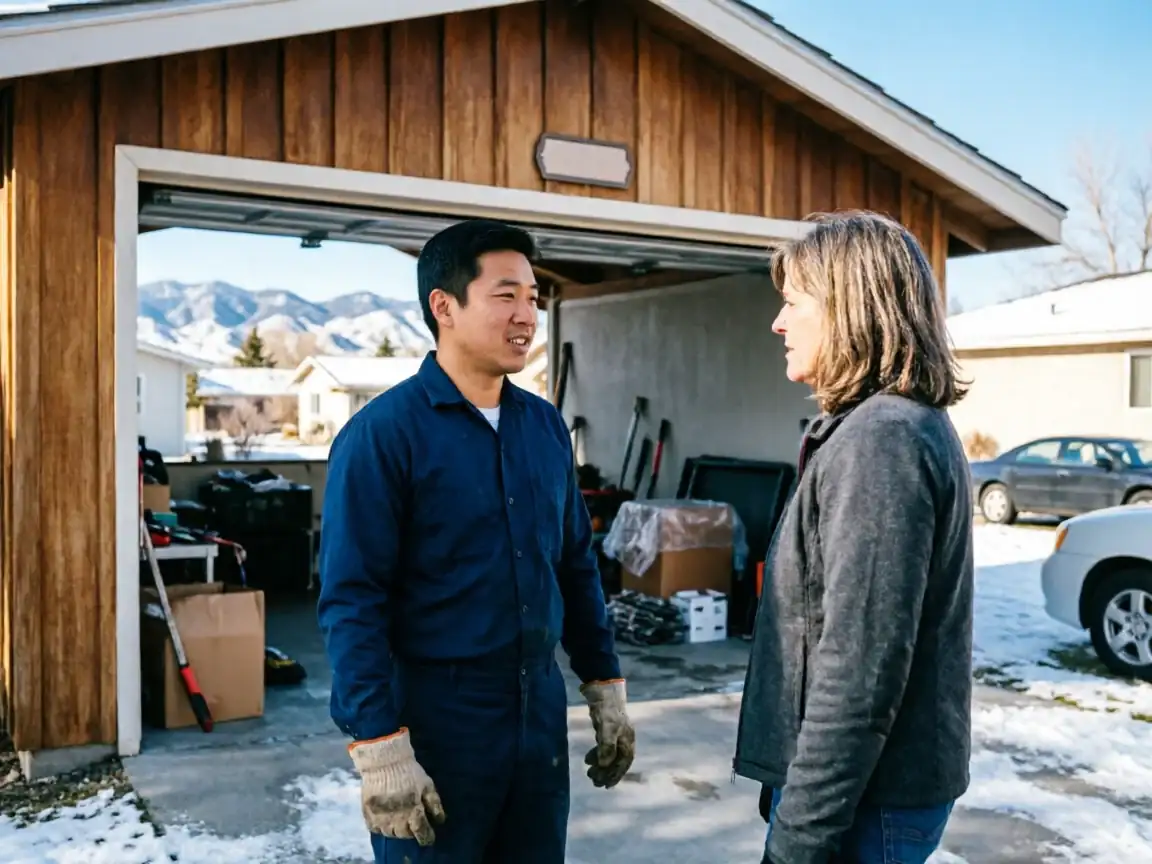
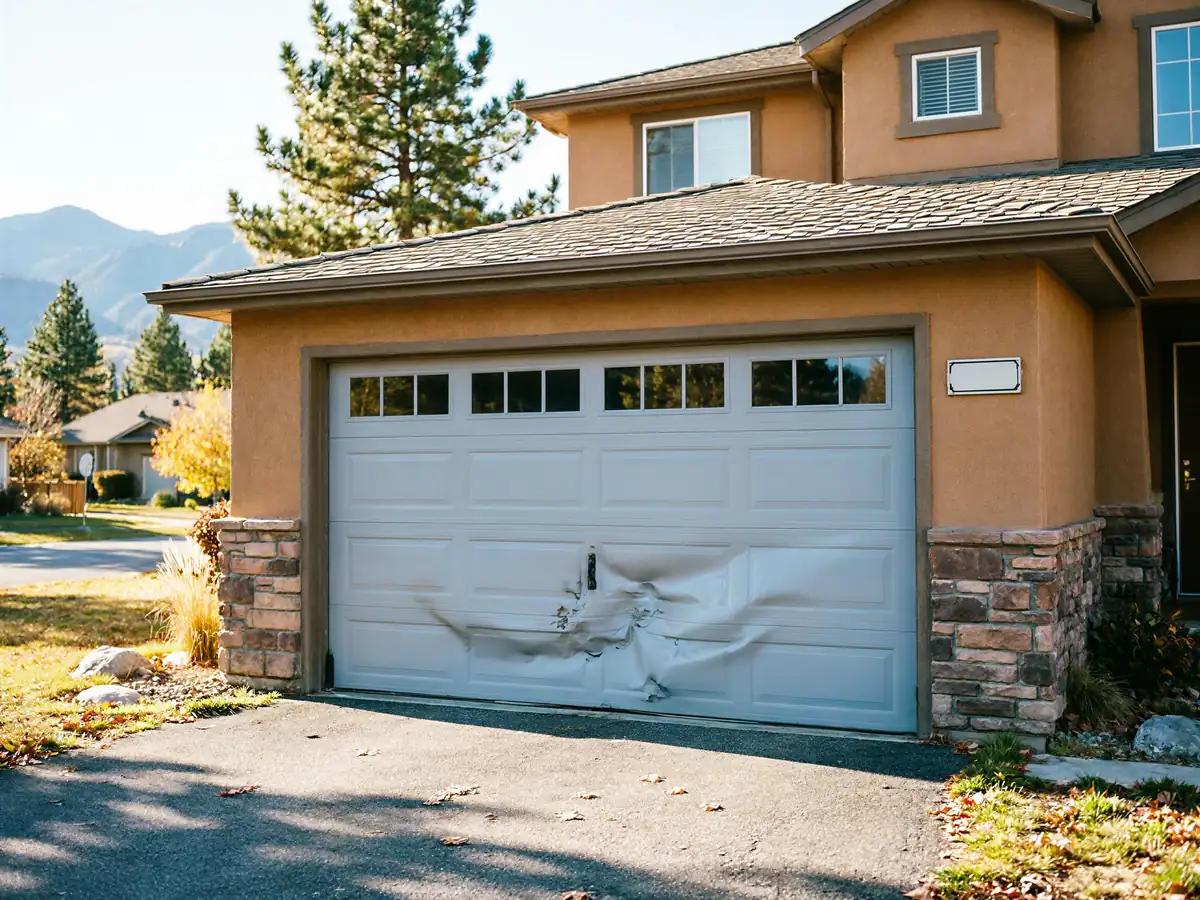
A straightforward swap - same mounting point, new opener, no bracket rework - is usually a same-visit job once we're on site. Where it runs longer is exactly the 1987-era issue above: if the header bracket, the wiring, or the rail length doesn't match current hardware, we're fabricating a fit rather than bolting in a replacement. We travel to Ken Caryl from Highlands Ranch, about 8 miles out, so there's no local depot shortening the drive - we book the visit with that travel built in rather than promise a same-day fix we can't back up. If your door is also warped or the track is bent, that's a separate repair before an opener install makes sense at all, and we'll say so rather than bolt a new motor to a door that's going to keep fighting it.
What the Fix Involves
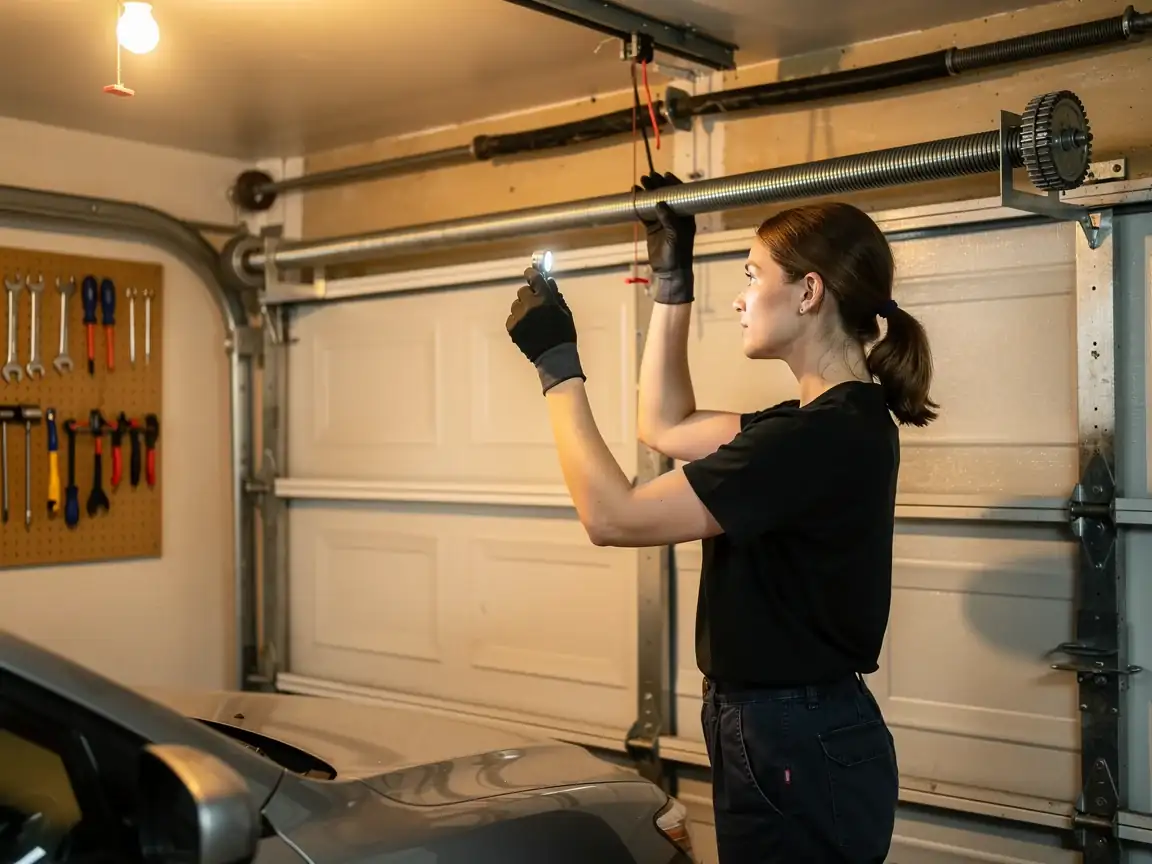
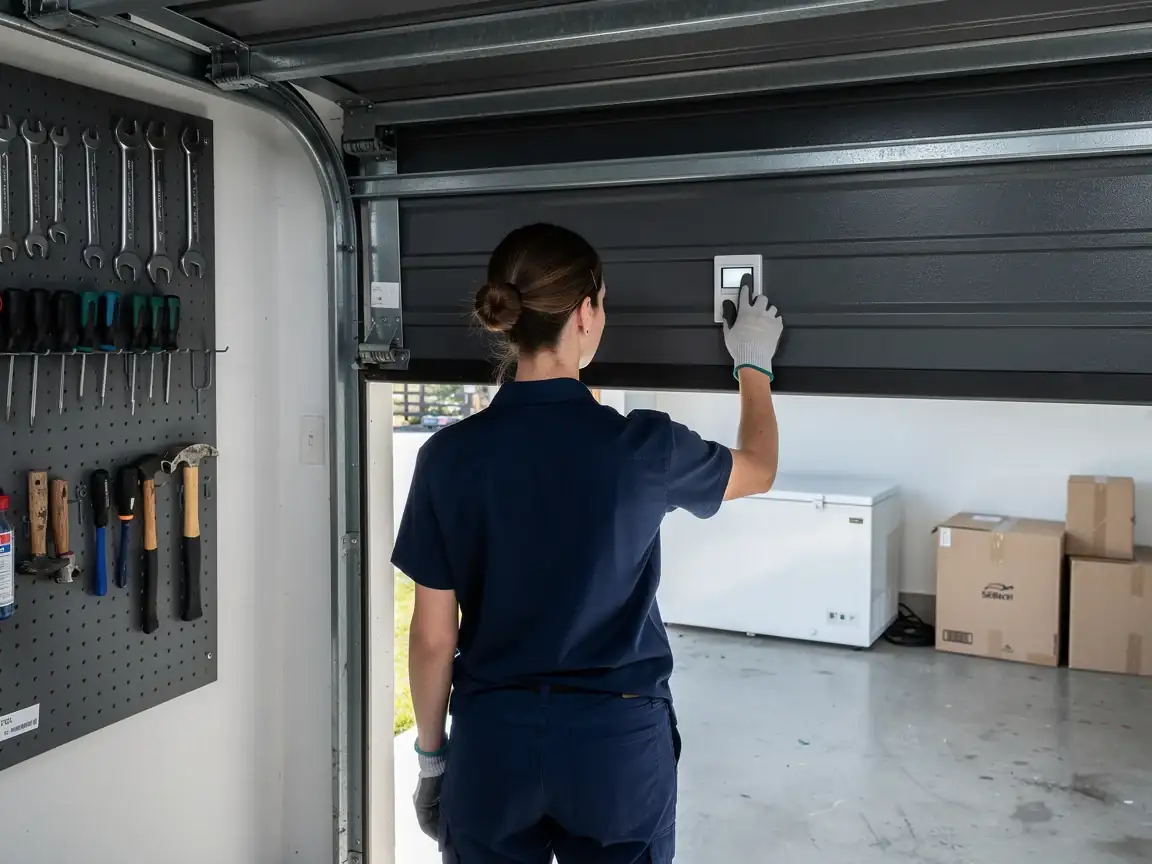
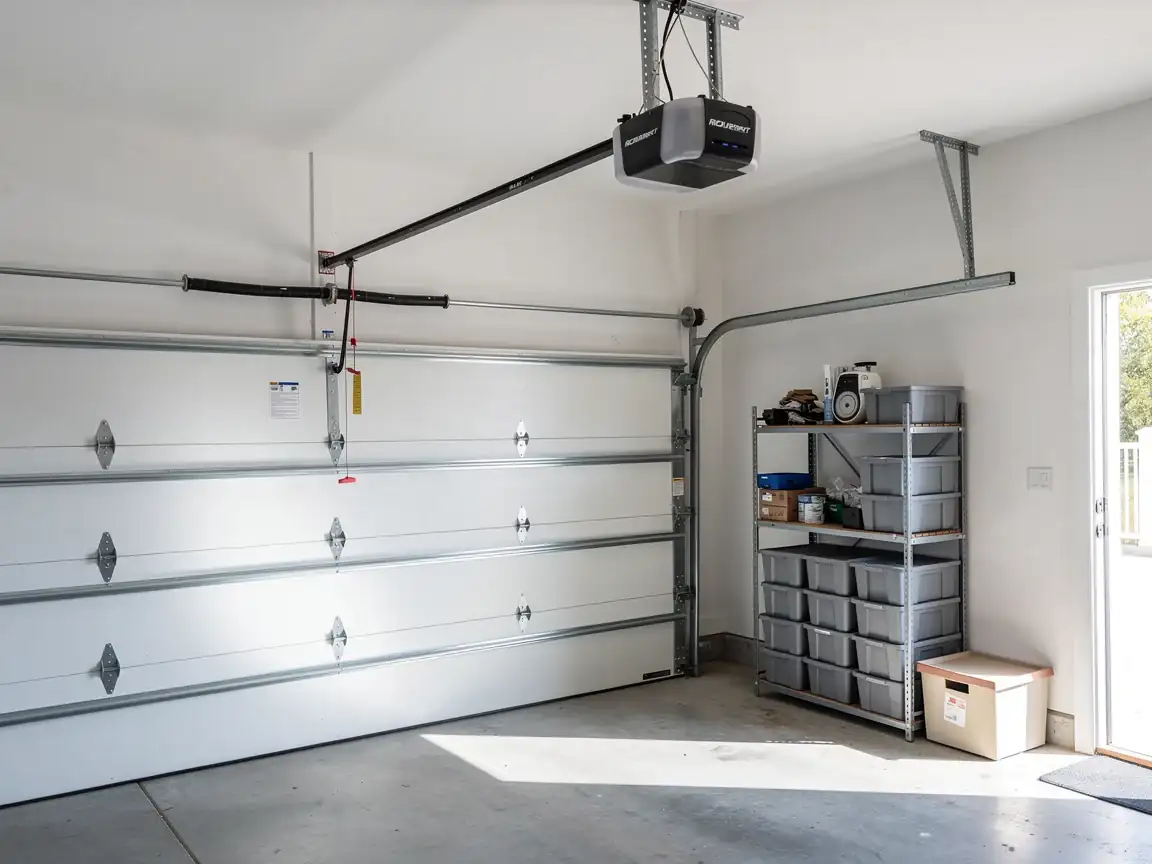
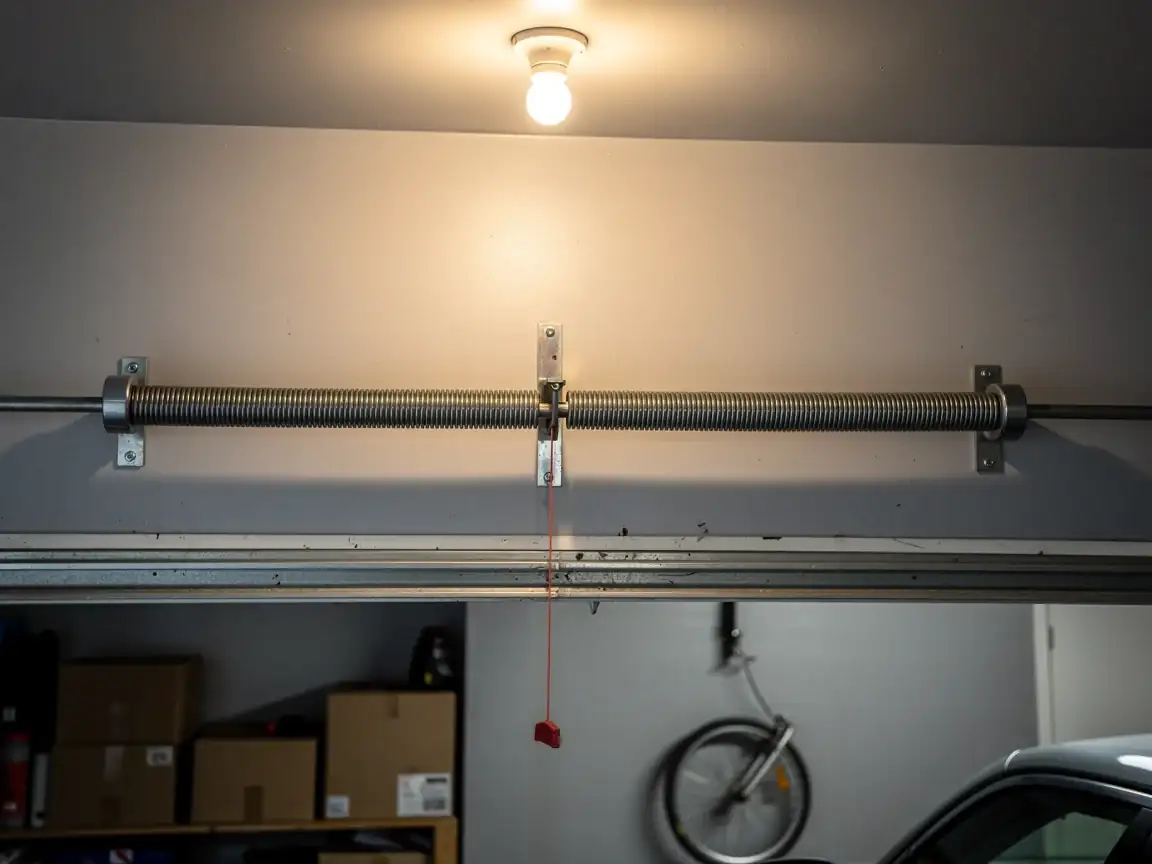
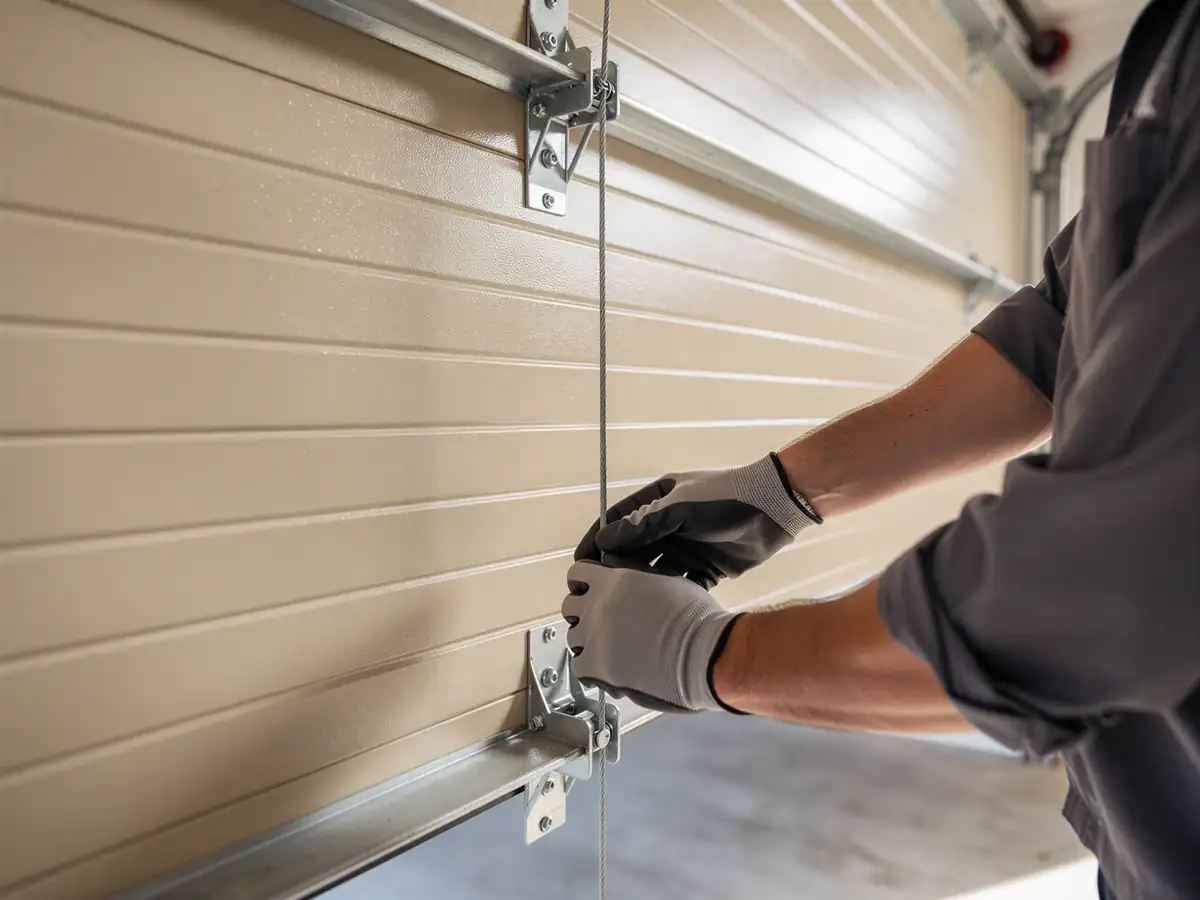
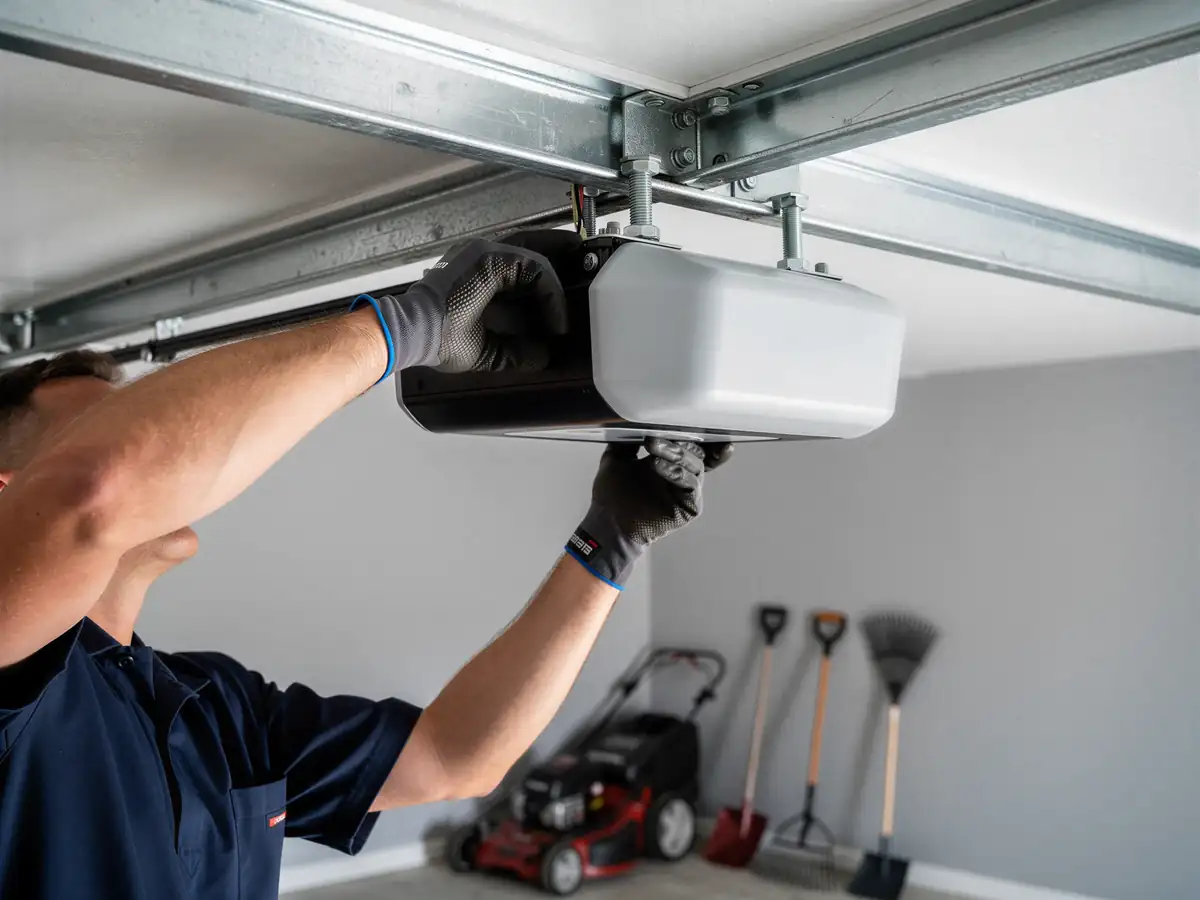
On a 1987-era door, the install usually starts with checking whether the existing header bracket and door balance can take a modern opener at all - a door that's out of spring balance will burn out a new motor the same way it burned out the old one, so we check spring tension first. From there it's mounting the rail and motor head, wiring in the safety-eye sensors most of these garages never had from the factory, setting travel limits, and pairing rolling-code remotes and a wall console that actually matches current wiring. Where the old low-voltage wire is too old-gauge or brittle to trust, we run new wire rather than tie into it - that's a judgment call made on site, not assumed in advance. We also set up battery backup given how exposed this part of the county runs through winter outages; it's a worthwhile add here, not an upsell for its own sake.
What Is on the Truck
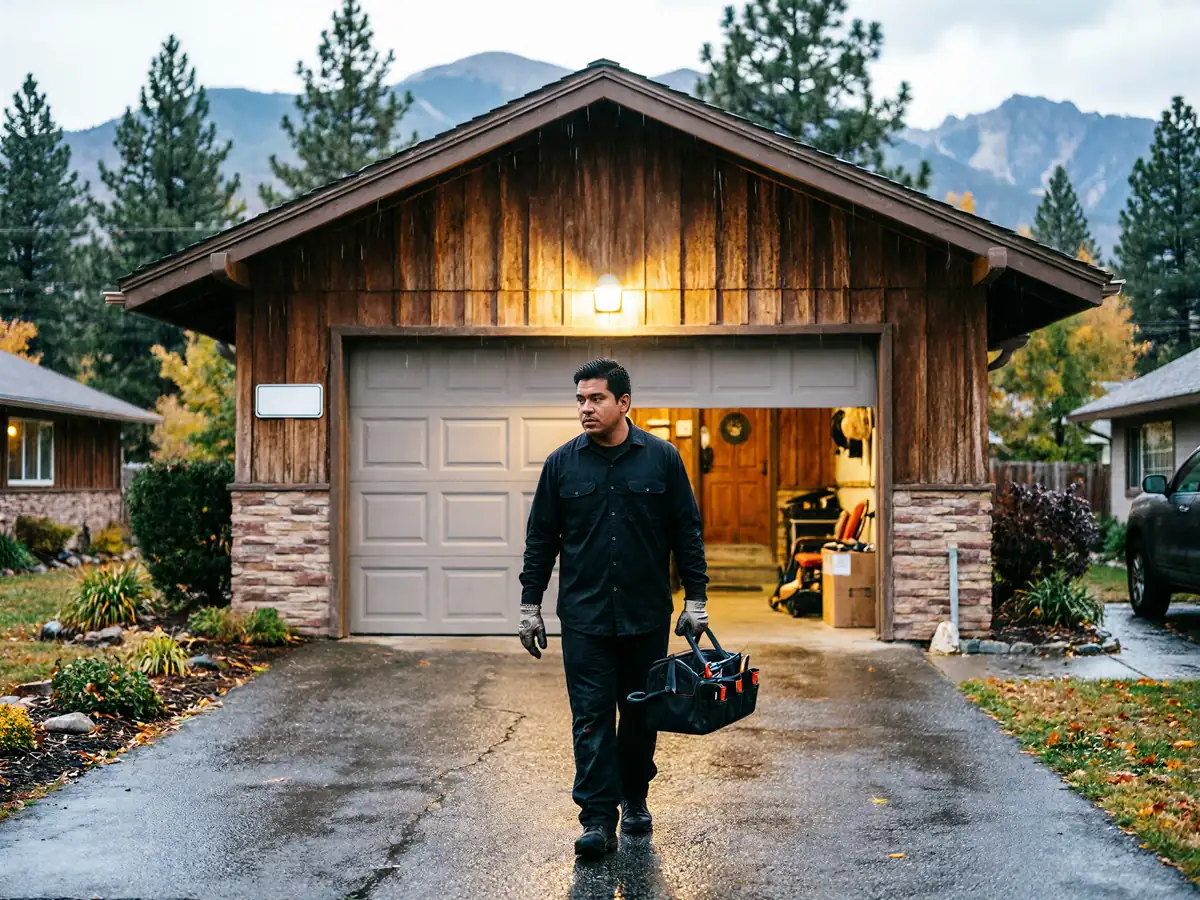
Because so much of Ken Caryl's stock dates to the mid-to-late 1980s, the truck carries parts sized for that era alongside current belt-drive units - older rail lengths, the wall-console styles that match 1980s wiring runs, and safety-eye sensor kits for doors that never had them. What we don't stock is anything built to spec for a specific custom header or an unusual door width; if a Ken Caryl garage needs a nonstandard bracket, that's a return trip with the part ordered rather than a same-visit fix, and we'd rather tell you that up front than pretend otherwise. The honest limitation: a 1987-era opener swap is routine, but a mismatched or custom opening can add a day to the job while the right bracket comes in.