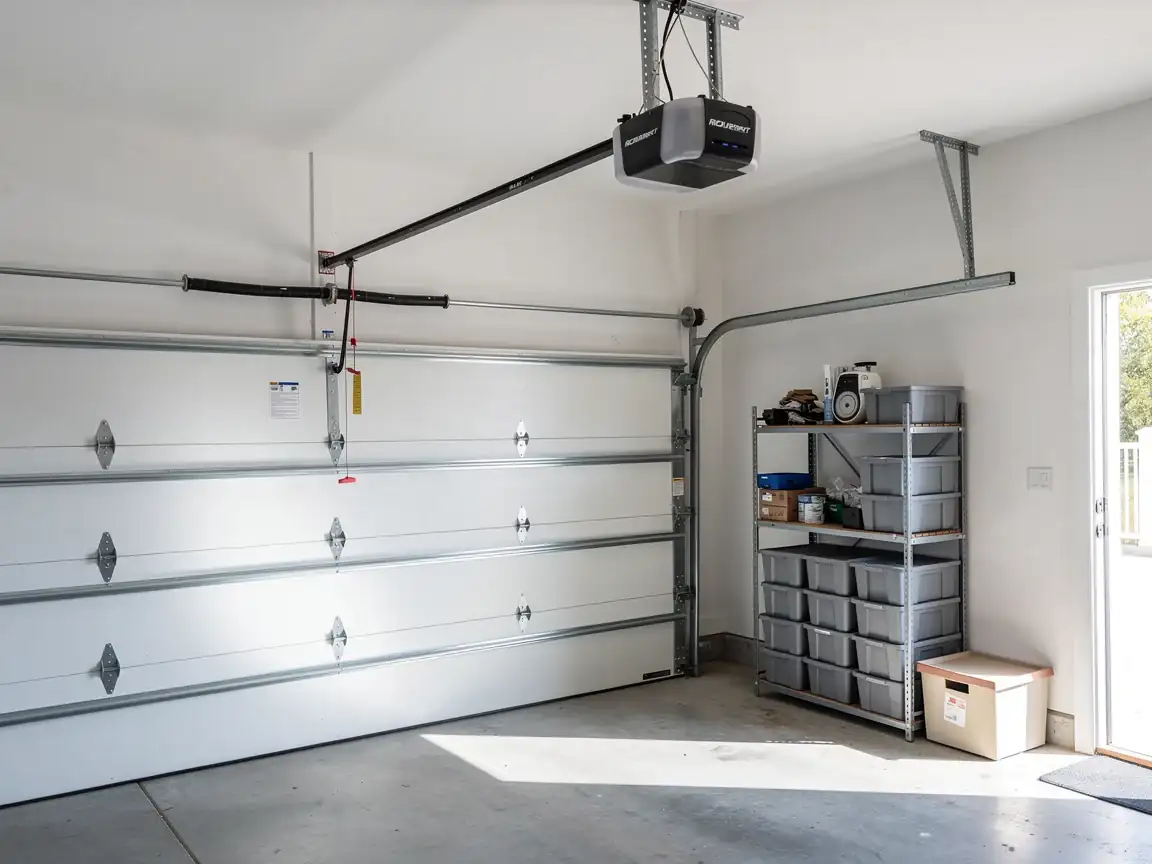
Why It Happens Here
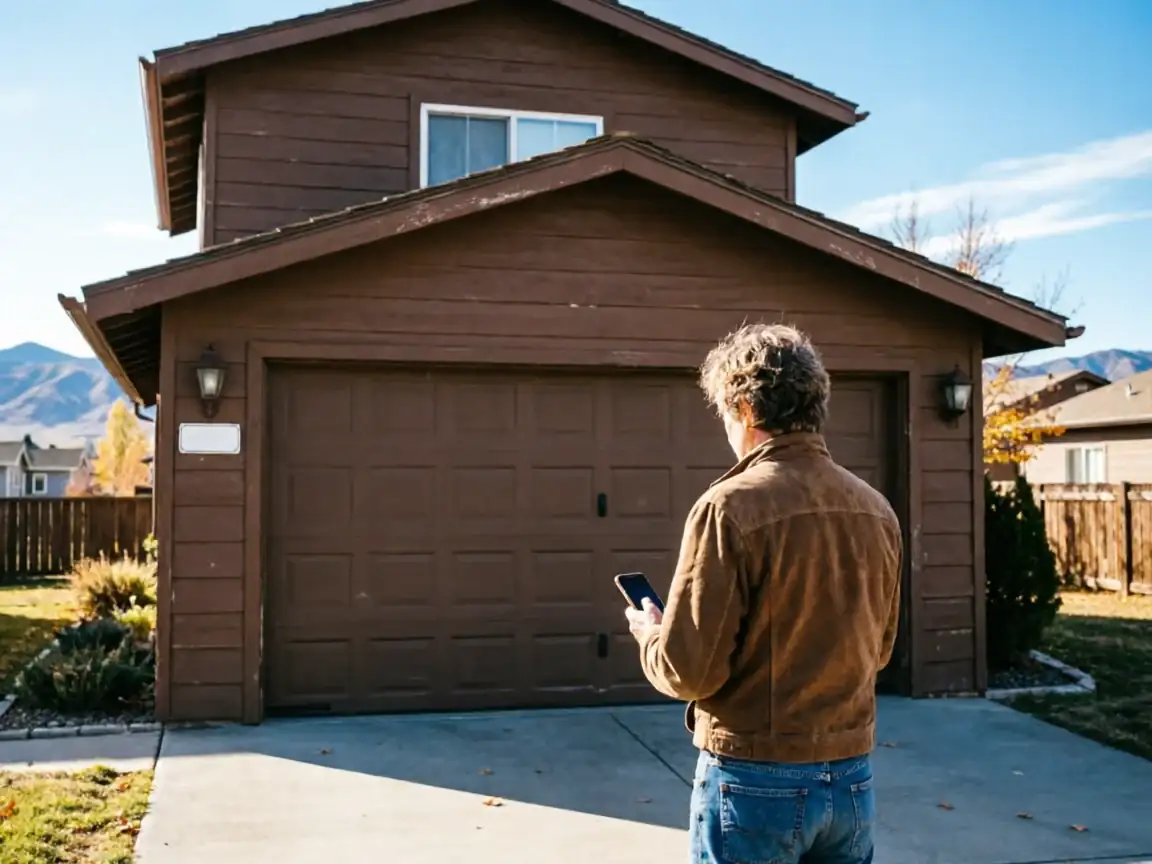
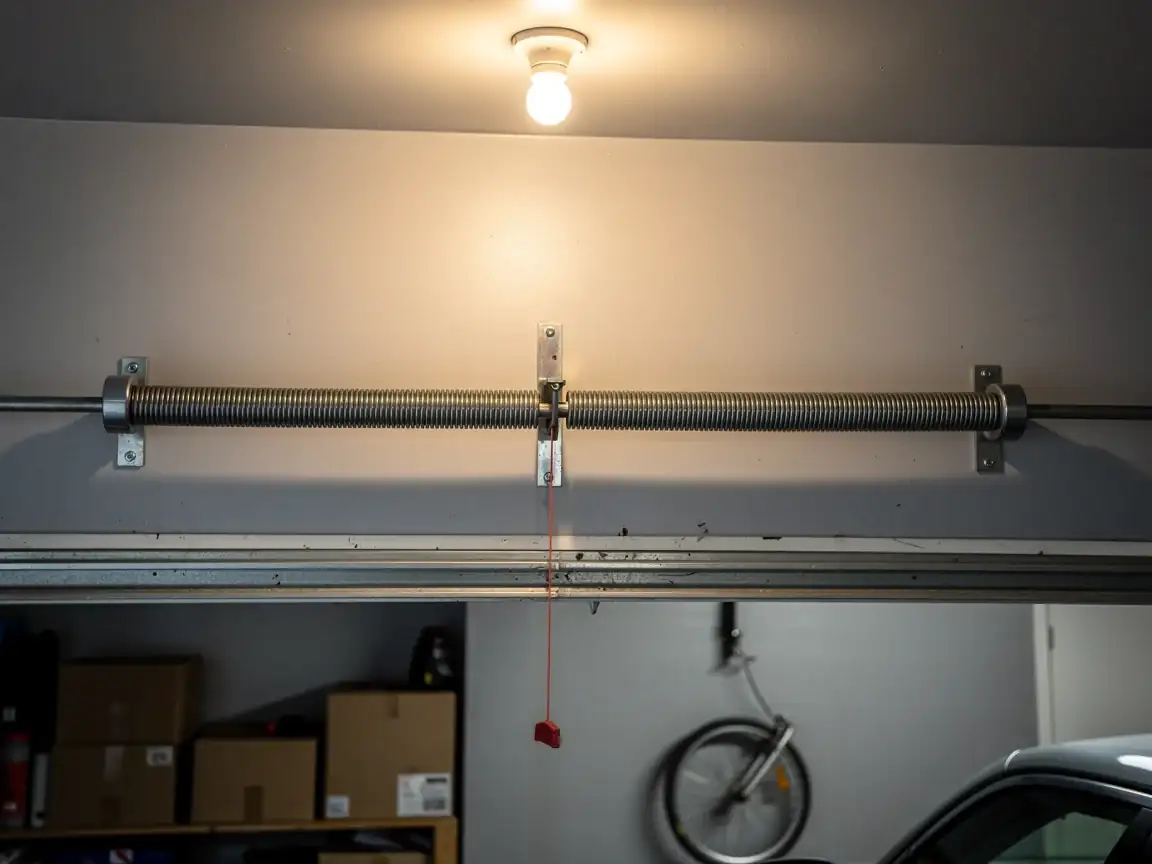
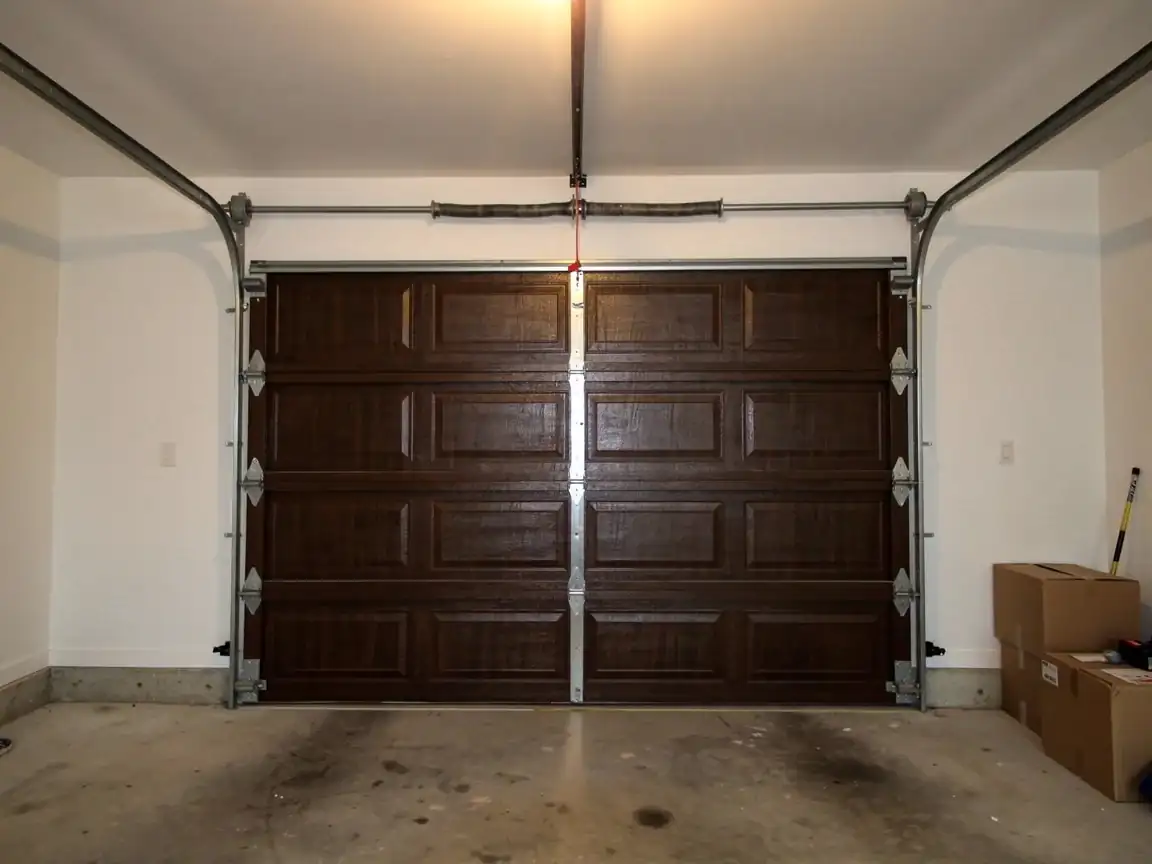
Ken Caryl runs about 13,655 households, smaller than the broader service area's 102,758, which means the faults we see here cluster instead of spreading thin across every build era. Most of this neighborhood went up around 1987, newer than the 1979 median across the wider territory we cover. That gap matters on a service call. A door from the late 80s is usually on a steel torsion setup rather than the older side-mount hardware you'd find in a 1960s-era section of the metro, so when a spring goes here, it's almost always a standard torsion failure rather than the oddball side-mount jobs that show up in older pockets.
The other number that shapes the work is climate, not age. This is a cold-band area with severe winter swings, and that cold is hard on steel torsion springs and nylon rollers regardless of when the house was framed. We get more broken-spring calls here in the first real cold snap of the season than any other single cause. Household income in Ken Caryl runs higher than some nearby sections, which shows up less in what breaks and more in what people choose to fix it with - full replacement over patch repair, more often than not.
How Long You Are Without the Door
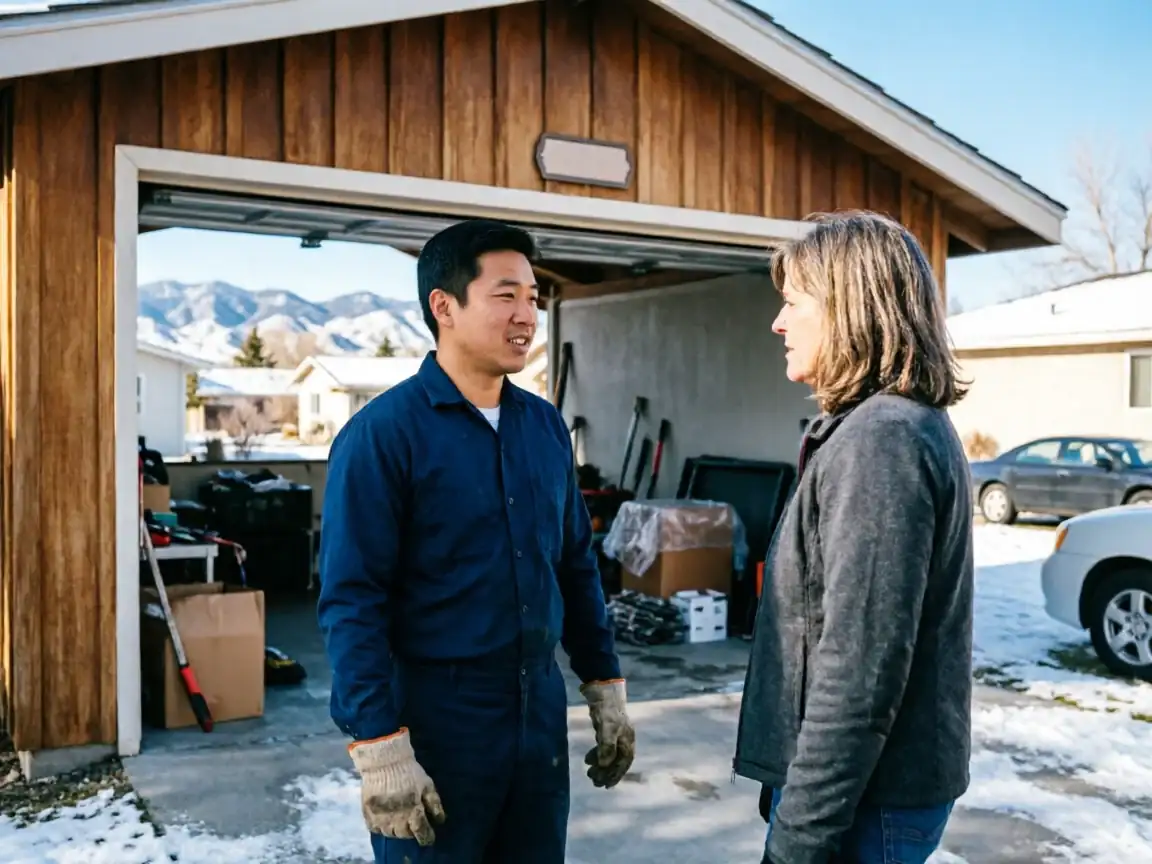
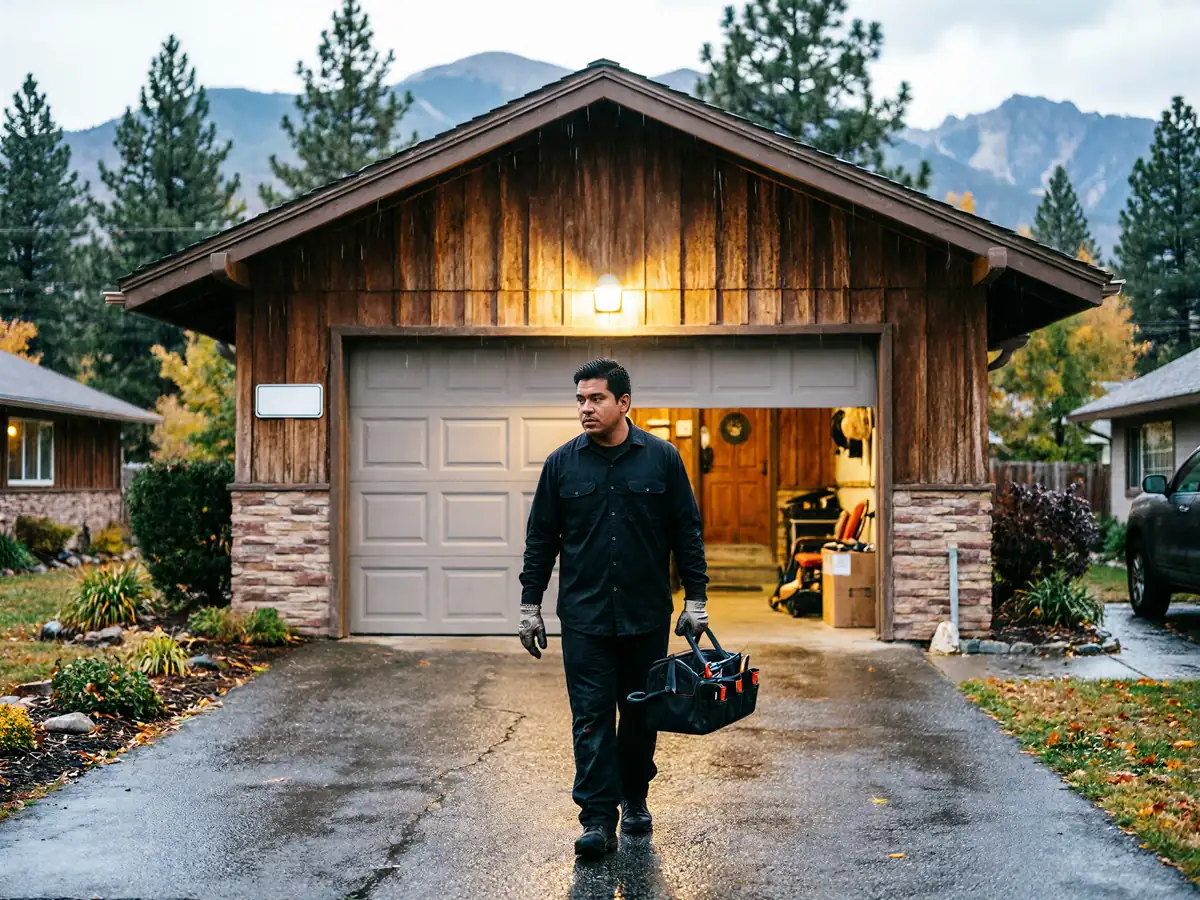
We're not based in Ken Caryl - we run out of Highlands Ranch, about 8 miles out. That drive is short enough that it doesn't usually change your day much, but it's worth saying plainly: there's no local branch here, and we're not going to pretend otherwise. The call comes to us, a truck leaves Highlands Ranch, and it drives the 8 miles in.
What actually determines how long you're stuck with a door that won't open is the part, not the drive. A broken torsion spring, the single most common call on 1980s-era stock like most of Ken Caryl, is usually a same-visit fix because torsion springs for standard residential doors are common stock. An opener logic board or a bent track from a backed-into panel can run longer if the part isn't something we carry on the truck that day. We'll tell you straight on the phone whether your symptom sounds like a stock-part job or a wait.
Booking a Visit
Tell us what the door is doing
Won't open, opens partway and stops, grinding noise, cable hanging loose - and we can usually narrow down what's wrong before the truck leaves Highlands Ranch. That 8-mile trip is part of planning the visit, not an obstacle to it; we just ask that you have a general sense of your door's age and whether it's ever been serviced.
For Ken Caryl specifically, knowing your home is likely a late-80s build helps us load the right spring size and the right opener parts before we're on the road
Instead of guessing. If your door is older than that - some lots here predate the main build-out - say so when you call, since the hardware underneath can be a different generation entirely.
We book by phone, walk through the symptoms, and give you a window
We don't invent a faster promise than we can keep over an 8-mile drive, and we'd rather tell you a realistic time than a nice-sounding one.
What the Fix Involves
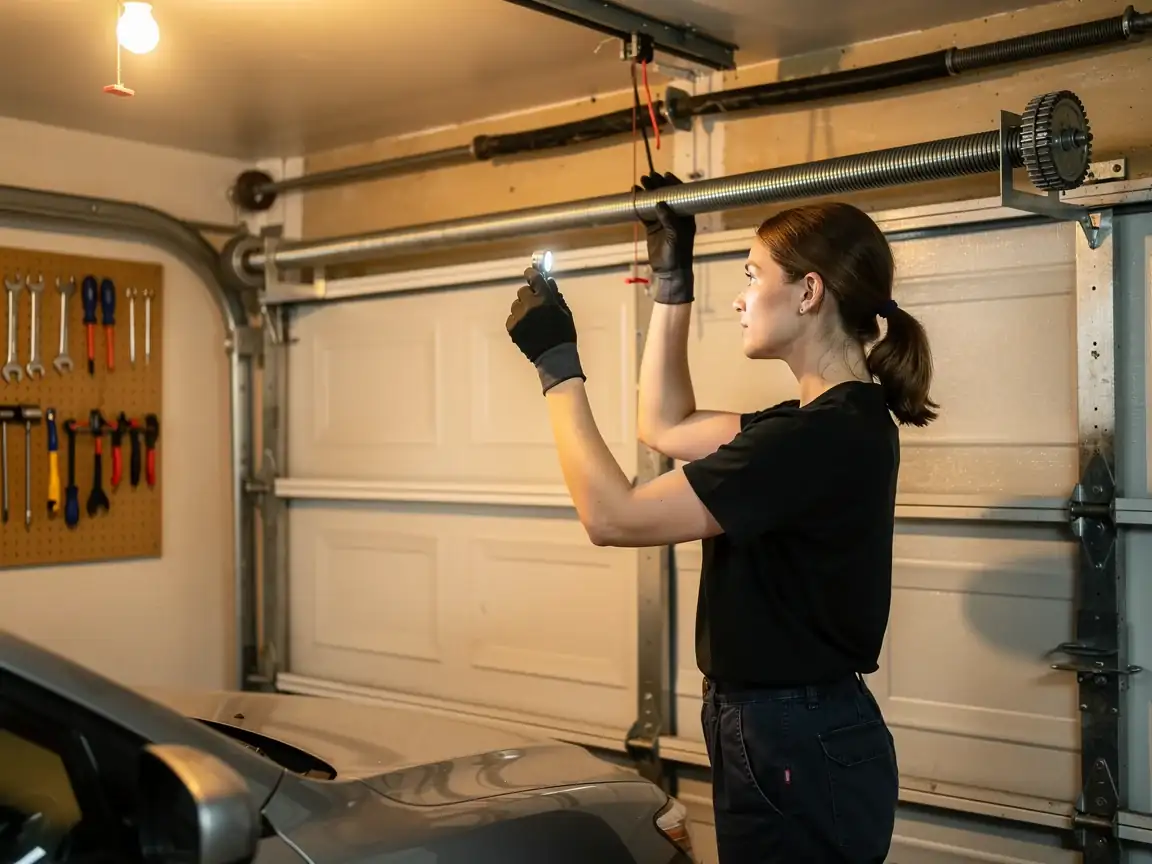
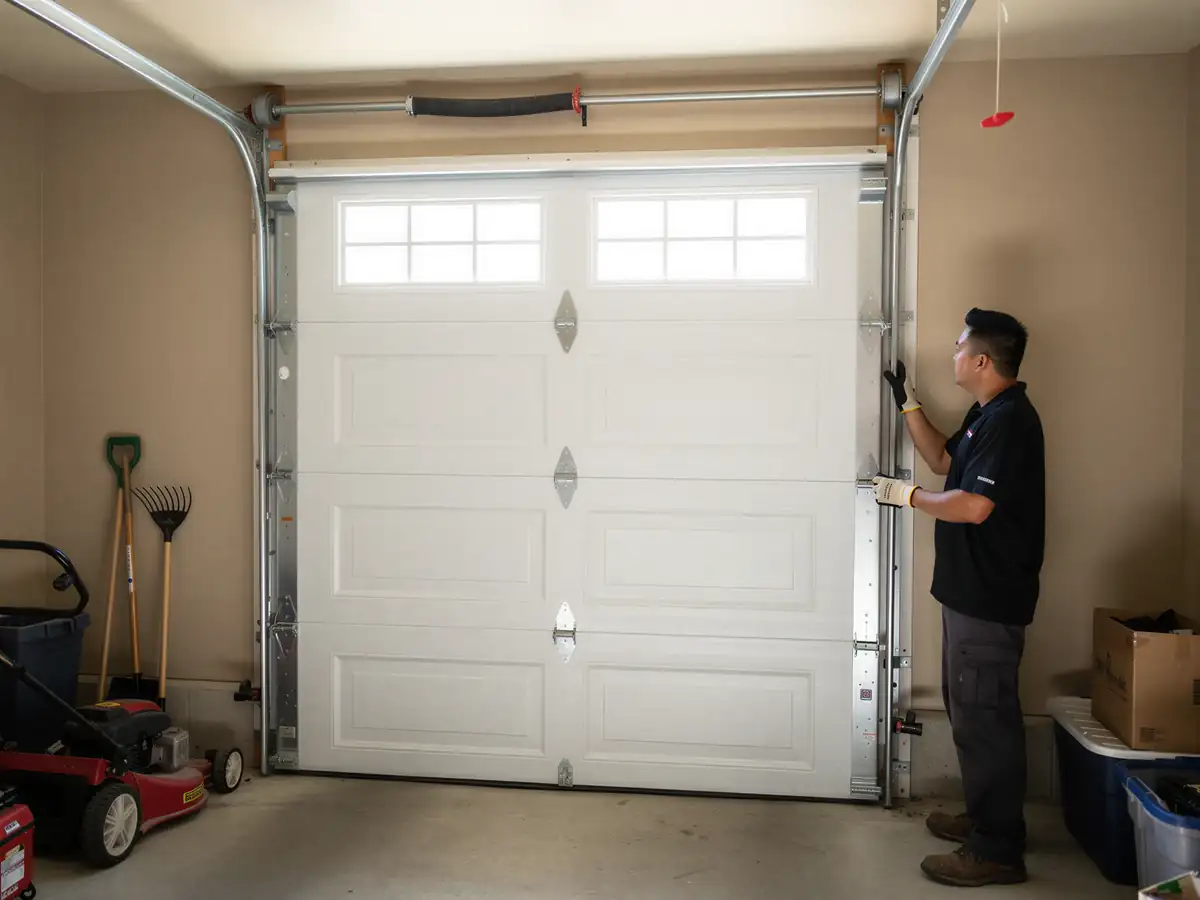
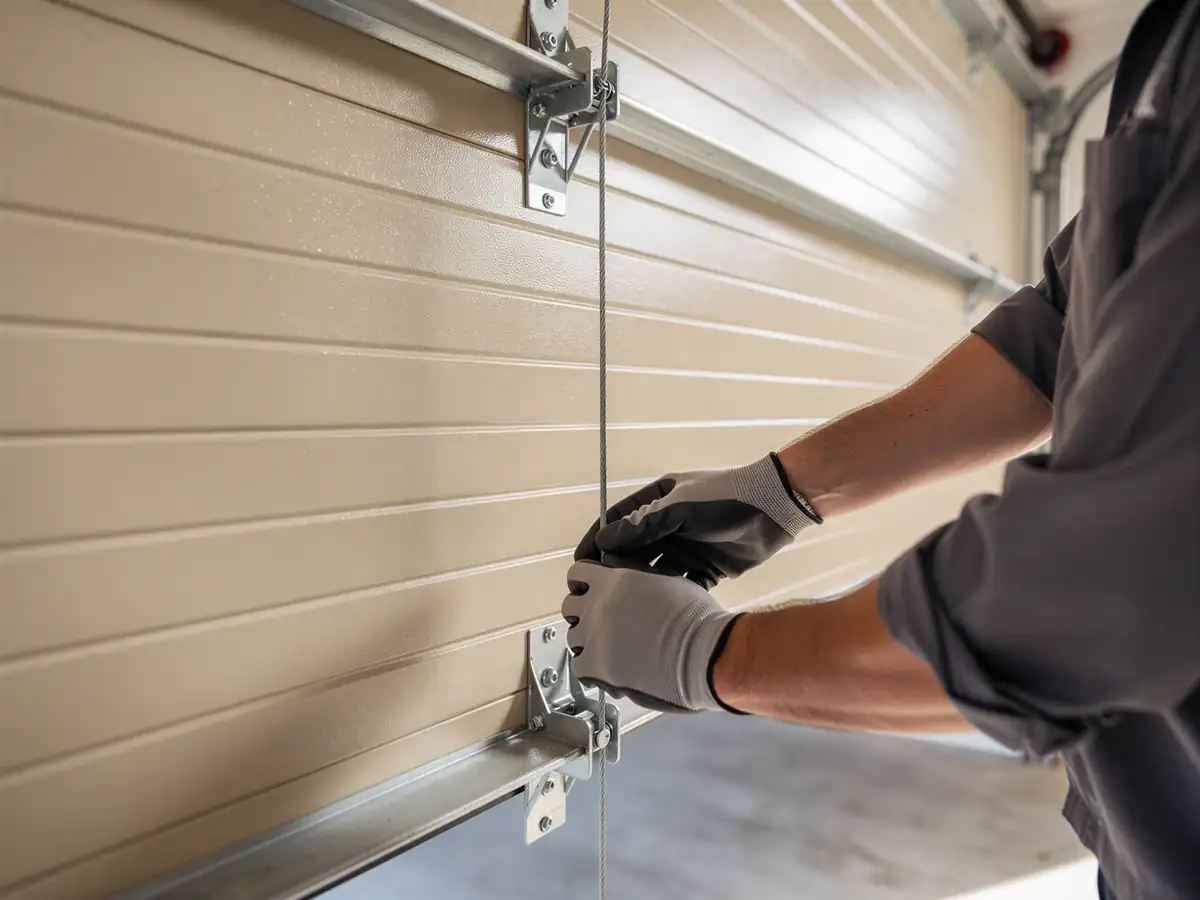
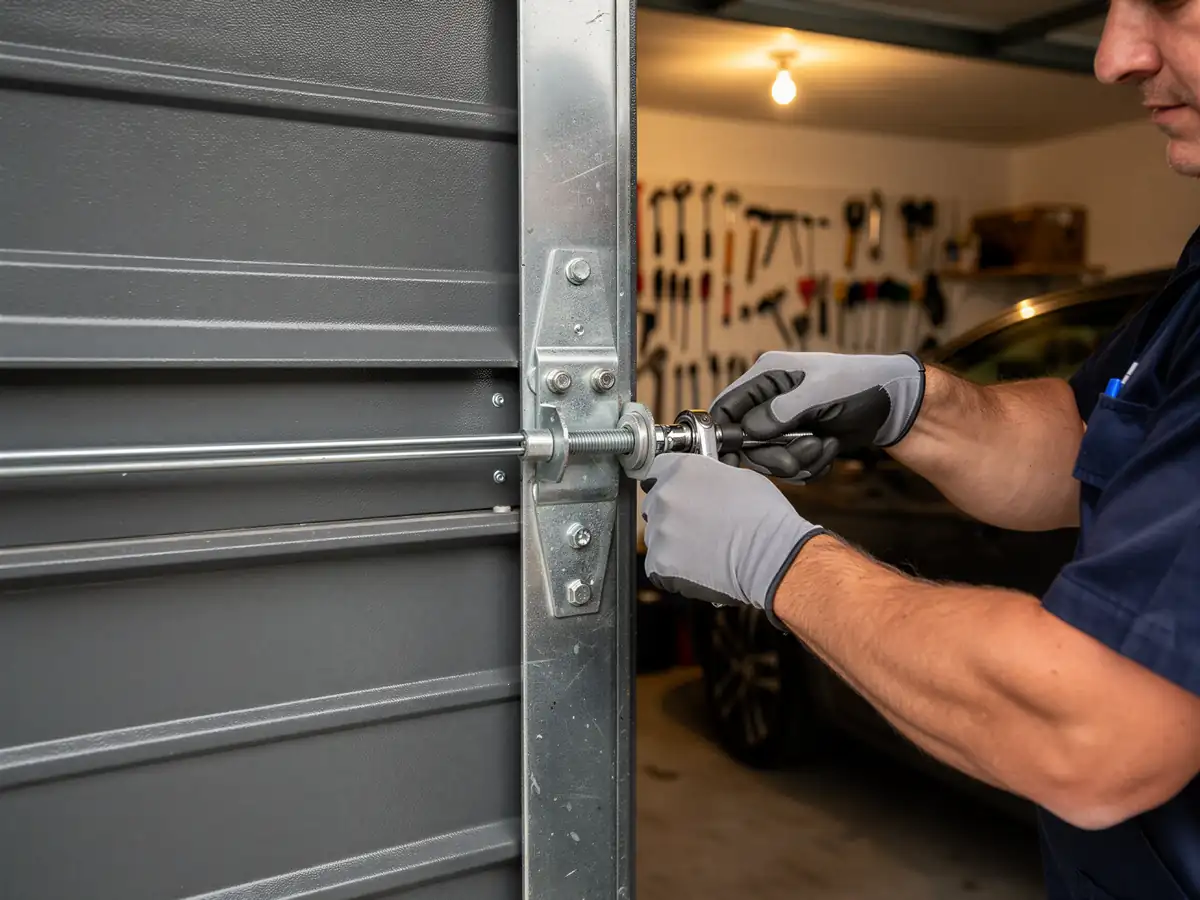
On a torsion spring replacement, the standard call for homes built around 1987, we unload the old spring under controlled tension, measure the opening against the existing drum and cable, and install a matched pair sized to your door's weight rather than a generic stand-in. That's the job on most Ken Caryl calls we run.
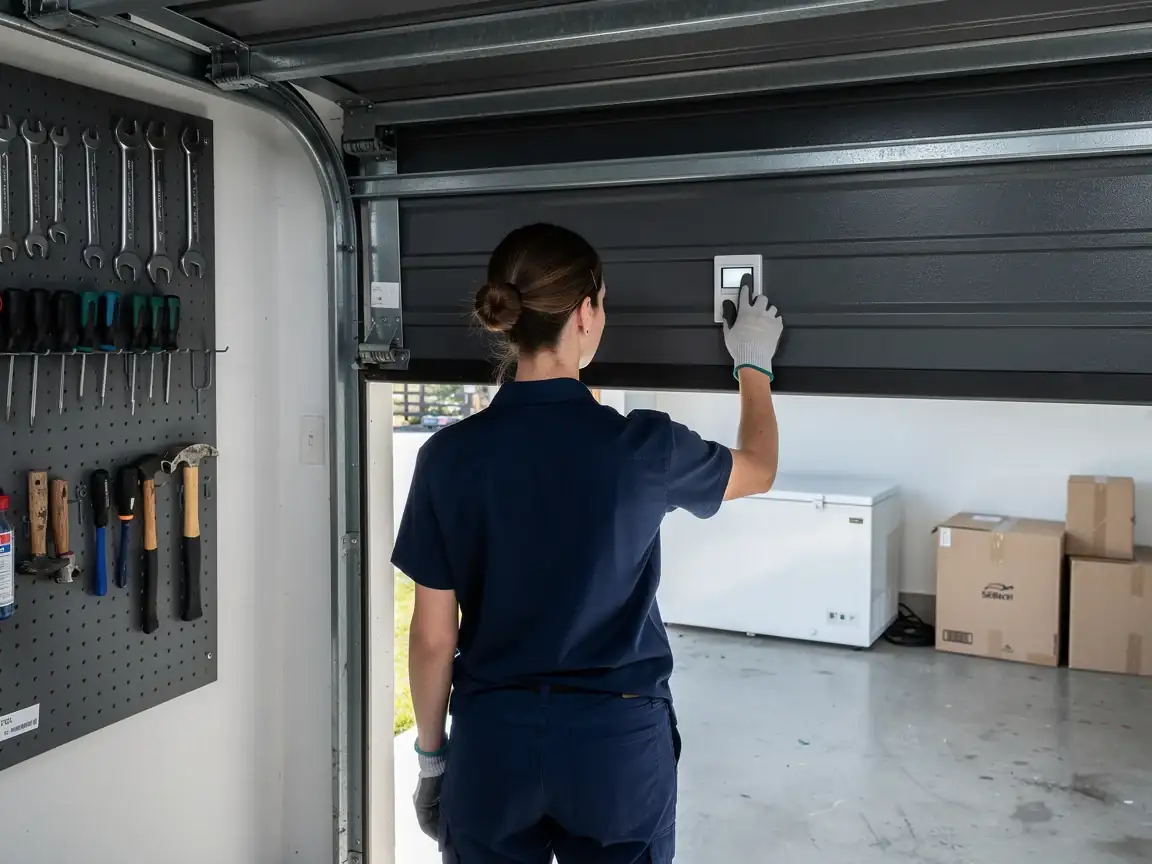
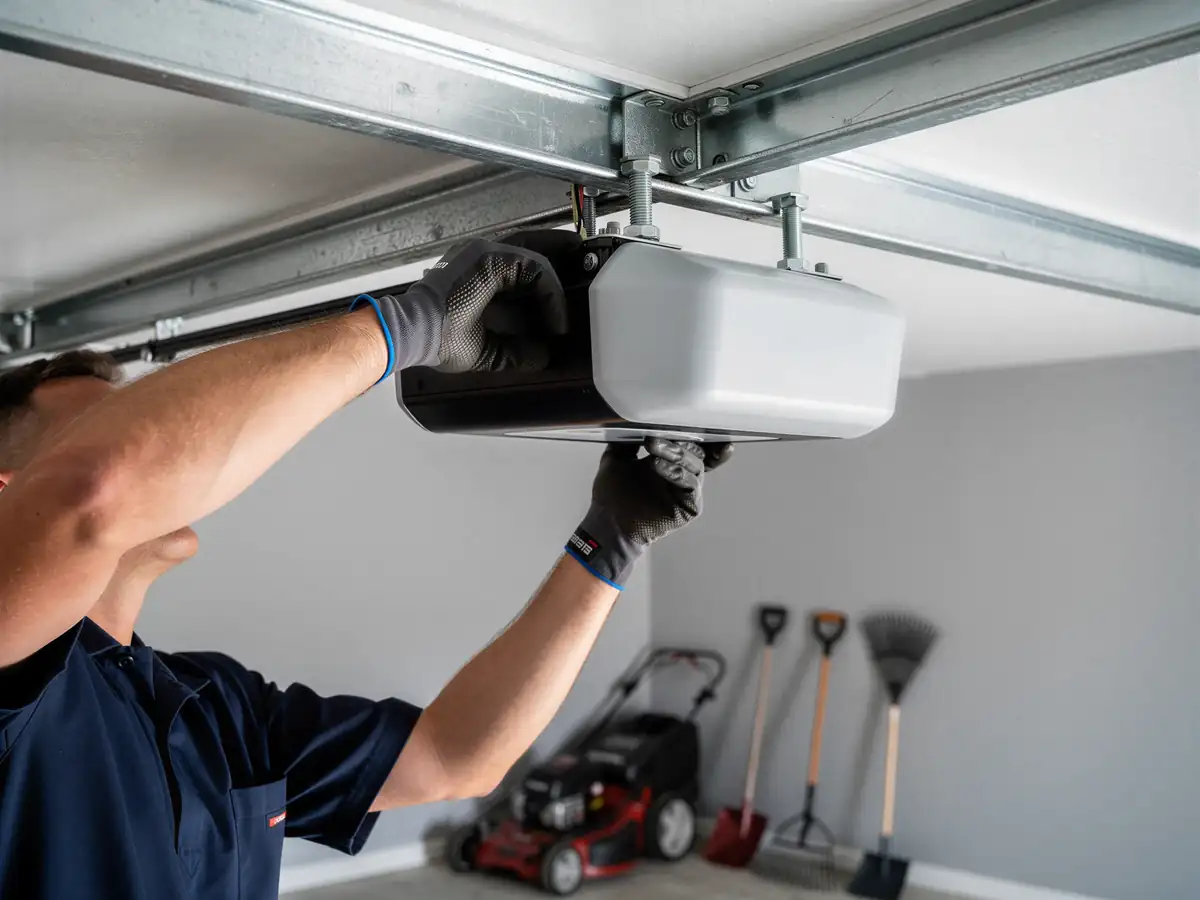
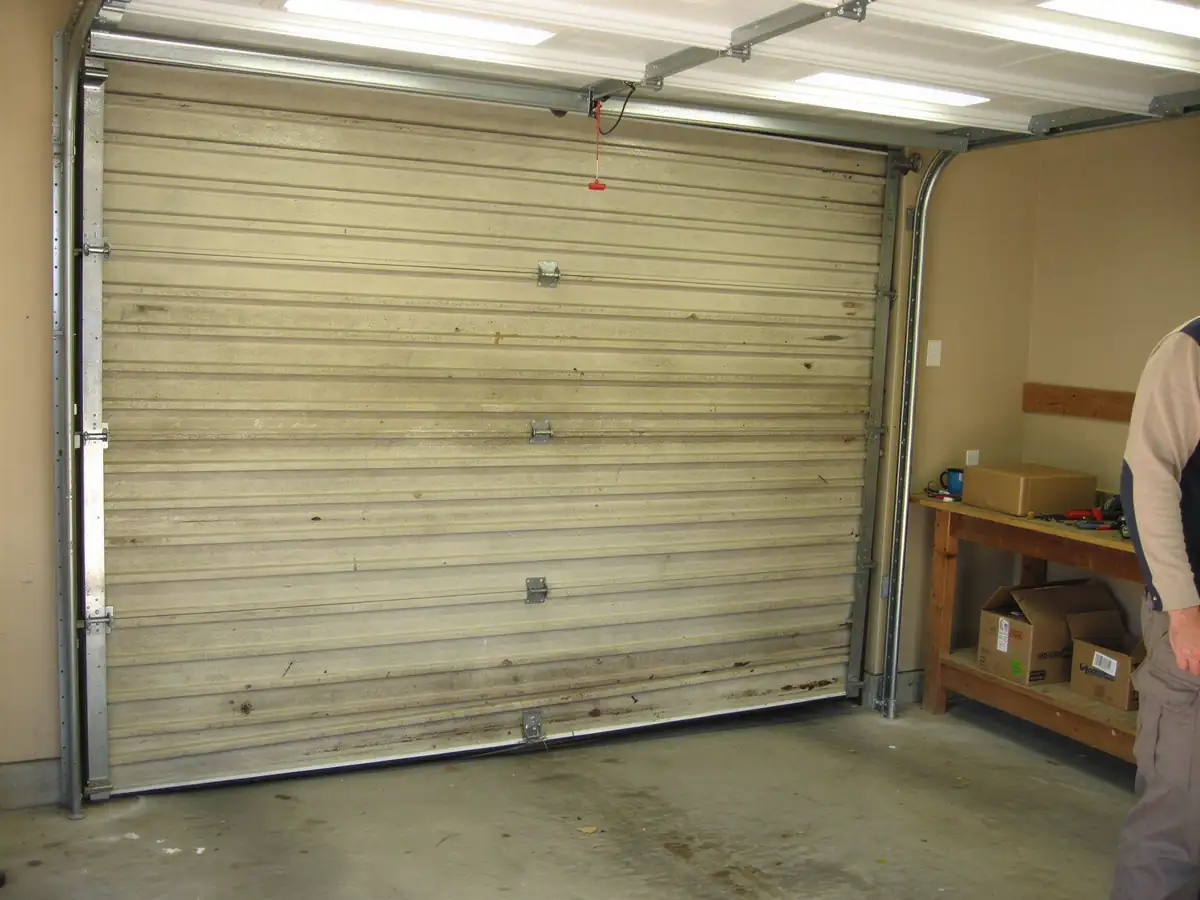
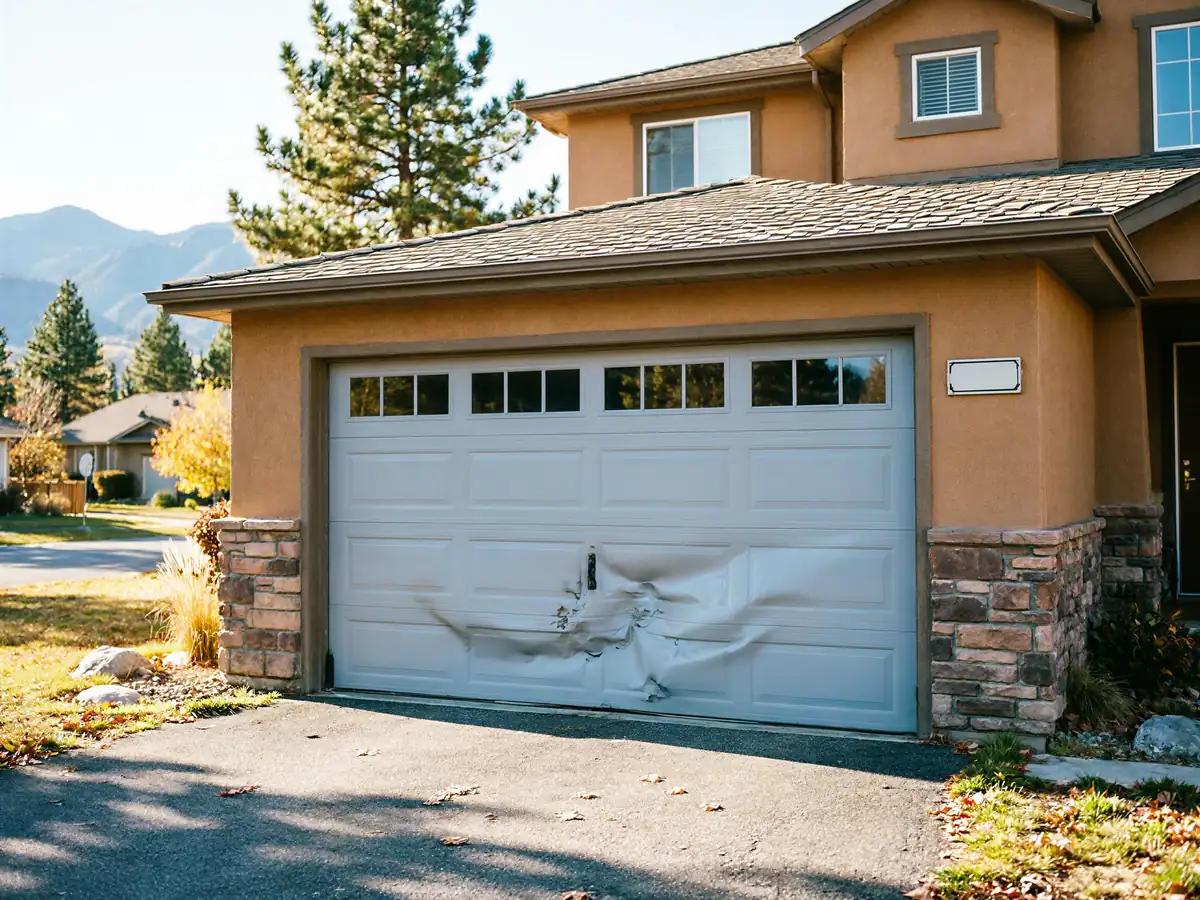
Opener repairs lean toward logic board or gear-and-sprocket failures on units installed when the house was newer, plus sensor misalignment, which is a five-minute fix but gets misreported as a dead opener more than anything else we see. Track and roller work shows up after a hard impact more than from age alone at this build era - a bent track from a backed-into panel needs straightening or replacement, not just a tune-up.
Here's the limit: if a torsion spring has already snapped and warped the drum or cable in the process, we're not going to charge you for a spring-only fix and send you off with hardware that's going to fail again in a season. We'll tell you when the cheaper fix isn't the honest one.
What Is on the Truck
Standard torsion springs sized for residential doors are the single most-stocked item, because they're the most common failure on housing stock like Ken Caryl's. We carry a range of sizes rather than one default, since a door's weight and spring size vary even within homes built the same year.
We carry rollers, standard-gauge cable, and common sensor units for the misalignment calls that come in as 'opener's dead.' Track sections ride along for the bent-track jobs that follow a panel impact. What we don't carry for every call is a specialty opener logic board - some models aren't stock parts, and if yours needs one, that's the one time this becomes a return trip instead of a same-day fix. We'd rather say that now than promise a part we don't have on the shelf.