What Can Go Wrong
Stonegate's median household income runs $157,021, well above the $129,480 median for the wider service area, and that number matters more than people think when a door quits. At that income level, most owners here are replacing a door, not nursing a twenty-year-old one along with mismatched parts - the math works the other way from older neighborhoods.
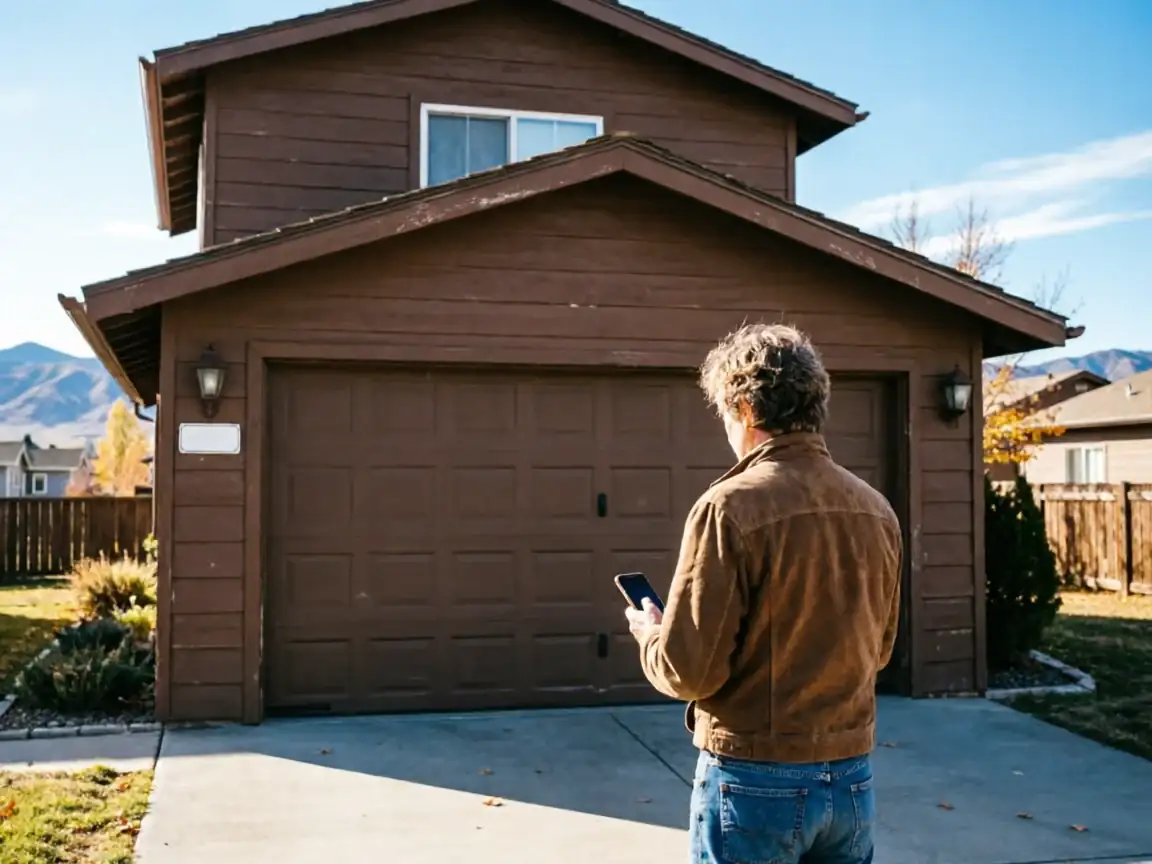
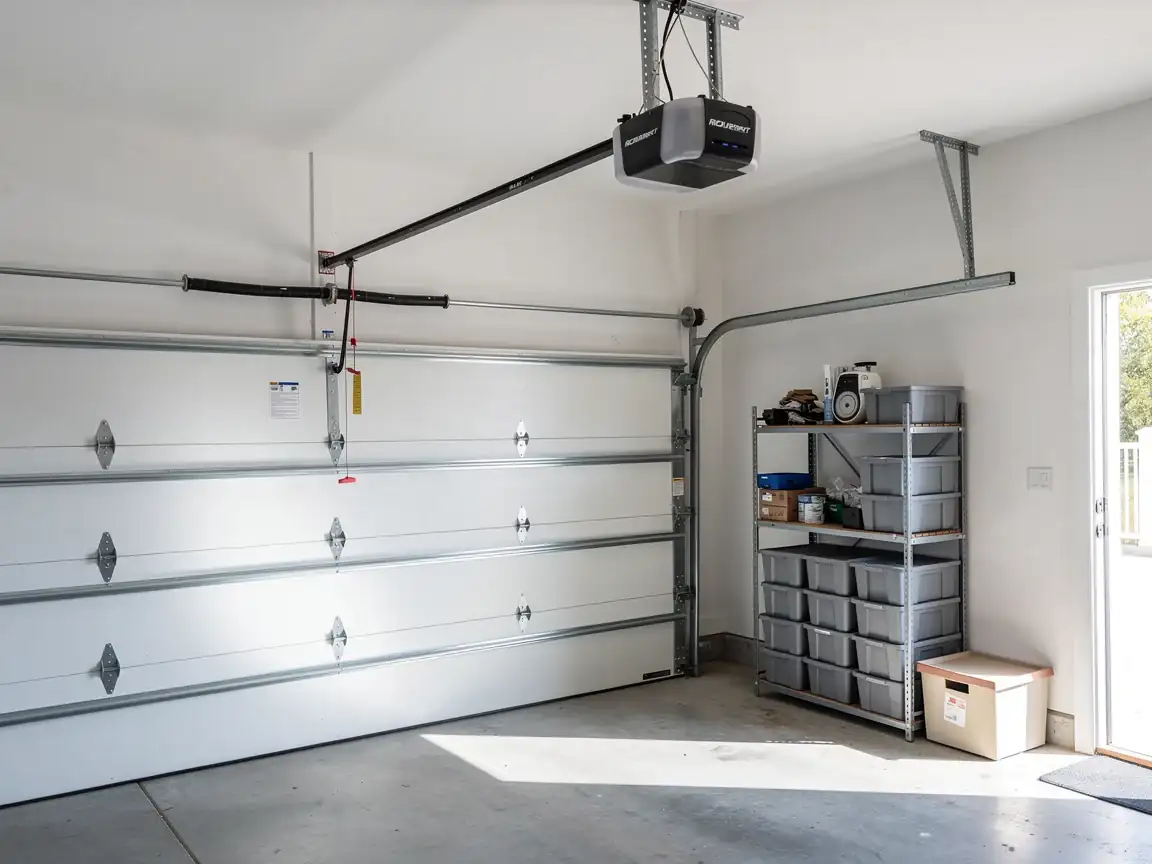
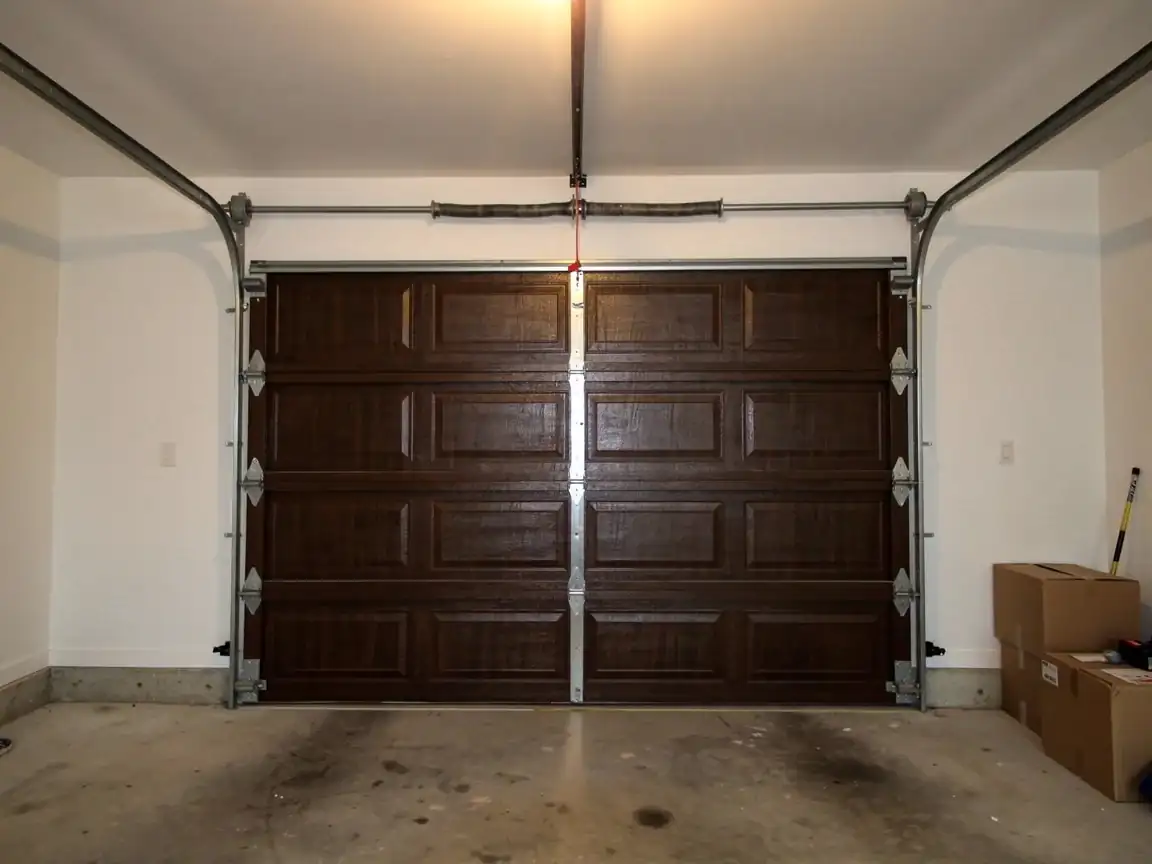
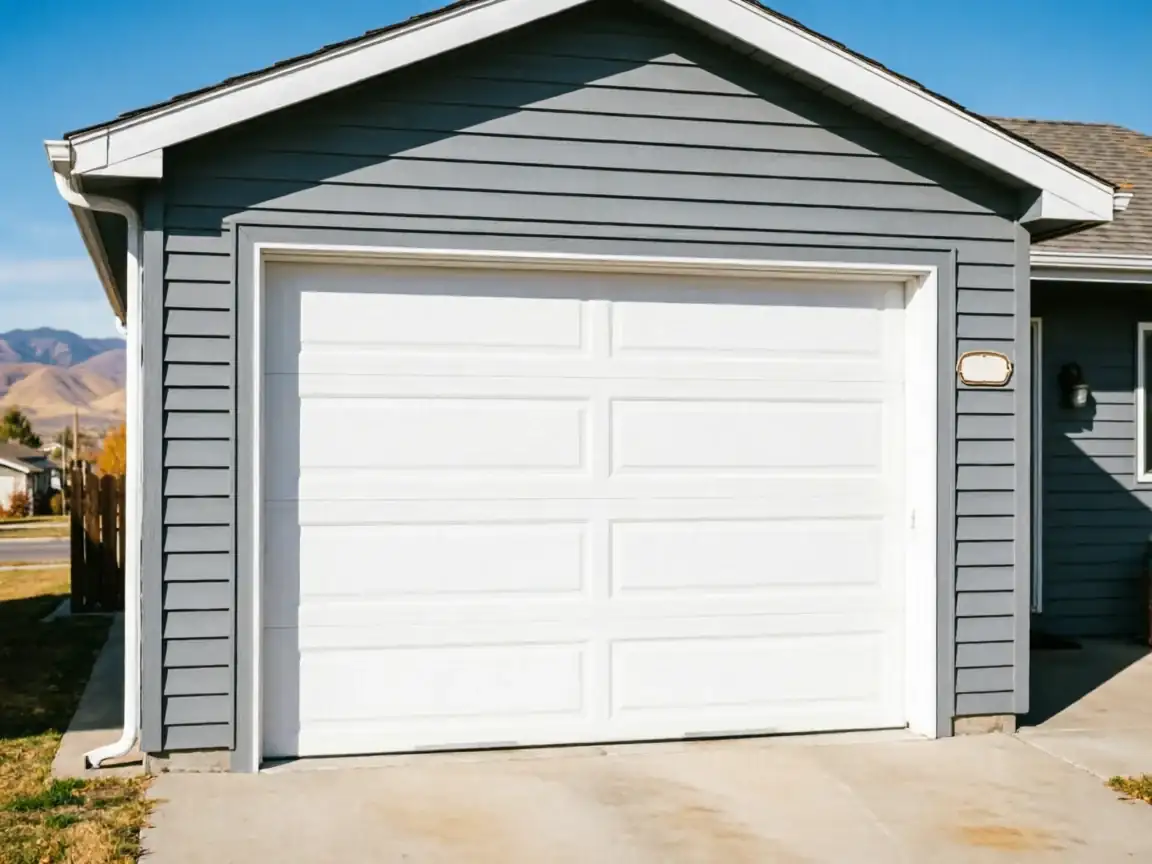
That's partly because the houses themselves are younger. Stonegate's housing mostly went up around 1997, well past the 1938-2005 span and 1979 median year built that covers the wider area, and a long way past the 1960s-70s stock that makes up a lot of the other 31 named communities out here. That means standard torsion springs on steel sectional doors, factory openers with photo-eye safety sensors, and extension-spring setups are rare rather than the norm.
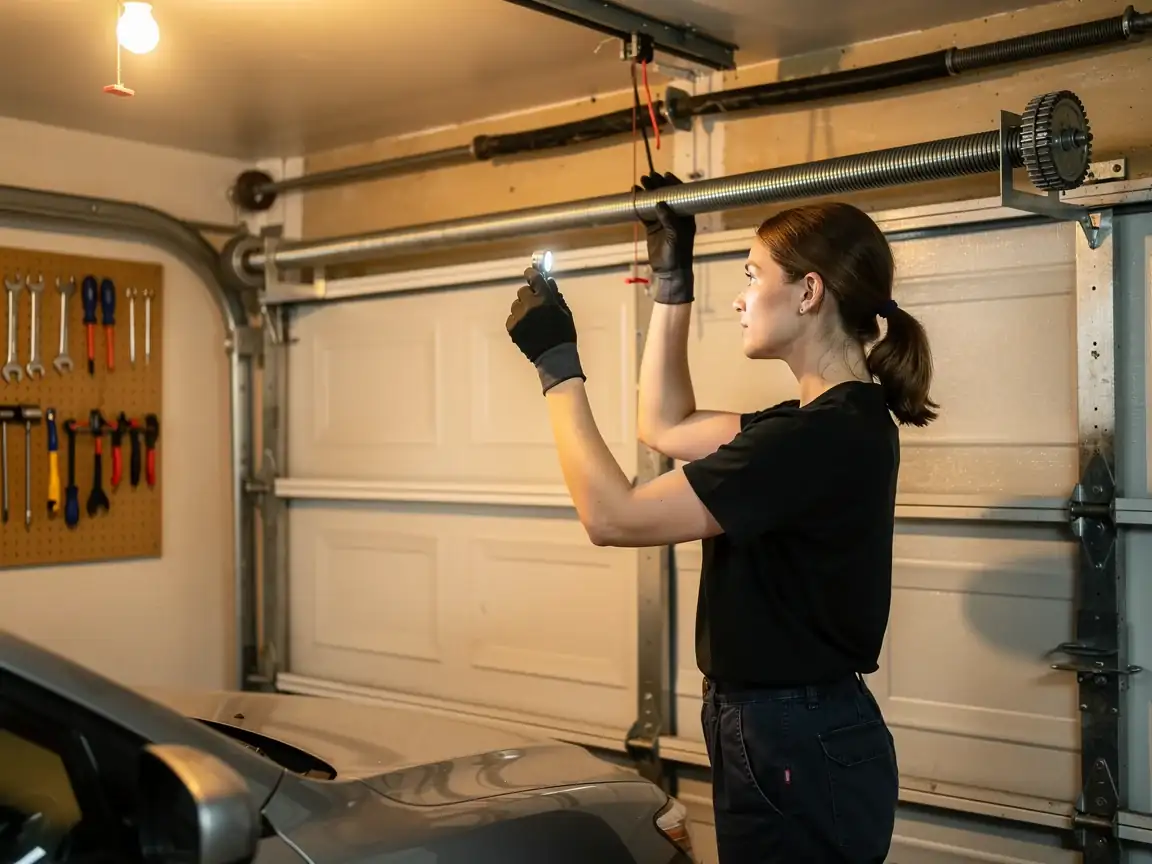
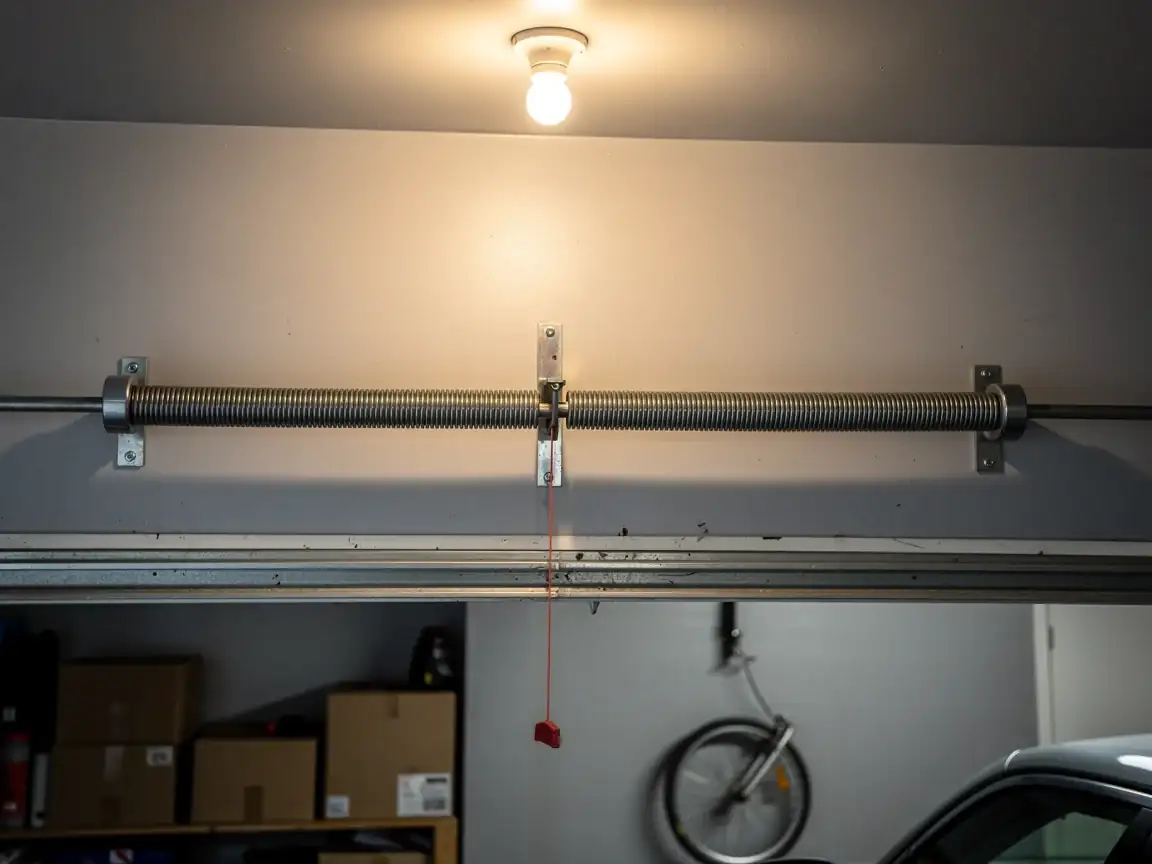
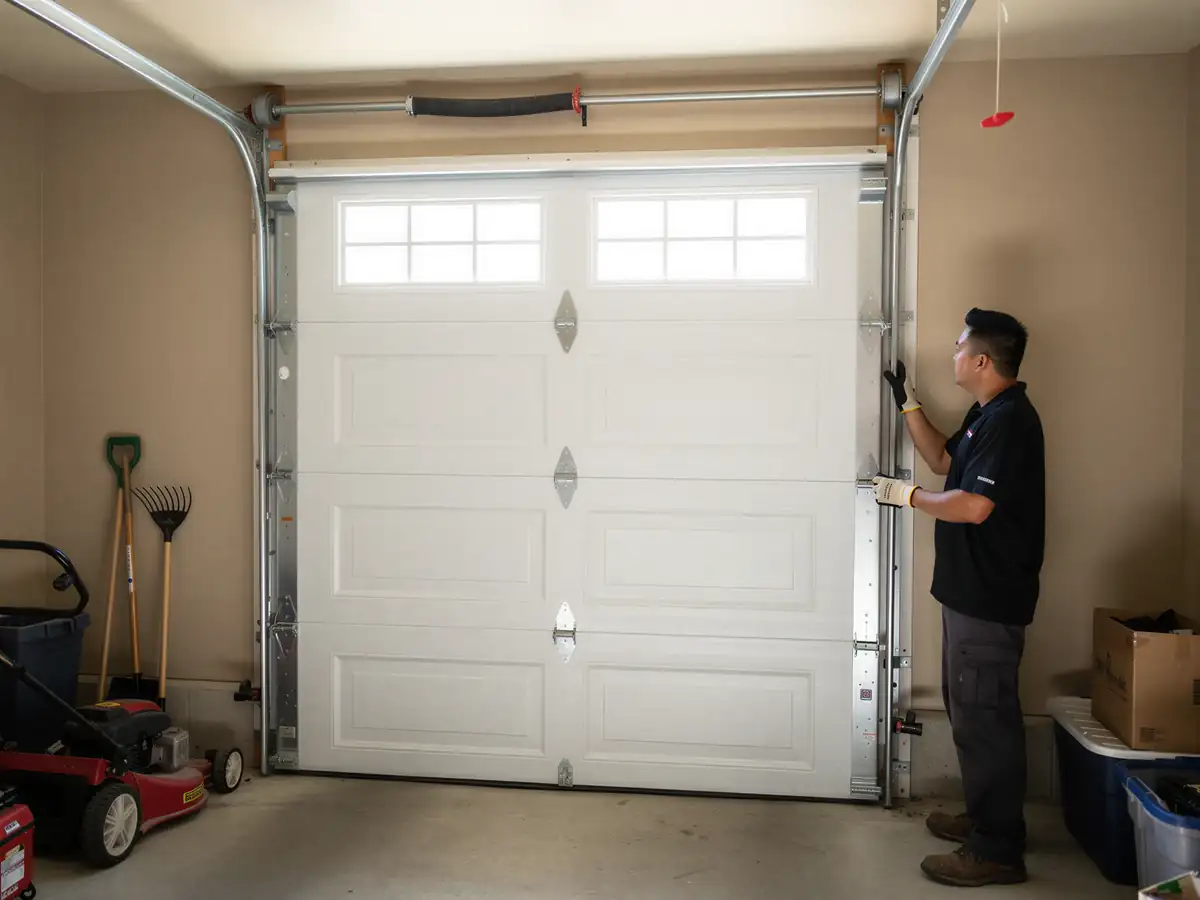
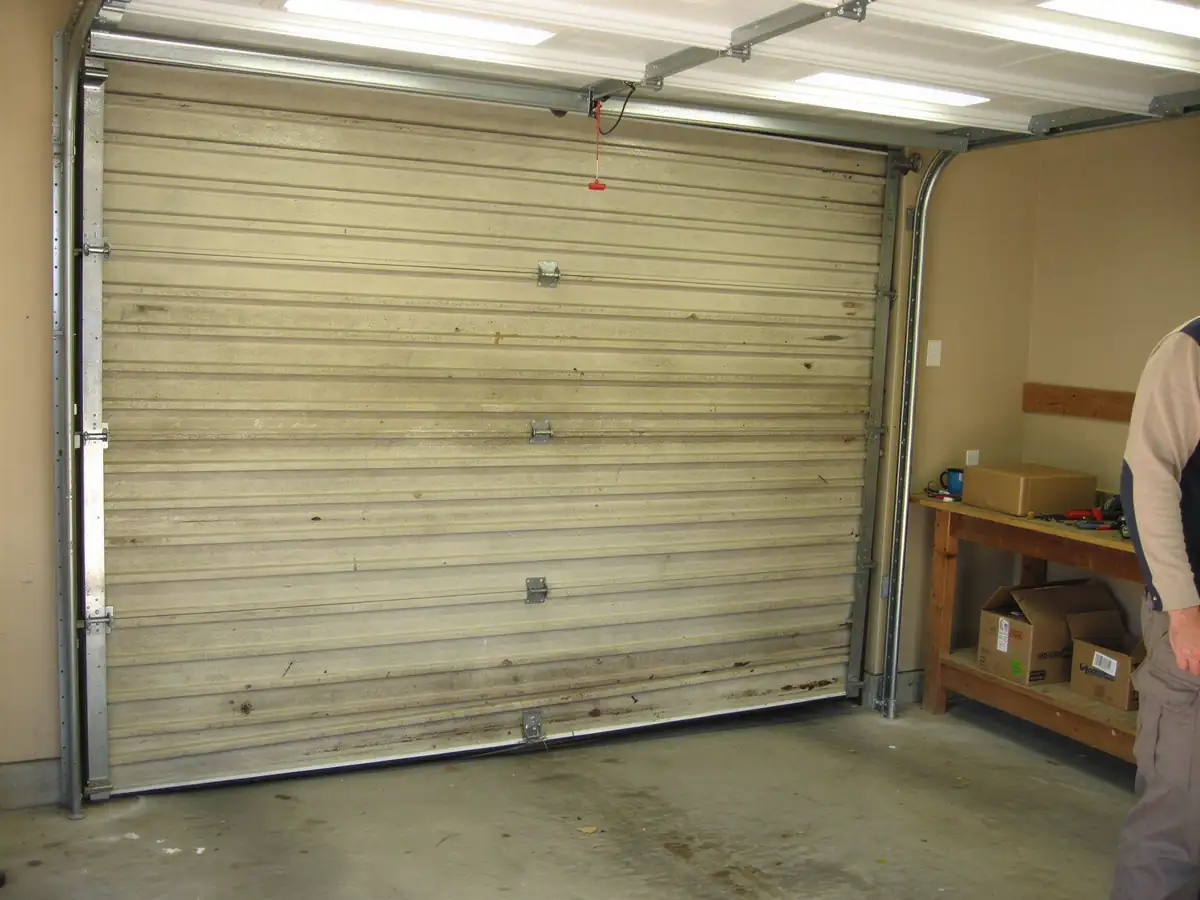
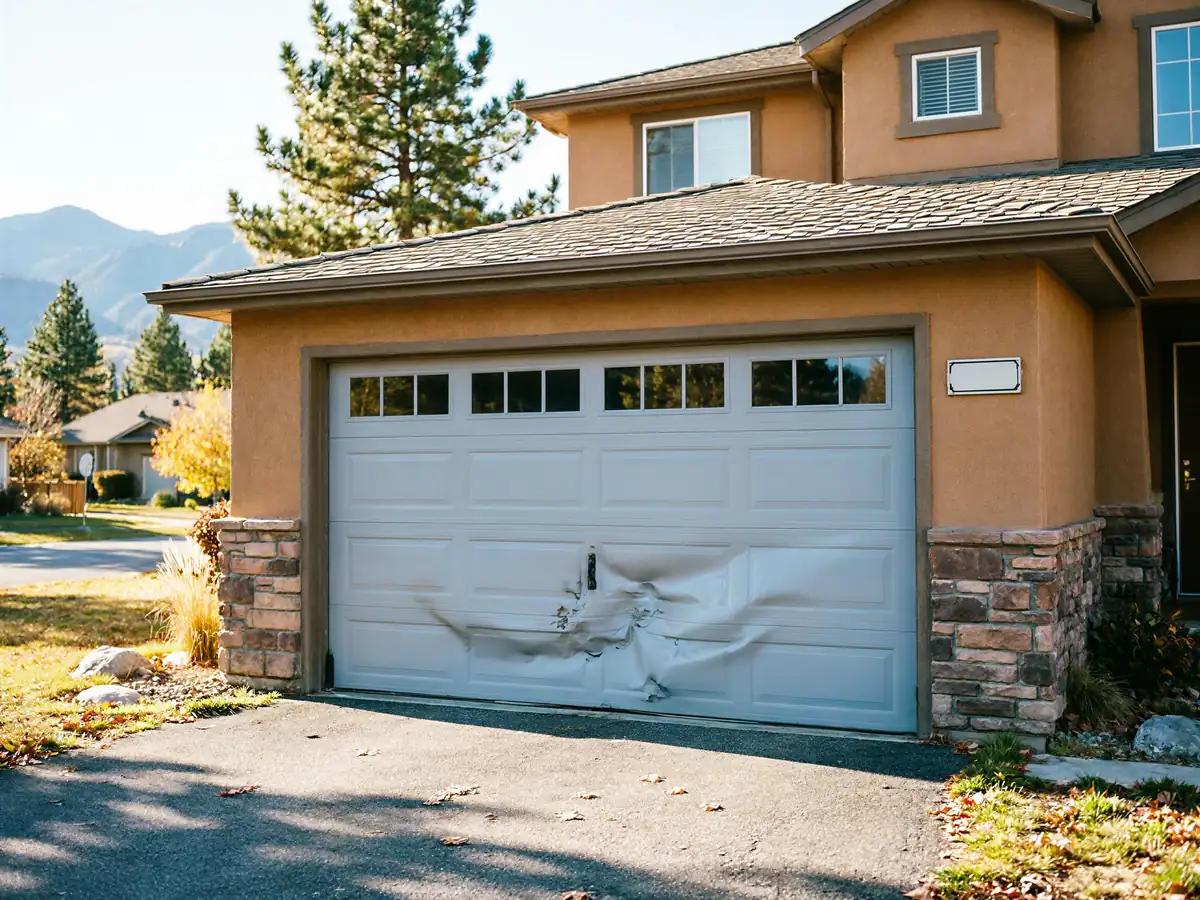
What actually breaks tends to be wear, not obsolescence: a torsion spring that's done its 10,000 cycles, a cracked bottom bracket, a center bearing plate that's seized. Add in a cold-climate winter - this is a severe cold band, and cold tightens steel and stiffens grease - and a spring that was already marginal often lets go on the coldest morning of the year, not the warmest.
What Is on the Truck
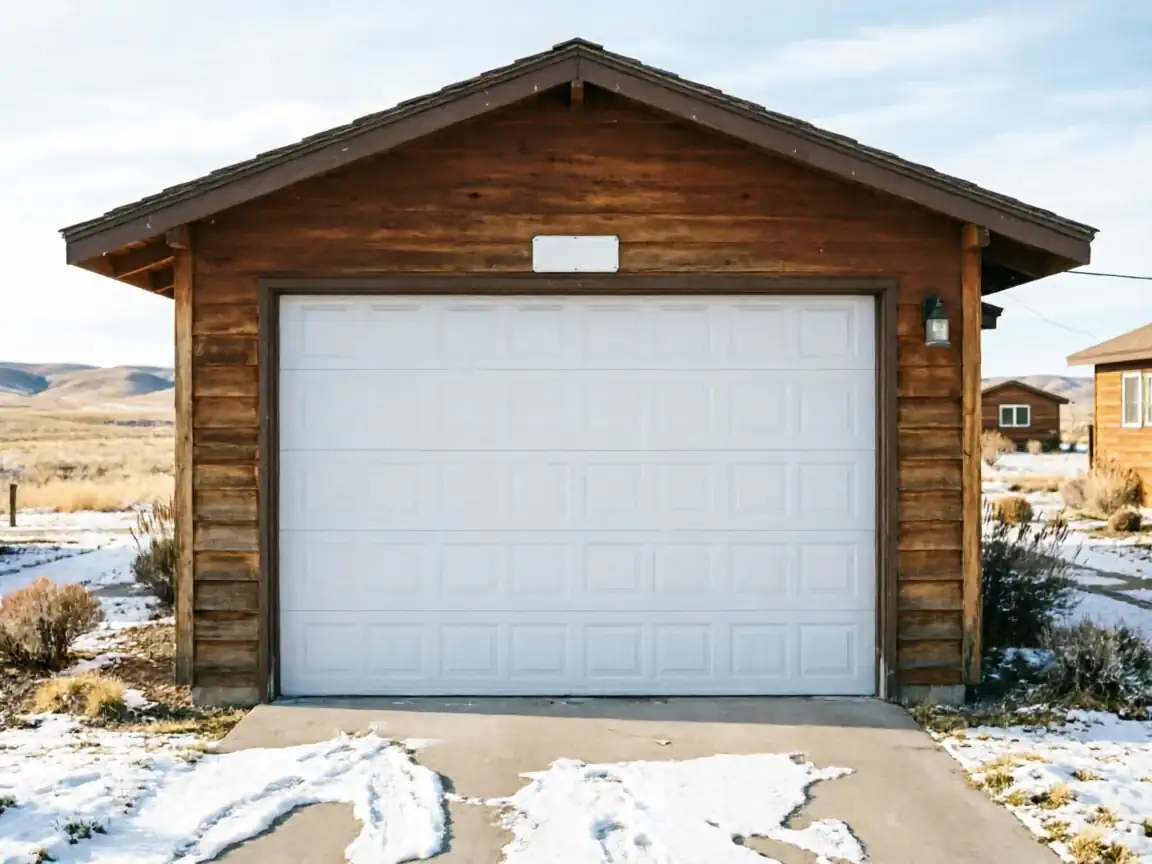
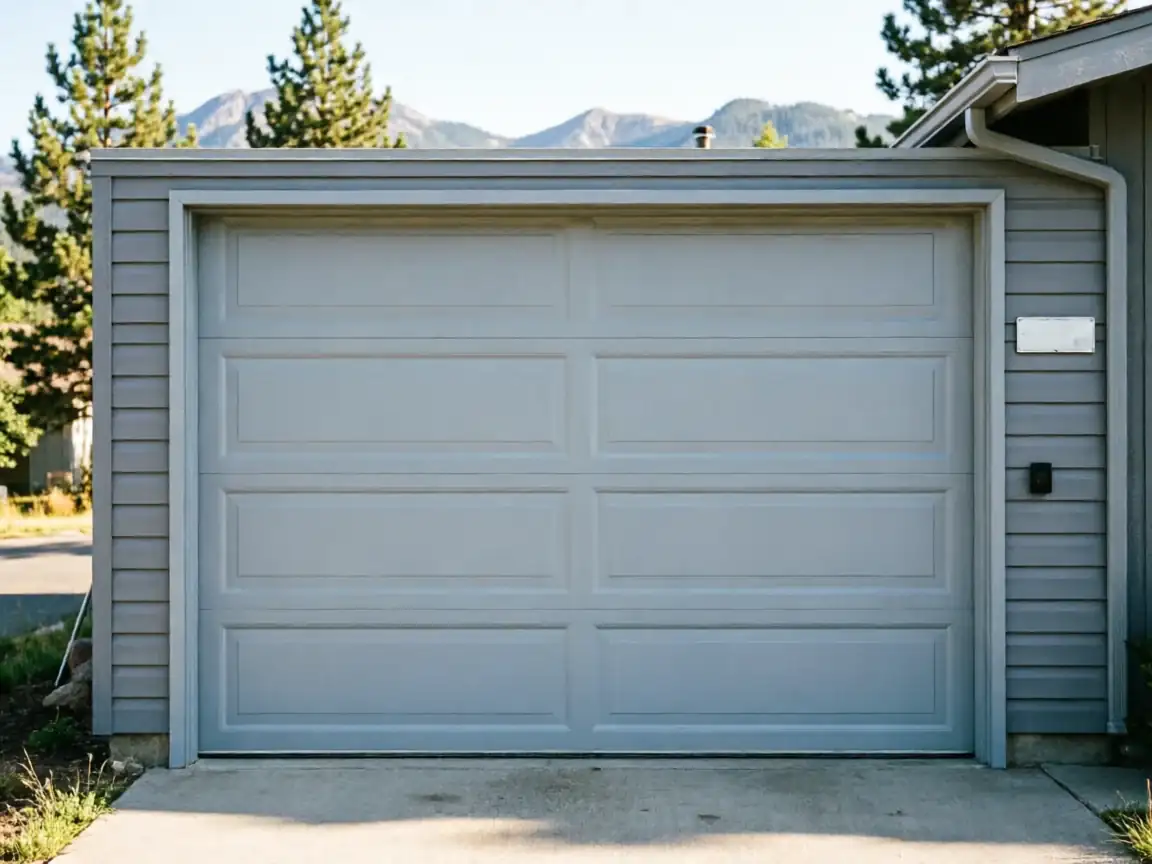
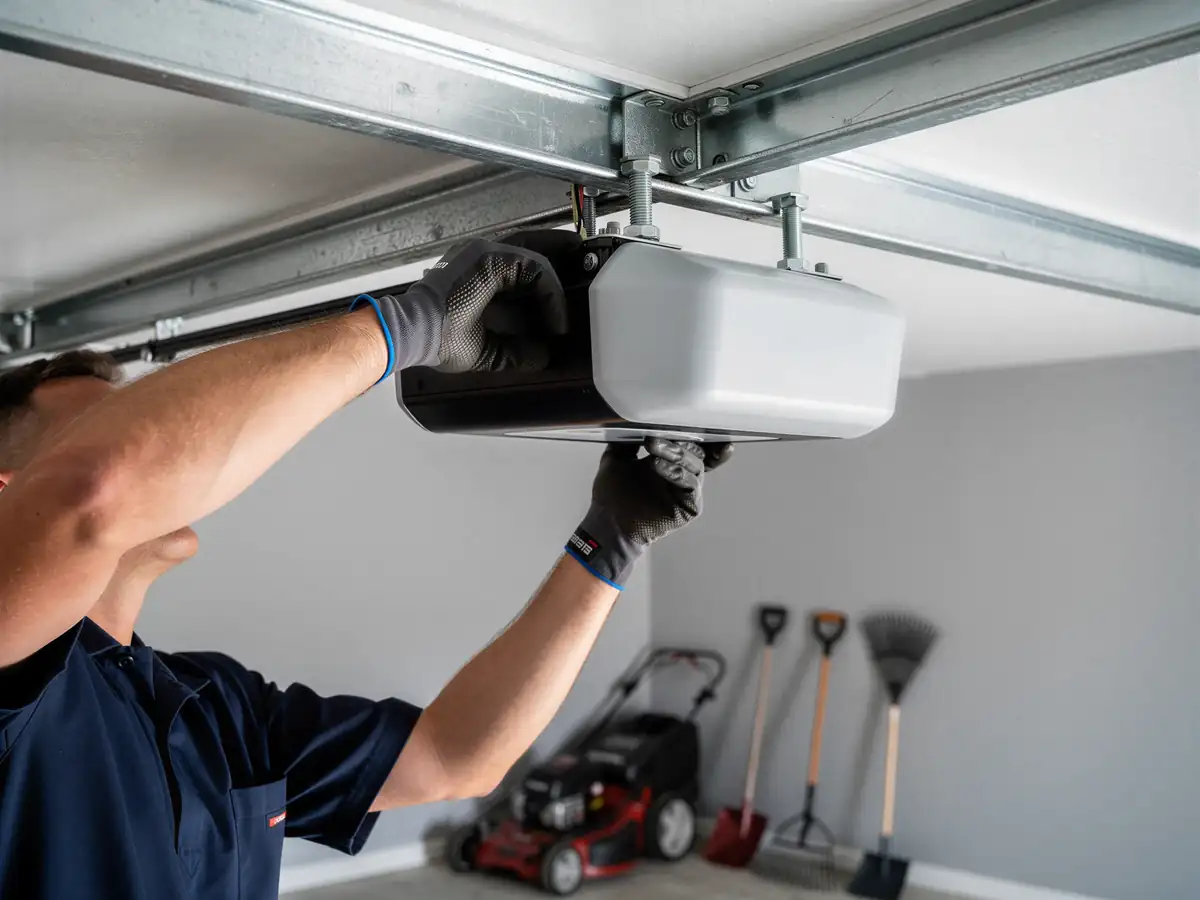
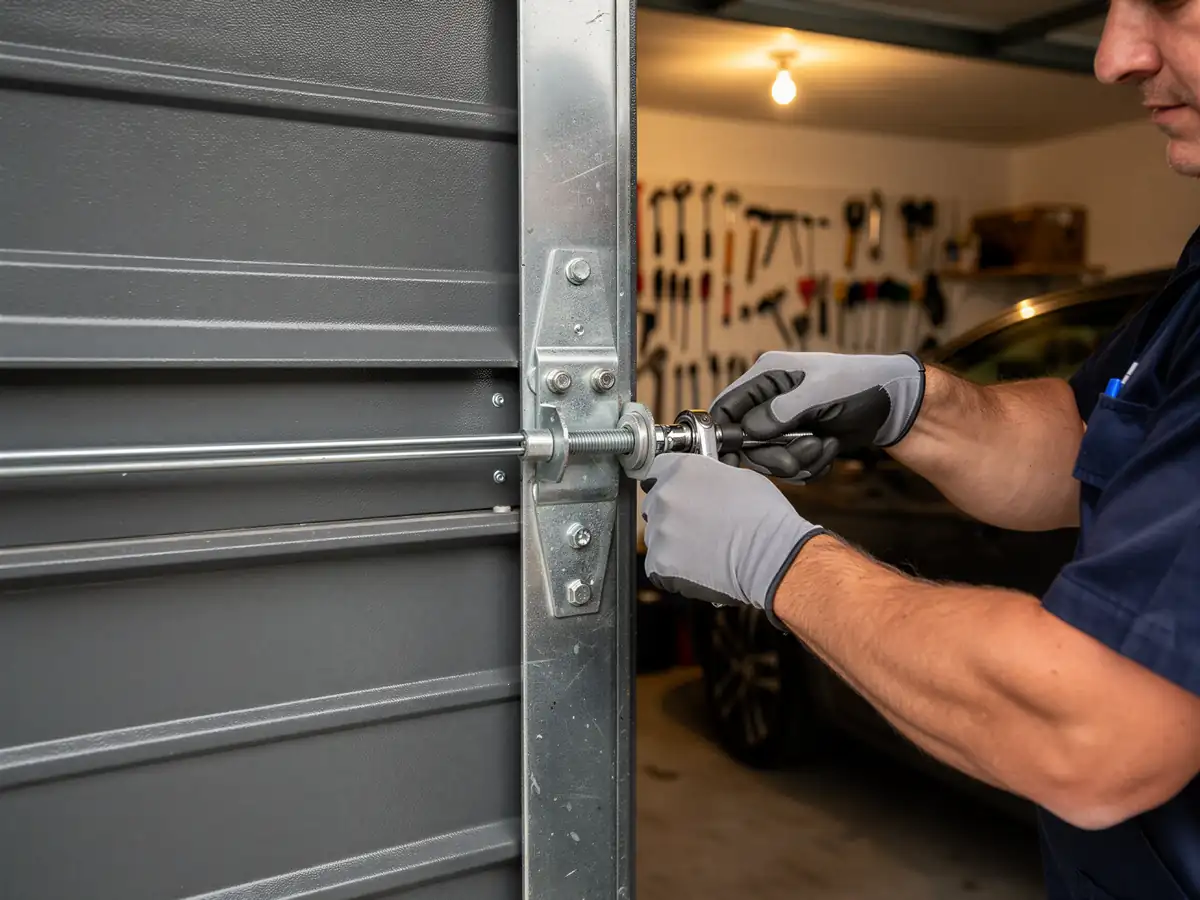
Because Stonegate's door openings are mostly standard late-1990s sizes, the truck carries torsion springs in the common wind and diameter combinations that fit factory steel doors of that era, along with standard rollers, cables, and bottom brackets. Openers from that period are mostly chain or belt drive with photo-eye sensors, and most failures there are logic boards, limit switches, or drive gears rather than exotic parts.
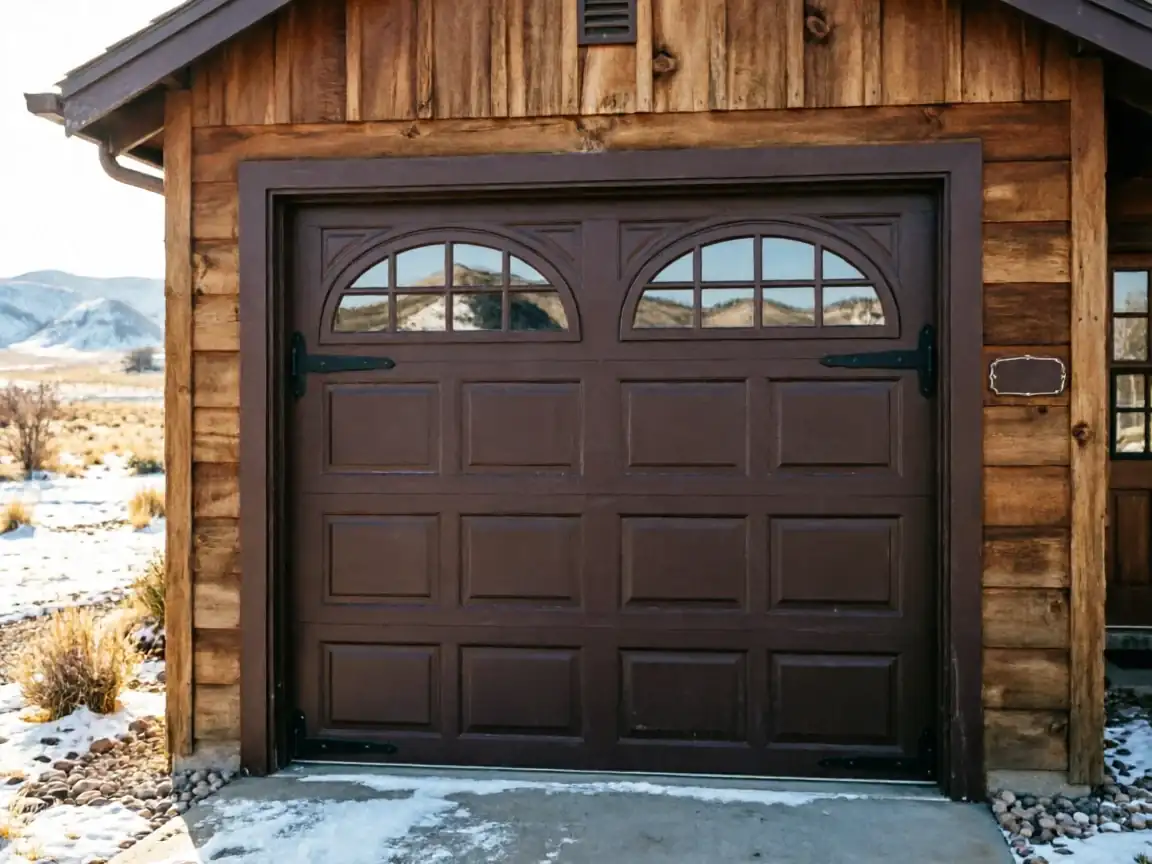
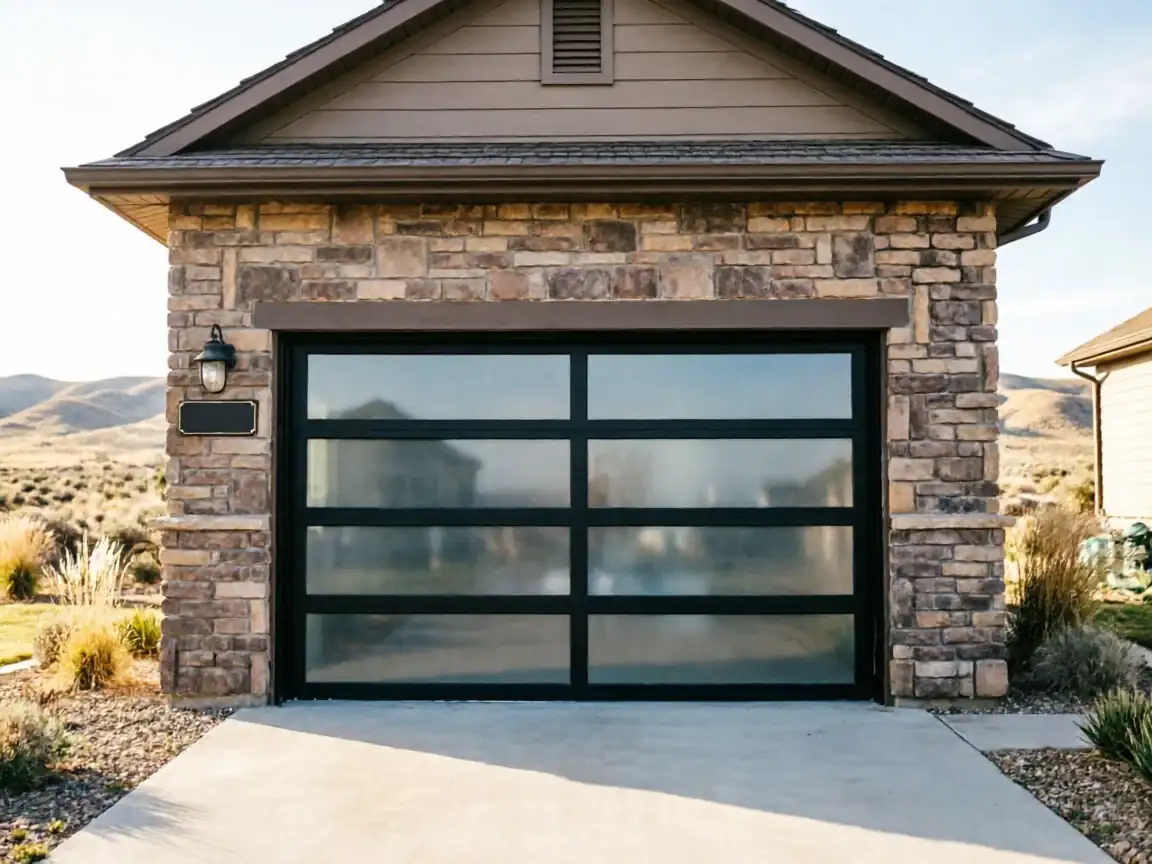
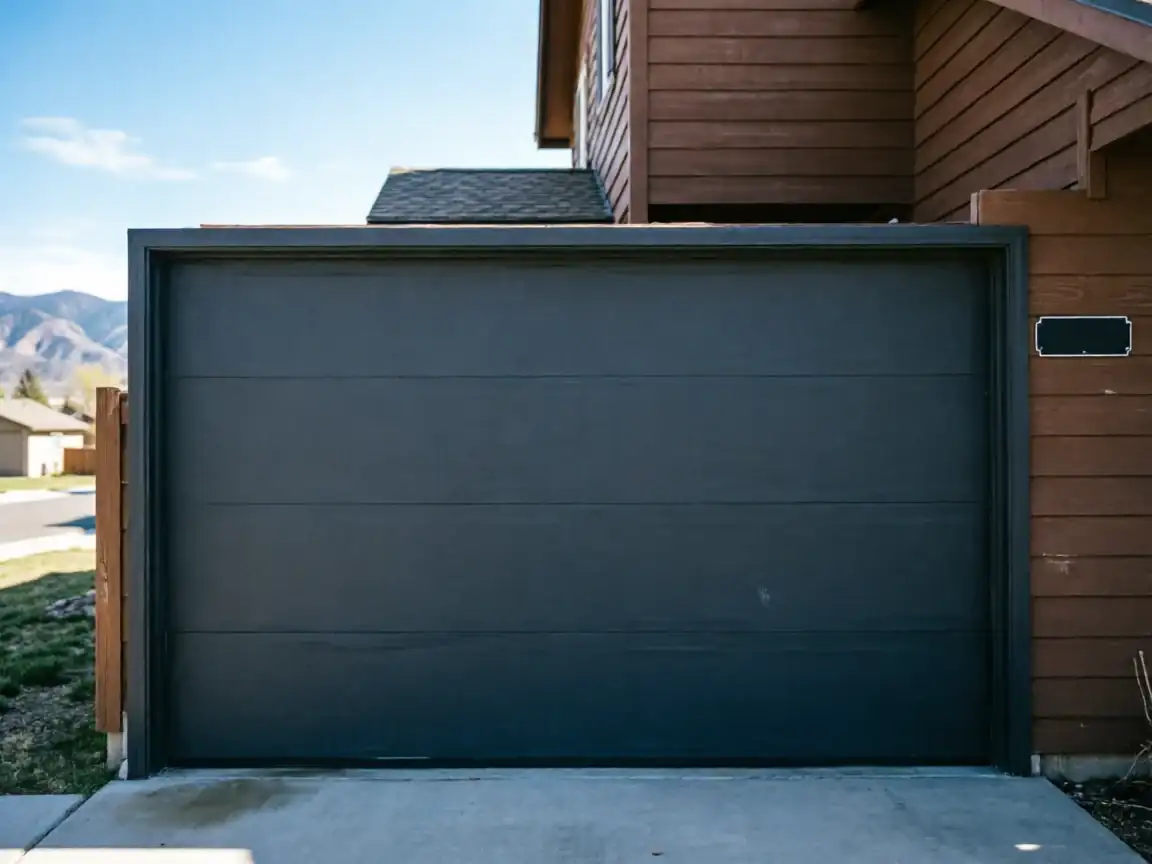
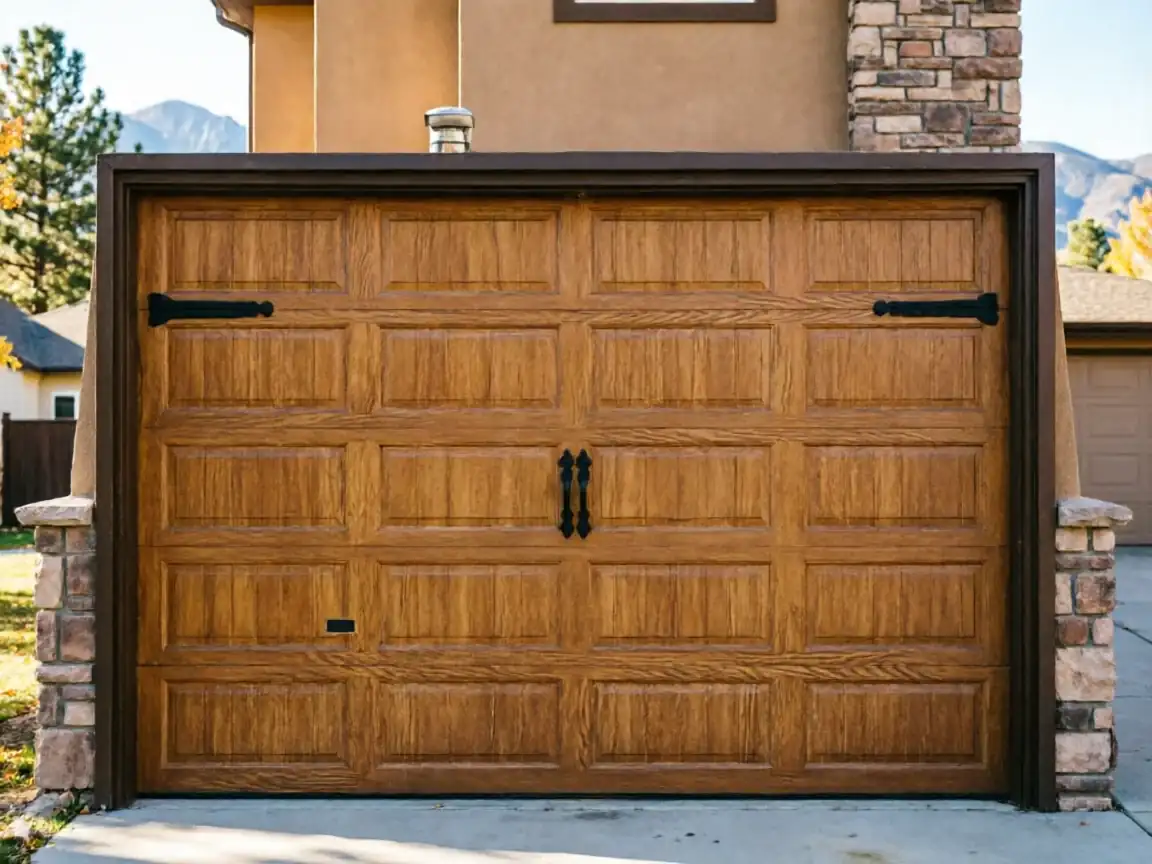
Here's the honest limit: if a door was upgraded later to a custom size, a carriage-style panel, or an insulated door with a non-standard track, the exact spring or panel may not be a stock item. In that case the job becomes a measure-and-order visit rather than a same-trip fix, and that's worth knowing before you call expecting it done in one pass. Nobody likes hearing that, but it beats a part that doesn't actually fit going back on your door.
Doing It Yourself
There's a hard line here
Torsion springs are under enough tension to break bones, and that's true whether the door is five years old or twenty-five. Don't touch the spring, the cable drums, or anything bolted to them. That's not caution for its own sake - it's the one repair on this list that regularly sends people to the ER.
What you can check yourself, safely
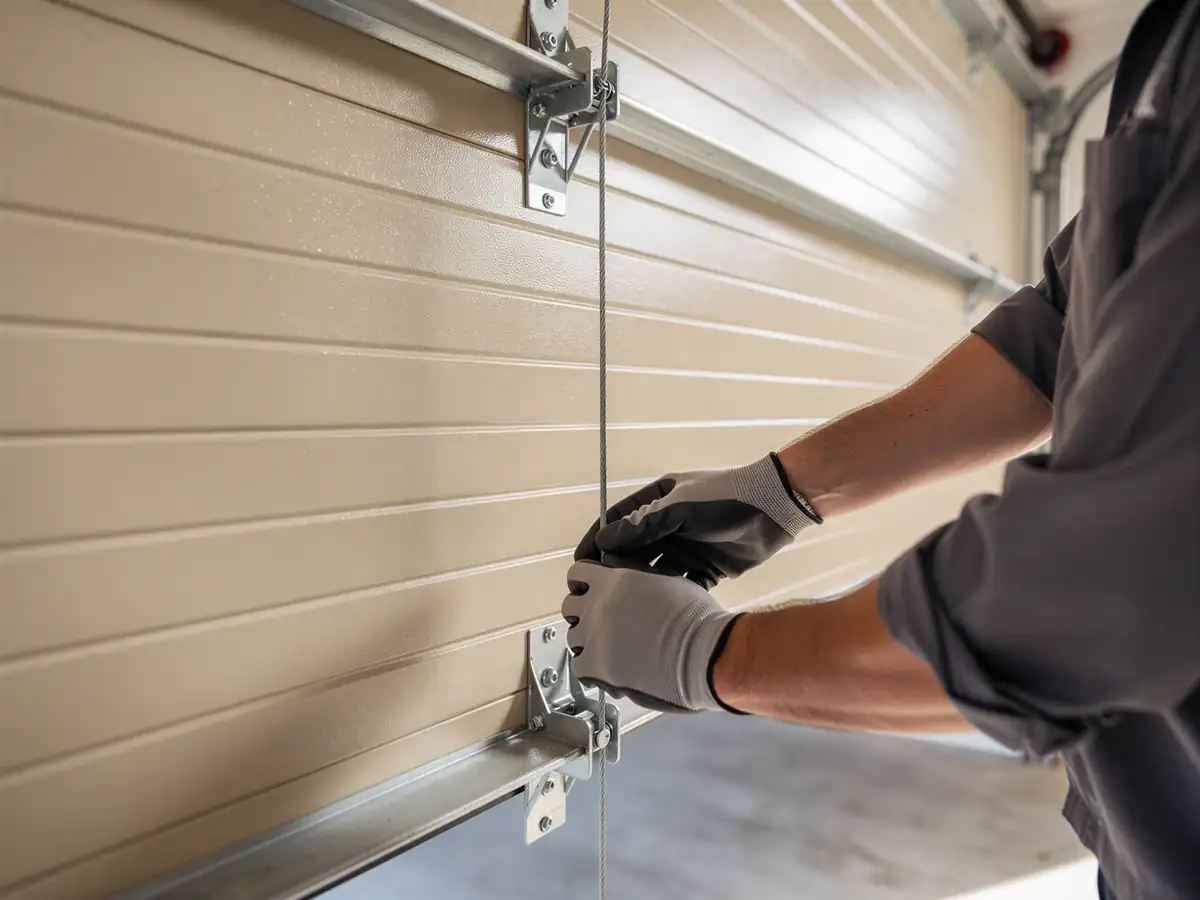
Whether the track is bent or pulling away from the wall, whether the rollers are cracked or dry, and whether the photo-eye sensors near the floor are aligned and free of dust or cobwebs - a knocked-out sensor is one of the most common reasons a newer opener refuses to close. Also worth checking: the weatherstripping at the bottom of the door, since cold-climate winters here are hard on rubber seals, and a stiff or split seal lets cold air straight into the garage.
What You Pay
We don't publish flat prices here because the fix depends on what's actually wrong, and this is the one place we'd rather say that plainly than guess at a number. What we can say is that Stonegate's income profile - a median of $157,021, well above the area-wide $129,480 - tends to shift the repair-versus-replace decision earlier than it does elsewhere. A fifteen-year-old opener with a failing board is often worth replacing outright rather than patching, since the labor to diagnose and source an obsolete part can approach the cost of a new unit.
Springs, cables, rollers, and sensor repairs are a different story - those are maintenance items on a door that's otherwise sound, and fixing them is almost always the right call regardless of income bracket. The deciding factor is usually the door's age and whether other parts are already showing wear, not just what broke today.
How Long You Are Without the Door
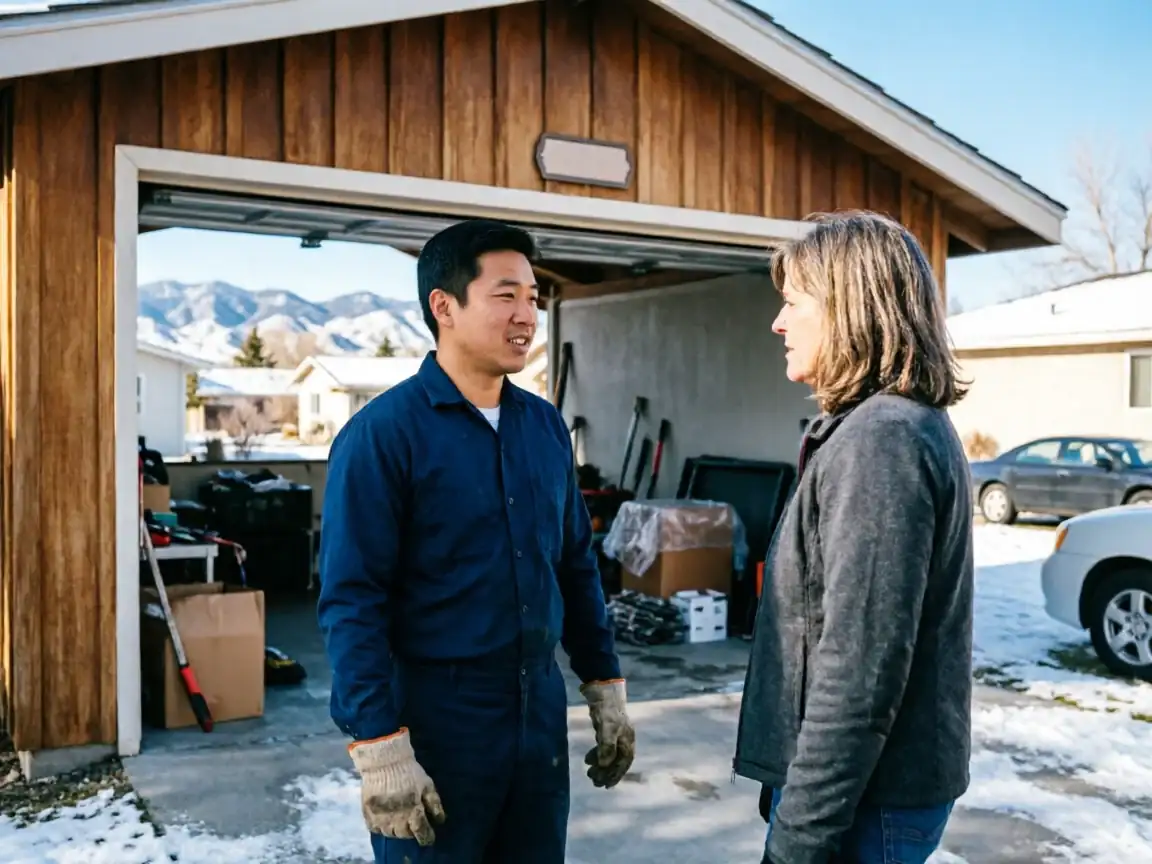
Stonegate sits about 9 miles from Highlands Ranch, where the crew and truck are based - there's no branch or depot in Stonegate itself, so every job starts with that drive. We're not going to put a number on how fast that trip happens, since traffic and the day's schedule both move it around, but it's worth knowing the service comes from Highlands Ranch rather than from somewhere closer.
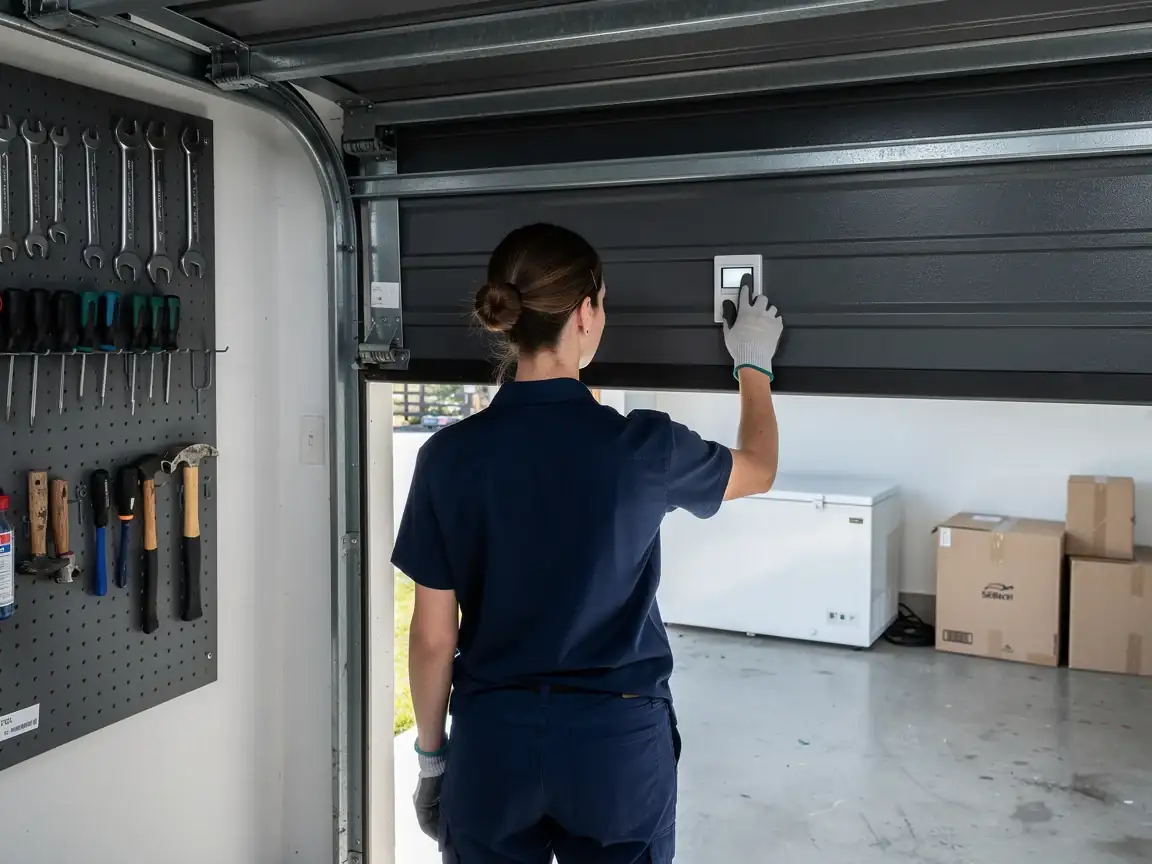
Once the truck is on site, most spring, cable, and sensor repairs on the standard late-1990s door and opener setups common here finish in a single visit, because those are the parts actually carried on board. The exception is a door that's been swapped out for a custom size or an unusual panel - that visit may end with measurements taken and a part ordered, rather than a finished repair. It's a less satisfying first trip, but it's an honest one.