What Can Go Wrong
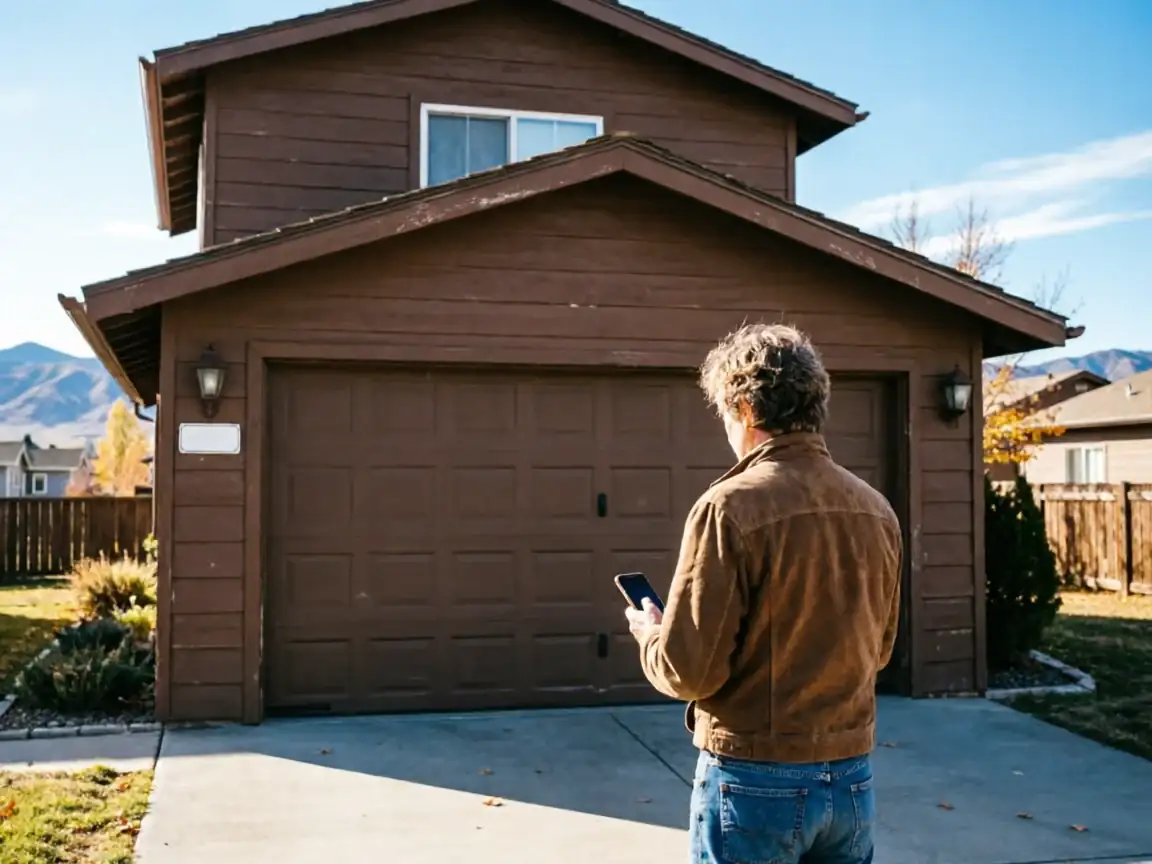
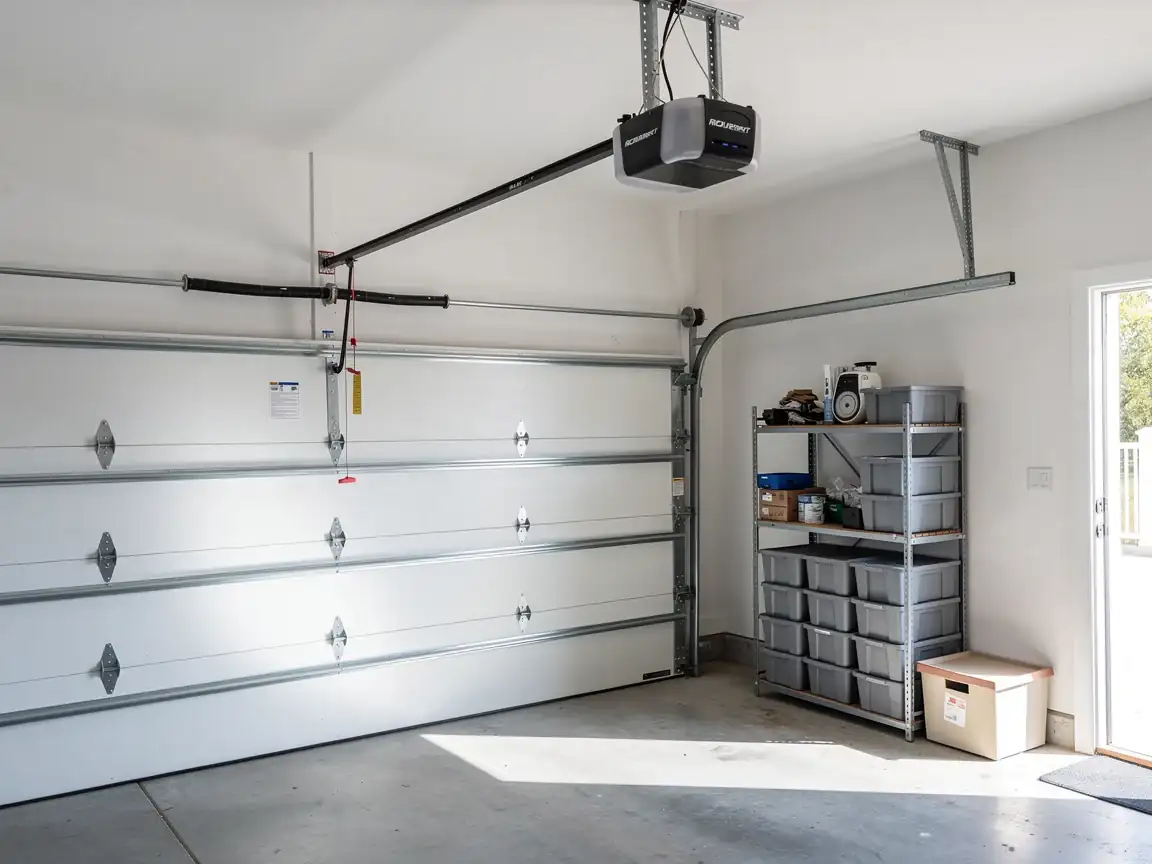
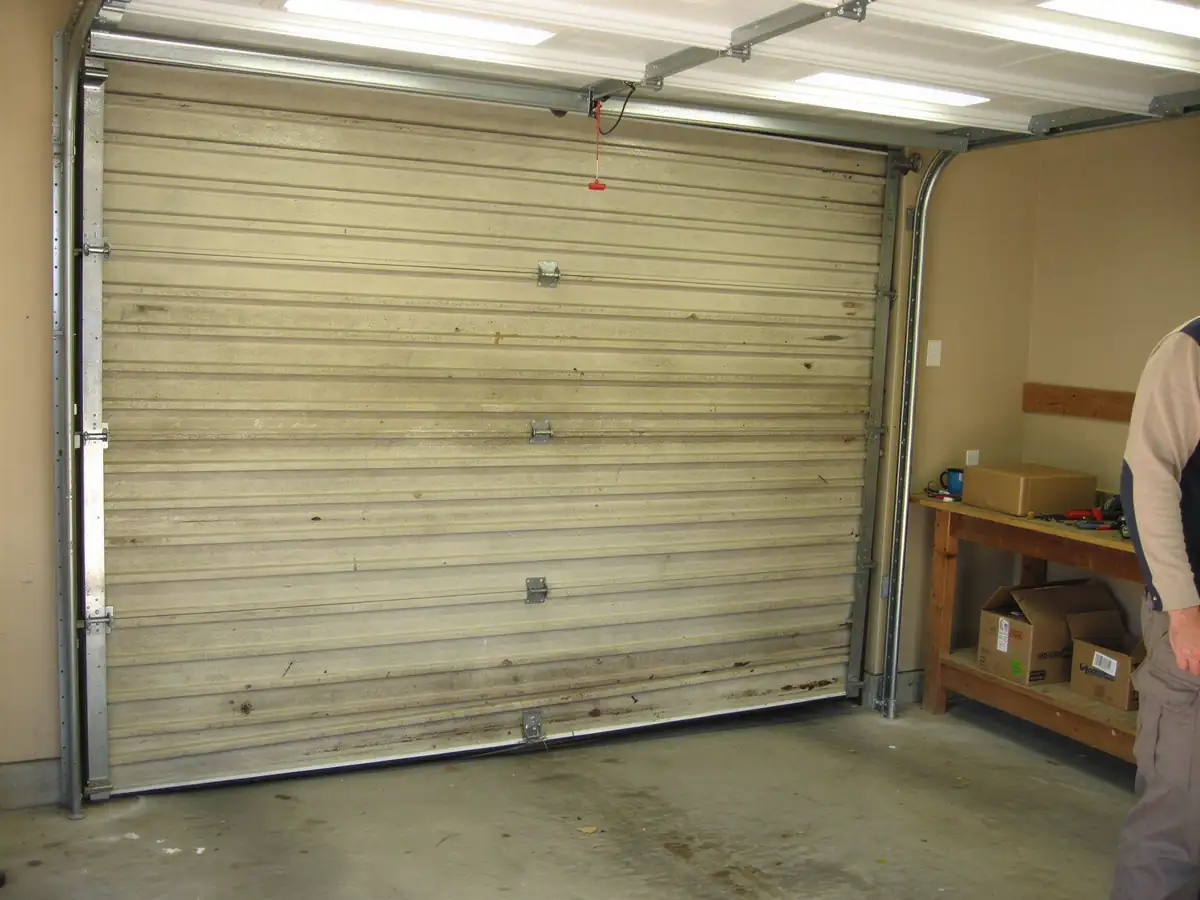
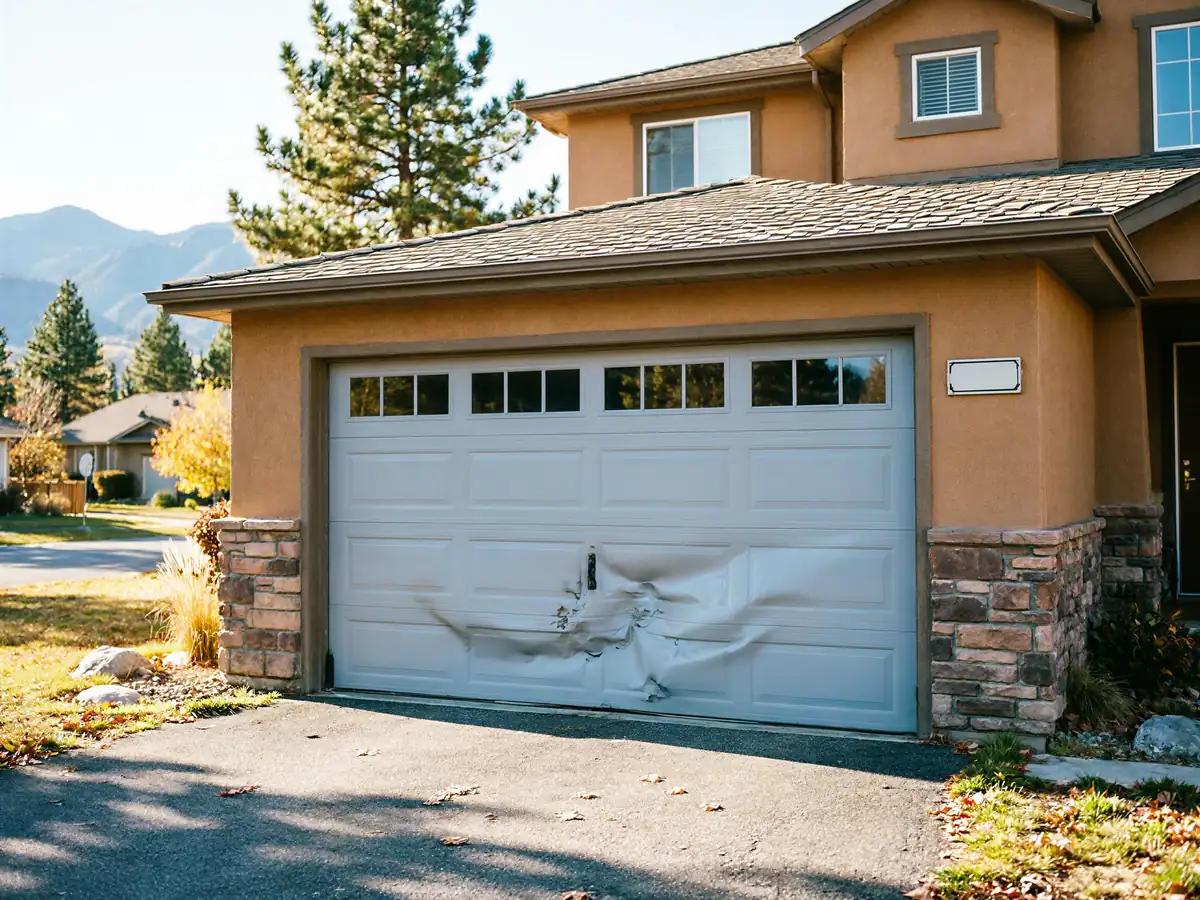
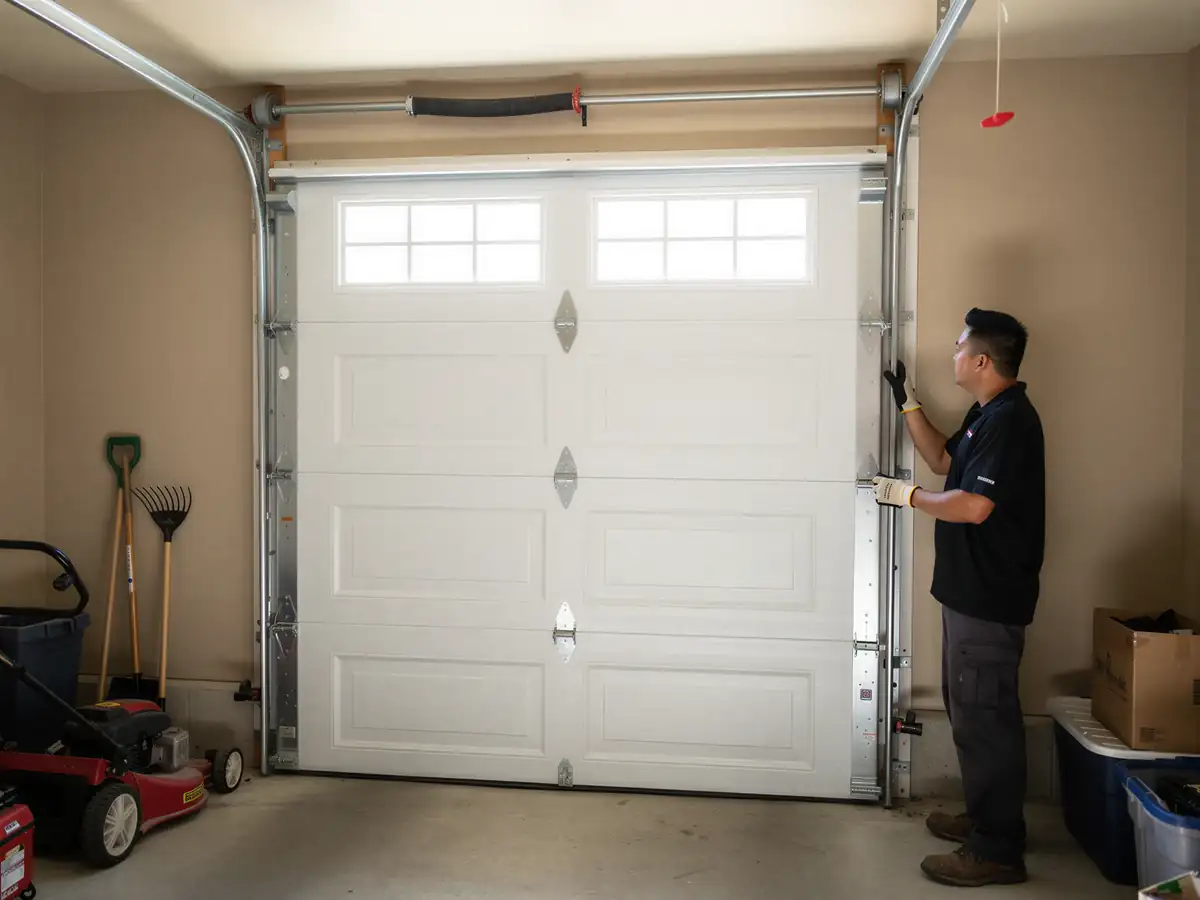
The fault we see most in Stonegate isn't a cable that snapped overnight - it's a door and opener that were both installed around the same year, during the same building push, and are now failing within a season or two of each other. Stonegate's housing mostly dates to 1997, which puts a lot of these doors at an age where the steel skin has started to oilcan, the rollers are the original nylon ones nobody greased, and the opener is a chain-drive unit that's past the point of parts support.
That timing matters more here than in older neighborhoods nearby. In a 1960s house you expect the door to have been replaced once already. In a Stonegate house built the same year as thousands of others on the block, a lot of owners are hitting that wall for the first time, and they're hitting it at once - not because of one storm or one bad part, but because builder-grade hardware from that era simply runs out of road around the same mileage. Add a Front Range winter and the cold makes stiff, dry-lubed tracks bind up faster, so a door that was merely tired in September can be stuck shut in January.
What Is on the Truck
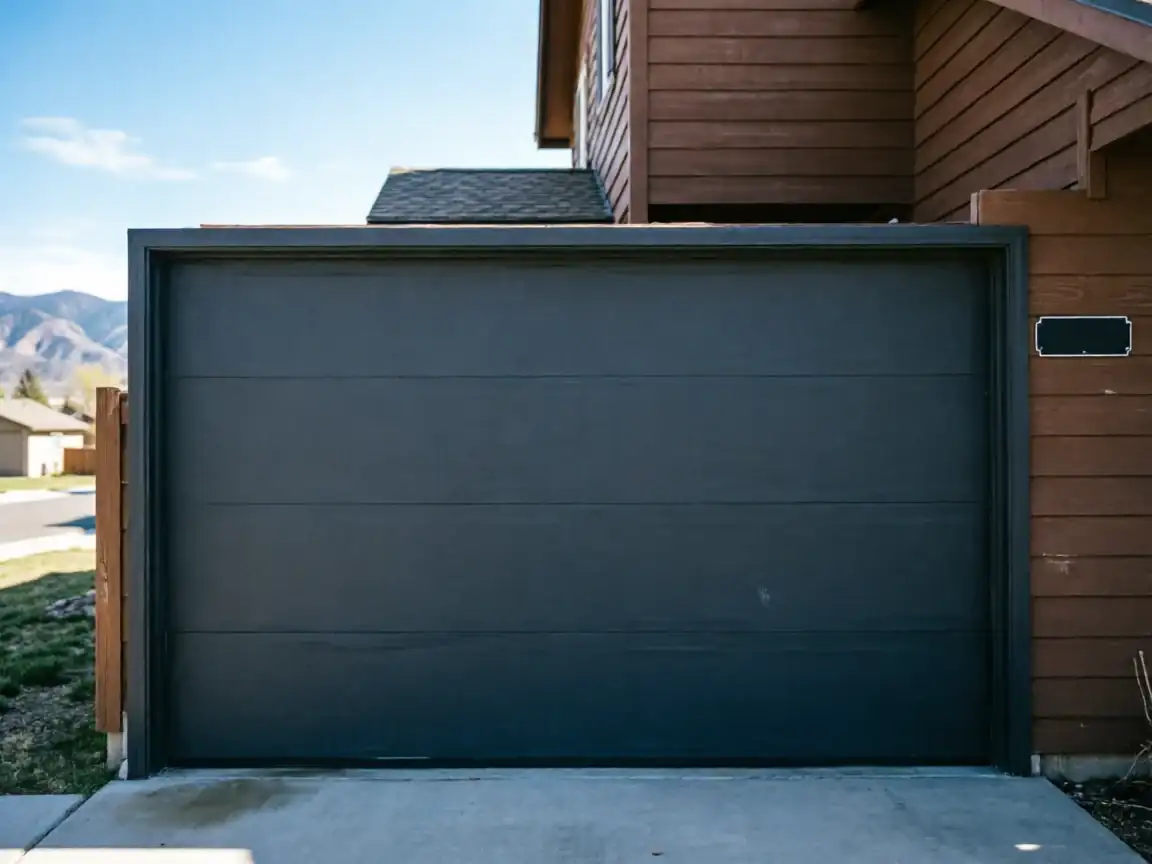
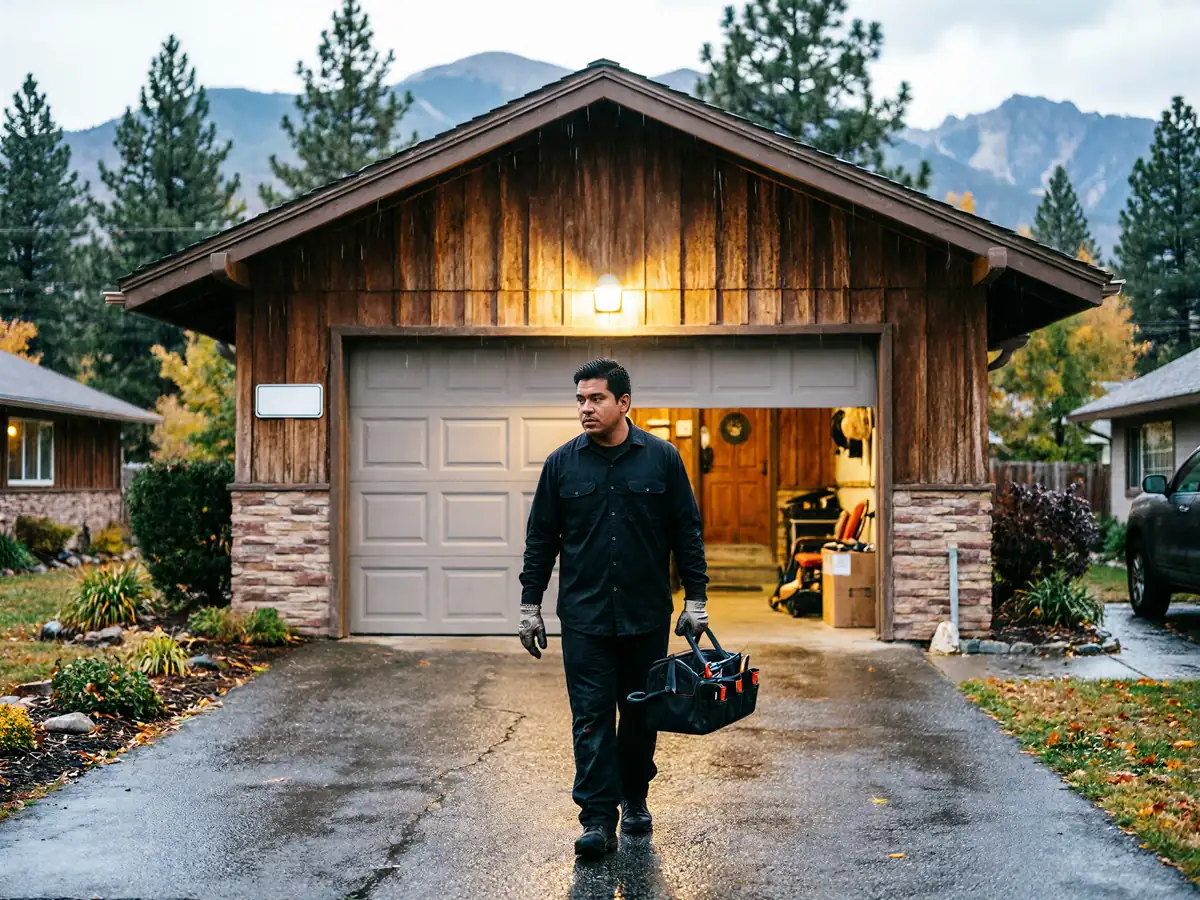
For a new install we're not troubleshooting someone else's repair - we're bringing a full door and carrying everything needed to size it to the opening, including jamb brackets and weatherseal rated for a cold winter climate, not a mild one. Stonegate's garages are mostly standard builder openings, which keeps the panel sizing predictable, but we still carry a spread of widths and insulation levels on the truck rather than special-ordering one size.
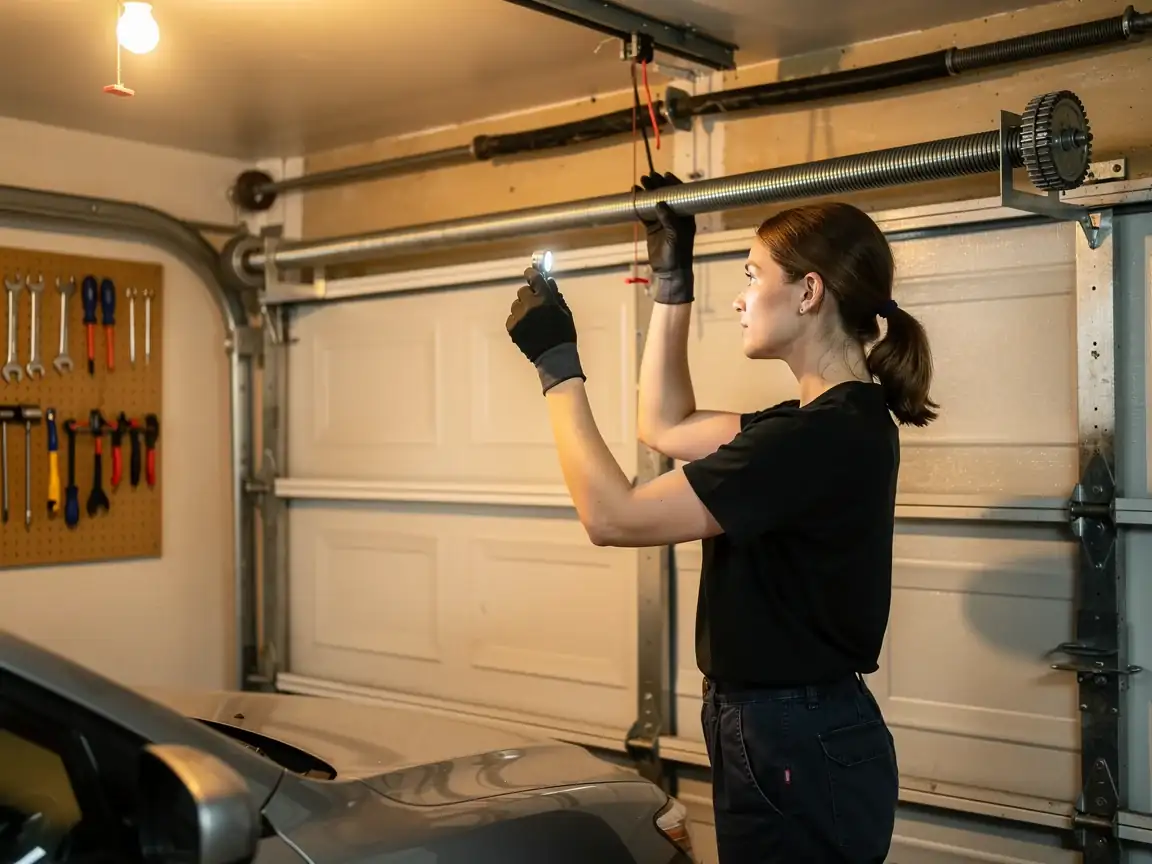
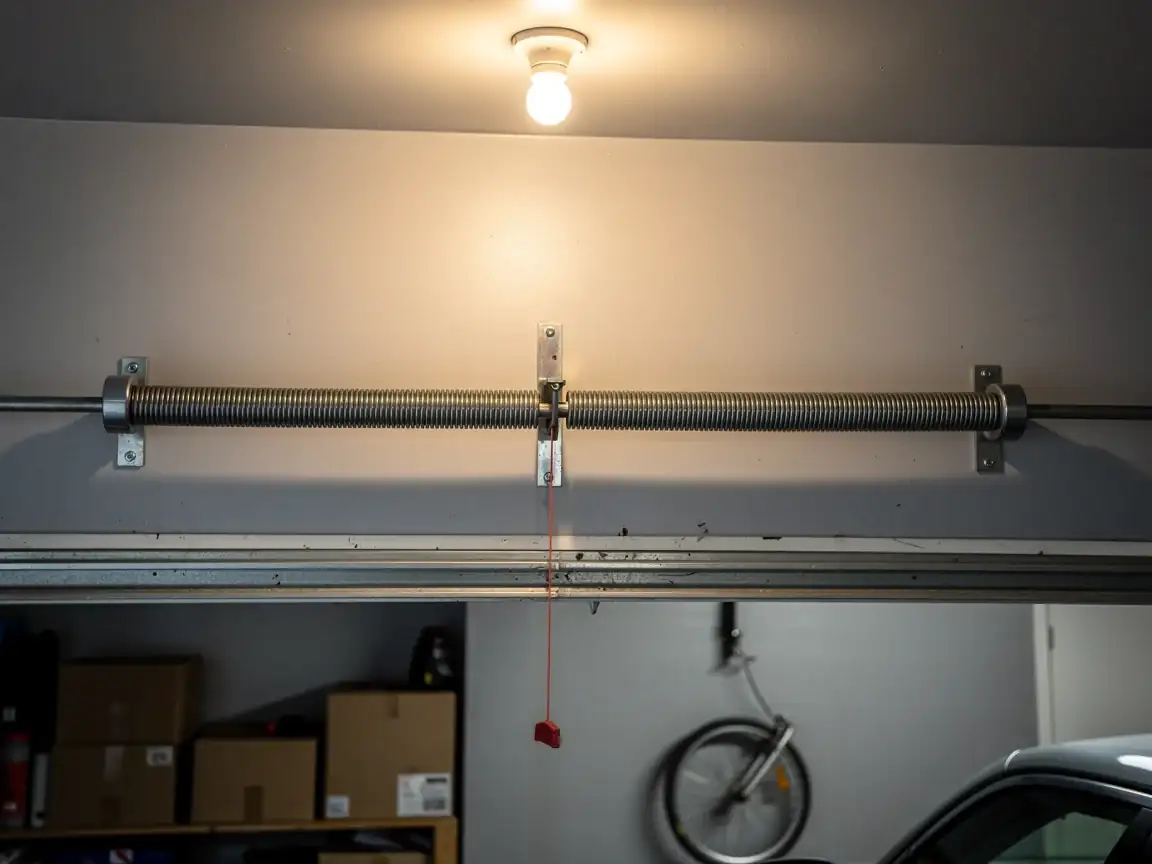
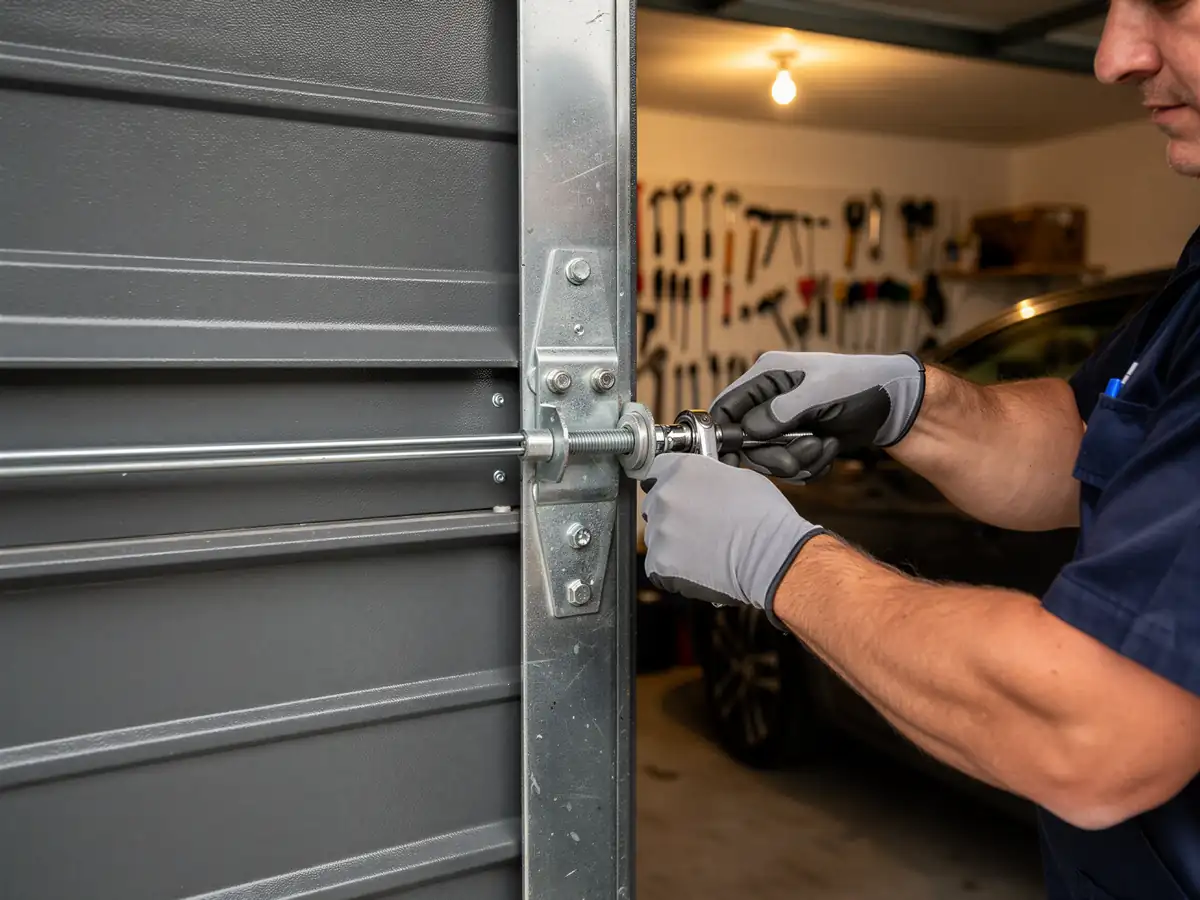
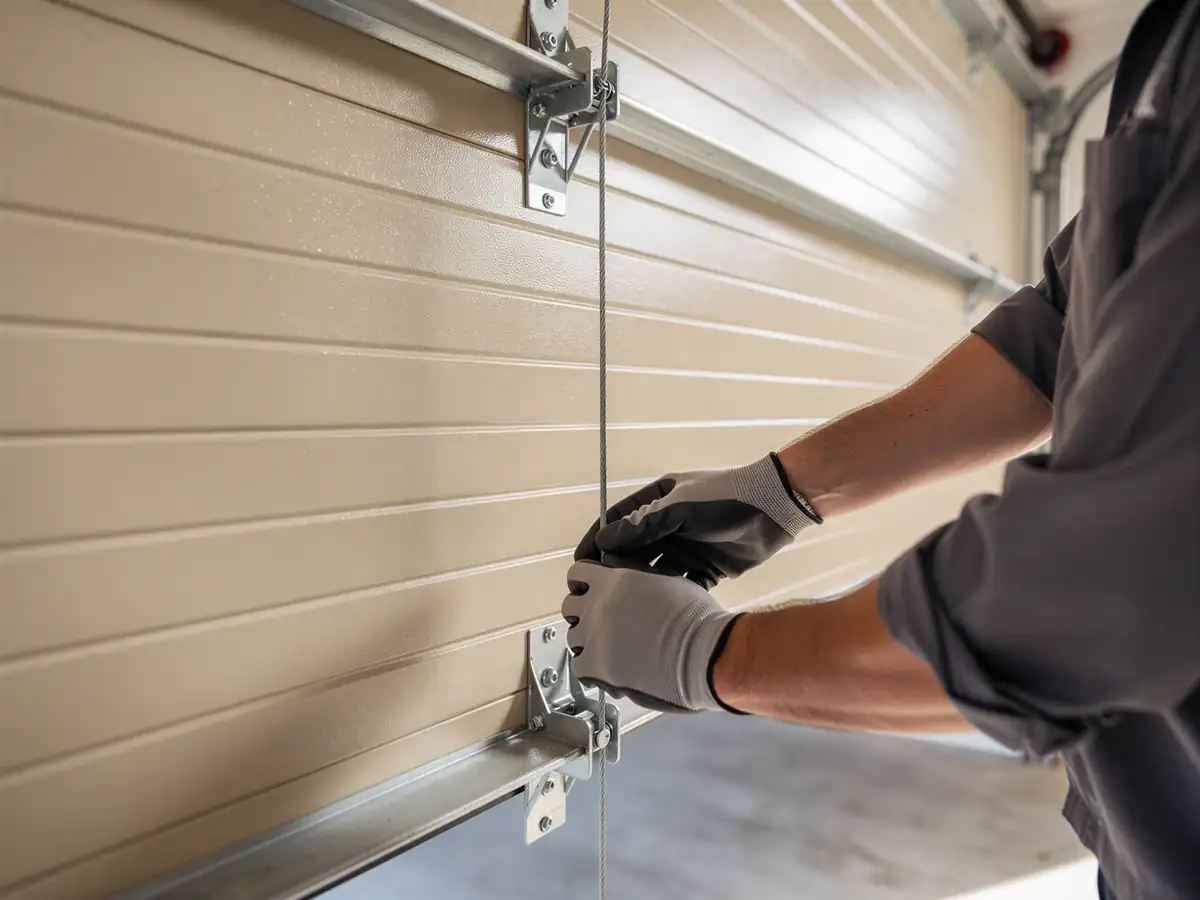
We also bring the torsion spring stock to match the door weight rather than reuse whatever was on the old unit - a heavier insulated door needs a different spring wind than the hollow steel door it's replacing, and matching that at install time is what keeps the opener from straining on day one. Track, hinges, end bearing plates, and a weather-rated bottom seal all come standard on the truck for this job; nothing about a Stonegate install calls for a part we wouldn't already be carrying for the area.
Doing It Yourself
A new door install is not a weekend project for most owners
And we'll say that plainly: setting spring tension on a torsion system is the one step where a mistake can put you in the ER, not just cost you a redo. If you're comfortable with tools, swapping weatherstripping or a broken roller on an existing door is reasonable DIY. Sizing, hanging, and balancing a brand-new door and opener as a matched system is a different job.
Where it's worth doing yourself
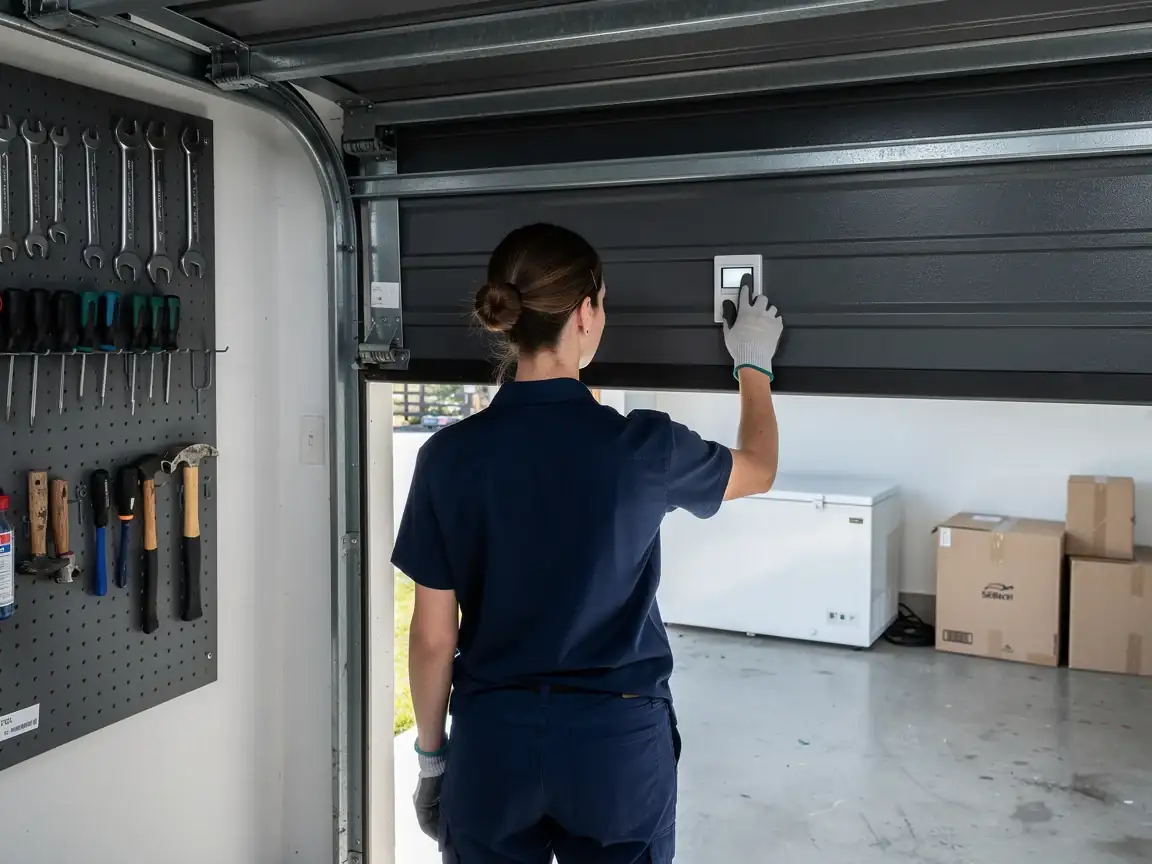
Cosmetic hardware, handles, and basic opener programming once the door is hung. Where it isn't: anything involving the spring, the cable drums, or the track alignment on a door this heavy. We'll be honest that we'd rather get a call to fix a DIY job gone sideways than not get the call at all - but it's cheaper for you to start with the install done right.
What You Pay
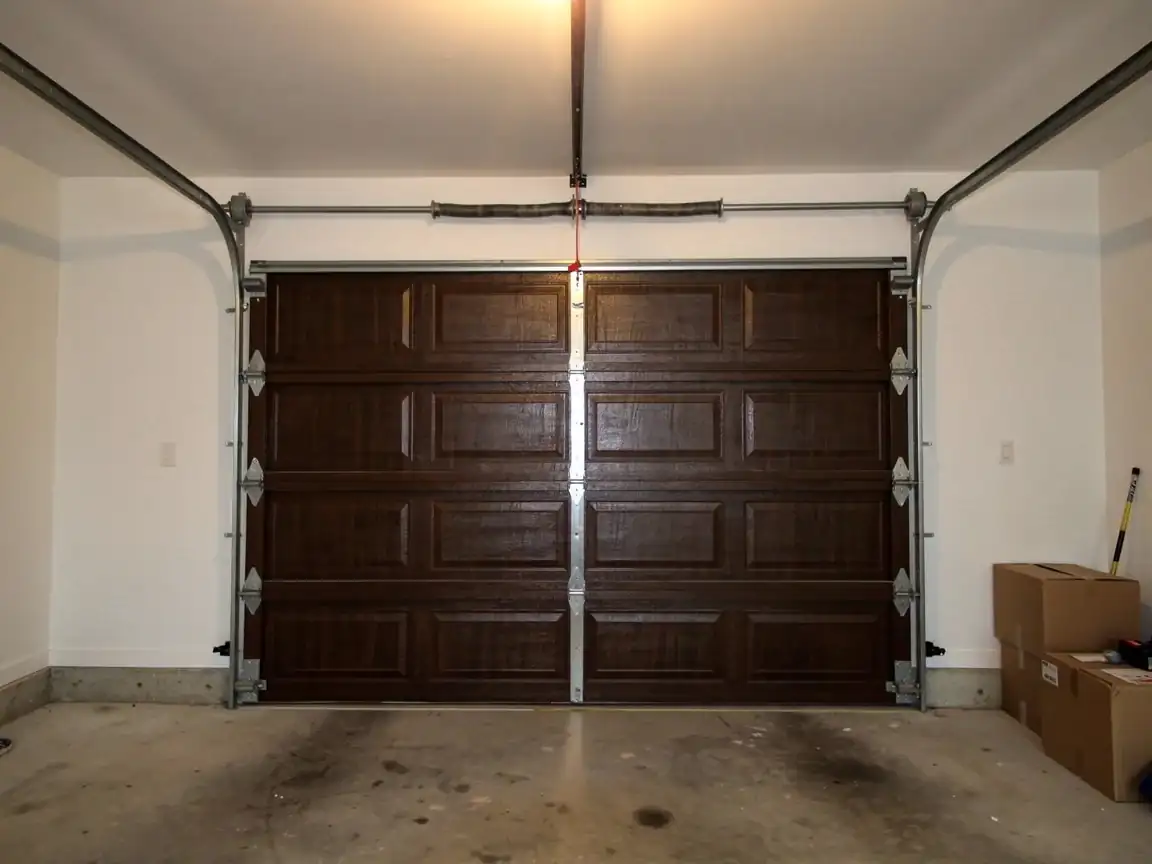
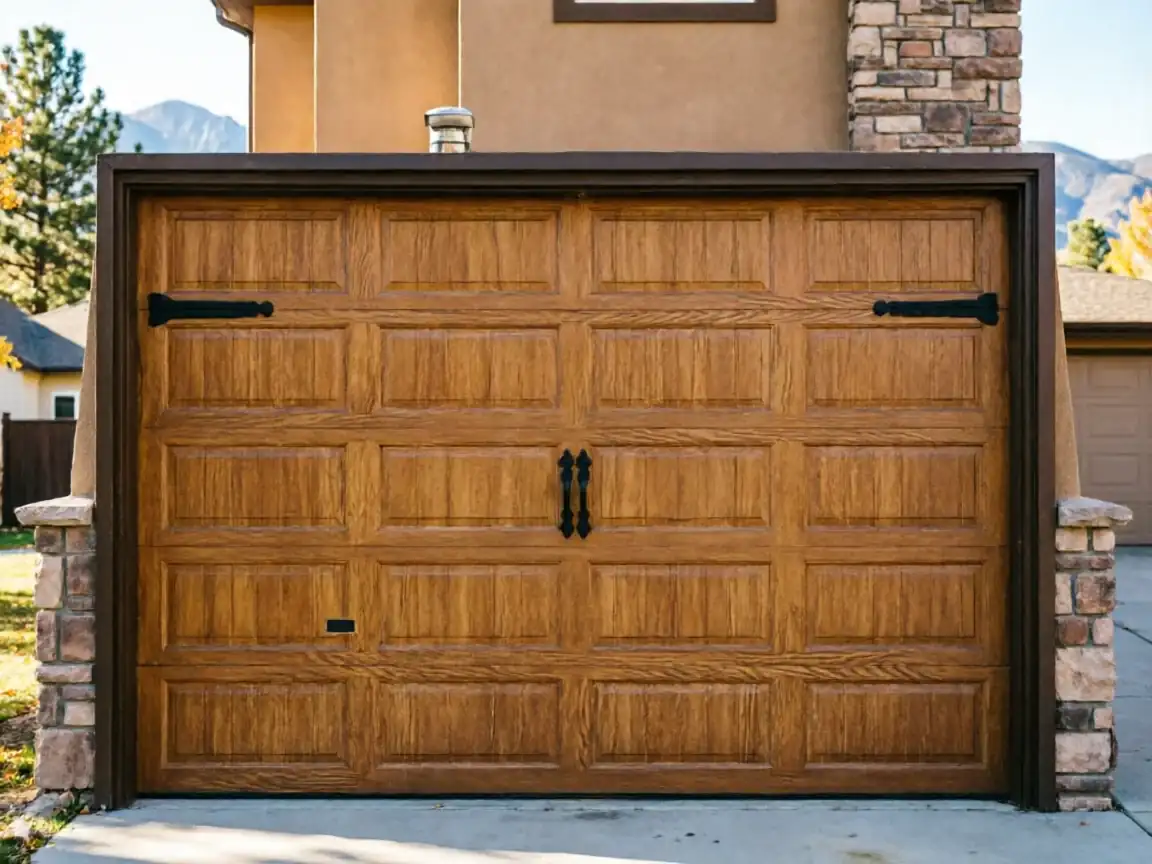
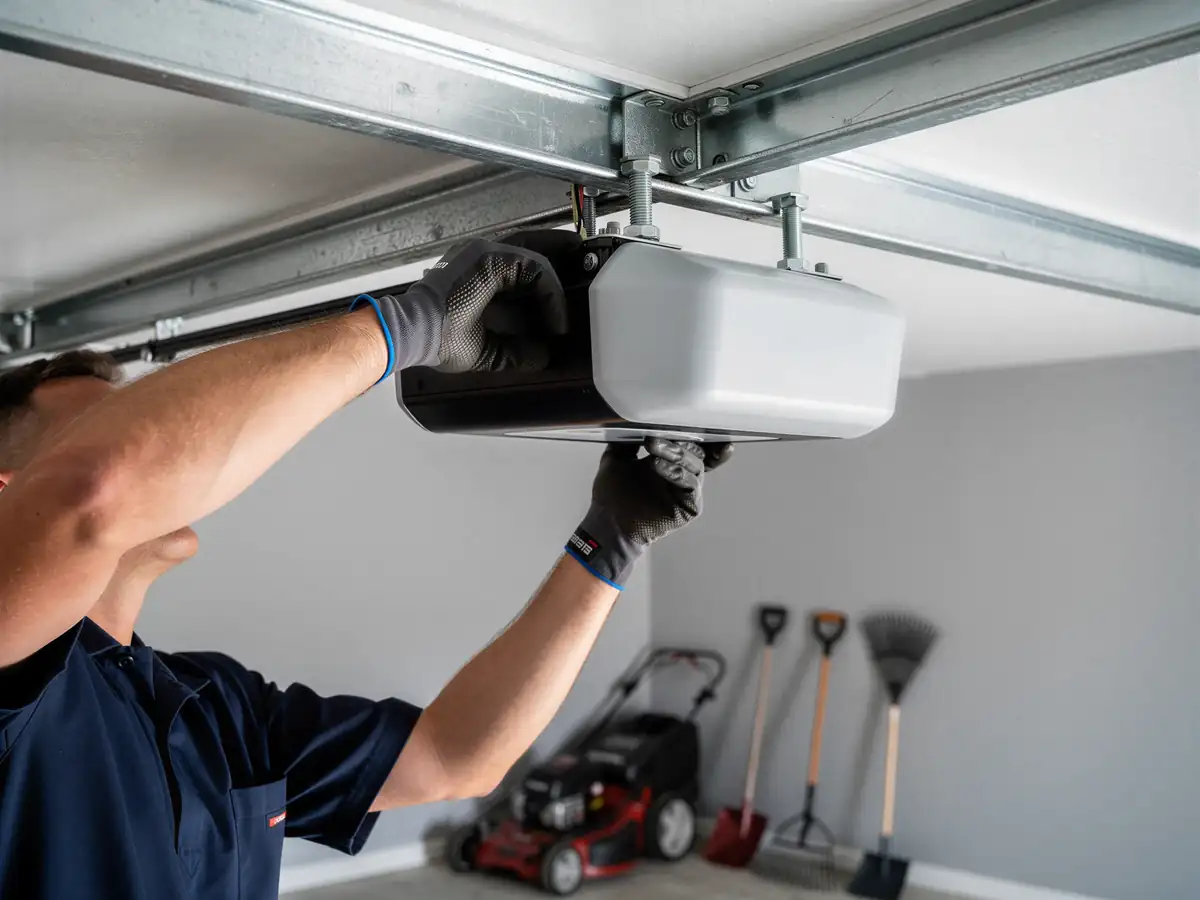
We don't have a posted number for this page, and we're not going to make one up to fill the space. What we can tell you is what moves the price: door material (steel versus wood-look composite), insulation R-value, whether the opener is replaced alongside the door, and whether the existing track and jamb can be reused or need to come out. Stonegate's median household income runs well above the wider service area, and we see that reflected less in what people spend and more in what they ask for - insulated doors and quieter belt-drive openers come up more often here than bare steel and chain drive.
The honest limitation: we can't give you a real number without seeing the opening and the door you want. Anything quoted sight unseen is a guess, and we'd rather measure than guess.
How Long You Are Without the Door
We travel from Highlands Ranch, about 9 miles to reach Stonegate, which is built into how we schedule the job rather than something that adds a separate wait on top of it. For a straightforward swap - old door out, new door and opener in, balanced and tested - most of the work happens in one visit.
What extends that is the door itself: a standard-size insulated steel door is usually in stock, but a wider opening, a custom wood-look panel, or a specific opener model can mean a lead time before the truck even rolls, independent of the drive out. We'll tell you at the time we look at the opening whether your door is a same-visit job or a two-step one - order now, install on a second date - rather than promise a timeline we can't back up.