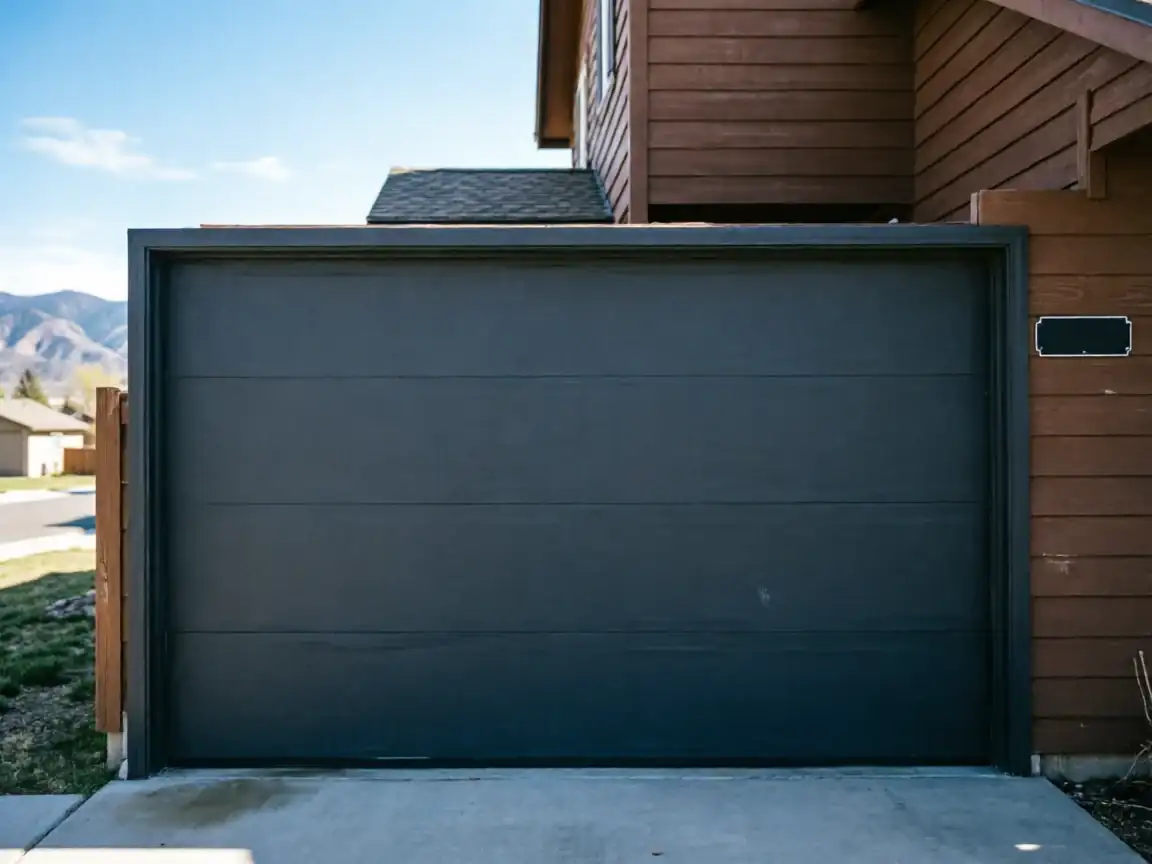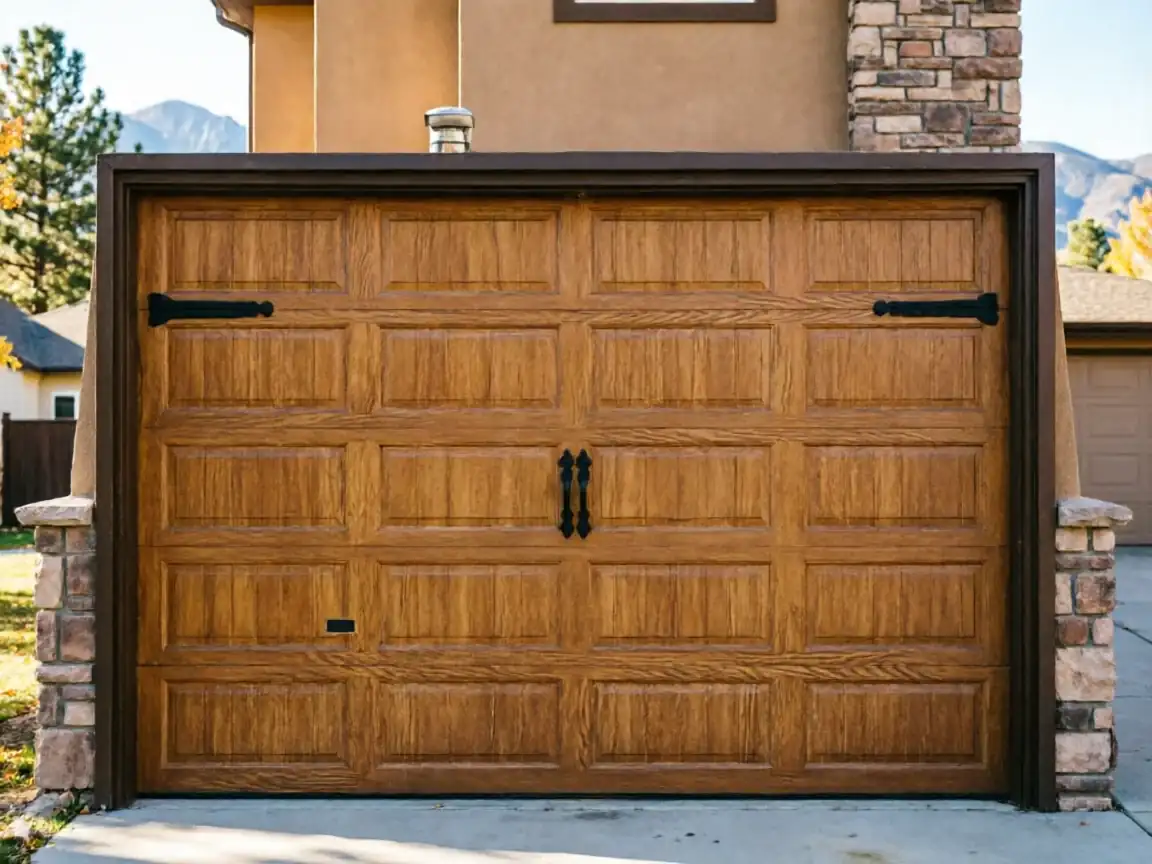
How Long You Are Without the Door
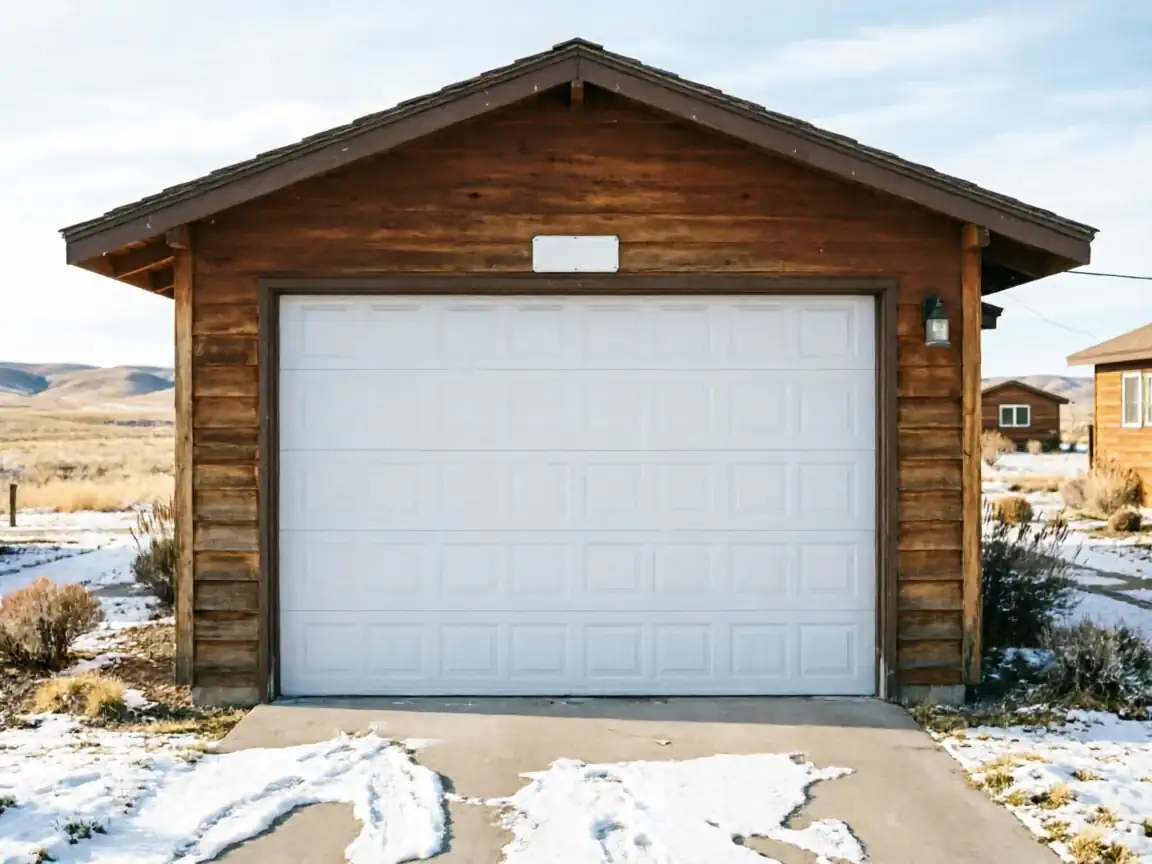
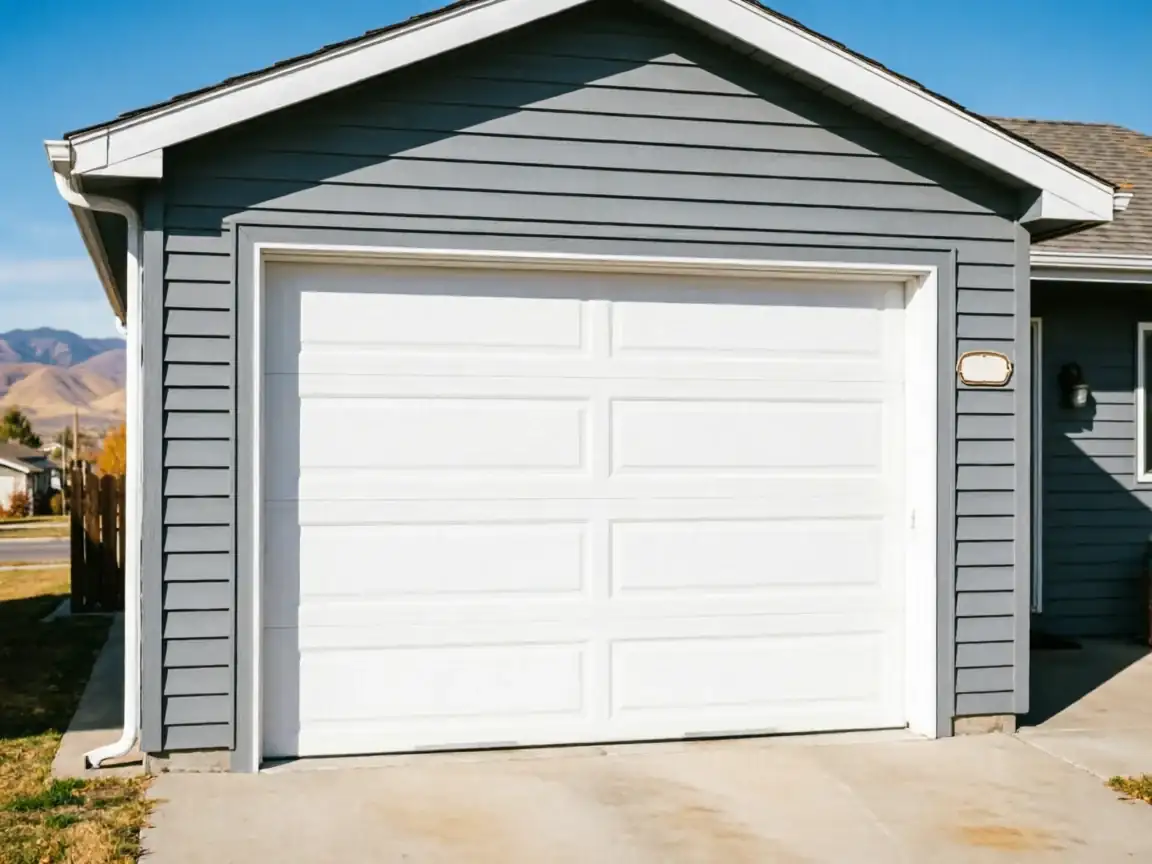
Wheat Ridge sits about 18 miles from our Highlands Ranch base, farther than most of the other 31 areas we cover. That distance matters less than what's waiting at the house once the truck gets there. The typical Wheat Ridge home went up around 1964 - a decade and a half older than the service area's overall median build year of 1979 - which means the tech is often working on hardware that hasn't been manufactured in a long time.
We don't promise a same-day slot here and we won't pretend the drive doesn't factor into scheduling. What we can tell you is that an older door in Wheat Ridge usually takes longer to diagnose than a newer one closer to Highlands Ranch, because the first question isn't just "what broke" but "can we still get the part." Extension spring brackets, steel panel latches, and some original track hardware from that era were never standardized the way current torsion systems are.
If your door is original to a 1960s build, expect the visit to include some phone time or a return trip for a part that isn't a stock item. That's the honest trade-off of living in one of the older pockets of the territory - the house has character, and the door hardware does too.
What Can Go Wrong
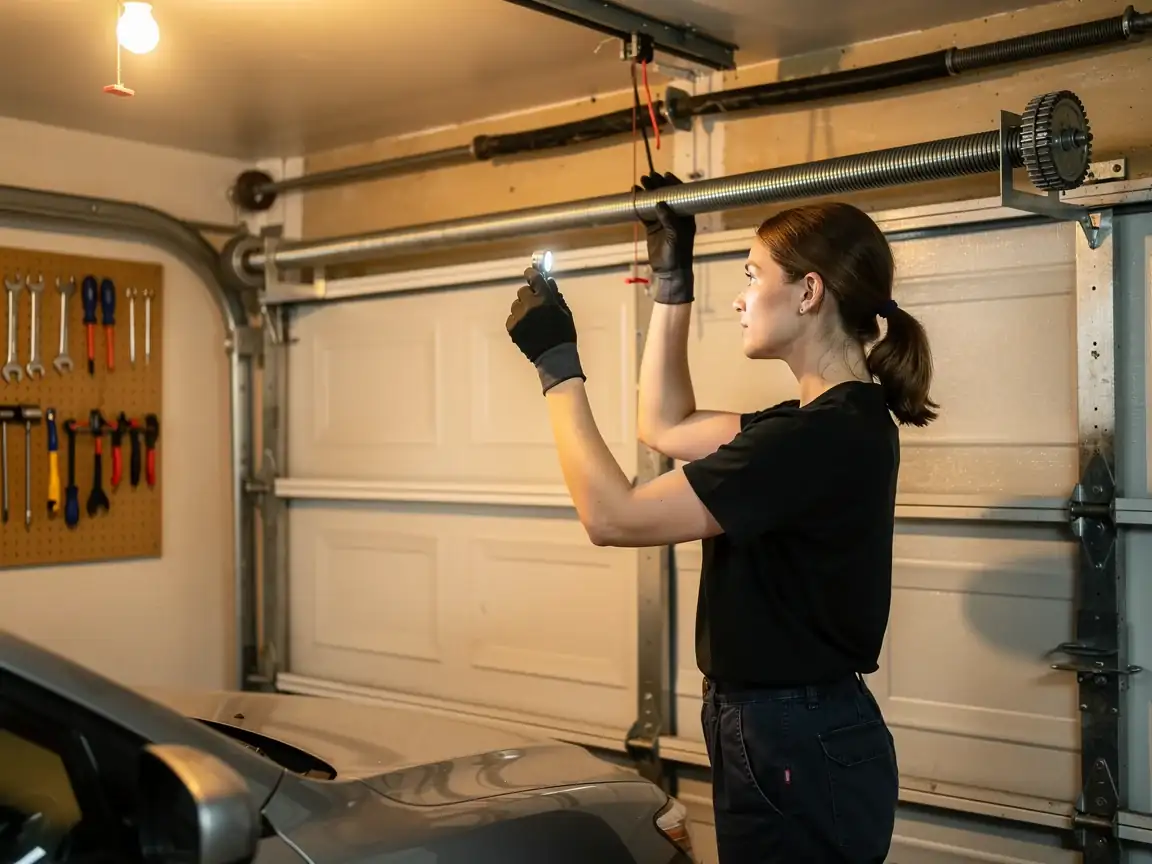
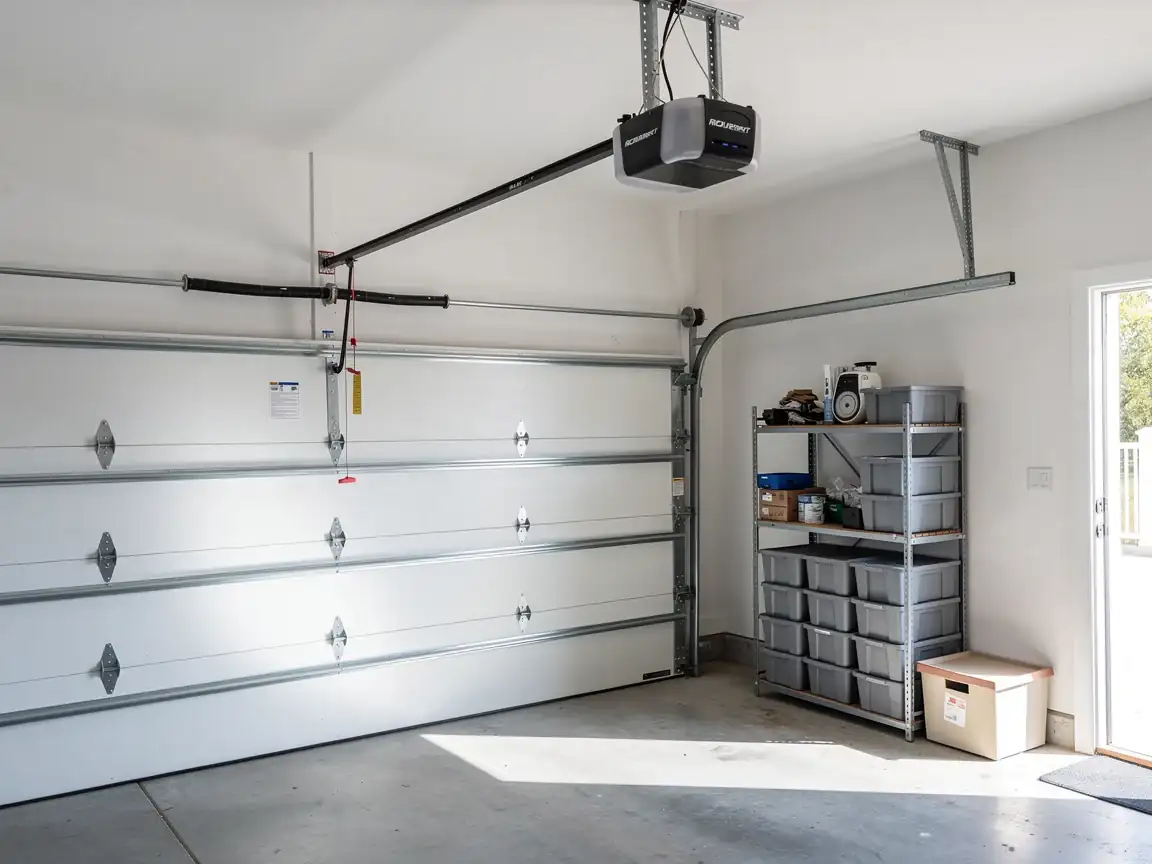
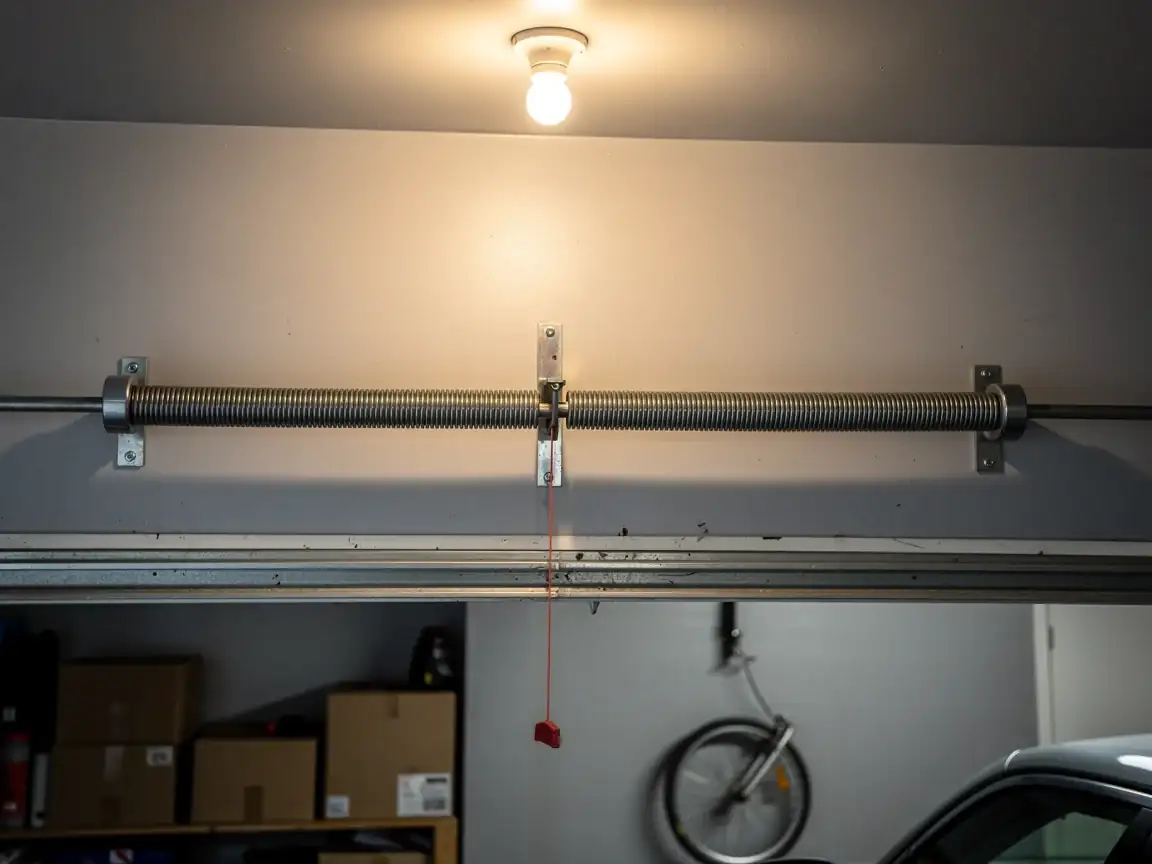
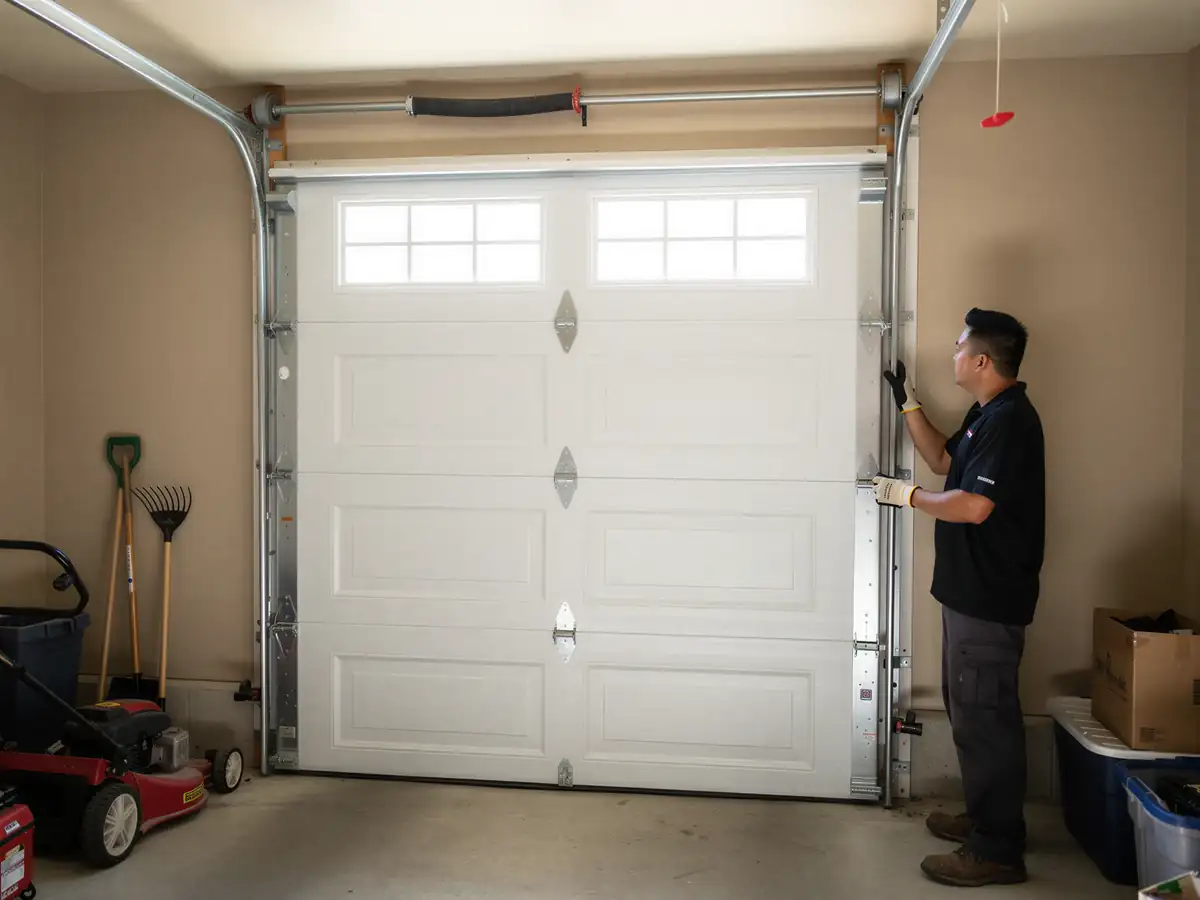
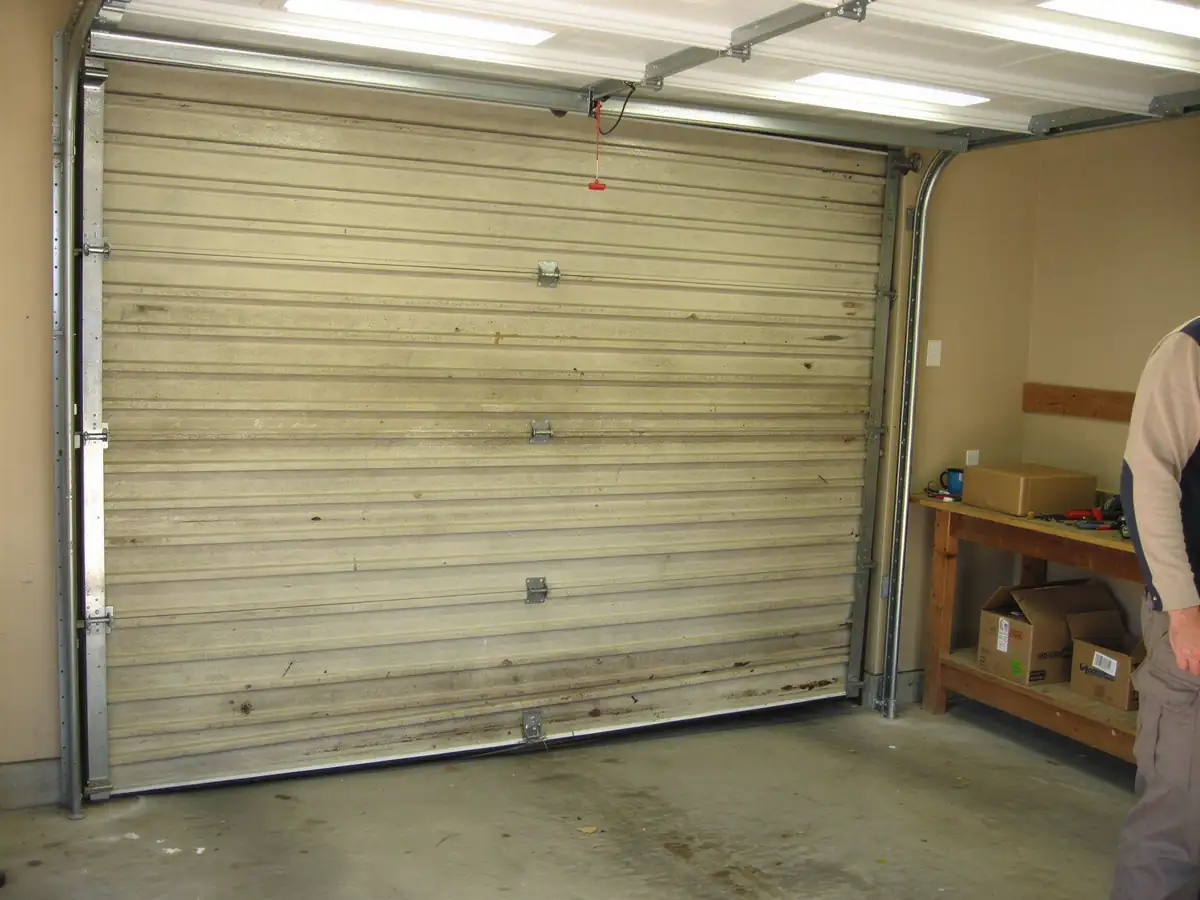
Houses built in the 1964 range in Wheat Ridge were part of the broader wave of 1960s-70s construction that makes up a lot of the service area's stock. Doors from that era are far more likely to run on extension springs mounted along the horizontal track than on the torsion bar setups that came standard in later builds. Extension springs stretch and fatigue differently than torsion springs, and they fail without much warning - one coil goes, the door drops unevenly, and the opener strains against a door it was never sized to lift alone.
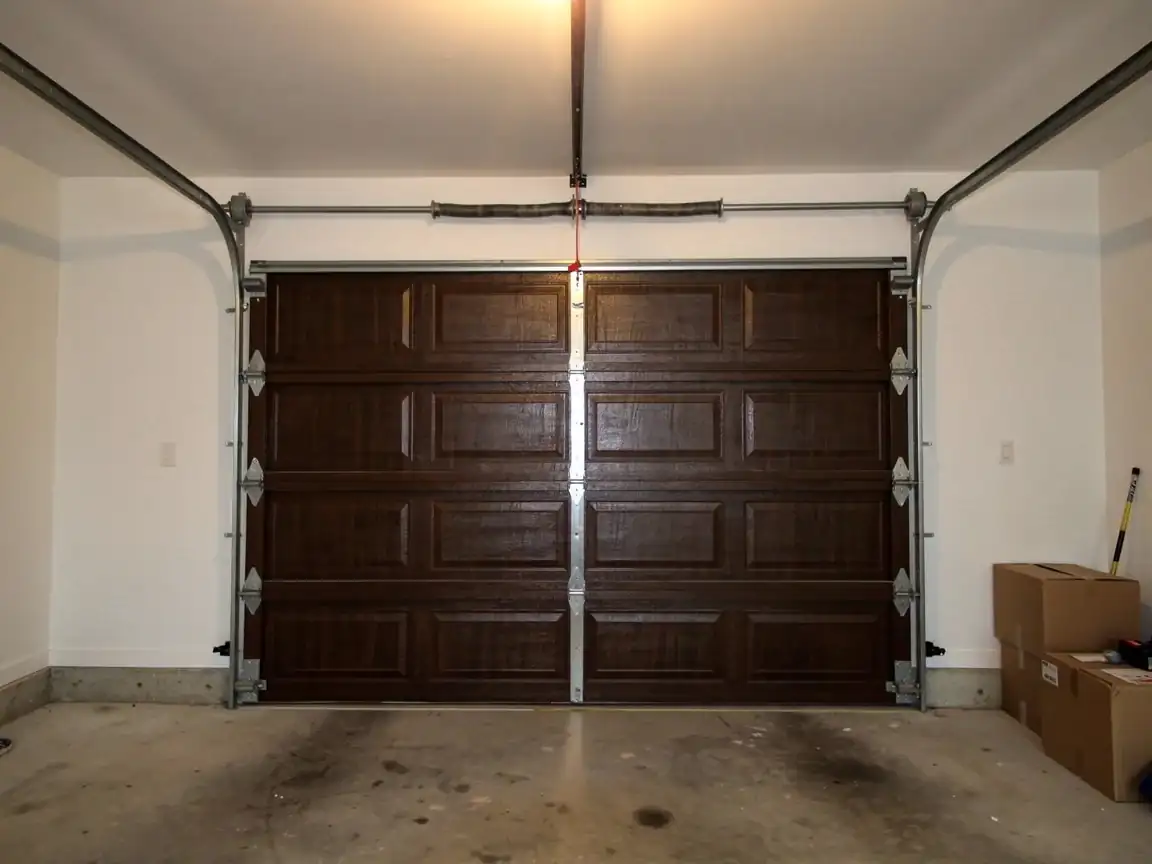
Steel sectional panels from this period also used lighter gauge hinges than what's sold today. Over sixty years, those hinges work loose, panels start to flex at the seams, and rollers ride rough in tracks that have worn a groove from decades of the same door riding the same path.
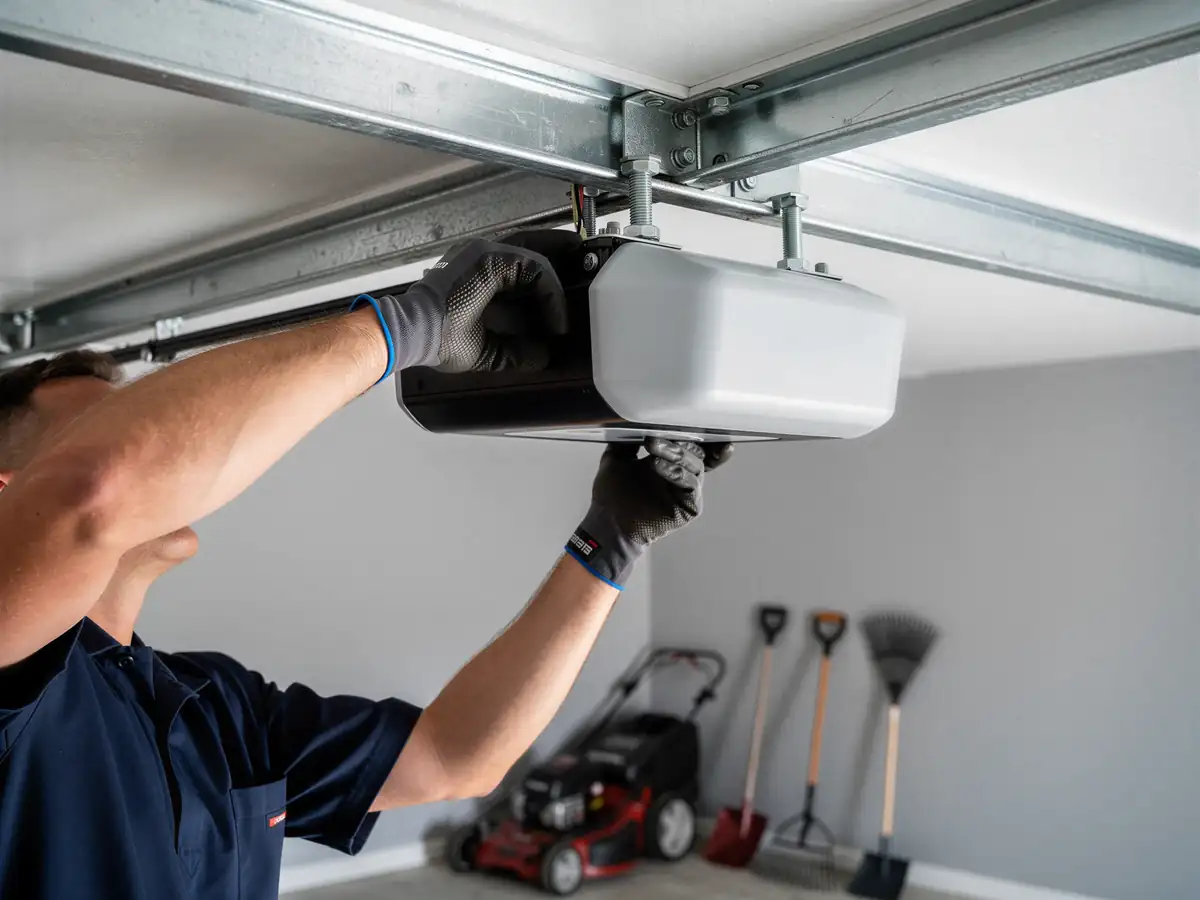
Openers in these homes have often been swapped out once or twice already, which can mean a chain-drive unit paired with door hardware it was never matched to. That mismatch shows up as grinding, slow travel, or an opener that runs but the door barely moves. None of this is unusual for a house this age - it's just a different repair than what you'd find in a newer build.
The Symptom
The most common call from Wheat Ridge starts the same way
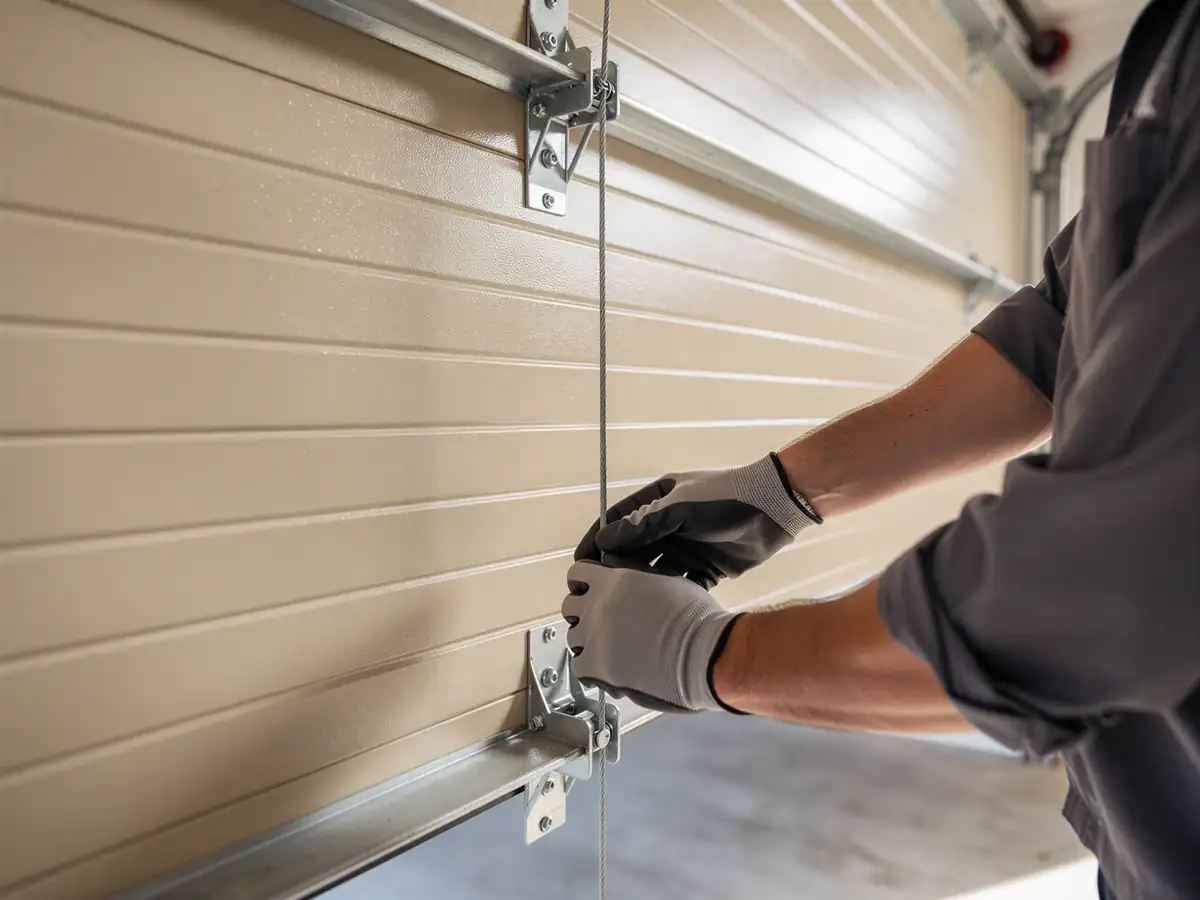
The door won't open, or it opens a few inches and stalls. On a house from the 1964 era, that's almost always one of two things - a frayed or snapped extension spring, or a cable that's worn through at the pulley after years of riding the same groove.
Cold is a real factor here too
The service area sits in a severe cold climate band, and steel springs that are already decades old get brittle in hard freezes. A spring that's been creaking along fine in October can snap clean on the first deep-cold morning of the season, because the metal has less give left in it than it did forty years ago.
A second pattern: the door closes, but not all the way, and reverses partway down
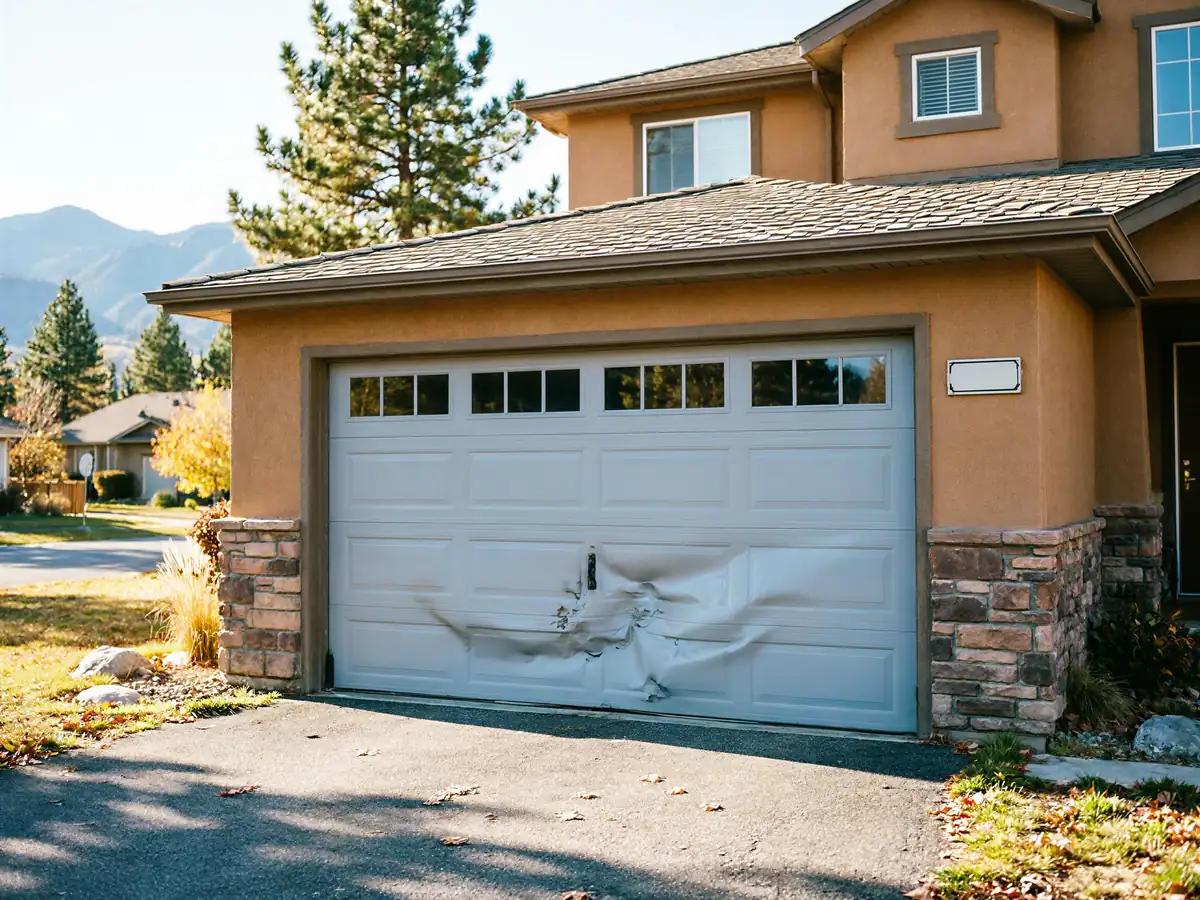
On older track systems this is usually a bent rail or a roller that's worn oval instead of round - not an opener sensor issue, even though the opener often gets blamed first. If your door is doing either of these things, it's worth describing exactly where it stops or stalls when you call, since that one detail usually tells us which of the two it is before the truck even leaves.
What Is on the Truck
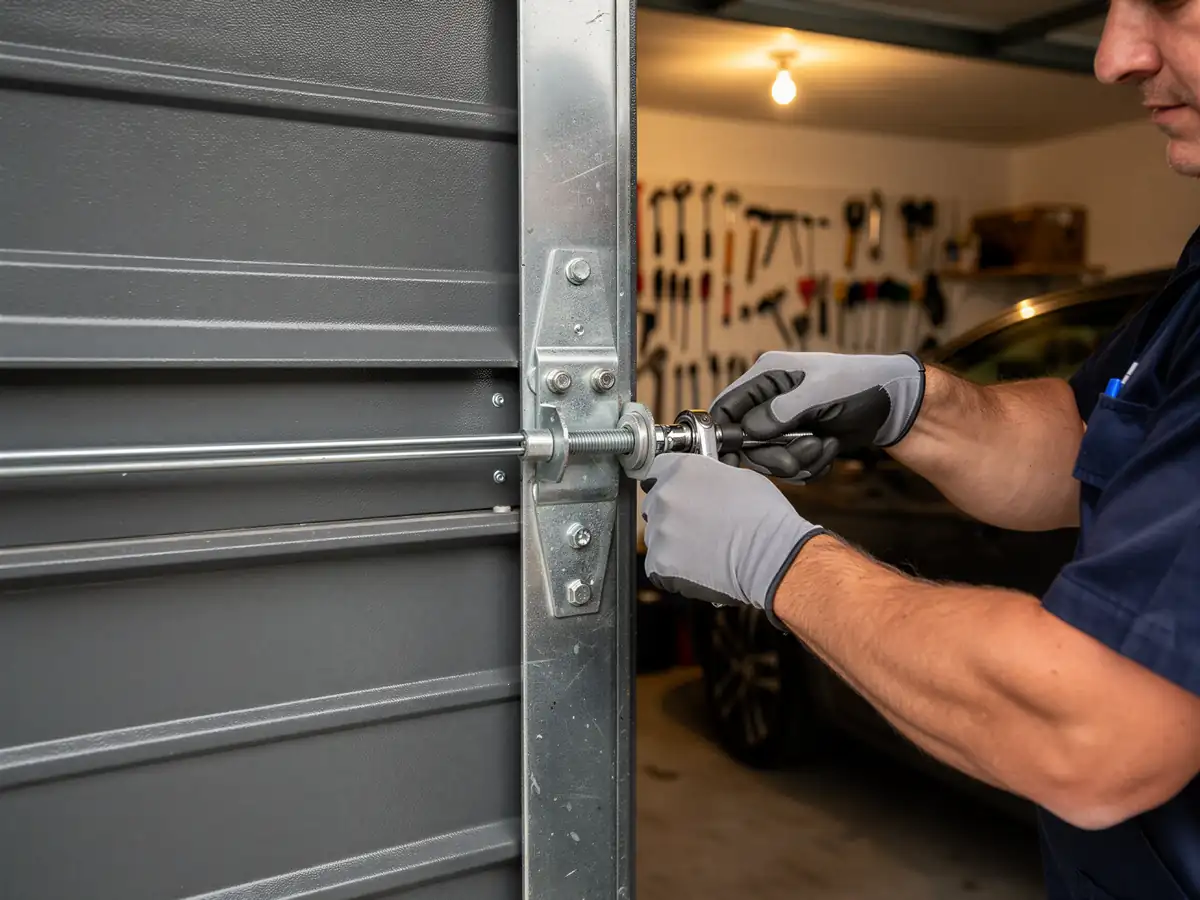
For calls into Wheat Ridge we carry extension springs in the common residential weights, galvanized aircraft cable, and replacement rollers and hinges sized for the steel sectional panels that are typical of 1960s-era doors. We also stock the pulleys and safety cables that extension spring systems need and that a lot of older installs are missing entirely.
Here's the honest limit: some original panel styles from that period simply aren't made anymore. If a panel is cracked or the hinge mounts have torn out from decades of flex, we can usually match the function with a current panel, but not always the exact look - and on a single-panel repair, a visible difference between old and new steel is a real possibility, not a maybe. In those cases we'll tell you straight whether a patch repair is worth it or whether the door's at the point where full replacement makes more sense than chasing parts for a design that's sixty years old. We'd rather say that upfront than have you pay twice.