What Is on the Truck
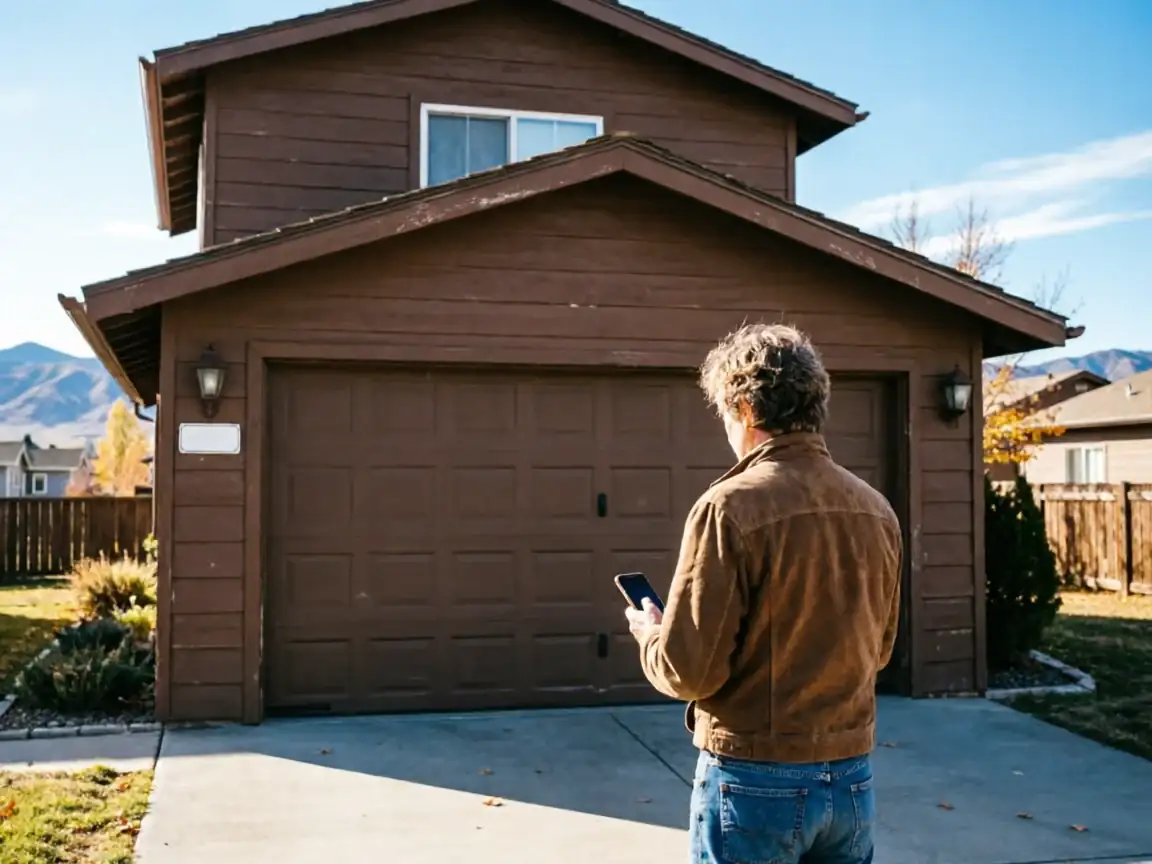
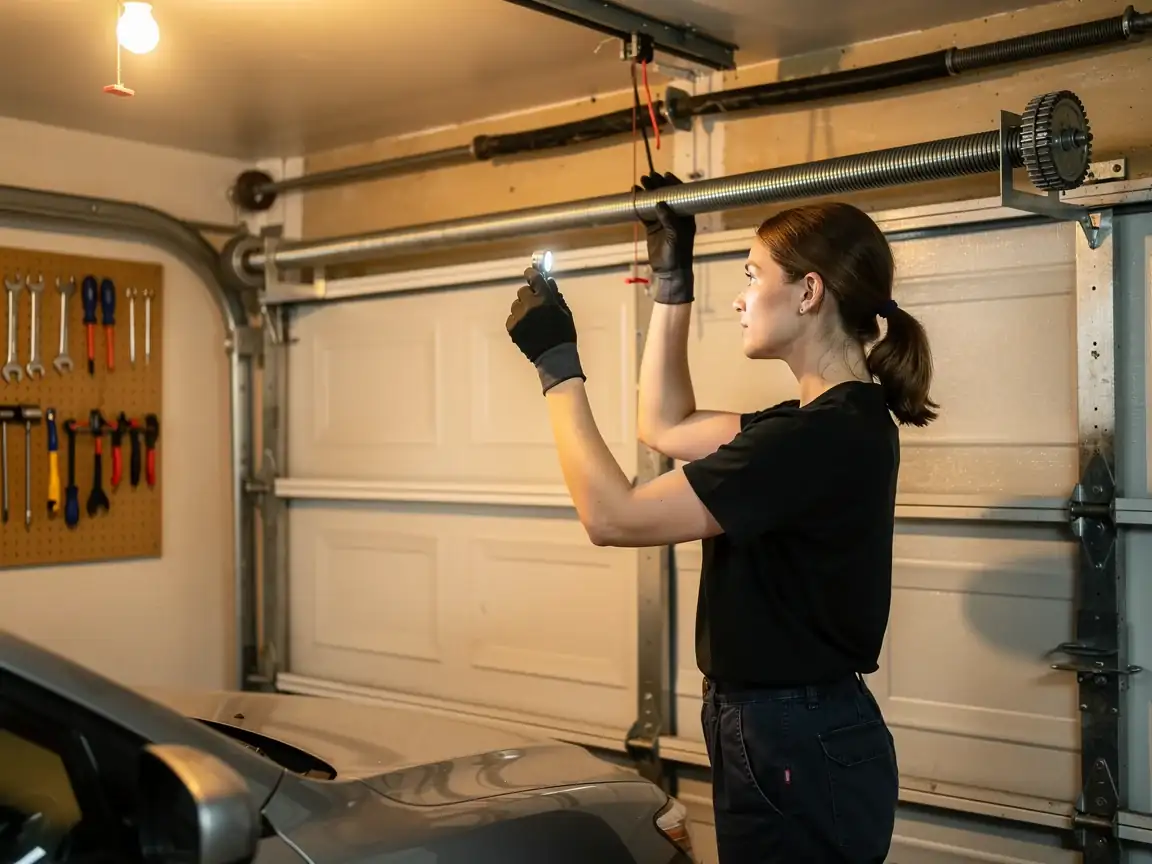
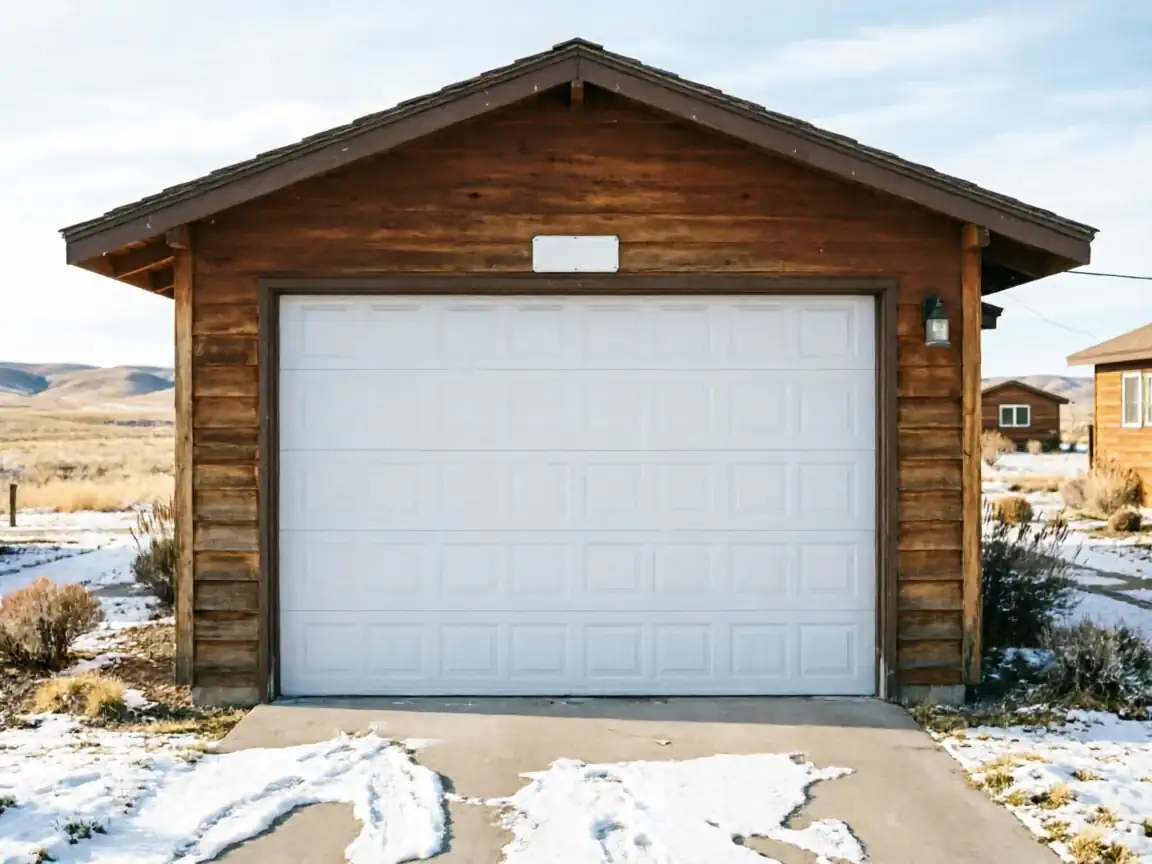
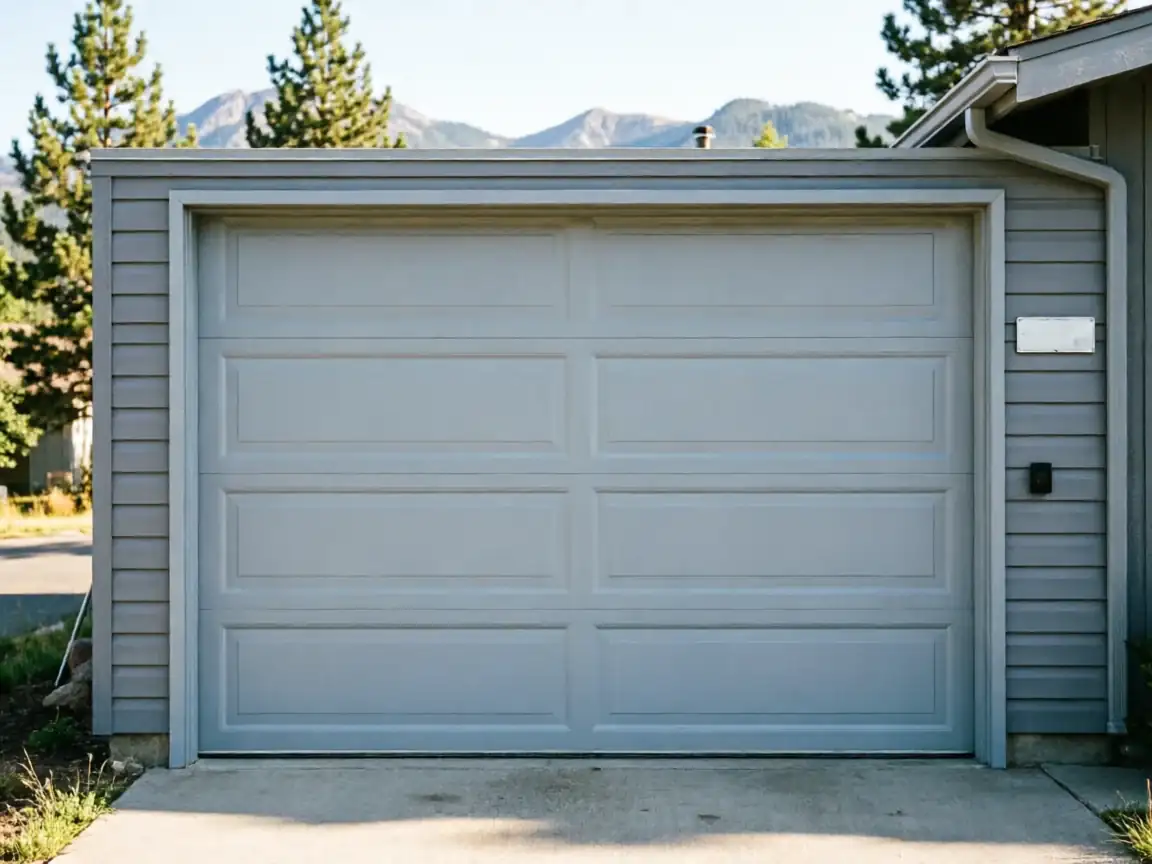
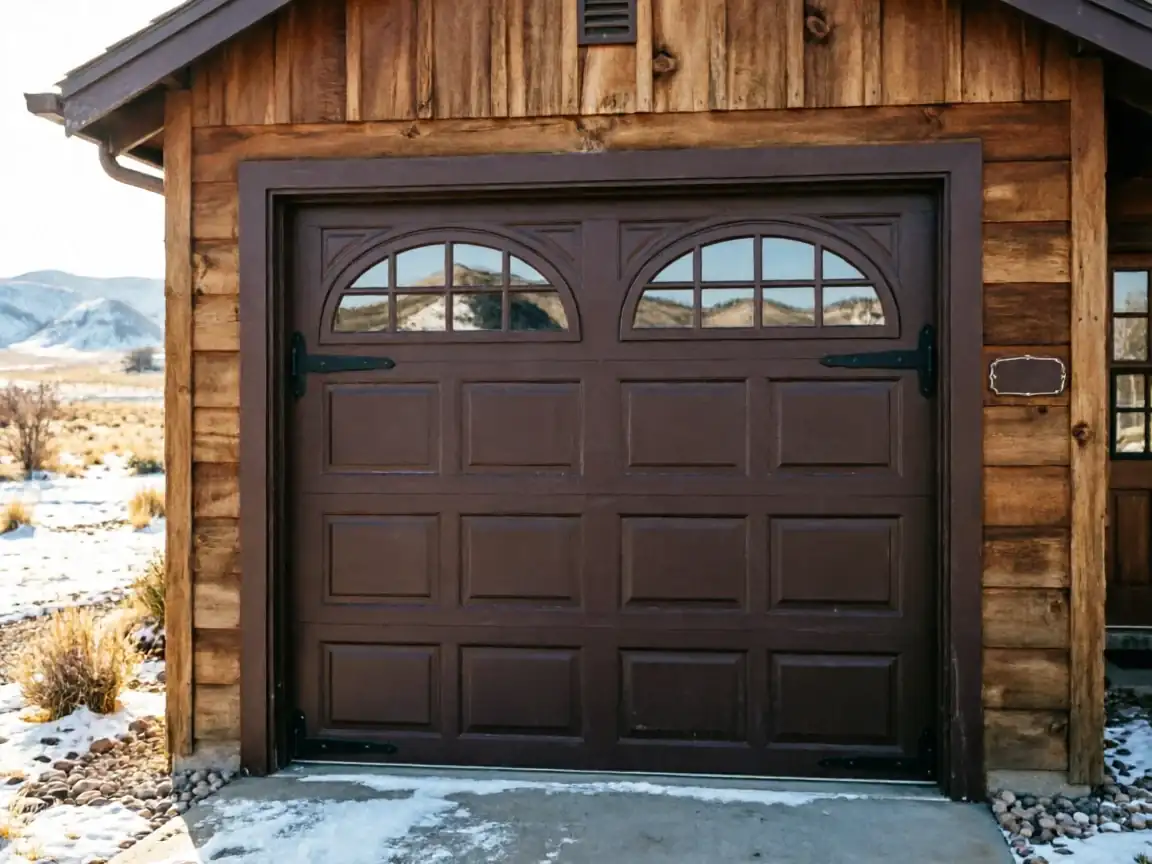
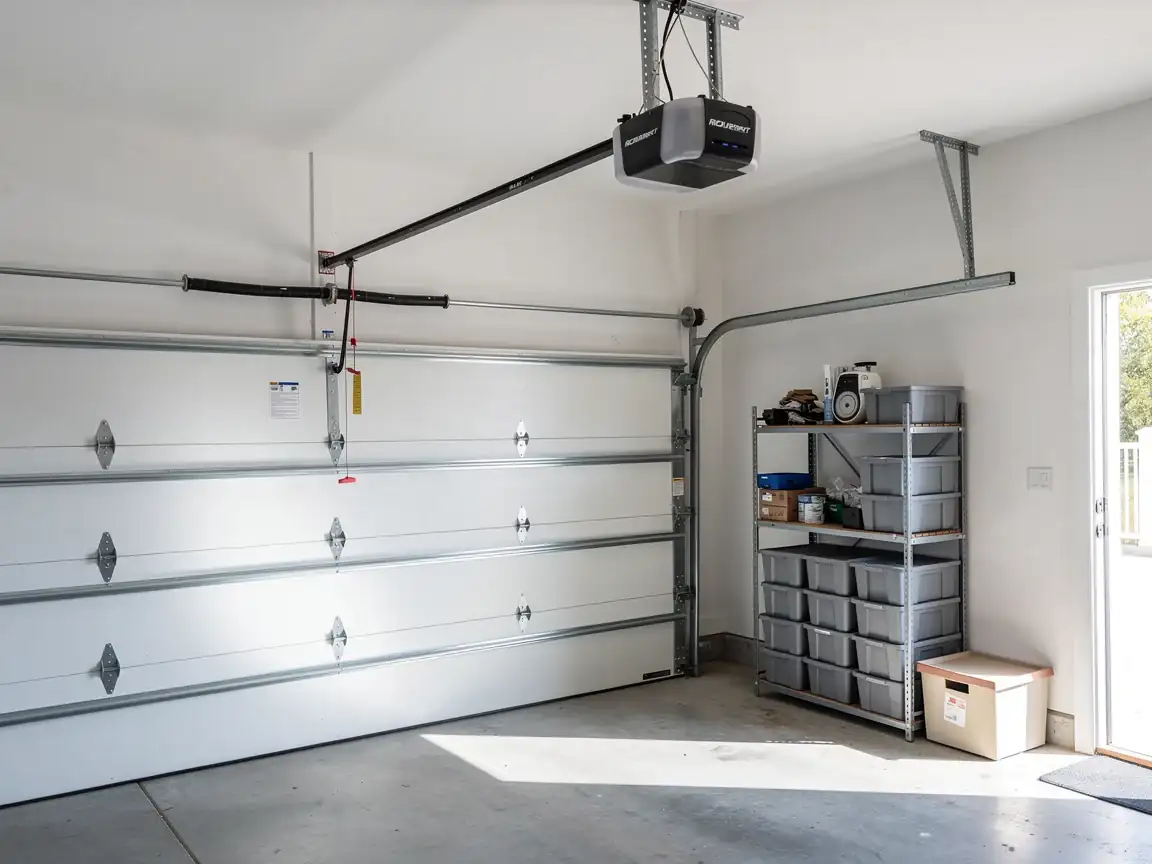
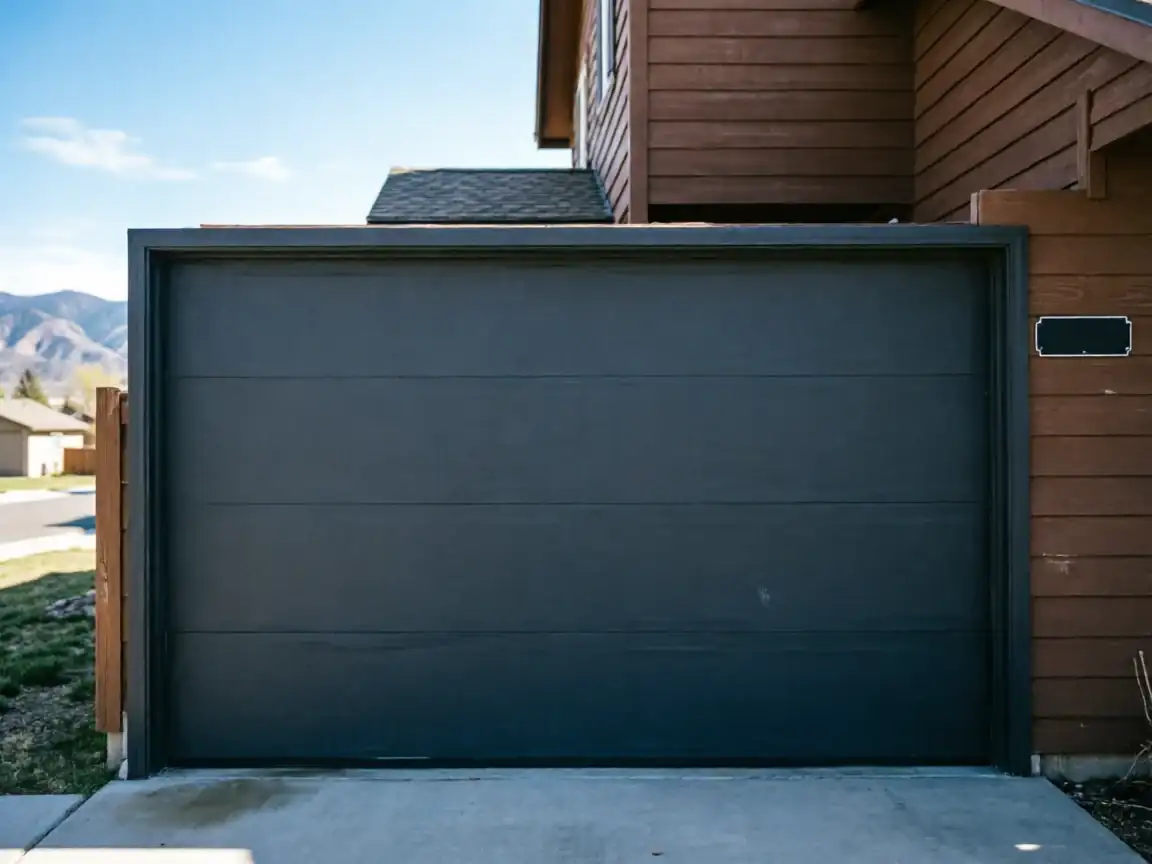
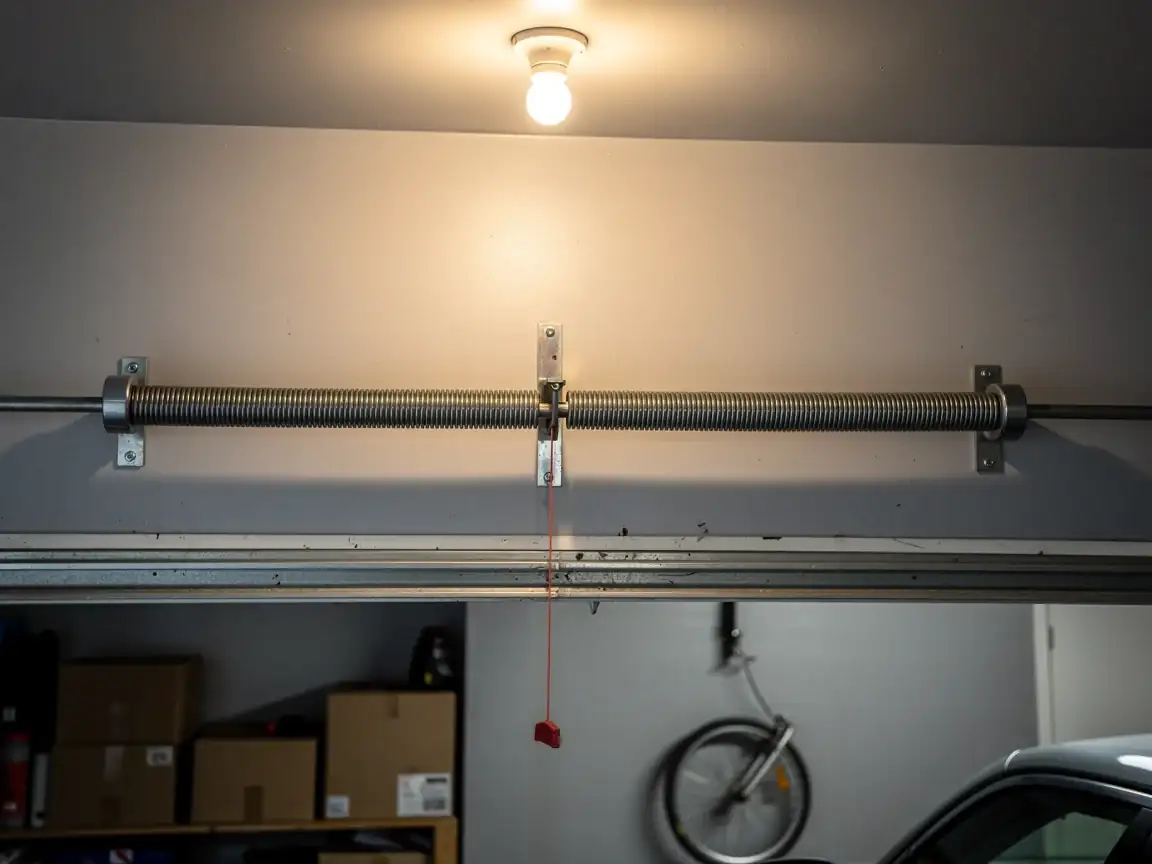
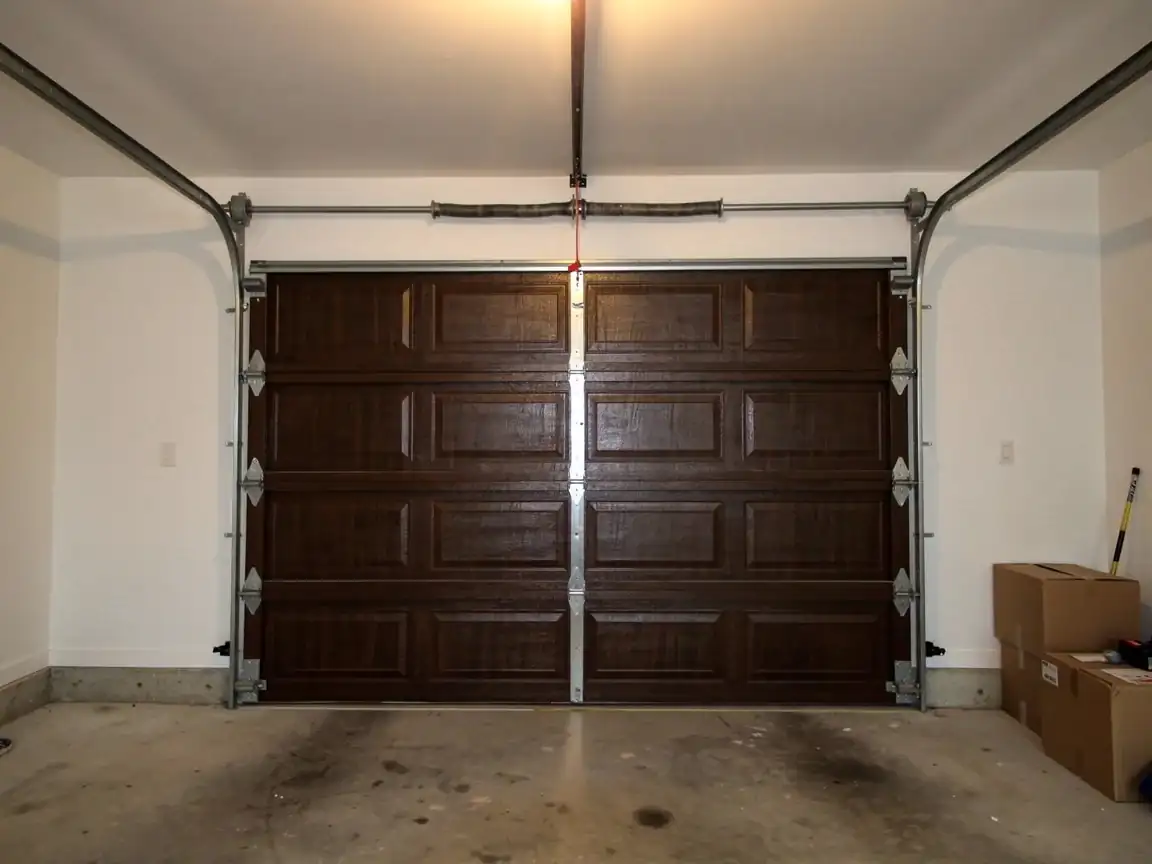
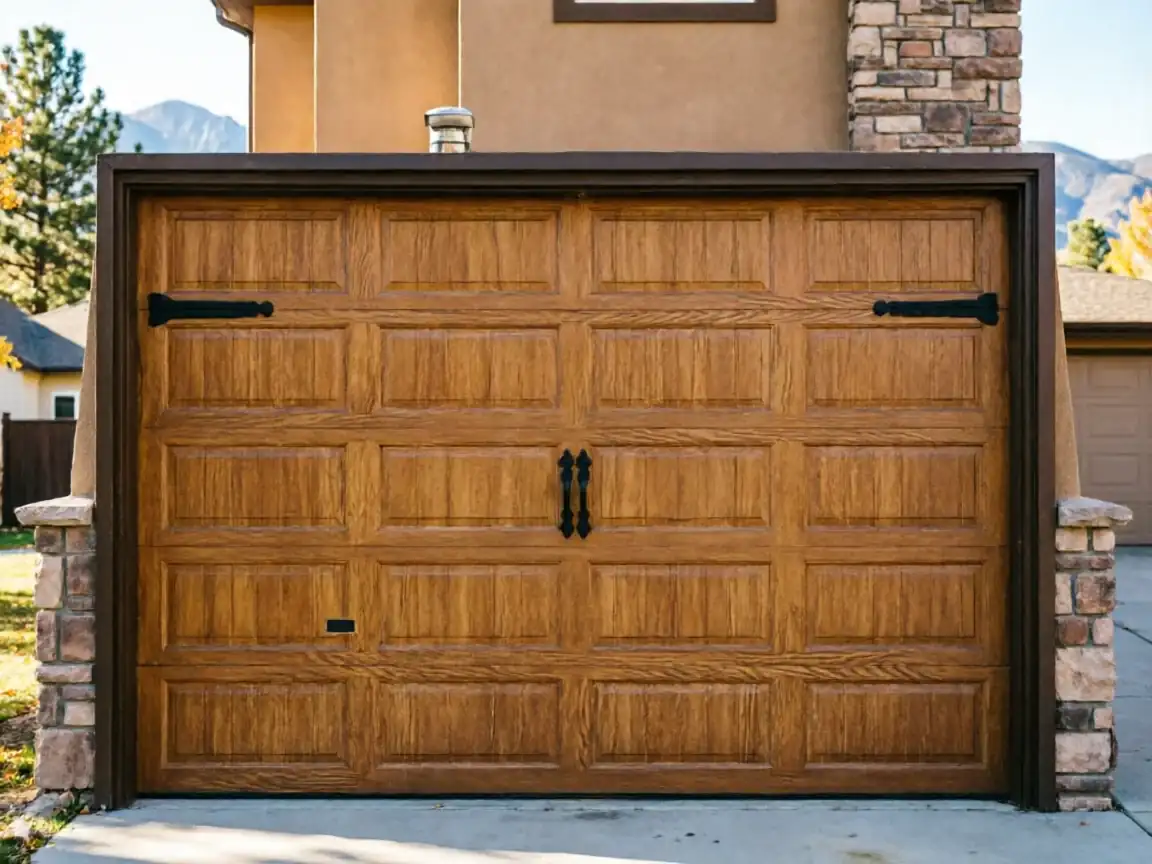
Castle Pines is one of the smaller pockets we cover out of Highlands Ranch - about 4,523 households, roughly 8 miles out. That size matters for what we carry. We're not stocking panels for six different eras of door like we do for the older stretches of the service area. Most homes here went up around 2003, so the truck carries insulated steel sections sized for that generation of door: wider panel runs, factory-laminated overlays meant to look like carriage house wood, and the torsion hardware that shipped with them. We bring color samples because builder-run finishes from the early 2000s don't always match what's sold today - a lot of those exact shades are discontinued. If your door uses a composite or fiberglass overlay panel instead of plain steel, we bring the fastener kit for that too, since it mounts differently than a bare steel section. What we don't carry on a standard run is a full custom-width panel built to order - if your opening is an odd size, that's a special order, not a same-trip fix.
What You Pay
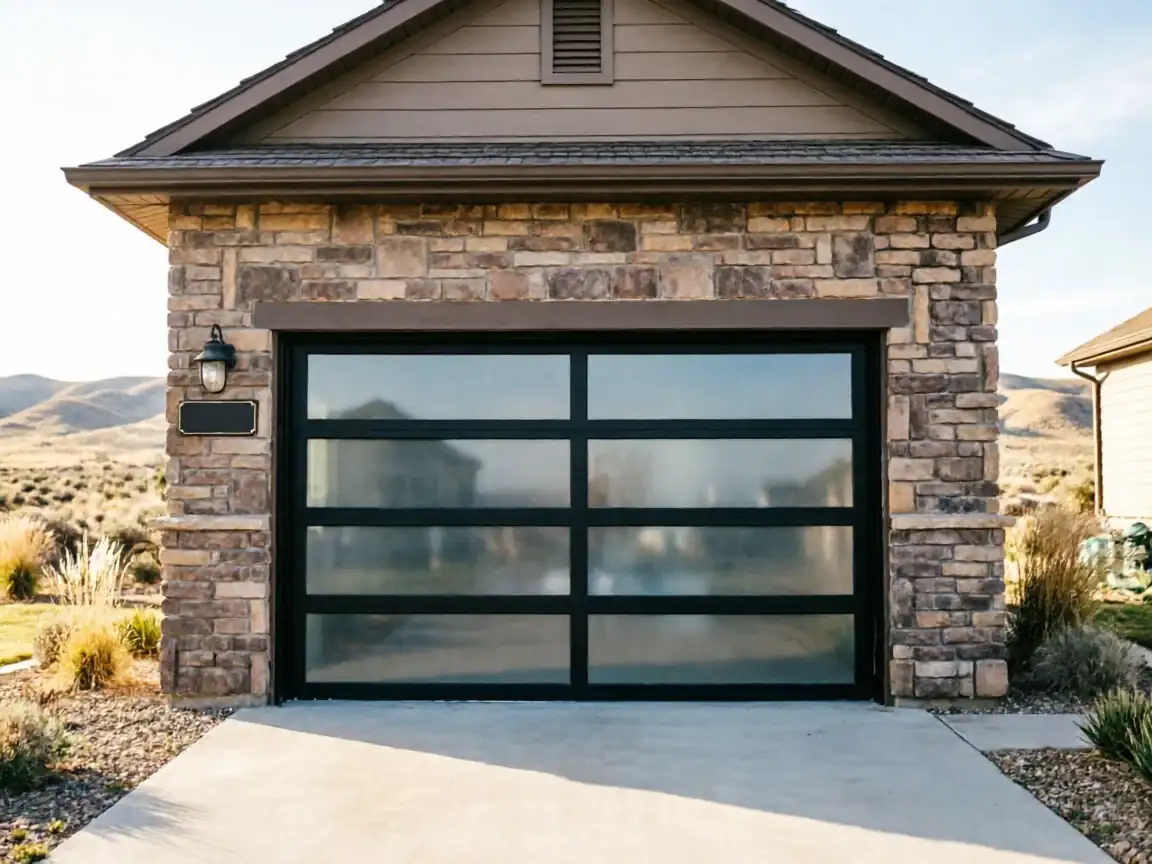
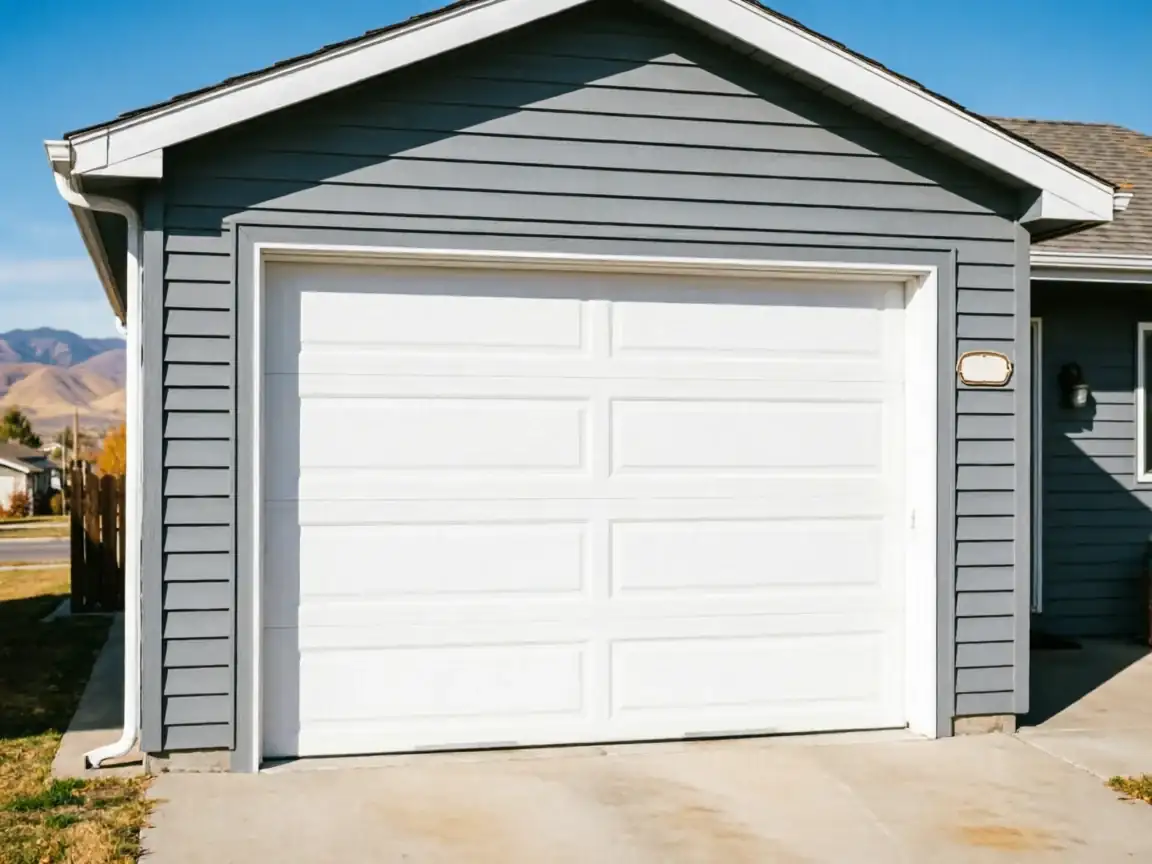
We don't post a price here because panel replacement swings a lot depending on what we find. A single steel section on a common size is one number. A full double-door panel, or a run where the finish has to be color-matched or the overlay is discontinued, is another. Castle Pines carries a median household income of $189,918, well above the $129,480 median across the rest of the service area, and we mention that only because it shapes what we see - more composite overlay doors, more two-tone finishes, more doors where an exact match matters to the homeowner even when a close match would work fine structurally. That drives cost up, not because the part is harder to install, but because sourcing an exact finish takes longer than sourcing a plain white steel section. The honest limitation: if your panel style was discontinued by the builder, we may not be able to match it exactly, and we'll tell you that before we order anything, not after.
The Symptom
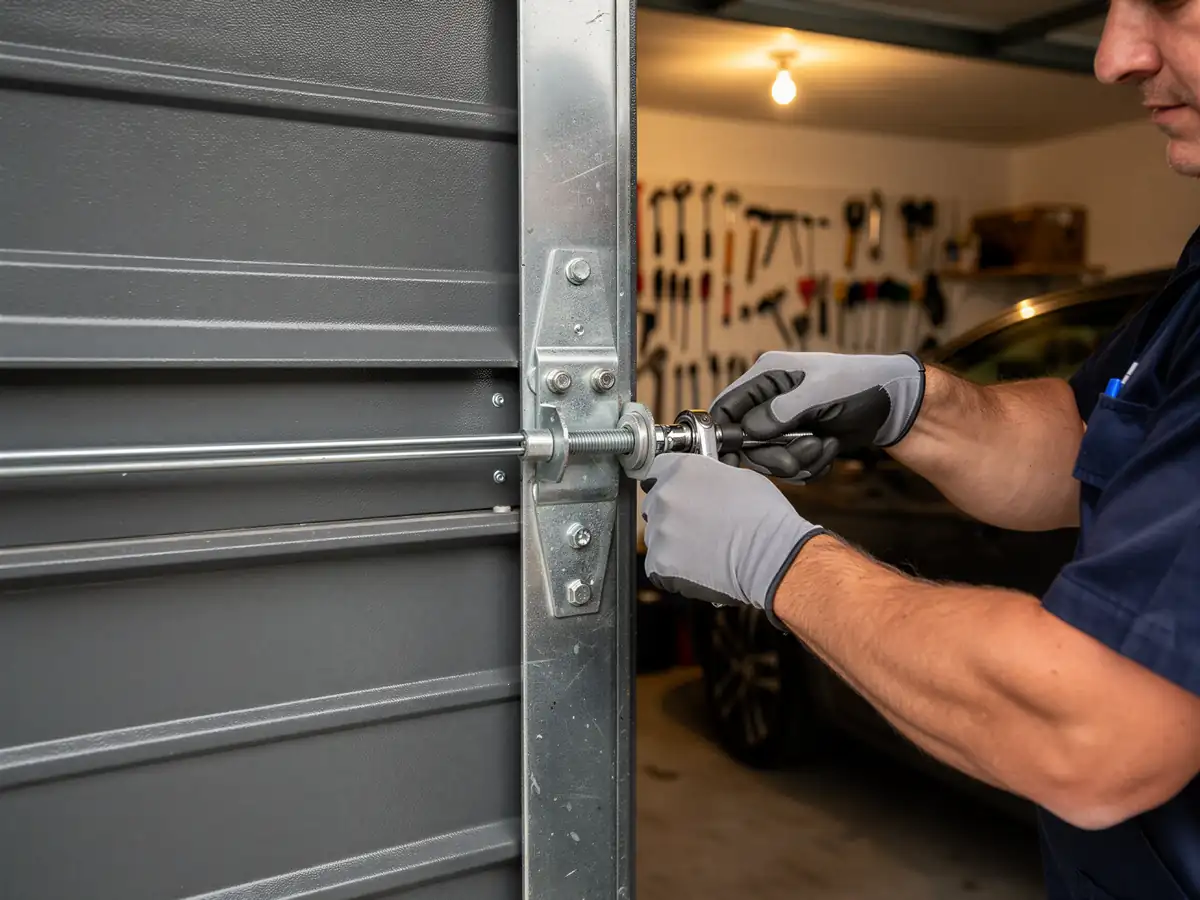
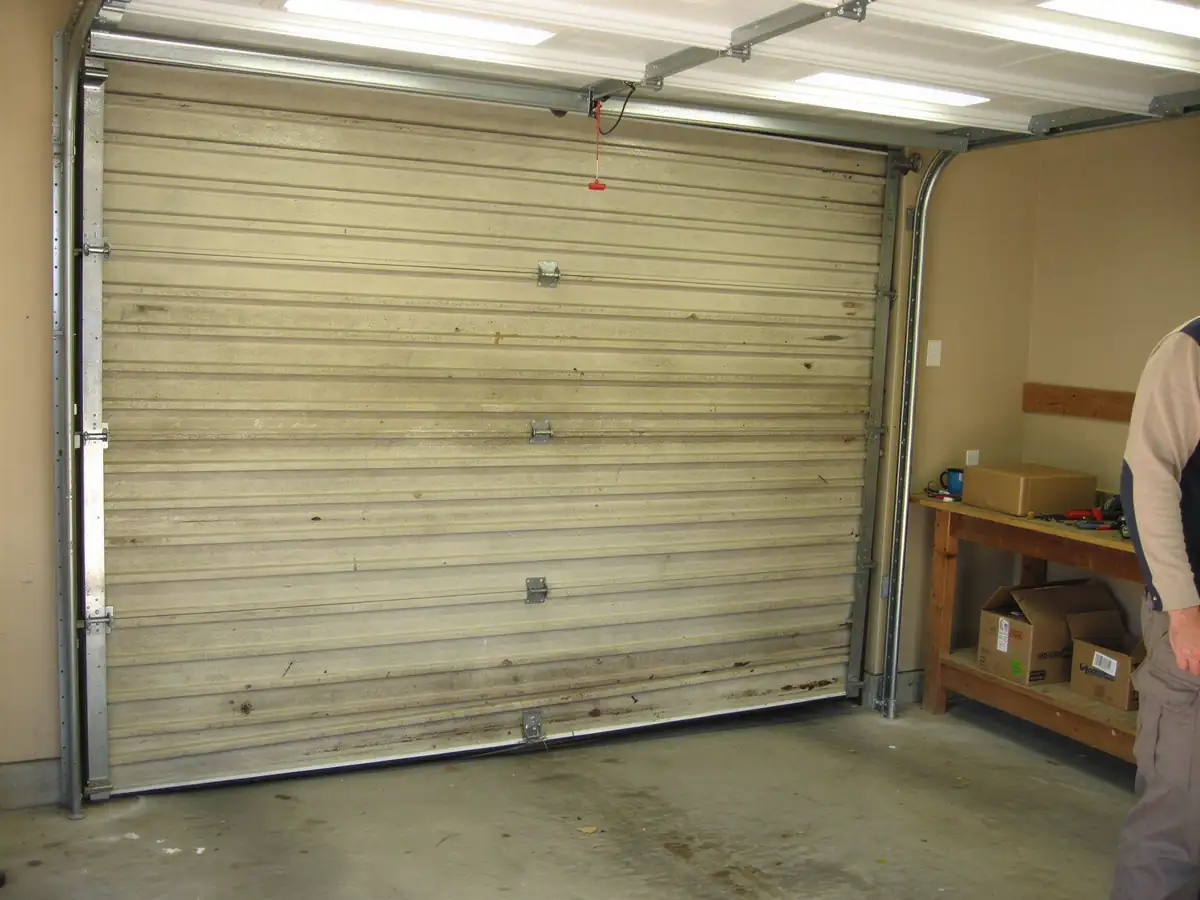
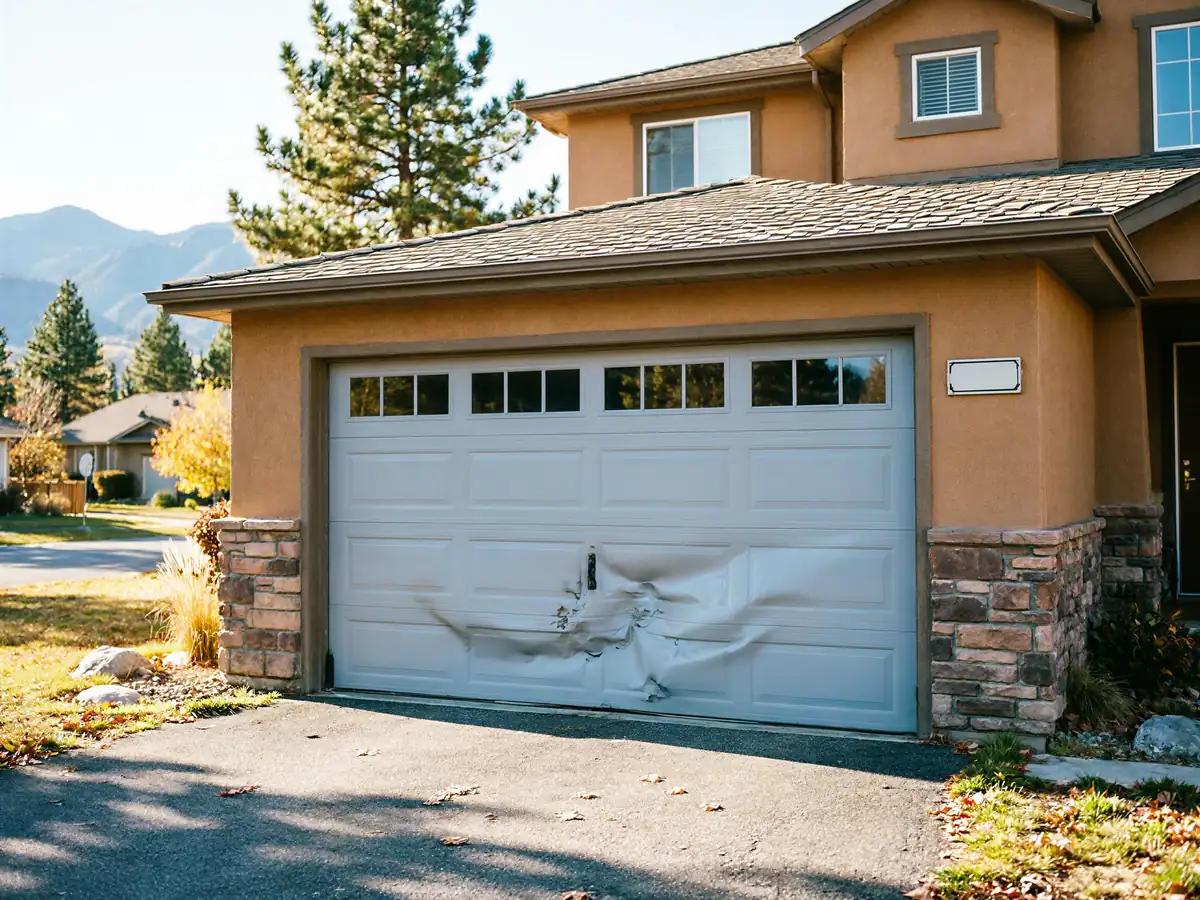
The panel failure we see most in this stretch isn't impact damage - it's the bottom section rusting from the inside out. Winters here fall in the cold-severe band, and the bottom panel sits closest to the snowmelt and road salt that tracks in under the door seal. On steel doors, that moisture gets behind the paint at the seam where the panel meets the bottom bracket, and by the time you see bubbling on the outside face, the steel underneath has usually been thinning for a season or two. Because most of the stock here dates to around 2003, we're now seeing that first generation of door hit the point where the bottom panel is the weak link even though the rest of the door is sound. The fix in that case is almost always a bottom-panel-only swap, not a full door - the top sections usually haven't seen the same exposure and don't need touching.
How Long You Are Without the Door
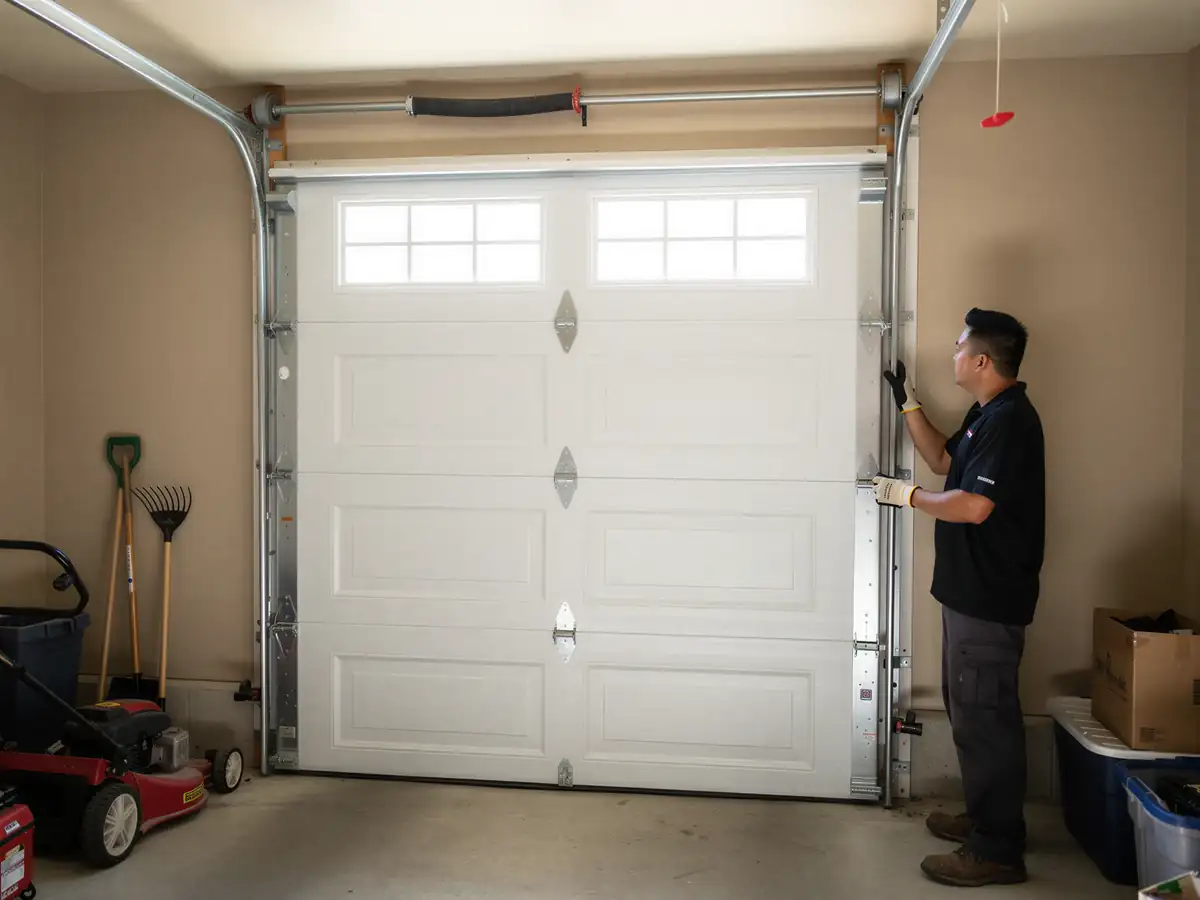
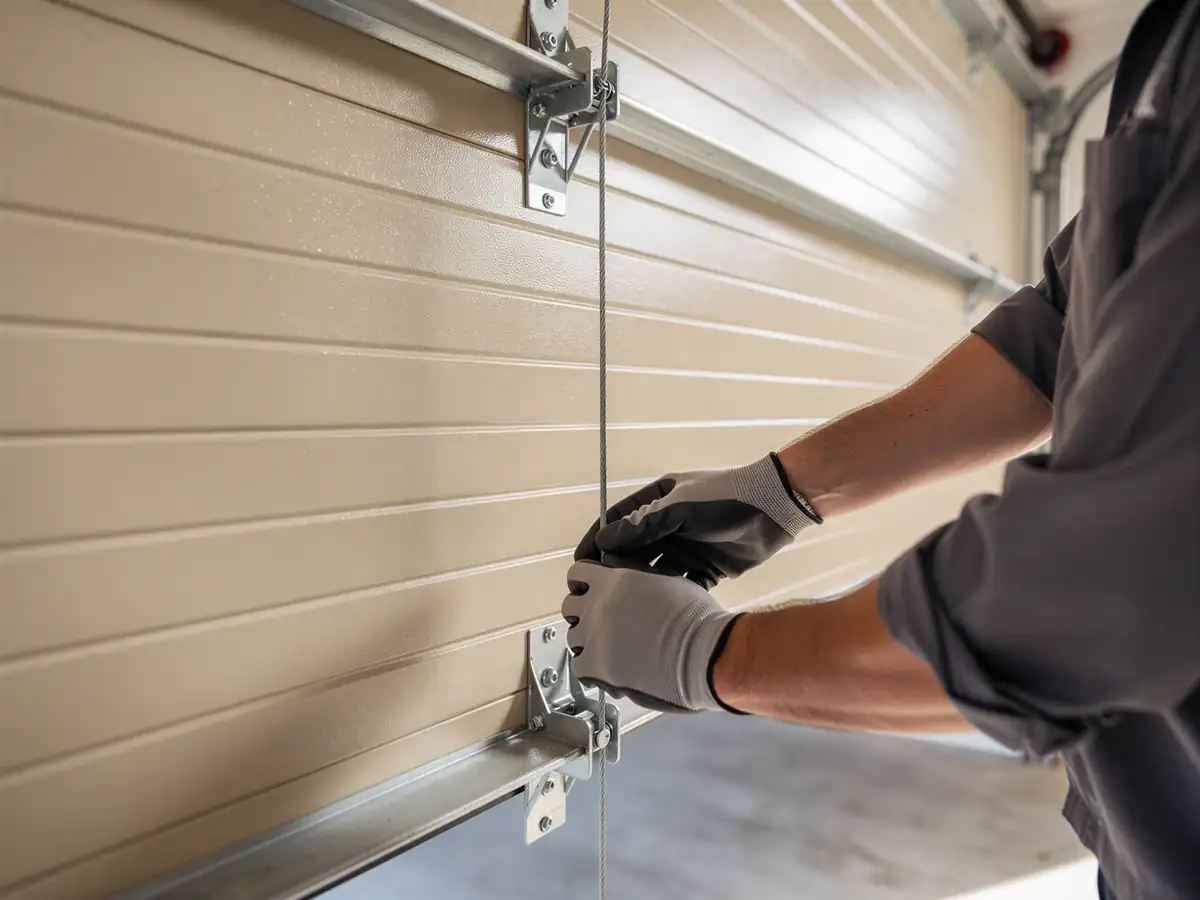
A single-panel job, once we've got the right section on the truck, doesn't put your garage out of commission for long - the door stays operational while we're working, since we're pulling one section at a time rather than dropping the whole door off the track. What takes the time isn't the install, it's sourcing a matched panel if your finish or overlay style has been discontinued since the home was built. We'll tell you up front whether what you need is a same-trip part or a special order, and if it's the latter, your door still runs in the meantime - it'll just carry the dent or the rust bubble until the part's in.