What Is on the Truck
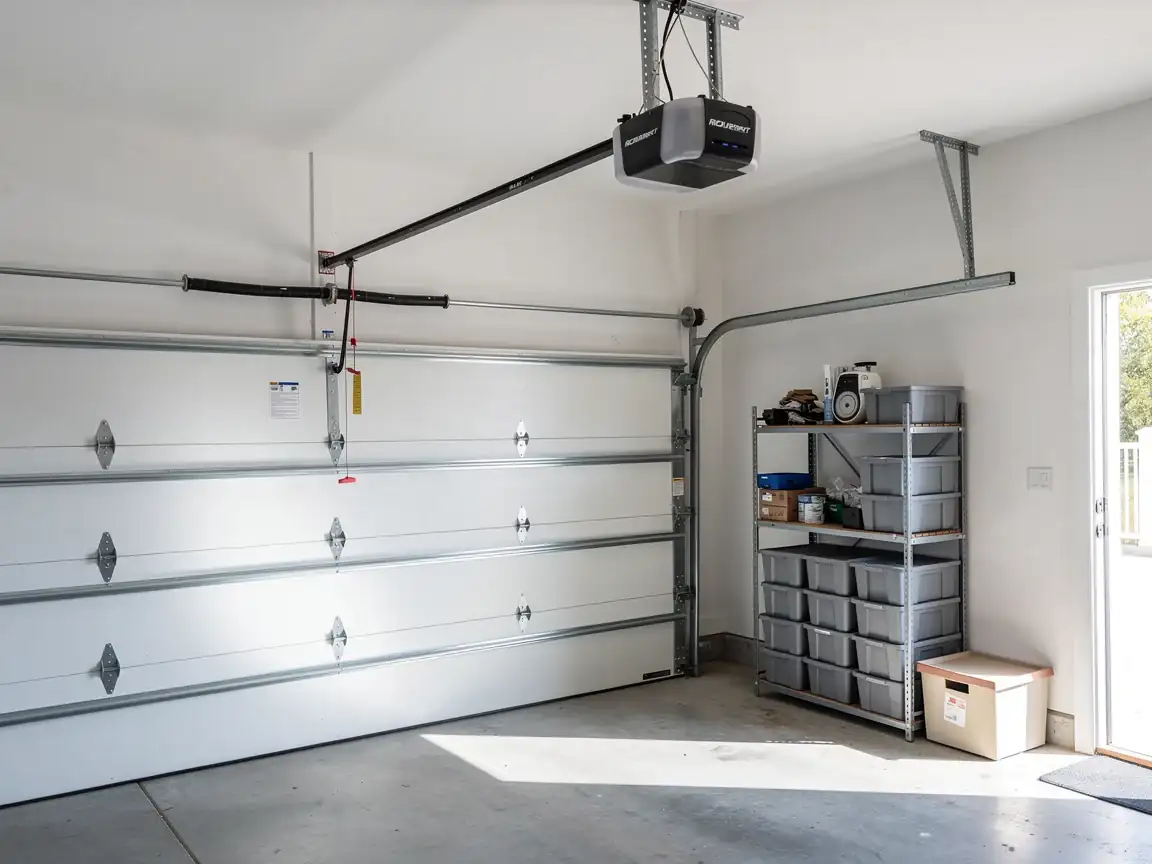
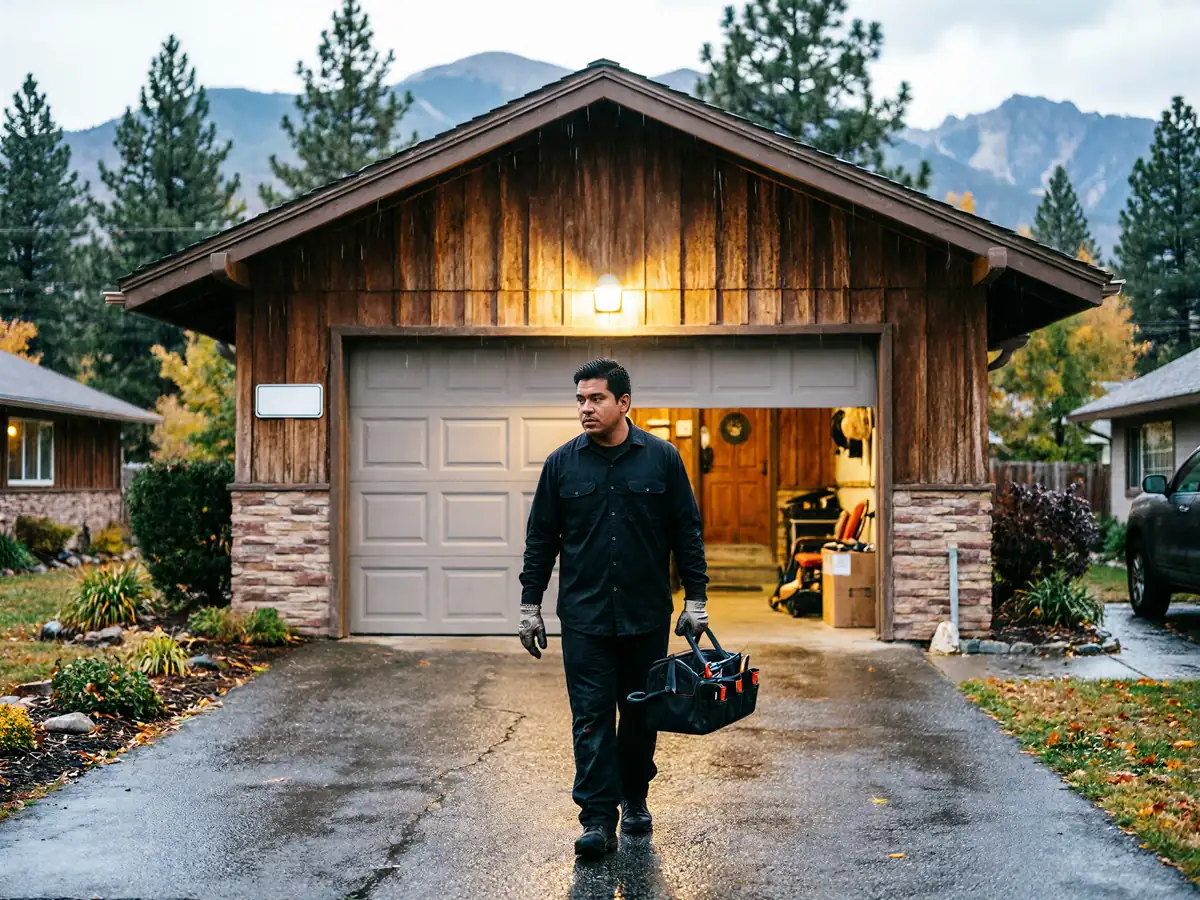
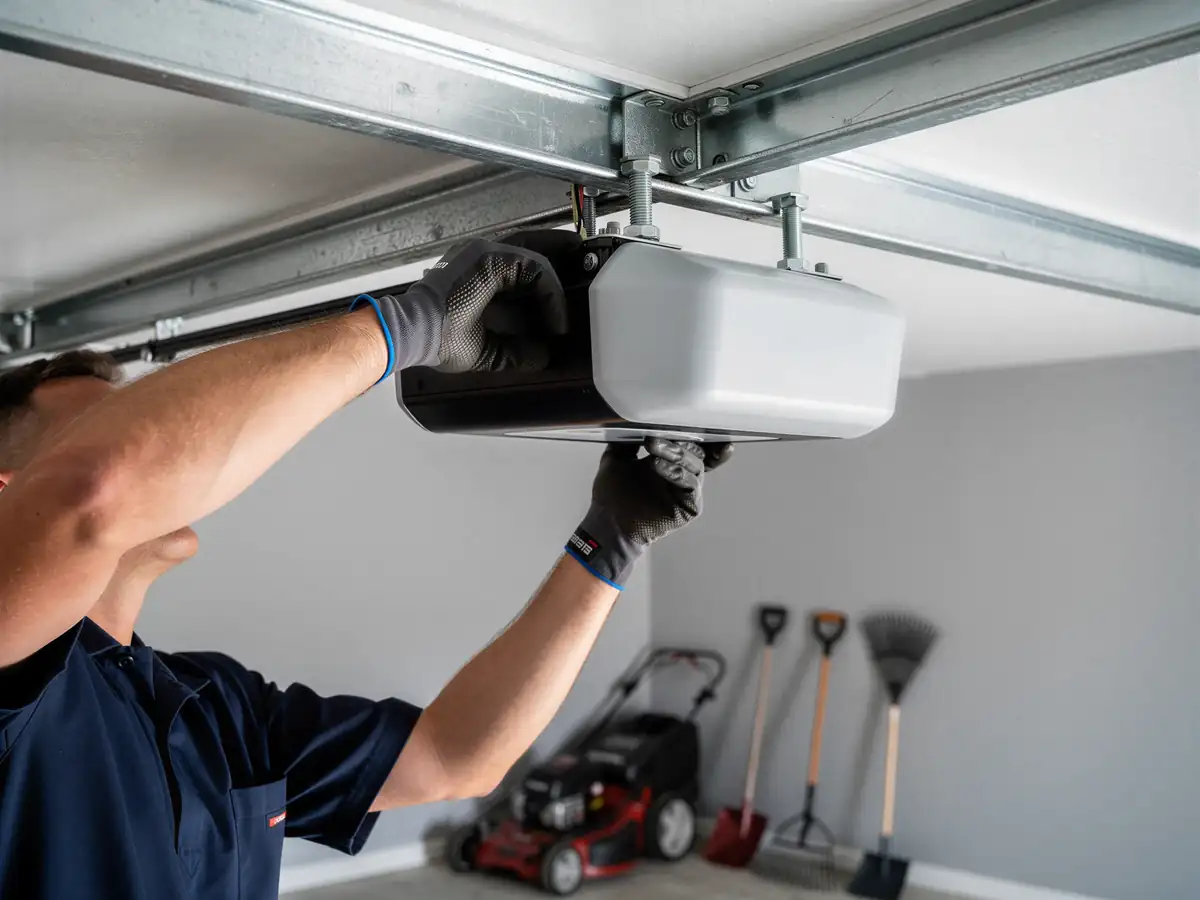
Castle Pines is eight miles from our Highlands Ranch base, which is far enough that we load the truck before we leave rather than run back for a part we forgot. That means a job here carries the same opener stock we'd bring to any call: belt and chain drive units, the brackets and rail sizes that cover standard residential openings, and the wall controls and remotes that pair with them.
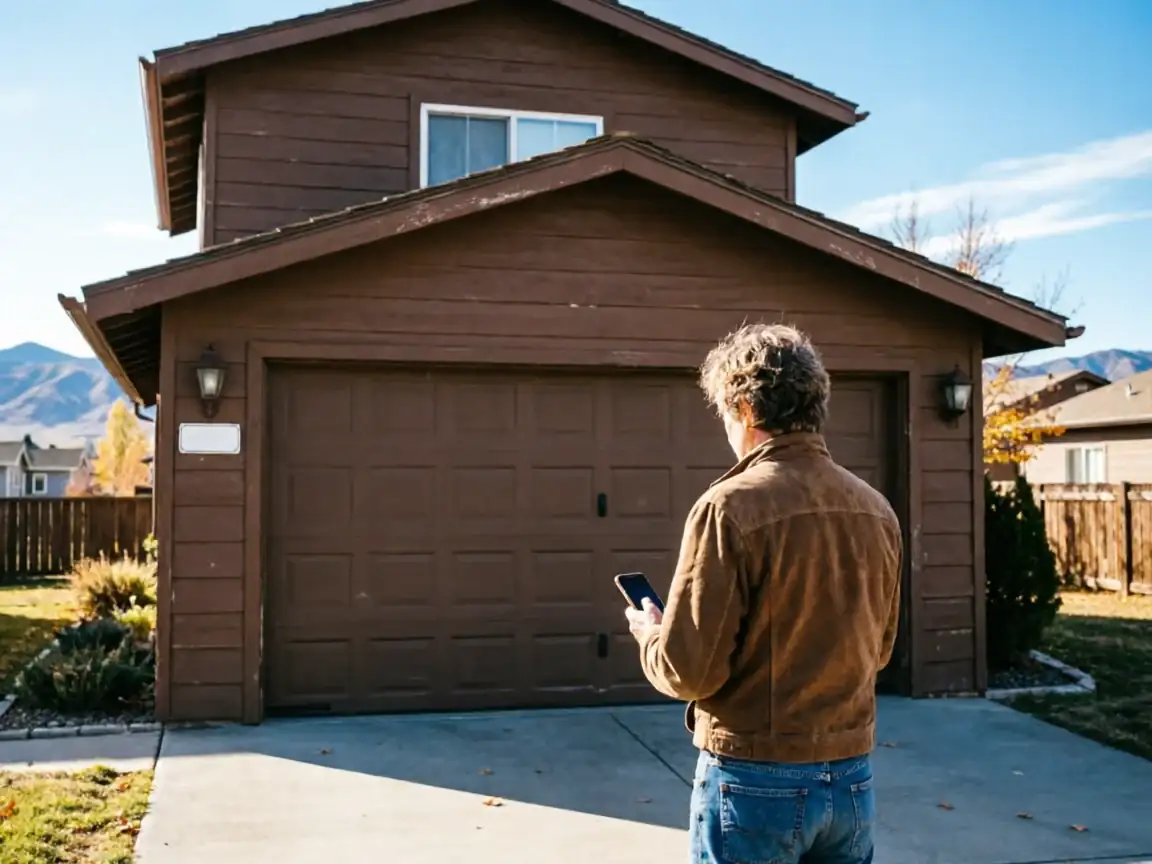
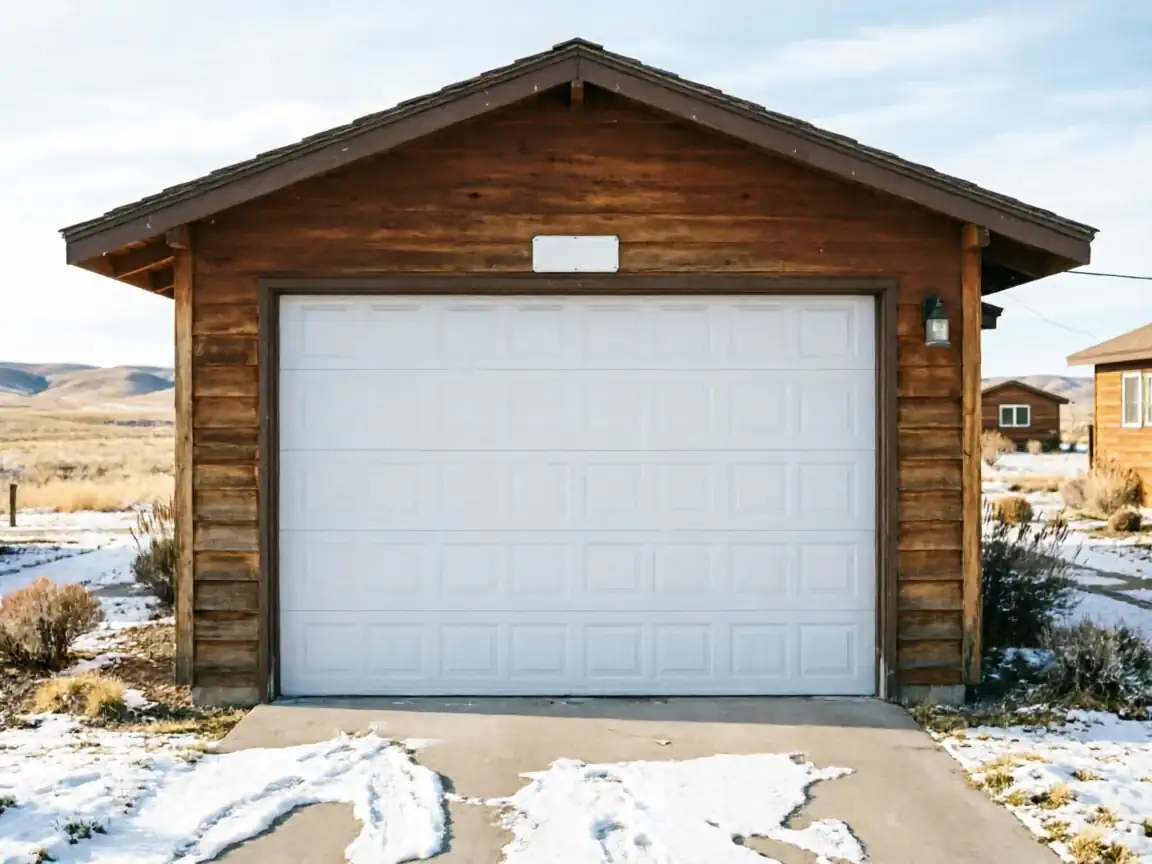
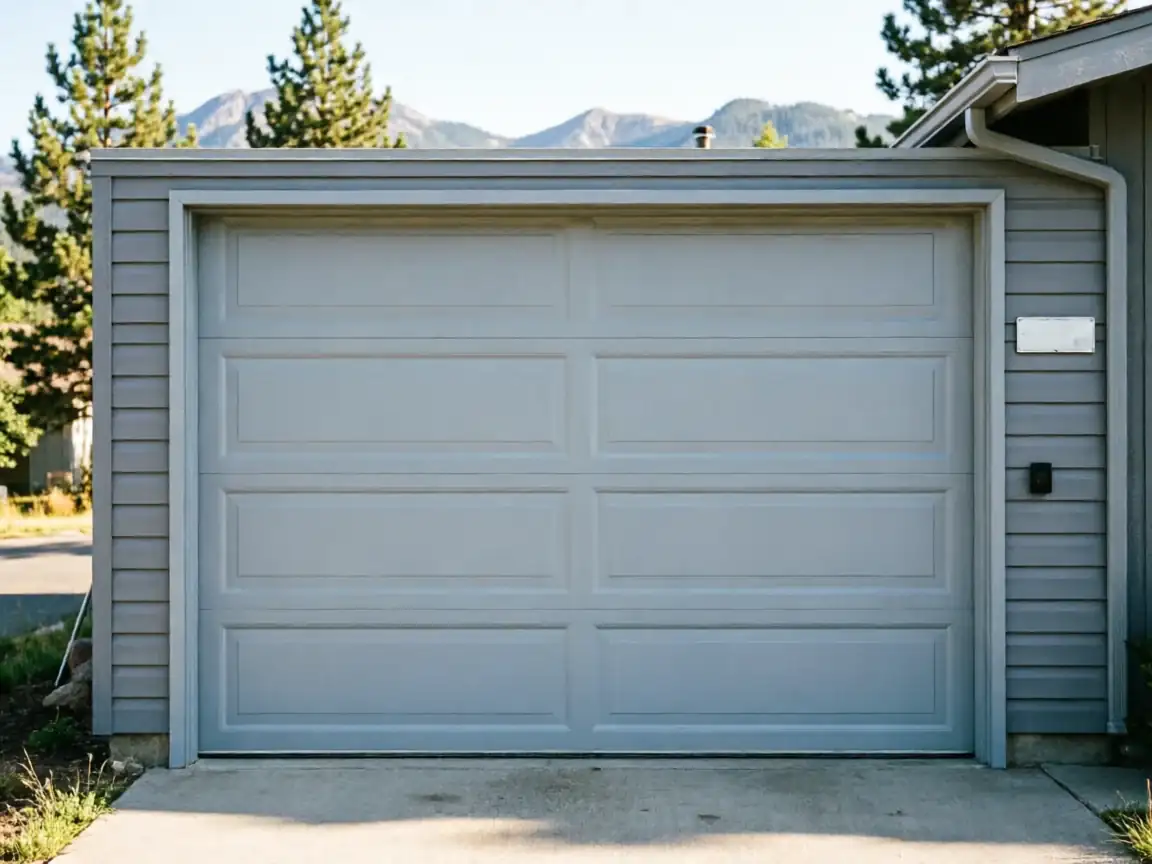
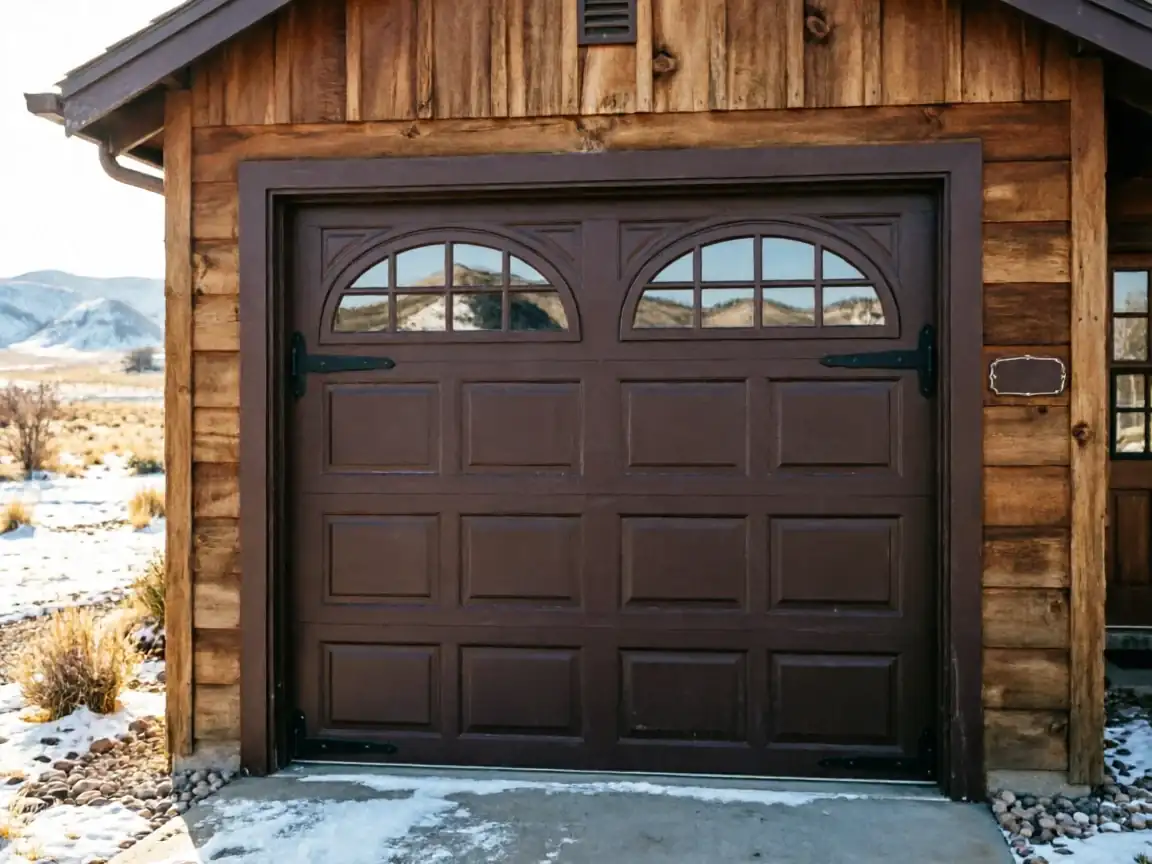
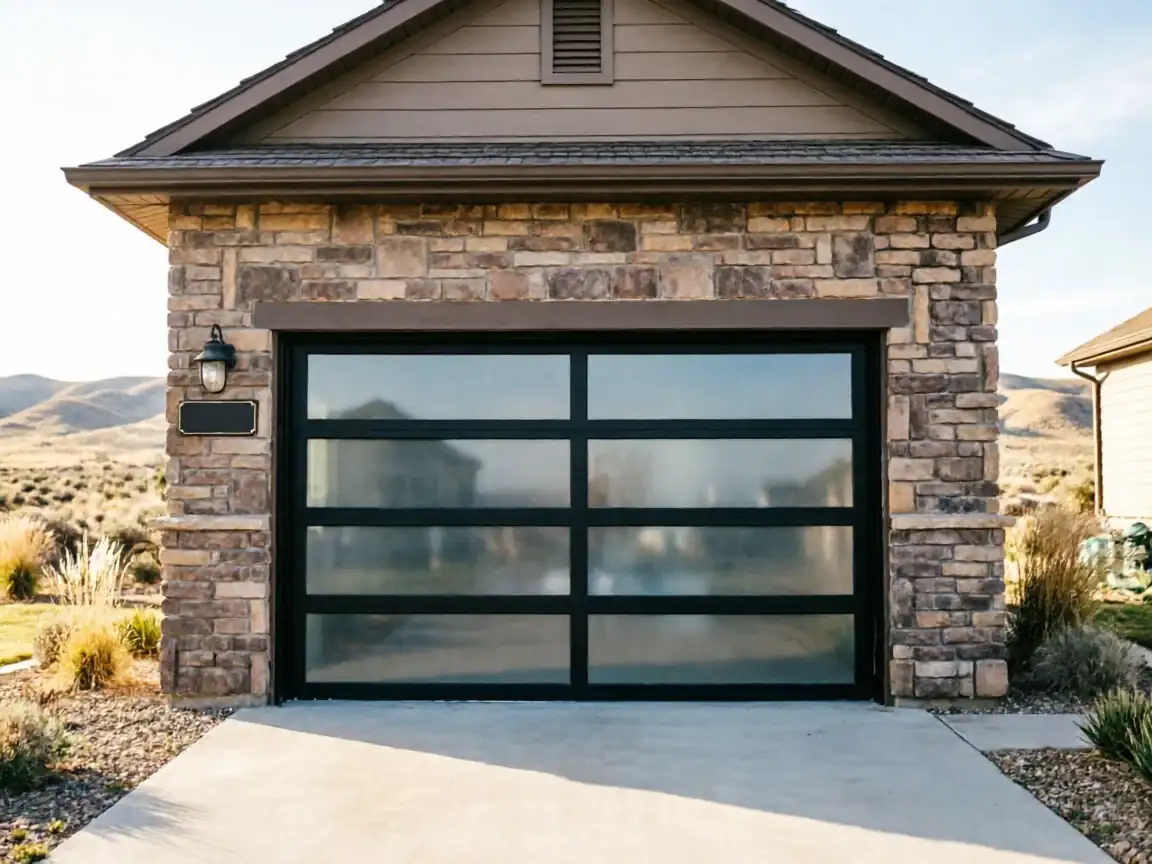
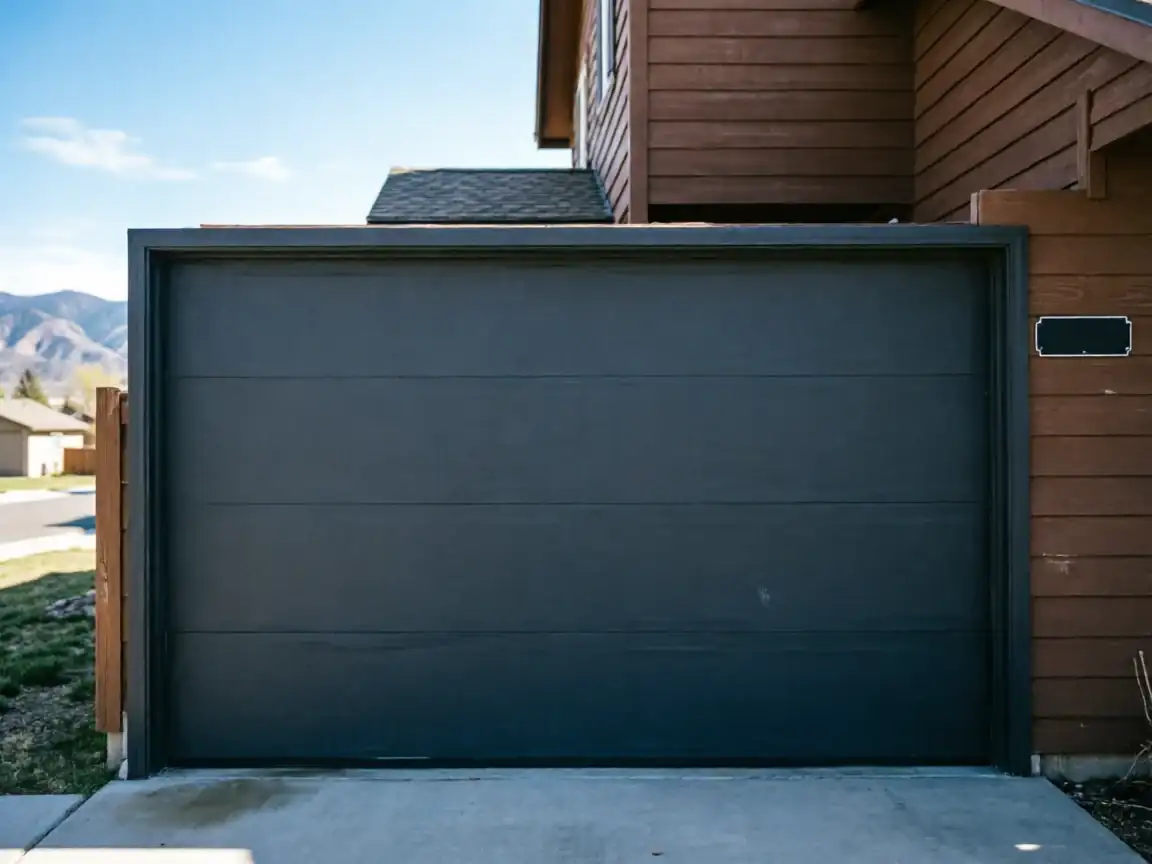
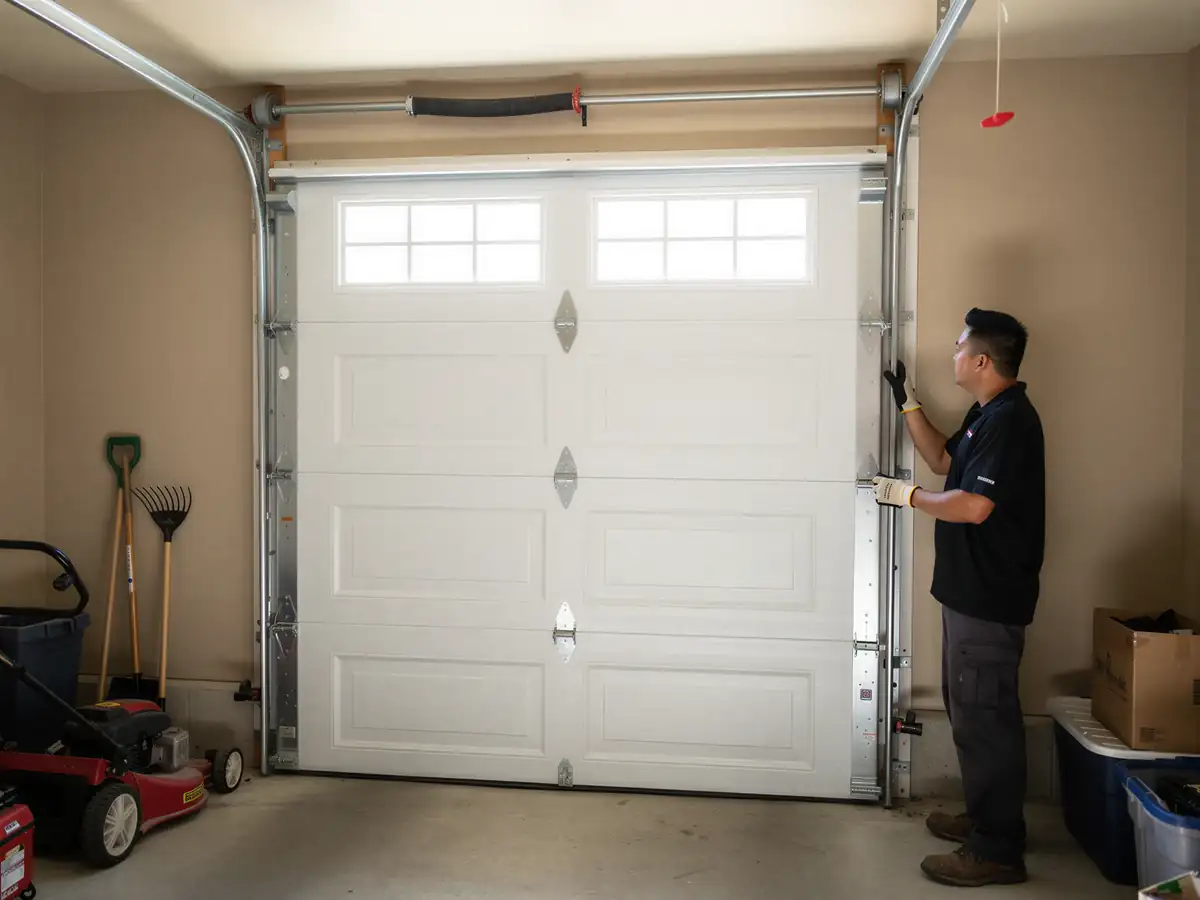
What's different about Castle Pines is the houses themselves. Most of this area went up around 2003 - a good two decades newer than the 1960s and 70s stock that makes up much of the rest of our territory. Newer framing generally means squarer headers and cleaner mounting points for the opener bracket, which is one less thing to fight with on install day. We still check header clearance and ceiling height before we commit to a drive type, because a few of these homes run taller doors than the builder-grade standard.
We don't carry every niche opener brand on the truck. If a homeowner wants a specific manufacturer we don't stock, we'll tell you that up front rather than sell you something close enough.
What You Pay
We don't publish a flat number for opener installs here, and we're not going to invent one to fill this section. Cost depends on drive type, whether we're replacing an existing unit or wiring one in fresh, and whether the existing rail and bracket can be reused or need to come out.
What we can tell you is what drives the estimate up or down on a Castle Pines call specifically. Homes built around 2003 generally have standard electrical runs already in place near the opener location, which keeps the wiring part of the job simple. Where the cost moves is drive selection - belt drives cost more than chain drives and are quieter, which matters more in homes with living space over or next to the garage, common in newer construction here.
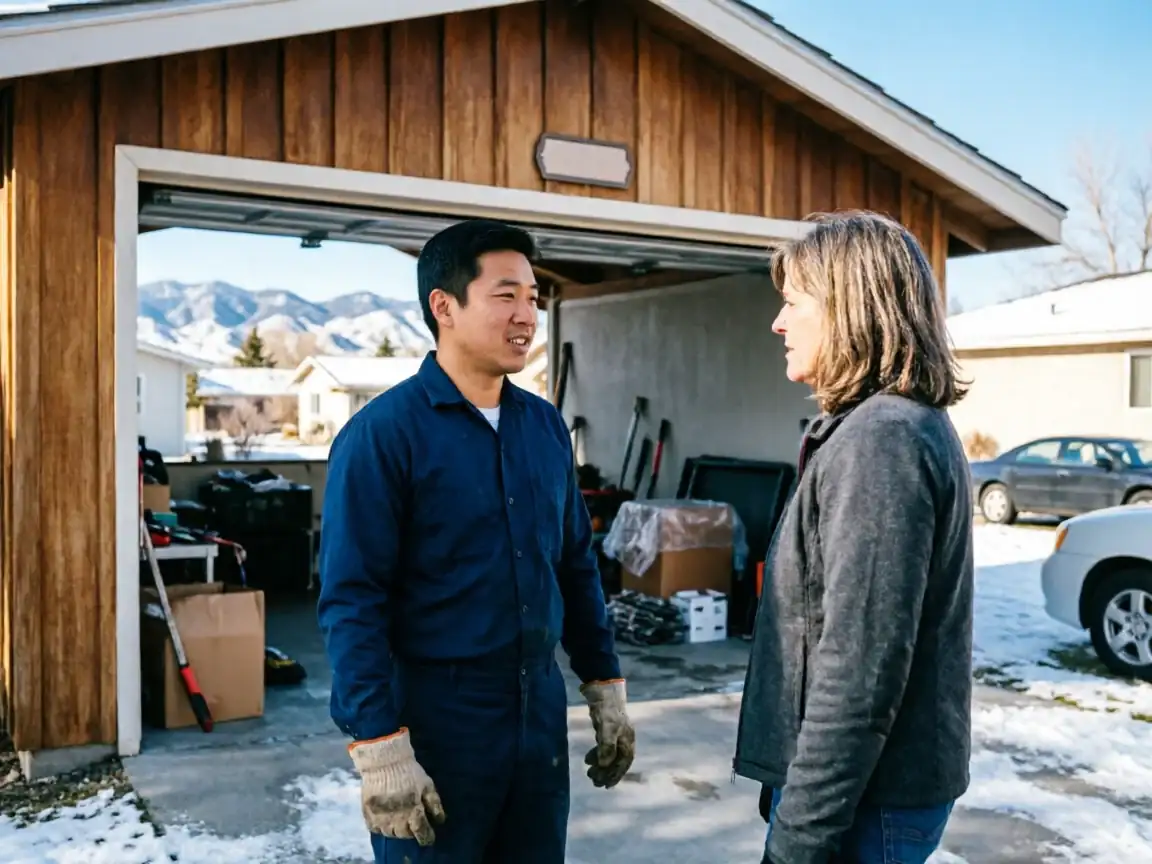
We give you the number before we start, not after. If the quote changes once we're under the door - say we find the existing bracket is cracked and not reusable - we tell you why before we charge for it.
Doing It Yourself
An opener install looks straightforward in a video and gets harder the moment the door doesn't behave like the demo door
The electrical tie-in is usually the easy part in a 2003-era home with an existing outlet nearby. The part that trips people up is travel limits, force settings, and safety reversal - get those wrong and the door either won't close or closes on something it shouldn't.
If you're comfortable with a ladder, a drill, and reading a manual twice before you touch anything
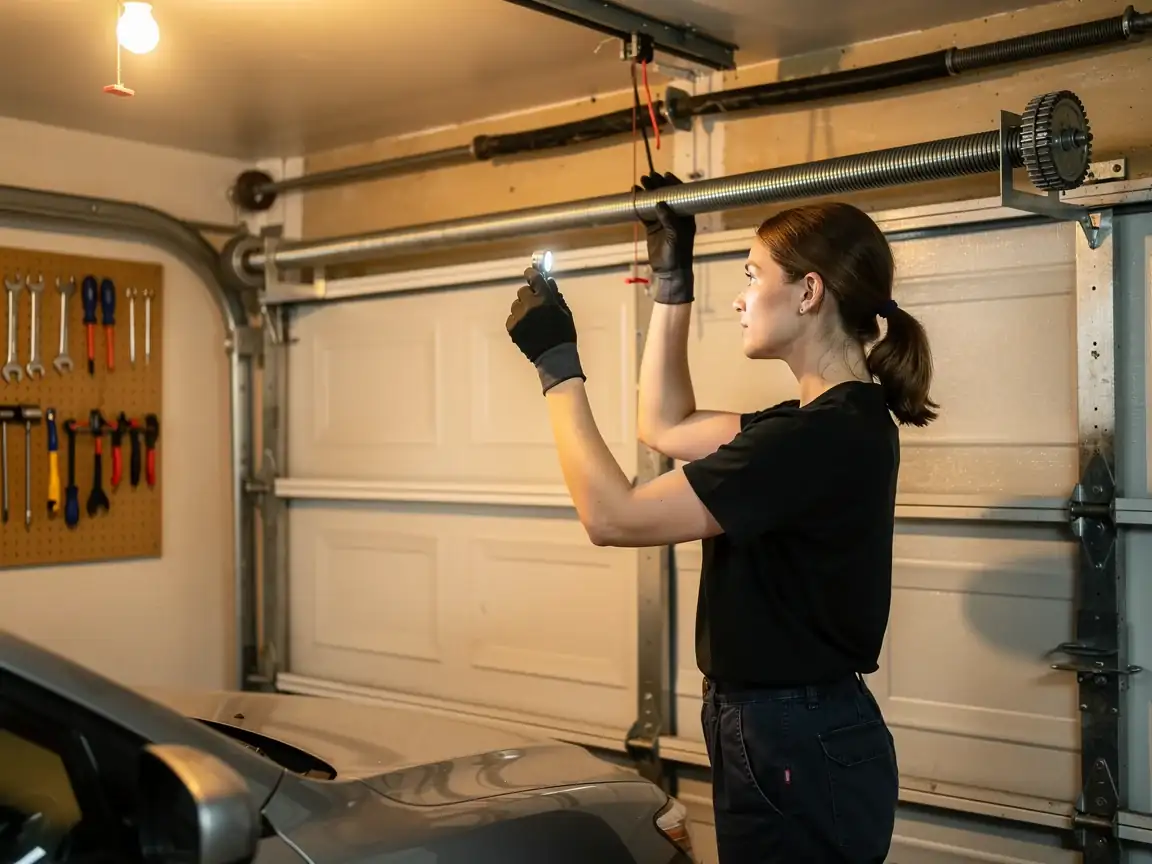
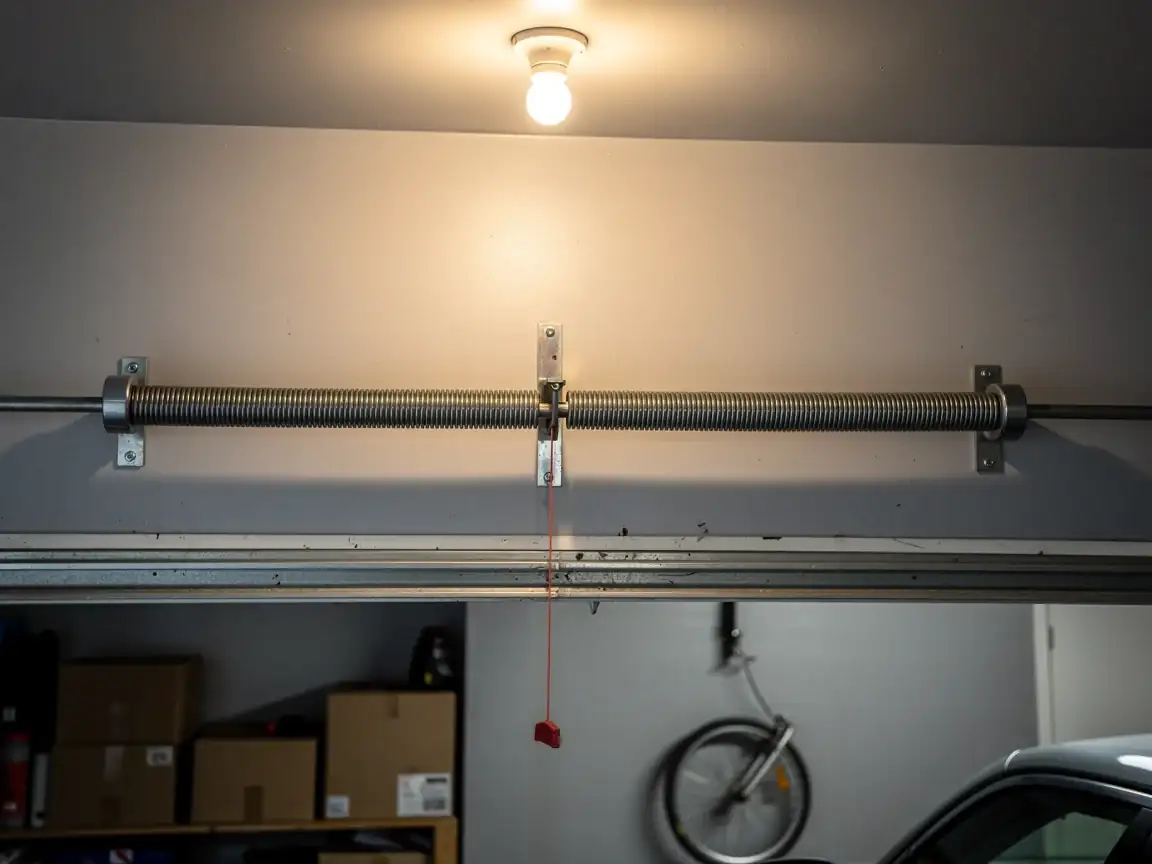
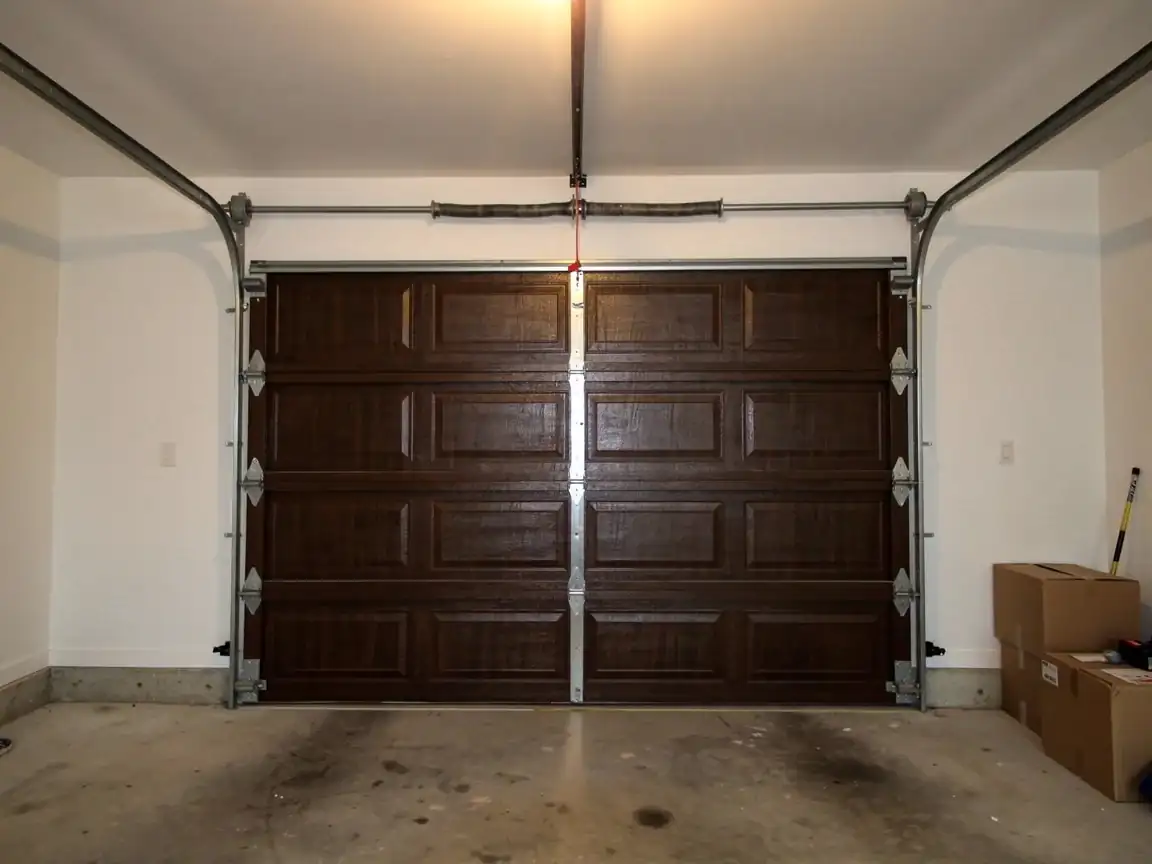
A basic chain-drive swap on an existing bracket is within reach for a reasonably handy homeowner. Where we'd stop you: anything involving the torsion spring system, any opener tied into a smart-home hub you don't want to reconfigure from scratch, or a header that isn't square - which shows up more in additions and remodels than in original construction.
We'll say the honest thing here
We'd rather talk you through what you're looking at over the phone than sell you a visit for a job you can finish yourself. We don't do that for every call, but a straight opener swap on good hardware is often one of them.
The Symptom
The call we get most from this area isn't a dead opener - it's one that's slow, grinding, or reversing on its own partway through closing. With most of Castle Pines built around 2003, the original builder-grade openers in these homes are now pushing twenty years old, which is right at the edge of the service life most manufacturers design for on the drive gear and the logic board.
The tell-tale version: the door closes fine for a few seconds, then stutters and reverses, over and over, at the same point in the cycle. That's usually not the opener failing outright - it's the stripped gear inside the housing, a part on nearly every builder-installed unit from that era, trying to push a load it can't hold cleanly anymore.
Sometimes it's wiring, not the unit: a remote that's stopped syncing, a wall button with a worn contact. We check both before we recommend replacing a twenty-year-old motor that might still have a few years in it. Replacing an opener outright makes more sense once the gear has gone - a new gear kit on an old board usually isn't worth the labor.
How Long You Are Without the Door
Because we're coming from Highlands Ranch, eight miles out, most opener jobs here are same-day if we've got the unit and bracket hardware on the truck already, which we usually do for standard chain and belt drives. We're not going to promise a window we can't hold to, but the drive itself isn't the long part of the job - it's confirming the right unit for your door weight and header clearance before we start.
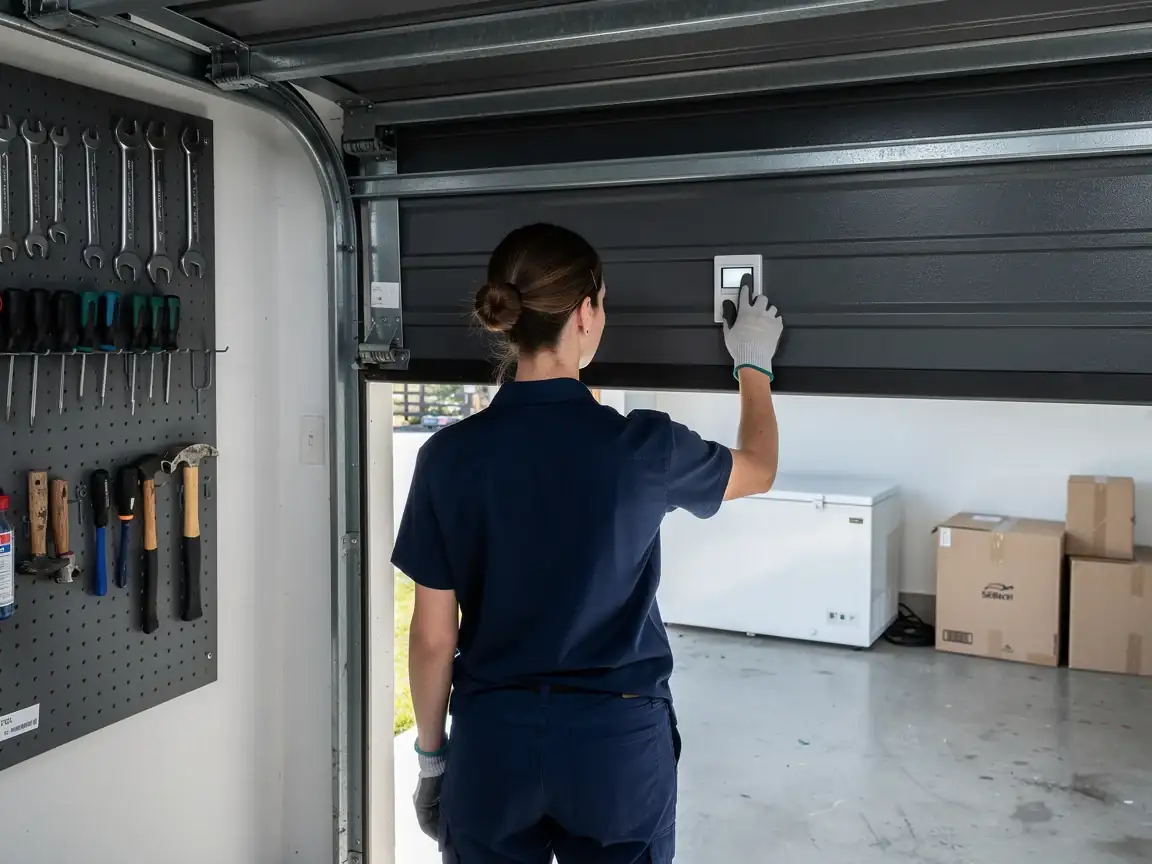
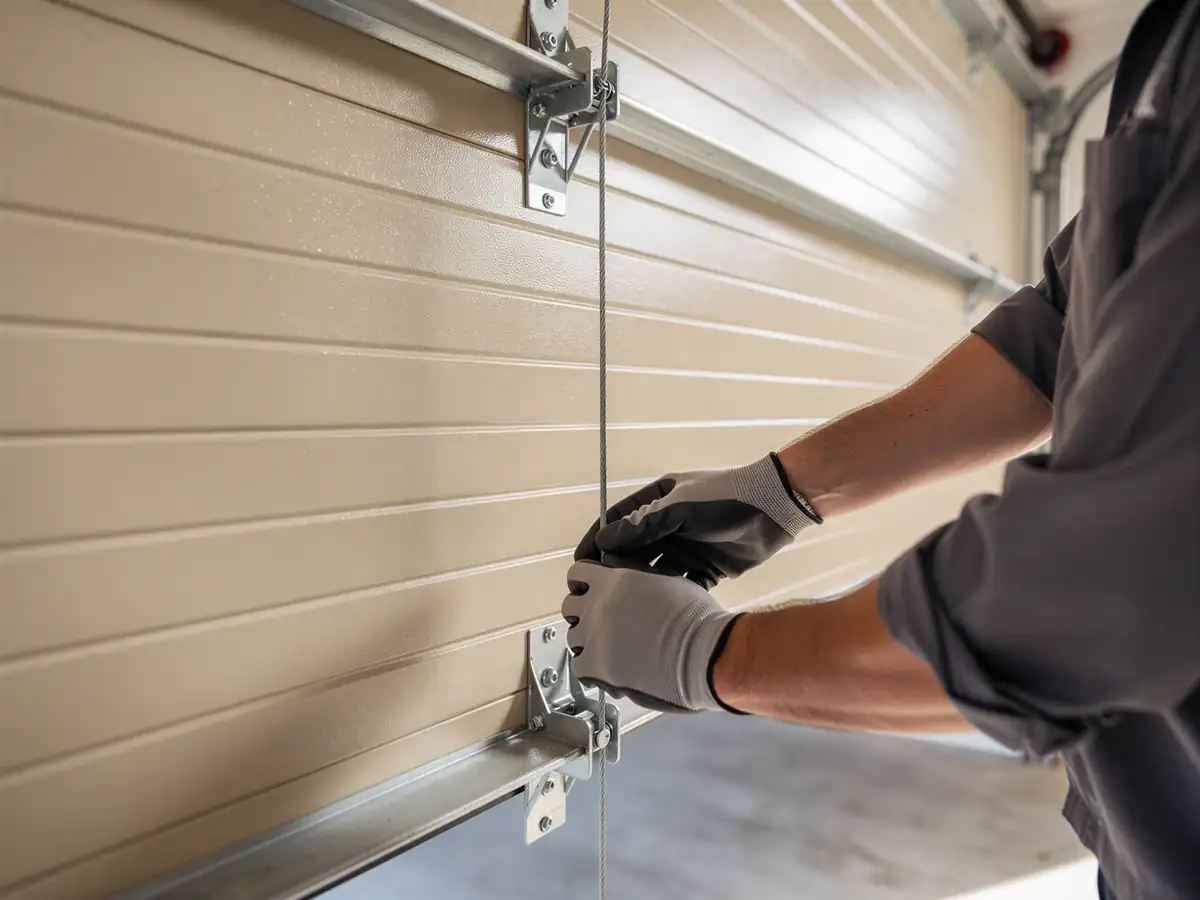
The door itself stays usable through most of the install. We disconnect the opener from the door early, which means you can still lift it by hand while we work on the motor unit, rail, and bracket. The door is only fully out of service for the last stretch, when we're setting travel limits and running the safety reversal test, and that's a short window, not an all-day one.
If a part turns out to be a special order - a specific smart-opener model, for instance, rather than our standard stock units - that's the one thing that can stretch the timeline past a single visit. We'd rather tell you that before we start than after.